Care and Maintenance: Tips for Using Your Kitchen Thermometer Accurately
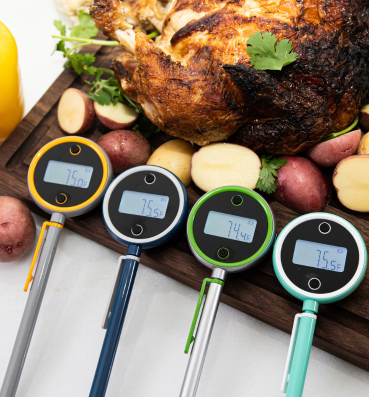
Kitchen thermometers take the guesswork out of cooking and ensure our food is cooked to perfection. There are a variety of them on the market, ranging from simple dial models to flashy computerised Thermoworks Thermapen models that promise speedy results. An example is the liquid-filled thermometer. This thermometer is meant to be placed into the food before it is baked. The coloured liquid inside the thermometer expands and rises as the meal’s internal temperature increases, indicating the temperature on the scale. Because thermometers are such a crucial cooking component, here are some buying, utilising, and maintaining suggestions.

Table of Contents
Know the different types of kitchen thermometer
A kitchen thermometer is made for the same thing. Here are the major categories, so you can be aware of them and buy the one that makes the utmost sense for your requirements.
Oven-safe thermometers with a dial: This can be left in place while the dish cooks. In the thickest portion of the food, cut two to two and a half inches deep. Temperature readings take one to two minutes to complete. For roasts, casseroles, and soups, use this type of smoker thermometer. They aren’t suitable for light foods.
Instant-read thermometers: These should not be kept in the meal while cooking. Instead, use the Instant Read thermometer to double-check the food near the conclusion of the cooked chicken temp process. In the thickest part of the food, place the stem about 2 to 2.5 inches deep.
Varied-purpose thermometer: If you only need one type of kitchen thermometer, this is the one to get. These thermometers are available in analogue and digital versions. They can often read a wide range of temperatures, allowing you to use them for everything from meat to baked products to deep-frying. The probe on the digital food thermometer is pointed and inserted into the centre of the food.
All-purpose thermometers: These can measure a wide range of temperatures. Some, such as the Thermoworks Thermapen, a very sensitive thermocouple, can be used for everything from frying to candy-making.
A more basic analogue thermometer (such as the kind you’d find in the grocery store) is unlikely to work at the high-temperature danger zone required for candy making.
Thermometers for candy: These thermometers commonly clip onto the sides of pots and pans, so you can keep an eye on the temperature while performing high-temperature operations such as deep-frying or boiling sugar. No probes are included with these.
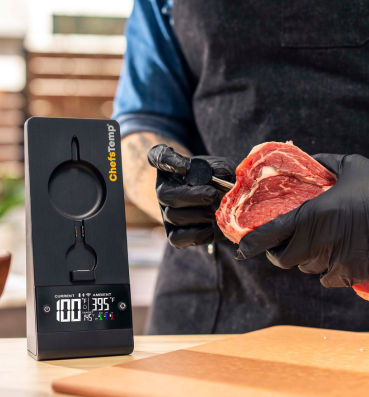
Meat thermometers: As people have been wondering how to use a meat thermometer, it is used to determine the doneness of meat and provides indications for different levels of doneness, such as rare, medium-rare, and well-done. An instant-read meat thermometer can be placed into a massive chunk of meat before cooking and stay there during the cooking process.
Appliance thermometers: Thermometers that monitor the oven, refrigerator, and freezer are available. Using these gauges ensures your appliance operates correctly and at the correct temperature. They’re handy for baking in the oven or checking the temperature in the refrigerator or freezer if the power goes out.
Thermometers should be tested and calibrated
The meat thermometer is only helpful if the readings are correct! If you’re unsure, place the best meat thermometers in either ice water or hot water to test their accuracy. In cold water, it should be 32°F (0°C), while in boiling water, it should be 212°F (100°C) (let it sit in there at least 30 seconds to get an accurate reading). If your thermometer is out of calibration, consult the manufacturer’s instructions or replace it.

Learn how to utilize the best food thermometer correctly
It can be challenging to find the best place to take your temperature. Stick the meat into the thickest section of the widest part, but make sure it doesn’t touch any bones. Take the steak temperature chart where the thigh meets the rest of the body for the whole fowl, such as chickens and turkeys, because that part is thick and takes the longest to cook. Stick the probe in sideways for thin pieces of meat like hamburgers.

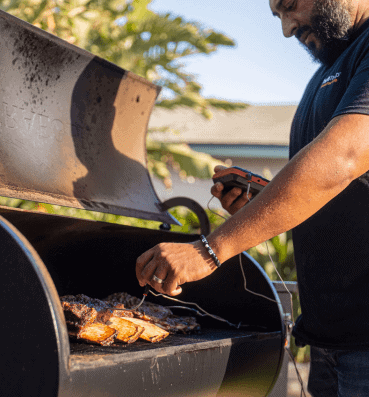
You must know where to place the probe and provide enough time for the grill thermometer to take an accurate reading. Unfortunately, “instant-read” is a misnomer; check the thermometer’s label to see how long it takes to achieve a precise reading; it usually takes 20 to 30 seconds of steady holding to reach the appropriate temperature.
Make sure your thermometers are in good working order

Nobody enjoys using a filthy, corroded kitchen thermometer. Food thermometer probes should be washed in hot, soapy water after each use, and the rest of the thermometer should be wiped down to prevent grease buildup. To remove any caramel or sugary residue from candy thermometers, clip them onto a pot of boiling water.
Sanitise the probe by dipping it in hot water or using a food-safe sanitising solution if you’ve used it for meat. To save battery life, remember to turn off the digital remote thermometer and make sure everything is dry to avoid corrosion.
Conclusion
You can’t determine if a food is safe to eat by looking at it, smelling it, or tasting it. The only way to ensure the meal is prepared to the appropriate internal temperature and that dangerous bacteria are eliminated is to use a meat thermometer.
More than simply meat and poultry require the use of the chicken’s internal temperature. All prepared foods must reach a safe minimum internal temperature to prevent foodborne illness. After the meal has been cooked, the kitchen thermometer must guarantee that the temperature does not fall into the danger zone.
Discover Other ChefsTemp Products
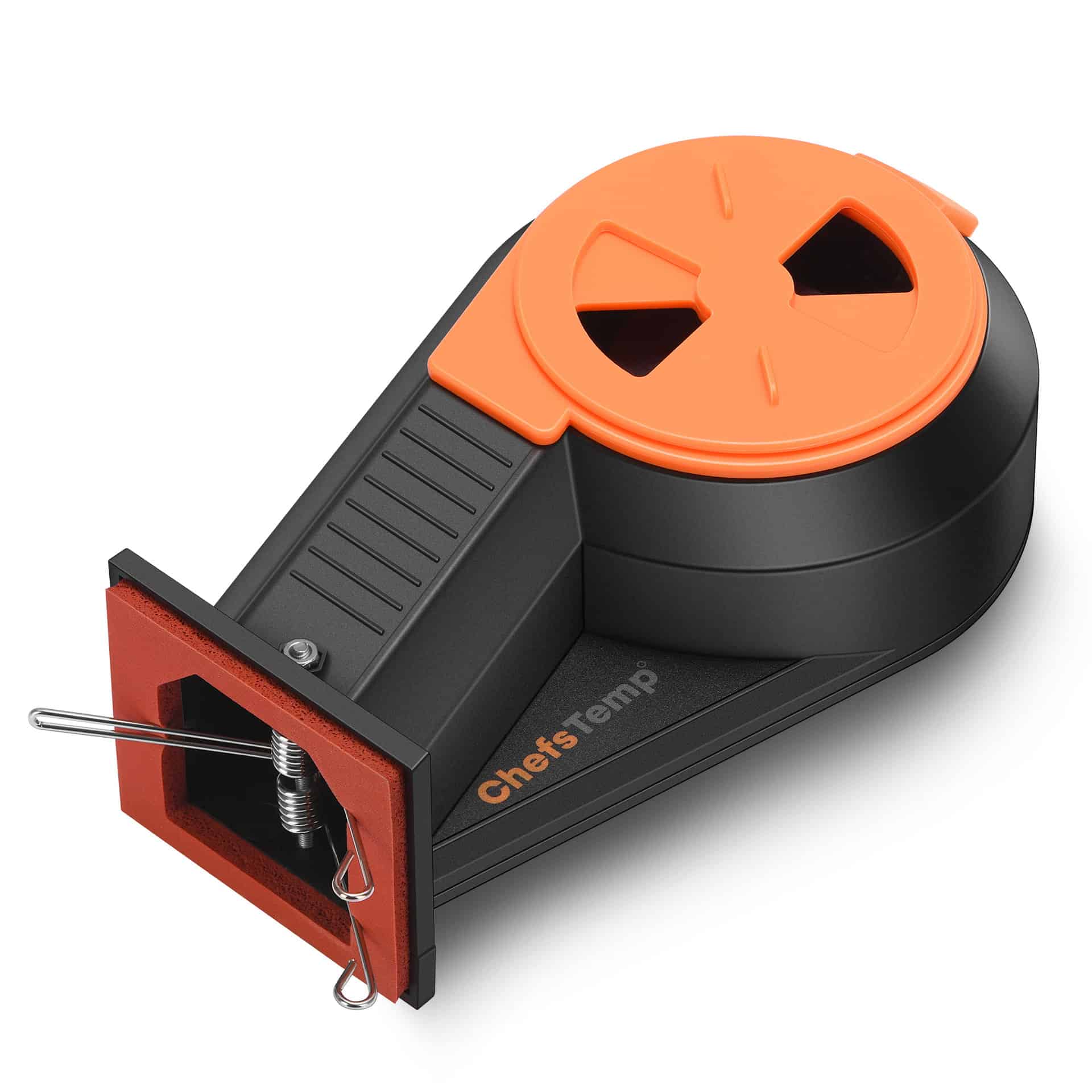
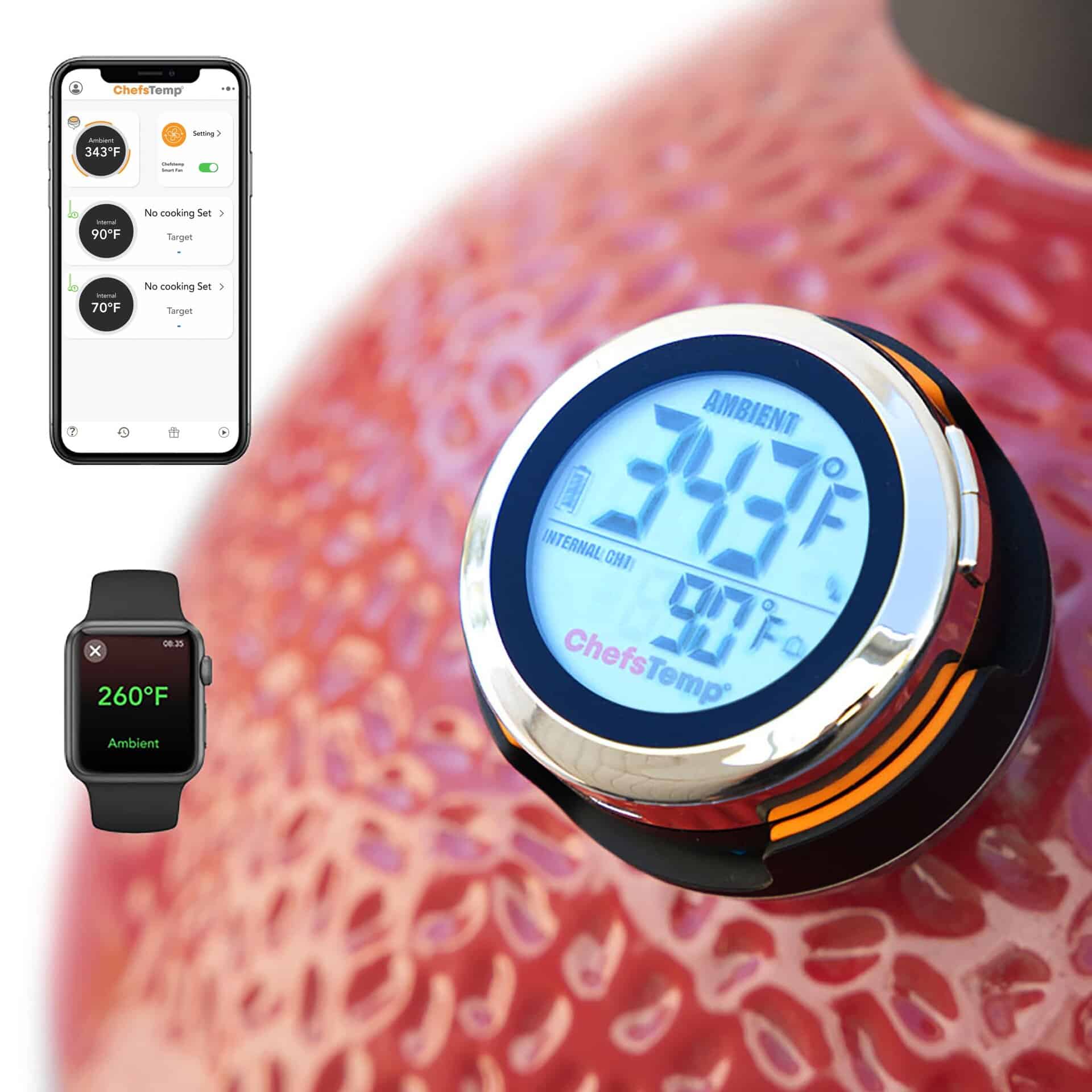
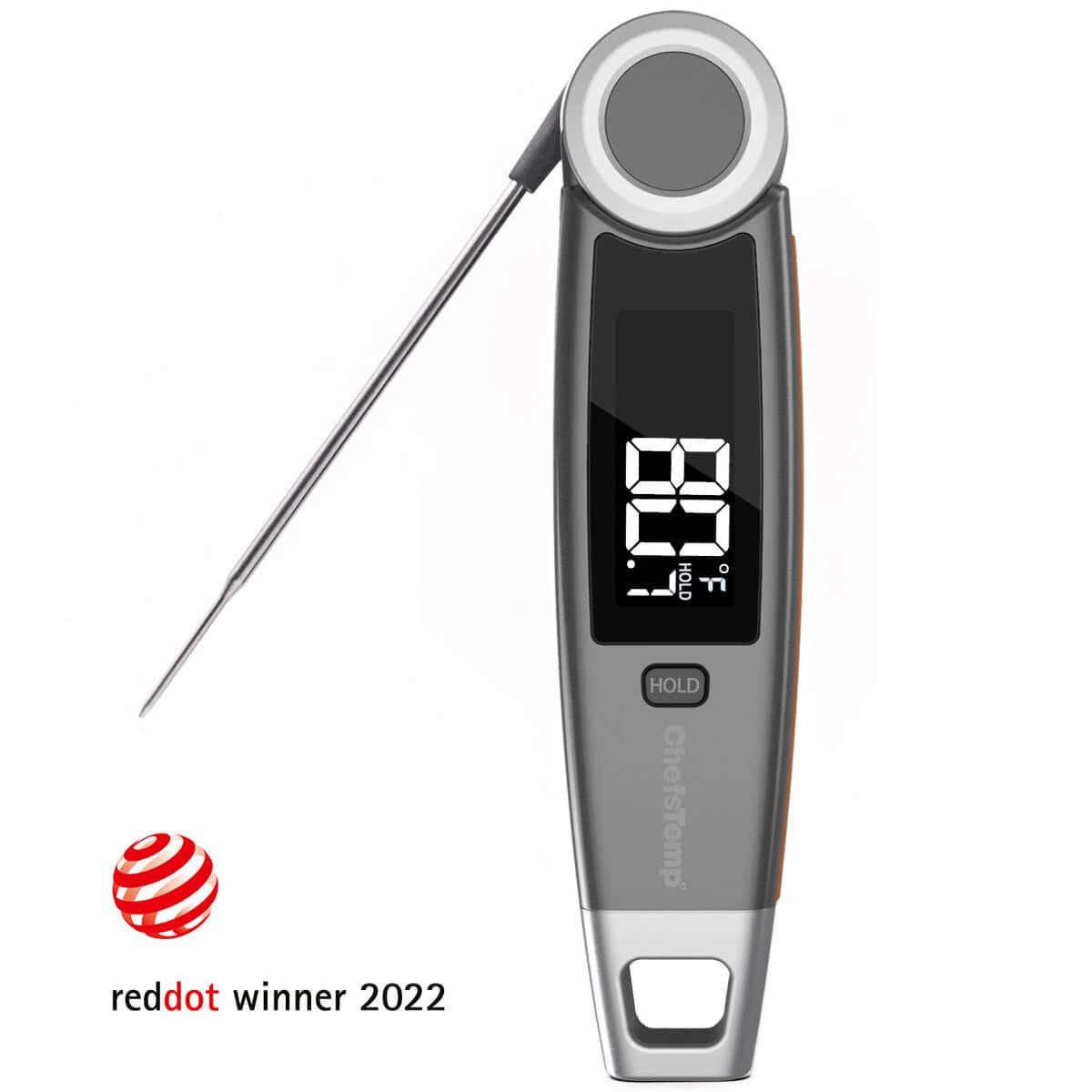
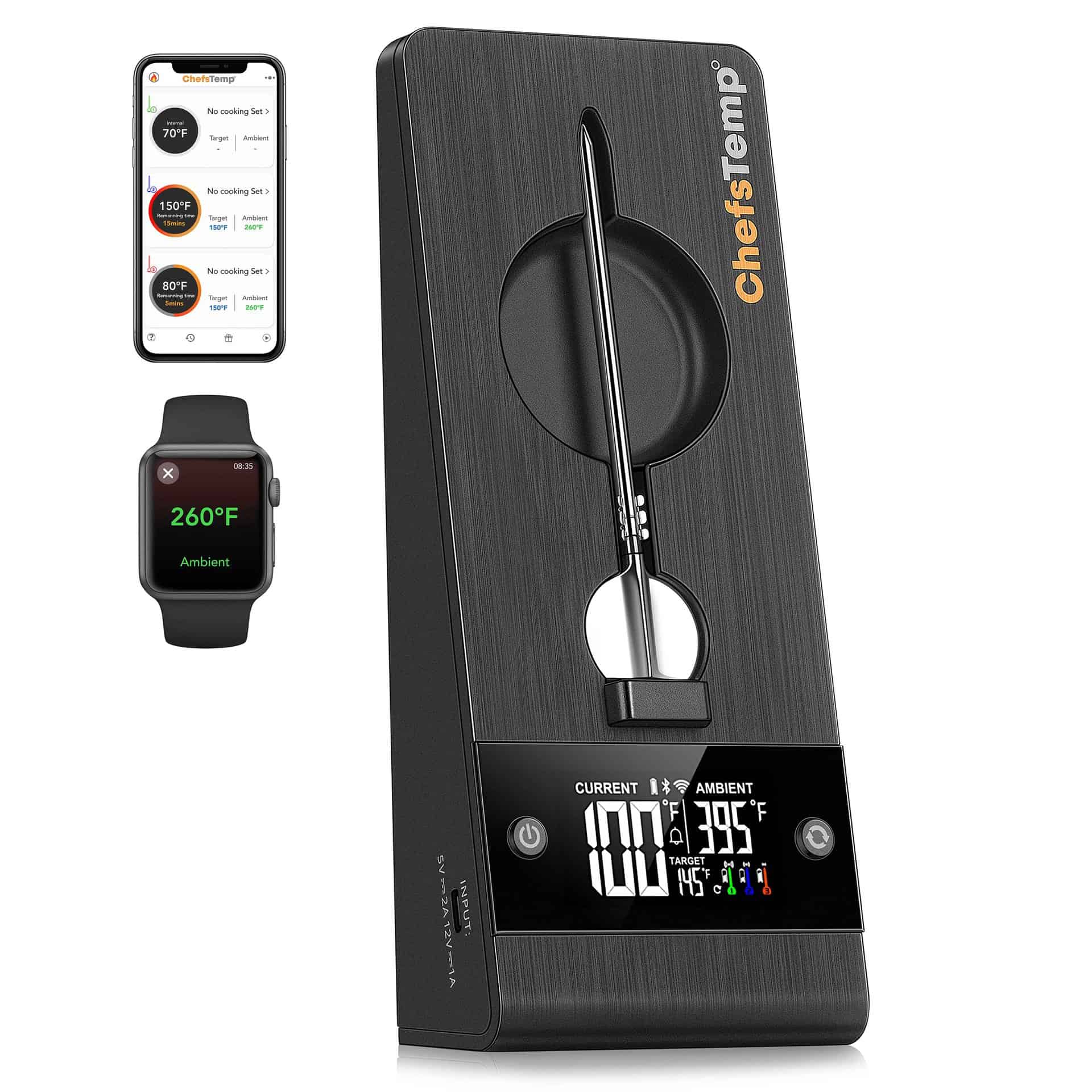
Discover more recipes and learn kitchen tricks by joining our cooking family on Facebook.
You may also like: