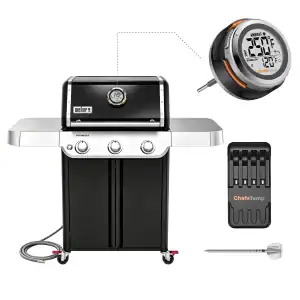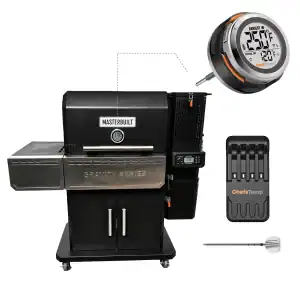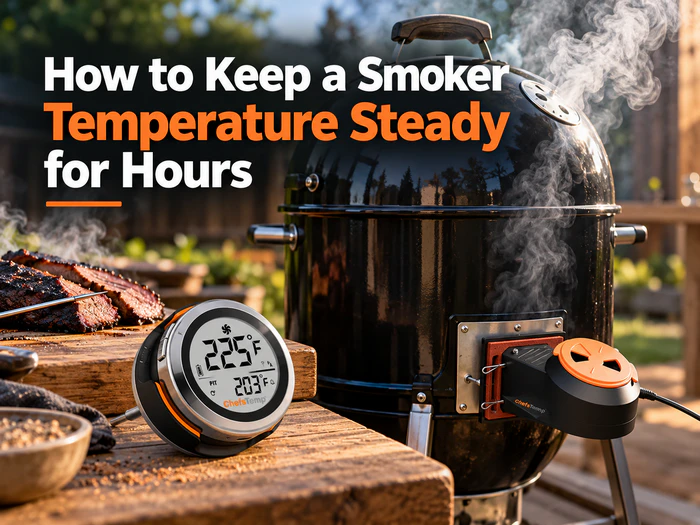
Keeping a smoker temperature steady for hours comes down to three essentials: consistent fuel, controlled airflow, and accurate temperature monitoring. Whether you’re smoking brisket, pork shoulder, or ribs, managing these factors helps prevent sudden temperature swings and reduces the need for constant adjustments.
For charcoal smokers, maintaining a target temperature around 225–250°F (107–121°C) is common for low-and-slow BBQ. While some fluctuations are normal, large or sustained changes can affect cooking time and consistency.
Here’s how to keep smoker temperature stable, troubleshoot common problems, and use automatic temperature control to make long smoking sessions easier.
Part 1. Why Does Smoker Temperature Fluctuate?
Smoker temperature fluctuations usually result from changes in airflow, fuel availability, or cooking conditions. Understanding the cause is the first step toward fixing the problem.
Too much airflow: Charcoal burns hotter when more oxygen enters the smoker. Wide-open intake vents, air leaks, or strong winds can cause the fire to grow and the temperature to rise unexpectedly.
Insufficient fuel: As charcoal burns down, heat output decreases. Ash buildup can also restrict airflow, weakening the fire even when unburned fuel remains.
Weather conditions: Wind, rain, and cold outdoor temperatures can affect how a smoker retains heat and how air moves through it.
Frequent lid openings: Opening the smoker releases heat and introduces additional oxygen. This can temporarily lower the temperature, then cause the fire to burn more aggressively.
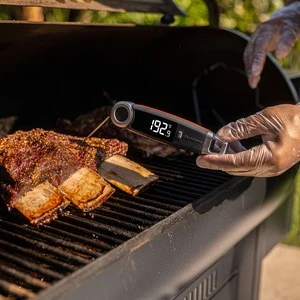
Inaccurate temperature readings: Built-in lid thermometers may read differently from the cooking grate. Probe placement can also affect readings, especially near hot spots or cold meat.
One common issue is a smoker continuing to heat up even after an automatic fan stops running. This can happen because the charcoal remains hot and natural airflow continues feeding the fire. A fan can stop supplying additional air, but it cannot instantly remove heat or completely prevent passive airflow.
Part 2. How to Keep Your Smoker at a Steady Temperature for Hours
A stable charcoal fire requires preparation and gradual adjustments. These five steps can help maintain consistent cooking temperatures during long BBQ sessions.
1. Prepare enough fuel for the cook
Start with sufficient charcoal for your expected cooking time. For charcoal smokers, the Minion Method is popular: a small amount of lit charcoal gradually ignites a larger supply of unlit briquettes.
This helps extend the burn without requiring all the fuel to ignite at once. Actual burn time depends on the smoker, charcoal quantity, weather, and airflow.
2. Stabilize the fire before adding food
Let your smoker reach its target temperature before loading the meat. For example, if you’re aiming for 225°F, let the charcoal fire establish a predictable burn.
Avoid making large adjustments based on a single reading. A smoker needs time to respond to airflow changes.
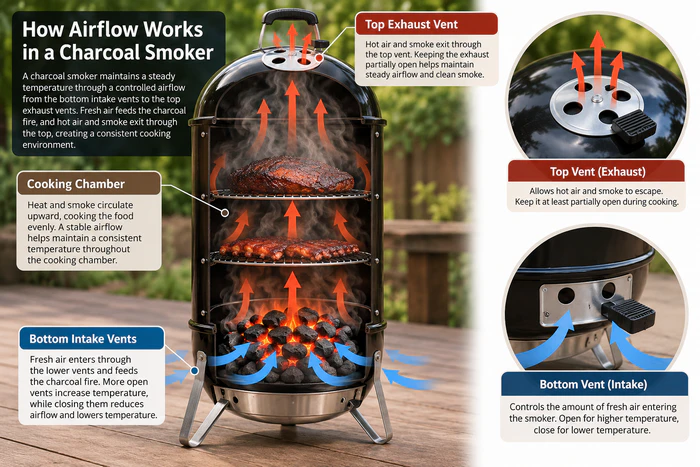
3. Control intake and exhaust airflow
Airflow is one of the most important factors in controlling temperature in a charcoal smoker.
Opening the intake vents generally increases oxygen supply and encourages a hotter fire. Restricting intake airflow can slow combustion.
Make small adjustments rather than repeatedly opening and closing vents. Keep the exhaust configured according to your smoker’s instructions so smoke and combustion gases can escape properly.
4. Monitor the actual cooking temperature
Use a reliable thermometer positioned near the cooking grate to monitor pit temperature.
A smoker’s lid thermometer may not accurately represent the temperature surrounding the food. A dedicated pit temperature sensor provides a more useful reference for controlling the cooking environment.
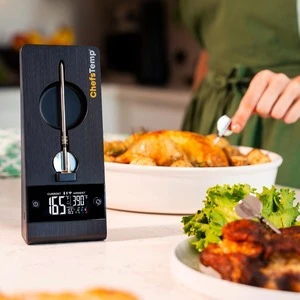
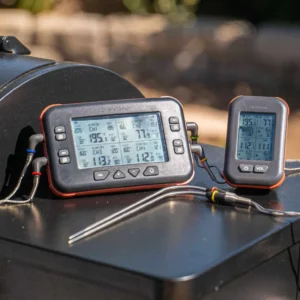
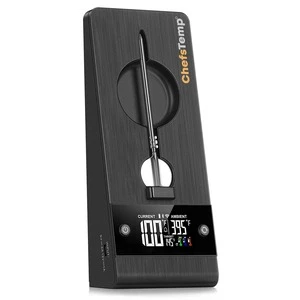
For long cooks, wireless monitoring lets you track temperature changes without repeatedly opening the smoker.
5. Respond to temperature trends, not every fluctuation
A brief temperature change doesn’t always require immediate intervention.
Instead, watch whether the temperature returns toward the target or continues moving in the wrong direction.
Use this troubleshooting guide when your smoker becomes unstable:
| Temperature Problem | Possible Cause | What to Do |
|---|---|---|
| Temperature keeps rising | Excess airflow or air leaks | Check intake vents and seals |
| Temperature keeps dropping | Low fuel or ash buildup | Check charcoal and airflow |
| Temperature repeatedly swings | Overadjustment or changing wind | Make smaller adjustments and allow time |
| Temperature rises after the fan stops | Residual heat or passive airflow | Check air leaks and vent configuration |
| Temperature reading seems incorrect | Poor probe placement | Verify sensor position and readings |
The goal is not a perfectly flat temperature line. It’s a controlled fire that stays within a reasonable cooking range without constant intervention.
Part 3. Can an Automatic Temperature Controller Keep a Smoker Stable?
Yes. A compatible automatic temperature controller can help maintain a smoker’s target temperature by adjusting airflow based on temperature readings.
Unlike a wireless thermometer that only monitors temperature, an automatic controller can actively influence how the charcoal burns.
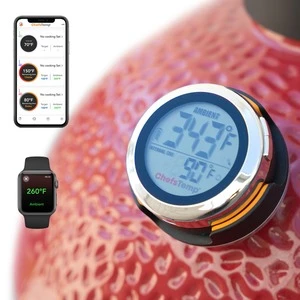
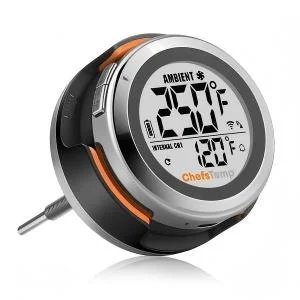
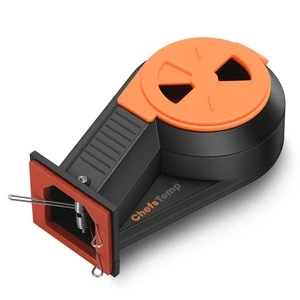
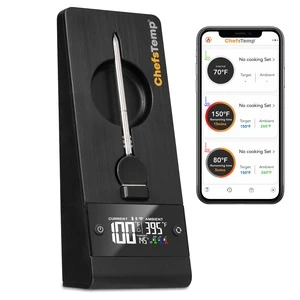
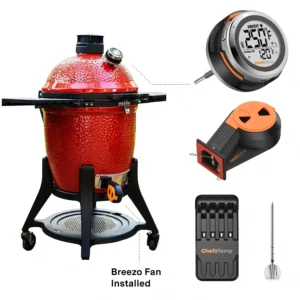
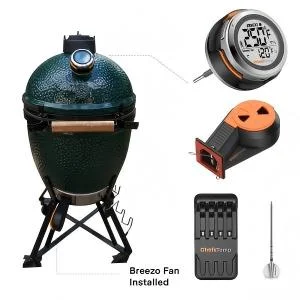
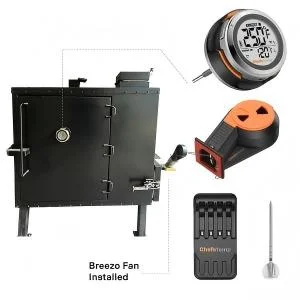
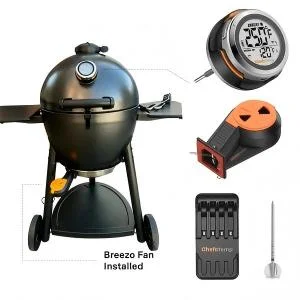
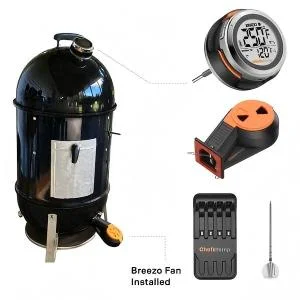
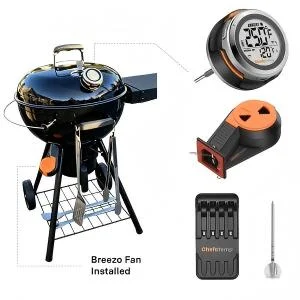
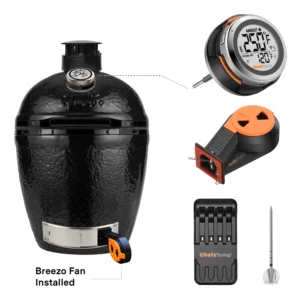
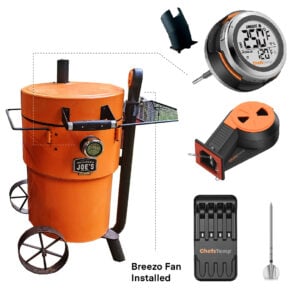
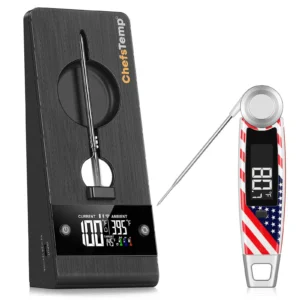
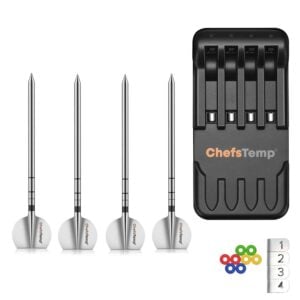
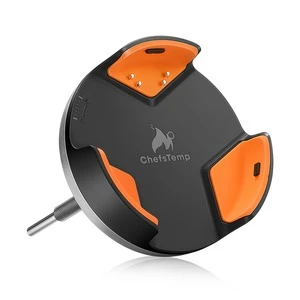
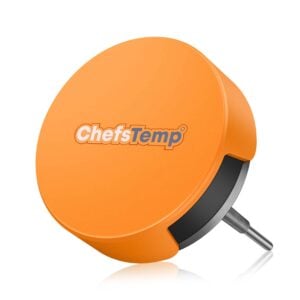
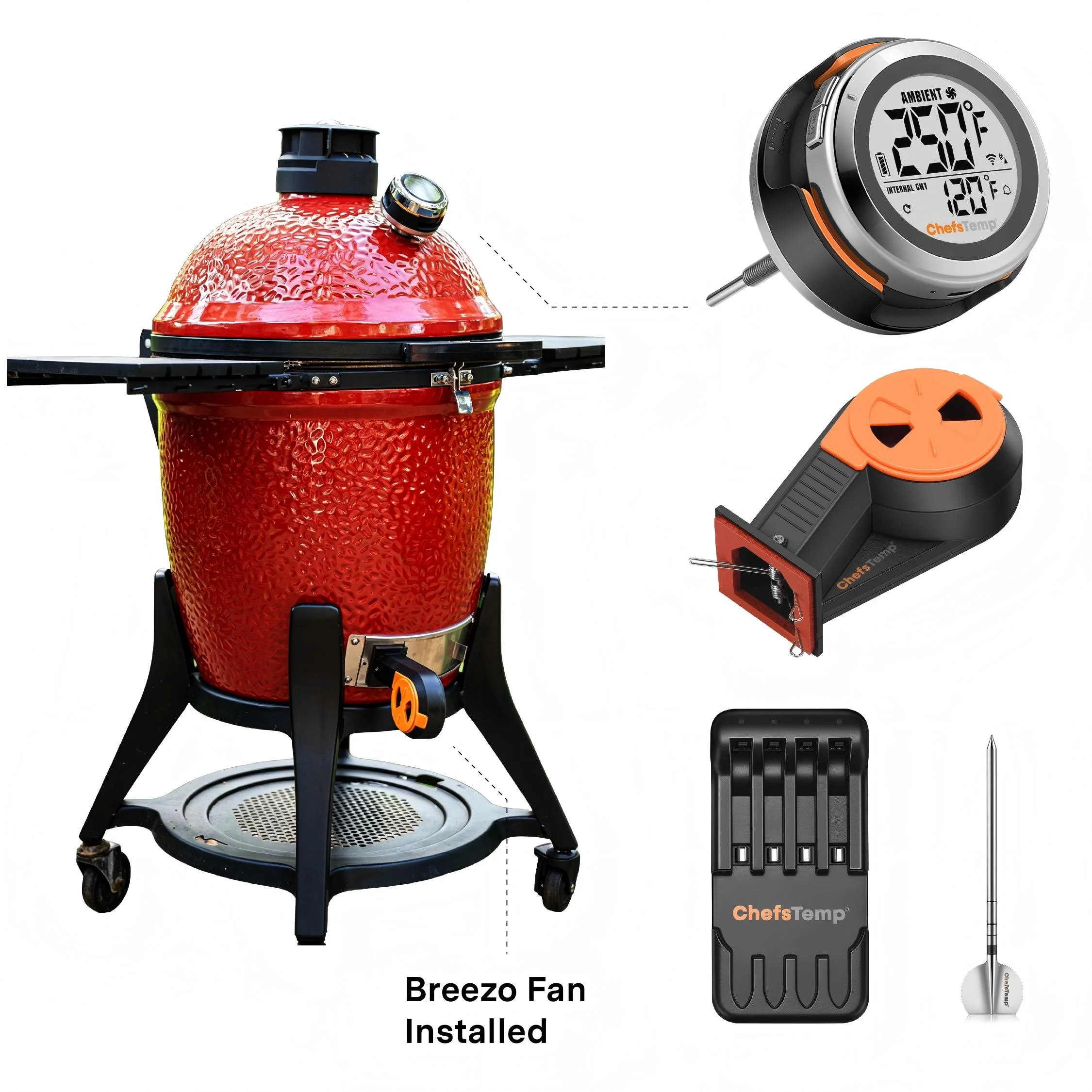
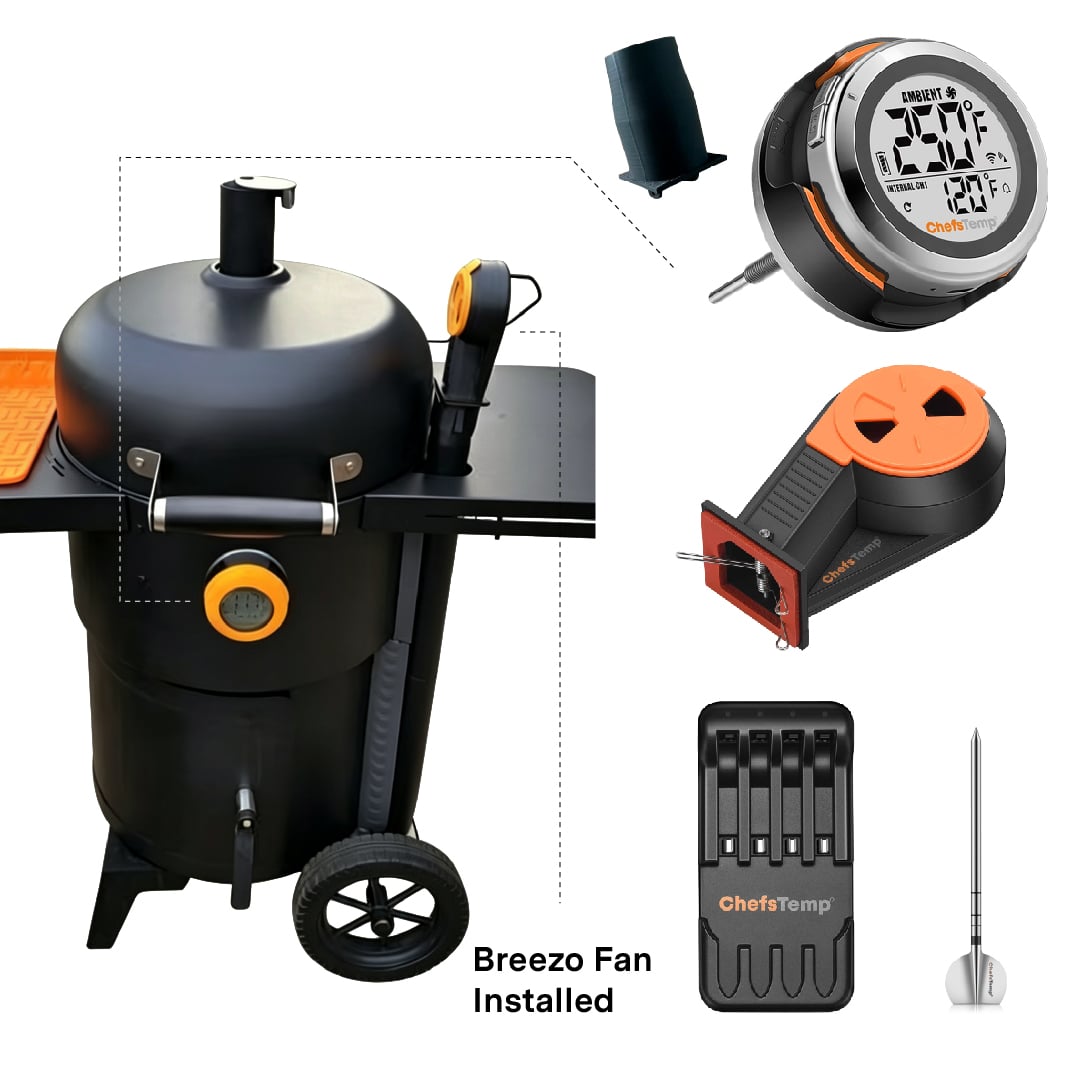
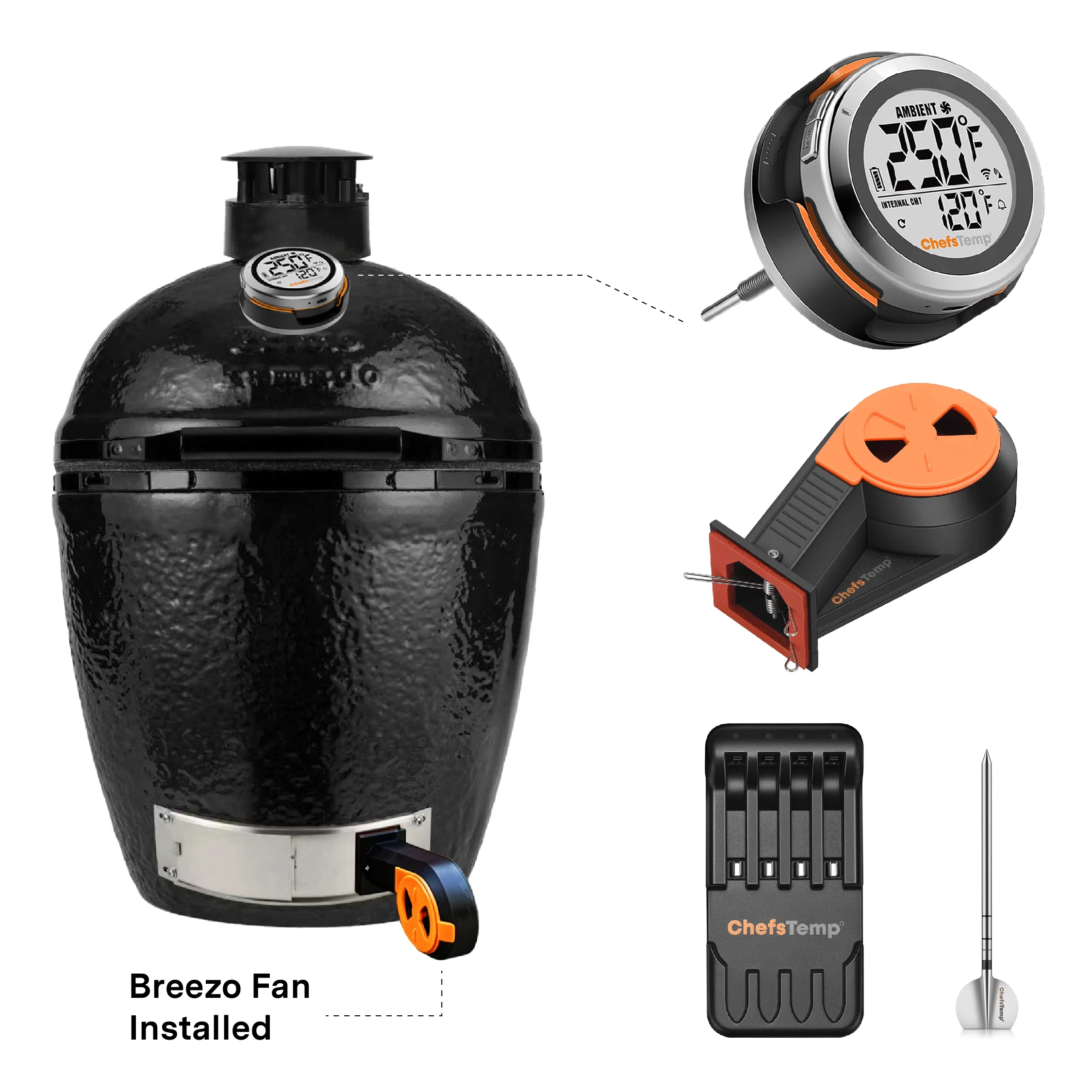
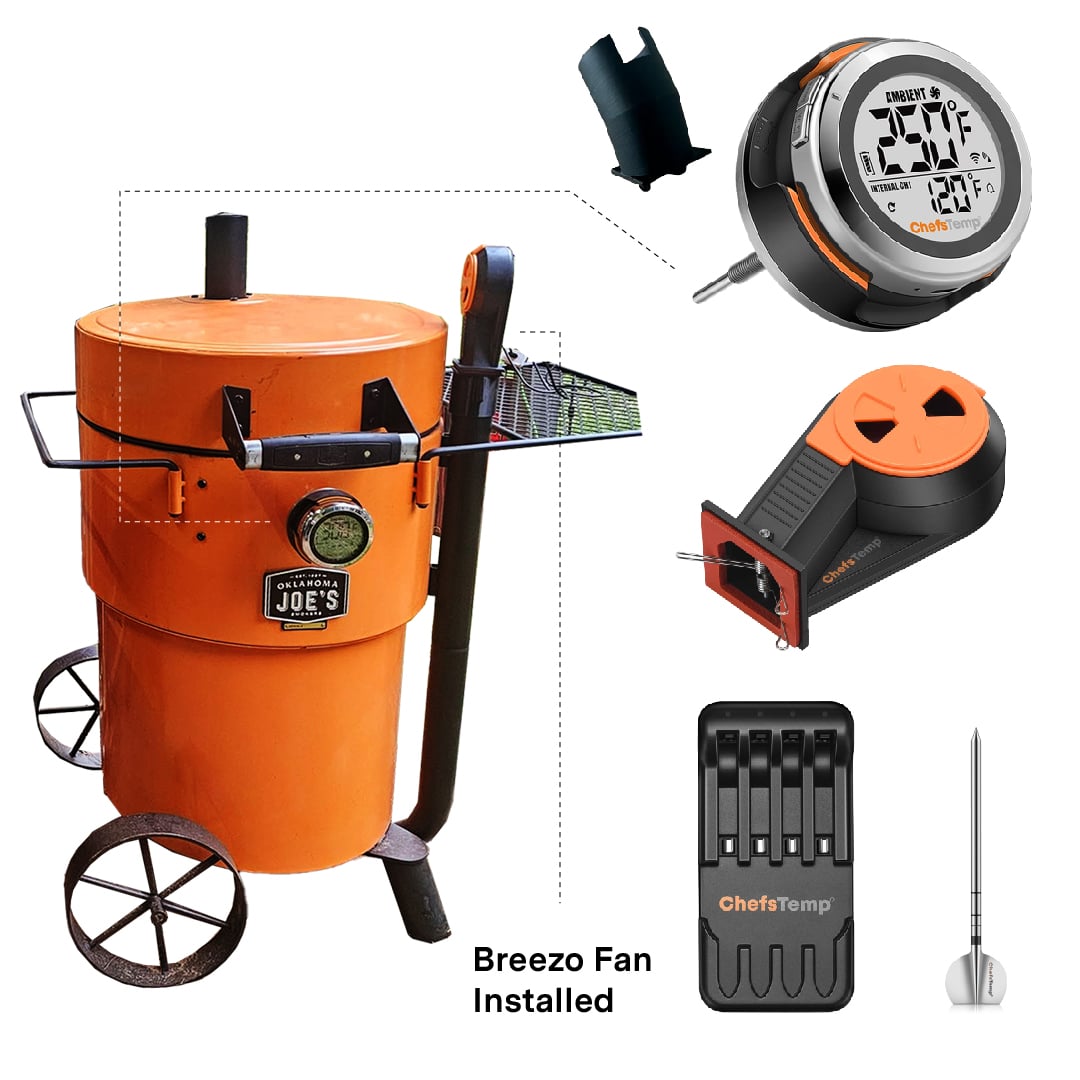
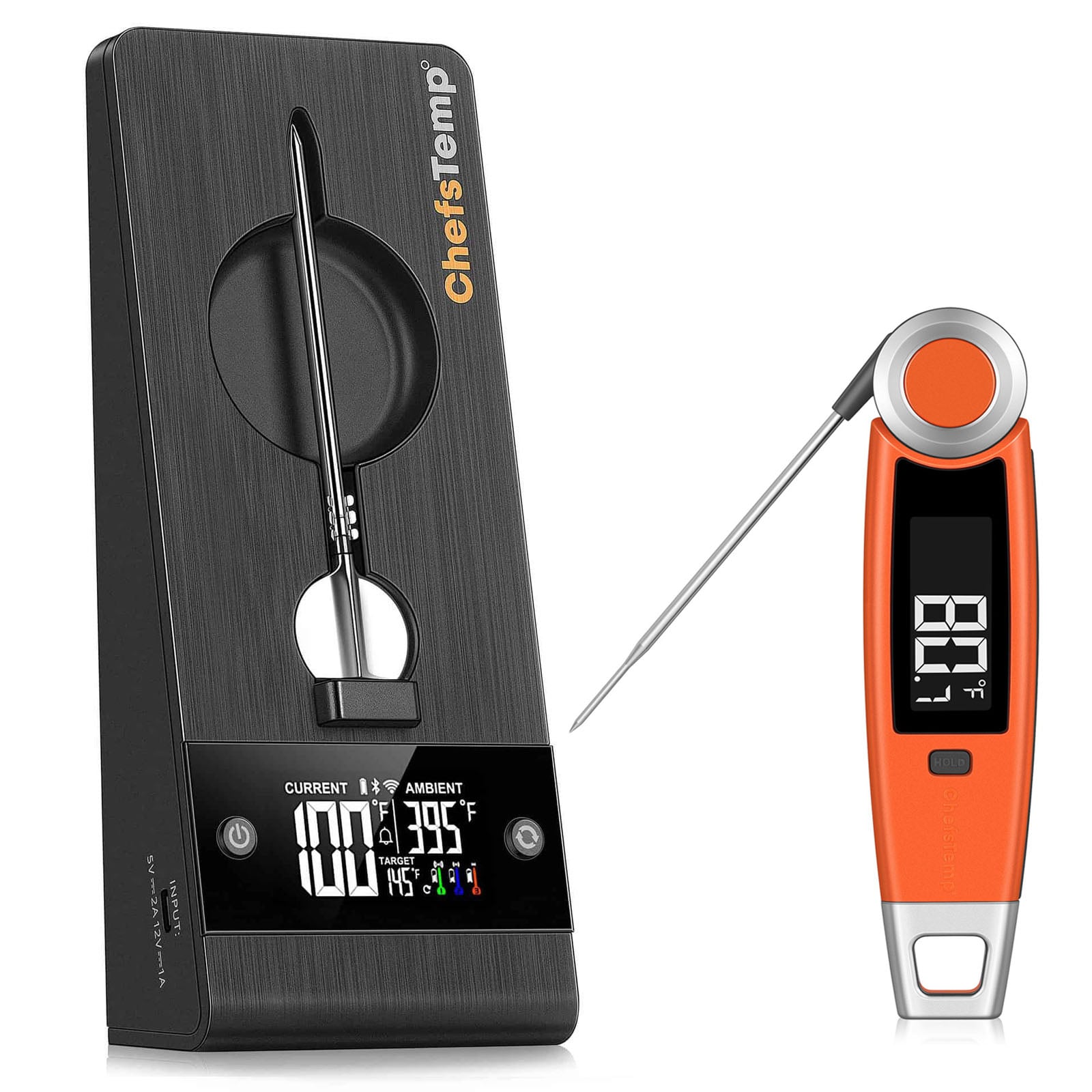
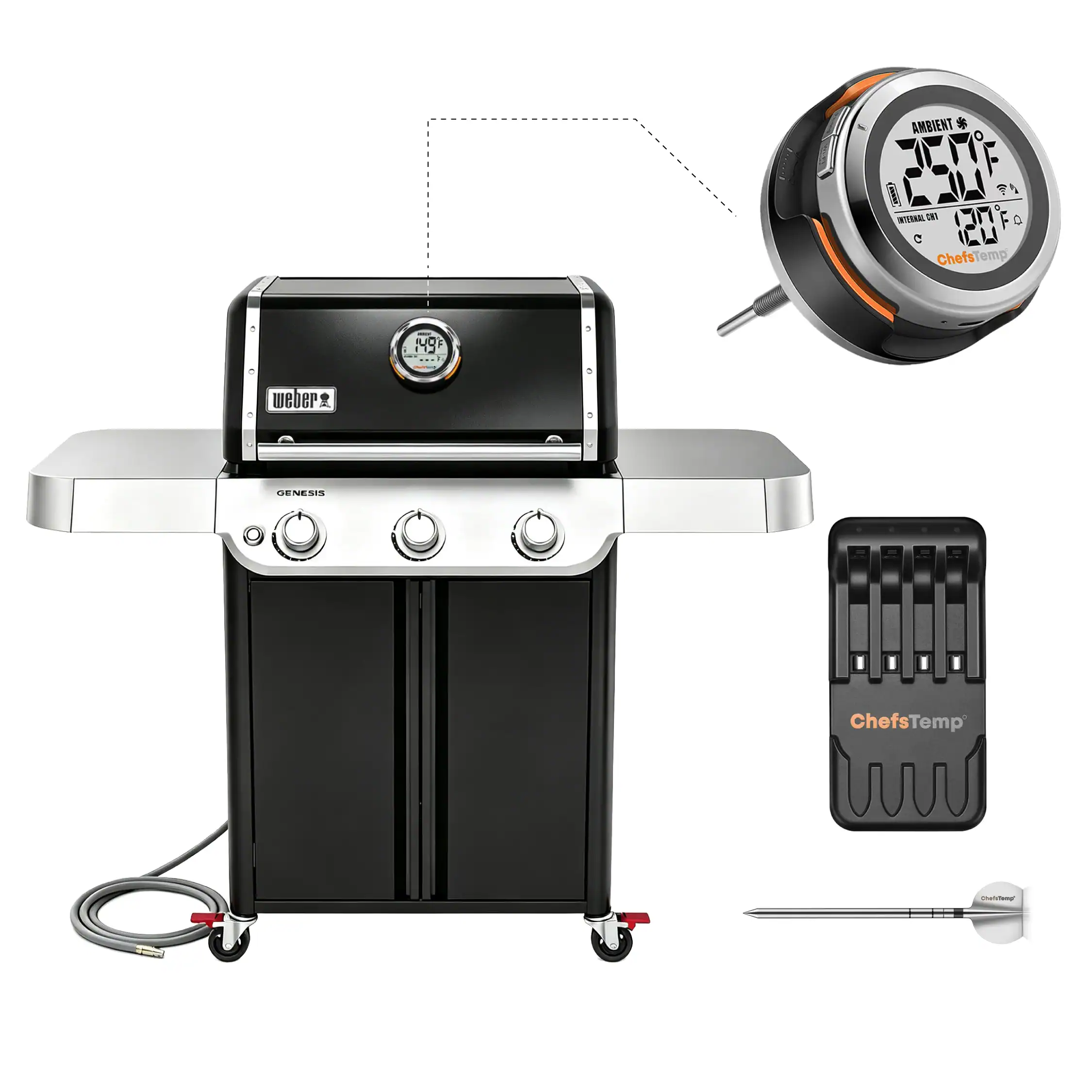
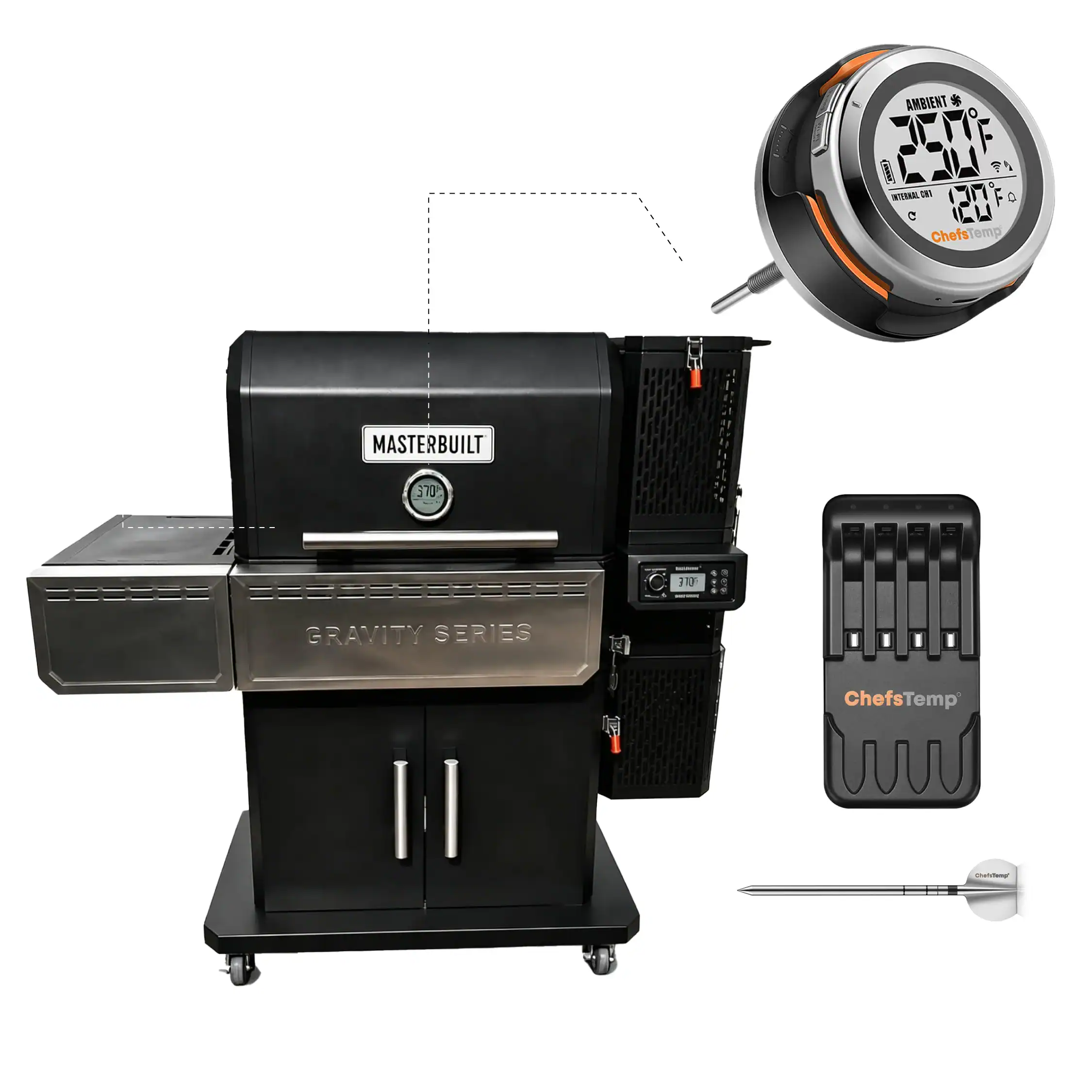
For example, the ChefsTemp ProTemp S1 and Breezo fan work together as a temperature-monitoring and airflow-control system.
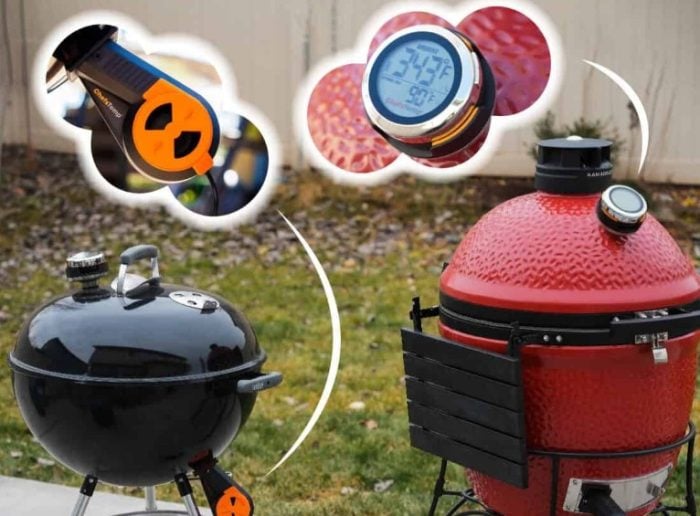
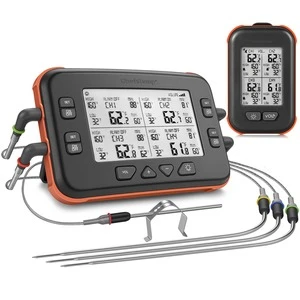
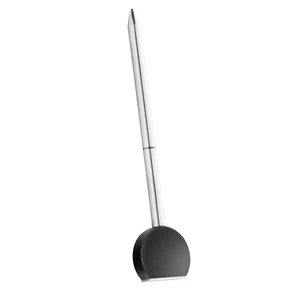
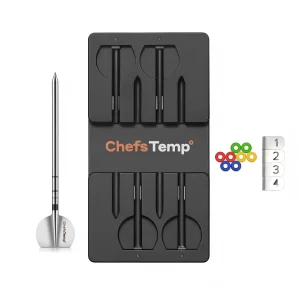
The ProTemp S1 monitors smoker temperature, while the Breezo fan adjusts incoming airflow to help maintain the selected cooking temperature. Compatible wireless meat probes can also track internal food temperatures, allowing users to monitor both the smoker and the meat through the ChefsTemp app.
This combination is particularly useful during long cooking sessions, when repeated manual vent adjustments can become inconvenient.
However, automatic temperature control has limitations. A fan cannot cool an overheated charcoal fire, replace exhausted fuel, or compensate for every air leak. Proper vent configuration and fuel preparation remain essential.
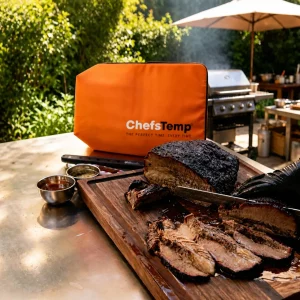
In a Weber Smokey Mountain brisket-cooking example, ChefsTemp S1 and Breezo helped manage temperature during a long, low-and-slow cook.
For a more detailed explanation of automatic airflow control, see our guide to using a grill temperature controller.
Whether you prefer manual adjustments or an automatic system, the principle remains the same: stable temperatures depend on maintaining a controlled charcoal fire.
Frequently Asked Questions
Q: How much temperature fluctuation is normal in a smoker?
Small fluctuations are normal in charcoal smokers. For example, a smoker set to 225°F may occasionally rise above or fall below that target as the fuel burns and airflow changes.
Rather than reacting to every minor variation, focus on sustained temperature trends. Large or persistent changes may indicate problems with airflow, fuel, or equipment.
Q: Why does my smoker temperature keep rising after the fan stops?
Stopping an automatic fan reduces forced airflow, but it doesn’t immediately stop charcoal combustion.
Residual heat, natural draft, intake leaks, or excessive airflow through the smoker can keep temperatures rising. Check the smoker’s intake seals and vent configuration, and make sure the controller is installed according to the manufacturer’s instructions.
Q: Can I maintain 225°F for 8–12 hours without constant adjustments?
A properly prepared charcoal smoker can maintain about 225°F for several hours with minimal manual adjustments. However, the duration depends on fuel capacity, smoker design, weather, and airflow.
An automatic temperature controller can reduce the need for frequent vent adjustments, but it doesn’t eliminate the need to monitor the smoker, maintain fuel, or follow fire-safety precautions.
Never leave a charcoal smoker completely unattended or operate it indoors or in an enclosed space.
Final Thoughts
Keeping a smoker temperature steady for hours doesn’t require constant adjustments when the fire is properly prepared and monitored.
Start with enough fuel, control airflow carefully, and watch temperature trends instead of chasing every small fluctuation.
For BBQ enthusiasts who want fewer manual adjustments, an automatic system like the ChefsTemp ProTemp S1 paired with Breezo can provide remote monitoring and assisted airflow control.
The key is understanding your smoker’s behavior and using the right tools to maintain a predictable cooking environment.
Related Posts

How to Smoke Salmon?
Smoked Salmon is a dish enjoyed by people everywhere and smoking salmon at home is a relatively simple, straig...