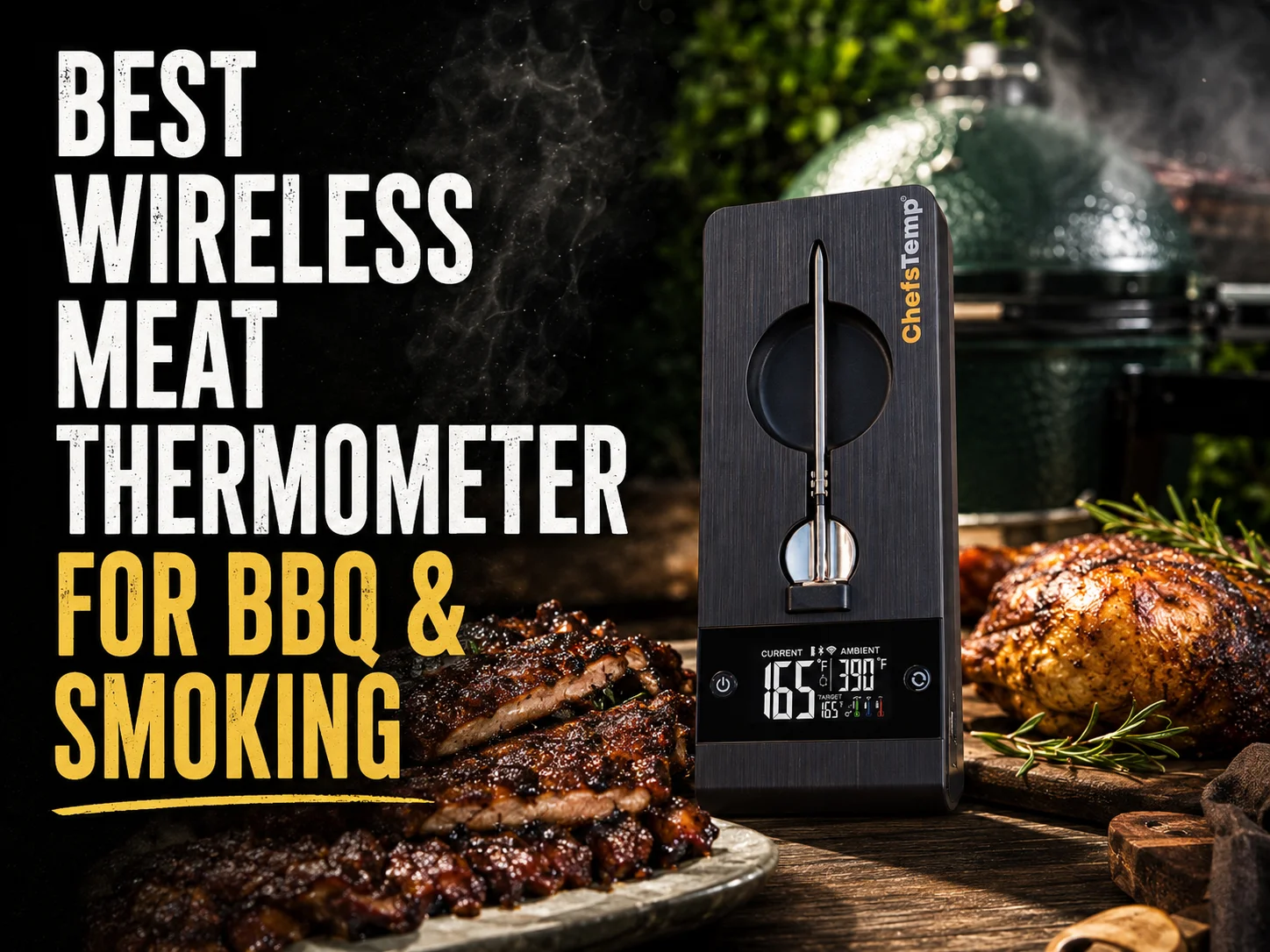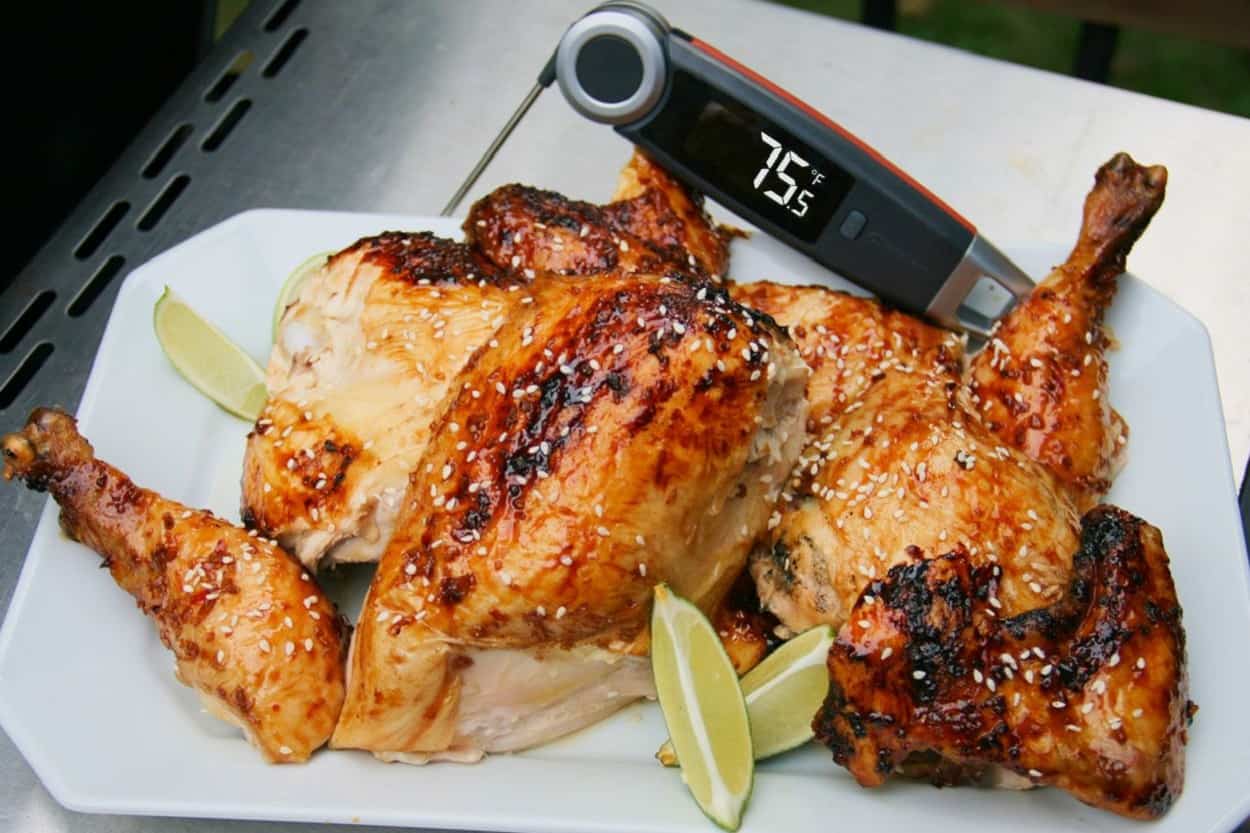
Cooking food for our loved ones is always delightful. Cooking food, especially when it comes to cooking meat, the yummy recipe, the best ingredients, and all the efforts of the cook combine to make it the best outcome. Meat thermometers play a significant role in making food healthy and tasty. All the facts about the best meat thermometer and how to use it to its full potential are discussed here.
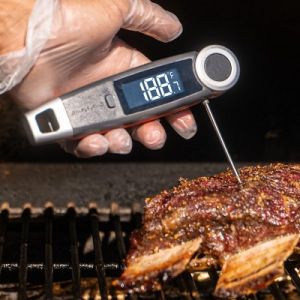
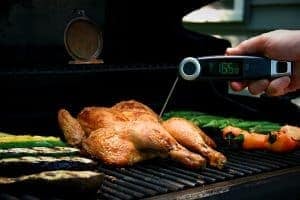
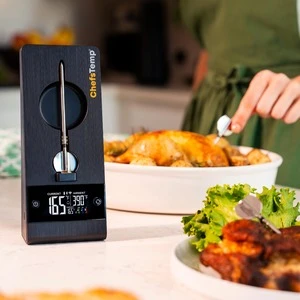
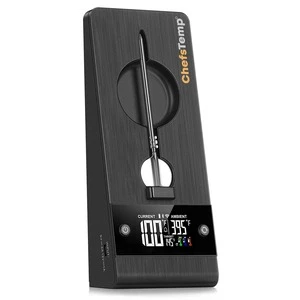
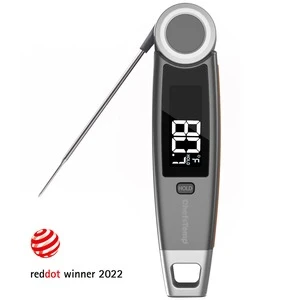
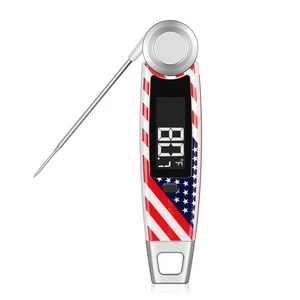
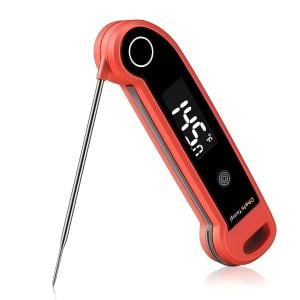
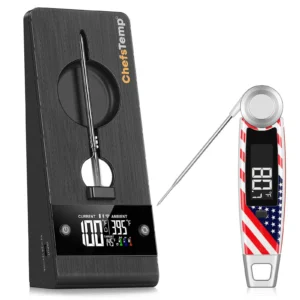
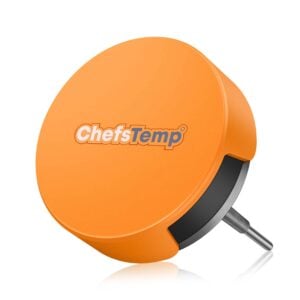
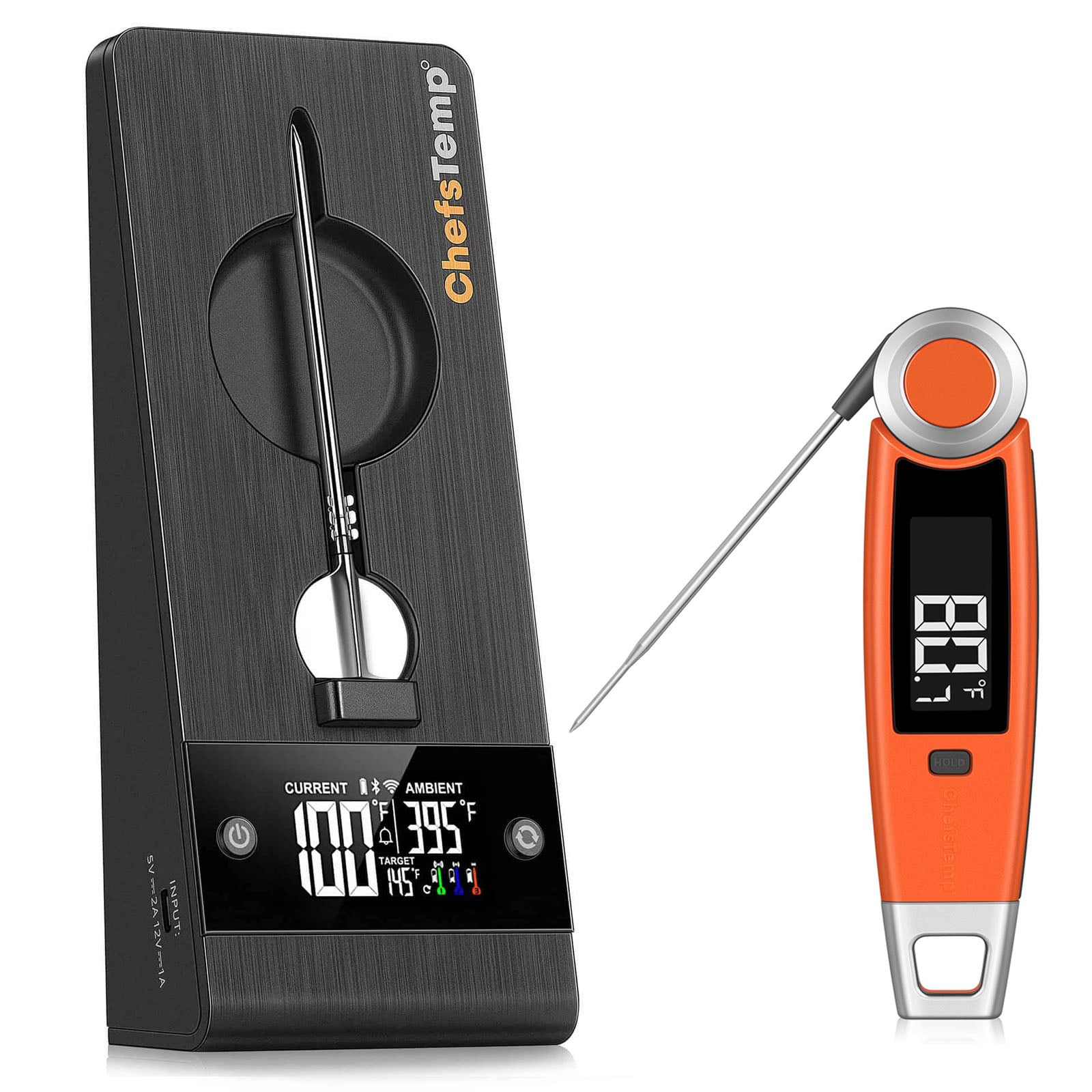
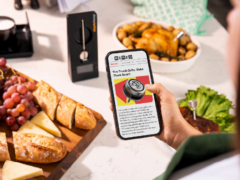
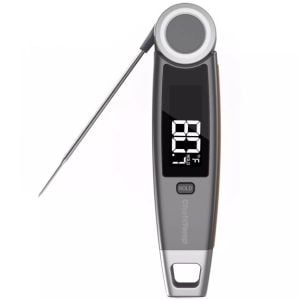 If you intend to buy a new instant-read meat thermometer, the ChefsTemp Finaltouch X10 is the best choice: it features the latest technology, quick operation, and the most accurate results, with an elegant design. The bold display of temperature on a black background with white letters makes it easy to read. The product’s interesting features are its 270° rotatable probe and automatic display rotation. The magnetic backing is an additional advantage of the thermometer, which enables easy placement in the kitchen.
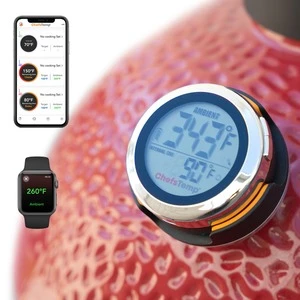
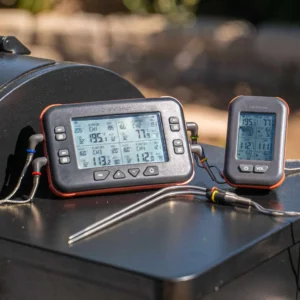
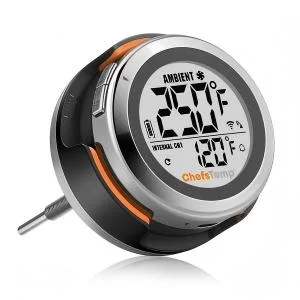
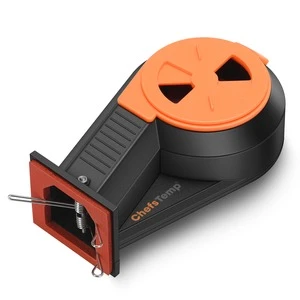
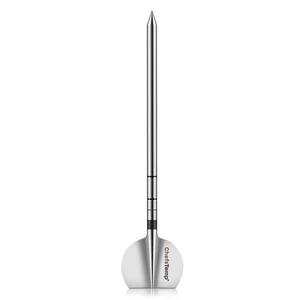
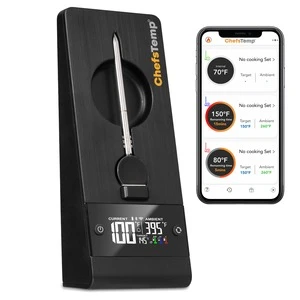
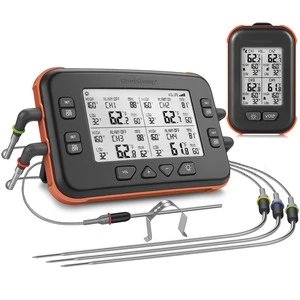
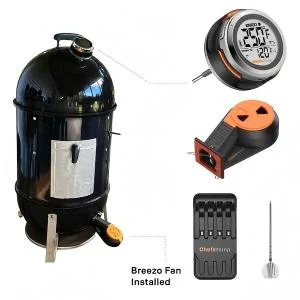
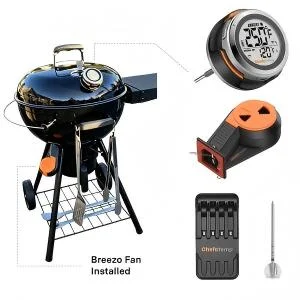
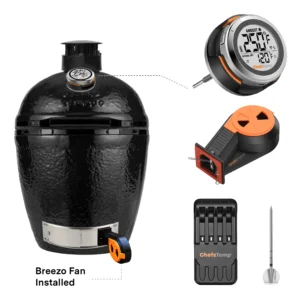
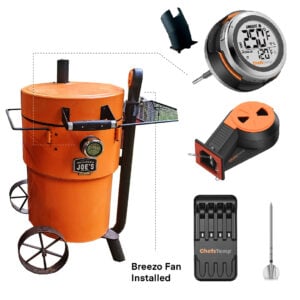
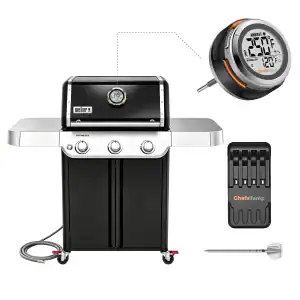
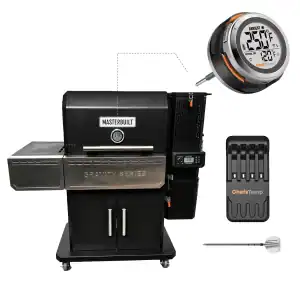
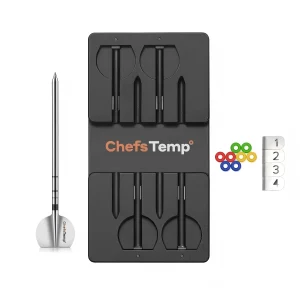
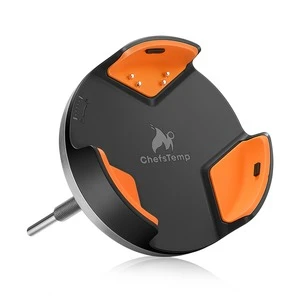
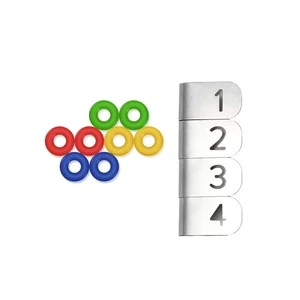
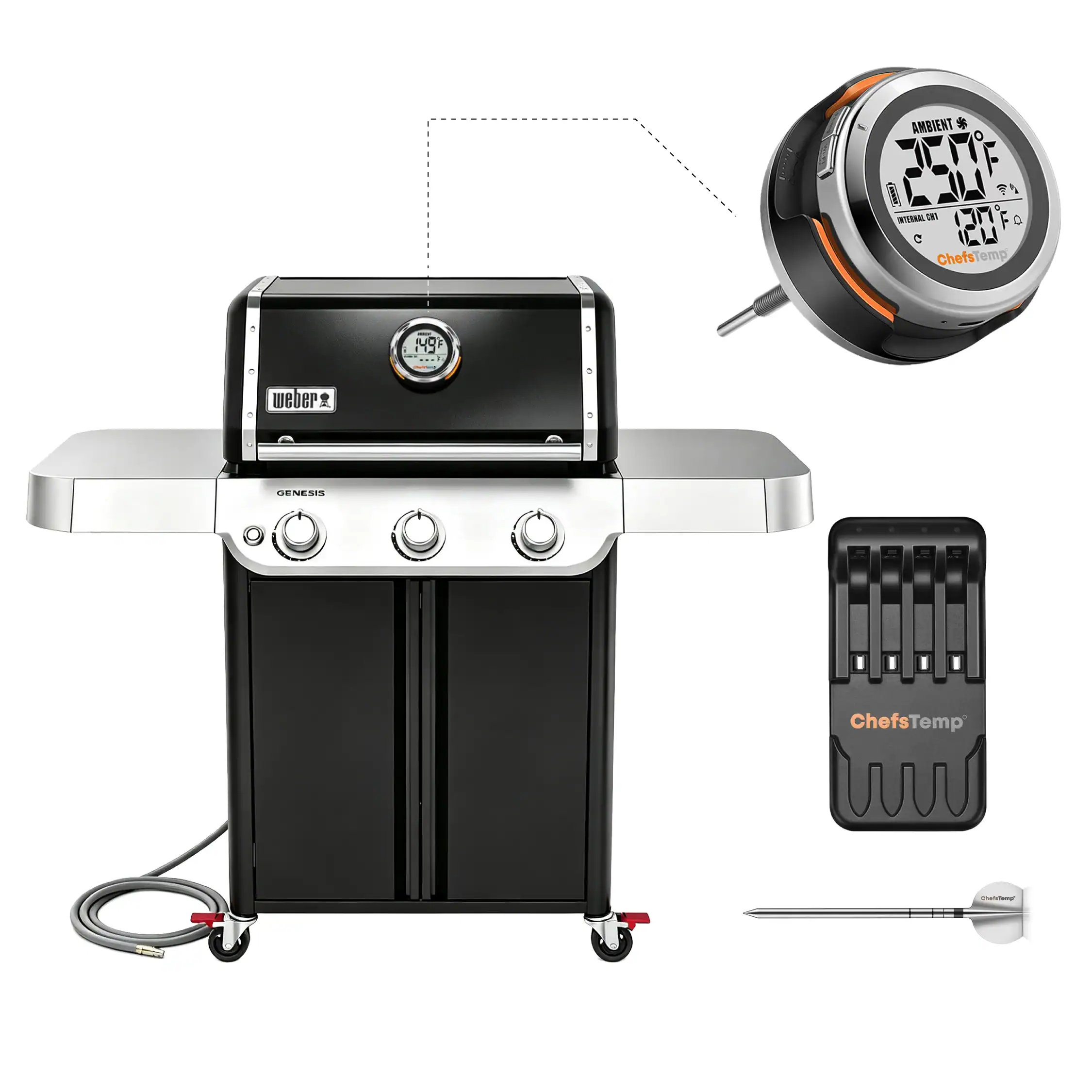
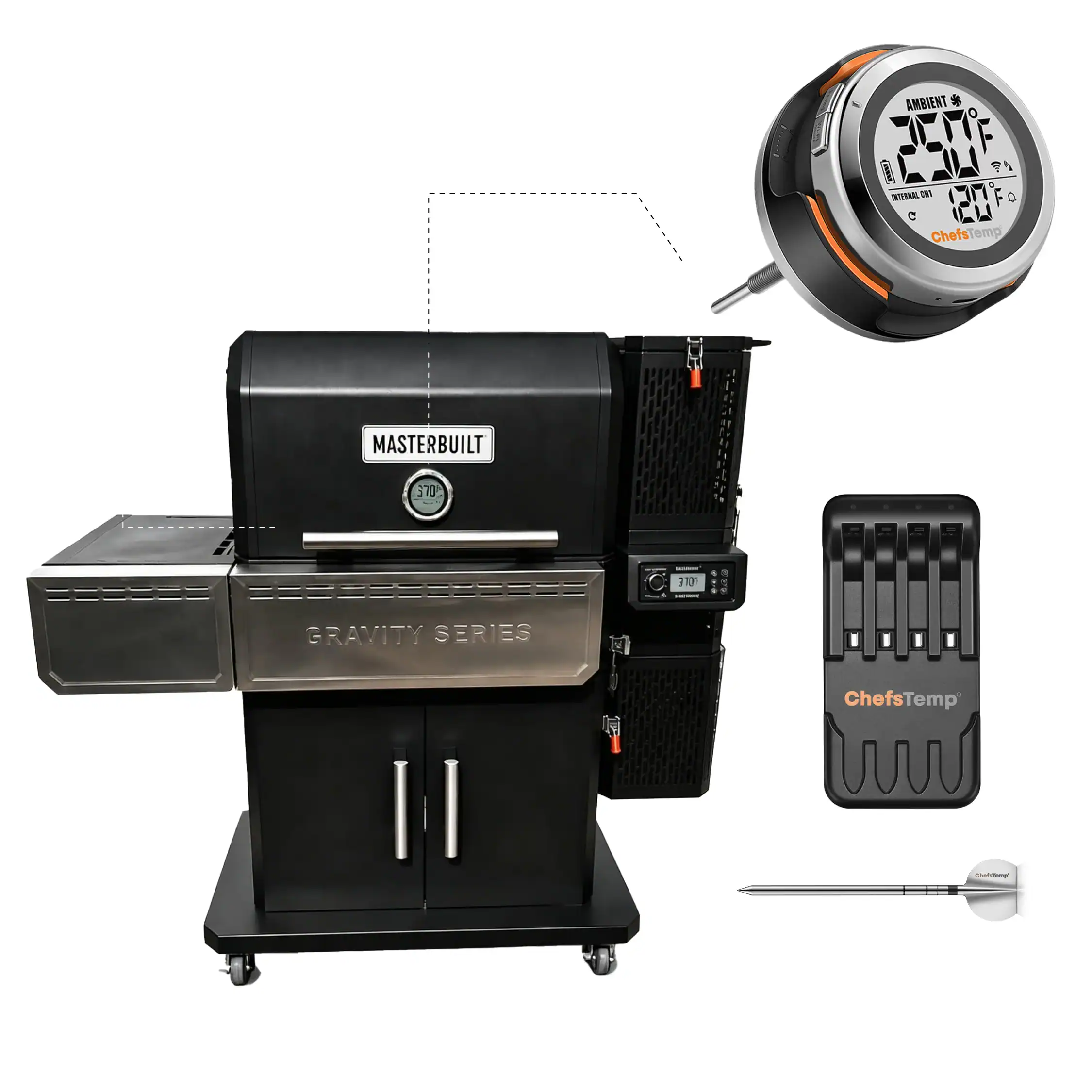
If you are interested in a smoker thermometer, then the wise choice will be ChefsTemp Quad XPro Long-Range Remote BBQ Alarm Thermometer. This Quad XPro thermometer ensures continuous meat monitoring with a cable that withstands 700 °. It gives you the freedom to monitor the food up to 500 feet away, with a response time of just 38 seconds.
If you intend to buy a new instant-read meat thermometer, the ChefsTemp Finaltouch X10 is the best choice: it features the latest technology, quick operation, and the most accurate results, with an elegant design. The bold display of temperature on a black background with white letters makes it easy to read. The product’s interesting features are its 270° rotatable probe and automatic display rotation. The magnetic backing is an additional advantage of the thermometer, which enables easy placement in the kitchen.
If you are interested in a smoker thermometer, then the wise choice will be ChefsTemp Quad XPro Long-Range Remote BBQ Alarm Thermometer. This Quad XPro thermometer ensures continuous meat monitoring with a cable that withstands 700 °. It gives you the freedom to monitor the food up to 500 feet away, with a response time of just 38 seconds.
Why should every kitchen have the best meat thermometer?
While cooking meat, it’s not only essential to cook it to taste, but it’s also essential to cook it at the proper temperature so it is safe, free of bacteria and other harmful substances. Often, people decide that meat is cooked just by seeing the colour, smelling it, or using a timer, but this can spoil the taste and compromise health, because cooking at the correct temperature is essential. The best meat thermometer would be your best friend in attaining it.
How to use a meat thermometer to know the temperature of the meat?
To measure the temperature of meat (chicken, fish, pork, etc.) while cooking, place the meat thermometer in the centre of the meat. To find the centre, first insert the stem of the best meat thermometer into the meat to the full length. Now it may come out on the opposite side. Now slowly take it out. When the thermometer reaches the centre of the meat, it will show a relatively low temperature. That would be the centre part of the meat. The thermometer should not be touching the bone but should be placed near it.Know the recommended internal temperature for every meat
Let’s first get acquainted with the USDA guidelines on the internal temperatures of different types of meat when cooking poultry like chicken and duck. The minimum internal temperature must be 165°F (73.9 °C). Pork, beef, and steaks must be cooked to a minimum of 145°F (62.8°C) and given a resting time of at least 3 minutes to be safe. For ground meat, 160°F (71.1°C) is the minimum temperature. Cooking meat in rare and medium-rare temperatures (i.e., below 140°F or 60°C) is not recommended. For ground poultry, 165°F (73.9°C) is recommended. Raw ham must be cooked to 145°F (62.8°C), and the same temperature is recommended for fish and shellfish.Instant-read meat thermometer
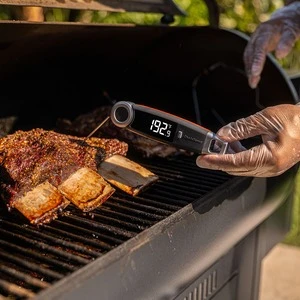
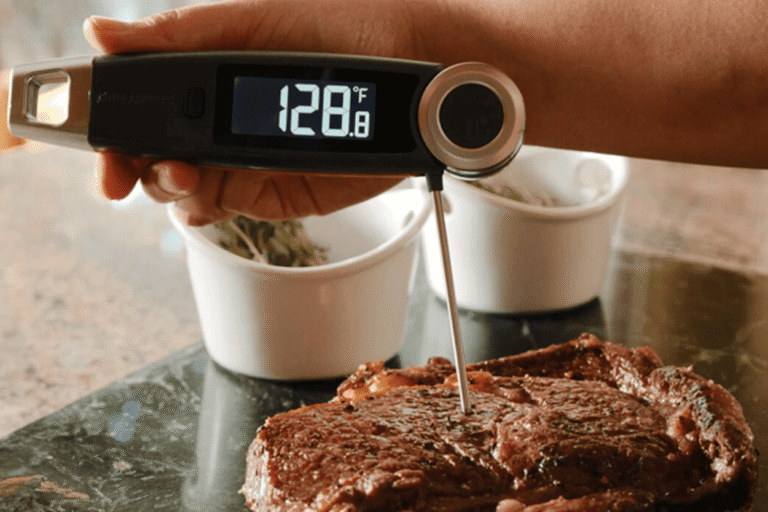
An instant-read meat thermometer can be used to check the temperature by simply placing the stem of the instrument in the centre of the meat while it’s cooking. Generally, instant thermometers are not kept inside the oven or on the grill; the name instant refers to the fact that it reads the temperature within a few seconds, so that we can remove it. It’s best suited for thin-cut meats. The main advantage of the instant-read meat thermometer is that it’s quick, displaying the temperature in a few seconds, unlike analogue thermometers, which can take longer. With this instrument, we can check different parts of the meat and confirm that they are cooked thoroughly.
Smoker thermometer
Smoking meat is a different scenario in which the process lasts a long time, and continuous temperature monitoring is essential. While smoking the meat, not only the internal temperature is taken into account, but the outer temperature at which the meat is cooked also needs to be considered. A smoker thermometer is designed to work wirelessly. The probes are inserted into the meat, and if a temperature alarm is set, it sounds when the temperature increases or decreases from the preset temperature.Temperature danger zone
Cooking food at the correct temperature is essential. Likewise, maintaining cooked and uncooked meat at the proper temperature is important. Cold beef should be kept at or below 41°F (5°C), and hot beef should be kept at or above 135°F (57 °C). When meat is kept at temperatures between 41°F (5°C) and 135°F (57°C), it becomes more favourable for bacterial growth. If the meat is kept at room temperature for more than 4 hrs, it is better not to consume it. They are more prone to bacterial infections, and a study found that 10% of human diseases are caused by contaminated food. So, with a kitchen thermometer, it is always good to check the meat and maintain it at the proper temperature. When cooked meat is stored in hot holding equipment, it must be heated to or above 135°F (57°C) before storage, because the hot holding equipment will only retain the temperature; it won’t heat it.Latest and best meat thermometers of 2026
If you intend to buy a new instant-read meat thermometer, the ChefsTemp Finaltouch X10 is the best choice: it features the latest technology, quick operation, and the most accurate results, with an elegant design. The bold display of temperature on a black background with white letters makes it easy to read. The product’s interesting features are its 270° rotatable probe and automatic display rotation. The magnetic backing is an additional advantage of the thermometer, which enables easy placement in the kitchen.
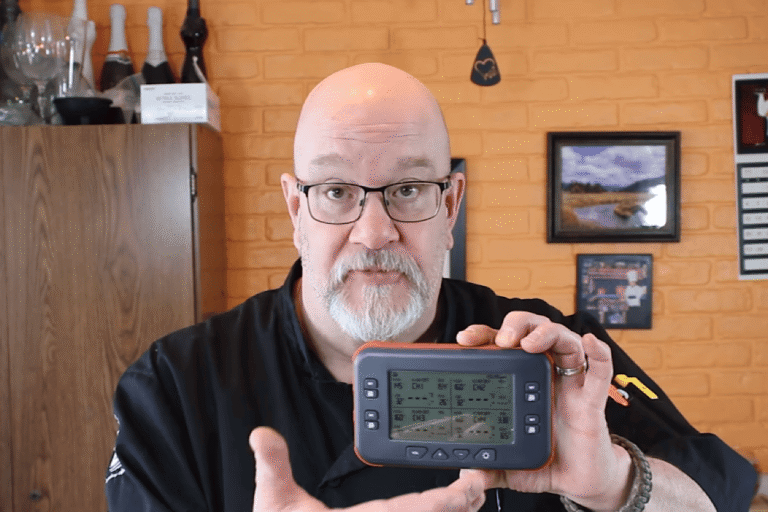
If you are interested in a smoker thermometer, then the wise choice will be ChefsTemp Quad XPro Long-Range Remote BBQ Alarm Thermometer. This Quad XPro thermometer ensures continuous meat monitoring with a cable that withstands 700 °. It gives you the freedom to monitor the food up to 500 feet away, with a response time of just 38 seconds.
Conclusion
Having the best meat thermometer makes cooking easy and tasty. Getting the latest brand with advanced technology, too, at an affordable price is a wise step in happy cooking.Related Posts
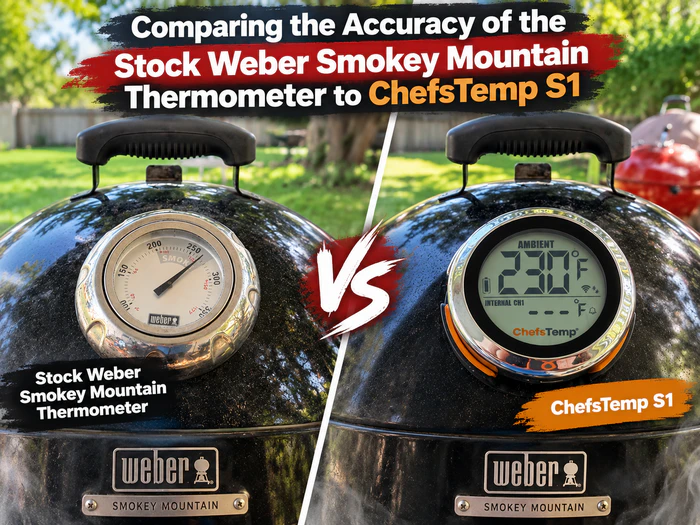
Comparing the Accuracy of the Stock Weber Smokey Mountain Thermometer to ChefsTemp S1
The Issue
The Weber Smokey Mountain is a popular and versatile cooker, but it has one major flaw - the stock ...
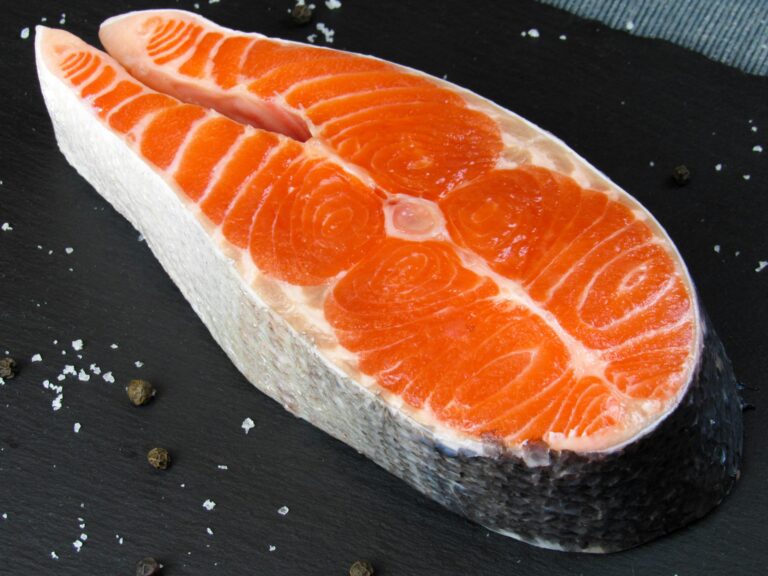
Can Salmon Be Undercooked? The Real Risks and How to Stay Safe
Can salmon be undercooked? Learn the exact temperature rule, spot the warning signs fast, and fix an undercooked fillet before it ruins dinner.
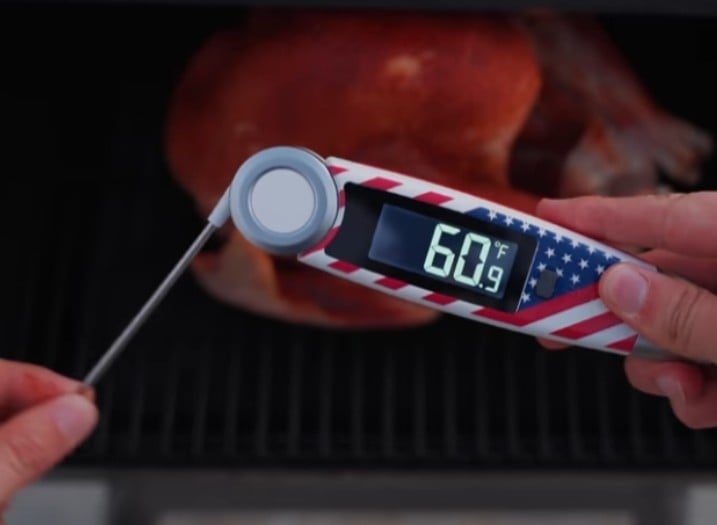
Best Thermapen Alternatives: 6 Instant-Read Thermometers Tested
Thermapen is fast, but is it worth? We tested 6 instant-read Thermapen alternatives for speed, accuracy, and value. Find your best match here.
From Traditional to Digital Thermometers – What Is the Future of Meat Thermometers?
Is an electronic meat thermometer a reality? Yes, it is a reality. Meat thermometers ensure the safety of cook...
Reasons Why You Should Upgrade to the Best Instant Read Thermometer
A kitchen without an instant-read thermometer is incomplete. When it comes to creating a succulent pot roast o...
How Do You Know Your Ribs Are Done?
The summers are on the way, and we know many of you are planning to make this Memorial Day or Independence Day...
Is Your Steak Properly Done? Get it Right with a Remote Thermometer
Many passionate grillers began where you are now. Their first attempts were unsuccessful and disappointing. Th...
Things You Should Never Do with an Instant Read Meat Thermometer
An instant-read meat thermometer is needed to tell if your meat is cooked to the proper internal temperature. ...
Steak Temperature Guide: All Information You Need for a Perfect Steak
Steaks are not your everyday meal. They are the most costly cuts of meat you can order at a restaurant of any ...
The Safest and Correct Chicken Internal Temp for a Juicy and Tasty Meat
Chicken meat is delicious and nutrient-dense, but only if it's cooked to a specific internal temperature. Go b...
How to Properly Reheat BBQ Leftovers with the Best Meat Thermometer?
Reheating BBQ leftovers is something many people struggle with. This article covers the ins and outs of doing ...
Letting Meat Rest Myth Debunked: Find Out the Truth
Whether it's your first time cooking meat or not, you might have heard one common piece of advice: always rest...