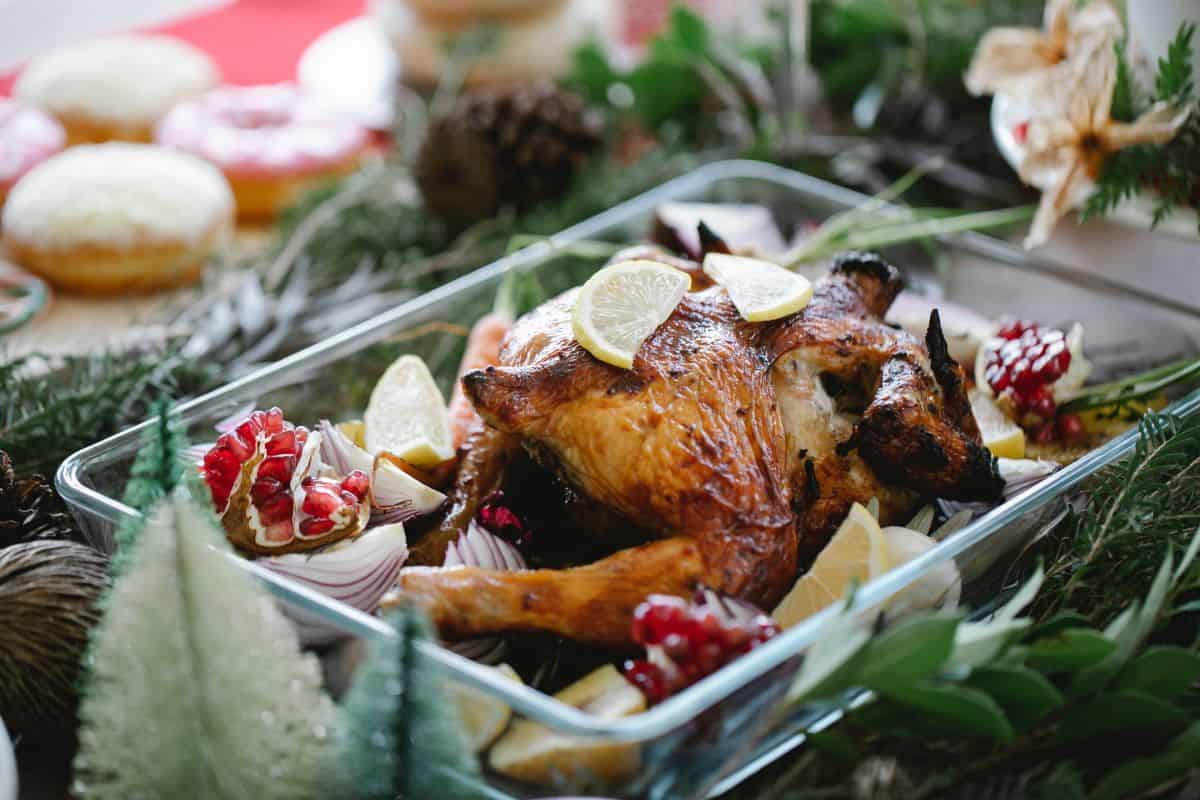
Cooking meat to the correct internal temperature is critical to ensure the safety of those who will consume it. There is no bigger risk for pathogens and foodborne illnesses than when you cook poultry, such as chicken. Make sure you prevent food poisoning by knowing where to check the temperature of a whole chicken, using this guide.
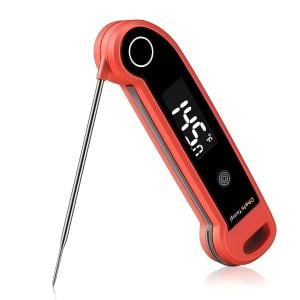
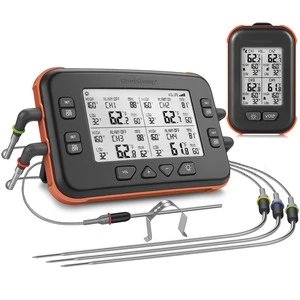
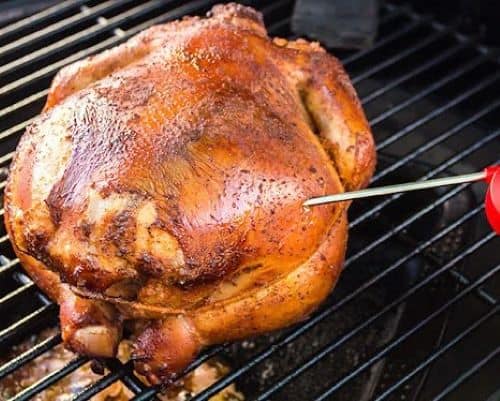 It is essential to be accurate with temperature readings because a slight difference in internal temperature could mean the difference between your safety and possible contamination. Therefore, refrain from eyeballing it and use a meat thermometer to ensure the chicken’s internal temperature is 165°F. The actual internal temperature of chicken varies depending on the part. However, the above guideline is for a whole chicken.
Another reason it is essential to monitor the internal temperature of a whole chicken is to avoid overcooking. When chicken is overdone, it’s unpleasant to eat because it becomes dry and rubbery. You want the chicken meat to be juicy and tender. Therefore, cooking it way past 170 degrees F is not recommended.
You can also use other visible signs to check the temperature of a whole chicken. For example, the juices running from the meat should be clear, not pink. You can try poking the middle of the chicken to let the juices flow. Another sign that the chicken is ready is when the skin has a nice, brown colour.
The method of cooking a whole chicken will also require different temperature readings. Make sure to note the differences depending on how you intend to cook a whole chicken:
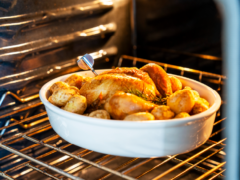
Oven-baked chicken must reach an internal temperature of 165 to 175 degrees F. Once the cooking time is up, take the chicken out of the oven and let it sit. The chicken will continue cooking while it retains the internal heat. You can check the meat’s internal temperature even after you take it out of the oven.
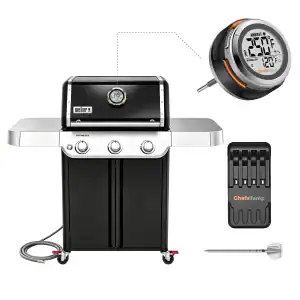
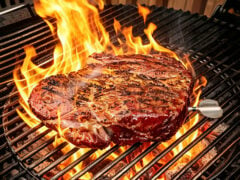
Grilling a whole chicken will take about 45 minutes. After this time, you can probe a meat thermometer into the deepest part of the chicken. If it reads 165°F, the meat is ready.
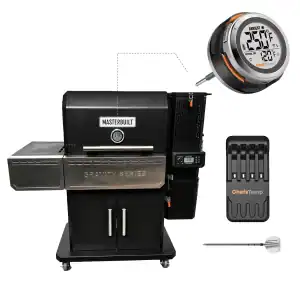
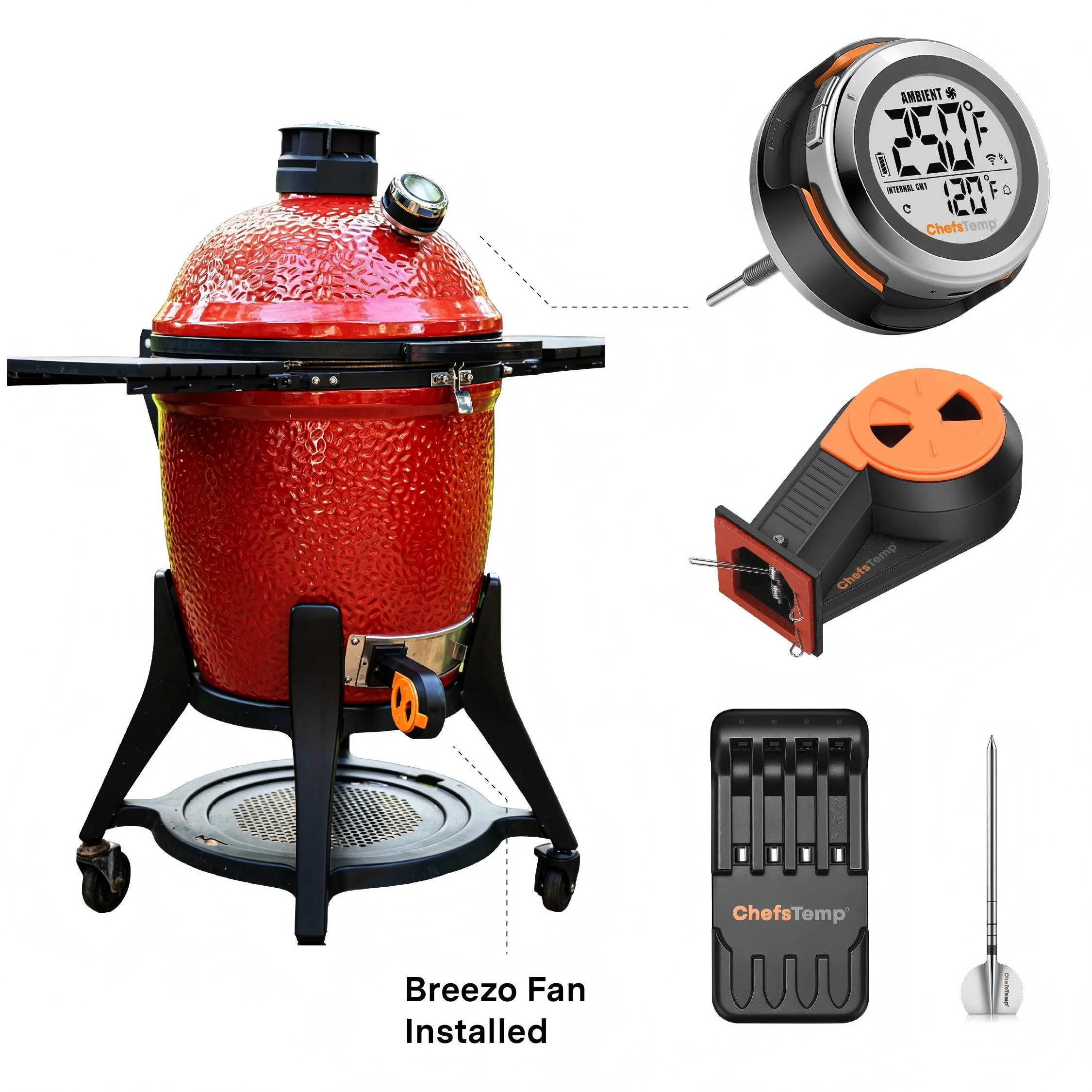
Smoking a whole chicken requires an internal temperature of 165°F. It will take approximately 30 to 45 minutes to cook in a smoker at 250 degrees F.
It is essential to be accurate with temperature readings because a slight difference in internal temperature could mean the difference between your safety and possible contamination. Therefore, refrain from eyeballing it and use a meat thermometer to ensure the chicken’s internal temperature is 165°F. The actual internal temperature of chicken varies depending on the part. However, the above guideline is for a whole chicken.
Another reason it is essential to monitor the internal temperature of a whole chicken is to avoid overcooking. When chicken is overdone, it’s unpleasant to eat because it becomes dry and rubbery. You want the chicken meat to be juicy and tender. Therefore, cooking it way past 170 degrees F is not recommended.
You can also use other visible signs to check the temperature of a whole chicken. For example, the juices running from the meat should be clear, not pink. You can try poking the middle of the chicken to let the juices flow. Another sign that the chicken is ready is when the skin has a nice, brown colour.
The method of cooking a whole chicken will also require different temperature readings. Make sure to note the differences depending on how you intend to cook a whole chicken:
Oven-baked chicken must reach an internal temperature of 165 to 175 degrees F. Once the cooking time is up, take the chicken out of the oven and let it sit. The chicken will continue cooking while it retains the internal heat. You can check the meat’s internal temperature even after you take it out of the oven.
Grilling a whole chicken will take about 45 minutes. After this time, you can probe a meat thermometer into the deepest part of the chicken. If it reads 165°F, the meat is ready.
Smoking a whole chicken requires an internal temperature of 165°F. It will take approximately 30 to 45 minutes to cook in a smoker at 250 degrees F.
Where to Check the Temp of a Whole Chicken
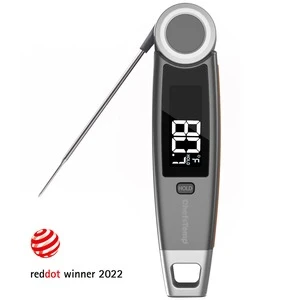
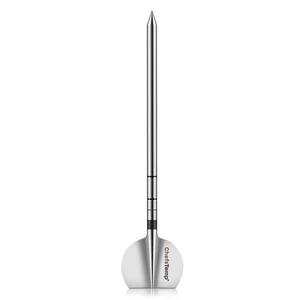
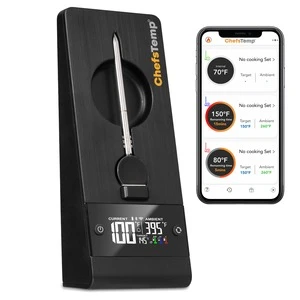
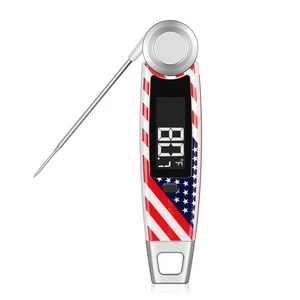
Checking the temperature of a whole chicken versus other parts of a chicken is different. Therefore, it pays to know where to check the temperature of the entire chicken to get the most accurate reading. If you are using a meat thermometer with a probe, it is essential to position the probe correctly so that you know when the meat is safe to eat. The general rule for checking the temperature of a whole chicken is to insert a thermometer into the thickest part of the meat, specifically the breast area. A whole chicken is made up of several parts, and each of these parts varies in the amount of time they takes to cook. For example, the breast part must have an internal temperature of 162°F while the thighs or legs should read 190°F on the thermometer. The internal temperature requirement will require different cooking times and temperatures for each part. When probing a whole chicken, avoid any bones, gristle, or fat. You can facilitate more efficient cooking by orienting the chicken in the oven so that the legs and thighs face the heat source. The breast cooks faster so it should be positioned away from the heat source. This position of the whole chicken ensures it cooks at a uniform rate. It will also prevent uneven cooking, where some parts are cooked while others remain raw or underdone. Cooking a whole chicken in the oven isn’t a big deal. Convection distributes heat evenly inside the oven, unlike a grill, where one side gets direct heat and the other indirect.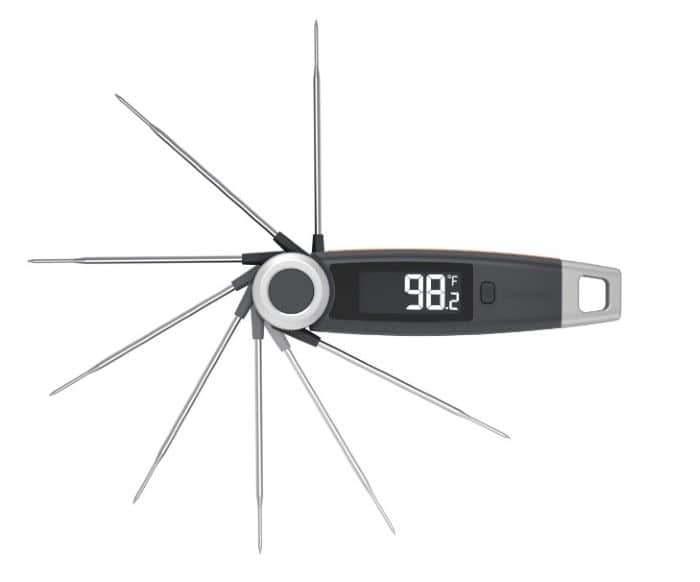
Why it’s Important
Knowing where to probe the thermometer in your chicken ensures that you can get the most accurate temperature reading. If you don’t position the probe correctly, you run the risk of having undercooked or overcooked chicken. And you want to avoid both instances because one poses a health risk and the other makes your chicken less enjoyable. Chicken is the most consumed meat in the world. It is a healthy choice because it is lean. However, improperly handled or undercooked chicken can pose a health hazard. Chicken meat is contaminated with Salmonella and other types of bacteria that can cause foodborne illnesses, or food poisoning, in humans. According to the CDC, Salmonella is the most common cause of foodborne illness worldwide. Therefore, you need to cook the chicken (especially a whole chicken) thoroughly to kill off the harmful bacteria. You should also pay attention to how you handle the chicken meat while it’s still raw. It is very easy to cross-contaminate kitchen surfaces and other food items, especially when preparing raw foods like salads. Always follow best practices for handling and cooking chicken to avoid health risks or contamination.What is the Right Internal Temp for Cooked Chicken?
The USDA general guideline for the safe internal temperature of a whole chicken is 165 degrees F. Bacteria and other harmful contaminants cannot survive this heat for more than 30 seconds. It also means that chicken meat is safe to eat at this temperature.
It is essential to be accurate with temperature readings because a slight difference in internal temperature could mean the difference between your safety and possible contamination. Therefore, refrain from eyeballing it and use a meat thermometer to ensure the chicken’s internal temperature is 165°F. The actual internal temperature of chicken varies depending on the part. However, the above guideline is for a whole chicken.
Another reason it is essential to monitor the internal temperature of a whole chicken is to avoid overcooking. When chicken is overdone, it’s unpleasant to eat because it becomes dry and rubbery. You want the chicken meat to be juicy and tender. Therefore, cooking it way past 170 degrees F is not recommended.
You can also use other visible signs to check the temperature of a whole chicken. For example, the juices running from the meat should be clear, not pink. You can try poking the middle of the chicken to let the juices flow. Another sign that the chicken is ready is when the skin has a nice, brown colour.
The method of cooking a whole chicken will also require different temperature readings. Make sure to note the differences depending on how you intend to cook a whole chicken:
Oven-baked chicken must reach an internal temperature of 165 to 175 degrees F. Once the cooking time is up, take the chicken out of the oven and let it sit. The chicken will continue cooking while it retains the internal heat. You can check the meat’s internal temperature even after you take it out of the oven.
Grilling a whole chicken will take about 45 minutes. After this time, you can probe a meat thermometer into the deepest part of the chicken. If it reads 165°F, the meat is ready.
Smoking a whole chicken requires an internal temperature of 165°F. It will take approximately 30 to 45 minutes to cook in a smoker at 250 degrees F.
Conclusion
Safety always comes first when preparing food, especially when working with chicken meat. Using a meat thermometer is the best way to eliminate any guesswork and ensure that the meat is perfectly cooked. This guideline is fundamental when cooking a whole chicken, since the meat will take longer to cook.Related Posts
When to Use High Temperature Cooking and Essential Tips
Learning to control the temperature when cooking is an essential skill every skilled cook should possess. Howe...

Why is Temperature Important in Cooking?
Temperature control is the most critical aspect of cooking. Without heat, you wouldn't be able to cook food. A...
Whole Chicken BBQ – What is the Safest Serving Temp?
Have you ever tried barbecuing a whole chicken? It is possible to smoke an entire chicken if you know the best...
Chicken Internal Temperature – Breast, Thigh, Fried and Roast Chicken
Cooking chicken the right way is important because you don’t want anyone consuming the meat to get sick. It is...