Fire Cooking in a Data World Mindset
Over time, many of us discover the same thing: the cooks that consistently turn out well aren’t the ones making the most adjustments or chasing the cleanest graphs. They’re the ones where we learned when to step in… and when to stay out of the way.
Anyone who’s cooked outside has lived the experience…
You did everything “right.”
Good meat. Good fire. Reasonable plan.
And somewhere along the way, things just didn’t quite follow the vision.
That’s usually the moment we start looking for better techniques, better gear, or better answers – not because we’re careless, but because cooking over fire has a way of exposing how little control we actually have.
Most advice focuses on what to do, not how to think while we’re doing it. Numbers get emphasised. Targets get defined. Precision gets framed as success.
And for a while, that helps. Until it doesn’t. Why? Well… because recipes are easy and even kids are artists when they paint by numbers.
This isn’t about cooking like a pro, or owning the right setup (which we do), or memorising rules. It’s about recognising patterns, understanding what’s normal, and giving the process room to work.
Because we all know, once we serve a “coulda been better”, avoidance of that feeling is a very strong motivator… even if nobody mentions it.
Most of what follows are simply things we notice after cooking long enough. A lot of it we already know, and some of it is hard lessons we have to learn a few times over.
But they all will make the whole experience a lot more satisfying.
Table of Contents
Part 1. Temperature is a Range
One of the first things we eventually learn, usually the hard way, is that food doesn’t care about exact numbers. It never has.
Somewhere along the way, cooking picked up the idea that there’s a temperature where everything suddenly becomes “done,” and that our job as cooks is to hit that number as accurately as possible. Miss it… failure. Hit it… WINNER.
It sounds simple. Unfortunately, it’s also not how grilling, smoking, or just cooking actually works.
In the real world, food cooks in ranges. A pork shoulder wants 195-205 range, a chicken breast 160, while a thigh thrives at 180. None magically transforms at one specific degree. It changes gradually over a span of temperatures. Texture, moisture, and tenderness all move together, not at a single point.
Once we understand where those ranges live – and how wide they really are – a lot of anxiety falls away. We stop hovering, stop chasing, and stop treating the cook like a pass/fail course.
Part 2. Cold Meat Lies
Early in a cook, almost everything we see is misleading.
Cold meat has mass. It absorbs heat, sheds moisture, and for a while dominates the environment around it. During that phase, temperature readings – especially those labelled “ambient” – behave in ways that feel wrong when precision is what we are chasing.
The numbers stall, dip and, maddeningly, wander just when what we are looking for is that nice smooth graph. The mistake most of us make is assuming something is broken… when in reality nothing meaningful has happened yet.
What this can lead to, with all of us at some time, is a lot of overcorrection. Vents get adjusted, temps get chased, and the system never settles because we’ve never given it the chance.
With time, though, we learn that the first part of cooking is mostly about waiting. Letting the cooker return to balance. Letting the meat warm through. Letting moisture burn off and, if we want to go all metaphysical… just letting the fire find its rhythm.
In the end, the hardest adjustment isn’t mechanical. It’s mental. Early readings are mostly just static. Patience teaches us when the signal actually begins.
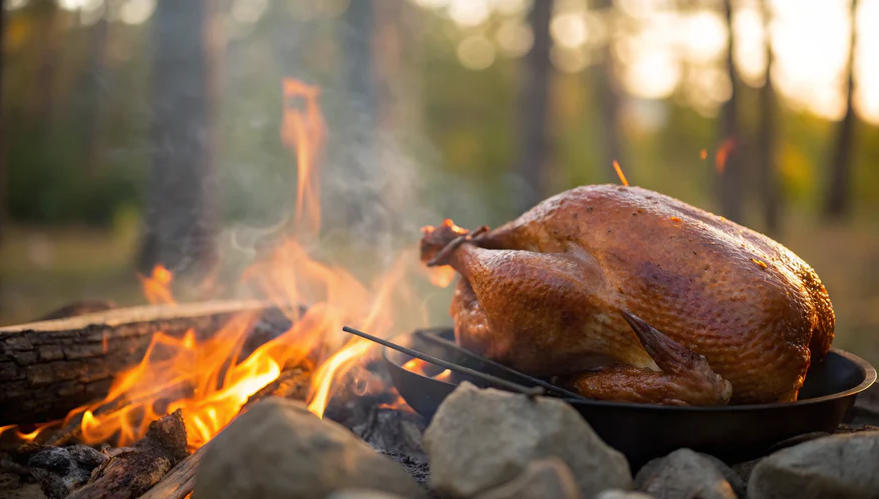
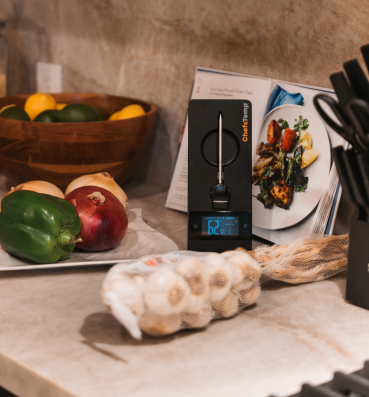
Tip: To get accurate readings and monitor your cooking from anywhere, try the ChefsTemp S1 and its accessories, featuring ultra-thin probes and a smart mobile app. Click here to see more!
Part 3. Zones are Real
There is no such thing as the temperature inside a cooker – or especially on grates above live fire or open coals.
Every grill, smoker, or pit has hot spots, cooler zones, airflow paths, and dead areas. Add meat, and you introduce another variable entirely… one that changes as the cook progresses. Open the lid, and everything shifts again.
This is why two probes placed inches apart can give different readings, and both can be telling the truth.
That doesn’t mean something is wrong. It means heat isn’t uniform, and it never will be.
What throws us off is the expectation that temperature should behave like it does in an oven… flat, even and predictable. Fire doesn’t work that way. It’s dynamic by nature.
Once we accept that, a lot of frustration disappears. We stop trying to “solve” variation and start reading it instead.
Experience teaches us not to look for agreement between numbers. We start by assessing context: that probe over the coals always reads hotter; the back corner runs cool; and bone-in roasts shade everything around them.
And this is why numbers matter. They provide an important piece of the puzzle that supports our ultimate objective… the compliments to the chef.
Part 4. Ambient is Context
Ambient temperature is one of those numbers that feel authoritative.
It’s right there on the screen. It updates constantly. It looks precise. And because it’s labelled “ambient,” we instinctively treat it as a proxy for the entire cooker… as if it represents the truth of what’s happening everywhere at once.
It doesn’t.
What ambient really shows is a hyperlocal condition – a snapshot of air temperature in one specific spot, influenced by airflow, proximity to meat, lid position, moisture, and whatever the fire is doing in that moment. That doesn’t make it wrong; it’s probably close to perfect right there.
And that distinction matters.
Positionally, ambient can be very important – especially on long cooks. If we’re trying to hold a cooker steady for ten or twelve hours, a consistent 10- or 15-degree difference between what the dome is reading and what the meat is actually experiencing isn’t noise. Over time, that gap can affect rendering, moisture loss, and the predictability of the cook hour after hour.
Where ambient gets us into trouble is when we treat it like a command instead of a clue. The number moves, so we move. It dips, so we react. It drifts, so we correct. Before long, we’re chasing stability that never arrives – not because the cooker is misbehaving, but because it’s responding to a stack of tiny interventions.
With experience, something shifts. We stop asking, “What is this number telling me to do?” and start asking, “Does this make sense given what I already know?”
Ambient becomes context. It tells us whether things are generally hotter or cooler than expected, whether airflow changed after a lid opening, and whether the fire is settling or waking up. It helps us anticipate rather than command.
Used that way, ambient is incredibly helpful.
Used as an authority, it’s exhausting at best – and potentially a real problem at worst.
Part 5. Carryover is The Devil
Almost everyone learns about carryover cooking at least once, the hard way. Some of us still can’t quite master it… especially with a nice thick ribeye headed for a medium-rare reverse sear.
The moment usually looks like this: the meat is close, the number is climbing, and you’re waiting for confirmation. Just a few more degrees. Just to be safe. Just to be sure.
So you wait. Then you pull it. And then it keeps cooking.
Thicker cuts, like a big ribeye or a pork loin, carry a lot of stored heat. The fire may be gone, but the momentum isn’t.
What makes carryover tricky isn’t understanding it – the burning memories make that easy.
But, watching numbers in real time makes it tempting to wait for perfection instead of planning for what comes next. Tools that provide constant feedback can unintentionally reinforce that instinct. We wait for the screen to bless the decision instead of relying on what experience has already taught us.
Over time, most of us adjust. We learn that pulling a little early almost always works out better than waiting a little too long. We learn which cuts coast and which stop quickly. We learn when to trust feel, time, and trend instead of confirmation.
That’s not guesswork.
That’s hard-earned memory.
Carryover cooking doesn’t reward precision at the last second. It rewards judgment just a few degrees earlier.
Part 6. Stall is a Fickle Lover
It is happy to show up uninvited and stay just long enough to make you question every life choice that led you to brisket. It usually kicks in somewhere in the 150–170 range, then just sits there while your fire’s fine and your sanity slowly melts.
The temperature flattens. Time estimates slip. Progress feels stalled. And the longer it lasts, the louder that internal voice gets… the one suggesting that something must be wrong.
That’s usually about the time we start pacing, checking vents, and questioning every decision that got us here.
It feels like failure because it interrupts momentum. We expect linear progress, and when it disappears, we’re dealing with uncertainty. And, at that point, we are just looking for intervention.
But most stalls aren’t problems. They’re phases.
Moisture is evaporating. Heat is being absorbed. Energy is being redirected. All of that takes time, and none of it shows up neatly on that graph. From the outside, it looks like nothing is happening. Inside the cooker, though, quite a lot is going on.
What often makes stalls worse is trying to force them to end. Raising temperatures aggressively. Making multiple adjustments. Chasing movement instead of understanding the cause.
Experience changes the way we read stalls. We start to recognise when one is normal and when it actually needs help. We learn which cuts stall hard, which barely stall at all, and which ones just take their time no matter what we do.
Most importantly, we learn that patience isn’t passive. It’s an active decision to trust the time-honoured tradition of waiting it out.
The cook isn’t stuck.
It’s just busy doing something we can’t see yet.
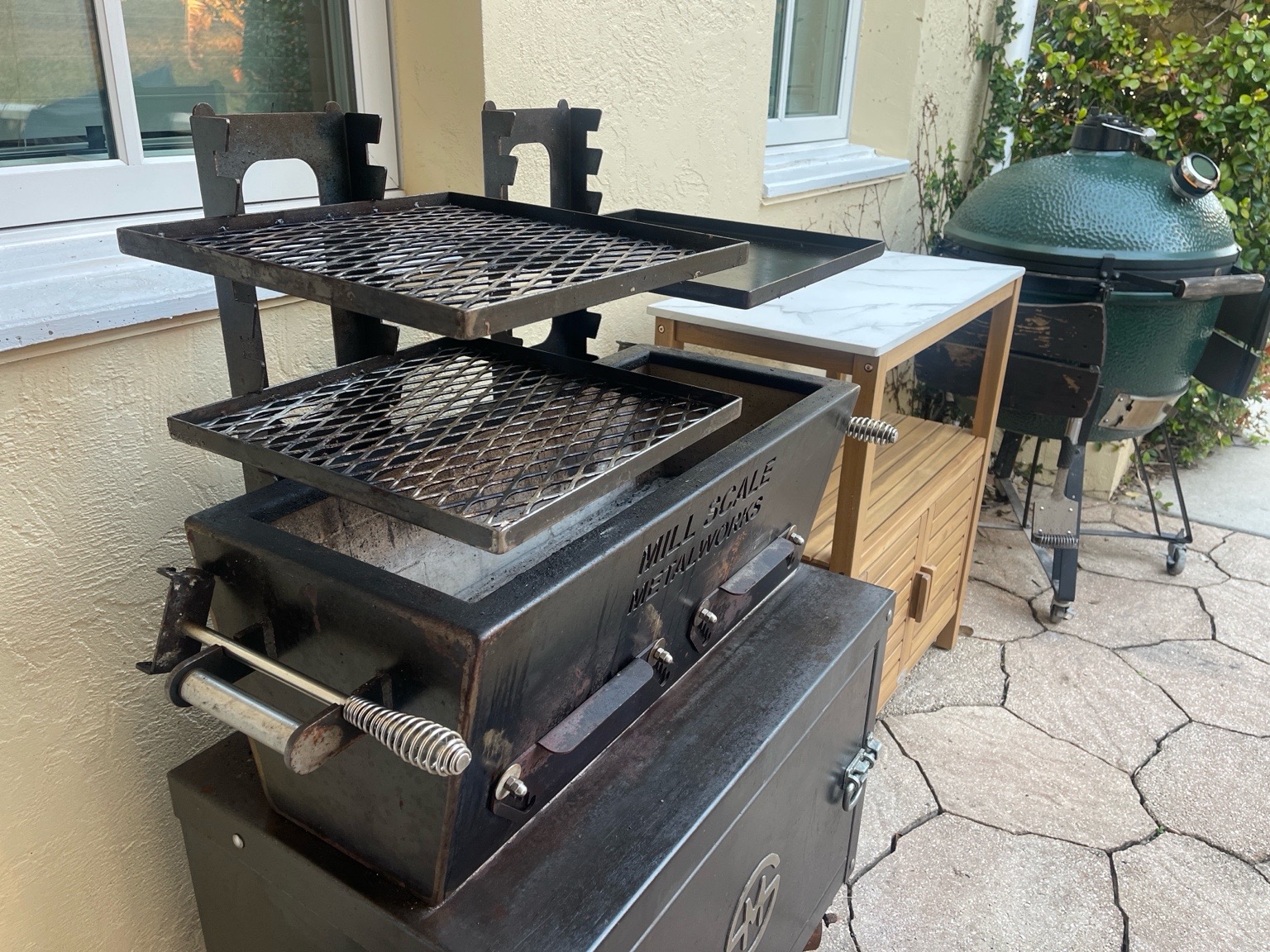
Tip: Click here to learn more about checking an internal meat temperature if interested.
Part 7. And Finally, Data is Good
One of the most underrated benefits of good temperature data – wired, wireless, or otherwise – isn’t better food.
It’s a better experience.
When the information is reliable and placed where it actually matters, it takes pressure off the cook. We don’t have to hover. We don’t have to keep lifting the lid or second-guess whether the fire is still alive or whether things are generally moving in the right direction.
That reduction in uncertainty matters more than people realise.
Cooking over fire has always involved a little tension. There’s heat we can’t see, processes we can’t rush, and outcomes we really care about… especially when other people are waiting. Good data doesn’t eliminate that tension, but it certainly lowers the volume.
It lets us step away without feeling disconnected – trusting the setup we’ve built instead of constantly checking on it. It turns long cooks from something we supervise into something we participate in… ideally with our family and guests.
At some point, most of us realise that the goal isn’t to manage the cook every minute. It’s about building a system we trust… and then letting it work.
Good tools—wireless probes, fans, whatever—don’t make that happen on their own. But they do make it a whole lot easier to enjoy the appreciation.

Richard McWhorter has been cooking over live fire for 5 decades, developing his approach long before digital probes and apps existed. He primarily cooks on a Big Green Egg and a Mill Scale Yakitori, focusing on fundamentals, timing, and letting the fire do the work. And yet still… learning.
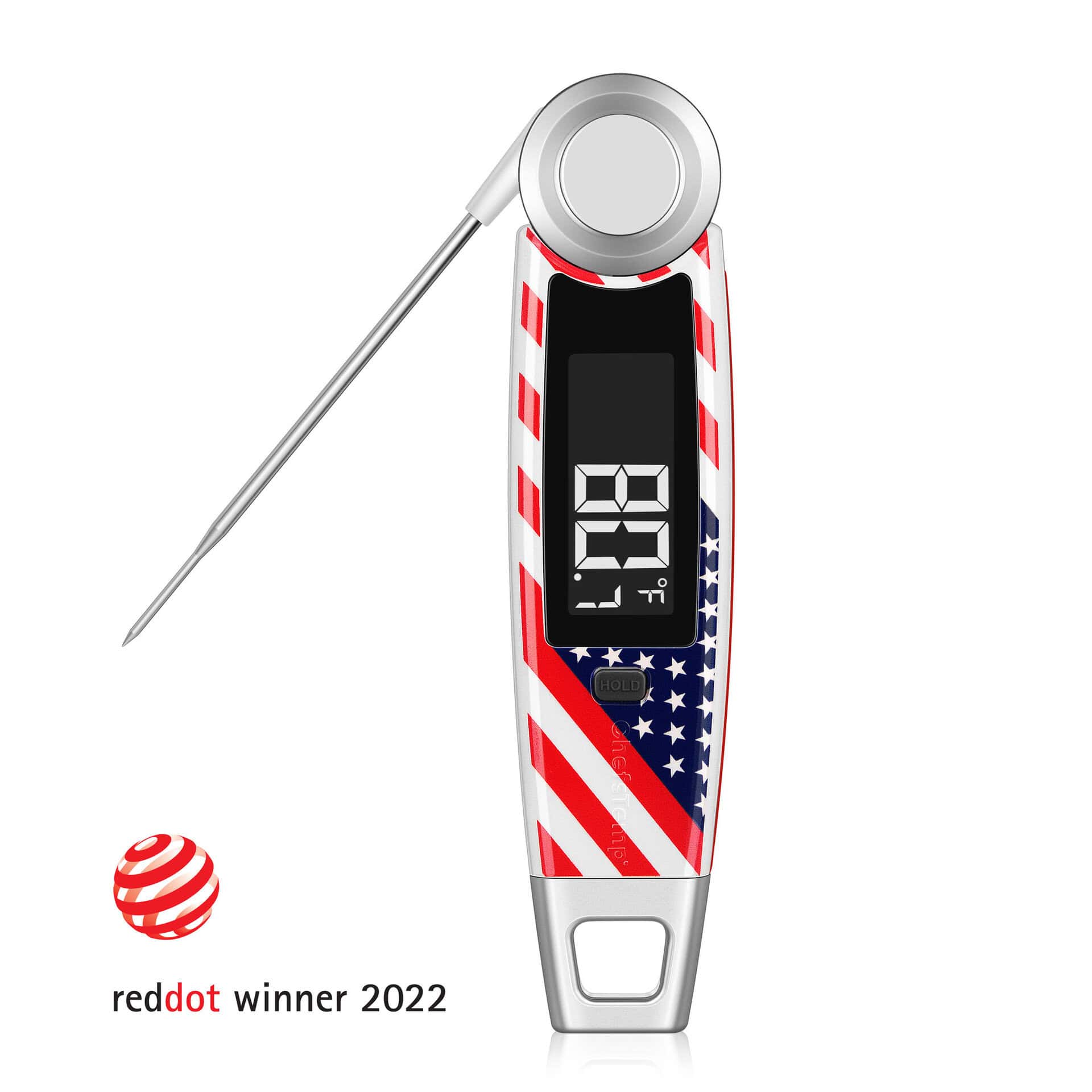
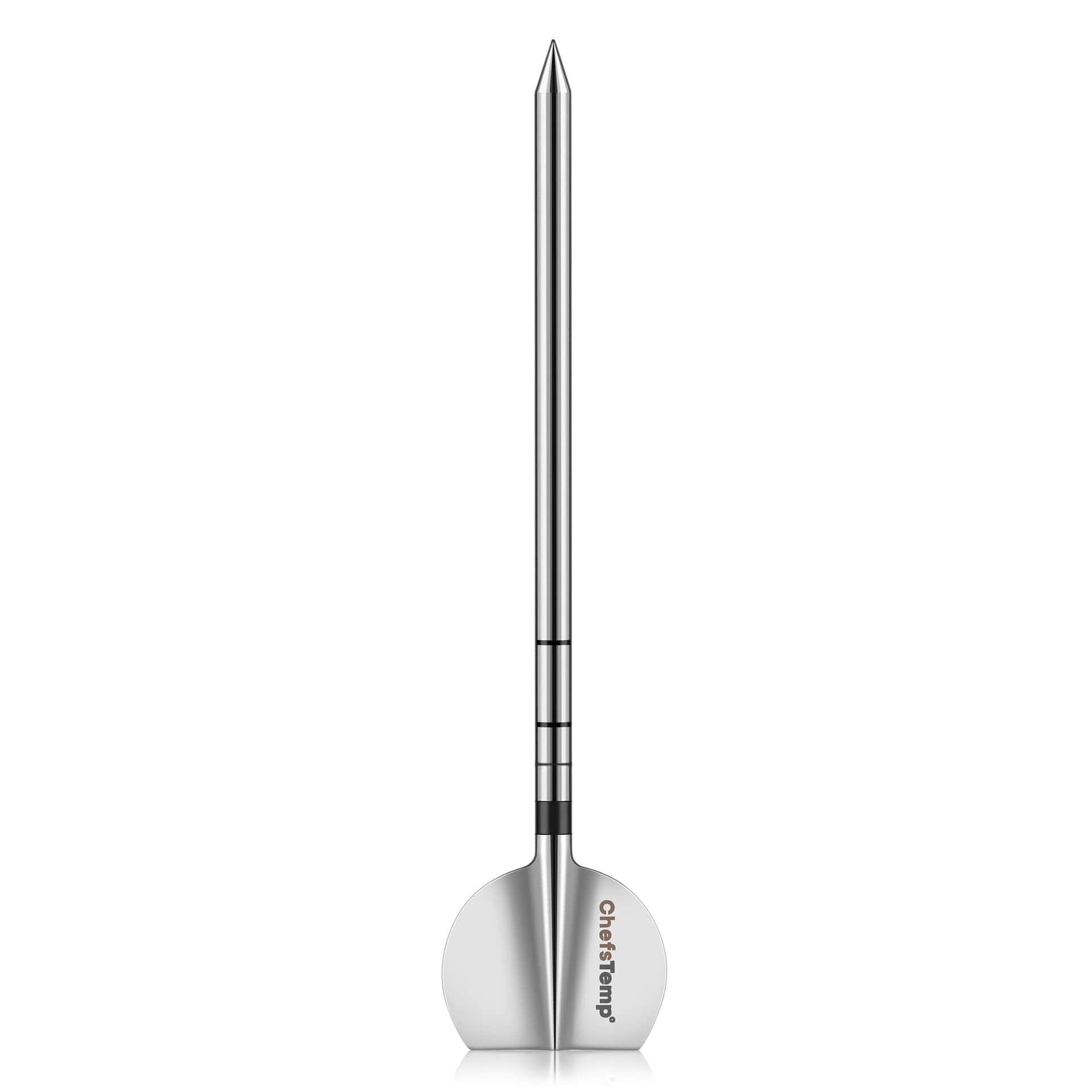
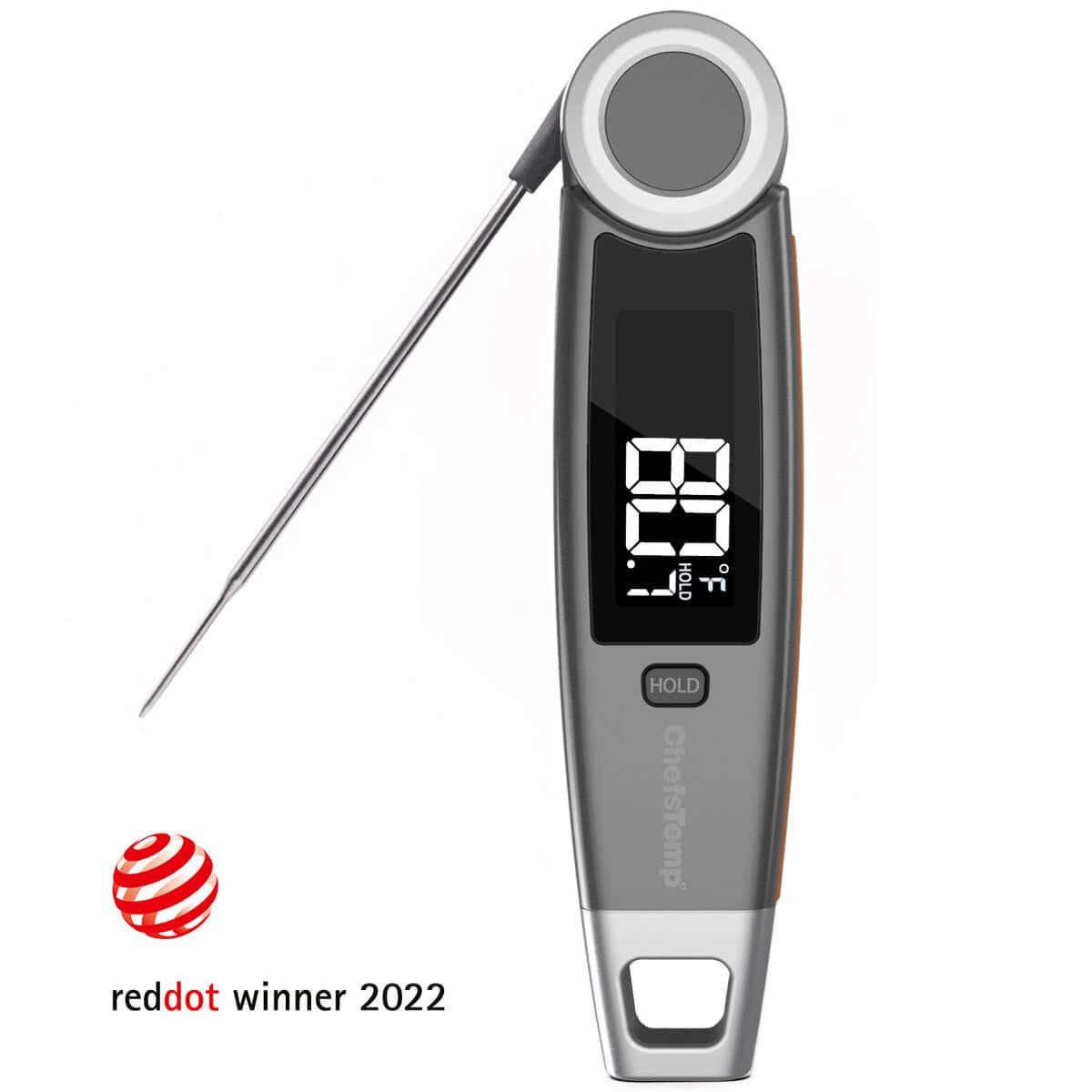
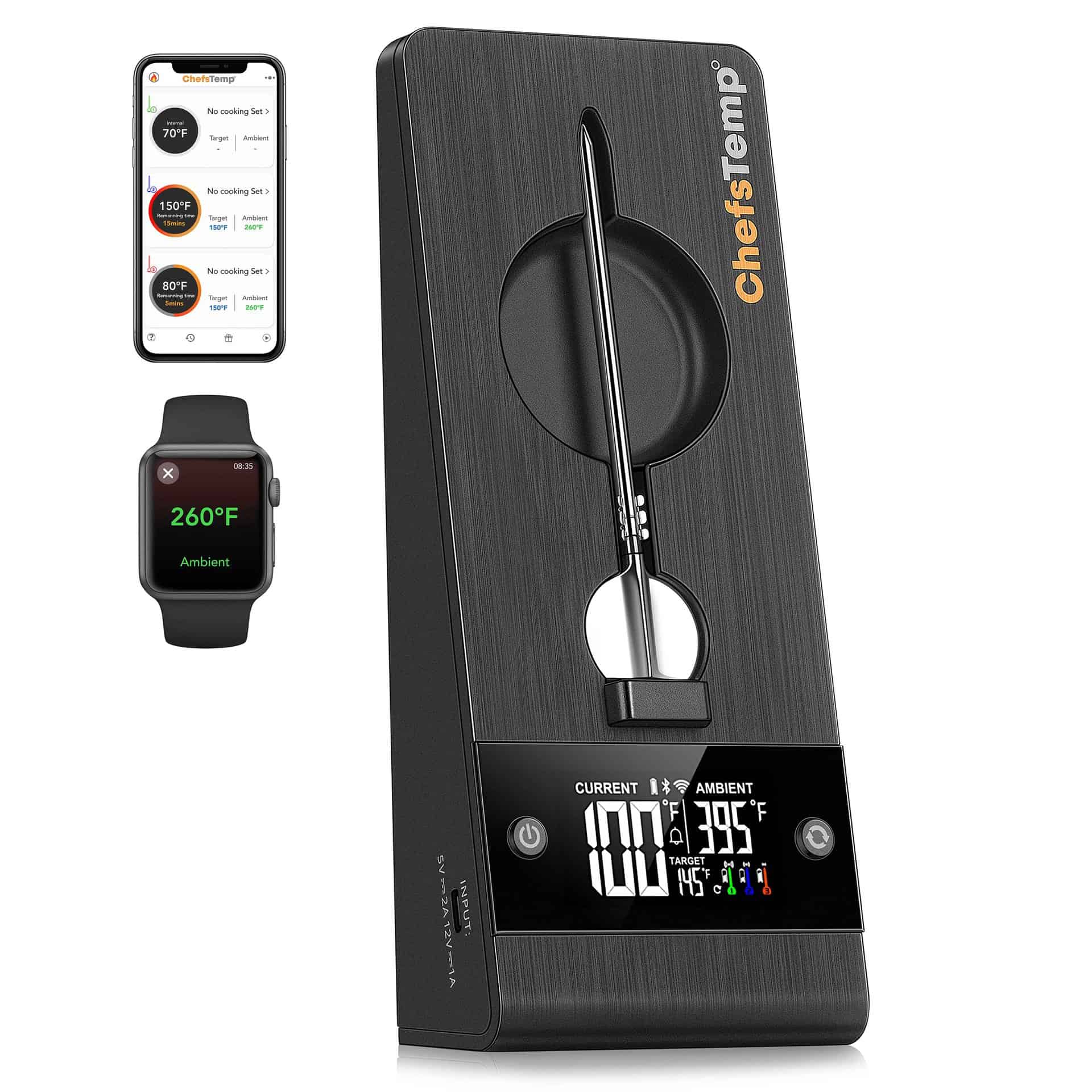
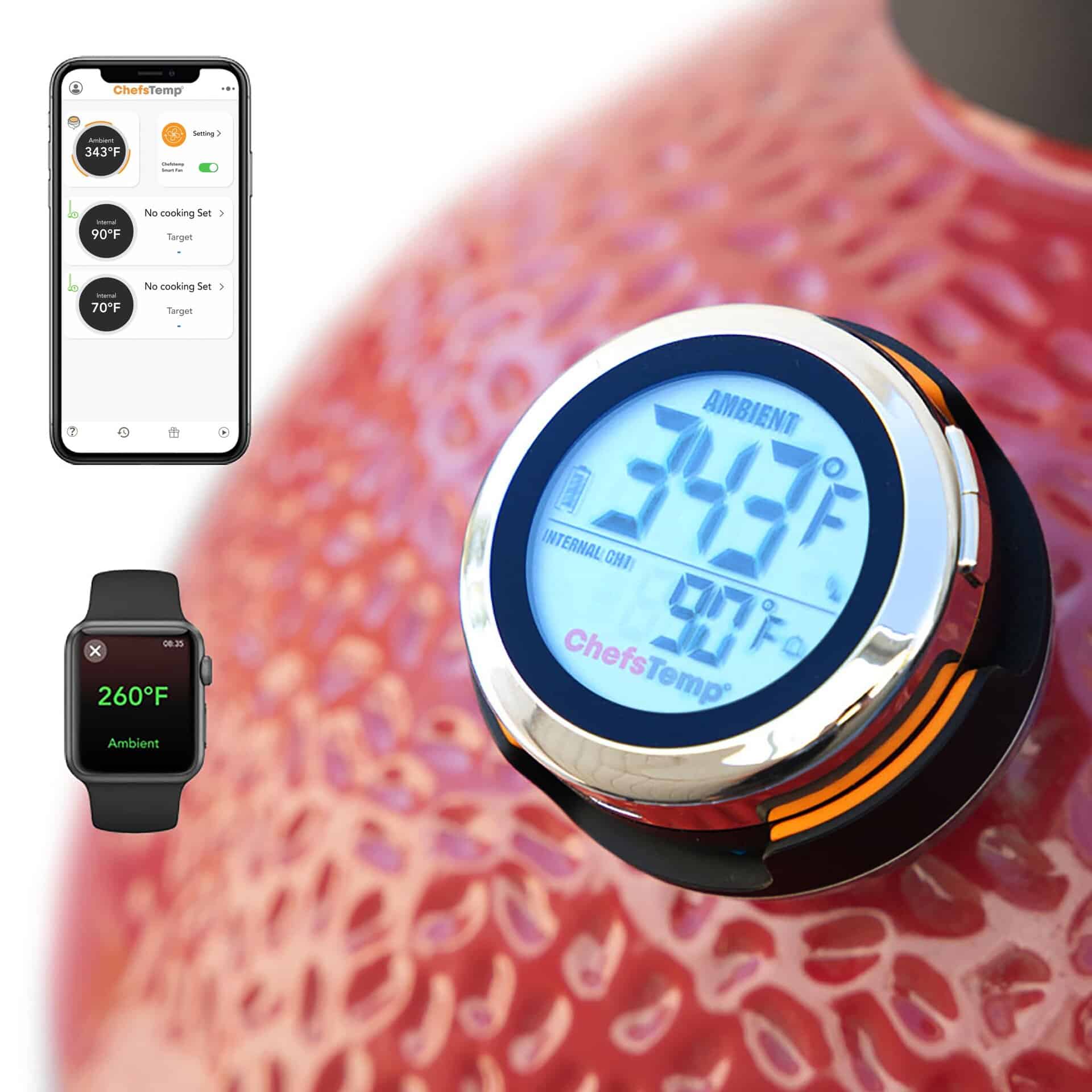
Discover Other ChefsTemp Products

Discover more recipes and learn kitchen tricks by joining our cooking family on Facebook.
You may also like: