Seafood & Fish Temperature Chart

Part 1. The Most Healthy & Safest Fish Internal Temperature
The USDA recommends an fish cooking temperature of 145°F for all fish and shellfish. However, many chefs and grilling enthusiasts prefer to take certain types of seafood off the heat a bit earlier to prevent them from drying out, as carryover cooking will raise the temperature a few degrees while they rest.
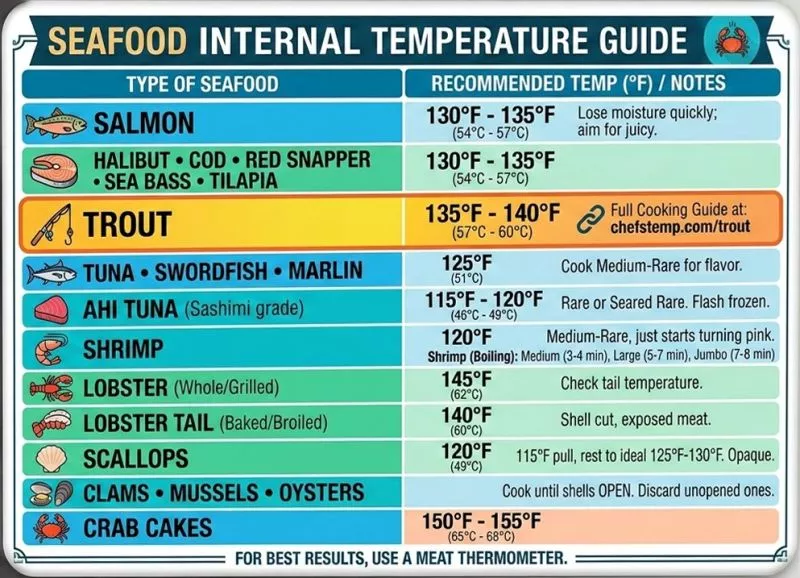
Here are the ideal target internal temperatures depending on what you are grilling:
| Type | Internal Core Temperature in Fahrenheit | Internal Core Temperature in Celsius | Internal Description |
|---|---|---|---|
| Fish Whole - Steaks - Fillets | Â | Â | Fish is slightly translucent and flakes easily, |
| Salmon | 130°F to 135°F | 54°C to 57°C | Salmon has almost no collagen. This means it will start to lose moisture more quickly than beef. |
| Halibut - Cod - Red Snapper- Sea Bass - Tilapia | 130°F to 135°F | 54°C to 57°C |  |
| Trout 🎣 | 135°F to 140°F | 57°C to 60°C | 🔗 Complete Trout Cooking Guide |
| Tuna - Swordfish - Marlin | 125°F | 51°C | Cook the tuna until medium-rare (do not overcook or the meat will become dry and lose its flavour) |
| Ahi Tuna (Sashimi grade) | 115°F to 120°F | 46°C to 49°C | Ahi Tuna is most often served rare or seared rare. This is because the longer you cook it, the more flavour and moisture it loses. Sashimi-grade tuna has been flash frozen to kill any parasites. |
| Shrimp | 120°F | 49°C | Cook until medium-rare, and the shrimp just start to turn pink (do not overcook or the shrimp will become dry and lose their flavour). |
| Medium-sized, boiling | 3 to 4 minutes | Â | Â |
| Large-size, boiling | 5 to 7 minutes | Â | Â |
| Jumbo-size, boiling | 7 to 8 minutes | Â | Â |
| Lobster | 145°F | 62°C | Place the thermometer in the tail to check the internal temperature. Lobster requires a higher temperature than other fish since its muscle fibres are longer and require more heat to shrink. |
| Boiled or Steamed, whole Lobster | 145°F | 62°C |  |
| Grilled Lobster | 145°F | 62°C |  |
| Baked, Grilled or Broiled Lobster Tail - each | 140°F | 60°C | Shell cut - piggyback lobster tail (lobster meat is exposed). |
| Scallops | 120°F | 49°C | Sear, bake, or broil each side for approximately 4 minutes or until an instant-read cooking or meat thermometer inserted into their centres reaches 115 degrees F. Remove from heat. The carryover cooking will add another 10 to 15 degrees, bringing the final temperature to 125 to 130 degrees F. They should also have lost their translucence and turned opaque. |
| Clams - Mussels - Oysters | Â | Â | Cook clams, mussels, and oysters until their shells just open. Throw away the ones that do not open. |
| Crab Cakes | 150°F to 155°F | 65°C to 68°C |  |
Part 2. Fish Cooking Temperatures - Heating Tips
Fish cooks quickly and can easily stick to the grates, so having the right heat level is crucial.
- Medium-High to High Heat (400°F – 450°F): Best for firm, thick fish steaks and fillets like salmon, swordfish, mahi-mahi, and tuna. This high heat provides a quick, hard sear that creates a crust, allowing the fish to naturally release from the grates without sticking.
- Medium Heat (350°F – 375°F): Best for delicate, flaky fish (like flounder, tilapia, or cod), whole fish, or when using cedar planks and foil packets. The slightly lower temperature prevents the delicate flesh from burning or drying out before the centre cooks through.
Tip: Print this guide and post it on your fridge! Never overcook your seafood again—achieve restaurant-quality results with the perfect internal temperature every time.
Â

Part 3. Best Tools to Monitor Temperature for Fish​
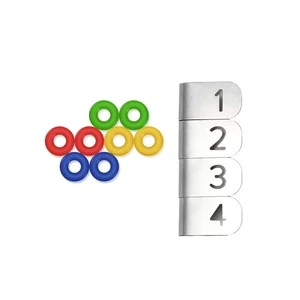
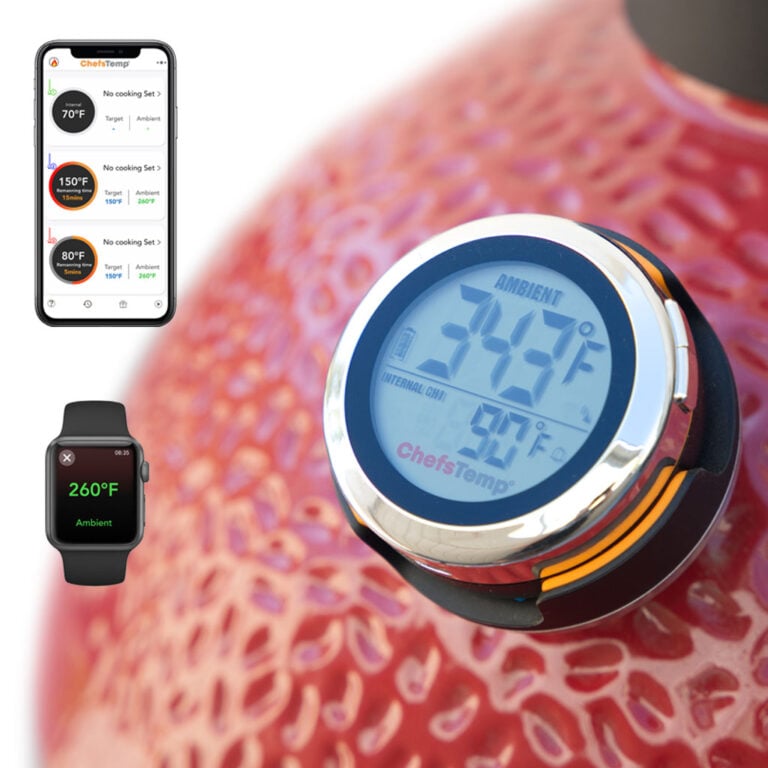
As with any other type of meat, like chicken or pork, food safety is incredibly important when cooking seafood. Different types of fish and seafood require different internal temperatures, so keeping a ChefsTemp Meat Temperature Chart Magnet on hand is essential.
By learning the proper cooking temperatures and using a quality food thermometer, you can enjoy delicious seafood dishes without worrying about foodborne illness. Always keep in mind that your fish will continue to cook slightly after it’s removed from the heat, so it’s important to let it rest for a few minutes before doing a final temperature check.
Â

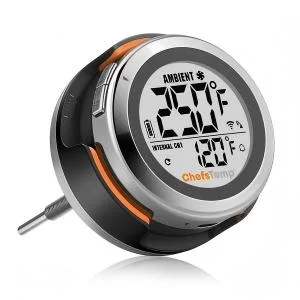
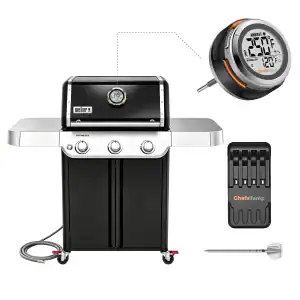
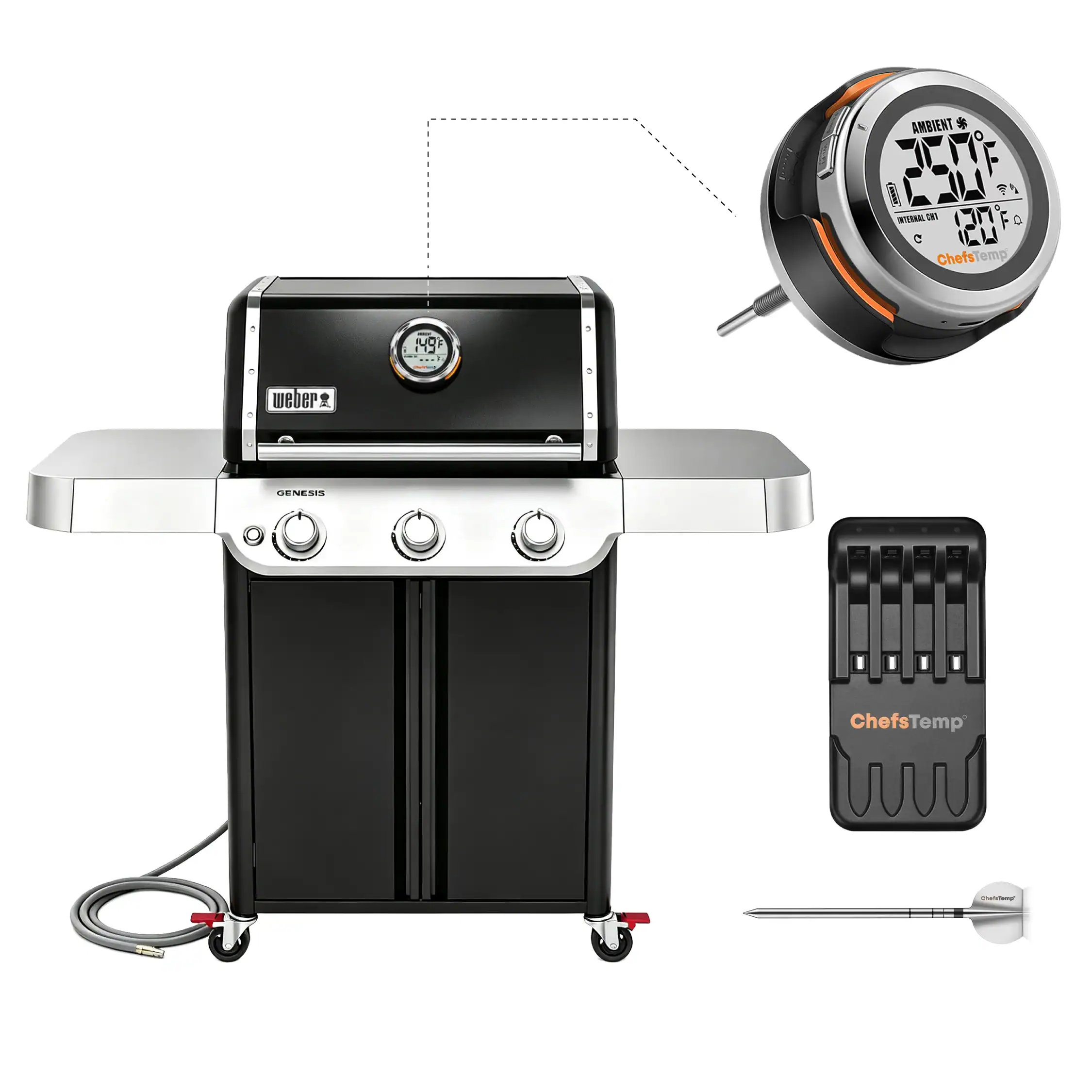
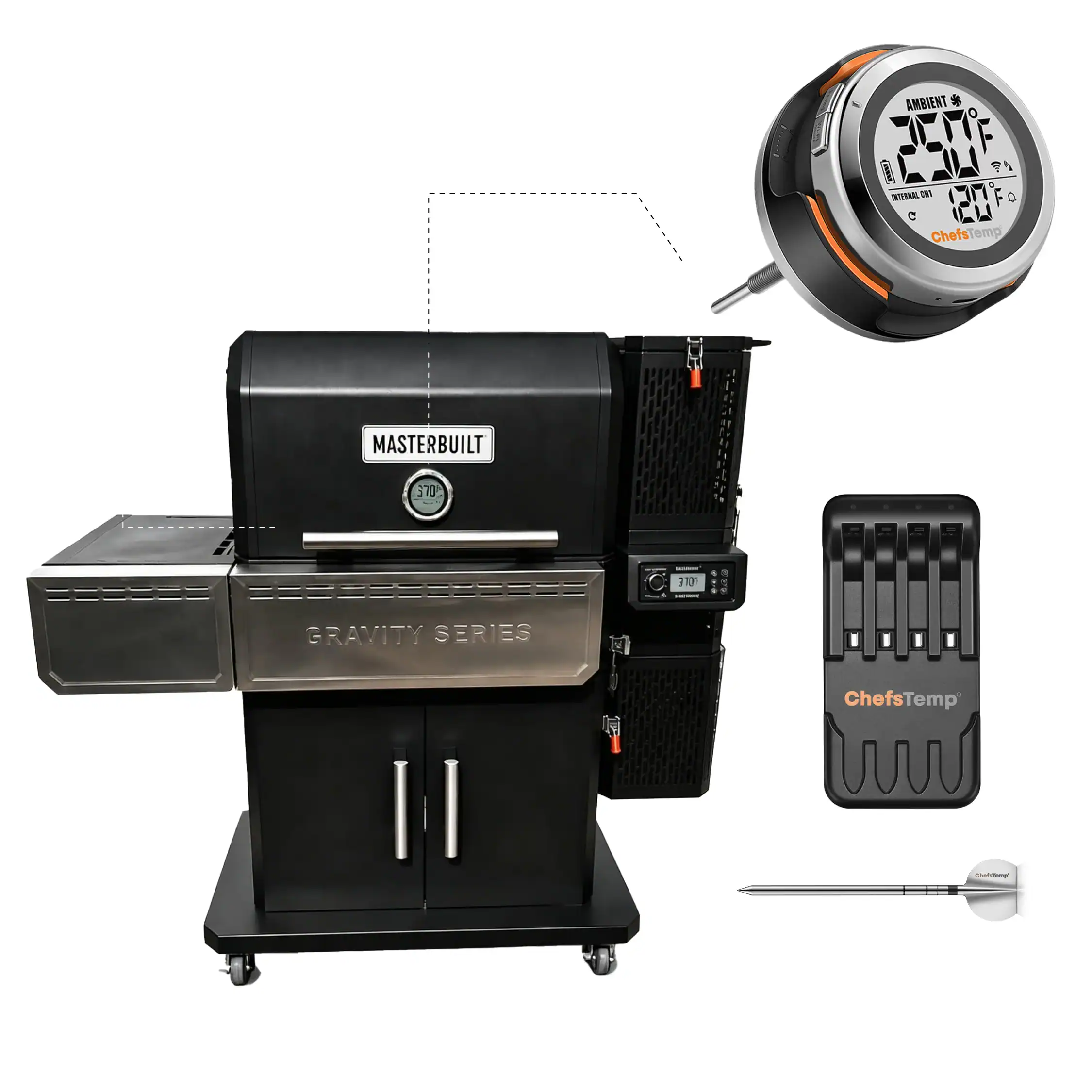
ProTemp S1
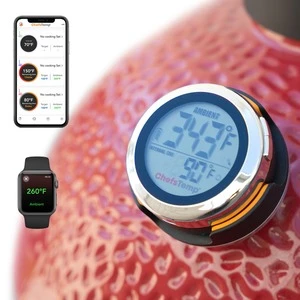
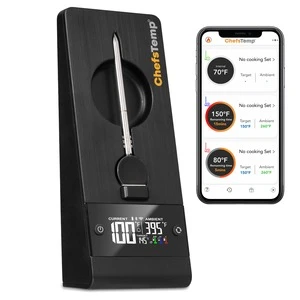
Patented smart grill gauge thermometer hub for remote monitoring with Wi-Fi & Bluetooth control anywhere.
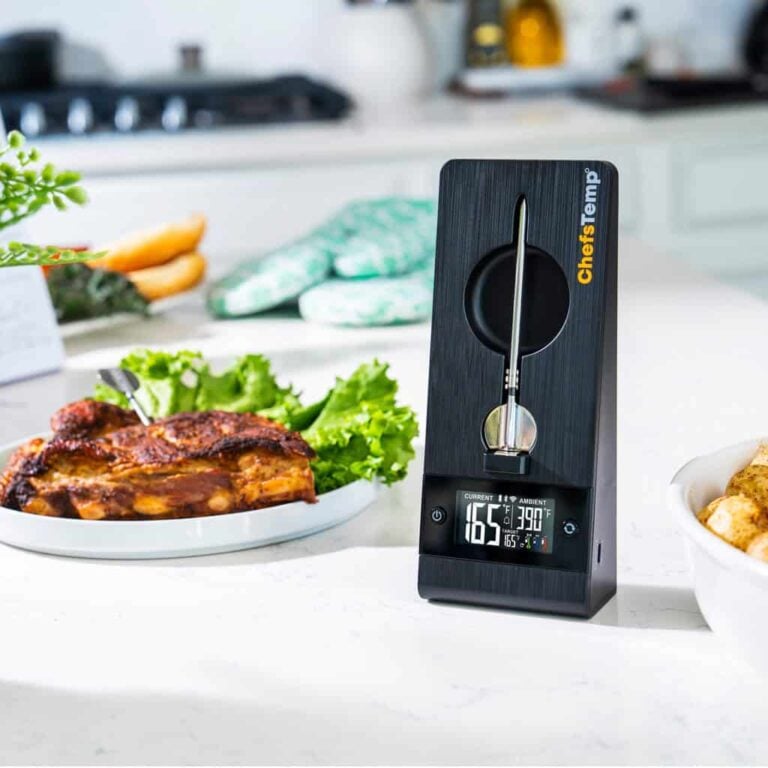
Starts at: $99.99

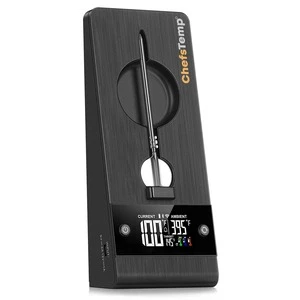
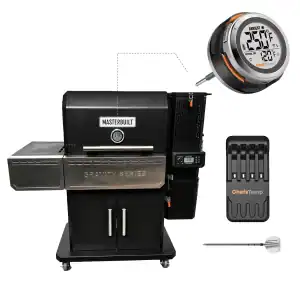
ProTemp 2 Plus
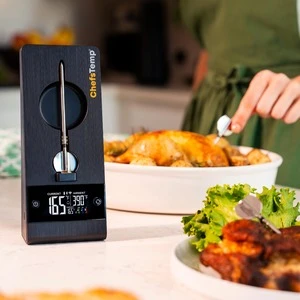
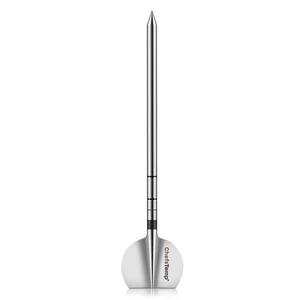
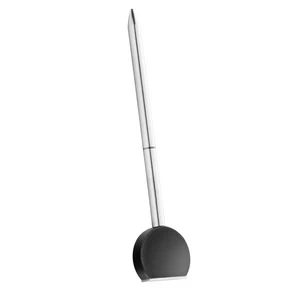
Needle Probe Wireless Meat Thermometer with temperature controller, with 10,000 mAh battery for up to 1000°F precision monitoring.
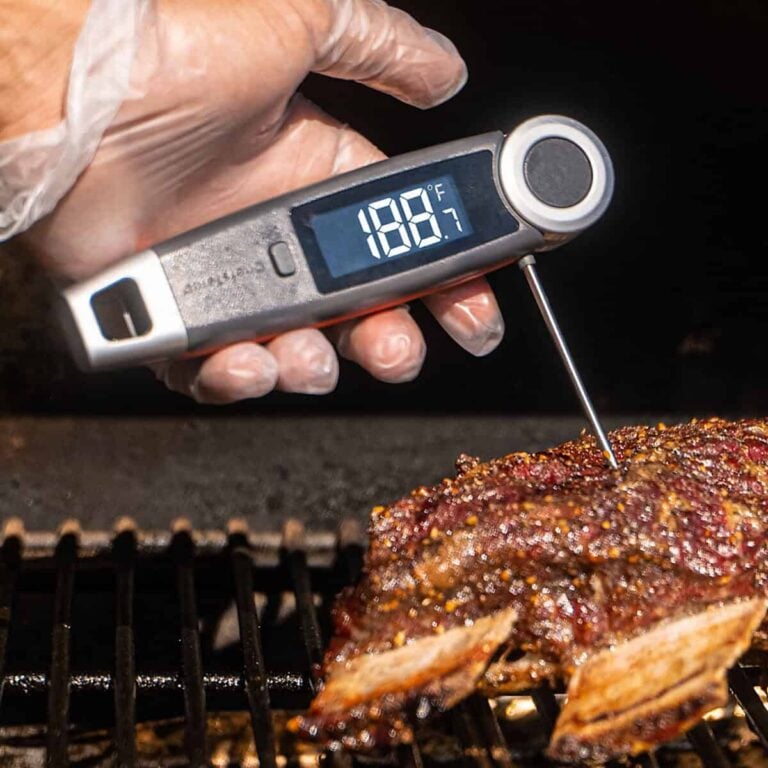
Starts at: $149.99

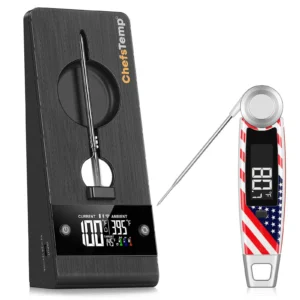
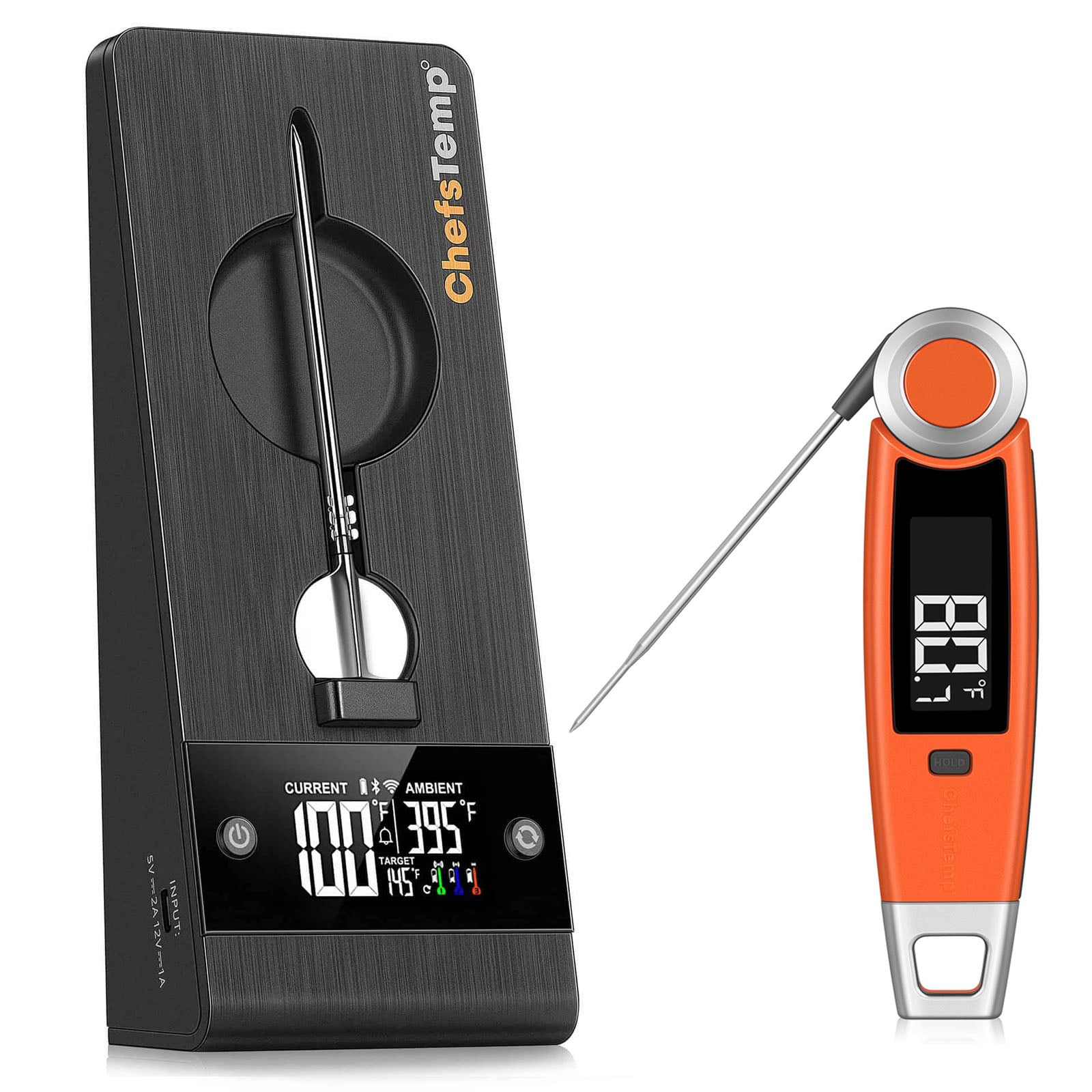
Finaltouch X10
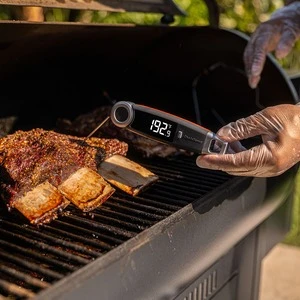
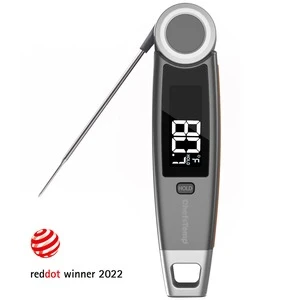
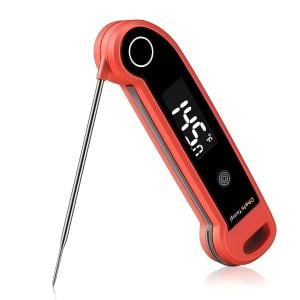
Professional instant-read meat thermometer with 270°rotating probe & oversized sharp display.
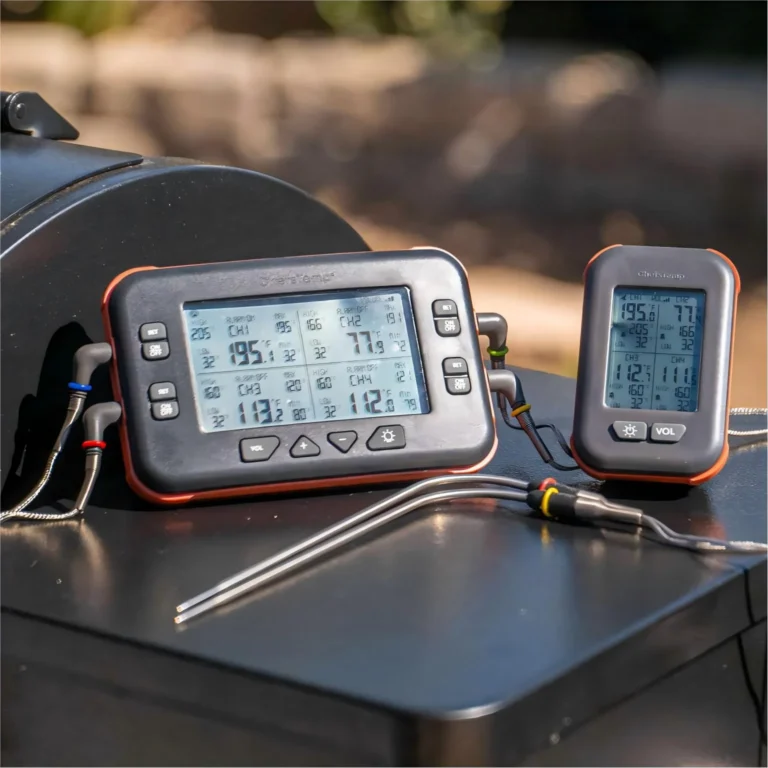
Starts at: $69.99

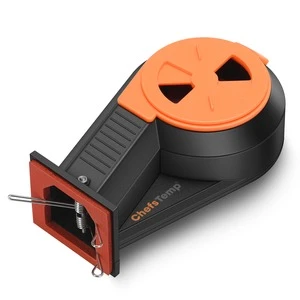
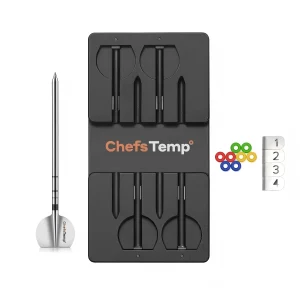
Quad Xpro
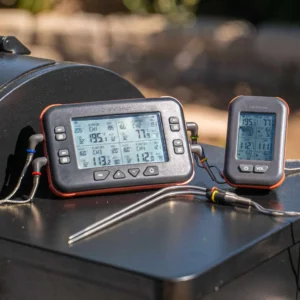
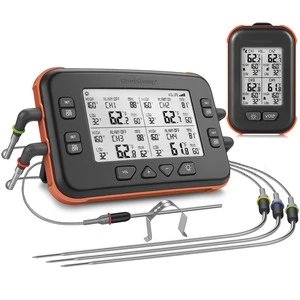
A long-range (1000ft), IP66 waterproof RF thermometer with 4 probes to monitor multiple meats and pit temps simultaneously.
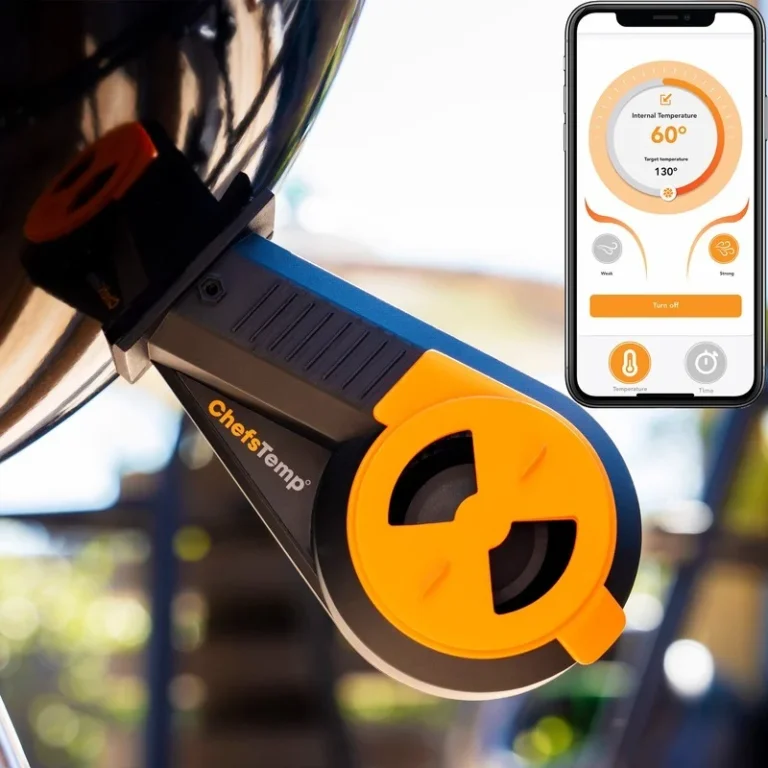
Starts at: $109.99

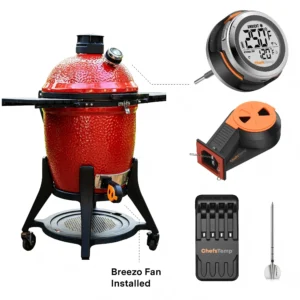
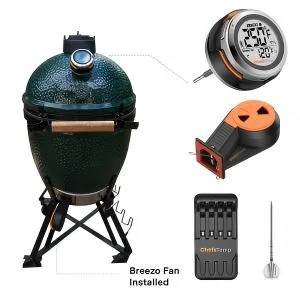
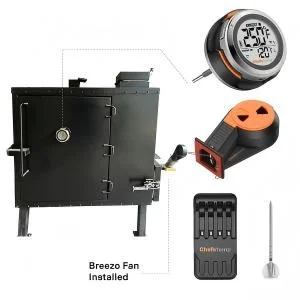
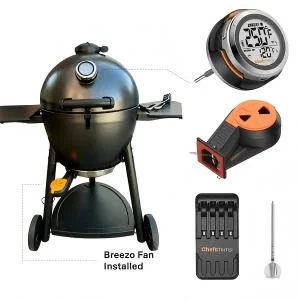
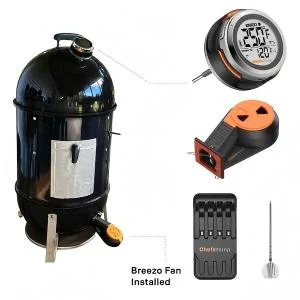
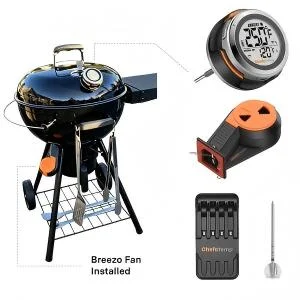
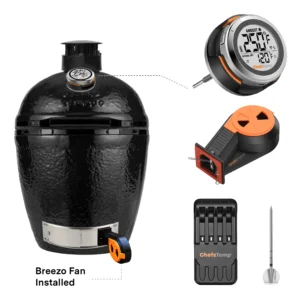
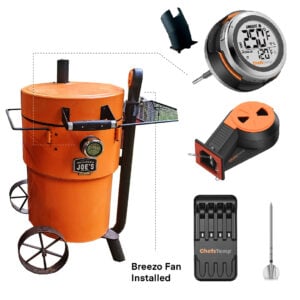
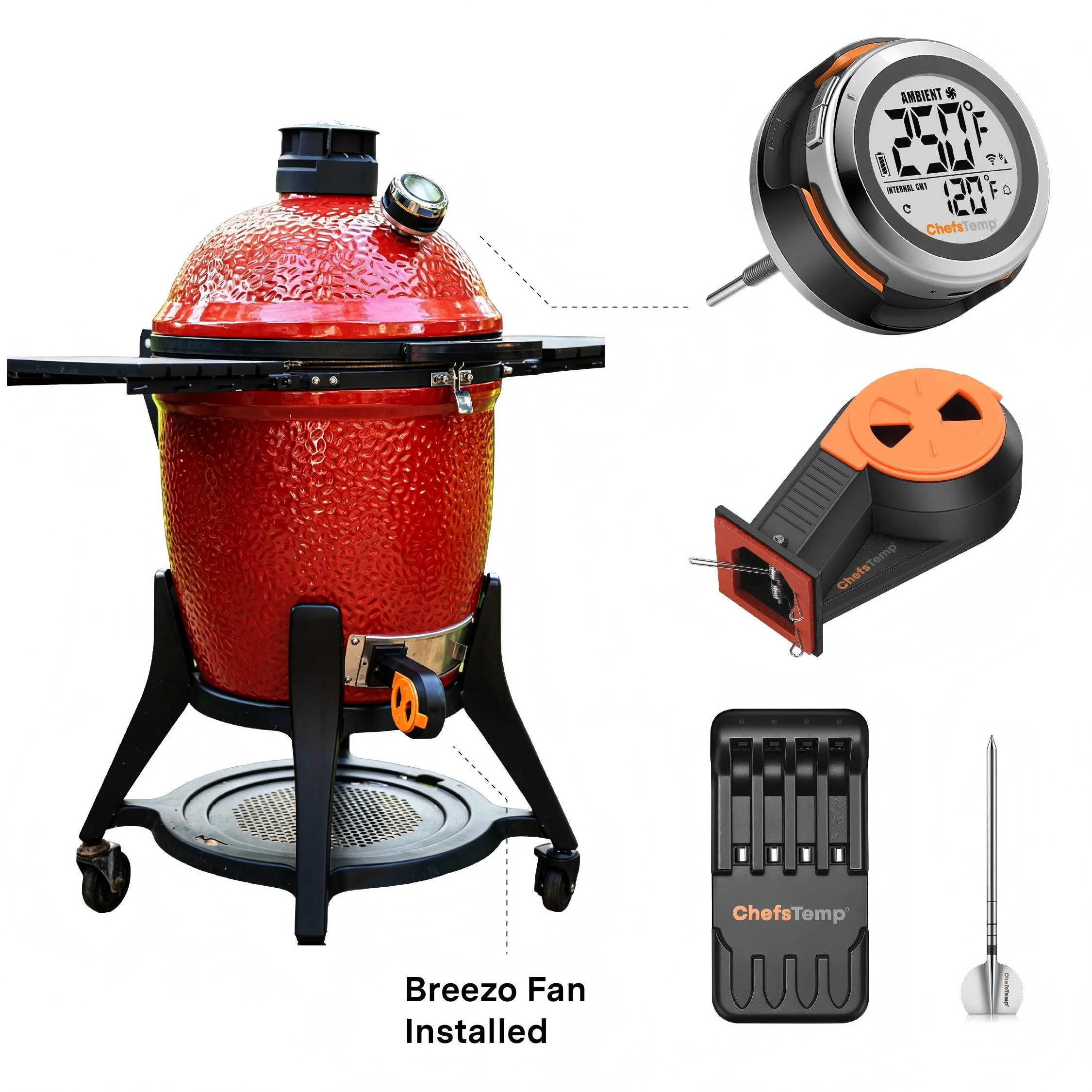
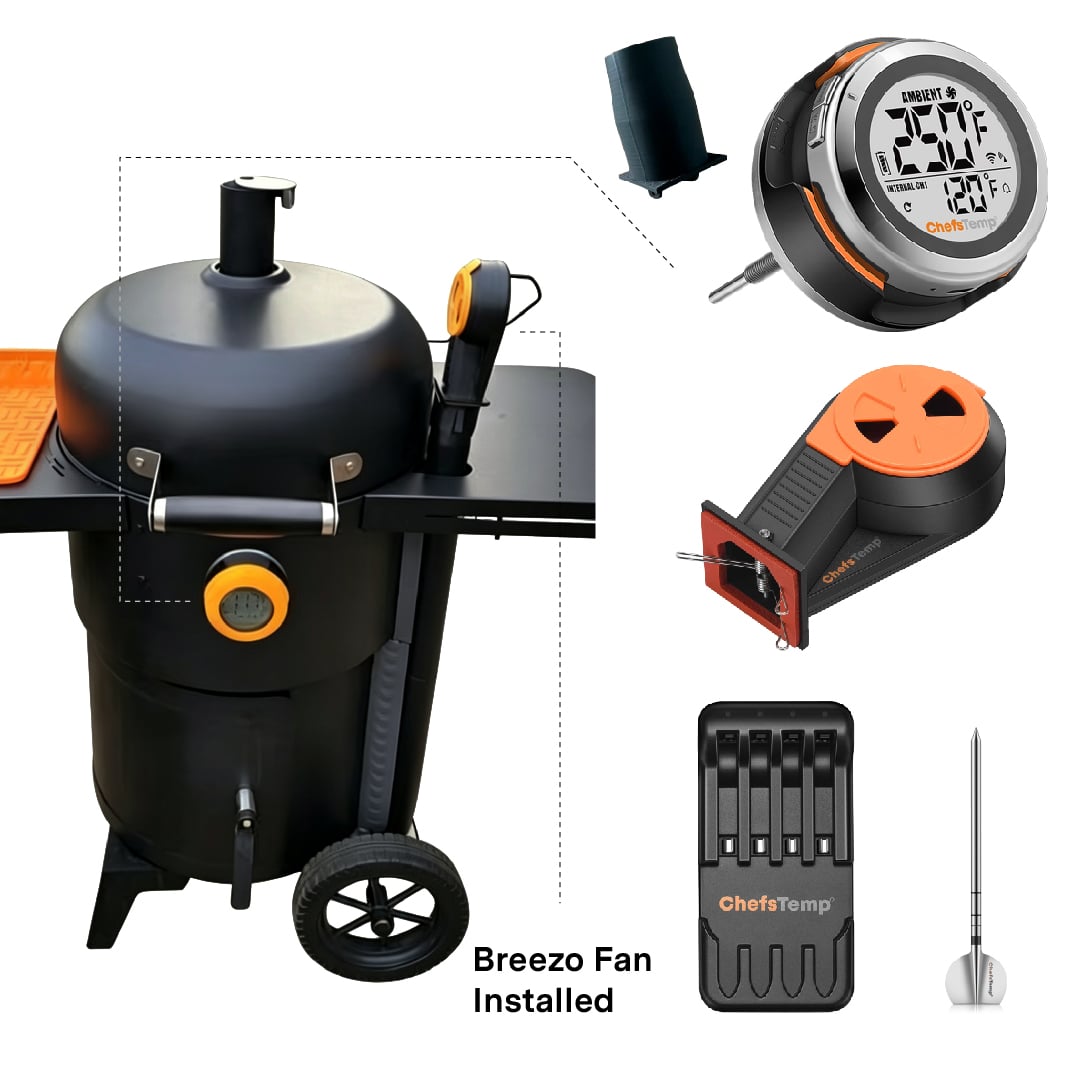
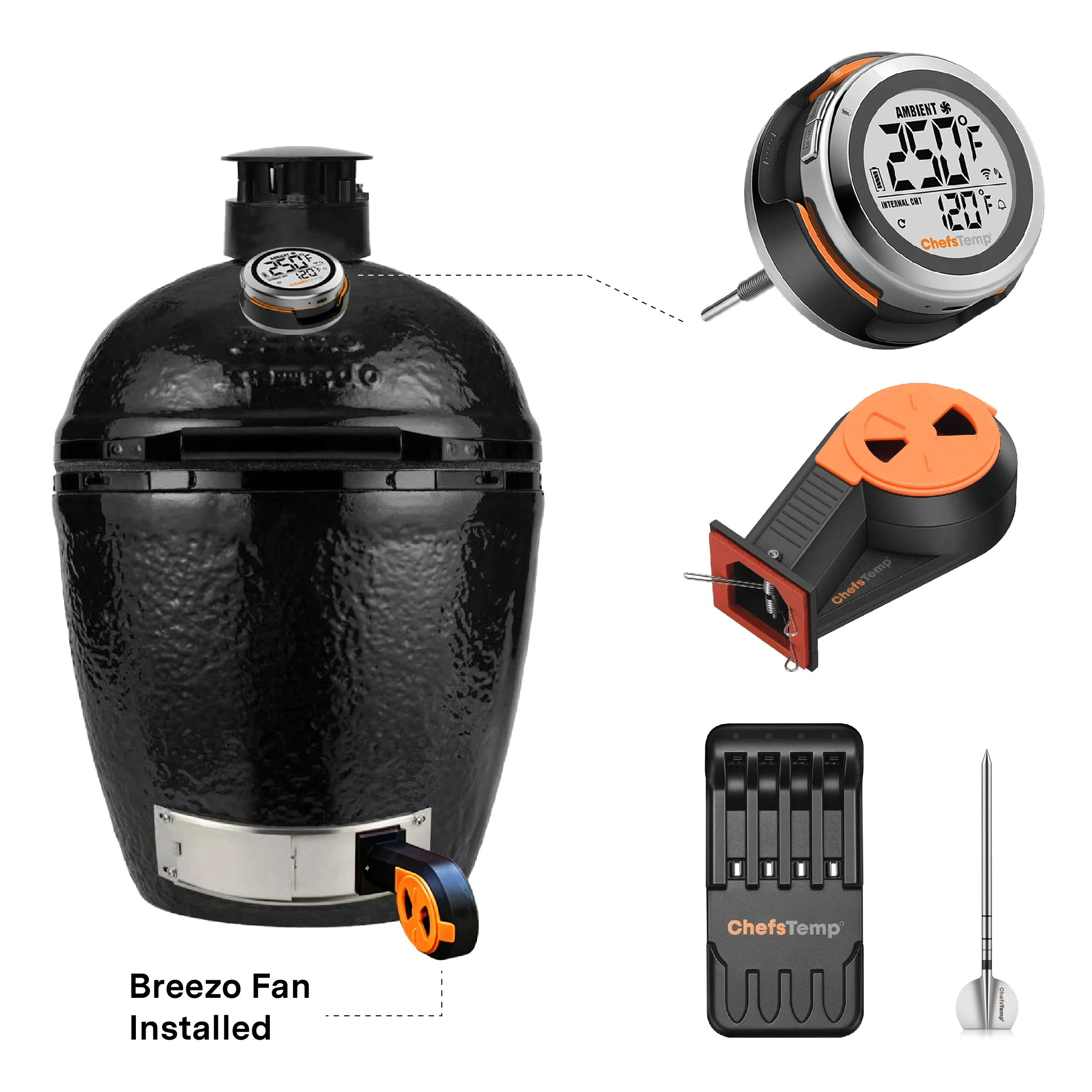
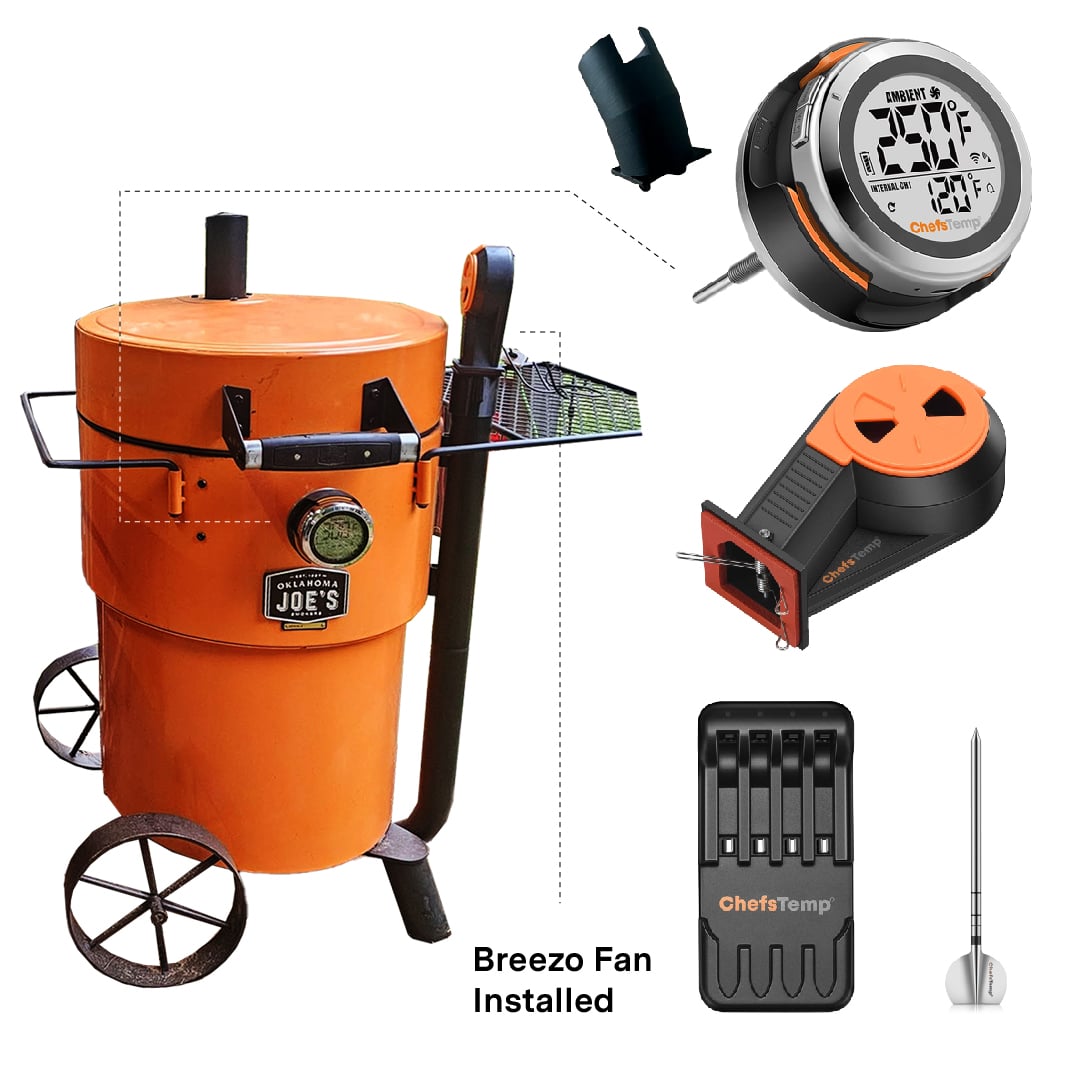
Breezo Fan
Breezo automates airflow. Pairs with ProTemp S1 or ProTemp 2 Plus — set your target temp in the app and let it maintain steady heat.
Starts at: $79.99
Part 4. FAQs of of Fish Internal Temperature​
The short answer is: officially, yes. Culinarily and practically, no. Whether you must cook fish to 145°F depends entirely on whether you are prioritising the strictest government food safety guidelines or the best possible texture and flavour.
The 10-minute rule is a classic culinary guideline stating that you should cook fish for 10 minutes per inch of thickness, measured at the thickest point.
Yes, you can absolutely eat medium-rare salmon, and it is actually how most chefs prefer to serve it! At medium-rare (an internal temperature of 125°F to 130°F), salmon is incredibly moist, buttery, and tender. However, because the official USDA safety recommendation is to cook all fish to 145°F, eating it medium-rare does come with a few safety caveats.
- The thickest part of the fillet should be completely opaque throughout. For white fish like cod or halibut, it will turn a stark, milky white. For salmon, it will turn a lighter, solid pink.
- Take a standard fork and gently press it into the thickest part of the fish at a 45-degree angle. Twist the fork slightly. If the fish resists and stays clumped together, it needs more time. If it easily flakes apart along its natural lines, it is ready to pull off the heat.
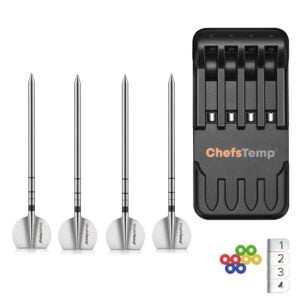
- Insert the probe into the side of the fish (rather than the top) to reach the absolute centre of the thickest part. You are looking for that culinary sweet spot of 130°F to 135°F for a perfectly moist finish, or 145°F if you are strictly following USDA safety guidelines.
Undercooked fish has a very distinct appearance – translucency, jelly-like sheen, and deep, raw colouring, mostly characterised by its lack of opacity.