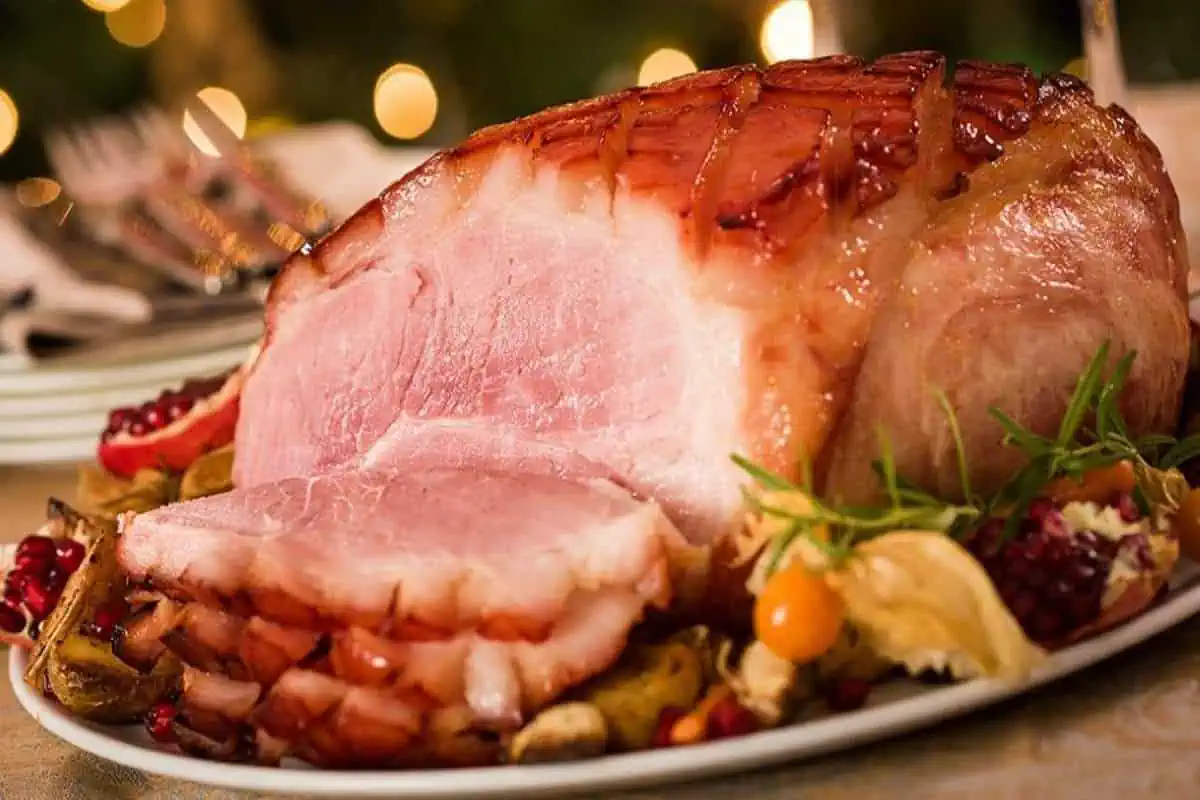
What Temp Should Gammon Be When Cooked?
Roast gammon is a dish normally served on the Christmas table or at a Boxing Day dinner. This is a holiday tradition, so it’s important to cook it perfectly for everyone to enjoy the meal. A perfectly cooked gammon must be succulent and is made with salted meat. It can even be served hot or cold – it’s still tasty. To ensure maximum enjoyment, you need to get the correct cooking temperature for this versatile meat.
In this guide, you will learn more about the proper way to roast gammon so that you can have the best meal for the entire family to share.
Table of Contents
Part 1. What is a Gammon?
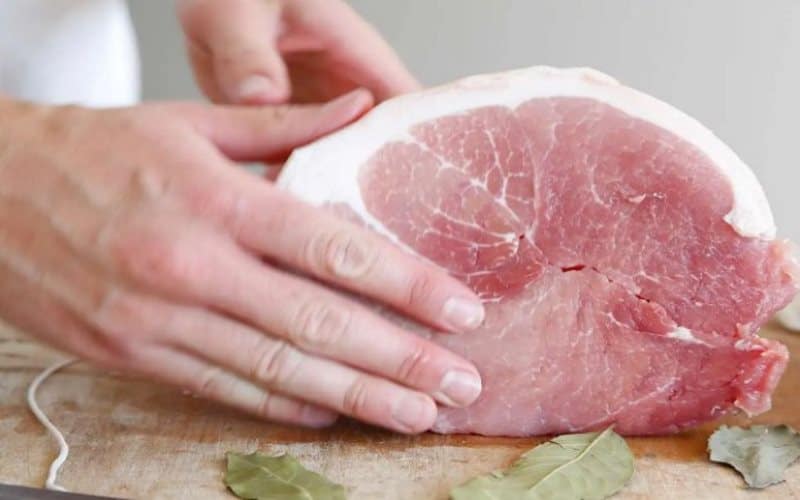
A gammon is a type of pork cut that is taken from the hind leg. The term refers to both the type of cut and the process the meat underwent. This cut refers to one side of the pig, including the leg, which is also used to make bacon. This cut of meat is cured.
Gammon is derived from the same area where ham would normally be taken from. Therefore, many would refer to gammon simply as “ham”. But this is actually a misnomer, since it isn’t cured the way a ham is; the curing process is more like that of bacon. Gammon is milder, flavour-wise, than ham, but a bit more pronounced than bacon. Unlike brine-cured ham in North America, it is not as salty.
The gammon you can find in the market may be smoked or unsmoked. It can also be sold in slices or as a whole part of the meat (weighing up to 4 kg each).
Even though it is mildly cured, gammon still needs to be cooked. Some would boil the whole joint.
Part 2. What is the Temperature of Properly Cooked Gammon?
When it comes to cooking with meat, getting the temperature right on the cook is vital to achieving the best texture and flavour. The ideal temperature for properly cooked gammon is 155℉ (68℃) when measured at the centre. When you turn the oven off, the meat will continue to cook with its internal heat. The meat of the gammon will be able to reach up to 160℉(71℃) in temperature.
Slow cooking in the oven is the best way to cook gammon. This will ensure that you can get tender meat. At the same time, it ensures the meat is cooked through once it reaches the ideal temperature for cooked gammon.
Is this your first time cooking gammon at home? You can test it to make sure it is cooked. Use a knife to insert into the meat. You can tell if it is cooked by the meat’s tenderness. If the knife springs back when you try to insert it, cook it for another 15 minutes, then repeat the test.
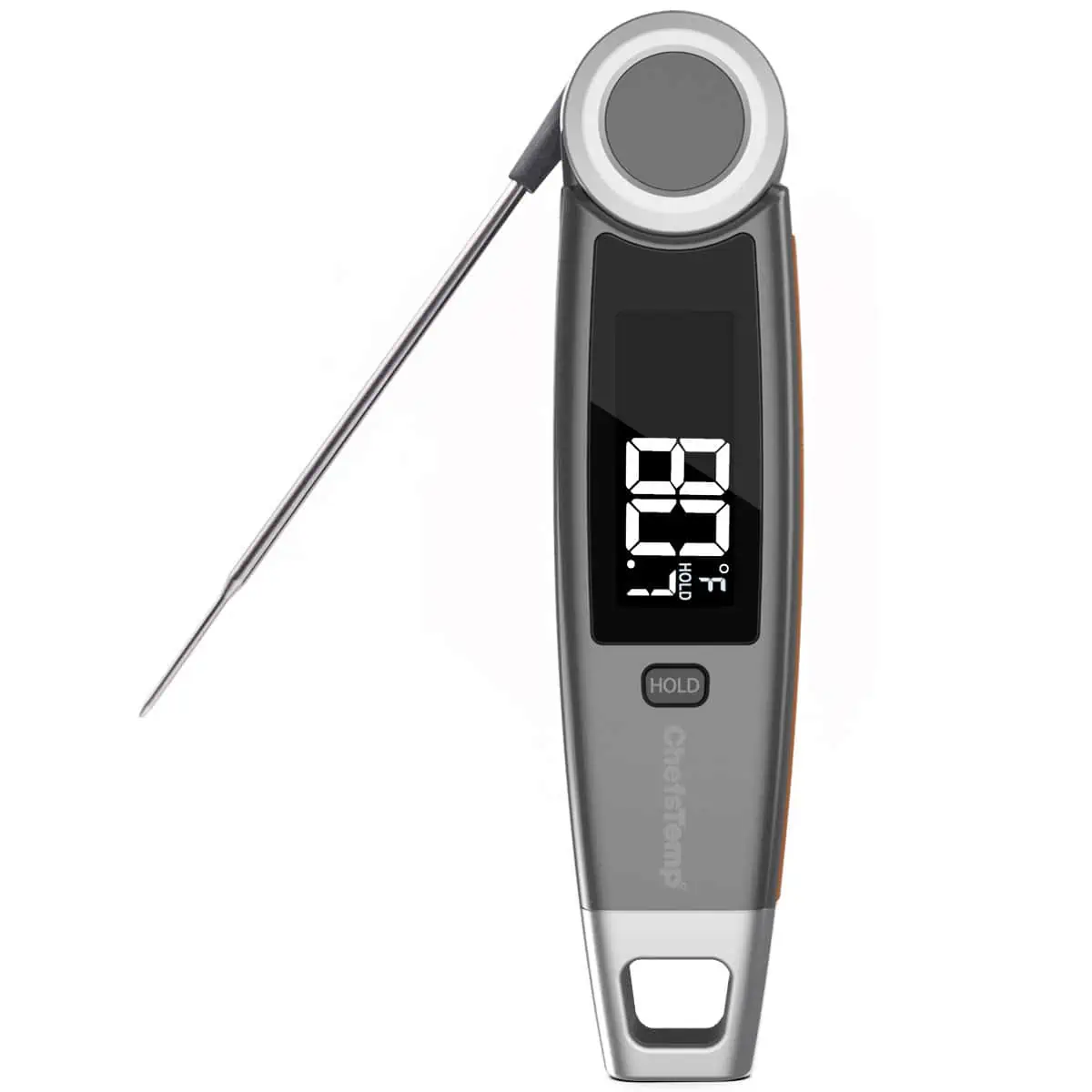
Another way to ensure it’s ready to serve is to use a meat thermometer. Make sure to insert the thermometer into the thickest part of the meat. If the meat is boiled before roasting, aim for a temperature reading of 140℉ (60℃). If the meat is uncooked before roasting in the oven, the thermometer reading should be at least 160℉ (71℃).
Part 3. What is the Safe Temperature for Cooked Gammon in the UK?
In the UK and Ireland, a large joint of cooked gammon is a classic festive centrepiece, especially at Christmas and Boxing Day. Gammon has long been a traditional British and Irish Christmas dish, which means many home cooks prepare it specifically for the Christmas meal and want to follow UK food safety guidance, not overseas advice.
UK food safety rules for pork are more cautious than those in some other countries, such as the United States. As a result, the recommended “safe” internal temperature is higher.
Why UK temperature guidance is different
The UK’s Food Standards Agency (FSA) takes a more conservative approach to pork safety. This is because bacteria such as Salmonella and E. coli can be present throughout the meat, not just on the surface.
-
UK (FSA) guidance: Pork, including gammon, must reach 70 °C for 2 minutes, or an equivalent combination such as 75 °C for 30 seconds, to be considered safe.
-
US (USDA) guidance: Whole cuts of pork can be cooked to 63 °C (145 °F) with a 3-minute rest, based on lower assumed risk and carryover cooking during the rest period.
This difference can cause confusion. A UK cook following a US recipe or using a thermometer app set to US standards may see 145 °F (63 °C) and assume the meat is fully safe. However, according to the FSA, this temperature does not meet UK safety recommendations.
For ChefsteTemp content aimed at UK cooks, the correct minimum guidance for gammon is 70 °C held for 2 minutes, in line with FSA advice. This matters particularly at Christmas, when gammon is often served to large groups, including children, older adults, and other vulnerable people.
Cooks should always check the thickest part of the joint with a thermometer and ensure the meat is piping hot all the way through, which remains the FSA’s recommended visual cue for safe serving.
Part 4. Is There a Risk If Gammon is Undercooked?
Certain types of meat, such as chicken and turkey, must be thoroughly cooked to be safe to eat. The same goes for gammon, a type of pork. There are many foodborne illnesses out there, and many of them can come from animal meat.
The biggest risk of consuming uncooked pork is trichinellosis. This type of infection can cause a wide range of symptoms, including fever, fatigue, nausea, diarrhoea, and abdominal discomfort.
This is why you need to make sure that the meat is cooked perfectly. Always check the meat’s temperature to ensure it’s fully cooked. It is crucial not only to ensure that the meat is flavorful and juicy, but also that it is safe to eat.
Part 5. Is it Bad to Overcook Gammon?
Undercooking gammon entails certain risks, especially for your health, aside from the meat not being enjoyable enough. If you buy gammon that is pre-cooked or already boiled, you are more likely to overcook it at home. When overcooked, the meat can become dry and rubbery.
Make sure to check the meat’s temperature frequently with a meat thermometer. This is the easiest way to ensure that your meat is done and to know when to take it out of the oven.
Part 6. Cooking Tips for Gammon
Knowing the optimal temperature for cooked gammon, the next step is to learn how to prepare it for your family to enjoy at your dinner table. You may or may not need to soak the gammon before cooking, so check the pack to see how salty it is.
Before you cook, weigh the meat to estimate the cooking time. Ideally, you need 20 minutes of cooking time per 450 grams, and then add another 20 minutes.
Place the meat in a large pan and then add cold water. Bring the water to a boil and then season it however you like. Once you are halfway through the calculated cooking time, skim off any white froth that rises to the surface. Drain the water and let the meat cool a little.
Line another roasting tin with foil, then add the meat to the pan before covering it with a lid or more foil. Bake it for the remaining cooking time. About 30 minutes towards the end of the cooking time, you can brush the meat with your choice of glaze. You may also remove the foil covering on the meat at this point.
Discover Other ChefsTemp Products


Discover more recipes and learn kitchen tricks by joining our cooking family on Facebook.
You may also like: