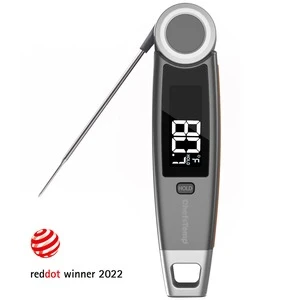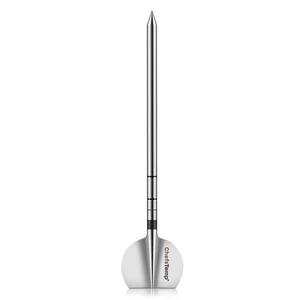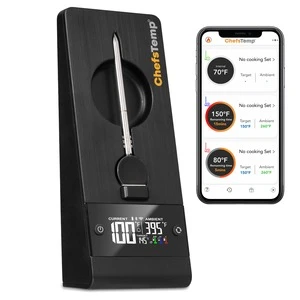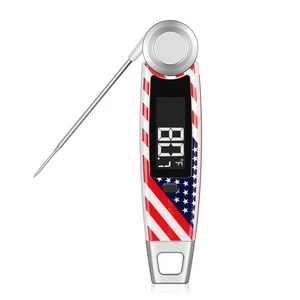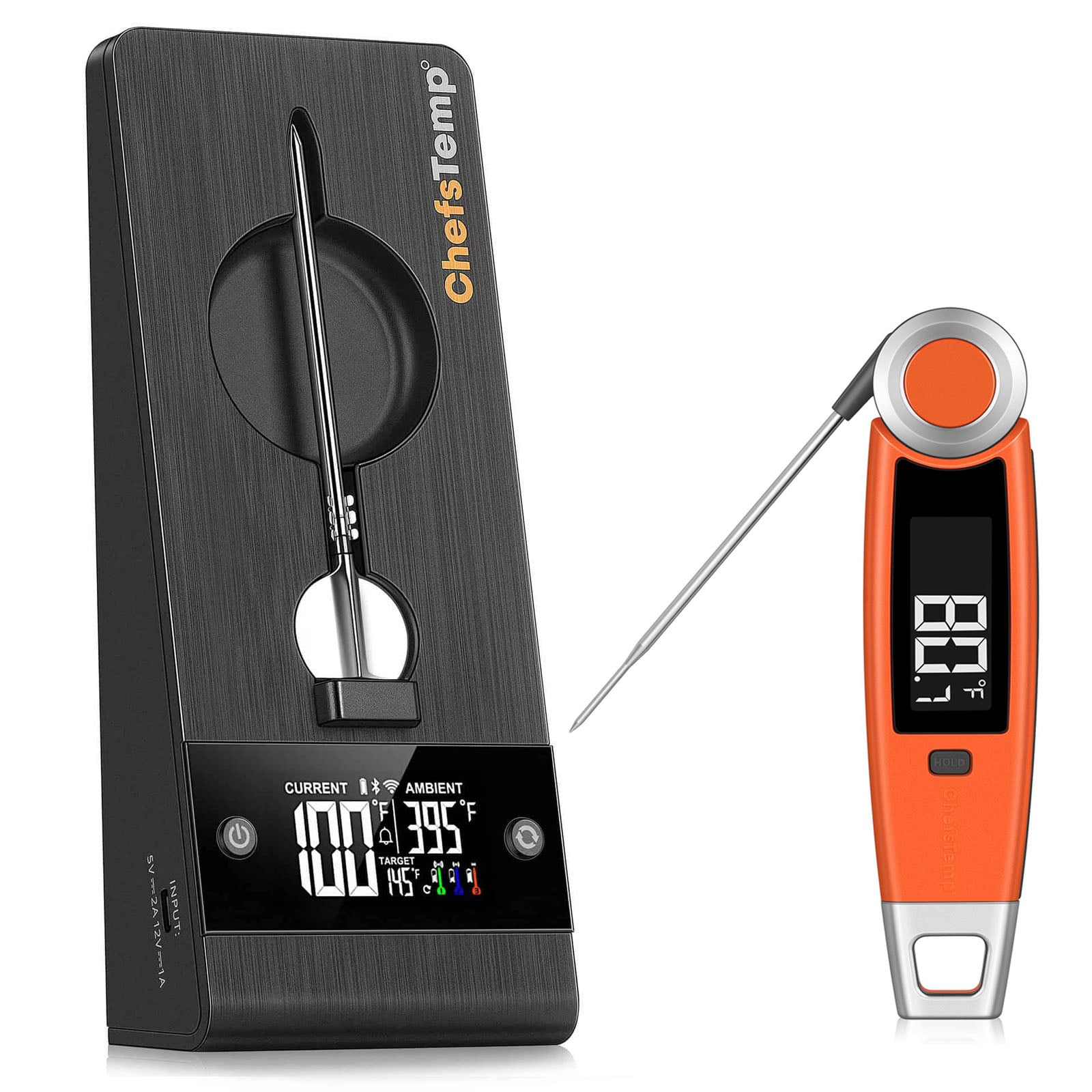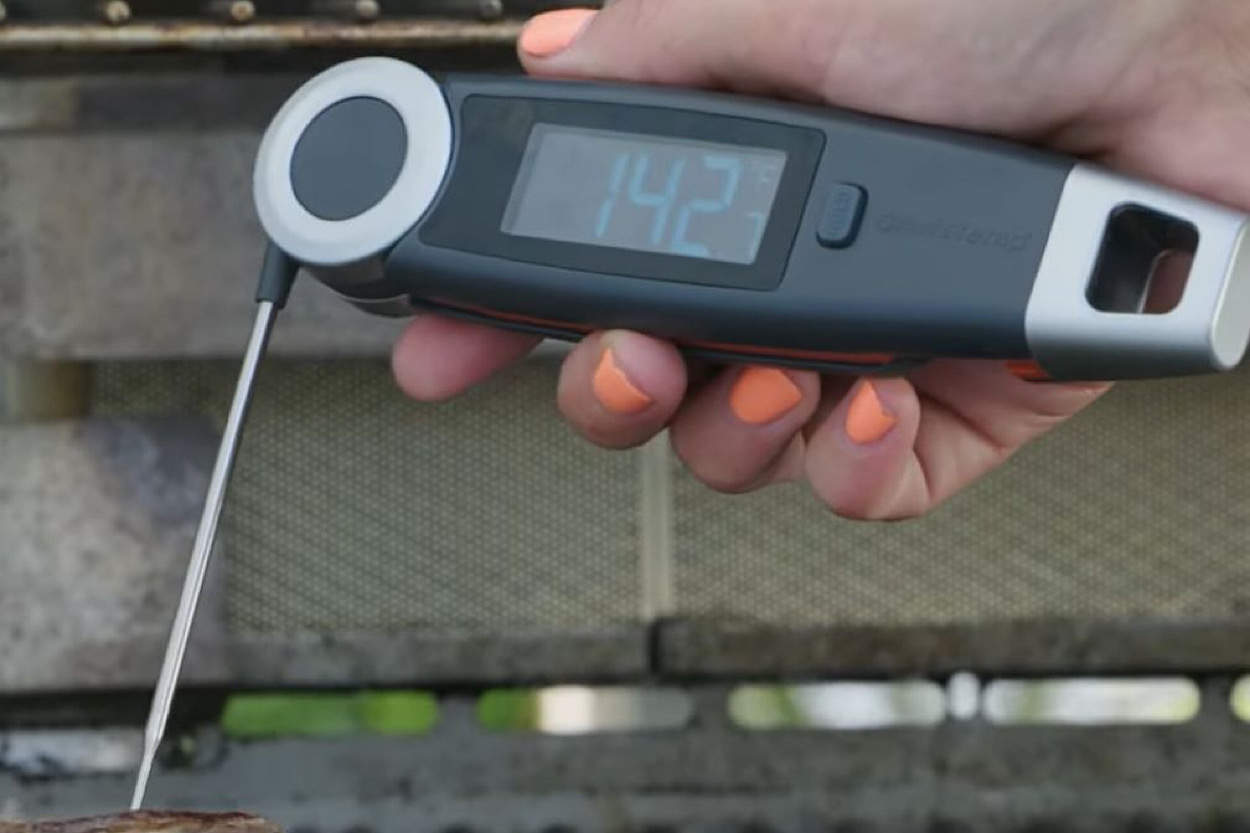
Having a meat thermometer in the kitchen is non-negotiable. This tool enables you to read the correct temperature and avoid overcooking or undercooking the food by checking the internal temperature. However, a tool is only as good as how you use it. Discover best practices for using a thermometer, including how far to insert a meat probe to check temperature accurately.
What is a Probe Thermometer?
A probe thermometer comes with a probe that you must insert into the meat. Once the probe comes into contact with the meat, it records the internal temperature to tell whether the food is cooked. For this reason, a probe thermometer is an essential kitchen tool to ensure food safety. Nowadays, probe thermometers are available in a wide range of types:- Dial thermometers come with a long probe and function like a watch. However, they require manual reading, so you must keep an eye on the pin to ensure it is at the correct temperature. You can find them in oven-safe variants, too.
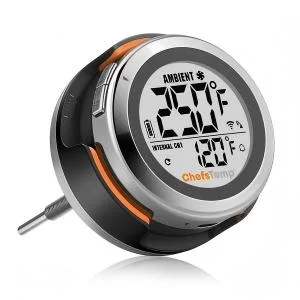
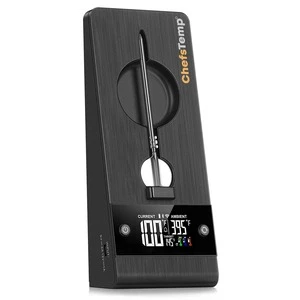
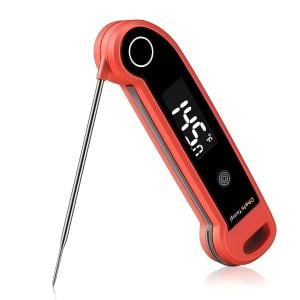
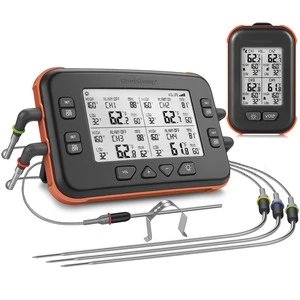
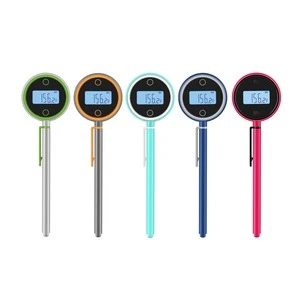
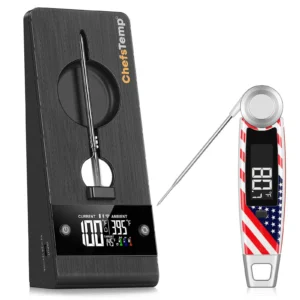
- Digital thermometers are the most common type these days. They are easier to read since the screen automatically displays the temperature. This thermometer is also more accurate than a dial thermometer.
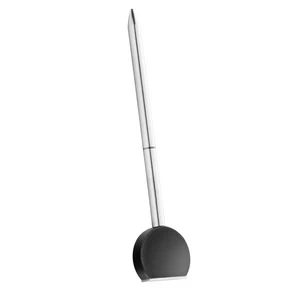
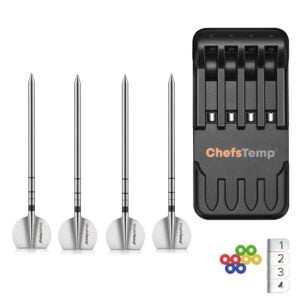
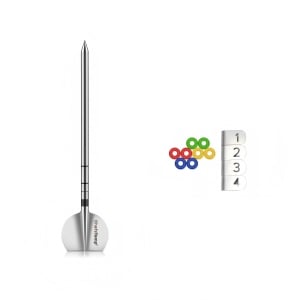
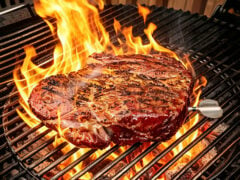
- Thermometer forks are a modern model of thermometer. They are essentially temperature probes that can measure the temperature when grilling or roasting meat. They work like carving forks but can detect the temperature of the food when you stick them in.
How Far to Insert the Meat Probe
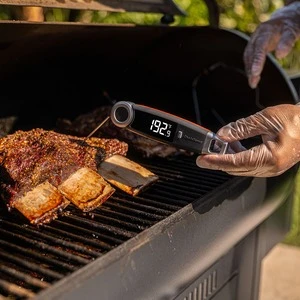
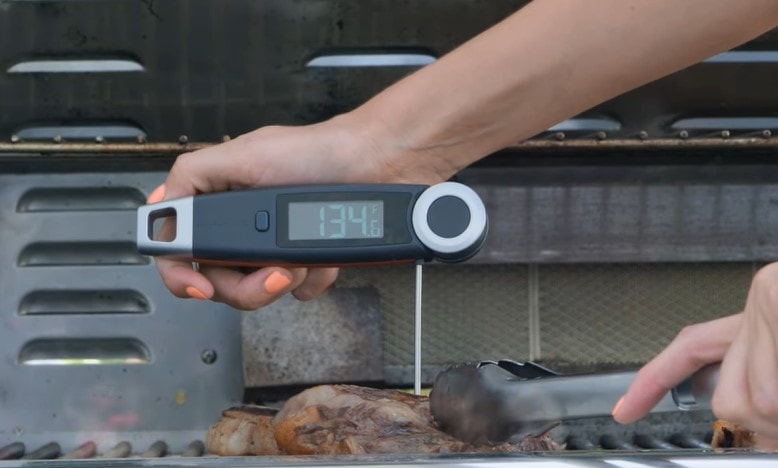
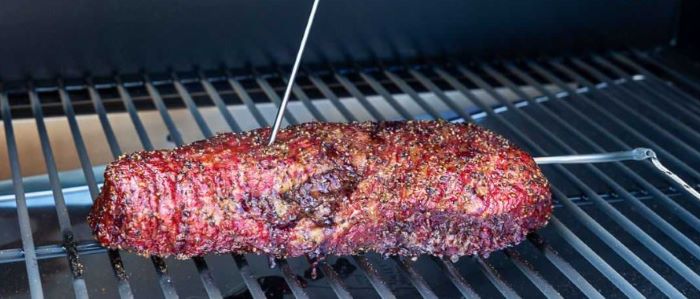
You must insert the probe into the meat about ½ inch deep. However, the depth at which the probe is inserted depends on the thickness of the meat. So if you’re dealing with a thicker piece of meat, insert it deeper – about an inch into the meat. Inserting the meat probe isn’t just about depth, though. There is a technique you must follow to ensure you get the most accurate reading with a probe thermometer. The placement of the probe is just as important as the depth. Place the probe into the deepest part of the meat, but avoid any fat, bones, or gristle, as they could make your reading inaccurate. It’s also ideal to wait at least 10 seconds before taking out the thermometer. This is because you must give the thermometer probe enough time to register the temperature, which is essential even for instant-read models.
Guidelines for Placing the Probe Correctly
Follow these guidelines to maximize your use of a probe thermometer and get accurate readings every time.- Master the Temperature Gradient
- Find the Thermal Center
- Master Your Use of a Probe
Probe Placement Tips for Various Types of Probes
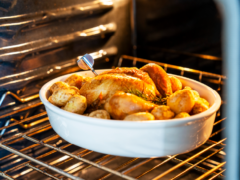
As mentioned earlier, all probes are different. Therefore, following the best practices for using various types of probes is essential. An oven-safe thermometer is a probe that can safely be used inside the oven as the meat cooks. First, place the probe into the thickest part of the meat, ensuring equal thickness on all sides. This placement ensures that your probe hits the thermal center and that you can accurately tell if the food is cooked. If you’re using an instant-read dial thermometer, it’s challenging to position the probe because of the dial. However, follow the same guidelines on where and how far to insert the meat probe to get accurate readings. No matter what thermometer you’re using, you mustn’t let the probe touch any of the cooking containers. If they do, it could influence the reading of the thermometer. Some cooking vessels also heat up faster, which could be a problem if your meat is not yet done. Make sure your thermometer is not picking up on the temperature of the cooking container by correctly positioning the probe. In addition, always take multiple readings. The recommendation is to leave the thermometer probe in for at least 10 seconds to get the correct reading. Then, you can validate this reading by taking another check with the probe to see if it gives you the same reading. If you get different readings each time, there is something wrong with how you position the probe. The goal is to get the exact temperature reading for every try. Tip: Click here to read more about oven-safe thermometers if interested.Conclusion
Hopefully, you can use this guide to be more confident in using a probe thermometer when cooking. Follow the guidelines on how far to insert the meat probe and the techniques to ensure proper placement for the correct reading.Related Posts
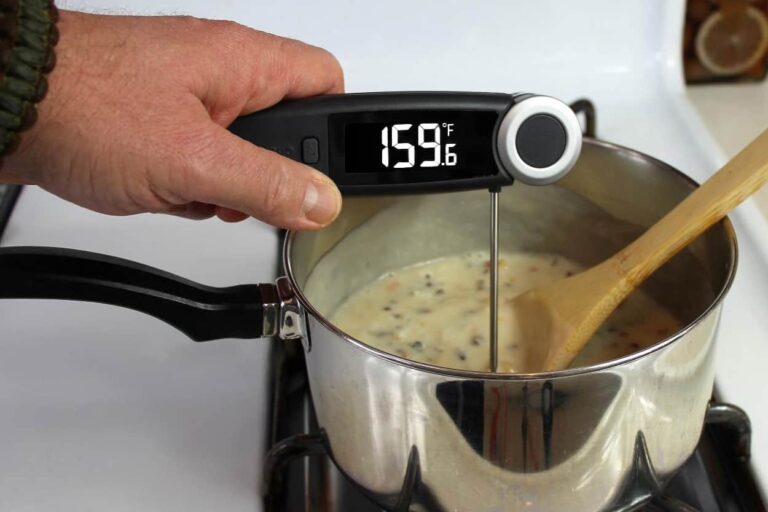
What Is the Best Instant Read Thermometer for Cooking Large Cuts of Meat?
Checking your meat doneness requires the best instant read thermometer. If you ever had issues serving underco...
Whole Chicken BBQ – What is the Safest Serving Temp?
Have you ever tried barbecuing a whole chicken? It is possible to smoke an entire chicken if you know the best...
Can You Leave a Meat Thermometer in the Oven?
A meat thermometer is an essential tool in the kitchen. It can help you achieve the best results when cooking ...
Tips for Smoking Chicken in an Electric Smoker
There are a variety of ways to cook chicken, but the more popular options are to roast or fry it. However, if ...
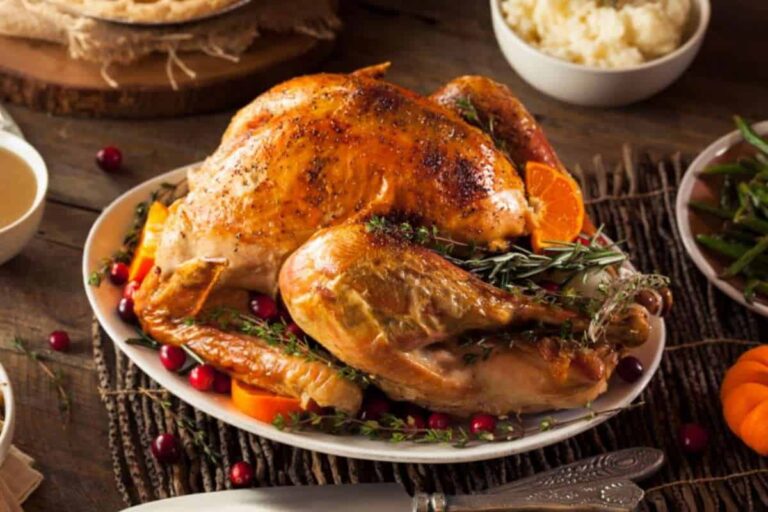
How to Insert a Meat Thermometer Into Turkey?
The food and feast are important components of every Thanksgiving celebration. There is one particular type of...
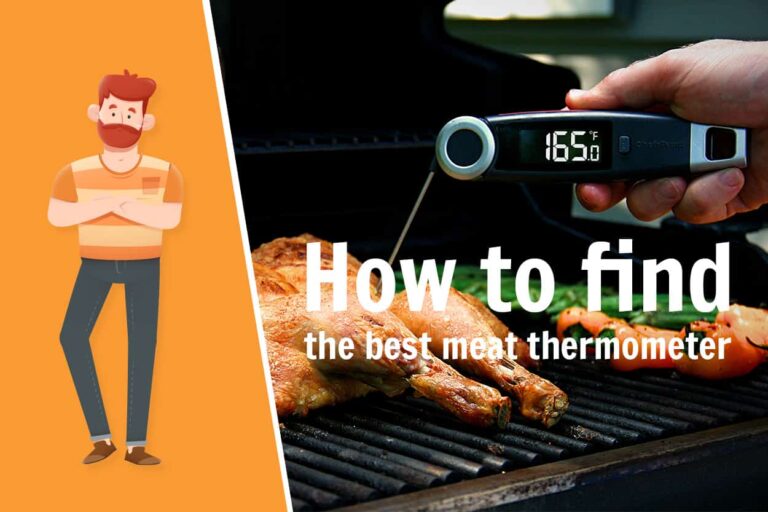
How to find the best meat thermometer for grilling and smoking meat?
Grilling and smoking are the two opposite ends of the temperature spectrum when it comes to outdoor cooking. G...
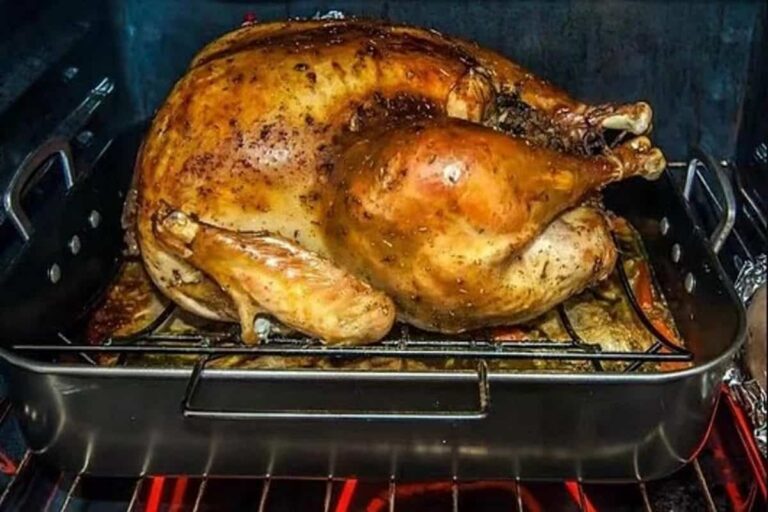
Where to Put a Thermometer in a Turkey
Thanksgiving Day is one of those holidays that are heavily centered around food. And there is one dish that is...