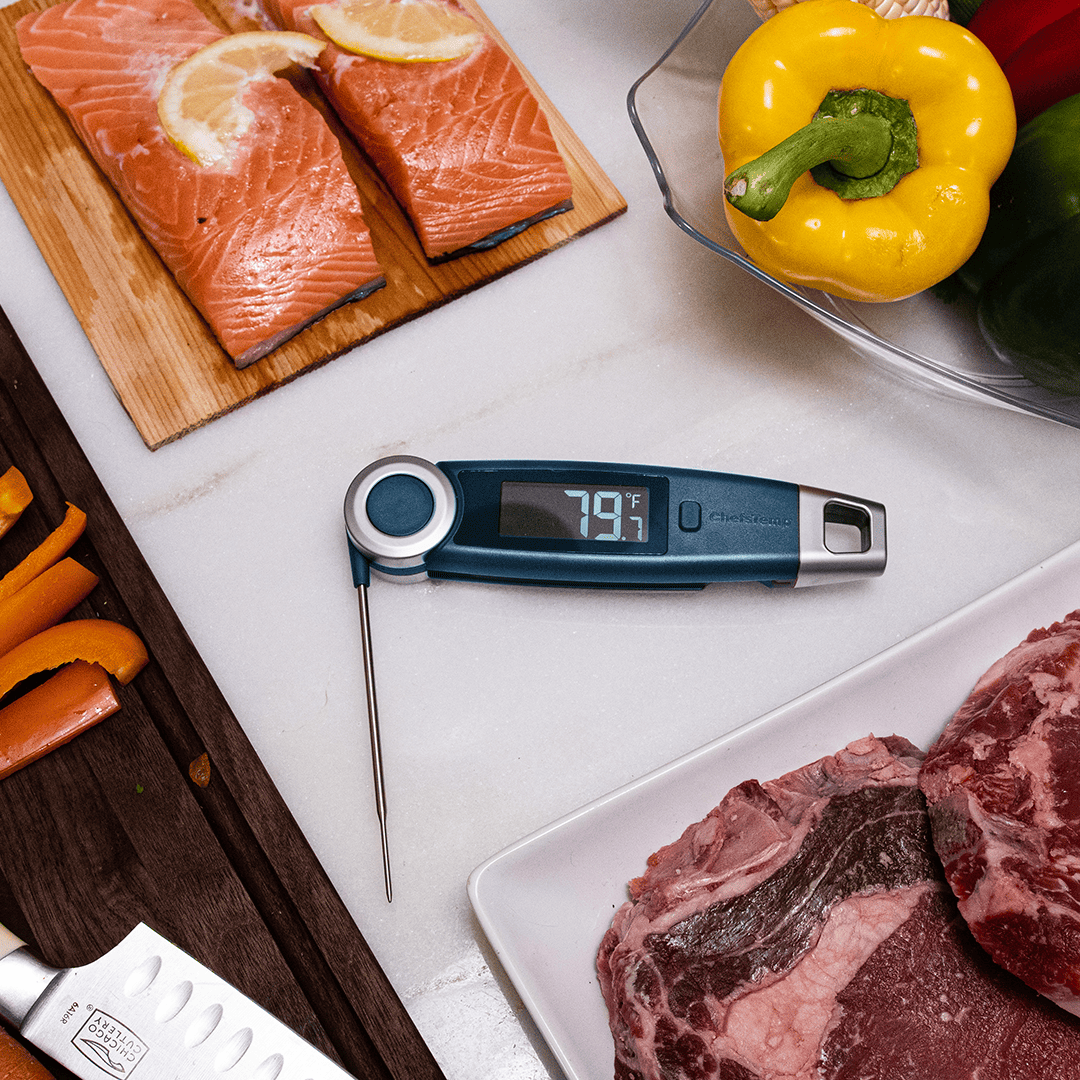
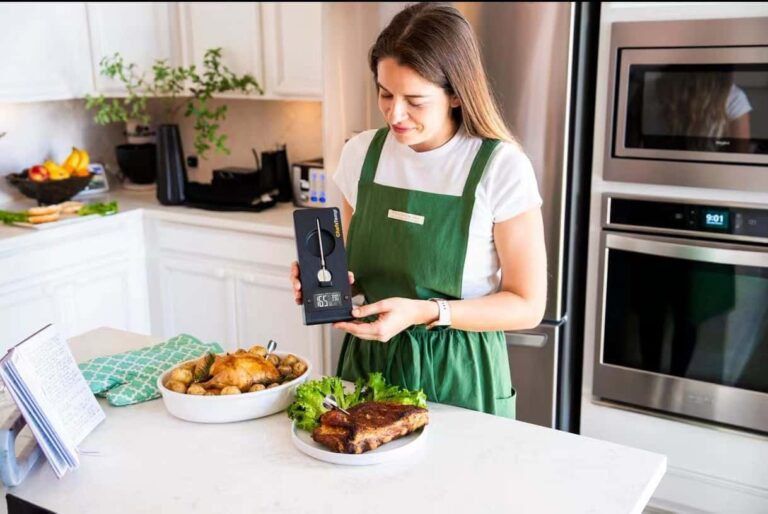
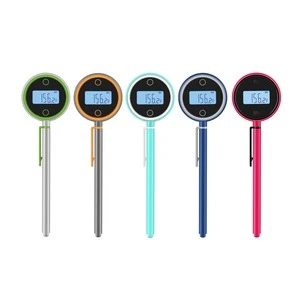
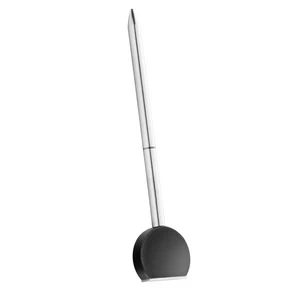
Instant-read meat thermometers are among the most crucial kitchen equipment for determining the doneness and safety of pork chops.
Culinary challenges are presented when cooking pork chops. When pork chops are cooked poorly, they can break. When they are cooked sufficiently, they pose a serious health hazard due to the undercooked meat. When
determining the doneness of a pork chop, the key is mastering temperature control, which can be done using instant-read and smart meat thermometers.
The Importance of Properly Cooked Pork
Although they’re a tasty and adaptable protein, grilling pork chops requires careful attention. If you eat undercooked pork, you may be exposed to pathogenic microorganisms such as E. Coli or Salmonella. On the other hand, flavor and tenderness can be lost when pork chops are overcooked. Therefore, striking the correct balance is essential.
What Internal Temperature Should I Use for Pork Chops?
Pork chops must be cooked to the proper internal temperature to retain their flavor and juiciness and be safe for consumption. The USDA offers recommendations for internal temperatures to ensure that the pork is cooked through and devoid of dangerous microorganisms. Thus, an
accurate instant-read thermometer is needed.
USDA Recommended Internal Temperature:
The USDA advises cooking pork chops to an internal temperature of 145°F (63°C). All cuts of pork, including loin chops, rib chops, and bone-in chops, are subject to this temperature measurement.
Importance of the Recommended Temperature:
Safety: By cooking pork chops to 145°F (63°C), dangerous bacteria such as E. coli and Salmonella are eliminated, rendering the meat safe to eat.
Quality:
This temperature maintains the pork’s moisture, tenderness, and flavor while ensuring safety. While undercooking presents health hazards, overcooking can result in tough, dry meat.
Using a Meat Stick Thermometer:
Using a meat thermometer is a dependable way to determine the interior temperature of pork chops. For the most accurate reading, place the thermometer probe in the thickest portion of the chop, away from any bones or fat.
Additional Tips:
Examine Several Places: When cooking pork chops with the bone in, make sure the thermometer is not touching the bone to avoid inaccurate readings. To ensure everything is done, test several areas.
Consider Carryover Cooking:
After removing the pork chops from the heat source, they continue to cook slightly due to residual heat. To avoid overcooking, this phenomenon, called carryover cooking, calls for taking the chops off the heat a few degrees below the desired temperature.
Instant-Read Meat Thermometers
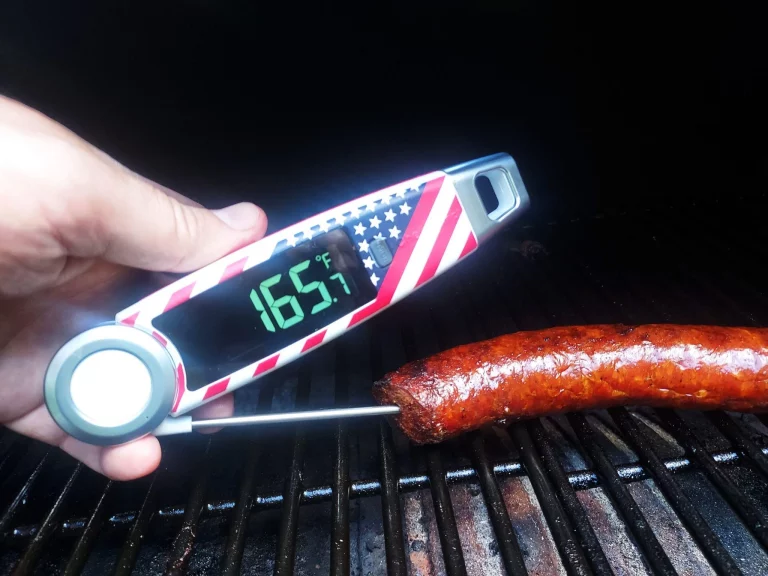
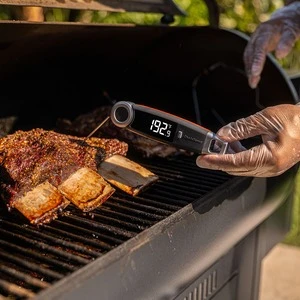
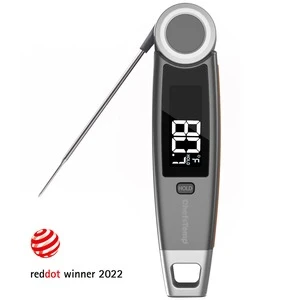
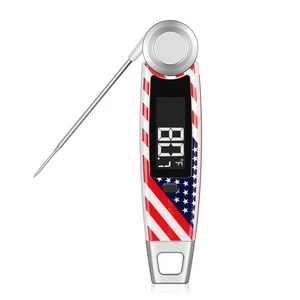
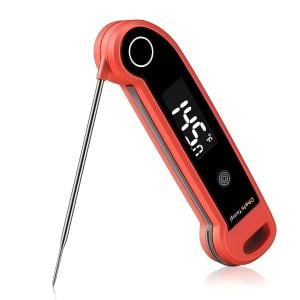
Meat thermometers with an instant readout are handy kitchen gadgets. You can verify the doneness of your pork chops without letting heat escape from the oven or grill, thanks to their fast and precise temperature readings.
To use an instant-read meat thermometer on pork chops, follow these instructions:
Insert the Thermometer Correctly:
Avoiding the fat and bones, insert the probe into the thickest portion of the pork chop. For an accurate reading, make sure the probe tip reaches the center of the meat without contacting the bone.
A few moments will pass before the thermometer stabilizes and shows the correct temperature.
Verify the temperature to ensure the pork chop is safe to eat. The goal is a temperature of at least 145°F (63°C).
Tip: Click here to learn more about
the internal temperature of roast pork if interested.
Smart Meat Thermometers
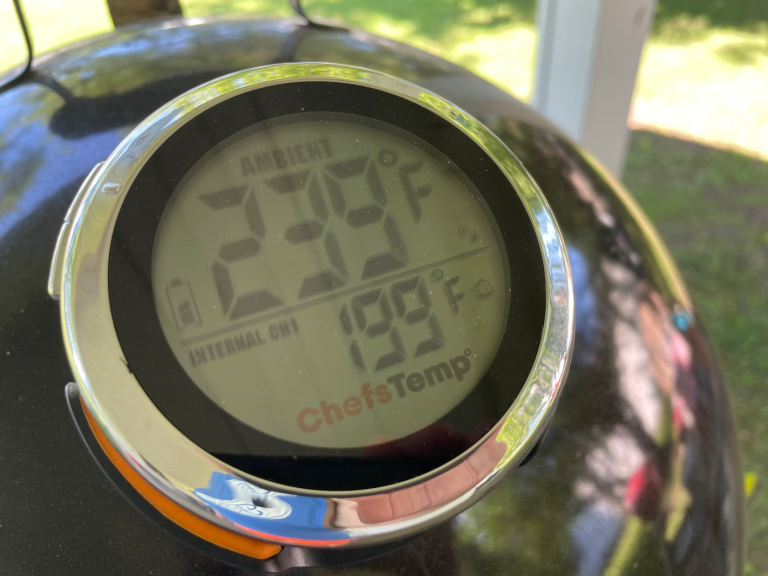
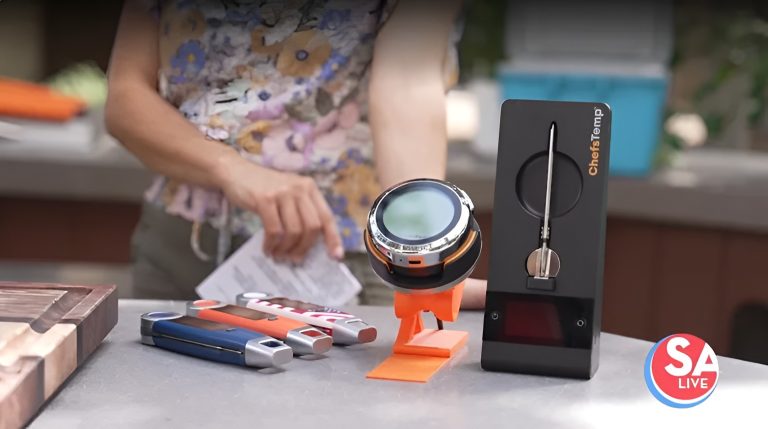
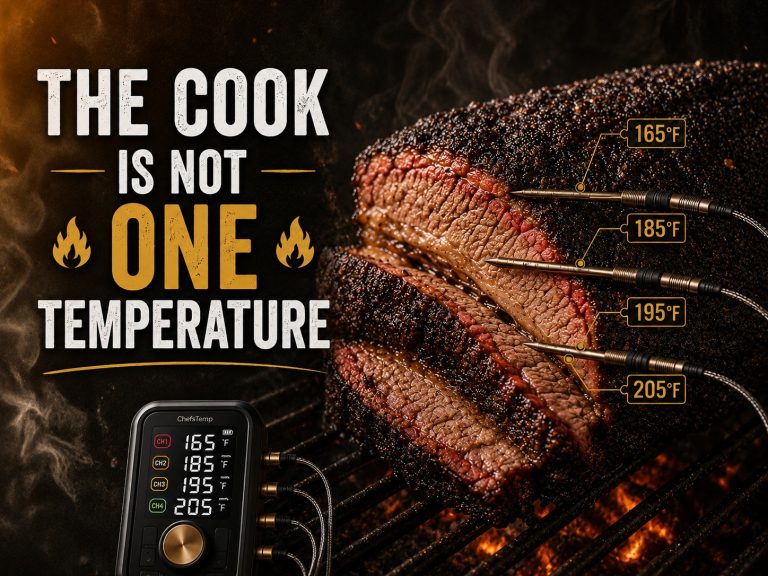
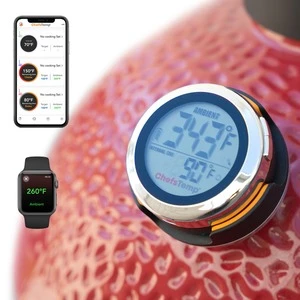
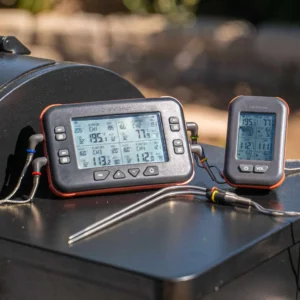
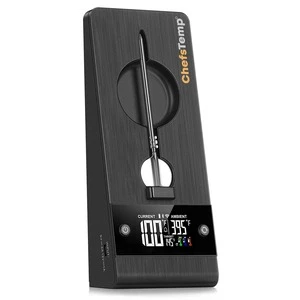
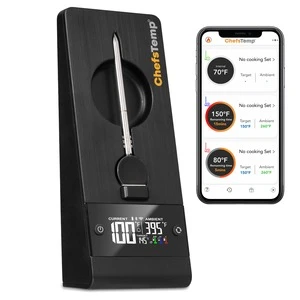
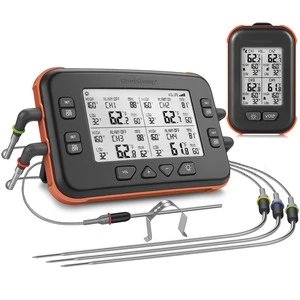
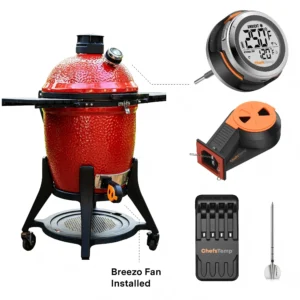
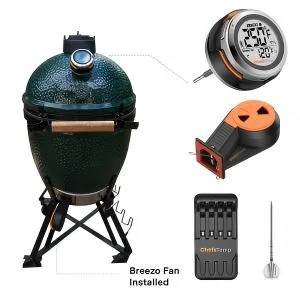
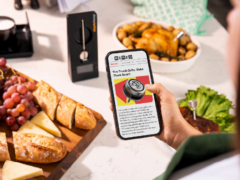
Because they provide real-time tracking through smartphone apps and connections, smart meat thermometers elevate temperature monitoring to a new level. With the features these gadgets offer, such as Bluetooth and Wi-Fi connectivity, you can check the temperature from a distance.
Using a smart meat thermometer for pork chops involves the following steps:
Connect the Thermometer:
To link the smart thermometer to your tablet or smartphone, follow the manufacturer’s instructions.
Insert the Probe:
Make sure the probe is positioned correctly for reliable readings by inserting it into the pork chop as instructed.
Monitor Remotely:
Without being physically close to the cooking source,
use the related app to monitor the pork chop’s interior temperature. This feature enables multitasking without sacrificing accuracy.
What is the Perfect Level of Doneness for Pork Chops?
The ideal doneness of pork chops can significantly impact texture, flavor, and overall enjoyment of the dish. The goal is to cook the pork chops to a safe internal temperature without sacrificing tenderness or juiciness, achieving the perfect doneness.
Here are the common levels of doneness for pork chops:
1. Medium-Rare:
Internal Temperature: about between 57°C and 60°C (135°F to 140°F).
Description: The pork chop will be somewhat pink in the middle at this point. It will have a bit more chew than higher doneness levels, but it will still be incredibly juicy and soft.
2. Medium:
Inside temperature: approximately 145°F, or 63°C.
Description: The USDA recommends a medium-cooked pork chop for doneness. It will be fairly opaque with a slight pink core. This level successfully strikes a balance between safety and softness.
3. Medium-Well:
Internal Temperature: about between 66°C and 68°F (150°F to 155°F).
A pork chop cooked to medium-well will be mostly cooked through with a pink center. Compared to medium or medium-rare chops, it will be firmer and have less moisture.
4. Well-Done:
Temperature inside: greater than 160°F (71°C).
Description: Compared to less-cooked chops, a well-done pork chop will be completely cooked through, have no pink in the middle, and frequently be drier.
How Do You Know When Pork Chops Are Done?
Many visual indicators, such as textures, can indicate pork chop doneness —and, above all, whether it has reached the ideal internal temperature. Here are a few ways to tell when pork chops are perfectly cooked:
1. Visual Inspection:
Color Change: See if the color has changed. The color of cooked pork chops changes from pink when raw to white or beige, with a hint of pink in the middle for medium doneness.
Caramelization: The surface of properly cooked pork chops may show signs of caramelization or browning, forming a flavorful crust.
2. Texture and Feel:
Firmness: Using tongs or a spatula, gently push the pork chop. Pork chops seem tougher when cooked than when they’re raw.
Resistance to Touch: When pressed lightly, a cooked pork chop should offer slight resistance but not feel tough or rubbery.
3. Internal Temperature:
Using a Meat Thermometer: It’s the most reliable way. Make sure it stays away from the fat and bones by inserting it into the thickest portion of the pork chop. When the pork chop reaches an internal temperature of 145°F (63°C), it is done and suitable for consumption.
4. Juices:
Juices’ color: You can also use the color of the juices as a gauge if you’re not sure of the temperature. When there are no visible blood clots in the clear or slightly pink fluids, the pork chop is probably cooked through.
5. Resting Period:
Allow to Rest: After removing the pork chops from the heat source, let them rest. The meat continues to absorb the leftover heat during this period, giving the chop extra flavor and moisture.
6. Comparative Methods:
Touch Test: With a bit of practice, seasoned chefs can often gauge the doneness of pork chops by feeling and pressing them. But this is an advanced technique, and it may not be as precise as a thermometer.
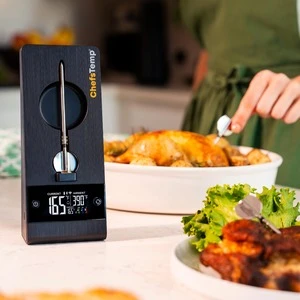
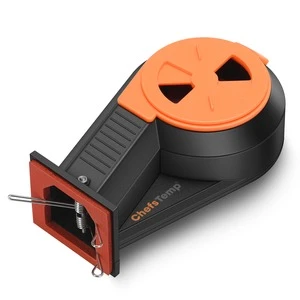
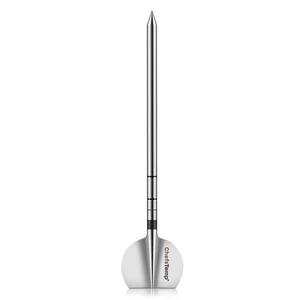
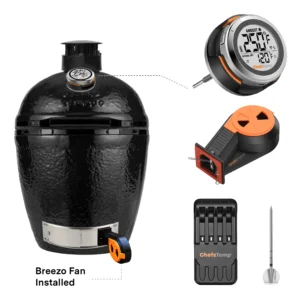
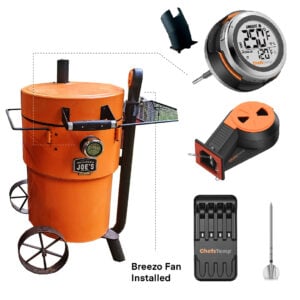
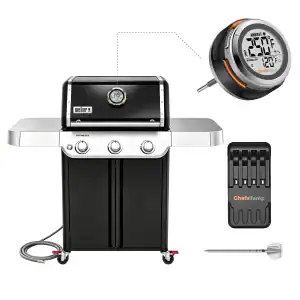
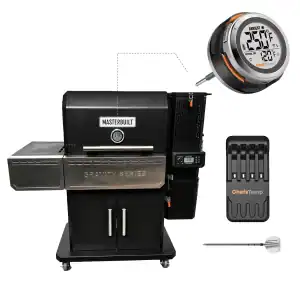
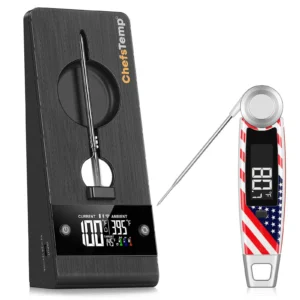
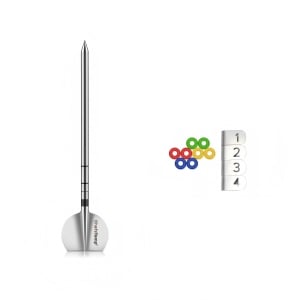
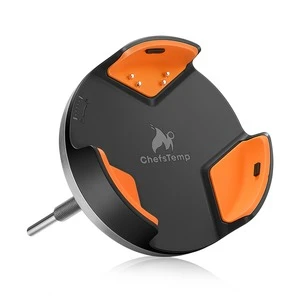
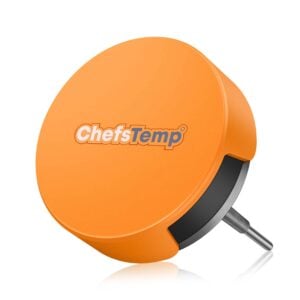
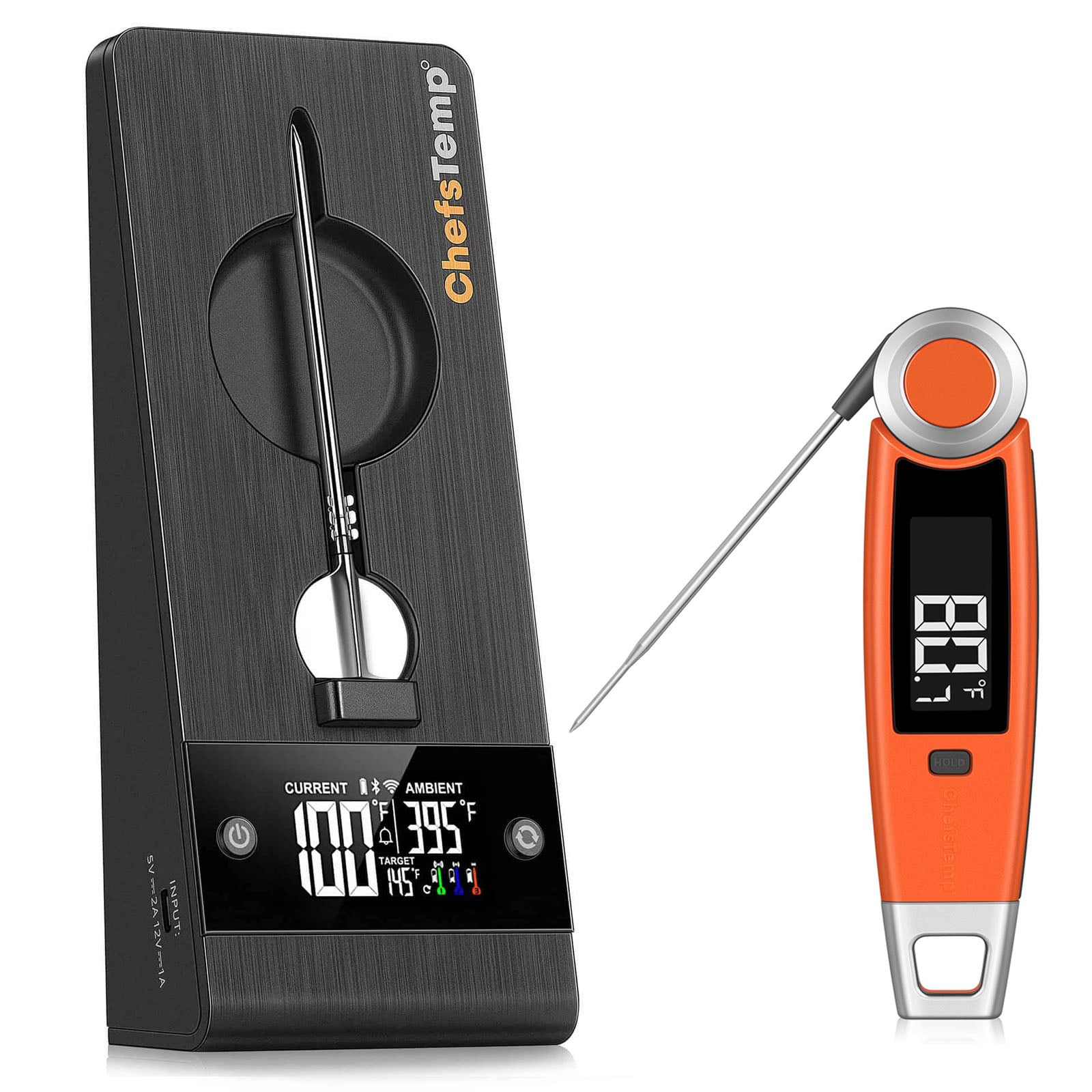
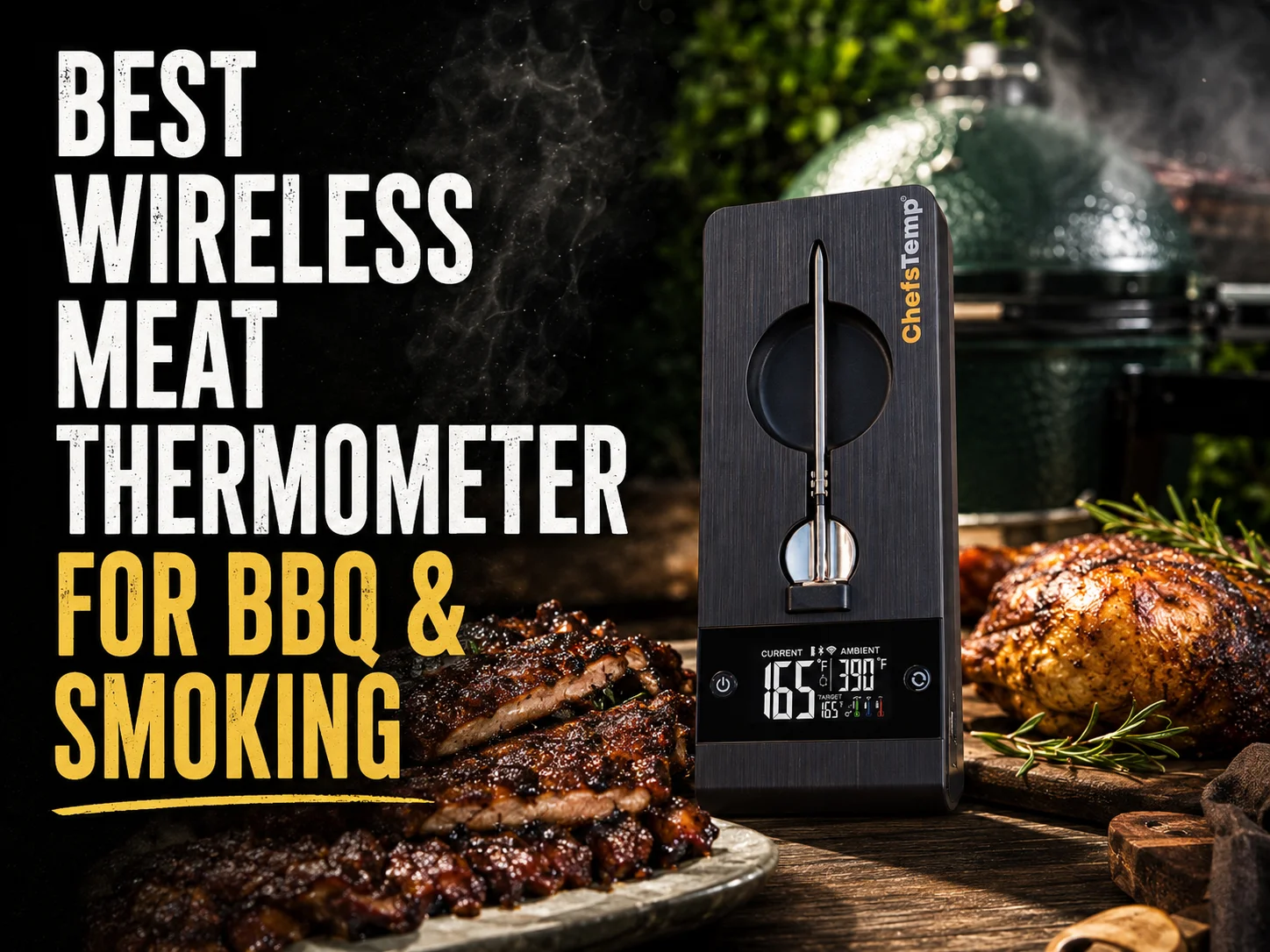
Discover Precision in Every Bite with ChefsTemp’s Instant Read Meat Thermometer – Your Ultimate Cooking Companion!
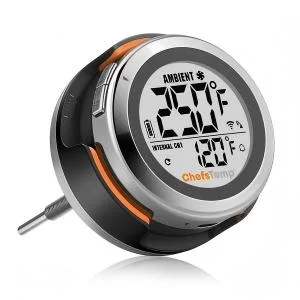
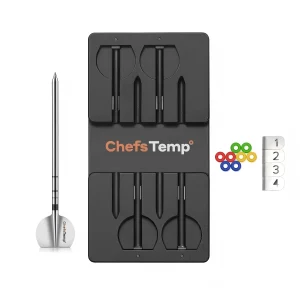
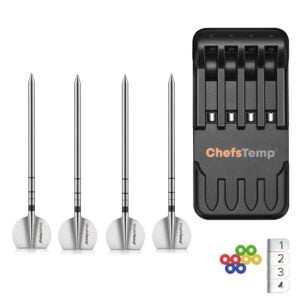
Experience the epitome of culinary accuracy with ChefsTemp’s Instant Read Meat Thermometer – the indisputable champion of smart meat thermometers.
Don’t settle for less. Elevate your cooking experience with the best meat thermometer on the market!
Check out our website to order your ChefsTemp Instant Read Meat Thermometer now and savor perfectly cooked meals with every use.