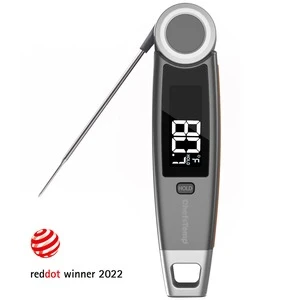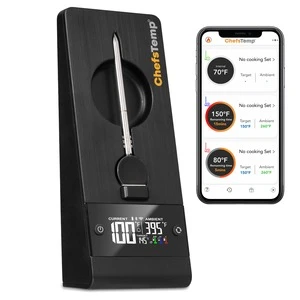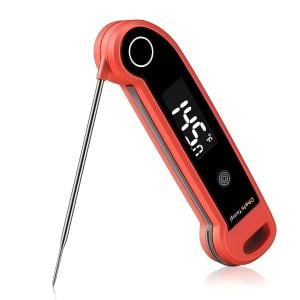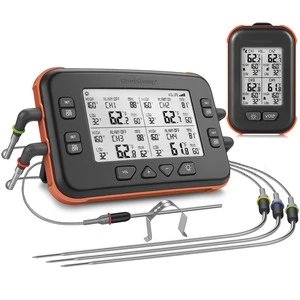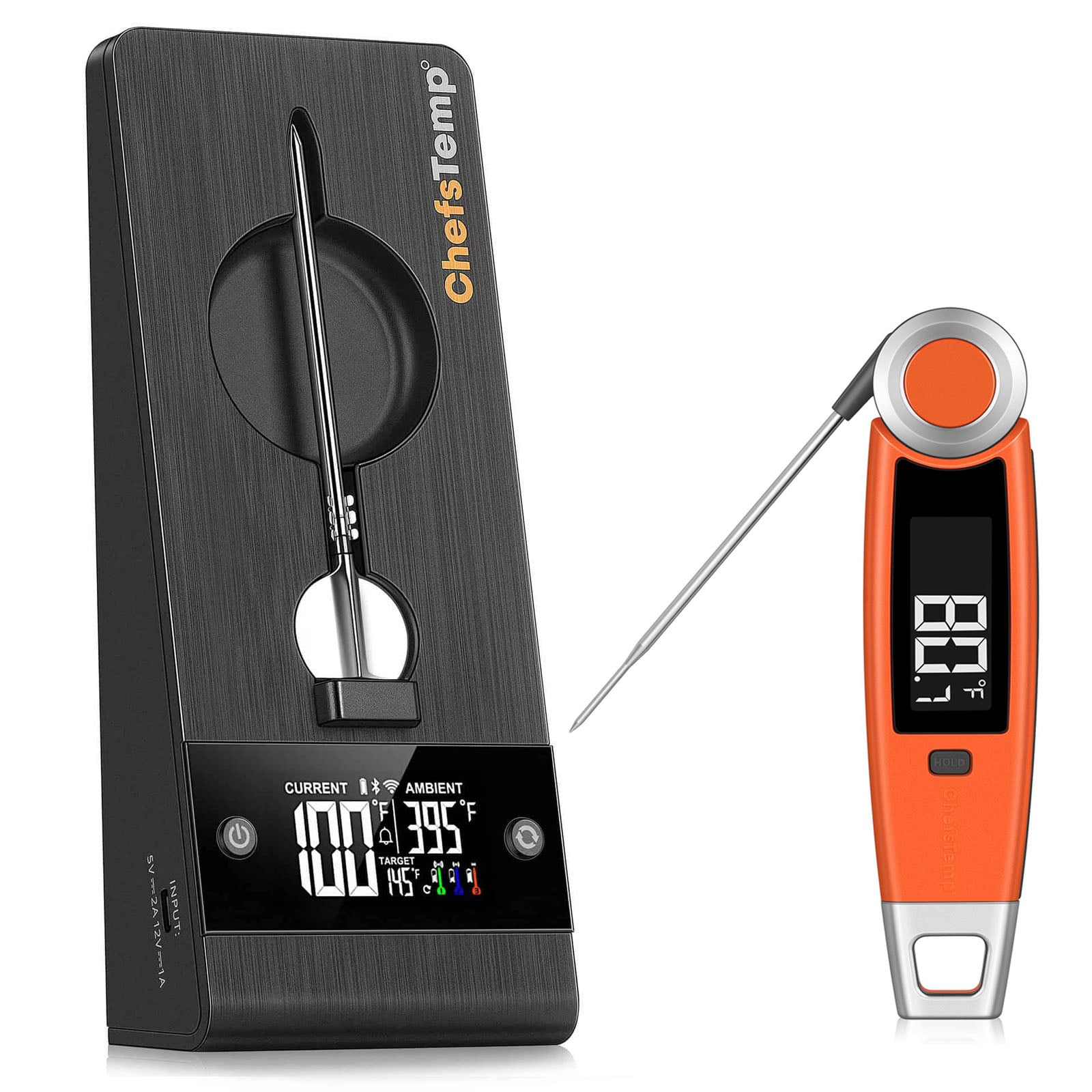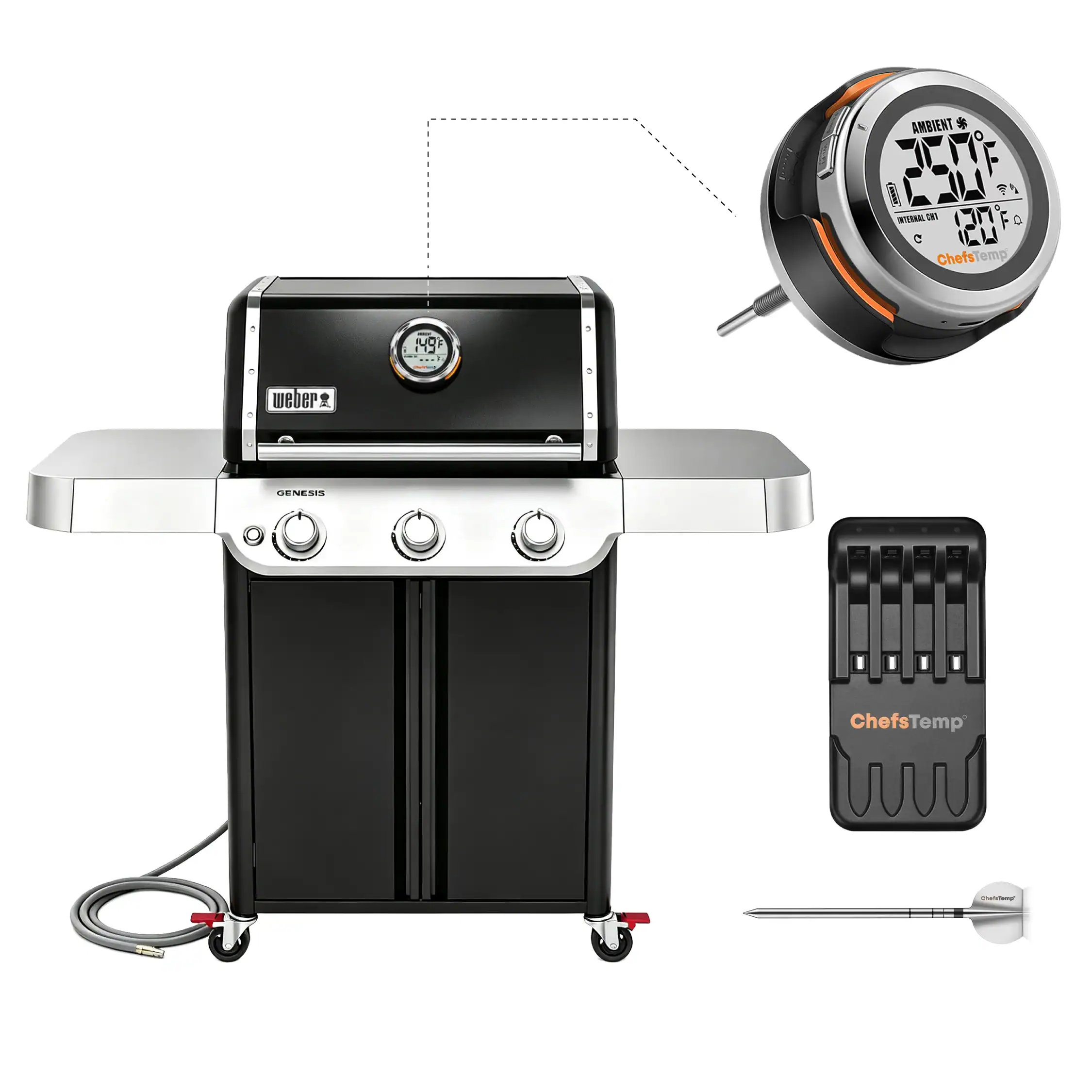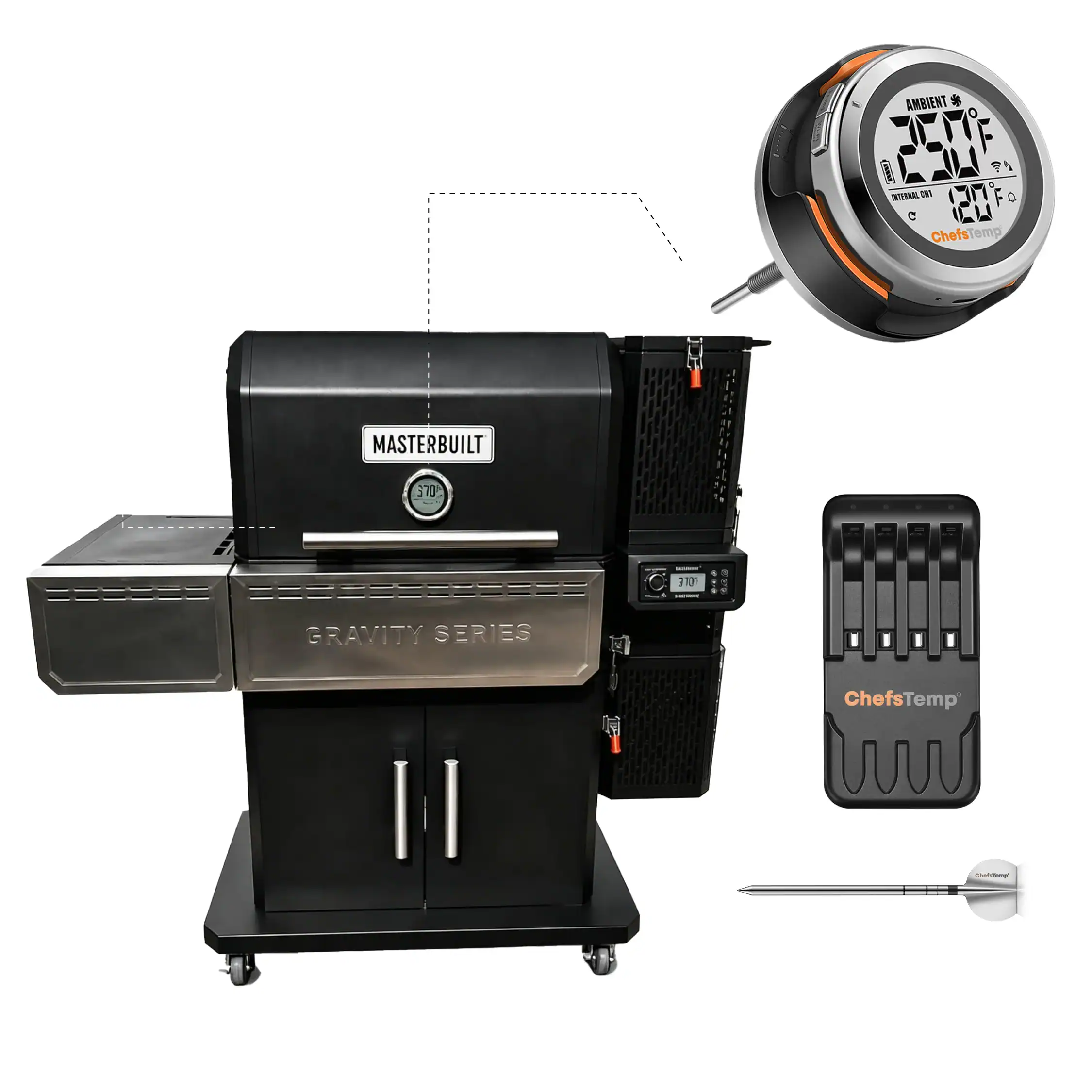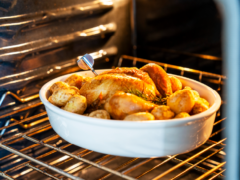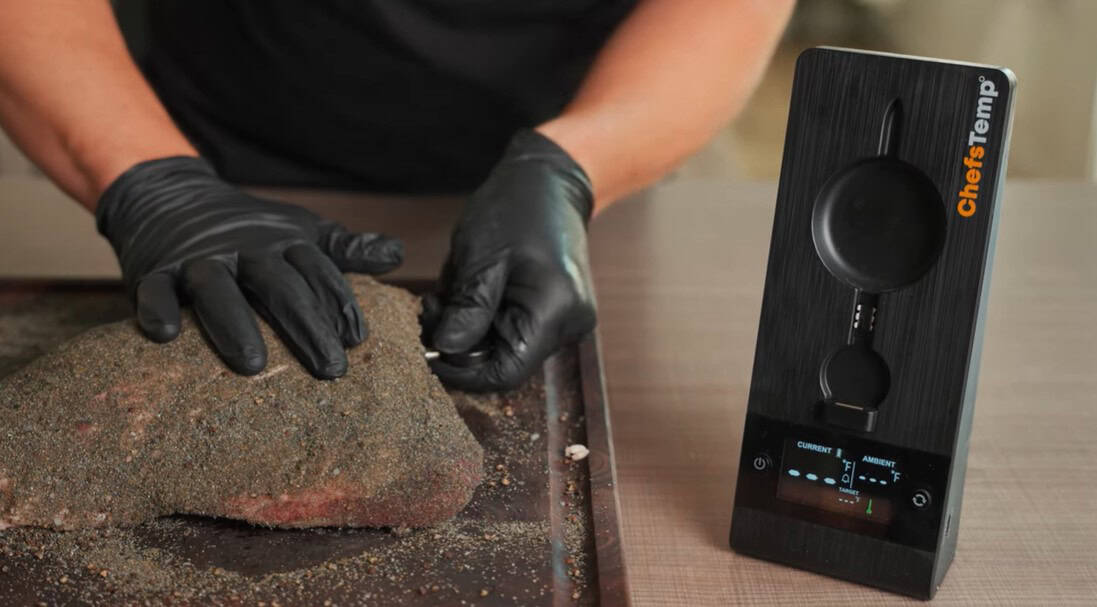
Making sure food is cooked to the right temperature isn’t just about concern for taste; it’s about food security. With thousands of people affected by foodborne diseases each year, it’s important to emphasise the need to check the temperature of the food you consume to ensure it’s safe to eat. For example, monitoring the meat from raw to red. It is crucial to get an accurate food thermometer and learn how to use it to achieve the best cooking results.


The Importance of Checking Meat Temperature
Do you smoke or grill your meat? Did you know there are various internal temperatures to look for when cooking different types of meat using other methods? That’s right! When learning to cook, you should also be proficient at determining the temperature of your meat to ensure it’s cooked correctly and not serve it to your family or friends in a raw or undercooked state. If you fail to prepare your food to the suggested internal temperature, there is a risk of food poisoning due to bacteria that can cause harm. Additionally, it is crucial to know the appropriate storage temperature for cooked food to ensure it’s safe to consume. If not, it may encourage bacterial growth in your food even after it’s fully cooked.Mastering How to Use a Meat Thermometer
The Food thermometer is the best solution for cooking your meat, regardless of whether you’re a beginner or a professional cook. Yet, this instrument requires a lot of skill. In the end, an instrument is only as effective as it is, depending on how you employ it. If you’re looking to master cooking like a pro chef, it is essential to learn how to use a thermometer to measure your meat’s temperature.1. Pick the right thermometer
There are several kinds of thermometers. Selecting the correct one is crucial because they each have distinct features and functions designed for specific types of cooking. The most common type is the bimetal thermometer, which comes with a probe and a numerical dial. But there are other thermometer models featuring more advanced functions and precise temperature measurements. A quick-read thermometer provides fast, accurate readings. The instant-read thermometer works well for cooking on a grill or in the oven, or for quickly checking the temperature of your meat to see whether it’s cooked.
2. Insert the thermometer into the thickest part of the meat
The most effective way to determine the temperature of meat is to insert the probe into the thickest part of the flesh. This ensures you obtain a precise reading because the temperature outside the meat is higher than its internal temperature. Knowing the various temperature gradients in the meat can help you better understand how to gauge temperature correctly. It is also important not to insert the probe too close to the bone, as you could get an incorrect result.3. Check the temperature before it’s done
The majority of recipes include the internal temperature of the meat and the cooking time. Just a few minutes before the cooking time is over, use a thermometer to check the temperature of your meat. This will allow you to closely monitor the temperature of your meat and prevent it from overcooking. So, it is essential to be vigilant with the meat, as it can be very easy to overcook.4. Know the ideal temperature for your specific type of meat
According to the article, different types of cuts have different internal temperatures, ensuring the meat is cooked adequately. Make sure to check the temperature of the meat before removing it from the oven. For example, a larger cut of meat, such as pork tenderloin or brisket, can take longer to prepare than a burger or a chicken breast.5. Allow the meat time to rest
It is essential to rest the meat so it continues cooking until you’ve removed it from the grill. This is known as carryover cooking. If you remove the food from the stove, the meat will continue to cook, so increase the temperature by a small amount until it reaches the ideal temperature. Tip: click here to learn more about resting meat.6. Give the thermometer time to stabilise
To ensure the temperature reading is accurate, you should give your thermometer time to settle. If you’re using an instant-read thermometer, wait several seconds before reading to ensure accuracy.7. Check different areas of the meat
If all else fails, it is suggested that all parts of the animal be tested for temperature. It’s a good way to ensure the meat is fully cooked and there are no undercooked areas. This technique is most effective when cooking larger pieces of meat, where some parts take longer to cook than others.
Taking Care of Your Thermometer
The crucial role thermometers play in food safety makes it essential to take good care of and regularly maintain your thermometer. If you take care of your thermometer, it retains its usefulness, meaning it can last longer. Additionally, it is more reliable in offering accurate temperature readings. The initial step in maintaining your thermometer for food is to clean and sanitise it after each use. The probe should be cleaned with alcohol or washed off with detergent and water. Clean it thoroughly, then store it so it’s ready for your next cooking session. Cleaning can be an effective way to prevent cross-contamination and enhance food safety during cooking. It is also a crucial step in ensuring the accuracy of the temperature measurement. There are several methods for calibrating your thermometer, including the ice-water method and the boiling-point method. The most accurate temperature reading of the thermometer would be two degrees F or 1 degree C. A calibrated thermometer ensures precise measurements, thereby improving your trust when you use it to cook your meat. Be sure to check the calibration regularly as well as whenever you bump or drop the thermometer on any surface that is hard. In addition to using a thermometer to cook, it is essential to check the temperature of the food before reheating. If you’ve got leftover food, ensure it’s cooked to the recommended temperature so it’s safe to consume after storage.Related Posts
How to Keep a Smoker Temperature Steady for Hours
Keeping a smoker temperature steady for hours comes down to three essentials: consistent fuel, controlled airf...
Monitoring the First Burn on a Lone Star Grillz El Fuego Trio with ChefsTemp
Before the first brisket or rack of ribs, a new grill needs its first firing. That session also lets you learn...
Why Is My Charcoal Grill Not Getting Hot Enough?
Open the intake vent all the way. Clear the ash out from under the charcoal grate. Count how much lit charcoal...
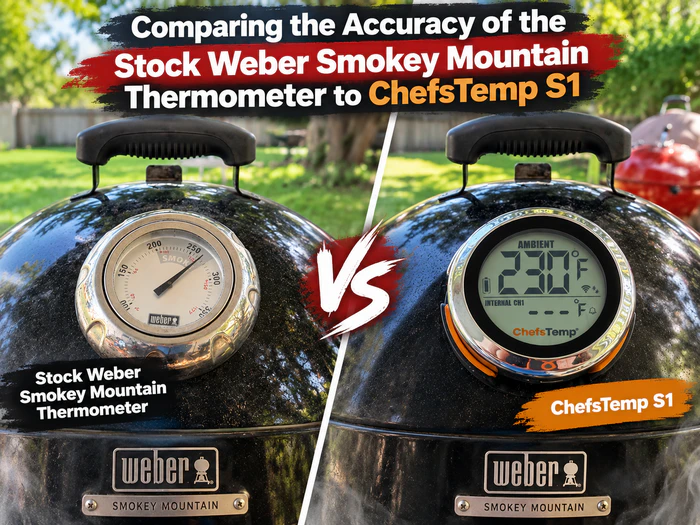
Comparing the Accuracy of the Stock Weber Smokey Mountain Thermometer to ChefsTemp S1
The Issue
The Weber Smokey Mountain is a popular and versatile cooker, but it has one major flaw - the stock ...

From Free Facebook BBQ Tips to a Growing Business: Stephan R. Parrot’s Custom Smoker Story
A suggestion from his wife helped Stephan R. Parrot turn years of free barbecue advice into training, catering...
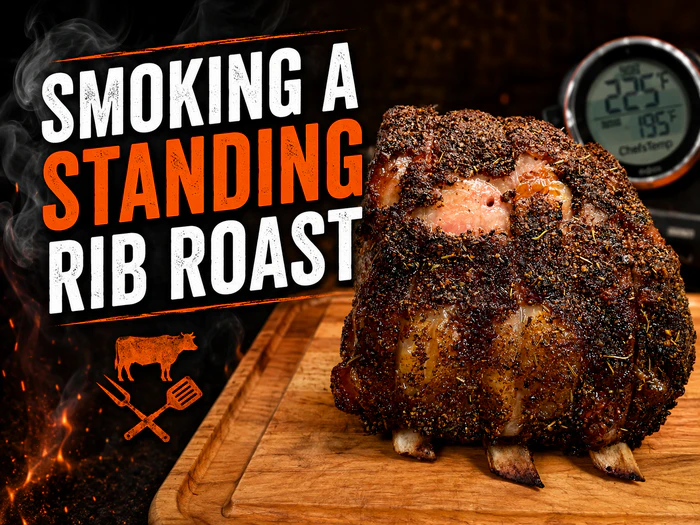
Smoking a Standing Rib Roast – When Special Occasions Call for Special Cuts of Meat
Preparing the Roast
...
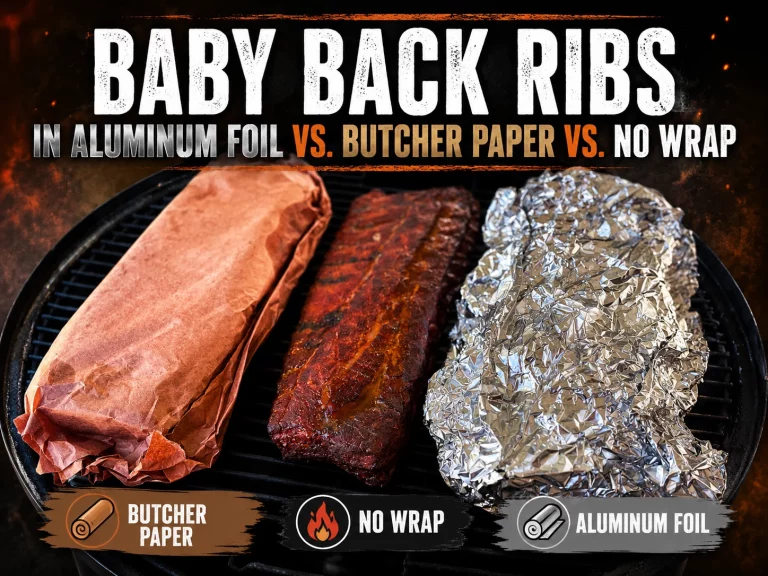
Experimenting with Ribs: Wrapping Baby Back Ribs in Aluminum Foil vs. Butcher Paper vs. No Wrap
Introduction to Smoking Ribs
I personally believe one of the big reasons people get smokers is to cook ribs. I...
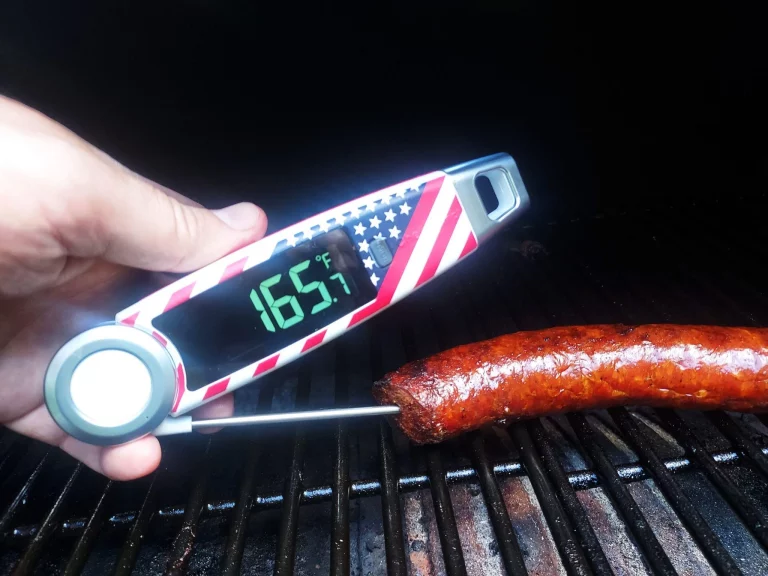
Stop Splitting Your Sausage: Expert Tips for grilling natural Casings
Natural casing ring sausage is a cookout staple enjoyed around the world that is equally deserving of a place ...
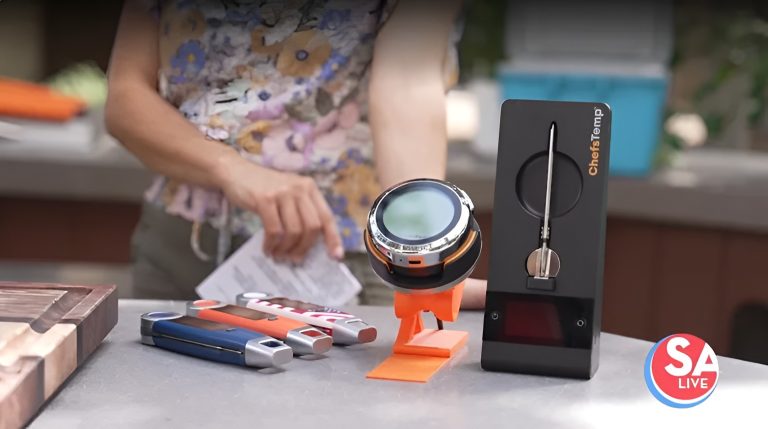
Mastering Pulled Pork: The Ultimate Temperature Control Guide with ChefsTemp
Achieving competition-grade, juicy, and tender pulled pork is the ultimate rite of passage for backyard pitmas...
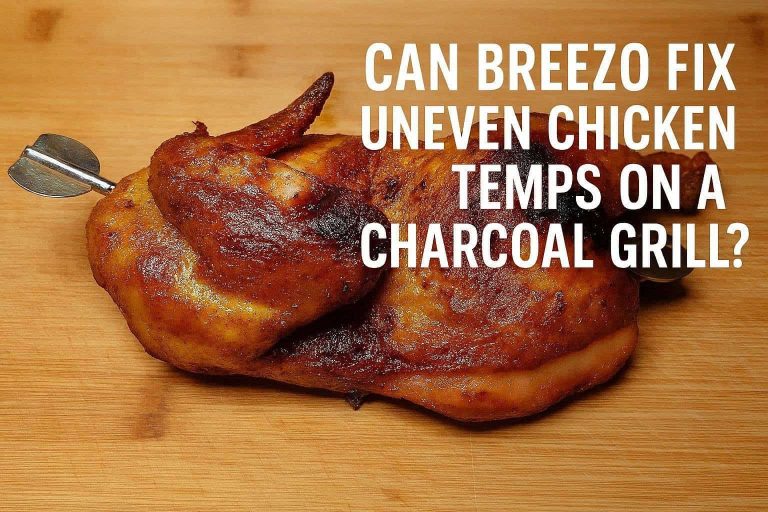
Two Birds, One Fan: Can Breezo Fix Uneven Chicken Temps on a Charcoal Grill?
Chicken grilled over charcoal is one of life’s purest pleasures. So much so that people debate which is better...
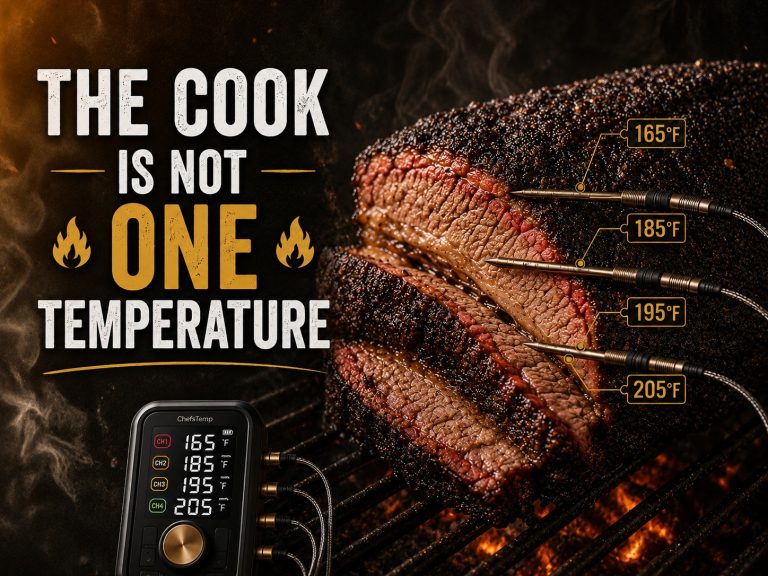
The Cook Is Not One Temperature
A few hours into a long cook, it can feel as though the grill has started arguing with you.
The dome thermome...