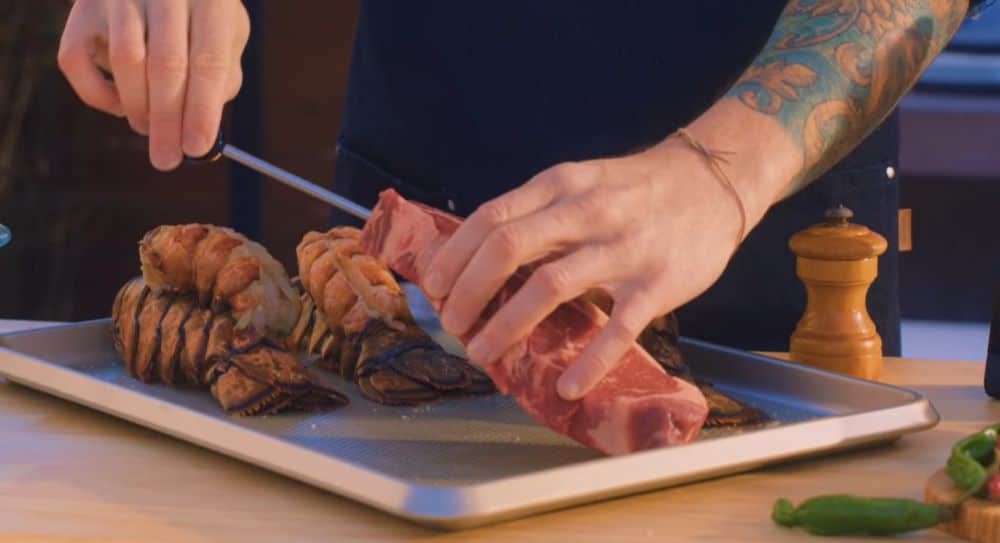
Beyond the Guesswork: Precision Cooking Perfected
It can be like playing a game. It’s like gambling – you can win some, but sometimes, we’ll just admit that the food you prepare might not turn out the way you planned. However, a skilled cook isn’t one to leave anything up to chance. Instead, they will tilt the odds in their favour. Their expertise and knowledge are significant factors in their cooking; they also rely on the right tools to cook with precision. One of the primary tools used in any professional kitchen is a food thermometer, particularly a meat thermometer.
It’s good to know that you don’t have to be an experienced chef to use this gadget. What exactly does this program eliminate all the hassle and ensure precision cooking in the kitchen? Find out more here.
Table of Contents
Why Use a Meat Thermometer
The cooking process, at its most simple definition, involves heating. The food, like meat, undergoes chemical and physical changes when heated, whether at the grill or in the oven. Fat melts, sugars caramelise, and protein denatures. One of the most critical aspects of cooking great food is having complete control over the cooking process to achieve the desired taste and texture. Thermometers serve this purpose. Used for.
Food thermometers, like meat thermometers, eliminate the uncertainty of cooking by ensuring your food reaches an acceptable internal temperature. Properly heating and cooking food, such as meat, to the recommended temperature reduces the risk of foodborne illness by killing harmful bacteria.
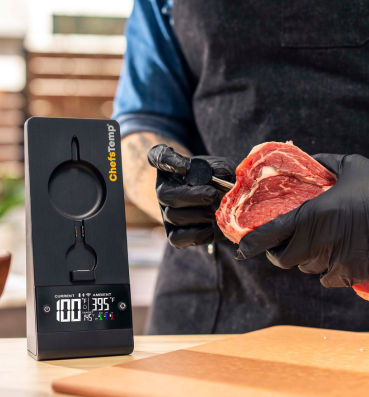
Furthermore, precision cooking will help you achieve the perfect temperature in your meats and prevent the risk of overcooking or undercooking. If you prefer your steak medium or rare, a thermometer can help you save time and energy by letting you cut your meat before checking for doneness.
Furthermore, knowing the exact temperature of the dish you prepare ensures the meat remains juicy and delicious.
Proper Ways of Using a Thermometer
Inserting the thermometer
The ability to use a meat thermometer is essential, but using it correctly is different. Although the instrument may appear simple, there are crucial steps to keep in mind to ensure accuracy in readings.
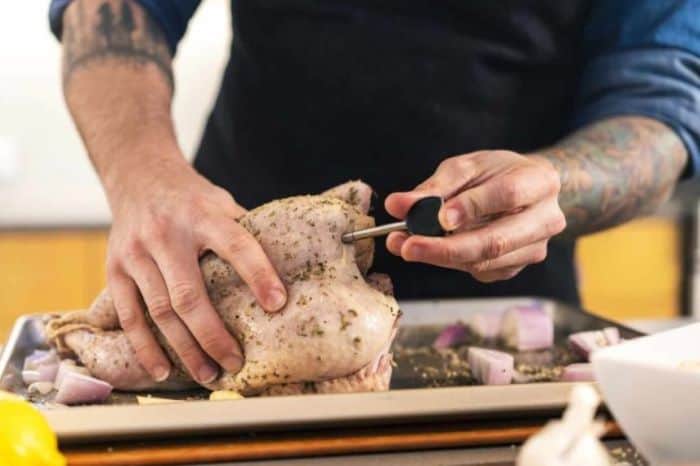
At first, place the thermometer in the thickest part of the meat. Be careful not to touch bones, fat or gristle, as they may give incorrect readings. Bone, for instance, is a conductor of heat. This could mislead you into believing that it is displaying an internal temperature higher than the real.
Make sure your thermometer is inserted sufficiently deep to reach the middle, because this is the area that will take the longest to warm up and cook. The meat thermometer should be left for just a couple of seconds until it is stable enough to get a precise measurement.
Using a Thermometer in the Oven
Temperature thermometers for ovens give real-time measurements, allowing you to make delicious oven meals, particularly meat-based dishes, with no guesswork.
To use an oven-safe thermometer, insert it into the meat before baking. This lets you observe the internal temperature of the meat as it cooks, without having to constantly open your oven door to monitor the temperature of your food. Every time you open the oven door, heat escapes, which not only prolongs the cooking process but can also lead to inconsistent cooking.
Furthermore, oven thermometers help you track all cooking processes. It reduces the risk of overcooking because you can tell when the food is at the ideal internal temperature, ensuring the best level of doneness. This is crucial for cooking significant cuts of beef (e.g., turkey), where judging the quality of the meat by looking can be challenging. If you keep the oven shut and using your thermometer to can ensure that the turkey is well cooked and evenly to ensure that delicious and tender the meat is cooked according to your specifications.
Resting the Meat
Another essential element of accurate cooking is allowing the food to sit for a while after taking it out of the oven or grill. When you take meat from the heat and continue to cook in the internal (the internal temperature is raised a little), which is known as “carryover cooking”. This is an essential step that allows the meat to be cooked to the perfect temperature without overcooking.
Additionally, the time between resting and cooking meat is vital, as it allows juices to be distributed throughout the beef, resulting in a moist, tender, and more delicious final result. That’s why it’s always a good idea to check the temperature with a thermometer after just a couple of minutes (usually between 10 and 15 minutes) to be sure the meat is at its optimal temperature before cutting and serving.
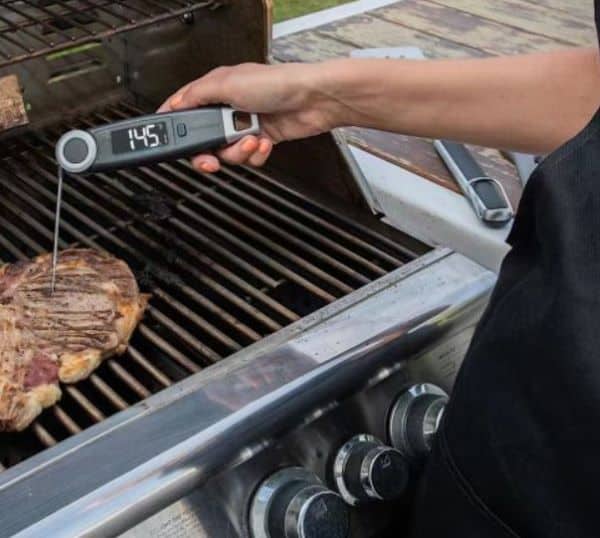
6 Tips to Improve the Performance of Your Thermometer
- If you are cooking several dishes, use the recommended probe to select the appropriate food. Be aware that there’s an ideal temperature to cook every kind of meat to ensure the best flavour, juiciness and texture. It is also a good indicator of doneness and security. Set the temperature of the entire turkey, but placing the probe in a tenderloin can result in excessive cooking.
- If you want to check the temperature of thin cuts, like chops, chicken breasts, or steaks, place the thermometer on the side, not along the top-to-bottom edge. If you are checking sausages, place the probe on one side and point it toward the middle.
- If you are checking the temperature of an entire bird, place the probe inside the deepest portion of the lower thigh. Make sure the probe isn’t touching the bone, as it emits heat and could read a higher temperature than the actual temperature.
- Always carry a backup set of batteries for the thermometer in case of long cooking. If the thermometer you have is rechargeable, be sure it’s recharged, and keep your charger nearby.
- If you own a thermometer that syncs with your phone, make sure your temperature is within your device’s range and that the dedicated application is up to date.
- Thermometers can lose their accuracy over time. You should calibrate them regularly, particularly for those who use them in extremely hot temperatures or when they’re lost. It is done by putting the thermometer into an ice-filled glass or a hot-water-filled glass. It should display 32°F (or 0°F when adjusted for altitude) and 221°F (or 100°F when adjusted for altitude). If you notice that the readings are not as expected, check the manufacturer’s instruction manual for the correct way to change the thermometer.
The Takeaway
Cooks who are skilled at cooking their food perfectly, thanks to their skill as well as experience, and also by utilising appropriate tools, including food thermometers and meat thermometers. With precise cooking, you can also cook flawless recipes.
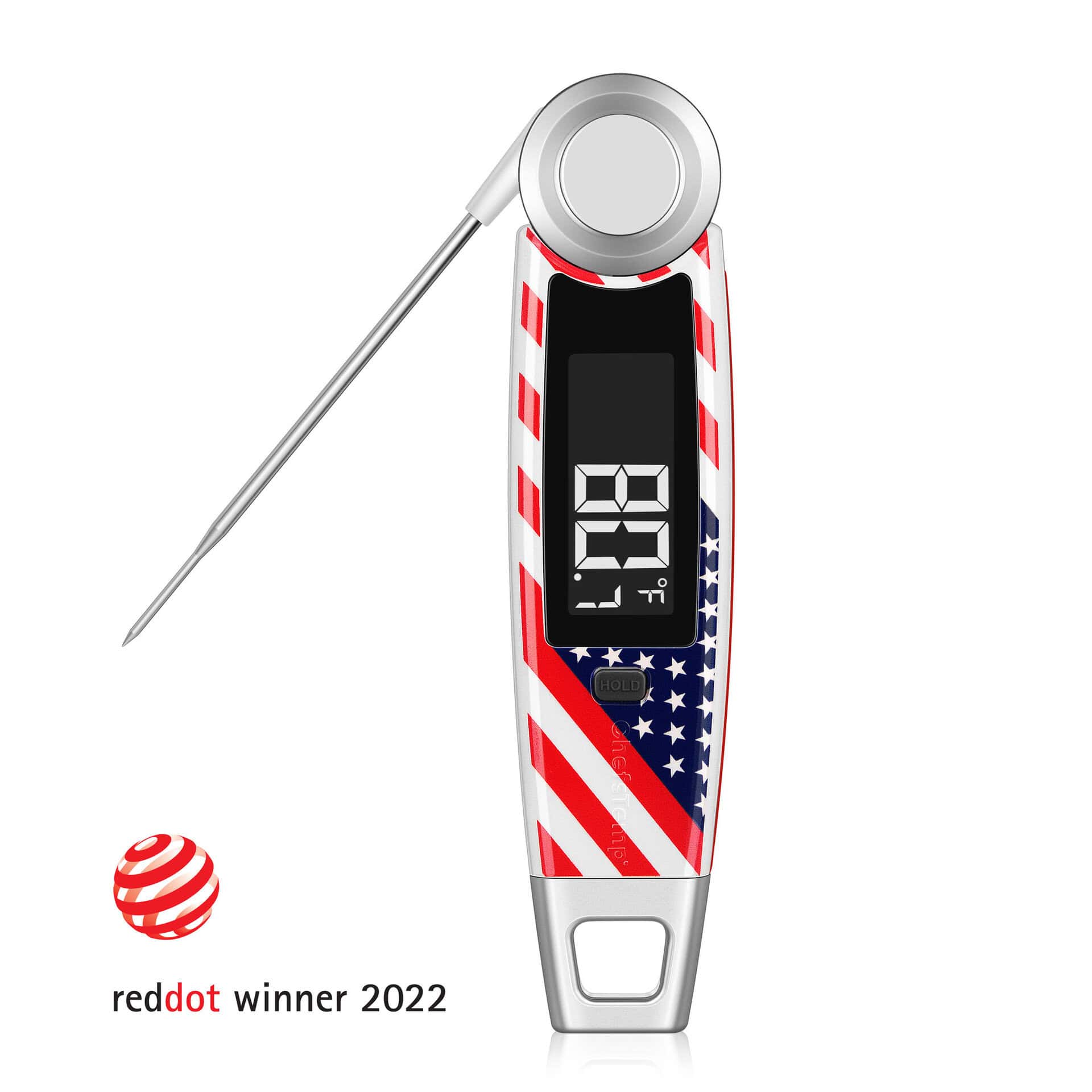
Discover Other ChefsTemp Products

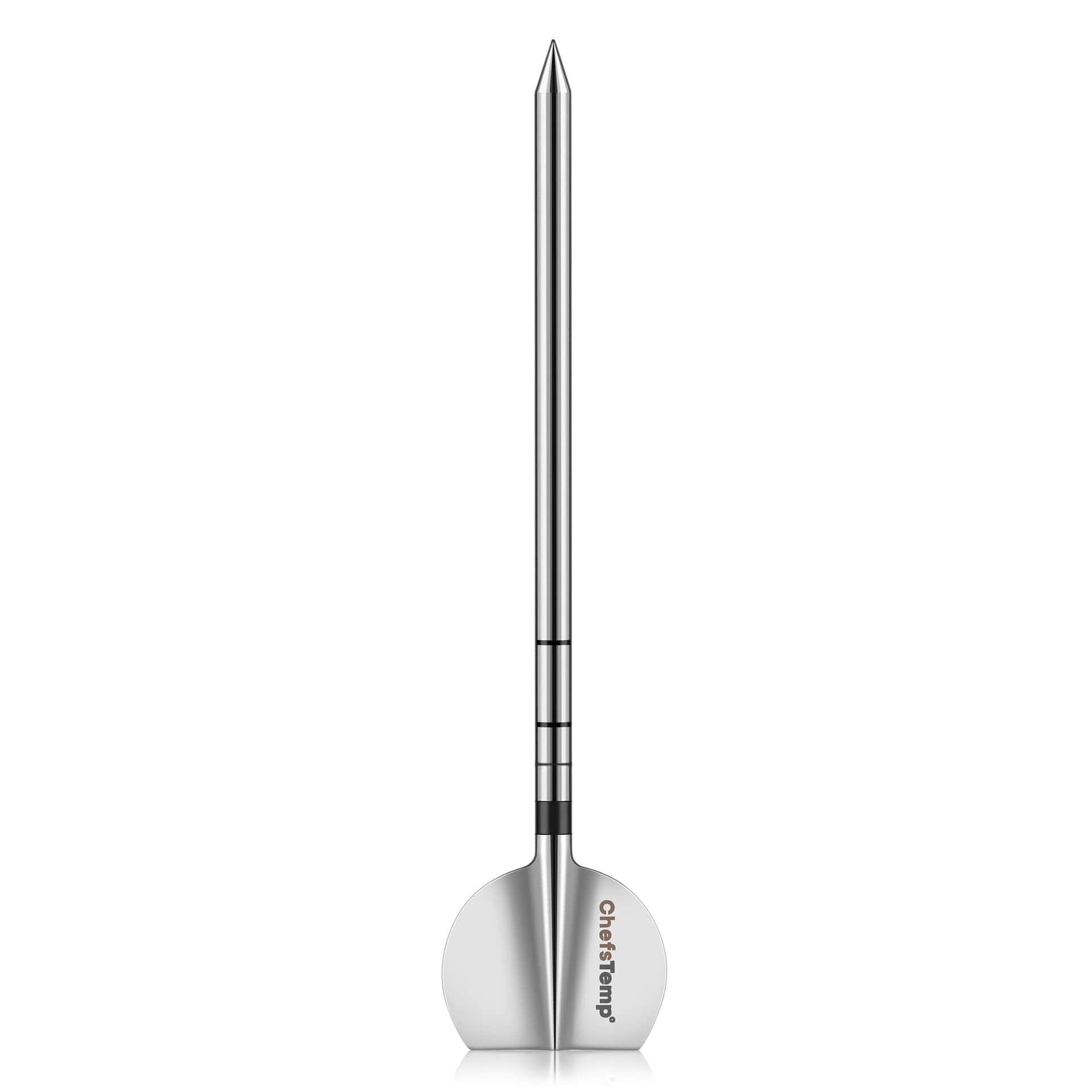
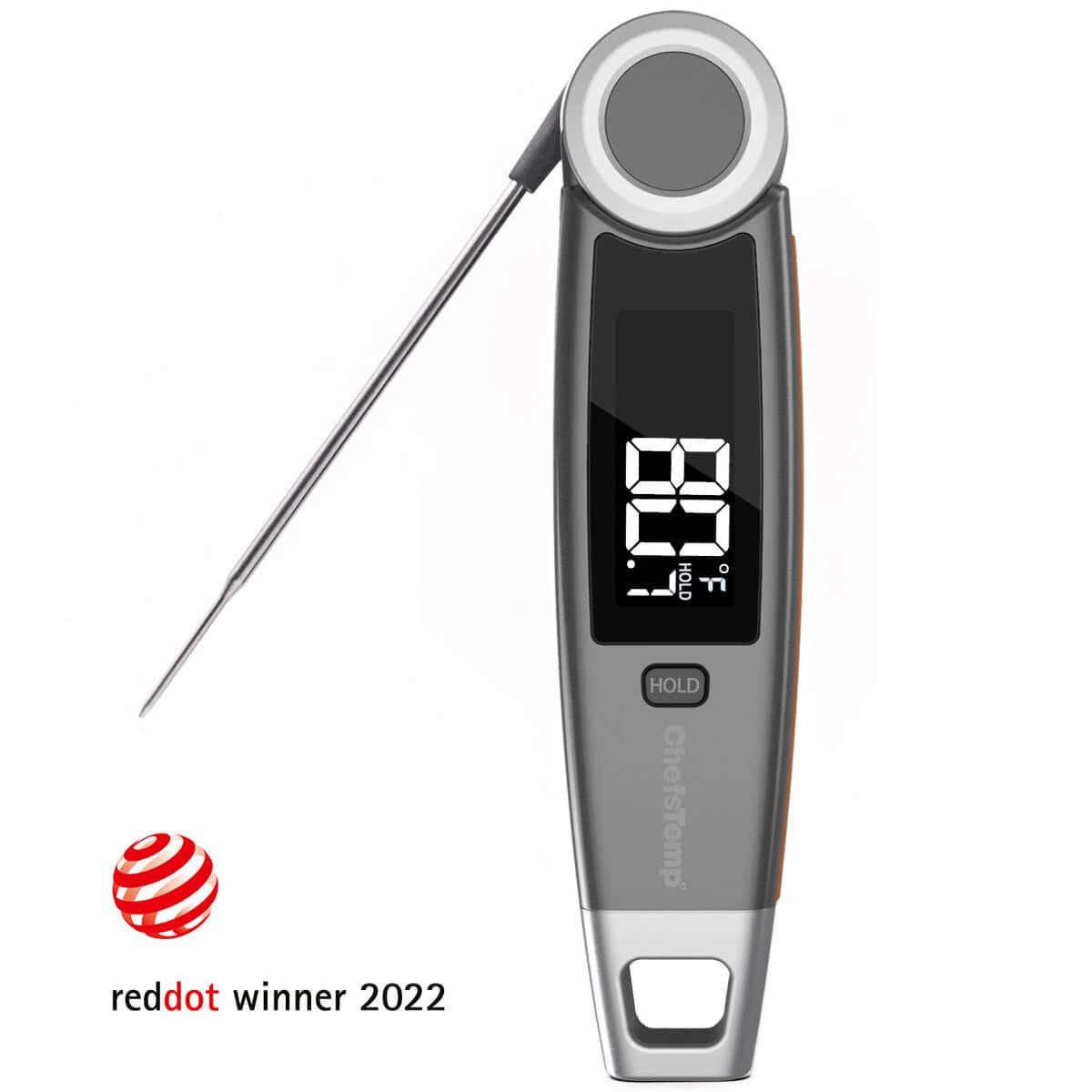
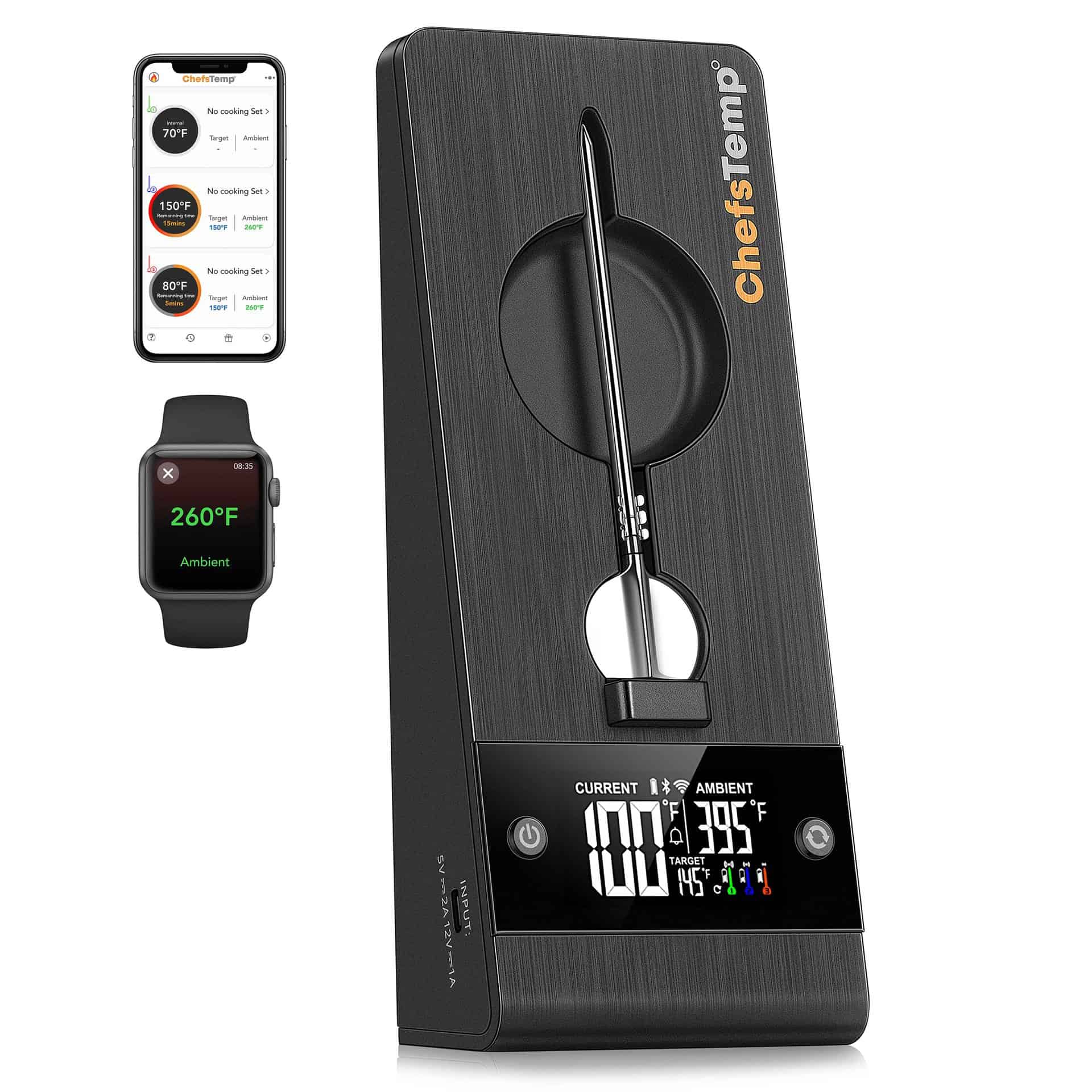
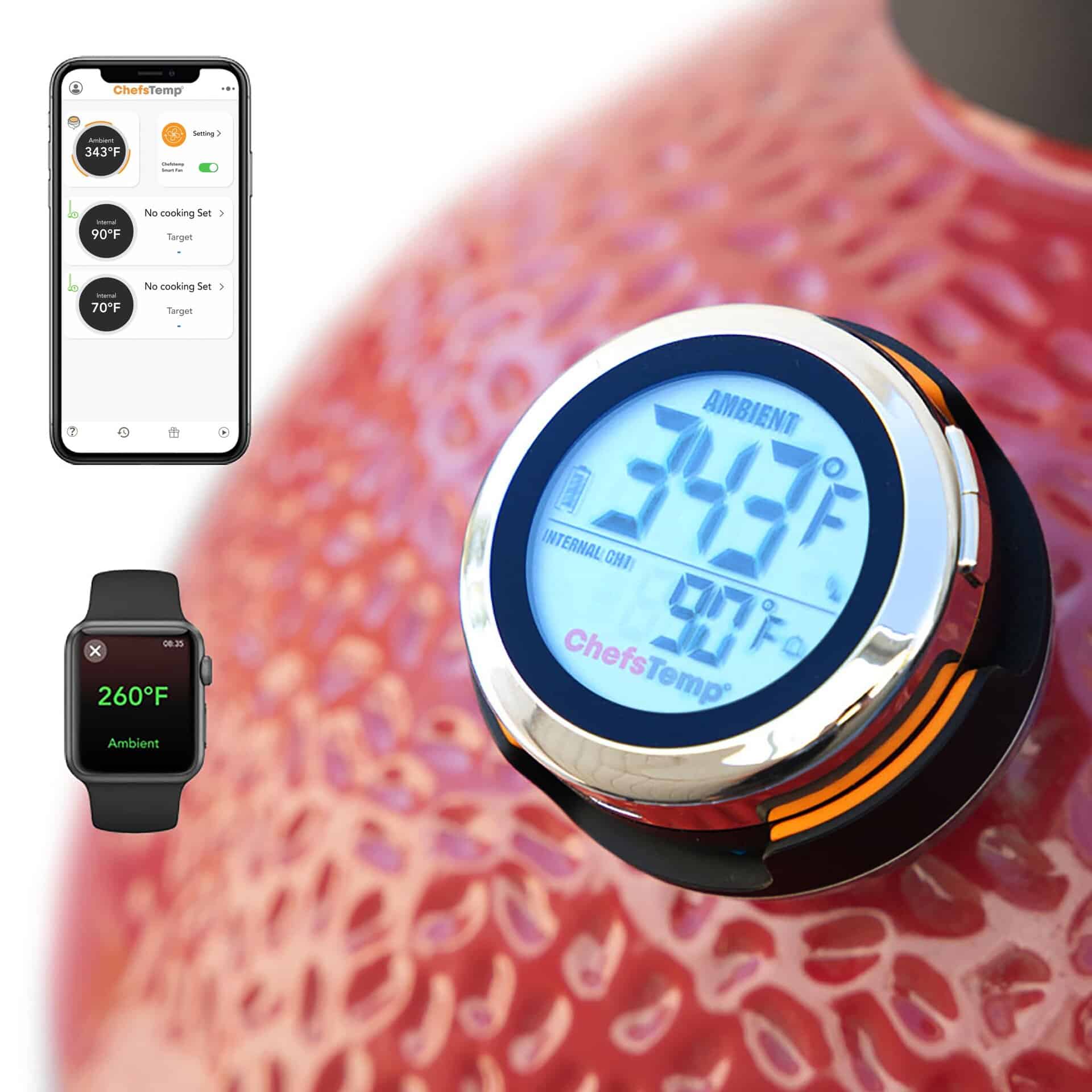
Discover more recipes and learn kitchen tricks by joining our cooking family on Facebook.
You may also like: