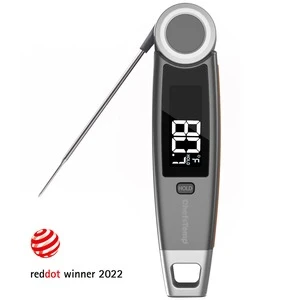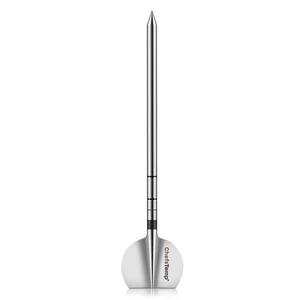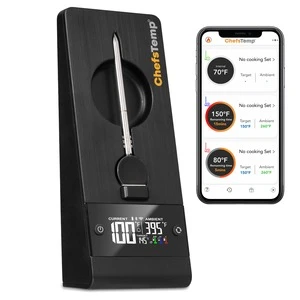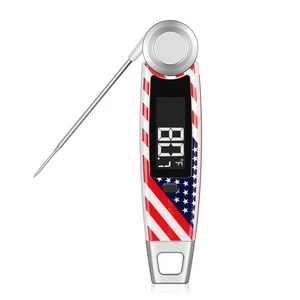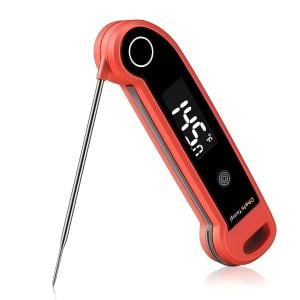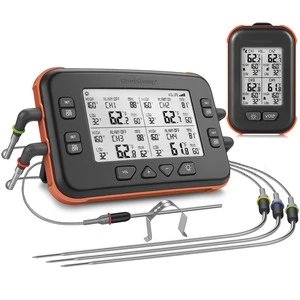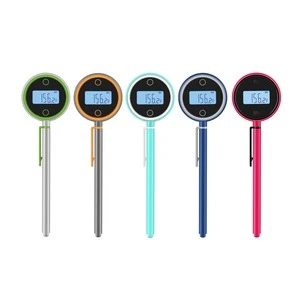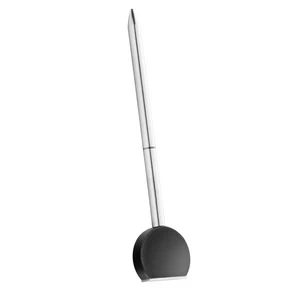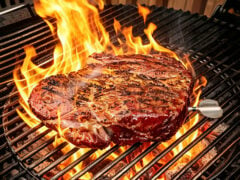
Got a special occasion coming up? Don’t fret, because you can cook up the perfect meal for your family and friends, whether you are roasting, smoking, or frying. Find the best techniques to cook like a pro, using a thermometer, and achieve the most perfectly succulent meat to impress your guests.
Roasting Tips Every Cook Should Know
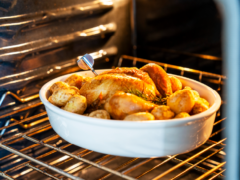
Before you discover the best tips for roasting your meat to perfection, first, what is roasting? It involves cooking with dry heat, such as in the oven. The hot air inside the stove circulates to ensure the food cooks evenly. Many households prefer roasting because the oven does most of the work. You set the oven to the right temperature and the timer, and you’re all set.However, the actual work begins before the actual roasting. Make sure you know the proper roasting techniques to achieve results like a pro.1. Set the Oven at the Right Temperature
Set your oven temperature according to the type of meat you want to roast. Roasting uses high temperatures, such as 350 to 420°F. However, certain types of meat are better roasted at lower temperatures of no more than 320°F.As a rule, roast premium cuts at higher temperatures and secondary cuts at lower temperatures. High-heat roasting works for more minor, tender meat cuts because they cook in a relatively shorter amount of time.2. Invest in the Best Roasting Tools
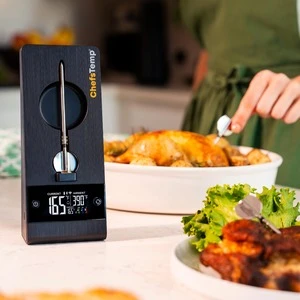
You need a good roasting pan, especially if you like roasting often. A heavy pan is the best choice as the low sides allow even heat distribution since more heat comes into contact with the food. Another must-have piece of roasting equipment is a roasting rack. It suspends the meat, especially that with a lot of drippings, so it doesn’t soak in the liquid.You will also need butcher’s twine to keep the shape of your food intact as it cooks in the oven. Choose a food-safe twine, which is readily available in most supermarkets.Lastly, you need a meat thermometer. It is the secret to perfectly roasted meat, especially if you don’t want to overcook your food. An instant-read thermometer makes it easy to check the food and see if it’s done.3. Follow a Cooking Temperature Chart
Using the thermometer, you must cook your meat to the recommended internal temperature when roasting. Again, it differs from one cut of meat to another. Use this guide to find the ideal roasting temperature for each type of meat.For beef cuts, let us explore the different cuts and their recommended internal temperatures. A boneless ribeye roast should be cooked at 350°F and is done when it reaches 135-145°F, depending on the thickness and weight of the cut. For a bone-in ribeye roast, cook it in a 350°F oven to 135°F to 145°F for medium to medium-rare doneness. Meanwhile, a tri-tip roast must be cooked at 425°F until the internal temp reads 150°F (about 40-50 minutes at medium rare).A ground beef meatloaf should be roasted for 1 ¼ to 1 ½ hours at 350°F, until its internal temperature reaches 160°F. This guideline applies to a 2-lb meatloaf.
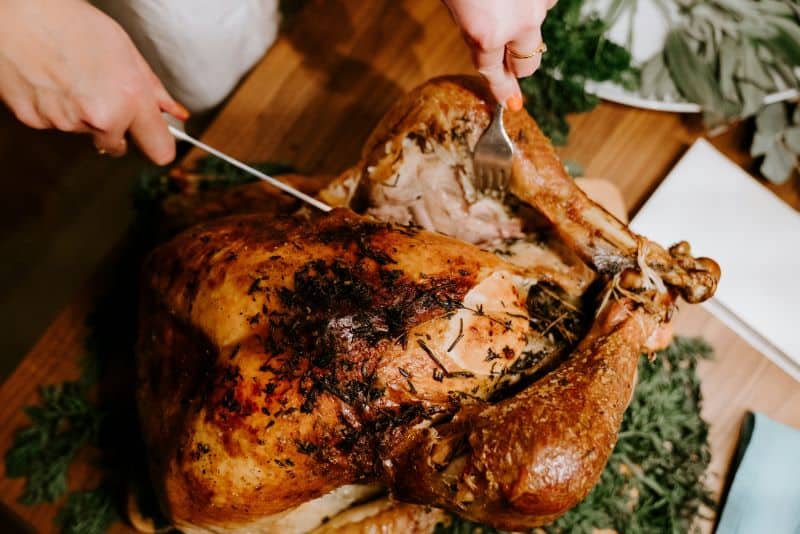
Lastly, a tenderloin beef roast weighing 4-6 lbs must be cooked at 425°F for up to 60 minutes to reach an internal temperature of 140°F for medium-rare doneness.When cooking with poultry, a whole chicken roast weighing approximately 3-4 lbs should be cooked in an oven at 350°F. Cooking time is about 1 to 1 ½ hours. The internal temperature should read 165-175°F when it’s done.And for a whole turkey roast, its internal temperature should be 165°F in the breast or 175°F in the thigh. For roasted turkey with stuffing, make sure the stuffing reaches 165°F at the centre. For the best results, start cooking your turkey at 425°F for 1 hour, then lower it to 325°F for the rest of the cooking time.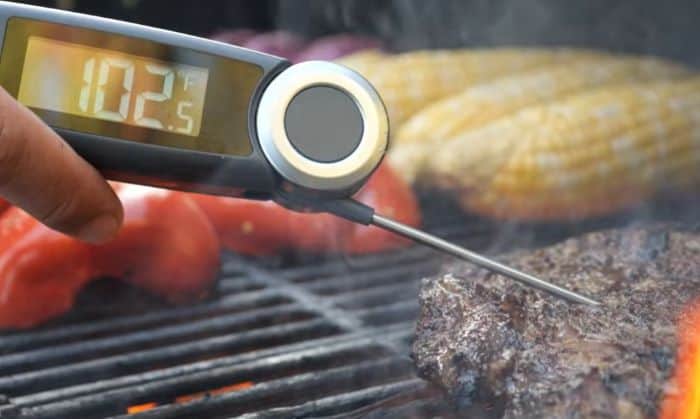
Smoking Meat Guide: Thermometer Tips
If you prefer smoking to roasting your meat, check out these handy tips to smoke like a pro.Safety Guidelines when Smoking Meat
Smoking is a low-and-slow cooking method. It uses a much lower temperature than roasting or grilling. The steps you take to prepare the meat before smoking are critical for food safety and for the best quality smoked meat.First, ensure the meat is completely thawed before placing it in the smoker. If you are going to marinade the meat, never reuse the raw marinade. And as always, follow the USDA recommendations on the internal temperature for smoking meat.Smoker vs. Meat Temperature
One challenge in taking the temperature of smoking meat is that it is easy to misread the smoker’s temperature instead of the meat’s. Two factors are crucial for achieving the best smoked meat: maintaining a consistent smoking temperature and knowing when to remove the meat from the smoker.Therefore, you must constantly monitor the ambient smoker temperature to ensure your meat cooks at the ideal rate. You should also control the internal temperature of the meat as it cooks.
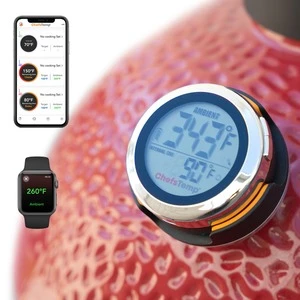
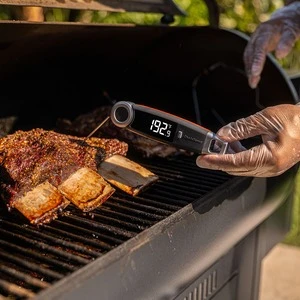
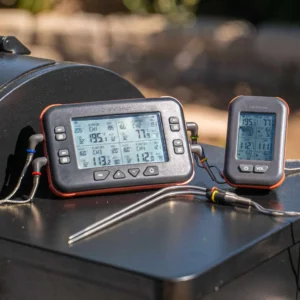
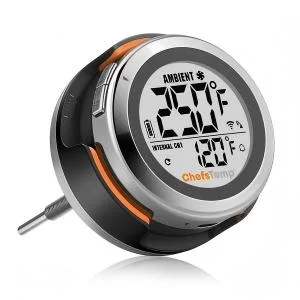
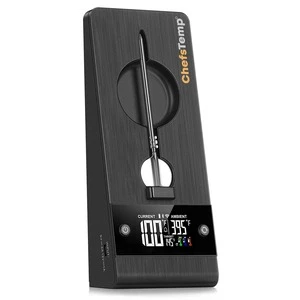
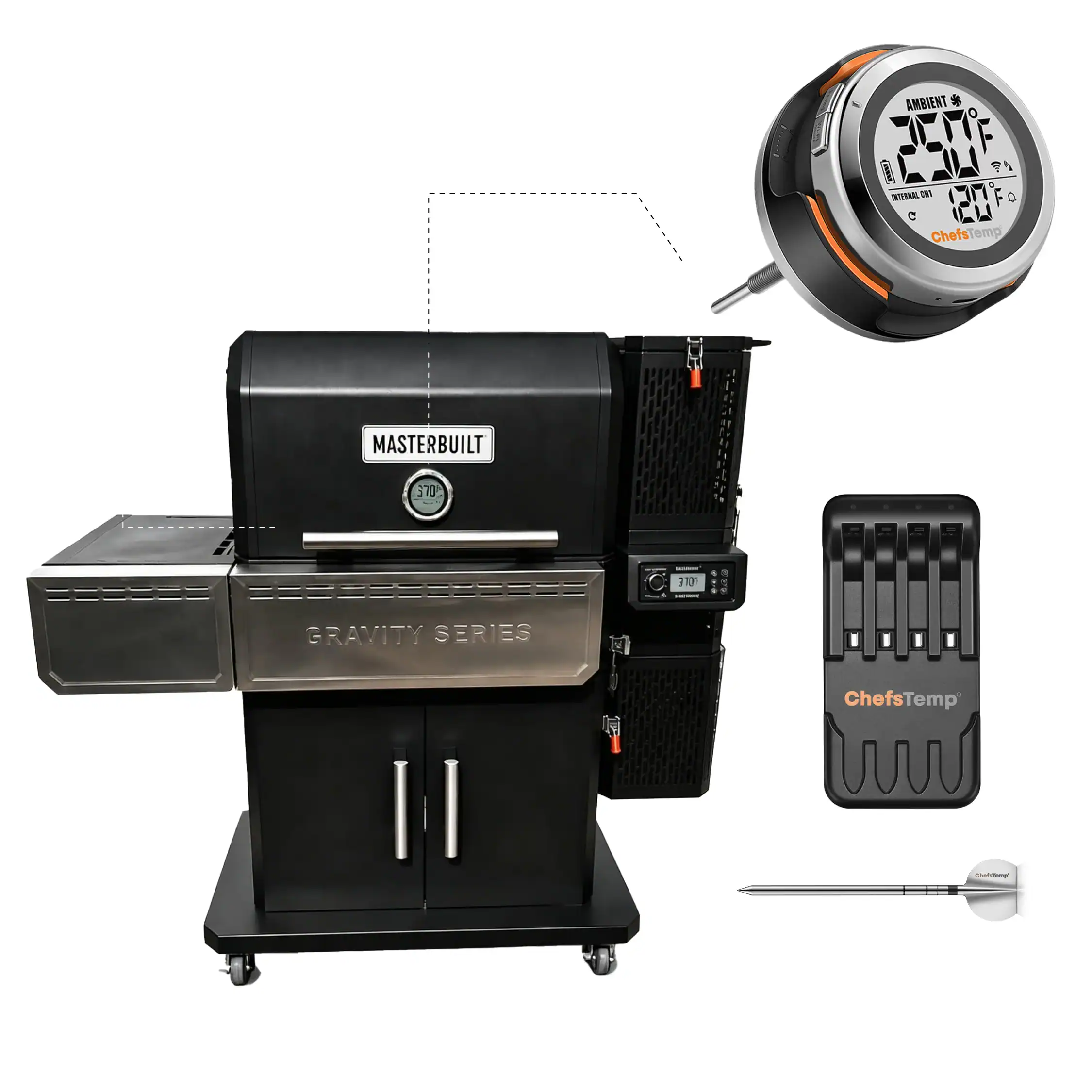
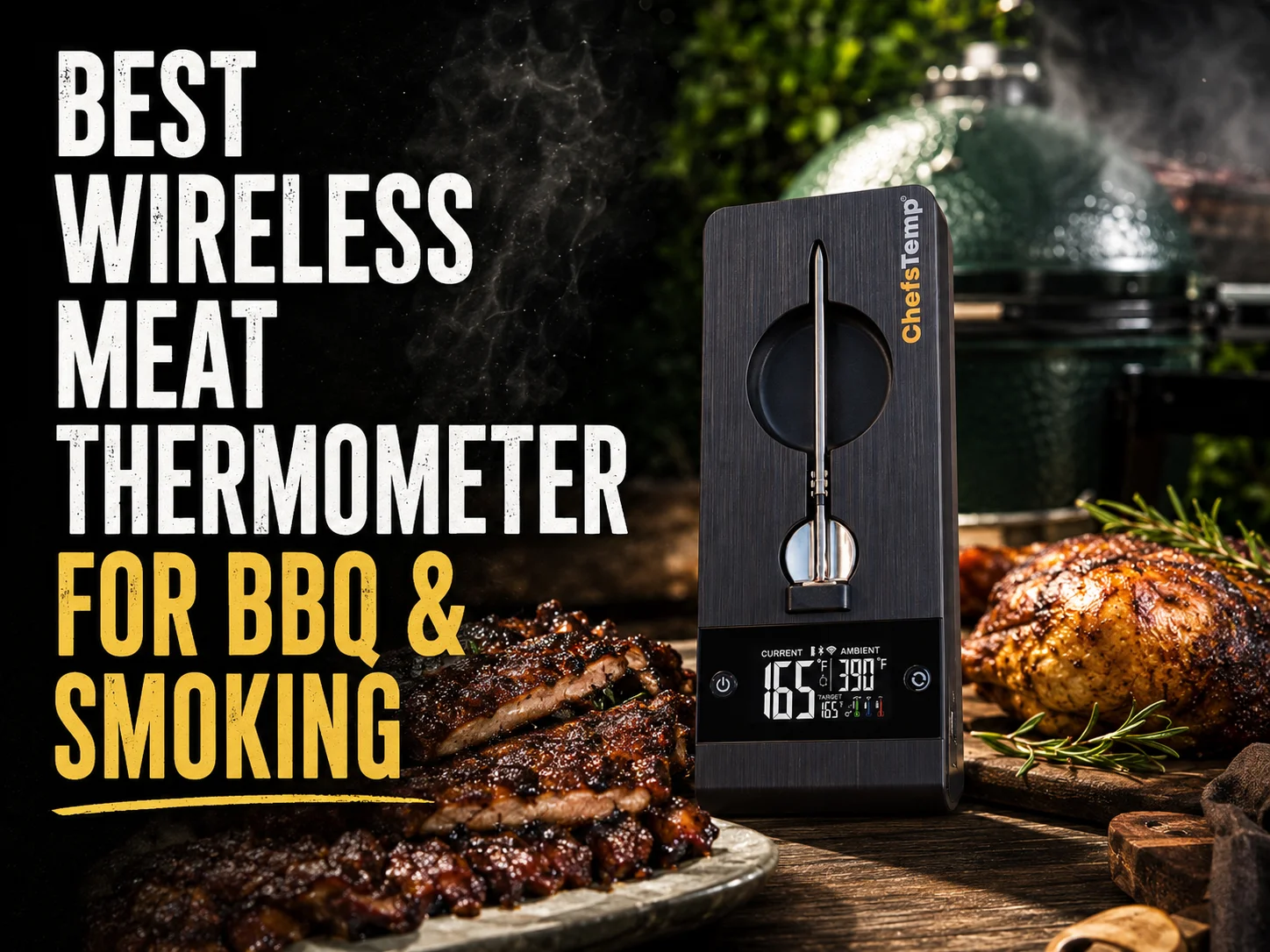
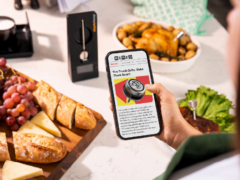
To choose a meat thermometer with a probe that is connected to an external device for ease of monitoring. Some thermometers even have an app that lets you know when to check the meat for doneness. Insert the probe into the thickest part of the meat for an accurate reading. If your meat cut has a bone in it, make sure the probe isn’t touching the bone or a pocket of fat. But if you are smoking a more minor cut of meat, you can do without a probe and use an instant-read thermometer.
Here is a temperature guide when checking your smoked meat for doneness with a thermometer:- Beef brisket – Smoke for 12-20 hours at 225-250 F to reach an internal temp of 195-207 F
- Chuck roast – Smoke for 12-20 hours at 225-250 F to reach an internal temp of 195-205 F
- Tenderloin – Smoke for 2 to 3 hours at 225-250 F to reach an internal temp of 190-200 F
- Prime rib – Smoke for 15 mins per lb of meat at 225-250 F to reach an internal temp of 135 F for medium doneness
- Baby back ribs – Smoke for 5 hours at 225-250 F to reach an internal temp of 190-205 F
- Pork butt – Smoke for 1.5 hours per lb of meat at 225-250 F to reach an internal temp of 200-207 F
- Lamb rack – Smoke for 1 ¼ hr at 250-275 F to reach an internal temp of 135-140 F
- Lamb leg – Smoke for 4 to 8 hours at 250 F to reach an internal temp of 195-205 F
- Whole chicken – Smoke for 2 to 3 hours at 275-350 F to reach an internal temp of 165 F
- Whole turkey – Smoke for 3 to 5 hours at 275-350 F to reach an internal temp of 165 F
Frying Like a Pro with Thermometer Tips
Want to become a frying expert? Follow these thermometer and temperature tips to ace your frying every single time.Thermometer is Non-Negotiable When Deep Frying
You should never deep fry without a thermometer. It is essential for various reasons. The first reason is that a food thermometer ensures your food is cooked to the right temperature.The following reason is that deep frying at the right temperature provides your food with maximum flavour and the right texture. You can experience the perfect balance of a crispy exterior and a tender interior. Fried food is more enjoyable when cooked at the right temperature.
Preheat Your Oil
Like preheating an oven, you must heat your oil to the ideal temperature for deep frying. You should aim for a temperature of 350 to 375°F for deep frying. Use a digital thermometer to monitor the oil temperature before you put the food into the fryer.
Use a Thermometer Throughout the Frying Process
Keep your thermometer handy from preheating the oil until you take the food out of the oil. If the food stays in the pan too long, it will be overcooked and burnt. On the other hand, taking it out too early could leave the food raw on the inside or result in a less enjoyable texture.
Related Posts
Experimenting with Ribs: Wrapping Baby Back Ribs in Aluminum Foil vs. Butcher Paper vs. No Wrap
Introduction to Smoking Ribs
I personally believe one of the big reasons people get smokers is to cook ribs. I...
Stop Splitting Your Sausage: Expert Tips for grilling natural Casings
Natural casing ring sausage is a cookout staple enjoyed around the world that is equally deserving of a place ...
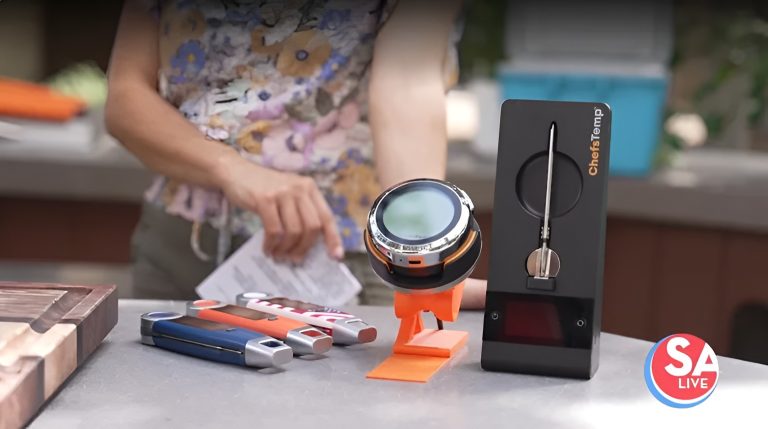
Mastering Pulled Pork: The Ultimate Temperature Control Guide with ChefsTemp
Achieving competition-grade, juicy, and tender pulled pork is the ultimate rite of passage for backyard pitmas...
Two Birds, One Fan: Can Breezo Fix Uneven Chicken Temps on a Charcoal Grill?
Chicken grilled over charcoal is one of life’s purest pleasures. So much so that people debate which is better...
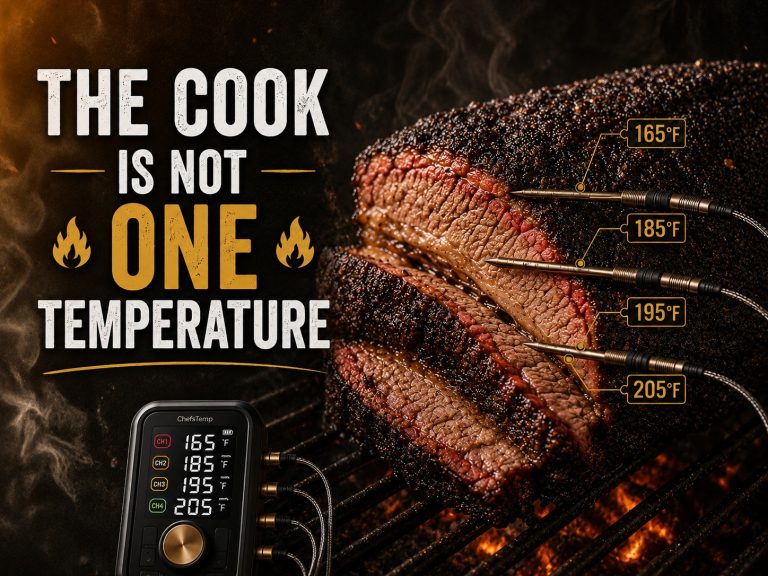
The Cook Is Not One Temperature
A few hours into a long cook, it can feel as though the grill has started arguing with you.The dome thermome...
Breaking the Endothermic Standoff: The Complete Fat Rendering Timeline for Smoked Pork Shoulder
Smoked pork shoulder is an icon of American barbecue that many try, yet only a few manage to master. People lo...
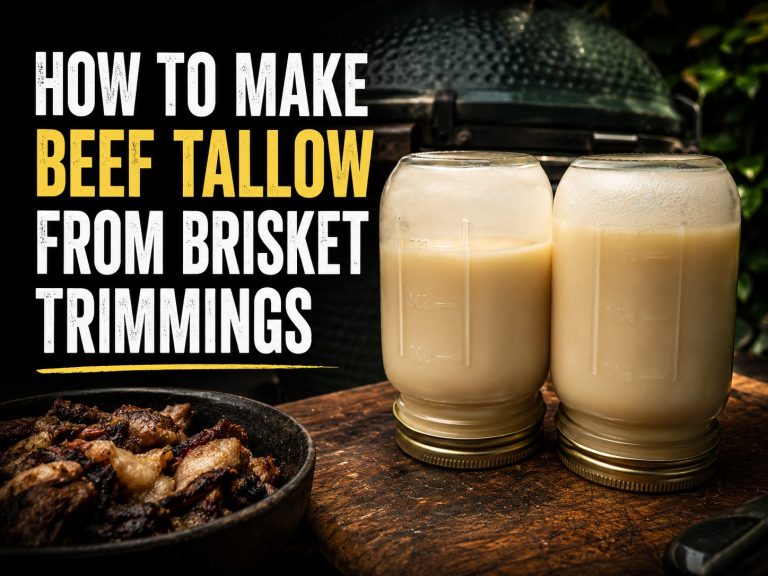
How to Make Beef Tallow from Brisket Trimmings
If you've ever trimmed a whole packer brisket, you've probably looked at the pile of fat headed for the trash ...
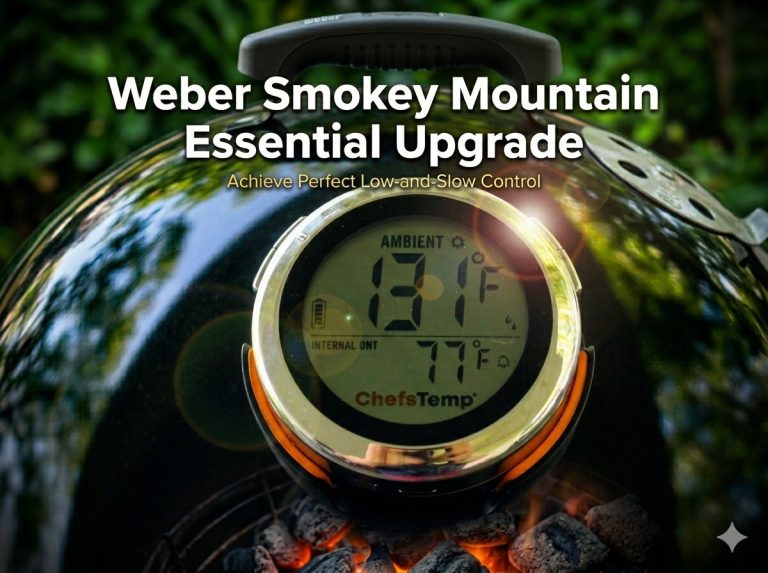
Weber Smokey Mountain Brisket Guide: How to Sleep Soundly with a Smart Temperature Controller Upgrade
Smoking a brisket can be a time-consuming task for even the most experienced pit master, but it doesn’t mean y...
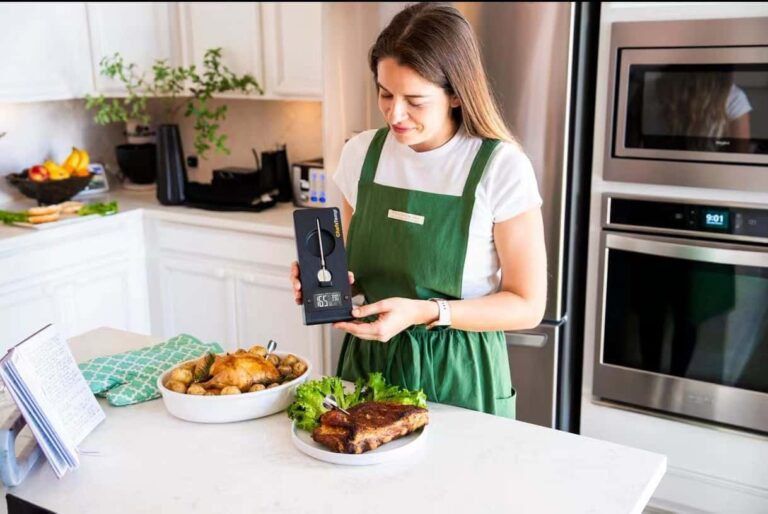
CHEF IQ Alternative: Is ChefsTemp the Best Thermometer for Smoker Cooking?
The Chef IQ thermometer has earned a solid reputation in modern kitchens. For indoor roasting, air frying, or ...
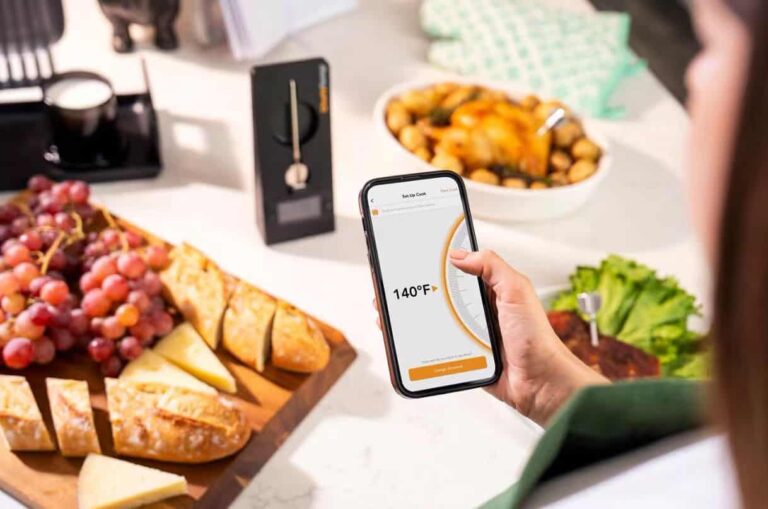
Best Meater Pro Alternatives in 2026: Finding the Best Wireless Meat Thermometer for Smoker
Meater Pro revolutionized wire-free cooking, but heavy-duty steel offsets and thick ceramic kamados create phy...
Finding the Best Smart Wireless Meat Thermometer: The Ultimate ThermoWorks RFX Alternative
It takes time, money and accuracy to prepare a top-notch brisket for a weekend BBQ party. However, that enthus...