Is Using a Temperature Controller Cheating? Not If You Care About Results
Having done barbecue for long enough, I appreciate the difference between the hard way and the right way. Just because someone is standing at a pit for hours does not mean the food is good. It is the management of the cook that matters.
That’s why conversations about whether temperature controllers are cheating or not tend to miss the point. Every time someone sees a temperature controller on my pit, the reaction is usually the same. Someone cracks a joke about “easy bake ovens” or asks why I’d need help managing a fire after all these years.
The truth is, experience is exactly why I use one. Not because I can’t control a cooker, but because I understand how many things can quietly go wrong during a long cook. BBQ doesn’t care about pride. It cares about steady heat, clean airflow, and time. Once you accept that, the conversation around controllers changes completely.
Table of Contents
Part 1. It’s Not Cheating or Being Lazy — It’s Just Smart BBQ
There are a couple of phrases that get thrown around in BBQ circles more than they should:
“That’s cheating.” “That’s just being lazy.”
It usually comes up when someone mentions using a wireless temperature controller or monitoring a cook from their phone. The idea seems to be that if you aren’t constantly adjusting vents or hovering over the pit, you somehow didn’t earn the result.
I’ve learned something simple after years of cooking barbecue: the meat doesn’t care how stubborn you are. It only cares about heat, time, and consistency.
Part 2. Where the “Cheating” Idea Comes From
BBQ has always carried a sense of tradition, and that’s a good thing. Fire management, patience, and experience do matter. But somewhere along the way, difficulty got confused with skill.
Long, sleepless nights don’t automatically make the food better. It just makes the process harder. And for me, hard for the sake of hard doesn’t add flavor.
If we are being honest, most of the so-called “cheating” tools today exist to solve the same problems Pitmasters have always faced—temperature swings, airflow changes, and long cooks that don’t forgive mistakes.
When you’re new to BBQ, you spend a lot of time reacting. A temp spike here, a dip there, and you find yourself opening the lid more than you should. You second-guess yourself and end up causing more problems than you solve. With experience, you start to recognize patterns, and you learn how fires behave, how weather affects your cooker, and how meat responds over time.
That’s usually the moment when tools like temperature controllers and wireless thermometers stop feeling unnecessary and start feeling practical. They don’t replace knowledge. They apply it consistently.
Part 3. Control Is the Goal, Not Struggle
Good BBQ has always been about control – controlling the fire, controlling the airflow, and controlling the pace of the cook.
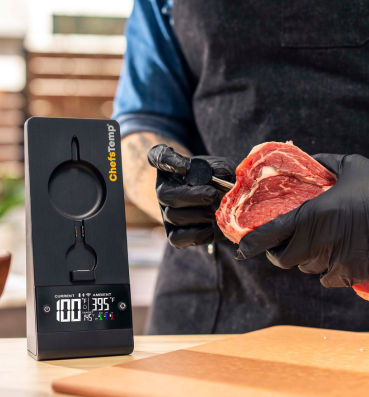
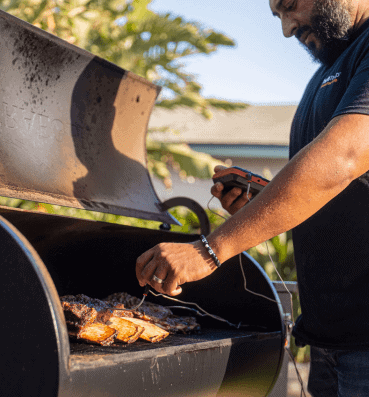
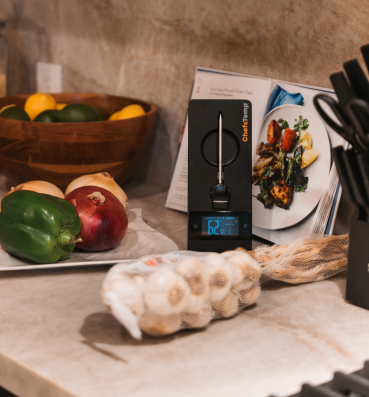
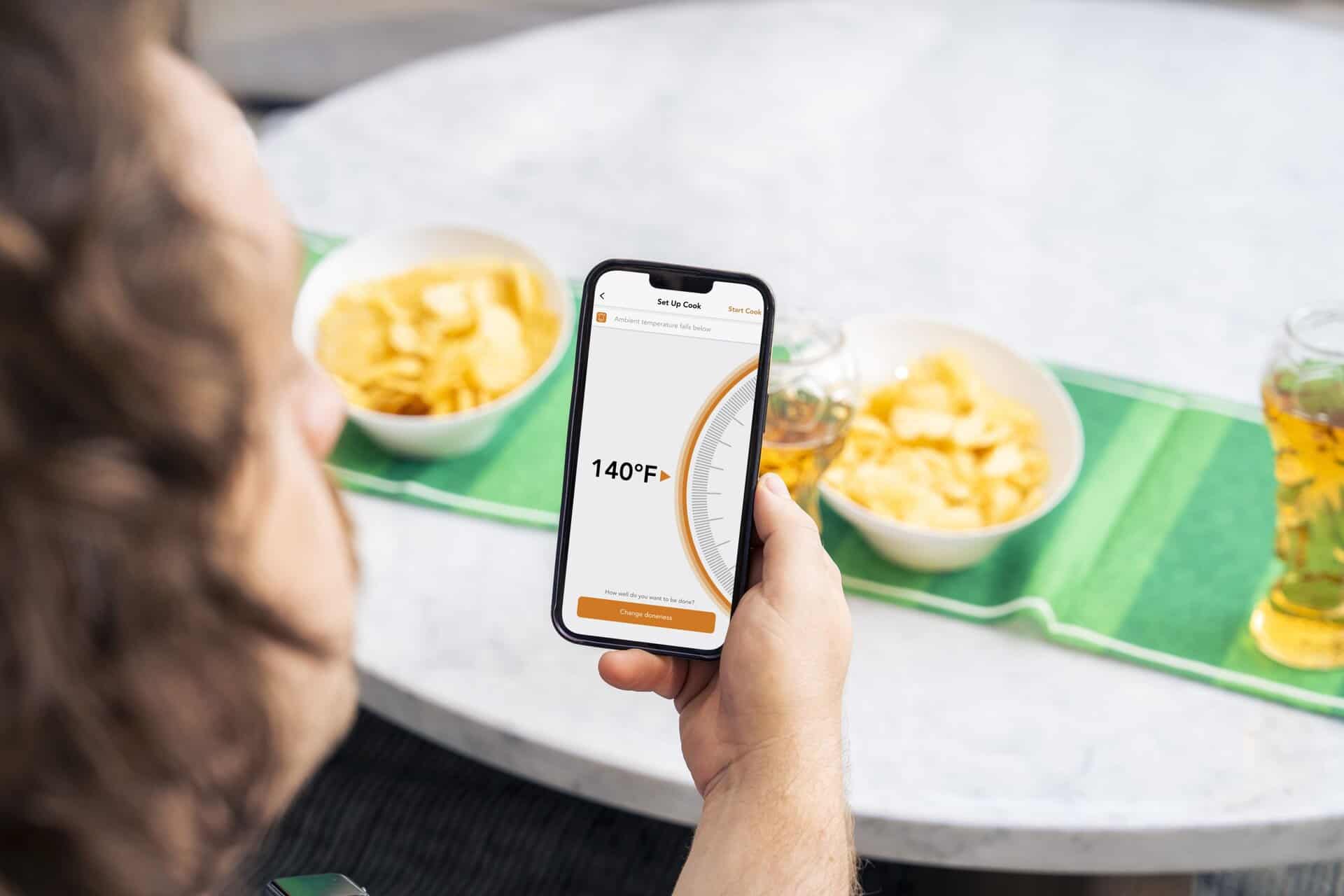
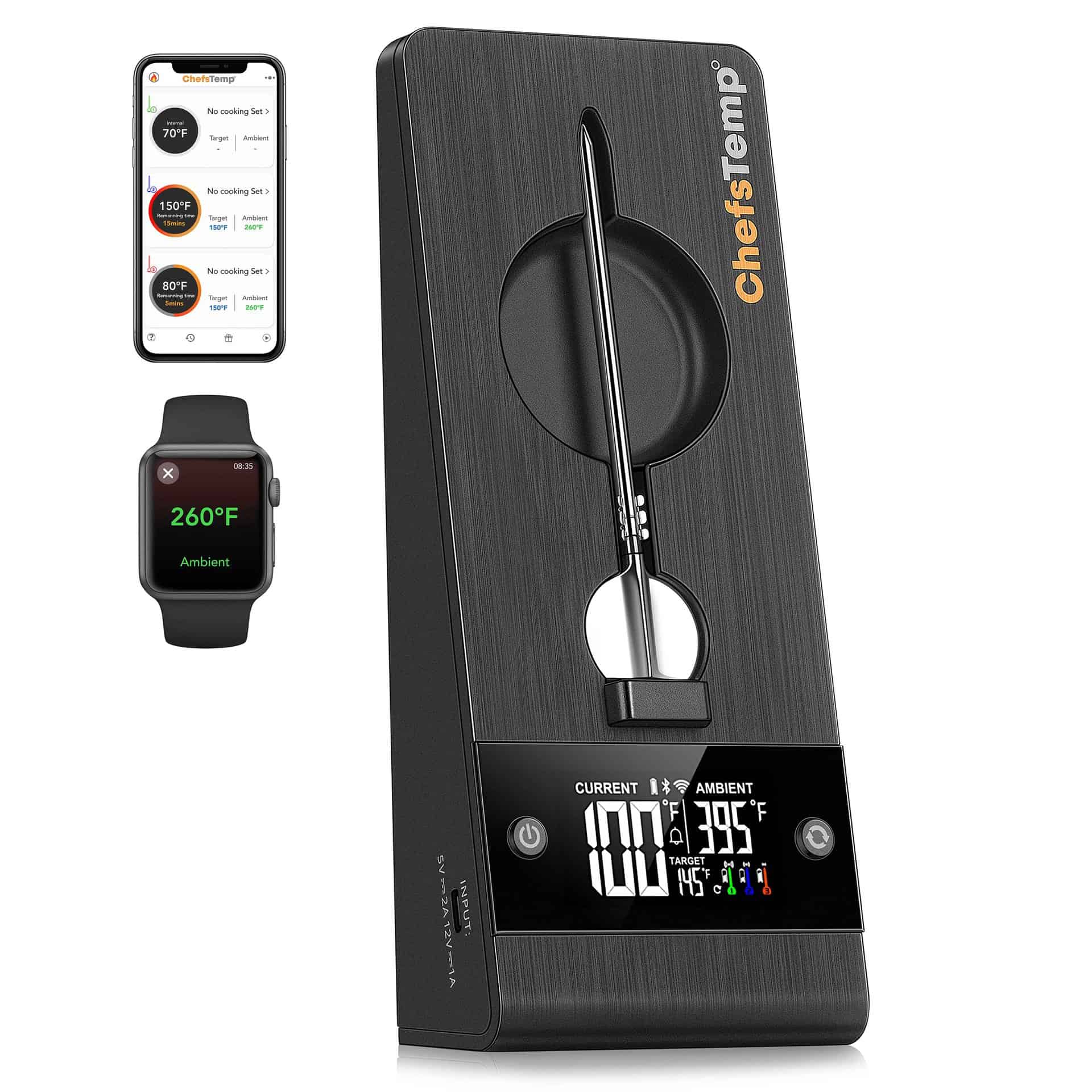
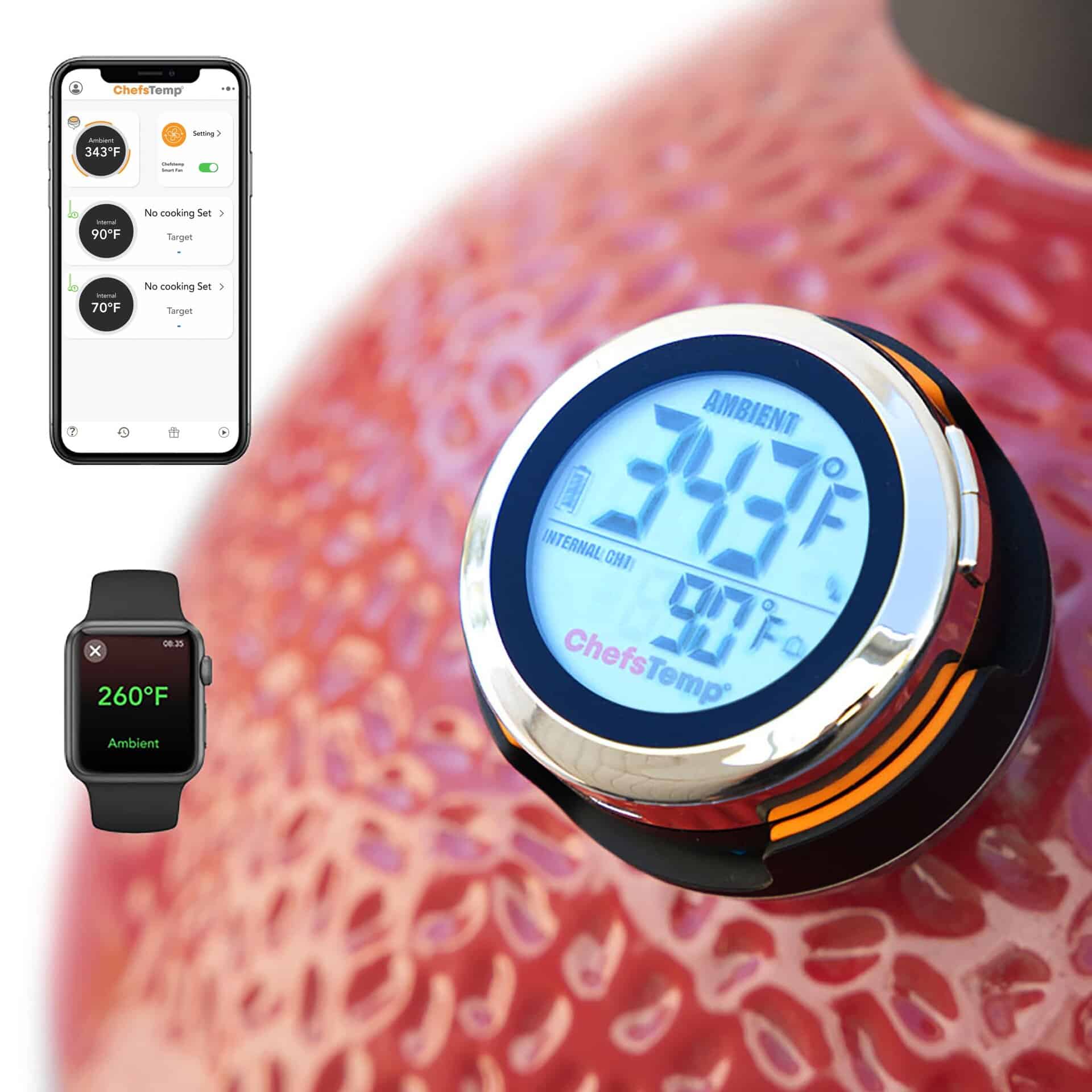
Using a temperature controller, like the ChefsTemp Breezo Fan & ProTemp combo, simply does what Pitmasters have always done, just faster and more precisely. It reacts before a small change turns into a big problem. It keeps the cooker honest. Pair that with wireless probes and the ChefsTemp app, and you’re not guessing what’s happening inside the meat either. You’re watching it happen. You can see the stall instead of wondering if it started. You can see how fast the brisket is climbing instead of poking it and hoping.
That’s not laziness. That’s awareness. You stay informed without interfering. You stop worrying about whether that eighth-inch damper adjustment was too much or too little. You trust the process and focus on decisions that actually matter—like when to wrap or when to pull.
Tools that stabilize temperature and provide accurate internal readings help remove variables that humans aren’t great at managing, especially over long periods. Wind doesn’t get tired. Cold air doesn’t care how experienced you are. Fire doesn’t take breaks. Technology helps level those factors so your experience can actually shine.
Part 4. BBQ Has Always Evolved
There was a time when even thermometers were controversial. Older Pitmasters could just “touch” the pit and tell you how hot it was. Then, insulated cookers. Then pellet grills. The list goes on and on. Every era draws a line somewhere and calls everything past it “not real BBQ.” History usually proves that wrong.
Better tools don’t erase tradition—they support it. They allow Pitmasters to focus on flavor, technique, and timing instead of fighting preventable problems. If smart tools let you produce better food, that’s not a compromise. That’s progress.
Standing next to a pit for the sake of appearances doesn’t make the meat taste better. Managing the cook well does.
Nobody who eats your barbecue asks how difficult the cooking was.
They care if it’s tender. They care if the bark is right. They care if they want a second slice.
If technology helps you deliver that more consistently, it’s doing exactly what it should.
Tip: Click here to learn more about the differences between grilling and BBQ if interested.
Part 5. When Fatigue Sets In, Consistency Matters More
Another thing that gets overlooked in this whole conversation is fatigue.
Long cooks wear people down.
Anyone who’s done an overnight brisket knows how decision-making gets worse the more tired you get. That’s usually when mistakes happen — chasing temps that don’t need chasing, making adjustments too late, or overcorrecting when patience would have been the better move. Having a system in place that keeps the fire steady and lets you see what’s happening inside the meat takes a lot of that pressure off. You’re still responsible for the cook, but you’re not fighting exhaustion at the same time.
And honestly, cooking BBQ should be enjoyable.
Now, there is nothing wrong with being hands-on, but there’s also nothing noble about turning a cook into a grind just to prove a point. When the fire is stable, and the data makes sense, you get to slow down and actually pay attention to the details that matter — bark development, smoke quality, timing your wrap, and knowing when to leave well enough alone.
That’s when BBQ starts to feel less like a test of endurance and more like what it should be: a craft you’ve learned, trust, and enjoy practicing.
The Bottom Line
Using a temperature controller. Monitoring internal temps wirelessly. Trusting tools that help you stay consistent.
The temperature controller’s not cheating. That’s not being lazy.
It’s understanding what matters and using every advantage to protect the cook. Real Pitmasters aren’t afraid of smarter tools. They are focused on getting consistent results, and at the end of the day, that’s what good BBQ has always been about.

Sean Hill is a decorated competition pitmaster, caterer and coach — A 2x World Food Championships Grand Champion, Texas HS BBQ grand champion coach, and ESPN-featured BBQ personality. He runs a thriving catering business and helps others sharpen their craft through coaching and collaboration.
Discover Other ChefsTemp Products

Discover more recipes and learn kitchen tricks by joining our cooking family on Facebook.
You may also like: