A few hours into a long cook, it can feel as though the grill has started arguing with you.
The dome thermometer says one thing. The ambient probe near the food says another. The internal temperature appears steady until the probe is slightly moved, at which point the reading changes. One section of the meat seems close to finished, while another clearly is not.
Which number is correct?
Possibly all of them, or at least close enough for government work, as my father used to say.
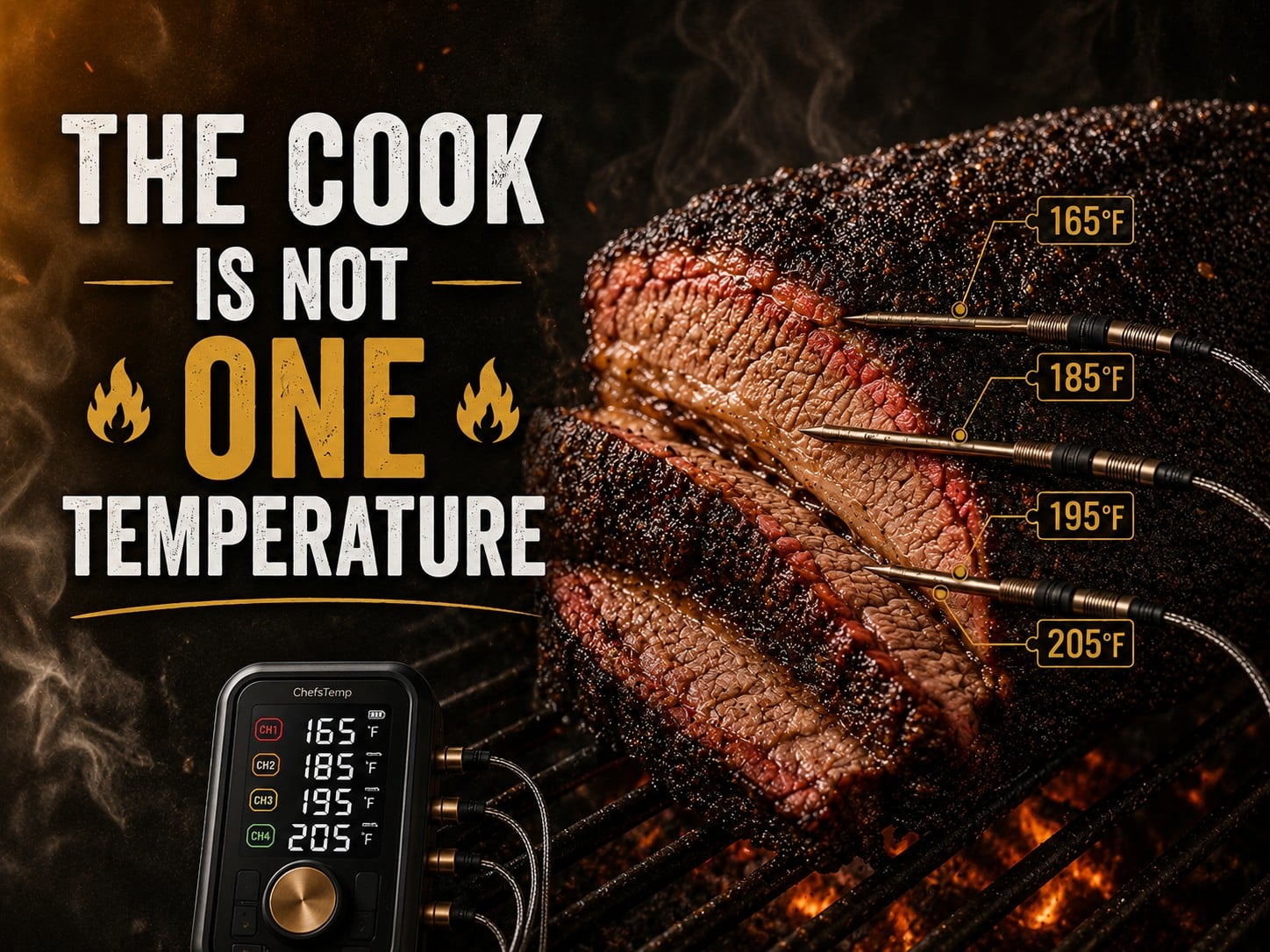
One of the most important lessons in outdoor cooking is also one of the least intuitive: cooking does not happen at a single temperature. The grill has hotter and cooler zones. The food has different internal temperatures. The surface, center, fat seams, bones, and separate muscles may all be experiencing the cook differently.
Temperature is not a single answer. It is a map.
The better we become at reading that map, the less likely we are to chase numbers or fix what may not be broken.
The Cooker Temperature Is Only Part of the Story
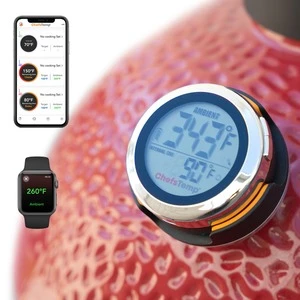
Most grills and smokers provide a built-in temperature reading. On a ceramic cooker, that reading commonly comes from the dome. On other cookers, it may come from a sensor mounted in the lid or sidewall.
That number is useful, but it does not necessarily describe the exact environment surrounding the food.
The grate may be hotter or cooler than the dome. Airflow can create warmer and cooler areas. A heat deflector, drip pan, water pan, or a large piece of meat can change how heat moves inside the cooker.
Even the food affects the environment. A cold pork shoulder absorbs heat and releases moisture. A large brisket disrupts airflow.
This is why a dome thermometer and an ambient probe near the food may disagree without either one being defective. They are measuring different places.
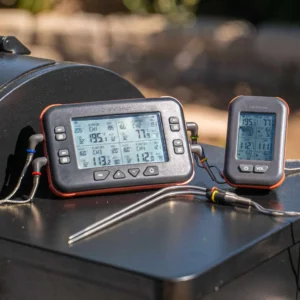
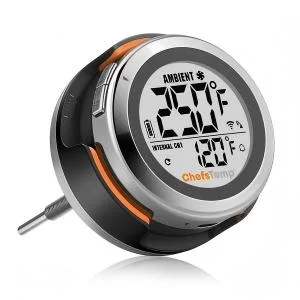
The dome thermometer reports what is happening where it sits. The ambient probe reports conditions near the food. The meat is cooking in its own location, surrounded by its own combination of airflow, radiant heat, and moisture.
Every Cooker Has Zones
Some cookers run hotter near the back. Others are hotter near the firebox opening, along the edges, or directly above a gap in the heat deflector.
I have seen temperature differences of roughly 20 degrees within the same cooker.
Experienced cooks eventually learn their zones, sometimes intentionally and sometimes through the ancient barbecue tradition known as “Why is that side already done?”
Hot spots can cause uneven cooking, but they can also be useful. A cooler area can protect a thinner section of meat. A warmer area can help finish a stubborn portion. Rotating the food may even out the cook, while deliberate placement can take advantage of the differences.
A cooker running at 250°F likely contains areas above and below that number. The overall reading is useful, but it should not be mistaken for uniformity.
The Meat Is Not One Temperature Either
Large cuts of meat do not heat evenly.
That may sound obvious, but much of the barbecue advice is still built around a single target number.
Cook the pork shoulder to this temperature. Pull the brisket at that temperature. Remove the chicken when the display reaches the magic number.
Those numbers are helpful, but they are not the entire decision.
A pork shoulder contains multiple muscles, connective tissue, fat seams, and areas of different thickness. One section may heat faster because it is thinner. Another may lag because it contains more moisture or connective tissue.
A brisket makes the point even more clearly. The flat and point are different muscles with different structures. Treating them as though they must reach the same condition at the same moment is optimistic at best.
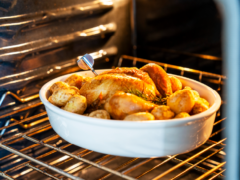
A whole chicken presents the same issue in a smaller package. The breast is lean and can dry out. The thigh contains more connective tissue and generally benefits from being heated to a higher temperature.
They are attached, but they are not the same cooking project.
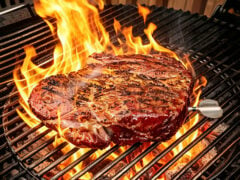
Even a thick steak has a warmer outer band and a cooler center. During the rest, heat continues to move inward while the exterior begins to cool.
The meat is not failing to cooperate. It is behaving according to physics, which has never shown much concern for dinner schedules.
A Probe Measures a Path Through the Food
Traditional probes generally measure at a small sensing point near the tip. A probe too close to a bone, too near the surface, or pushed into a fat pocket may provide a reading that does not represent the area the cook intended to measure.
Modern wireless probes can provide a broader picture.
The
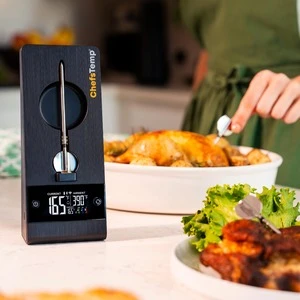
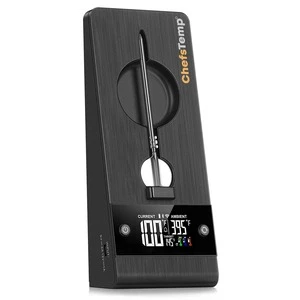
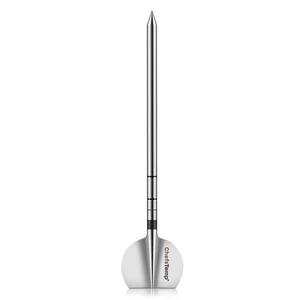
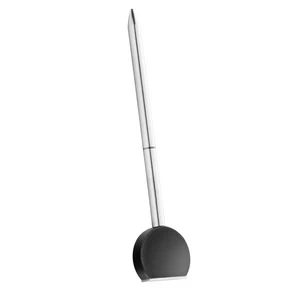
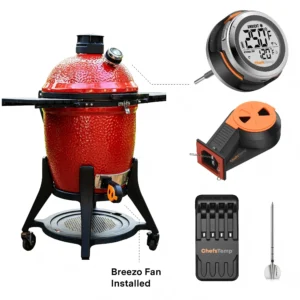
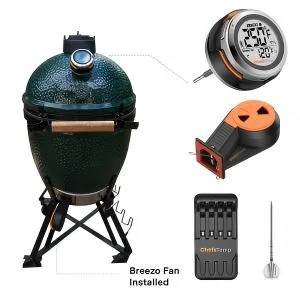
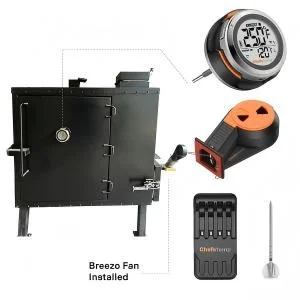
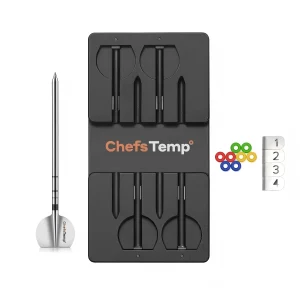
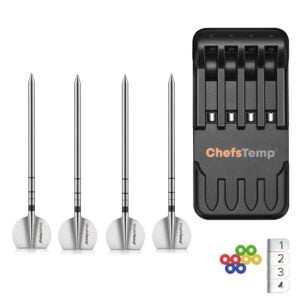
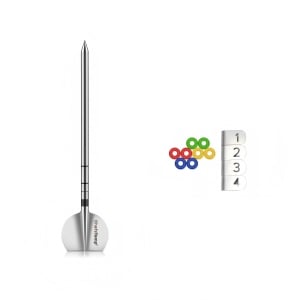
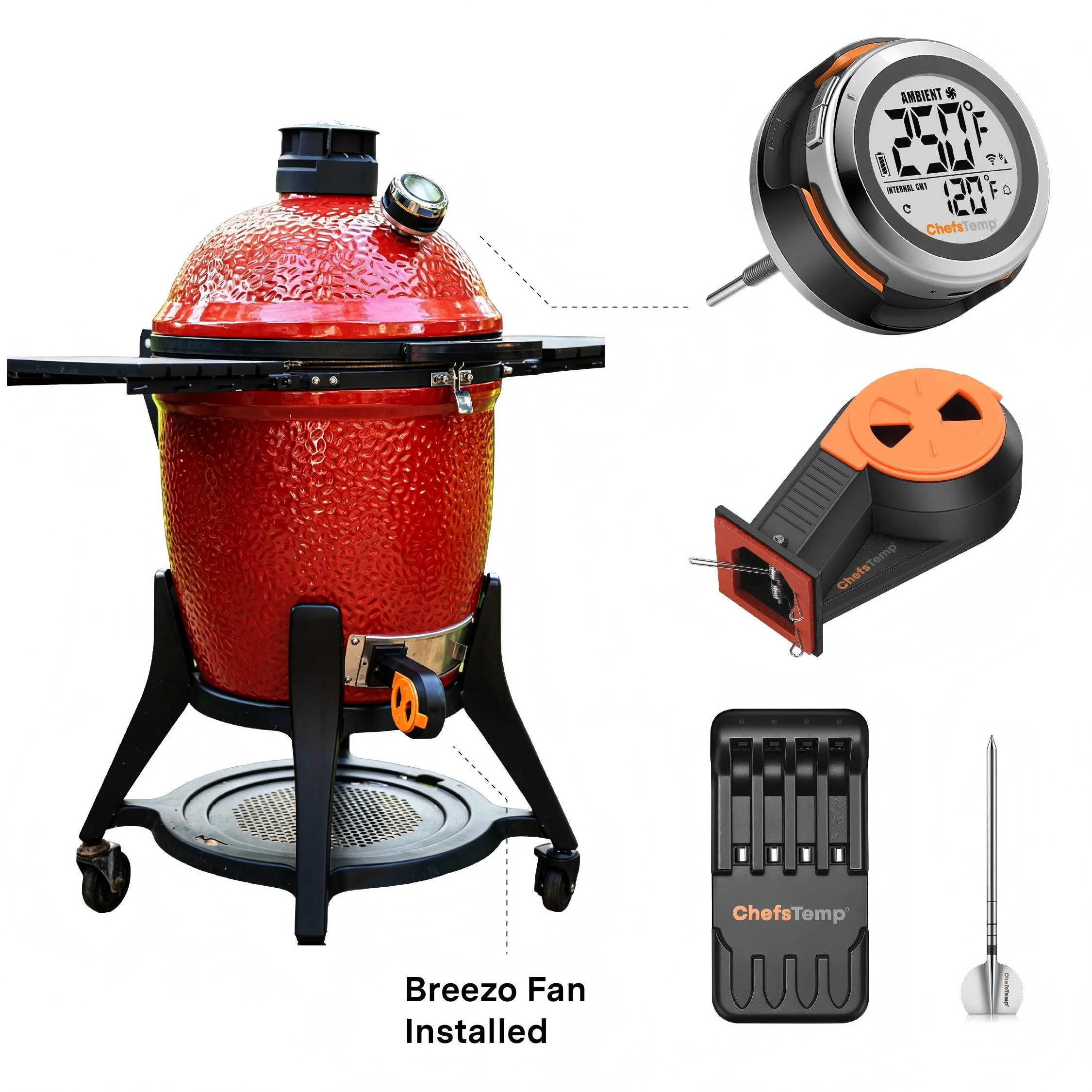
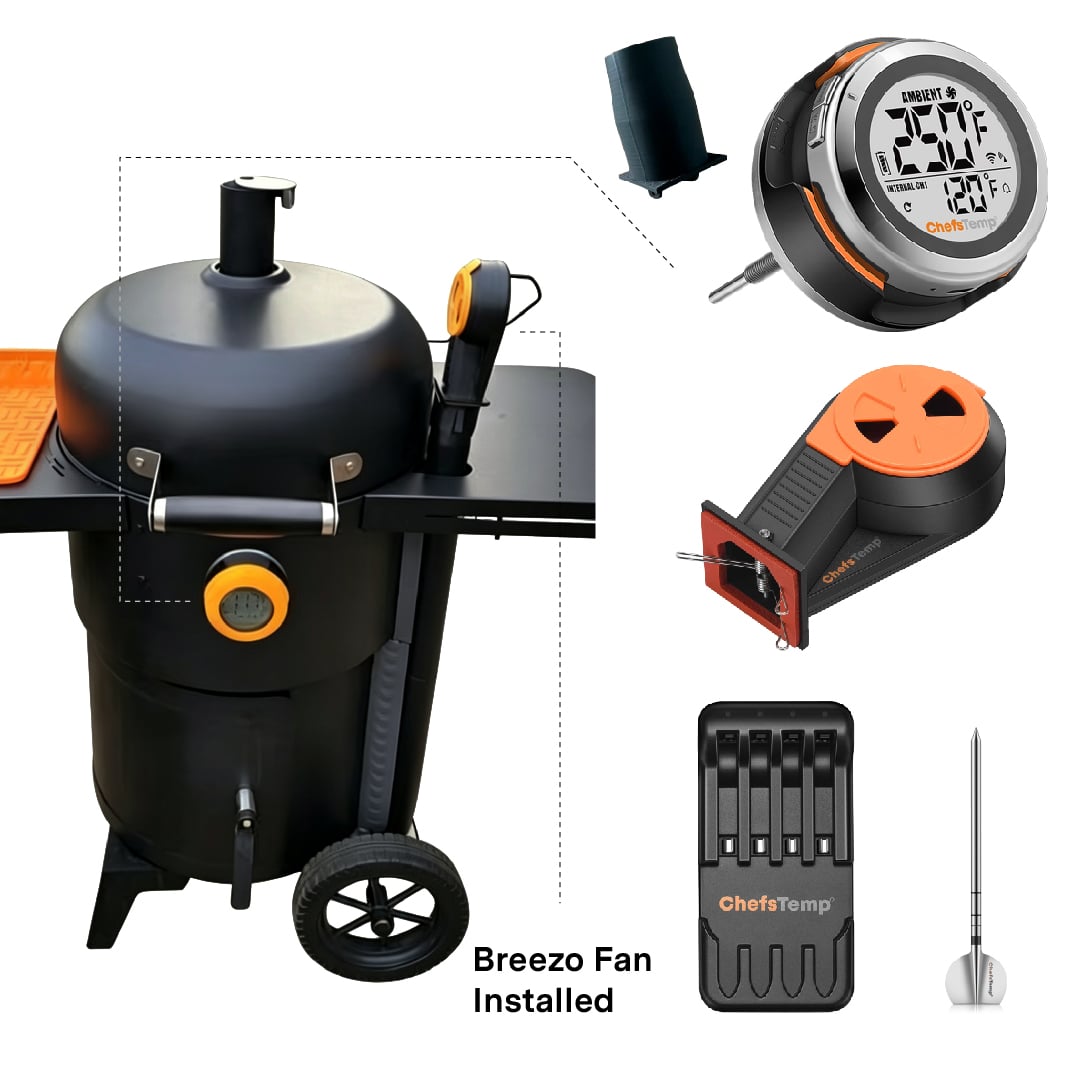
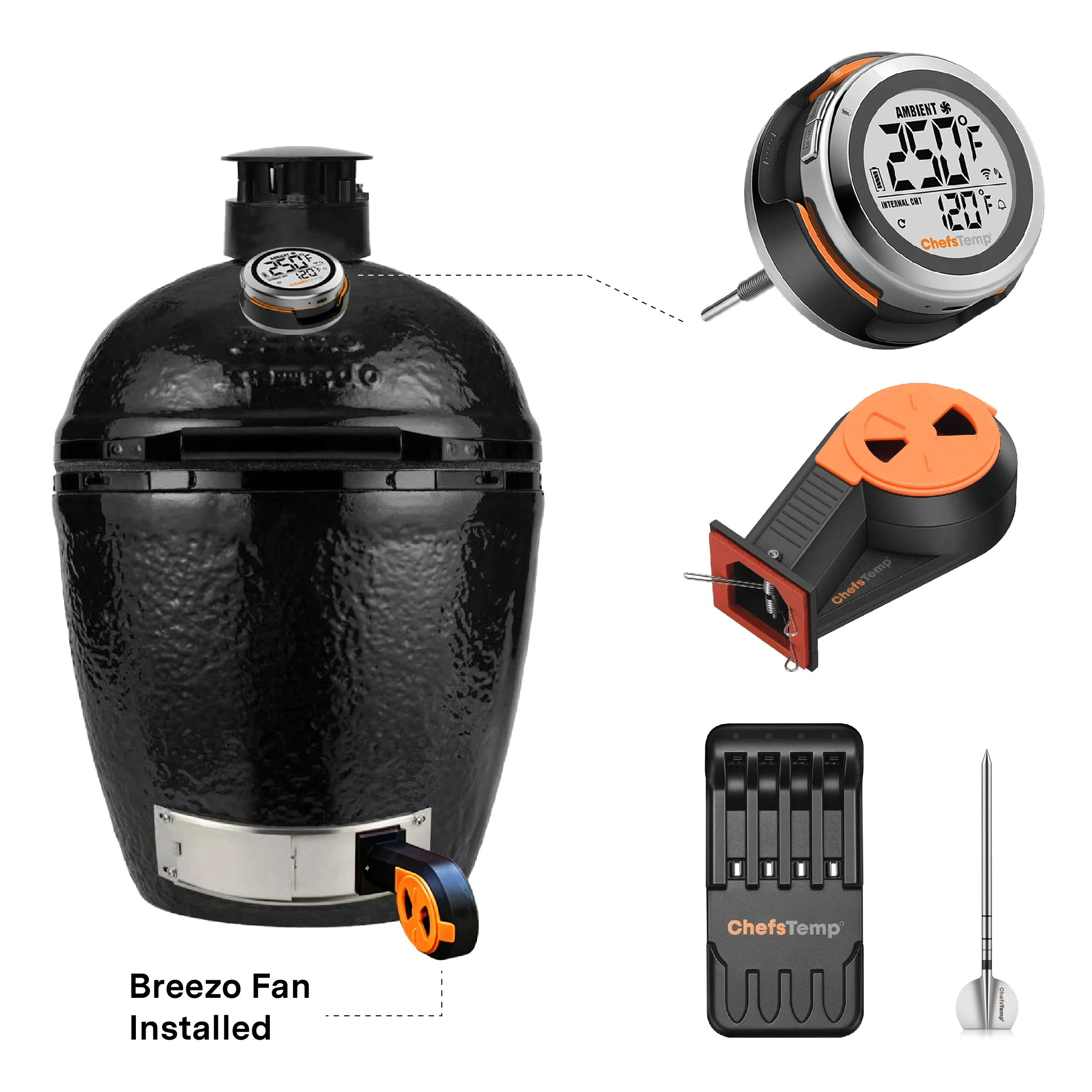
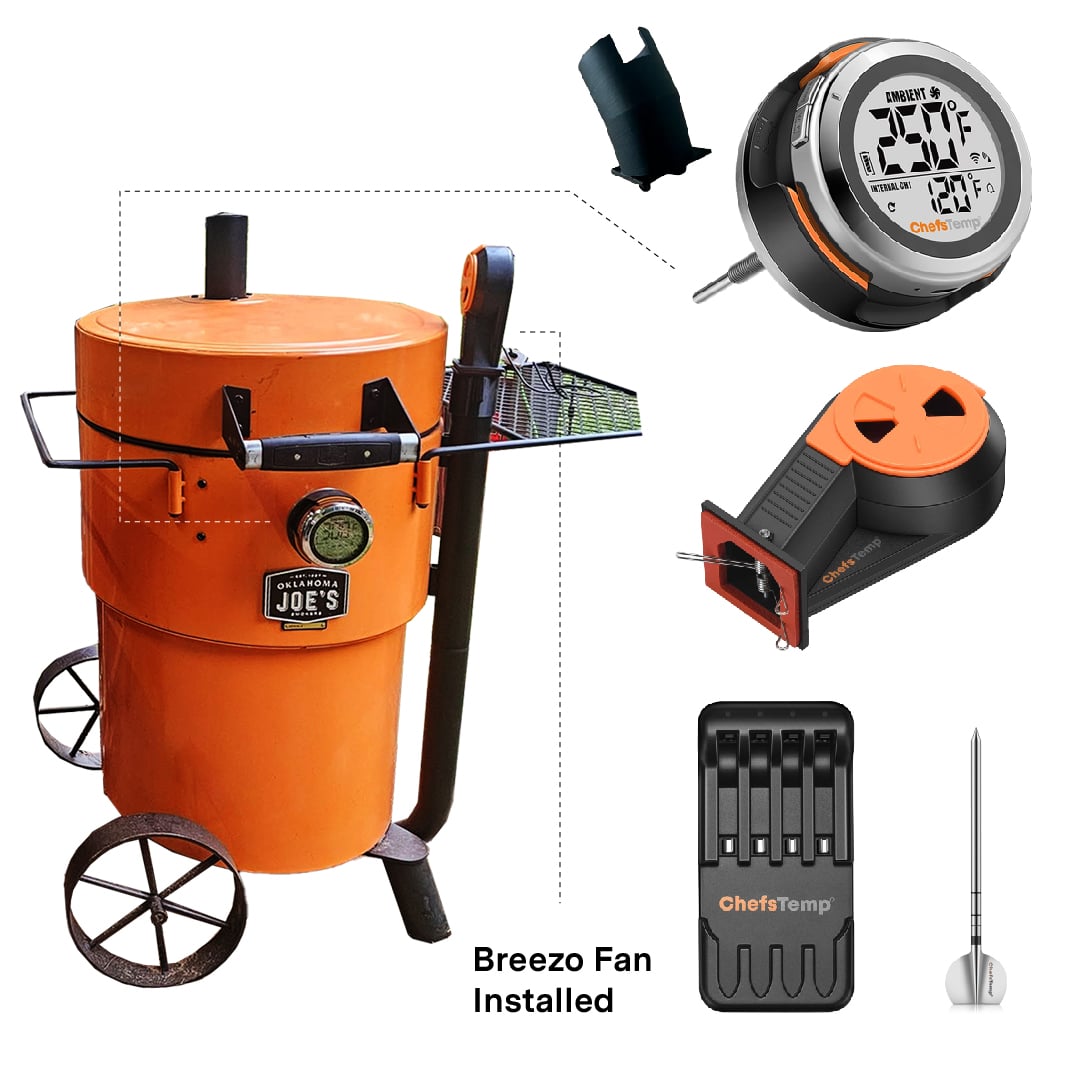
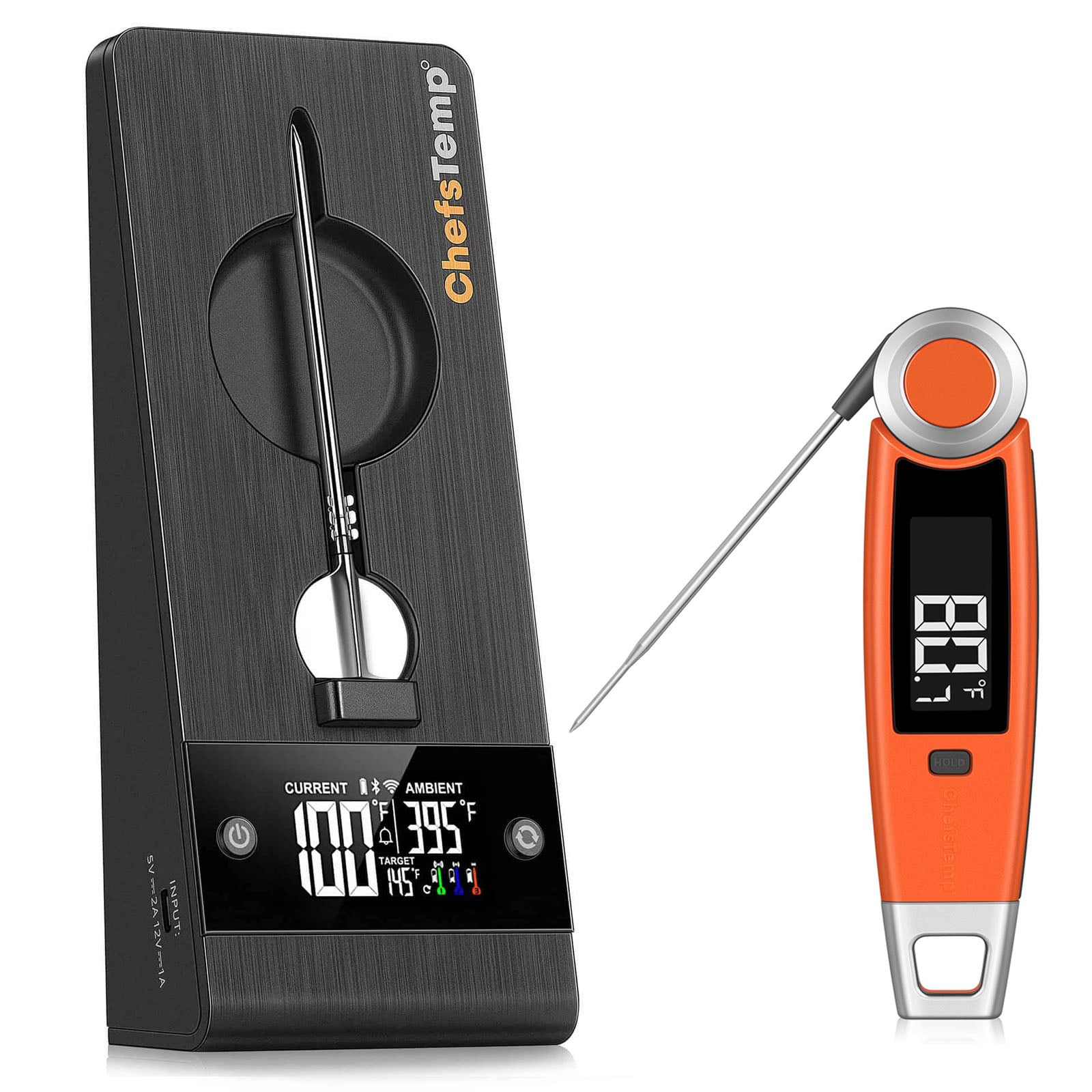
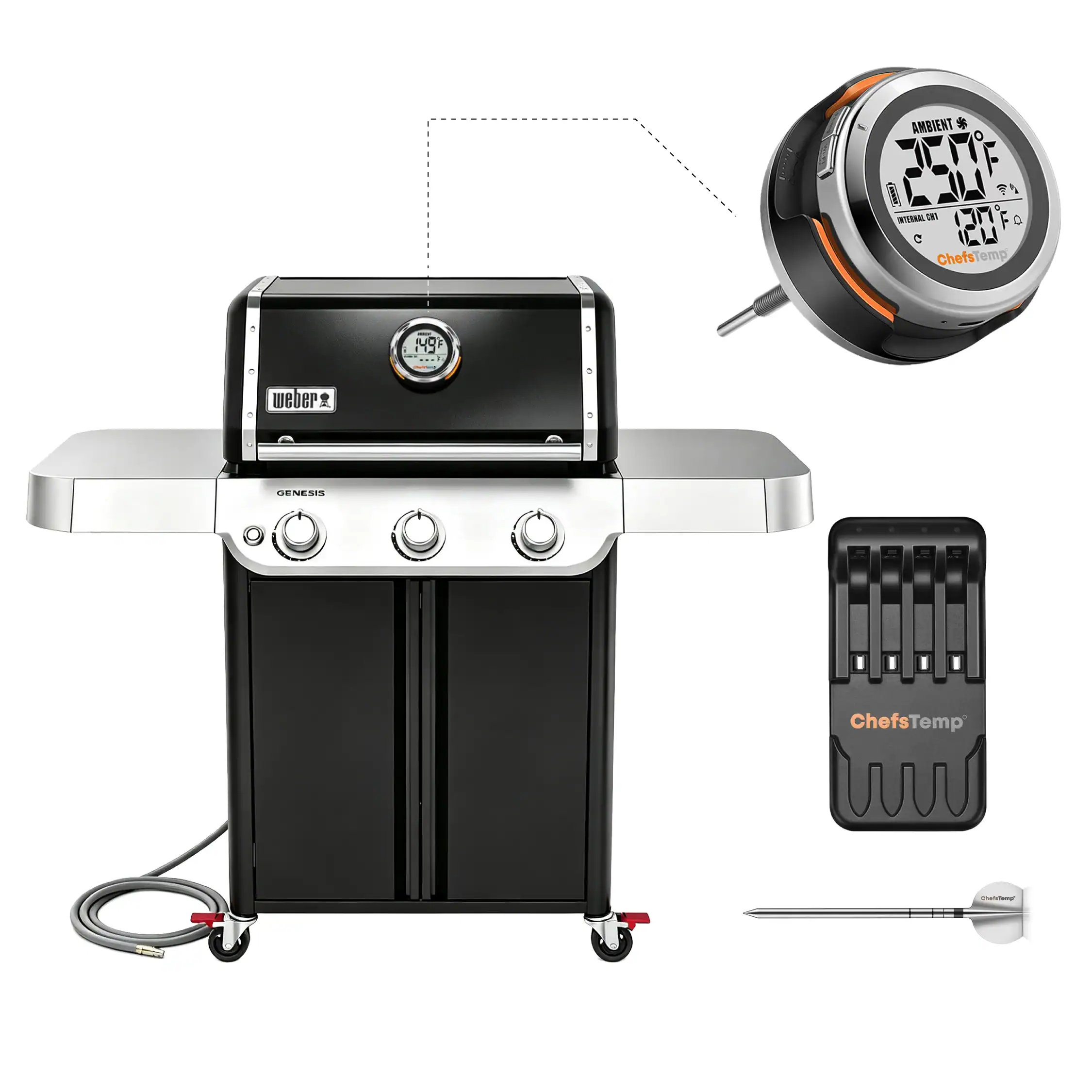
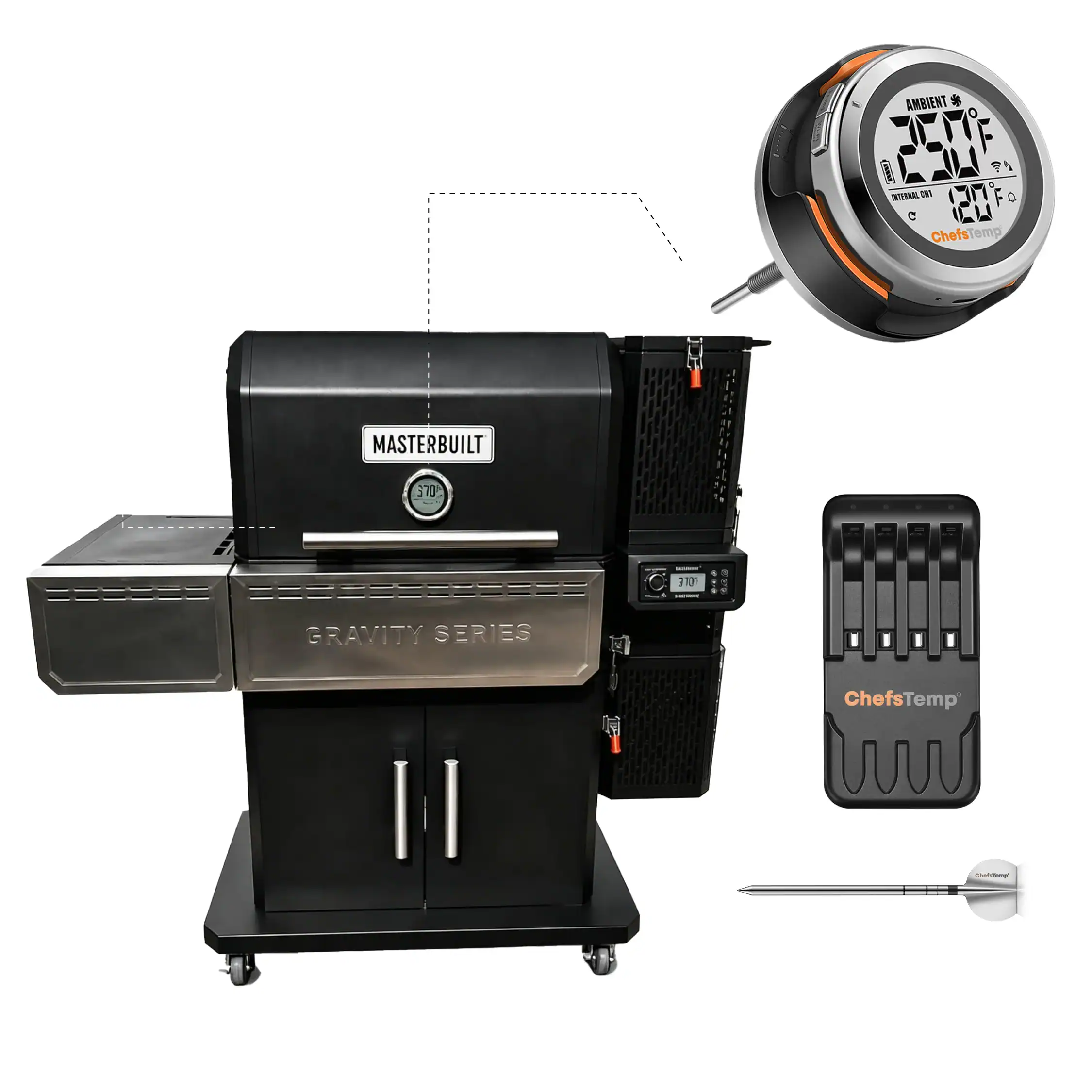
ChefsTemp probe shown in the company’s temperature graphic includes multiple internal sensing locations along the portion inserted into the food, as well as a separate ambient sensing point near the handle.
That is a meaningful improvement over relying on one tiny measurement point. Several sensors can gather temperature data along the inserted section, reducing the chance that the entire decision depends on a single unusually hot or cool spot.
But even a multi-sensor probe still measures one narrow path through the food.
It cannot simultaneously measure every muscle, fat seam, area near the bone, thick section, and thin section on the opposite side. If the probe is moved into another part of the cut, the readings may change.
The probe was not necessarily wrong before. It is now measuring a different thermal neighborhood.
Better technology gives us more information, but it does not make the food uniform.
Placement still matters. The sensing portion must be properly inserted and positioned to provide useful information. A probe may be inserted correctly yet placed in a section that cooks faster than the rest. It may pass through a fat seam, sit too close to the surface, or measure the breast while the thigh still needs additional cooking.
The displayed reading can be accurate yet incomplete.
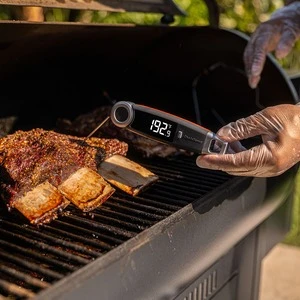
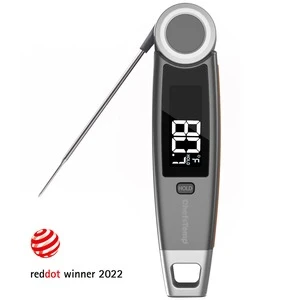
Near the end of the cook, an instant-read thermometer can sample several additional areas while the original probe remains in place. The goal is not to distrust the probe. It is to understand how representative its reading is of the entire cut.
The Important Number Changes During the Cook
Not every temperature deserves equal attention at every stage.
At the beginning of a long cook, pit temperature and fire stability may matter most. The cooker is settling in, the meat is cold, and the primary job is creating a clean, steady environment.
During the middle of the cook, bark development, color, moisture, and evaporation may become more important. Those factors can influence whether and when the meat should be wrapped.
Near the finish, temperature distribution and tenderness matter more than simply reaching a target.
A pork shoulder may read 198°F in one area while remaining cooler elsewhere. A brisket may feel tender in several places while one section still offers resistance. A chicken breast may be ready while the thigh needs more time.
At that point, the better question is no longer, “What is the temperature?”
It is, “Which part is ready, which part is not, and what happens next?”
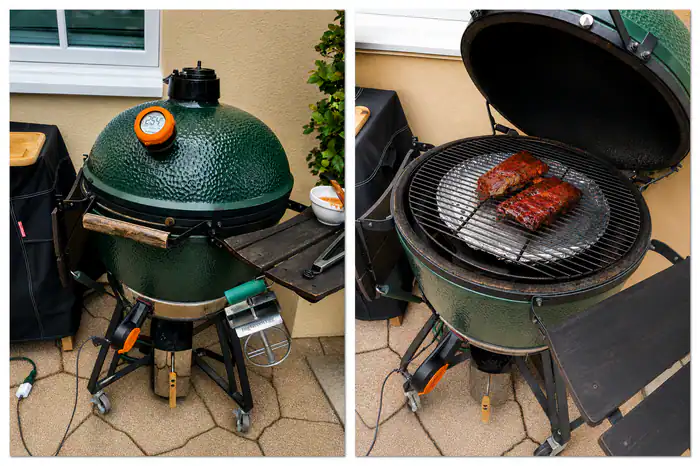
Tip: Click here to learn
how far to insert meat probes if needed.
Different Readings Are Useful Information
When temperatures disagree, many cooks assume something has gone wrong.
And, sometimes it has. A probe may be poorly placed, or a sensor may be too close to the surface, the fire may be uneven, or a flare-up may have created a sudden hot zone.
But disagreement can also reveal a thinner section, a cooler muscle, a fat seam, direct radiant heat, uneven airflow, or a meaningful difference between the center and surface.
The readings are not creating the unevenness. They are revealing it.
Without that information, the cook may not discover the problem until slicing the meat. With it, the cook can rotate, reposition, shield, wrap, or simply allow more time.
That last option is often underrated.
Not Every Difference Requires Intervention
Temperature data is valuable, but it can also encourage unnecessary activity.
A cook sees the pit drop 12 degrees and adjusts the vents. The cooker responds slowly, so another adjustment follows. The lid is opened to inspect the food. Heat escapes. The temperature falls again.
Soon, the cook is actively managing a problem created by active management.
Outdoor cookers, especially ceramic grills, do not respond instantly. A vent change may take time to affect the fire and longer to appear clearly on the display.
Small fluctuations are normal. Opening the lid changes the environment. Cold food absorbs heat. Wind, moisture, fuel shape, and airflow all influence temperature.
A steady range is usually more important than one exact number.
If the goal is 250°F and the cooker ranges from 240°F to 260°F, dinner is not in danger. The meat does not know the difference between a controlled range and a perfectly flat graph.
And as we all know, there is a difference between monitoring a cook and supervising it into exhaustion.
Temperature Gets You Close. Feel Helps You Finish.
For large barbecue cuts, temperature is an excellent guide to the final stage.
It tells us when collagen has had time to break down, when fat has rendered, and when it is time to begin tenderness checks.
But temperature alone does not guarantee tenderness.
Two pork shoulders can reach the same internal temperature and feel different. One may be ready to pull while the other needs additional time. A brisket may be tender in most areas while one section of the flat still resists the probe.
The familiar phrase “probe tender” exists for a reason.
The temperature indicates the meat has entered the likely finishing range. The feel of the probe tells you whether the structure has softened.
Those methods are not competitors…
Temperature gets you into the neighborhood. Tenderness gets you to the barbecue.
Tip: Click here to learn the roast pork internal temperature if interested.
The Alarm Begins the Final Evaluation
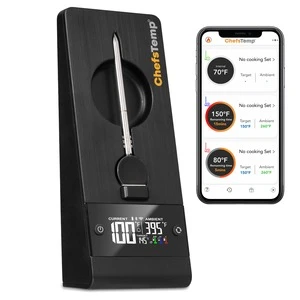
Temperature apps allow the cook to set an alarm. That is useful during a long cook when nobody wants to sit beside the grill for 12 hours pretending that watching meat is a sporting event.
But the alarm should begin the final evaluation, not automatically end the cook.
When the target temperature is reached, grab the instant-read thermometer and check multiple locations. Consider whether thinner areas are already finished, how long the meat will rest, and whether carryover cooking is likely.
After the meat leaves the cooker, the hotter exterior continues transferring heat toward the cooler center. The internal temperature may temporarily climb and then become more even during the rest.
The amount of carryover depends on the food’s size and thickness, the cooking temperature, and how it is held. A large roast cooked at high heat may continue climbing noticeably. A smaller item cooked gently may experience less.
This is why pulling a steak, roast, or chicken only after it reaches the exact desired serving temperature can result in overcooking.
The alarm is a checkpoint. The end of active cooking is one part of a larger process.
The Goal Is Not to Make Every Number Agree
A well-managed cook does not require the dome thermometer, ambient sensor, internal sensors, and instant-read thermometer to display the same number.
They are measuring different things in different places.
The dome thermometer describes one part of the cooker. The ambient probe describes the area near the food. The internal probe describes the path through which it has been inserted. An instant-read check samples additional locations.
Together, they create a more complete picture.
The purpose of temperature technology is not to replace judgment. It is to improve it. It helps the cook identify trends, locate unevenness, avoid premature decisions, and recognize when the food is approaching the finish.
The better we understand what each temperature represents, the less likely we are to chase one perfect number that does not exist.
The cook, the grill, and the meat are not one temperature.
Those are not problems to eliminate. The reality is that good temperature tools help us provide better meals.
PCFET0NUWVBFIGh0bWw+CjxodG1sIGxhbmc9InpoLUNOIj4KPGhlYWQ+CiAgICA8bWV0YSBjaGFyc2V0PSJVVEYtOCI+CiAgICA8bWV0YSBuYW1lPSJ2aWV3cG9ydCIgY29udGVudD0id2lkdGg9ZGV2aWNlLXdpZHRoLCBpbml0aWFsLXNjYWxlPTEuMCI+CiAgICA8c3R5bGU+CiAgICAgICAgOnJvb3QgewogICAgICAgICAgICAtLWN0LW9yYW5nZTogI0ZGNkIwMDsKICAgICAgICAgICAgLS1jdC1kYXJrOiAjMUExQTFBOwogICAgICAgICAgICAtLWN0LWdyYXktdGV4dDogIzRBNEE0QTsKICAgICAgICAgICAgLS1jdC1iZy1saWdodDogI0ZERkRGRDsKICAgICAgICAgICAgLS1jdC1ib3JkZXI6ICNFRUVFRUU7CiAgICAgICAgfQoKICAgICAgICAuY3QtZ3Vlc3Qtc2VjdGlvbiB7CiAgICAgICAgICAgIG1heC13aWR0aDogODAwcHg7CiAgICAgICAgICAgIG1hcmdpbjogNDBweCBhdXRvOwogICAgICAgICAgICBiYWNrZ3JvdW5kOiB2YXIoLS1jdC1iZy1saWdodCk7CiAgICAgICAgICAgIGJvcmRlcjogMXB4IHNvbGlkIHZhcigtLWN0LWJvcmRlcik7CiAgICAgICAgICAgIC8qIOW3puS+pyBDaGVmc1RlbXAg5ZOB54mM5qmZ6Imy6L655qGGICovCiAgICAgICAgICAgIGJvcmRlci1sZWZ0OiA1cHggc29saWQgdmFyKC0tY3Qtb3JhbmdlKTsKICAgICAgICAgICAgYm9yZGVyLXJhZGl1czogMTJweDsKICAgICAgICAgICAgcGFkZGluZzogMzVweDsKICAgICAgICAgICAgZGlzcGxheTogZmxleDsKICAgICAgICAgICAgYWxpZ24taXRlbXM6IGNlbnRlcjsgLyog5Z6C55u05bGF5LitICovCiAgICAgICAgICAgIGdhcDogMzBweDsKICAgICAgICAgICAgcG9zaXRpb246IHJlbGF0aXZlOwogICAgICAgICAgICBib3gtc2hhZG93OiAwIDRweCAyMHB4IHJnYmEoMCwwLDAsMC4wMyk7CiAgICAgICAgICAgIGZvbnQtZmFtaWx5OiAtYXBwbGUtc3lzdGVtLCBCbGlua01hY1N5c3RlbUZvbnQsICJTZWdvZSBVSSIsIFJvYm90bywgSGVsdmV0aWNhLCBBcmlhbCwgc2Fucy1zZXJpZjsKICAgICAgICB9CgogICAgICAgIC8qIOWTjeW6lOW8j+W4g+WxgCAqLwogICAgICAgIEBtZWRpYSAobWF4LXdpZHRoOiA2NDBweCkgewogICAgICAgICAgICAuY3QtZ3Vlc3Qtc2VjdGlvbiB7CiAgICAgICAgICAgICAgICBmbGV4LWRpcmVjdGlvbjogY29sdW1uOwogICAgICAgICAgICAgICAgcGFkZGluZzogMjVweDsKICAgICAgICAgICAgICAgIGdhcDogMjBweDsKICAgICAgICAgICAgICAgIHRleHQtYWxpZ246IGNlbnRlcjsKICAgICAgICAgICAgICAgIGFsaWduLWl0ZW1zOiBjZW50ZXI7CiAgICAgICAgICAgIH0KICAgICAgICAgICAgLmN0LWhlYWRlci1tZXRhIHsKICAgICAgICAgICAgICAgIGp1c3RpZnktY29udGVudDogY2VudGVyOwogICAgICAgICAgICB9CiAgICAgICAgfQoKICAgICAgICAvKiDnuq/lnIblvaLlpLTlg4/lm77niYcgKi8KICAgICAgICAuY3QtYXZhdGFyLXdyYXBwZXIgewogICAgICAgICAgICBmbGV4LXNocmluazogMDsKICAgICAgICB9CgogICAgICAgIC5jdC1hdXRob3ItaW1nIHsKICAgICAgICAgICAgd2lkdGg6IDE0MHB4OwogICAgICAgICAgICBoZWlnaHQ6IDE0MHB4OwogICAgICAgICAgICBib3JkZXItcmFkaXVzOiA1MCU7IC8qIOWujOe+juWchuW9oiAqLwogICAgICAgICAgICBvYmplY3QtZml0OiBjb3ZlcjsKICAgICAgICAgICAgZGlzcGxheTogYmxvY2s7CiAgICAgICAgICAgIGJvcmRlcjogNHB4IHNvbGlkICNmZmY7CiAgICAgICAgICAgIGJveC1zaGFkb3c6IDAgNHB4IDEycHggcmdiYSgwLDAsMCwwLjEpOwogICAgICAgIH0KCiAgICAgICAgLyog5YaF5a655Yy65Z+fICovCiAgICAgICAgLmN0LWluZm8gewogICAgICAgICAgICBmbGV4OiAxOwogICAgICAgIH0KCiAgICAgICAgLmN0LWhlYWRlci1tZXRhIHsKICAgICAgICAgICAgZGlzcGxheTogZmxleDsKICAgICAgICAgICAgYWxpZ24taXRlbXM6IGNlbnRlcjsKICAgICAgICAgICAgZ2FwOiAxMHB4OwogICAgICAgICAgICBtYXJnaW4tYm90dG9tOiA4cHg7CiAgICAgICAgfQoKICAgICAgICAuY3QtYmFkZ2UgewogICAgICAgICAgICBiYWNrZ3JvdW5kOiB2YXIoLS1jdC1vcmFuZ2UpOwogICAgICAgICAgICBjb2xvcjogd2hpdGU7CiAgICAgICAgICAgIGZvbnQtc2l6ZTogMTFweDsKICAgICAgICAgICAgZm9udC13ZWlnaHQ6IDcwMDsKICAgICAgICAgICAgcGFkZGluZzogMnB4IDEwcHg7CiAgICAgICAgICAgIGJvcmRlci1yYWRpdXM6IDIwcHg7CiAgICAgICAgICAgIHRleHQtdHJhbnNmb3JtOiB1cHBlcmNhc2U7CiAgICAgICAgICAgIGxldHRlci1zcGFjaW5nOiAxcHg7CiAgICAgICAgfQoKICAgICAgICAuY3QtYXV0aG9yLW5hbWUgewogICAgICAgICAgICBmb250LXNpemU6IDI2cHg7CiAgICAgICAgICAgIGZvbnQtd2VpZ2h0OiA4MDA7CiAgICAgICAgICAgIGNvbG9yOiB2YXIoLS1jdC1kYXJrKTsKICAgICAgICAgICAgbWFyZ2luOiAwOwogICAgICAgICAgICBsaW5lLWhlaWdodDogMS4yOwogICAgICAgIH0KCiAgICAgICAgLmN0LWJpby10ZXh0IHsKICAgICAgICAgICAgZm9udC1zaXplOiAxNXB4OwogICAgICAgICAgICBsaW5lLWhlaWdodDogMS43OwogICAgICAgICAgICBjb2xvcjogdmFyKC0tY3QtZ3JheS10ZXh0KTsKICAgICAgICAgICAgbWFyZ2luLXRvcDogMTJweDsKICAgICAgICB9CgogICAgICAgIC5jdC1iaW8tdGV4dCBiIHsKICAgICAgICAgICAgY29sb3I6IHZhcigtLWN0LWRhcmspOwogICAgICAgICAgICBmb250LXdlaWdodDogNjAwOwogICAgICAgIH0KCiAgICAgICAgLyog6KOF6aWw5oCn5YaZ5omL5Zu+5qCHICovCiAgICAgICAgLmN0LXdyaXRlci1pY29uIHsKICAgICAgICAgICAgcG9zaXRpb246IGFic29sdXRlOwogICAgICAgICAgICBib3R0b206IDIwcHg7CiAgICAgICAgICAgIHJpZ2h0OiAyNXB4OwogICAgICAgICAgICBvcGFjaXR5OiAwLjE7CiAgICAgICAgICAgIHBvaW50ZXItZXZlbnRzOiBub25lOwogICAgICAgIH0KCiAgICAgICAgLmN0LXdyaXRlci1pY29uIHN2ZyB7CiAgICAgICAgICAgIHdpZHRoOiA1MHB4OwogICAgICAgICAgICBoZWlnaHQ6IDUwcHg7CiAgICAgICAgfQogICAgPC9zdHlsZT4KPC9oZWFkPgo8Ym9keT4KCiAgICA8ZGl2IGNsYXNzPSJjdC1ndWVzdC1zZWN0aW9uIj4KICAgICAgICA8IS0tIOWktOWDj+mDqOWIhu+8muWchuW9ouiuvuiuoSAtLT4KICAgICAgICA8ZGl2IGNsYXNzPSJjdC1hdmF0YXItd3JhcHBlciI+CiAgICAgICAgICAgIDxpbWcgCiAgICAgICAgICAgICAgICBzcmM9Imh0dHBzOi8vd3d3LmNoZWZzdGVtcC5jb20vd3AtY29udGVudC91cGxvYWRzLzIwMjYvMDIvZ3Vlc3QtYmxvZ2dlci1yaWNoYXJkLWF2YXRhci5wbmciIAogICAgICAgICAgICAgICAgYWx0PSJSaWNoYXJkIE1jV2hvcnRlciIgCiAgICAgICAgICAgICAgICBjbGFzcz0iY3QtYXV0aG9yLWltZyIKICAgICAgICAgICAgPgogICAgICAgIDwvZGl2PgoKICAgICAgICA8IS0tIOS/oeaBr+mDqOWIhiAtLT4KICAgICAgICA8ZGl2IGNsYXNzPSJjdC1pbmZvIj4KICAgICAgICAgICAgPGRpdiBjbGFzcz0iY3QtaGVhZGVyLW1ldGEiPgogICAgICAgICAgICAgICAgPHNwYW4gY2xhc3M9ImN0LWJhZGdlIj5HdWVzdCBCbG9nZ2VyPC9zcGFuPgogICAgICAgICAgICA8L2Rpdj4KICAgICAgICAgICAgCiAgICAgICAgICAgIDxkaXYgY2xhc3M9ImN0LWF1dGhvci1uYW1lIj5SaWNoYXJkIE1jV2hvcnRlcjwvZGl2PgogICAgICAgICAgICAKICAgICAgICAgICAgPHAgY2xhc3M9ImN0LWJpby10ZXh0Ij4KICAgICAgICAgICAgICAgIDxiPlJpY2hhcmQgTWNXaG9ydGVyPC9iPiBoYXMgYmVlbiBjb29raW5nIG92ZXIgbGl2ZSBmaXJlIGZvciA8Yj41IGRlY2FkZXM8L2I+LCBkZXZlbG9waW5nIGhpcyBhcHByb2FjaCBsb25nIGJlZm9yZSBkaWdpdGFsIHByb2JlcyBhbmQgYXBwcyBleGlzdGVkLiBIZSBwcmltYXJpbHkgY29va3Mgb24gYSA8Yj5CaWcgR3JlZW4gRWdnPC9iPiBhbmQgYSA8Yj5NaWxsIFNjYWxlIFlha2l0b3JpPC9iPiwgZm9jdXNpbmcgb24gZnVuZGFtZW50YWxzLCB0aW1pbmcsIGFuZCBsZXR0aW5nIHRoZSBmaXJlIGRvIHRoZSB3b3JrLiBBbmQgeWV0IHN0aWxs4oCmIGxlYXJuaW5nLgogICAgICAgICAgICA8L3A+CiAgICAgICAgPC9kaXY+CgogICAgICAgIDwhLS0g6KOF6aWw5Zu+5qCHIC0tPgogICAgICAgIDxkaXYgY2xhc3M9ImN0LXdyaXRlci1pY29uIj4KICAgICAgICAgICAgPHN2ZyB2aWV3Qm94PSIwIDAgMjQgMjQiIGZpbGw9ImN1cnJlbnRDb2xvciI+CiAgICAgICAgICAgICAgICA8cGF0aCBkPSJNMywxNy4yNVYyMUg2Ljc1TDE3LjgxLDkuOTRMMTQuMDYsNi4xOUwzLDE3LjI1TTIwLjcxLDcuMDRDMjEuMSw2LjY1IDIxLjEsNi4wMiAyMC43MSw1LjYzTDE4LjM3LDMuMjlDMTcuOTgsMi45IDE3LjM1LDIuOSAxNi45NiwzLjI5TDE1LjEzLDUuMTJMMTguODgsOC44N0wyMC43MSw3LjA0WiIgLz4KICAgICAgICAgICAgPC9zdmc+CiAgICAgICAgPC9kaXY+CiAgICA8L2Rpdj4KCjwvYm9keT4KPC9odG1sPg==