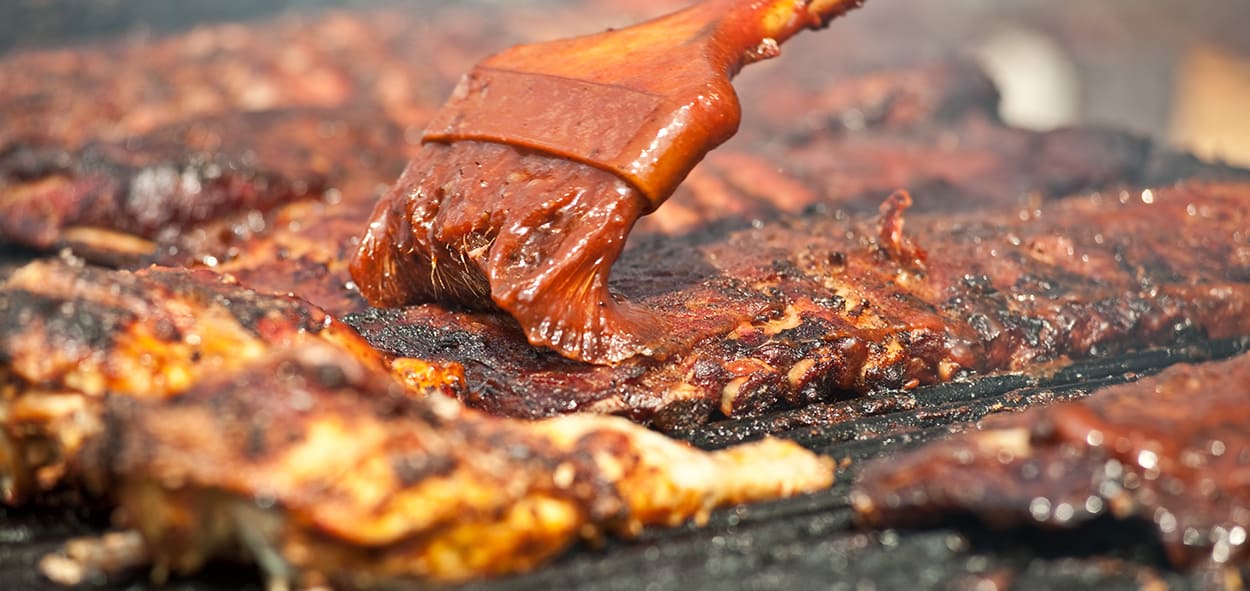
One element of skilled BBQ-ing is knowing when to add bbq sauce to your meat. This, as is often the case with BBQ, is a question of timing.Whether you’re grilling beef, ribs, or chicken, the precise moment at which you’ll add sauce to your BBQ depends partly on your own tastes. However, there are a few rules that BBQ chefs, from beginners to seasoned chefs, tend to follow.
BBQ: When Should I Add Sauce to my Beef?
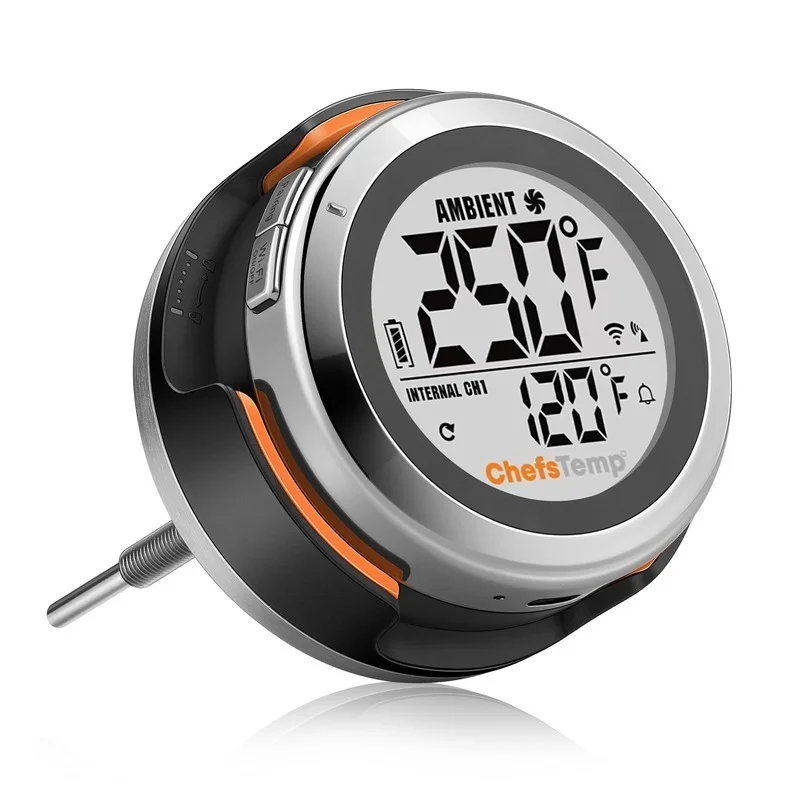
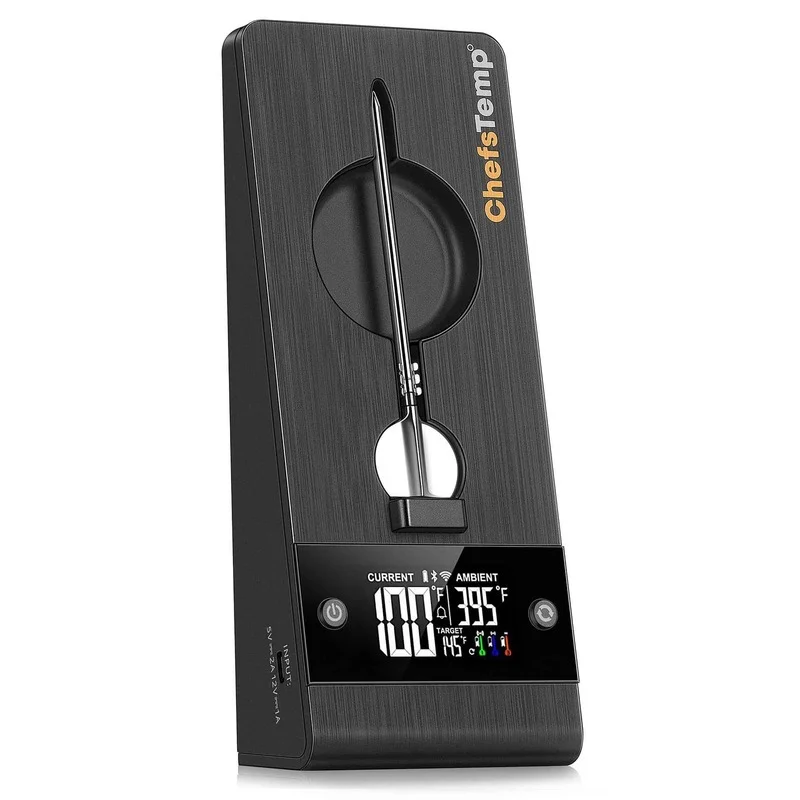
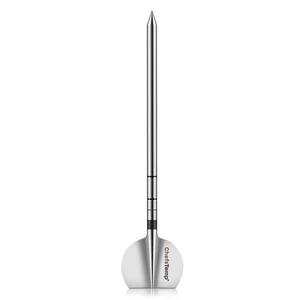
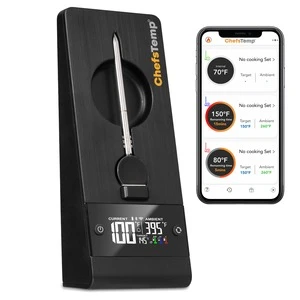
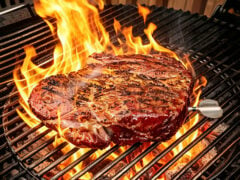
When cooking meat, is it better to add sauce before or after grilling – and which approach will get more savory results? With beef, your best move is usually to apply the sauce before the meat hits the grill, or early on in the grilling process. Slice the meat lightly, so the sauce can seep in, and add it soon enough that it can cook into the meat. Add more sauce, to taste, during and after your beef grills.Quick Reminder:To completely BBQ your meat to Medium – get the best meat thermometer.
BBQ: When Should I Add Sauce to my Ribs?
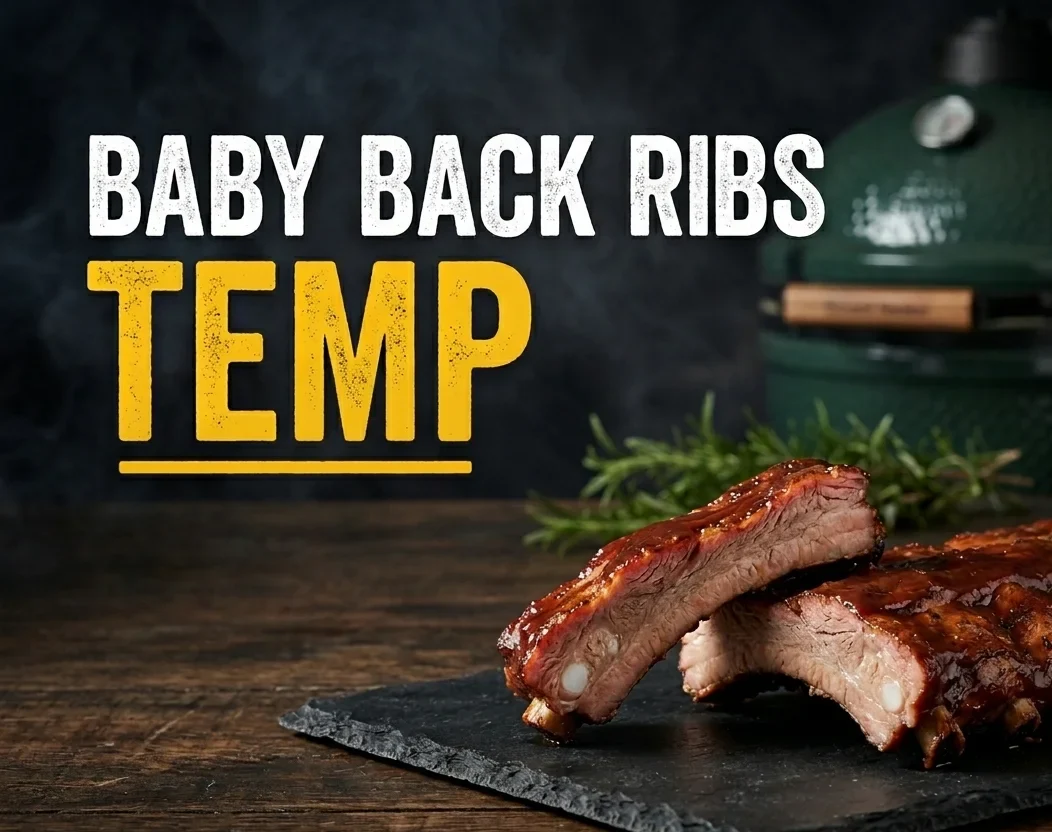
Sometimes, the best things really do come to those who wait. When adding sauce to pulled pork or pork ribs, the consensus is that, if you’re patient and wait until near the end of the process, you’re likely to get more pleasing results.With pork ribs, you’ll want to avoid applying sauce until near the end of the process, after your meat has cooked for a while. This helps preserve the smoky flavor that will help your ribs distinguish themselves. And if you’re using a sweet sauce, it’s important to make sure the sauce doesn’t burn, which you can do by applying it near the end. Ideally, you should warm the sauce in a pan, or in the microwave, before you apply it to the ribs. Using a brush, apply a few thin coatings, being careful not to smother the meat.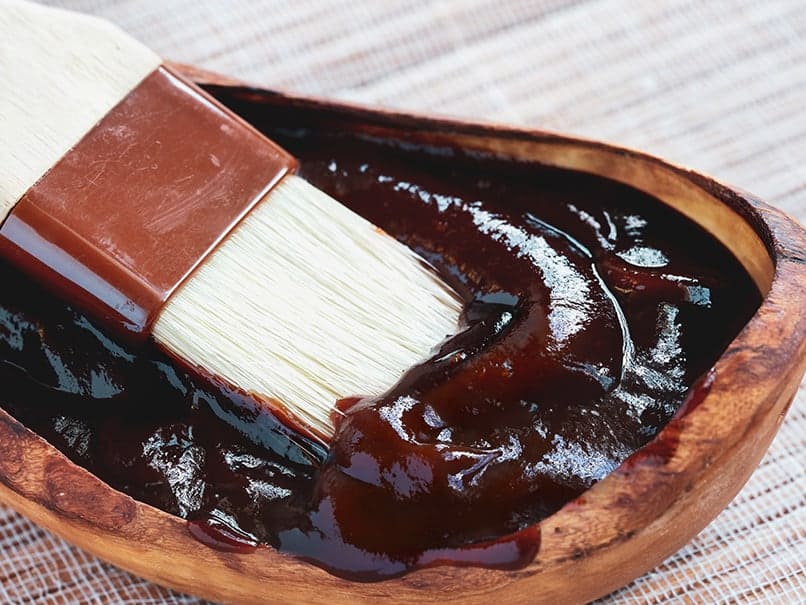
Quick Reminder:
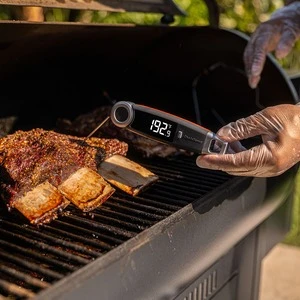
To get your Ribs perfect – note that in order to get that perfect melt you will need to get your ribs to 195 – 200 degrees Fahrenheit.
BBQ: When Should I Add Sauce to my Chicken?
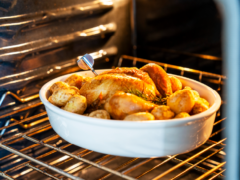
Can you put BBQ sauce on raw chicken? Ideas on how to use BBQ sauce when cooking chicken vary between chefs, but if you’re just starting, it may be smarter to wait.When it comes to chicken, some people apply sauce right away and then keep adding more as the cooking process goes on. However, adding too much sauce too soon can put you at risk of burning your chicken. Especially if you’re just getting started and want to build your skills, our advice is simple. Cook your chicken slowly and patiently, and then add your sauce during the last 10-15 minutes of the cooking process. Use just enough sauce to cover the chicken, but not much more than that. Coat one side, flip the chicken over and then coat the other side. Use a nice, thick BBQ sauce, if you can, and enjoy!Quick Reminder: To get your Chicken safely tender and perfect – you will need to get your chicken to 165 degrees Fahrenheit. Of course, using the best digital thermometer on the market – your thermometer. When you’re becoming a great griller, you quickly learn that timing is everything. As your skills develop, knowing when to add sauce to your BBQ will become second nature, but even the best grillers invest in top tools to help themselves make these decisions. Having the best digital meat thermometer you get can help you build your grill skills much more quickly.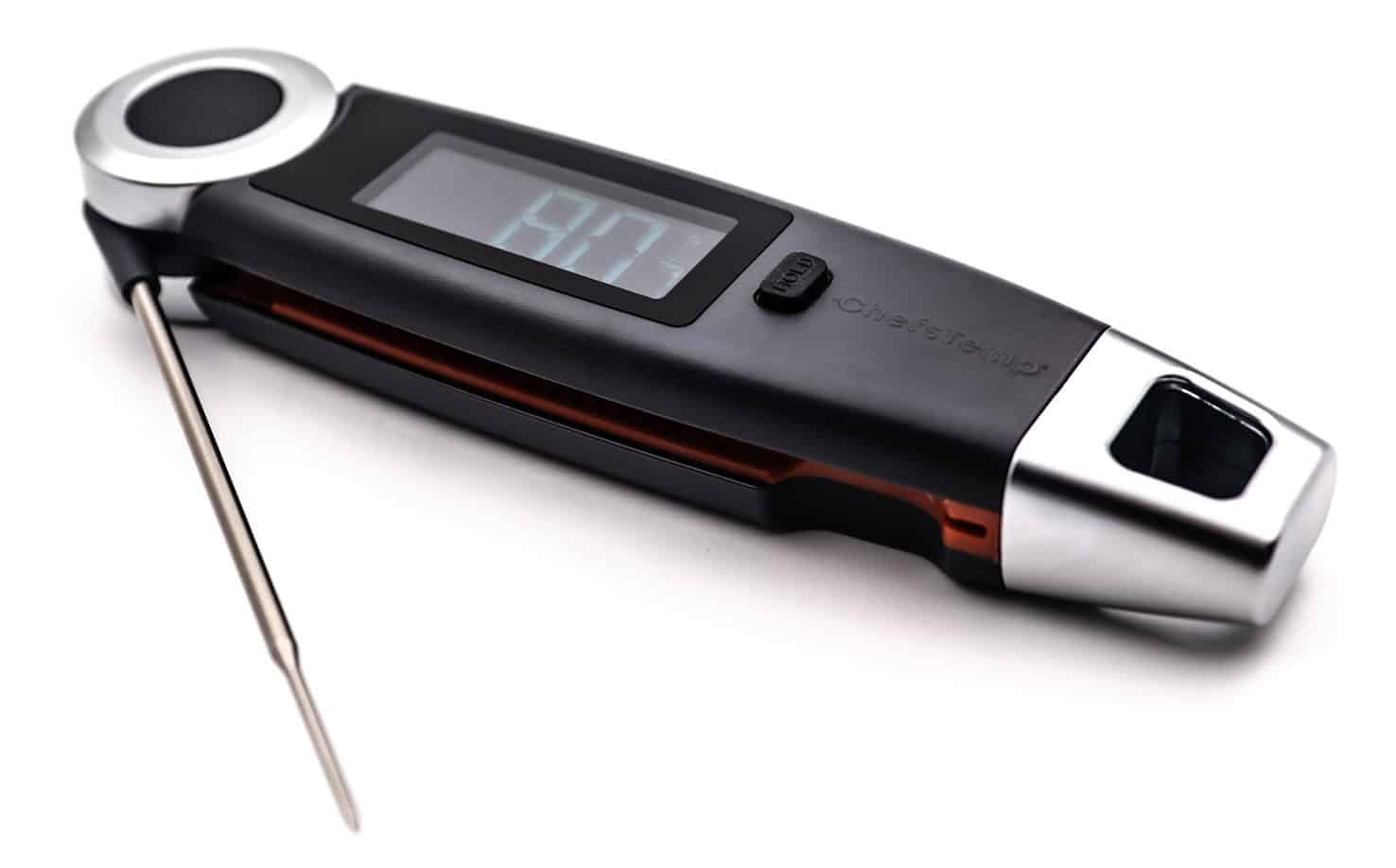
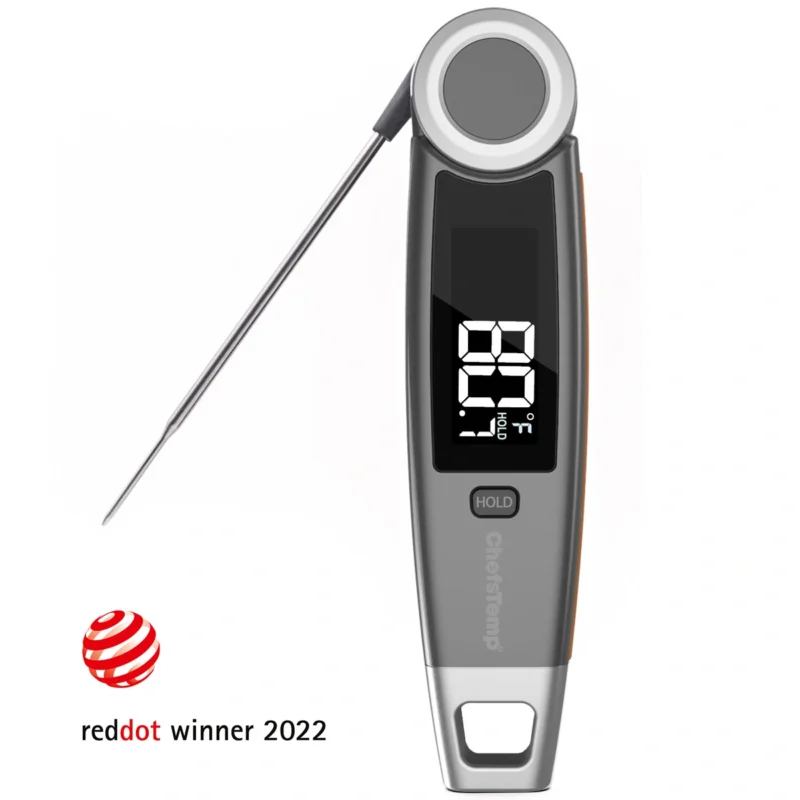
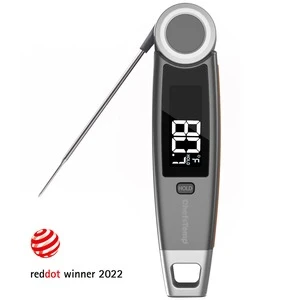
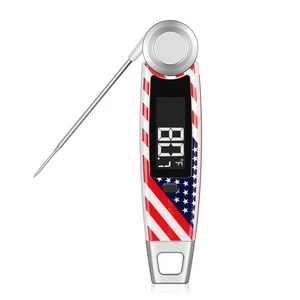
Finaltouch X10
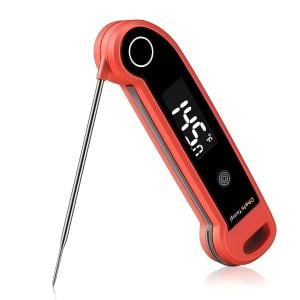
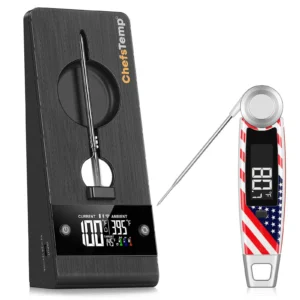
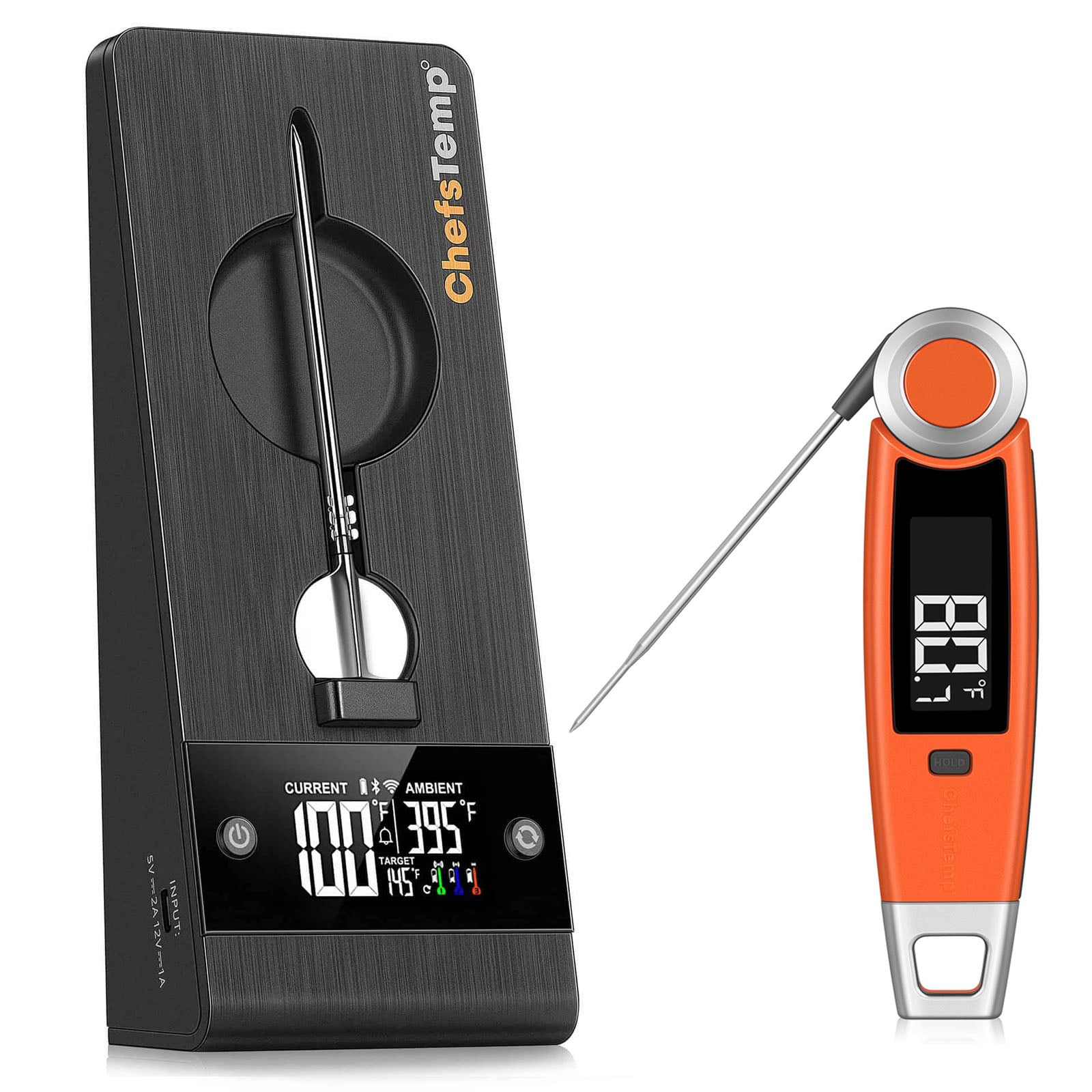
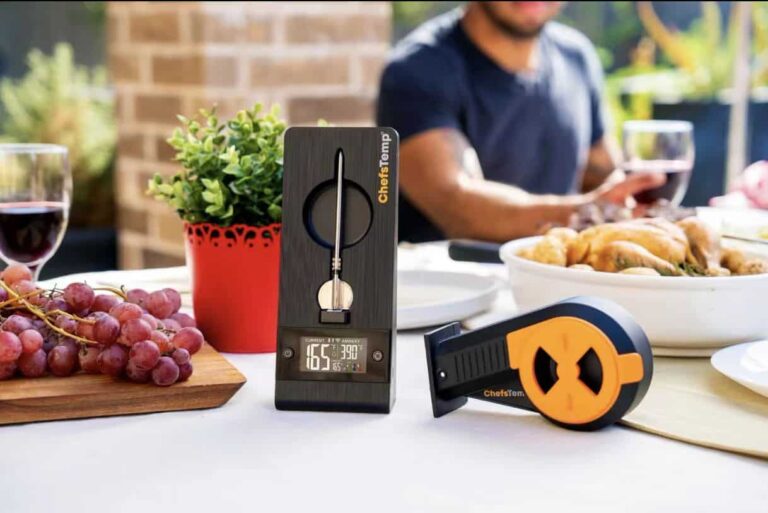
The Finaltouch X10 thermometer from ChefsTemp gives an accurate reading not only for the inside of food but for surface temperatures as well. The diversity of the thermometer’s usage is second to none compared to other thermometers. By getting a reading within 1 second, the Finaltouch X10 from ChefsTemp is prepared to take on any task it is given.Click Here To Get Your ChefsTemp Finaltouch X10 Now!
Related Posts
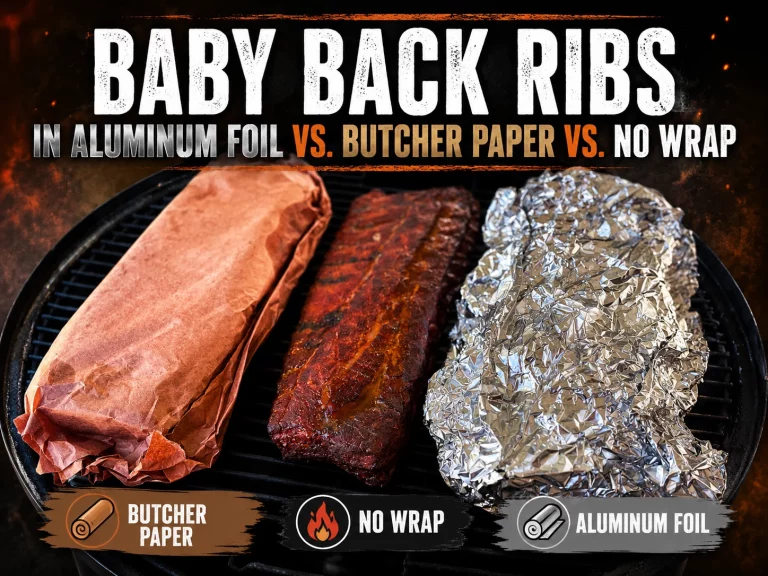
Experimenting with Ribs: Wrapping Baby Back Ribs in Aluminum Foil vs. Butcher Paper vs. No Wrap
Introduction to Smoking Ribs
I personally believe one of the big reasons people get smokers is to cook ribs. I...
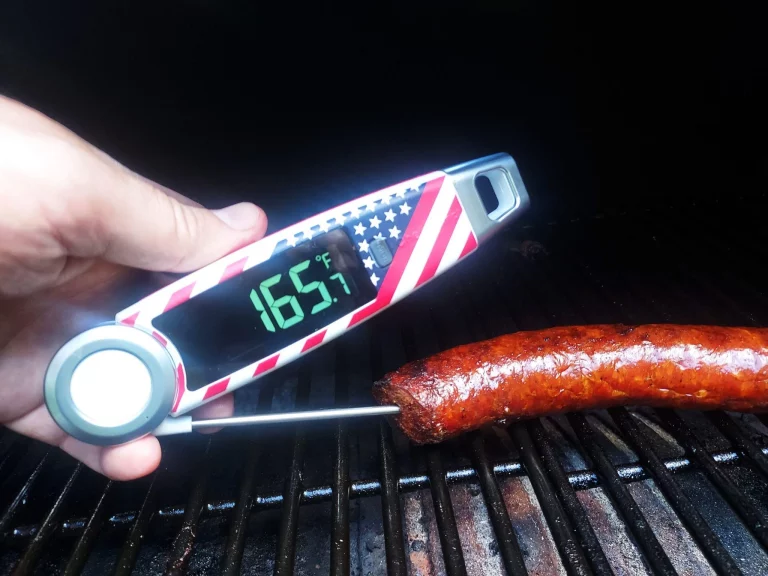
Stop Splitting Your Sausage: Expert Tips for grilling natural Casings
Natural casing ring sausage is a cookout staple enjoyed around the world that is equally deserving of a place ...

Mastering Pulled Pork: The Ultimate Temperature Control Guide with ChefsTemp
Achieving competition-grade, juicy, and tender pulled pork is the ultimate rite of passage for backyard pitmas...
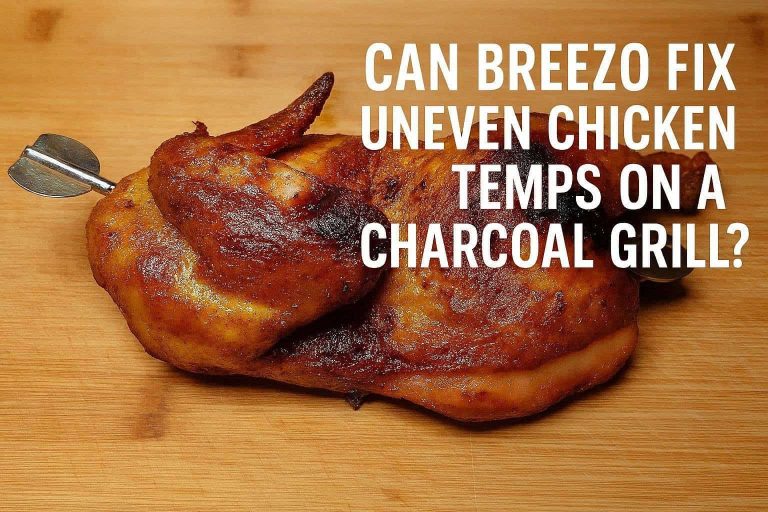
Two Birds, One Fan: Can Breezo Fix Uneven Chicken Temps on a Charcoal Grill?
Chicken grilled over charcoal is one of life’s purest pleasures. So much so that people debate which is better...
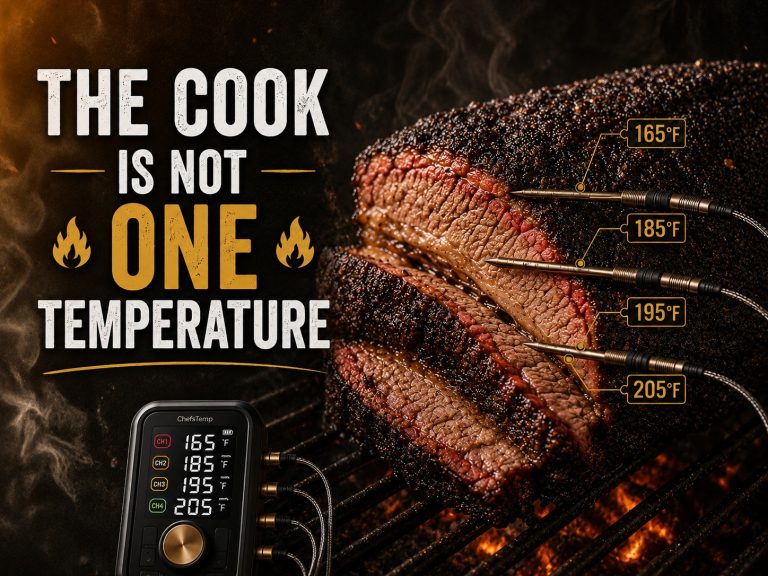
The Cook Is Not One Temperature
A few hours into a long cook, it can feel as though the grill has started arguing with you.The dome thermome...
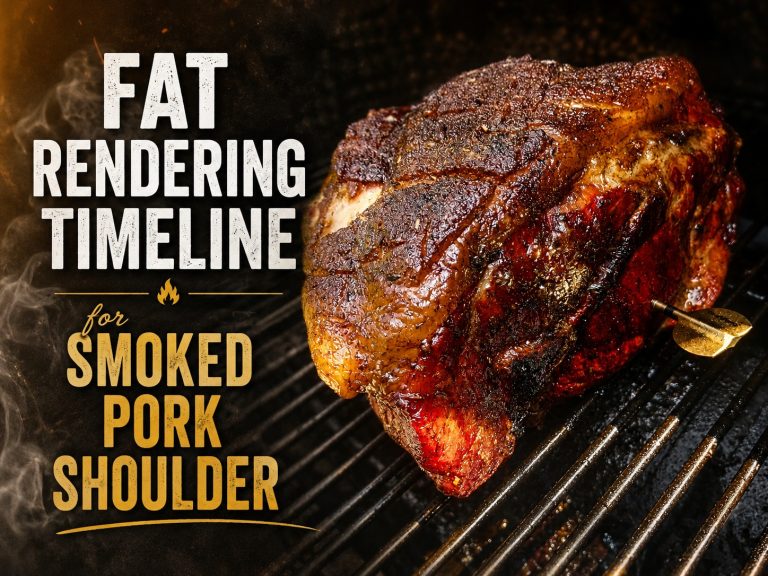
Breaking the Endothermic Standoff: The Complete Fat Rendering Timeline for Smoked Pork Shoulder
Smoked pork shoulder is an icon of American barbecue that many try, yet only a few manage to master. People lo...
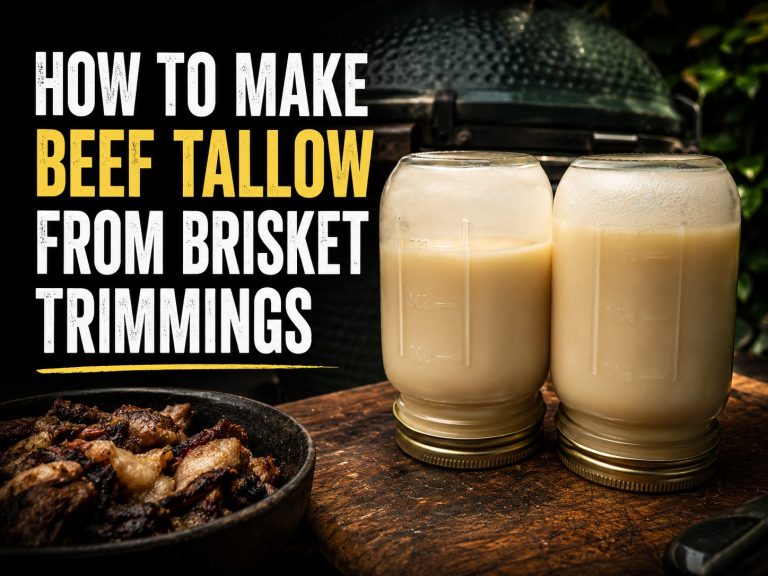
How to Make Beef Tallow from Brisket Trimmings
If you've ever trimmed a whole packer brisket, you've probably looked at the pile of fat headed for the trash ...
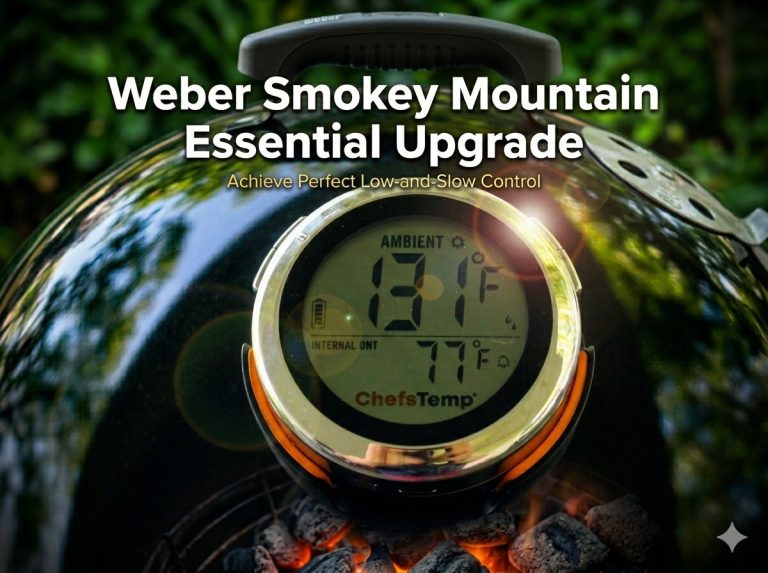
Weber Smokey Mountain Brisket Guide: How to Sleep Soundly with a Smart Temperature Controller Upgrade
Smoking a brisket can be a time-consuming task for even the most experienced pit master, but it doesn’t mean y...
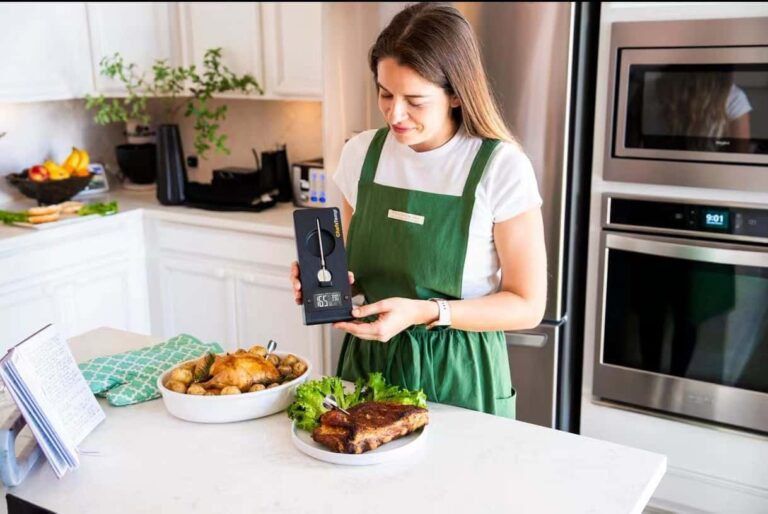
CHEF IQ Alternative: Is ChefsTemp the Best Thermometer for Smoker Cooking?
The Chef IQ thermometer has earned a solid reputation in modern kitchens. For indoor roasting, air frying, or ...

Best Meater Pro Alternatives in 2026: Finding the Best Wireless Meat Thermometer for Smoker
Meater Pro revolutionized wire-free cooking, but heavy-duty steel offsets and thick ceramic kamados create phy...
Finding the Best Smart Wireless Meat Thermometer: The Ultimate ThermoWorks RFX Alternative
It takes time, money and accuracy to prepare a top-notch brisket for a weekend BBQ party. However, that enthus...