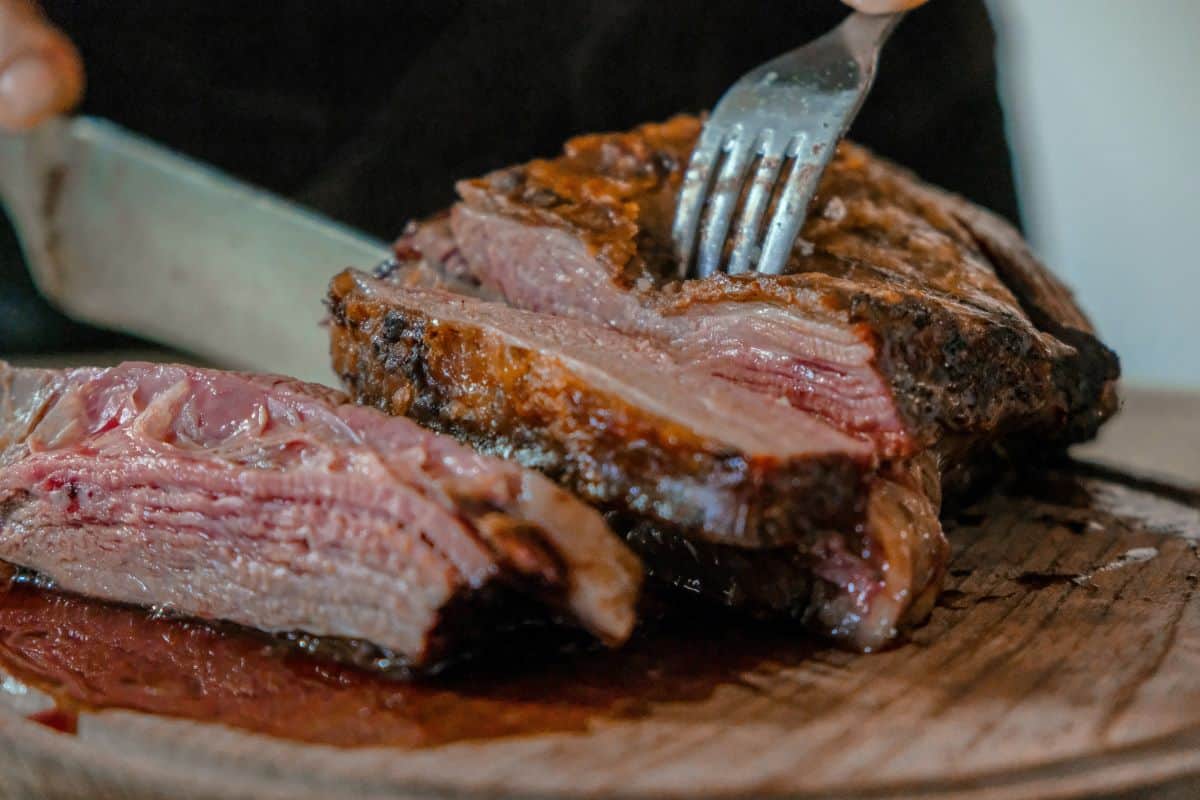
People often judge the doneness of meat by its color. Why is my meat still pink? It is a question that people often ask when cooking. Besides the doneness, foodborne illnesses also occur when someone consumes contaminated meat. Contamination happens for various reasons, but one of the most well-known reasons is not cooking food properly to kill disease-causing pathogens or microbes. This is why the USDA sets guidelines for the ideal cooking temperature for meat: to ensure it is safe to consume. These guidelines are also part of the reason why the idea of consuming pink meat creates a sense of dread in most people. But is it safe to eat pink meat? You’ll be surprised to learn that it’s not a black-and-white issue, despite the stringent USDA guidelines. Persistent pinking is common in various types of meat, exhibiting a pinkish or reddish hue even after cooking through. It is typical in many processed meats, where curing agents react with the meat to produce a pink pigment. This pink color can persist even after cooking the meat.Another factor to consider when determining whether pink meat is done is its pH level. Older or mature animals have higher pH levels, which makes the meat appear pink on the inside. As long as the meat has reached its recommended internal temperature and is handled properly, you should not worry about it being unsafe to consume. In addition, color is not the sole determinant of meat safety. Consider the meat’s odor and texture as well.
Meat Color and Doneness: Why is My Meat Still Pink?
In general, the color of the meat indicates its doneness. However, any cook or food safety expert will tell you it is not a reliable indicator. Instead, the internal temperature is a better indicator of whether the meat is safe.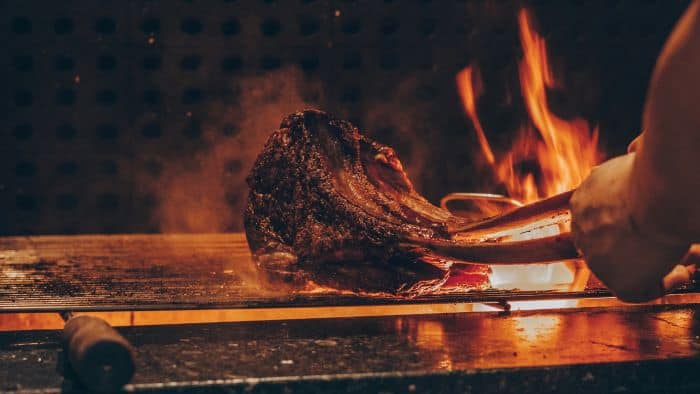 Persistent pinking is common in various types of meat, exhibiting a pinkish or reddish hue even after cooking through. It is typical in many processed meats, where curing agents react with the meat to produce a pink pigment. This pink color can persist even after cooking the meat.Another factor to consider when determining whether pink meat is done is its pH level. Older or mature animals have higher pH levels, which makes the meat appear pink on the inside. As long as the meat has reached its recommended internal temperature and is handled properly, you should not worry about it being unsafe to consume. In addition, color is not the sole determinant of meat safety. Consider the meat’s odor and texture as well.
Carryover Cooking & Meat Doneness
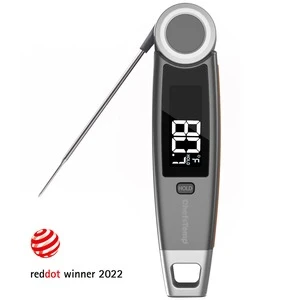
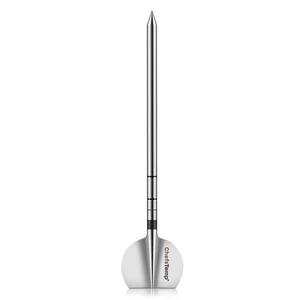
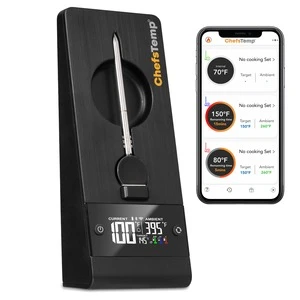
Another important concept you should master when dealing with pink meat is carryover cooking. Cooking is a science, and it involves managing temperature to ensure doneness, texture, and safety. Carryover cooking occurs when meat is removed from the oven or grill before it reaches its desired internal temperature (or before the recommended cooking time). Thermal and physical forces affect your cooking, and your mastery of them will lead to more consistent results, especially with meat.Look deeper into carryover cooking and its effects on pink meat. The first concept you should master is the second law of thermodynamics. Take this as an example: you place a glass with a cold drink on a windowsill on a hot summer’s day. Leave the cold glass for some time. When you remove the glass, it will have become warmer because it has surrendered some of its coldness and transferred it onto the specific part of the windowsill where it was left to sit. This part is now slightly colder than the rest of the windowsill.This concept also applies to meat through carryover cooking. When you put the meat inside the oven, the heat from the oven will transfer to the inside of the meat. This coincides with the concept of heat transferring to anything cold to produce an even temperature. Another essential element to carry over cooking is the heat capacity. It refers to a substance’s ability to store thermal energy, in this case, the meat. It can transfer heat from the oven to the meat, cooking it from the inside out. Therefore, you need to set your oven to a specific temperature, because the mass and volume of a given substance will affect how much energy it can store. For this reason, a larger piece of meat, such as a brisket, will require higher cooking temperatures and longer cooking times. The final element involved in carryover cooking is heat transfer. This refers to the distribution of meat within the substance. Using the meat as an example above, it absorbs the heat and stores it. The heat distribution within the meat facilitates internal cooking. Essentially, it refers to the heat flow within the meat as it moves from one point to another. The heat will penetrate the exterior of the meat and travel toward the center, producing even cooking. Understanding heat transfer in meat also requires understanding the temperature gradient. Since heat transfer occurs at multiple phases, the interior layers of the meat don’t cook evenly. Therefore, cooking meat for a shorter time than recommended would result in the center being undercooked while the outer portions are cooked. It also explains why you must insert the meat thermometer probe into the center of the meat to get the most accurate reading of its internal temperature. If you stick it onto the skin, the temperature will be higher than the center.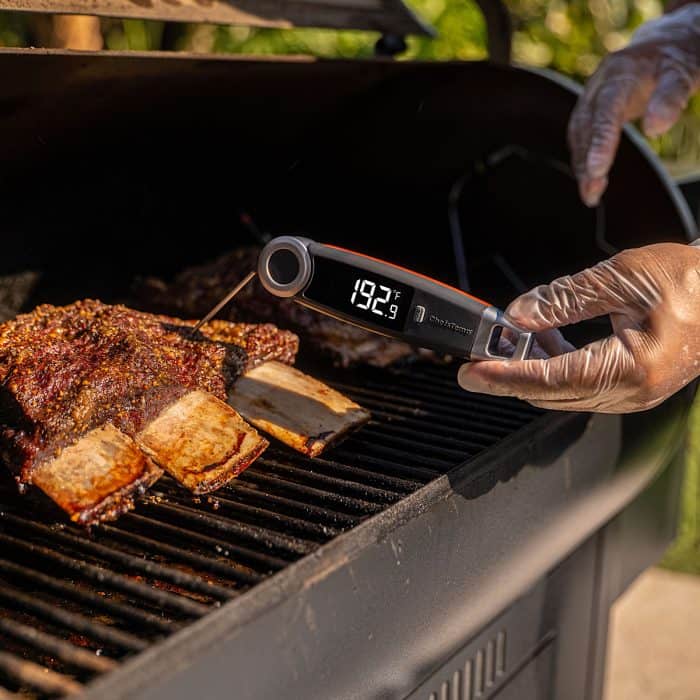
What Factors Affect Carryover Cooking?
Carryover cooking is a challenging concept to master. You must be aware of the different variables that can affect the cooking results.- Mass – It refers to the heat capacity of a piece of meat. A higher thermal mass is familiar with larger pieces of meat, since there is more space for heat to be stored and to move around even after it is removed from the oven or cooking environment.
- Shape—The shape of the meat can also impact carryover cooking. The cut of the meat will determine how much heat can escape once it is removed from the oven. A sphere is the ideal shape for carryover cooking, as it allows the least amount of heat to escape.
- Temperature—The cooking temperature also affects the possibility of carryover cooking in meat. A high oven temperature produces more heat than a low oven temperature. The former facilitates carryover cooking, as the meat retains more heat energy after you remove it from the oven.
Related Posts
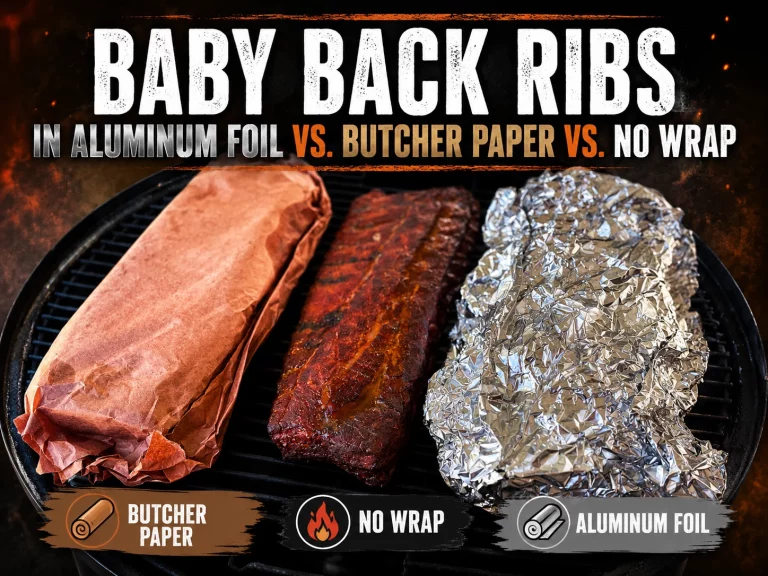
Experimenting with Ribs: Wrapping Baby Back Ribs in Aluminum Foil vs. Butcher Paper vs. No Wrap
Introduction to Smoking Ribs
I personally believe one of the big reasons people get smokers is to cook ribs. I...
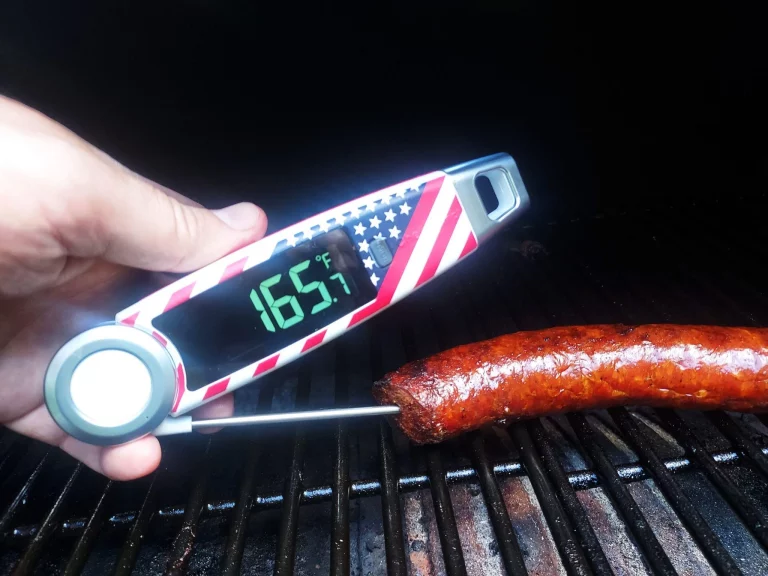
Stop Splitting Your Sausage: Expert Tips for grilling natural Casings
Natural casing ring sausage is a cookout staple enjoyed around the world that is equally deserving of a place ...
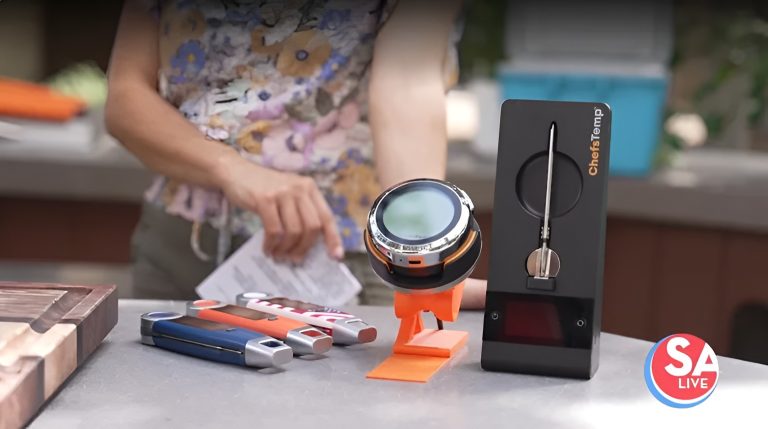
Mastering Pulled Pork: The Ultimate Temperature Control Guide with ChefsTemp
Achieving competition-grade, juicy, and tender pulled pork is the ultimate rite of passage for backyard pitmas...
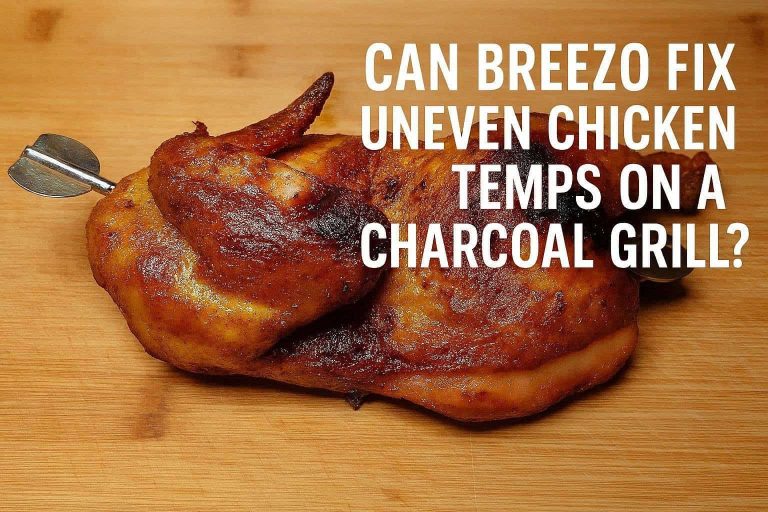
Two Birds, One Fan: Can Breezo Fix Uneven Chicken Temps on a Charcoal Grill?
Chicken grilled over charcoal is one of life’s purest pleasures. So much so that people debate which is better...
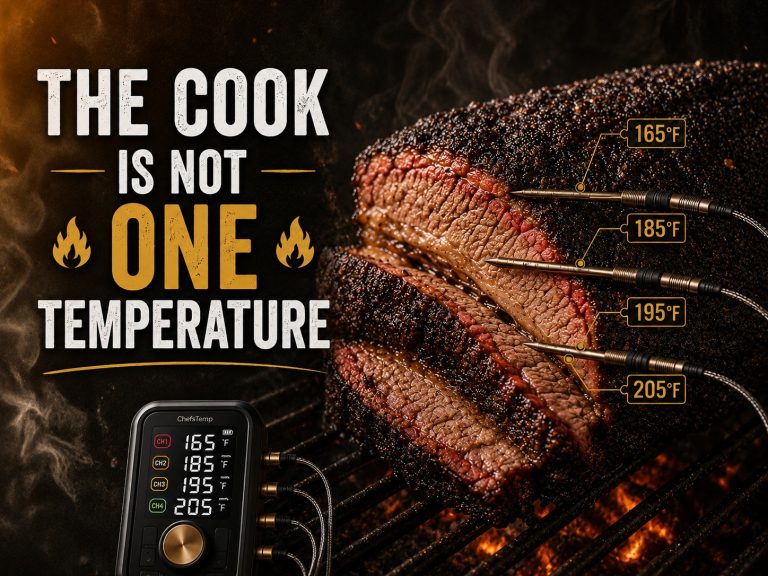
The Cook Is Not One Temperature
A few hours into a long cook, it can feel as though the grill has started arguing with you.The dome thermome...
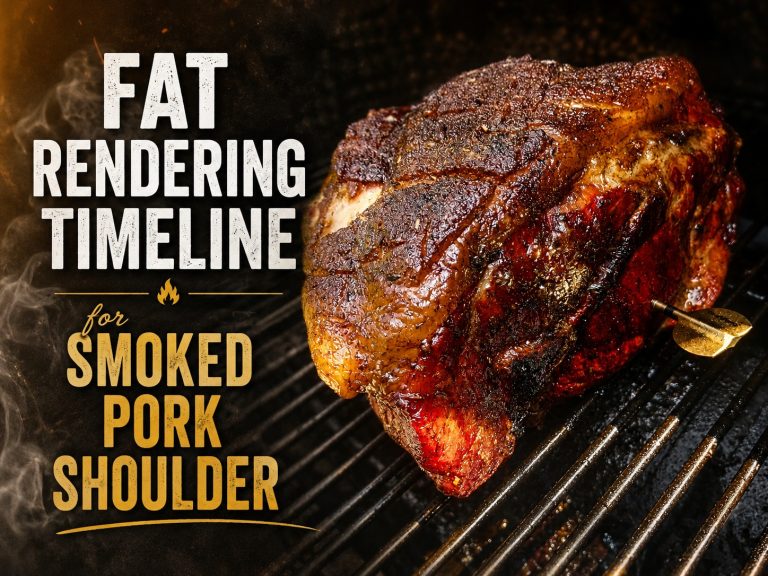
Breaking the Endothermic Standoff: The Complete Fat Rendering Timeline for Smoked Pork Shoulder
Smoked pork shoulder is an icon of American barbecue that many try, yet only a few manage to master. People lo...
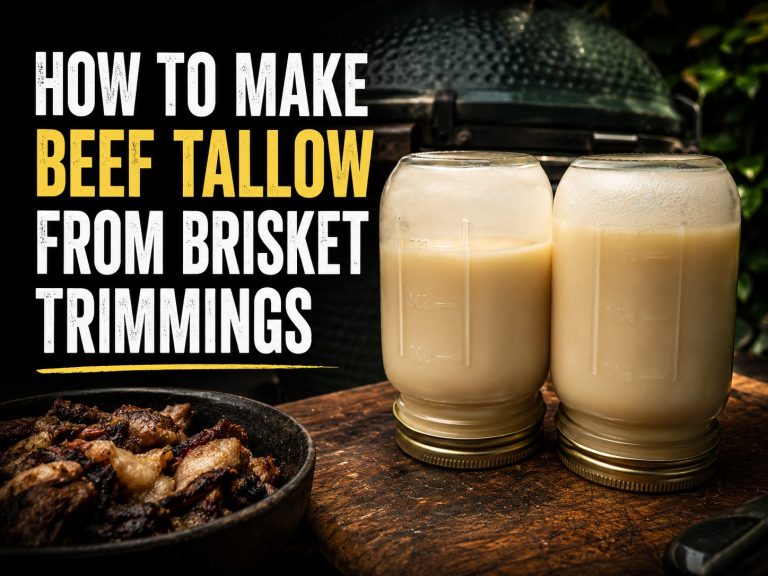
How to Make Beef Tallow from Brisket Trimmings
If you've ever trimmed a whole packer brisket, you've probably looked at the pile of fat headed for the trash ...
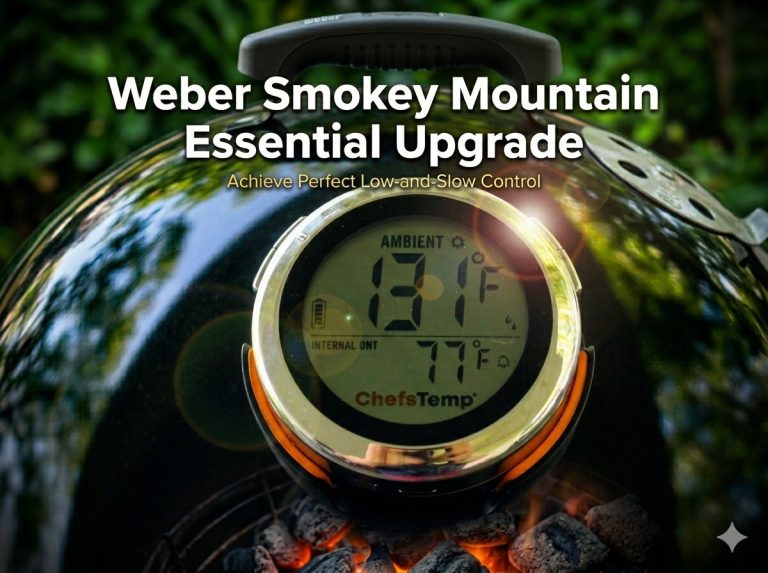
Weber Smokey Mountain Brisket Guide: How to Sleep Soundly with a Smart Temperature Controller Upgrade
Smoking a brisket can be a time-consuming task for even the most experienced pit master, but it doesn’t mean y...
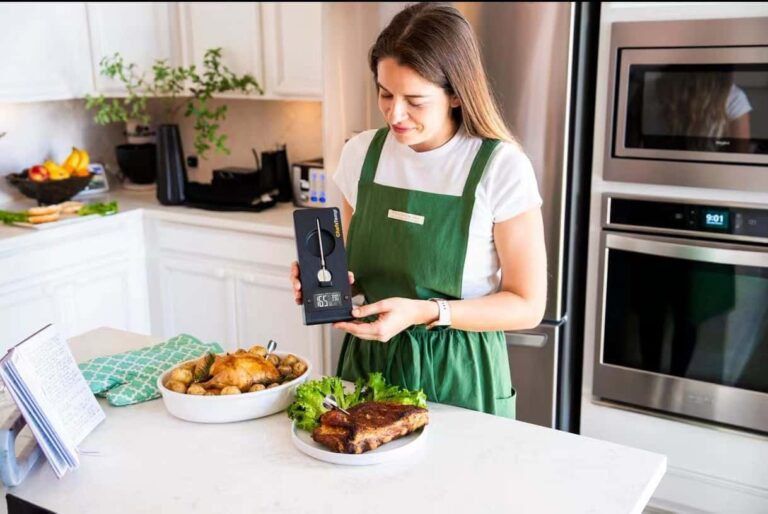
CHEF IQ Alternative: Is ChefsTemp the Best Thermometer for Smoker Cooking?
The Chef IQ thermometer has earned a solid reputation in modern kitchens. For indoor roasting, air frying, or ...
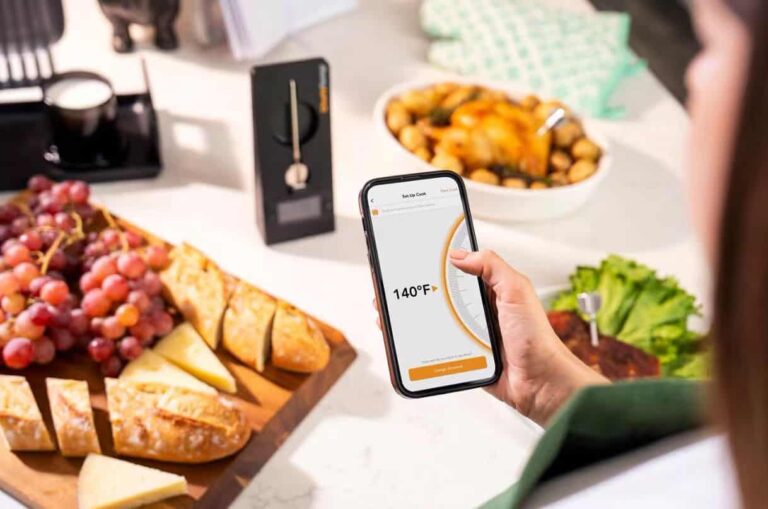
Best Meater Pro Alternatives in 2026: Finding the Best Wireless Meat Thermometer for Smoker
Meater Pro revolutionized wire-free cooking, but heavy-duty steel offsets and thick ceramic kamados create phy...
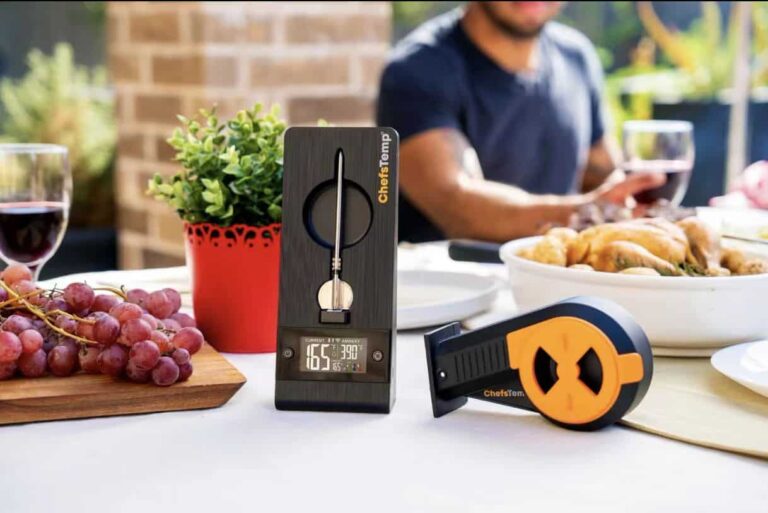
Finding the Best Smart Wireless Meat Thermometer: The Ultimate ThermoWorks RFX Alternative
It takes time, money and accuracy to prepare a top-notch brisket for a weekend BBQ party. However, that enthus...