Whether you’re roasting, grilling, braising, or broiling – in the kitchen or in your backyard – the key to learning to cook meat is to know your temperatures. Understanding how long too cook your meat, and at what temperature, is the essence of becoming a self-taught chef. Overcooked meat is no fun to eat, while undercooked meat can pose serious health risks for you and your guests.
The world’s top chefs know that getting your temperatures right is all-important when it comes to cooking meat. Precision in temperature will help you cook delicious meat and build your confidence as a chef over time.
As you increase your meat-cooking mastery, you can play around with subtle variations in temperature, and use the temperature checklist below, first as a hard set of rules and then as guidelines.
As you get more comfortable with how fast your meat will cook, consult this simple meat cooking temperature chart, which will help you familiarize yourself with the process – and the tasty results.
Ideal Temperatures for Meat
Whether you’re making a roast or grilling burgers and steaks, these represent your Ideal temperatures for cooking, grilling, braising, or broiling. Don’t forget to gauge temps with a meat thermometer.ChefsTemp Quick Tip:
Well done: 160 degrees Fahrenheit
Medium well: 150 degrees Fahrenheit
Medium: 145 degrees Fahrenheit
Medium rare: 135 degrees Fahrenheit
Rare: 125 degrees Fahrenheit
Note: If you want to serve your meat rare or medium rare, use requisite practice and caution. If you’re just starting out, we recommend serving it medium or medium well.
How Pink is Your Meat?
If your meat is medium or well done, it should not appear pink in the center. If your meat is still rare, it should still be somewhat pink in the center. However, it is not recommended that you check your meat by sight, especially if you are just starting out. Checking the doneness of a piece of meat by sight is unreliable at best and can result in failed experiments or worse.Meat: How to Check its Temp?
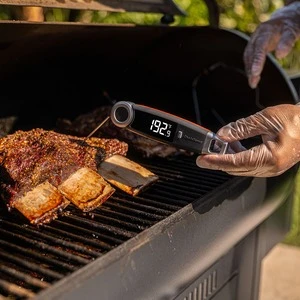
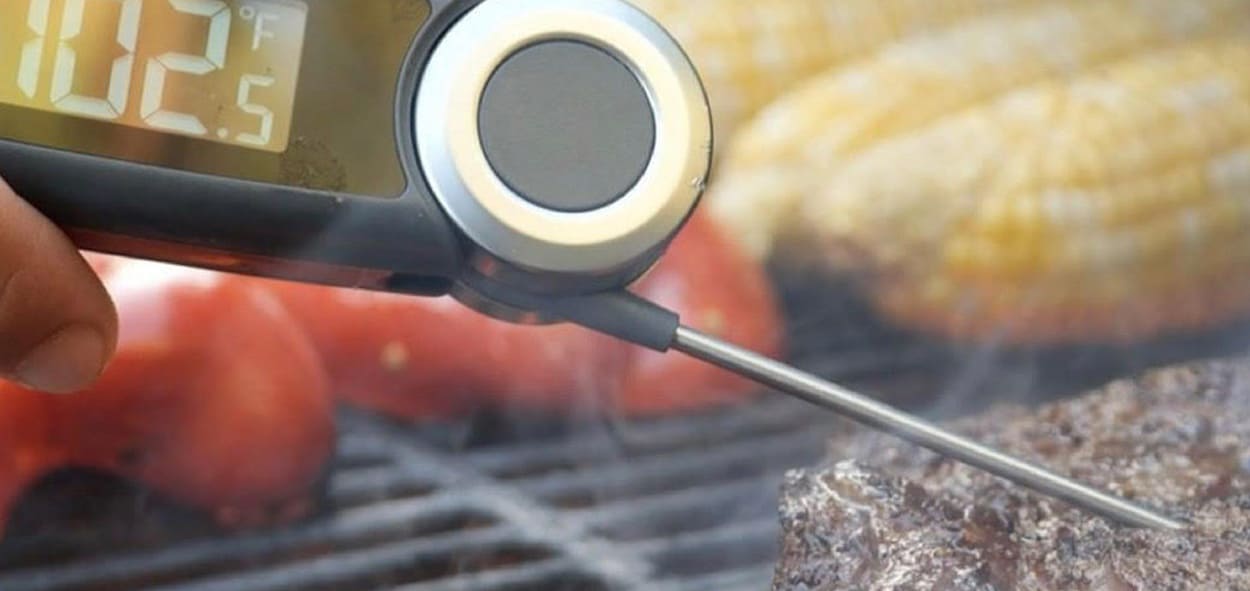
There’s only one way to be entirely sure your meat is as hot as you want it to be, and that’s by using an accurate thermometer. Even the best cooks in the world use highly accurate digital meat thermometers to eliminate variables from their cooking process and make sure their meat is right where they want it before they serve it to their guests. Here’s how to check the temperature of your meat using a meat thermometer, and what to do with it when it’s close to being done- Insert your thermometer through the side of the meat, into the center, not touching fat or bone.
- Check your reading.
- Then, remove the meat from the heat when it’s within 5-10 degrees Fahrenheit from your desired temperature – after you take it off the heat, the meat will continue to cook for a few minutes on its own.
- With a good grill and the right digital thermometer, you can start on your meat-cooking adventures right away.
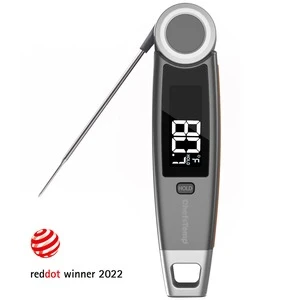
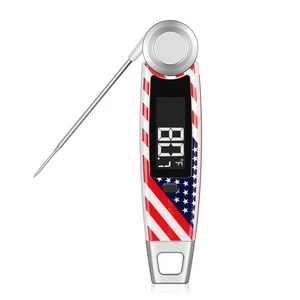
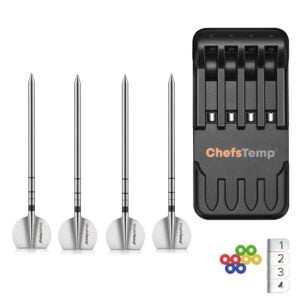
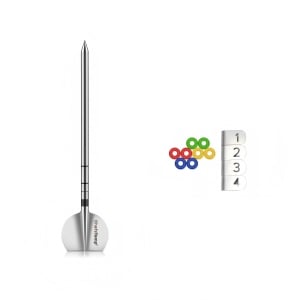
Finaltouch X10
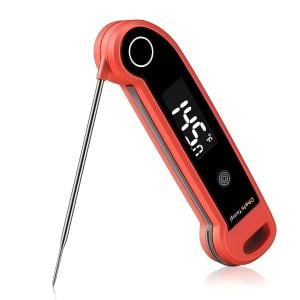
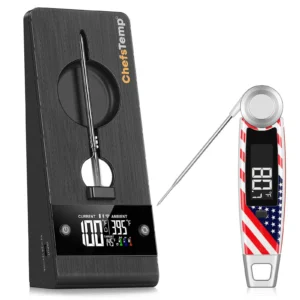
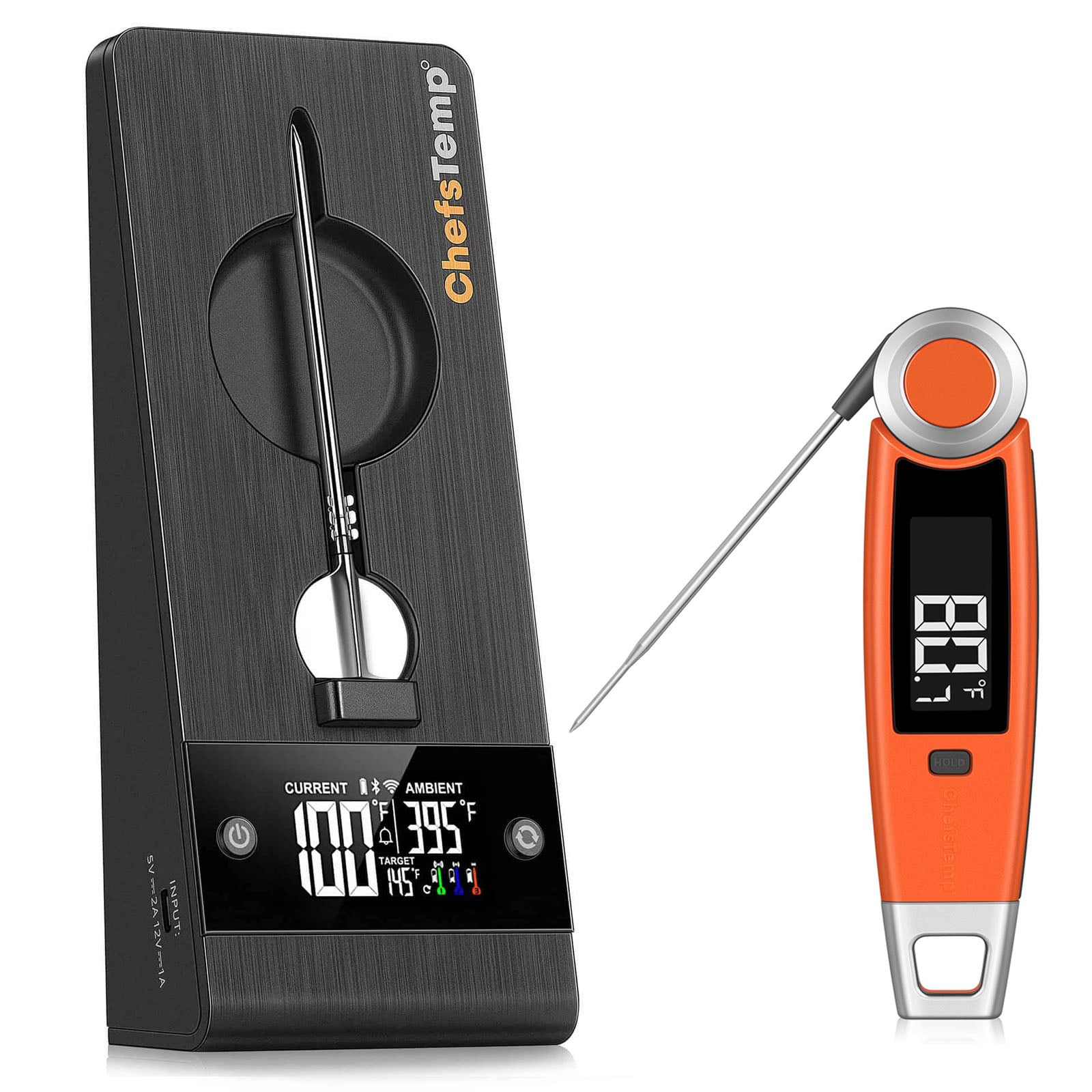
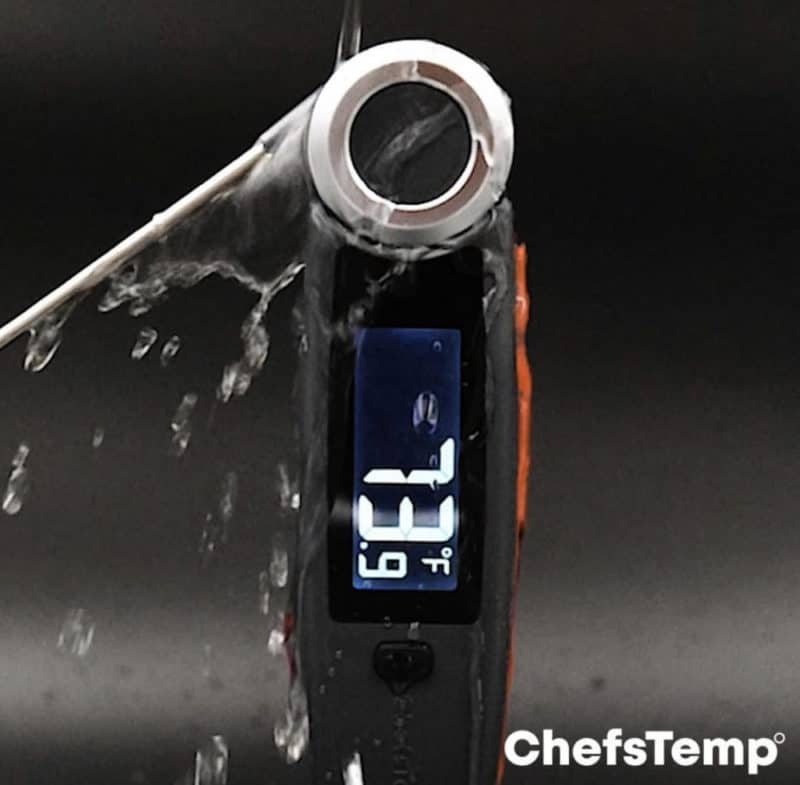
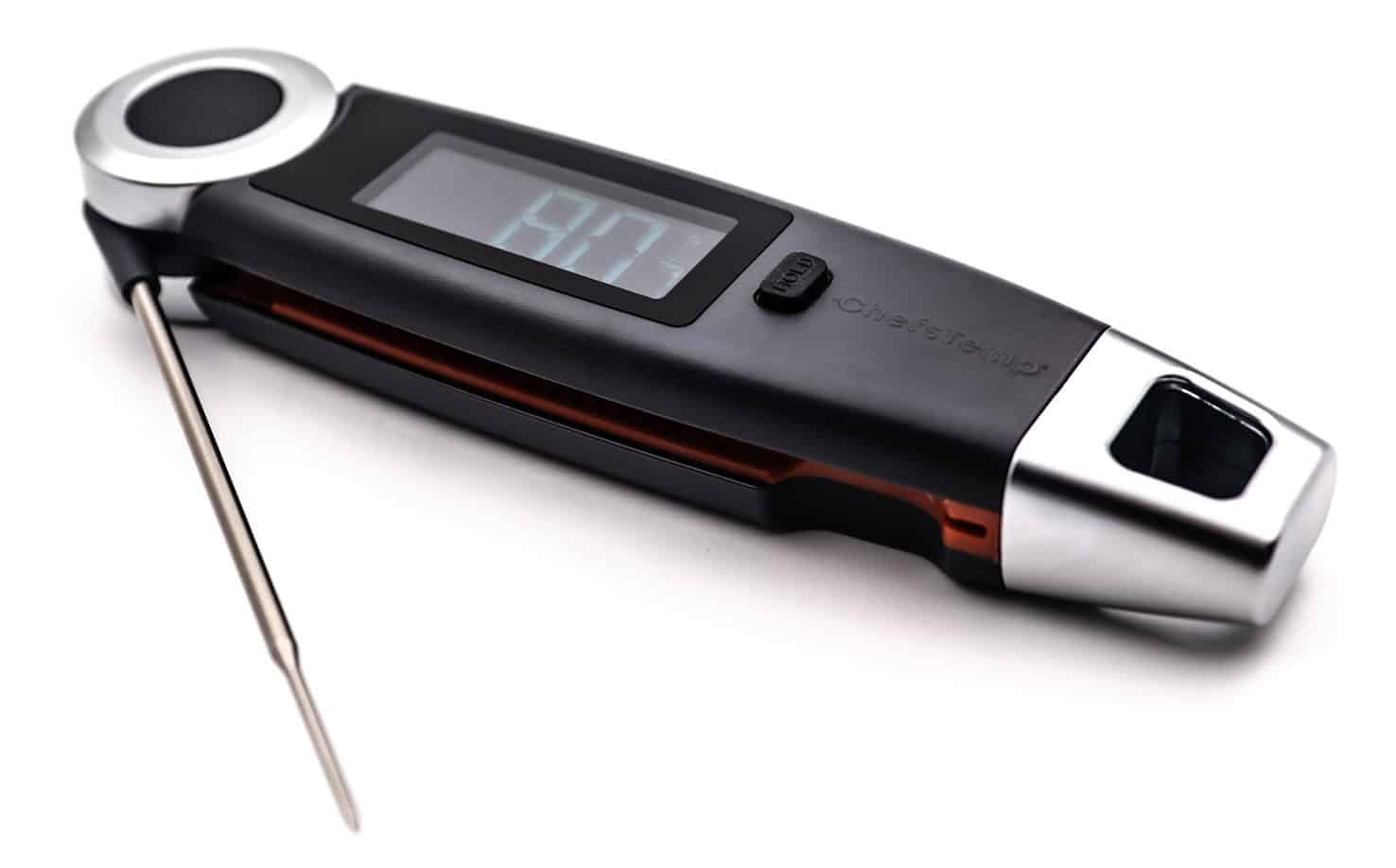
The Finaltouch X10 thermometer from ChefsTemp gives an accurate reading not only for the inside of food but for surface temperatures as well. The diversity of the thermometer’s usage is second to none compared to other thermometers. By getting a reading within 1 second, the Finaltouch X10 from ChefsTemp is prepared to take on any task it is given.Click Here To Get Your ChefsTemp Finaltouch X10 Now!
Related Posts
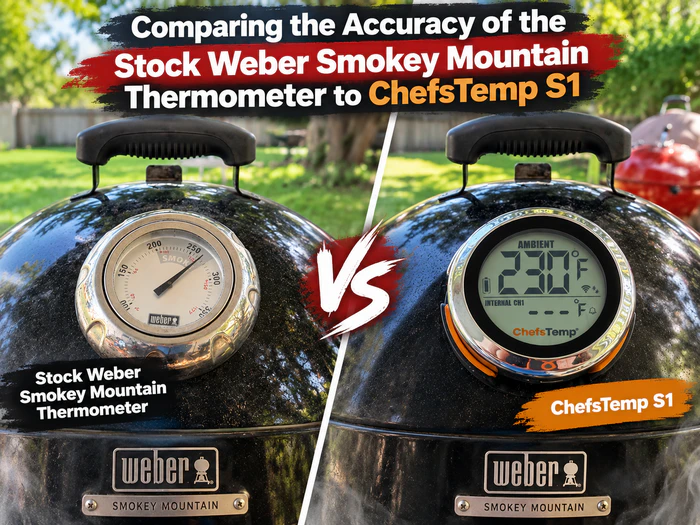
Comparing the Accuracy of the Stock Weber Smokey Mountain Thermometer to ChefsTemp S1
The Issue
The Weber Smokey Mountain is a popular and versatile cooker, but it has one major flaw - the stock ...
From Free Facebook BBQ Tips to a Growing Business: Stephan R. Parrot’s Custom Smoker Story
A suggestion from his wife helped Stephan R. Parrot turn years of free barbecue advice into training, catering...
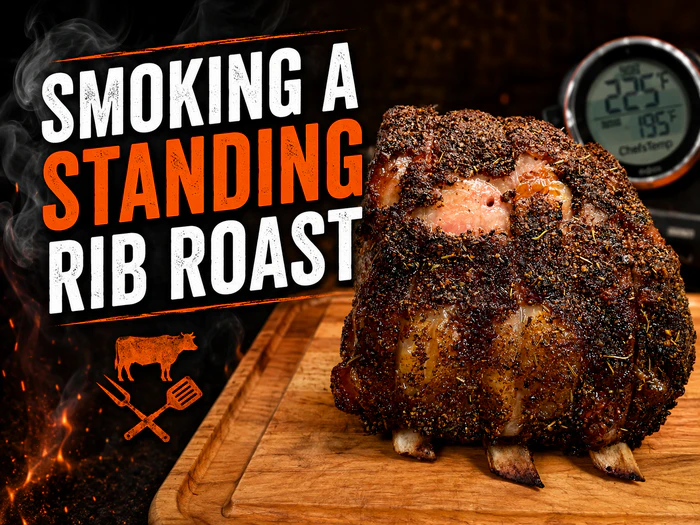
Smoking a Standing Rib Roast – When Special Occasions Call for Special Cuts of Meat
Preparing the Roast
...
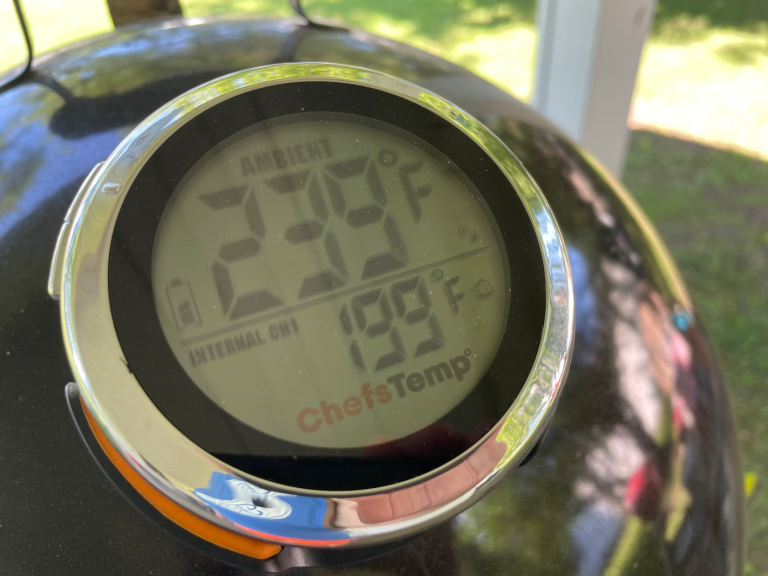
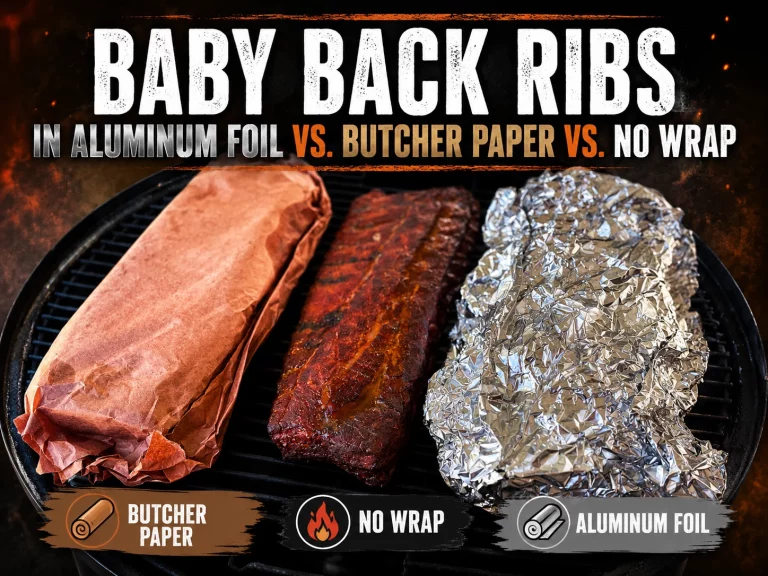
Experimenting with Ribs: Wrapping Baby Back Ribs in Aluminum Foil vs. Butcher Paper vs. No Wrap
Introduction to Smoking Ribs
I personally believe one of the big reasons people get smokers is to cook ribs. I...
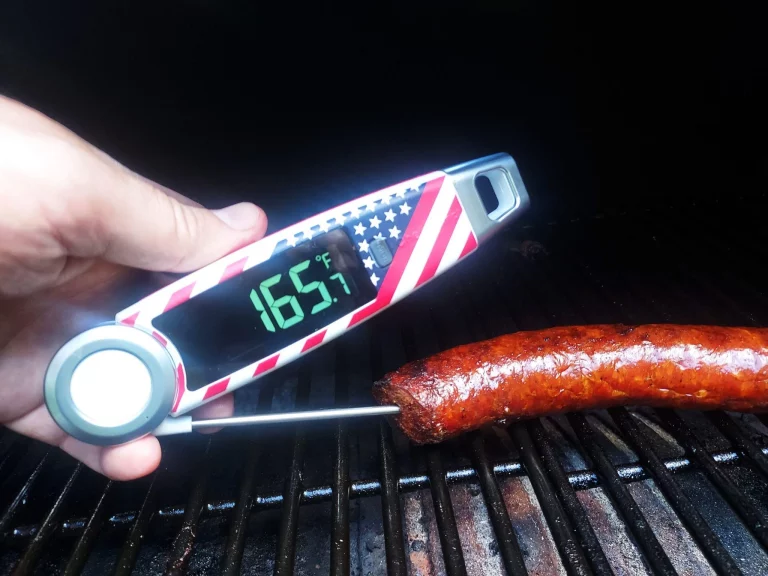
Stop Splitting Your Sausage: Expert Tips for grilling natural Casings
Natural casing ring sausage is a cookout staple enjoyed around the world that is equally deserving of a place ...
Mastering Pulled Pork: The Ultimate Temperature Control Guide with ChefsTemp
Achieving competition-grade, juicy, and tender pulled pork is the ultimate rite of passage for backyard pitmas...
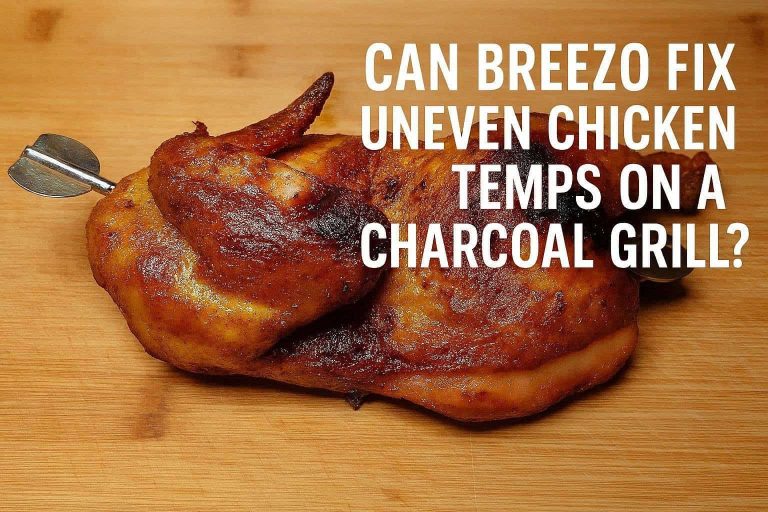
Two Birds, One Fan: Can Breezo Fix Uneven Chicken Temps on a Charcoal Grill?
Chicken grilled over charcoal is one of life’s purest pleasures. So much so that people debate which is better...
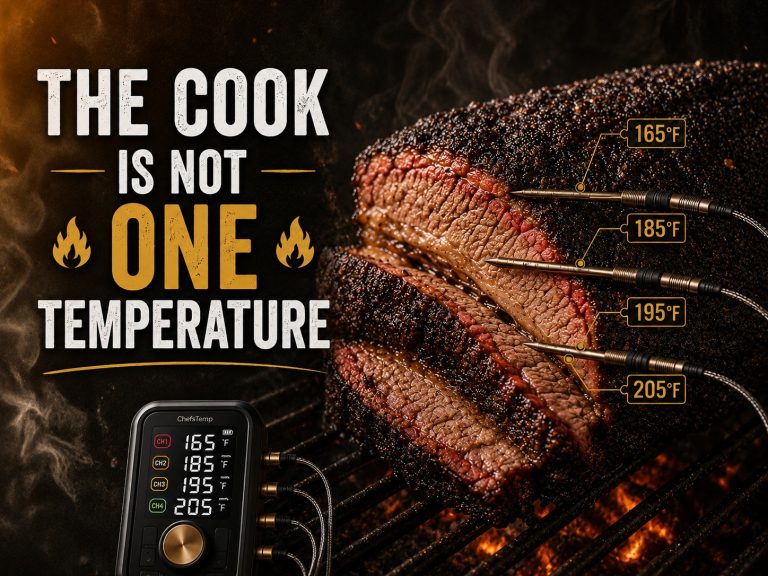
The Cook Is Not One Temperature
A few hours into a long cook, it can feel as though the grill has started arguing with you.
The dome thermome...
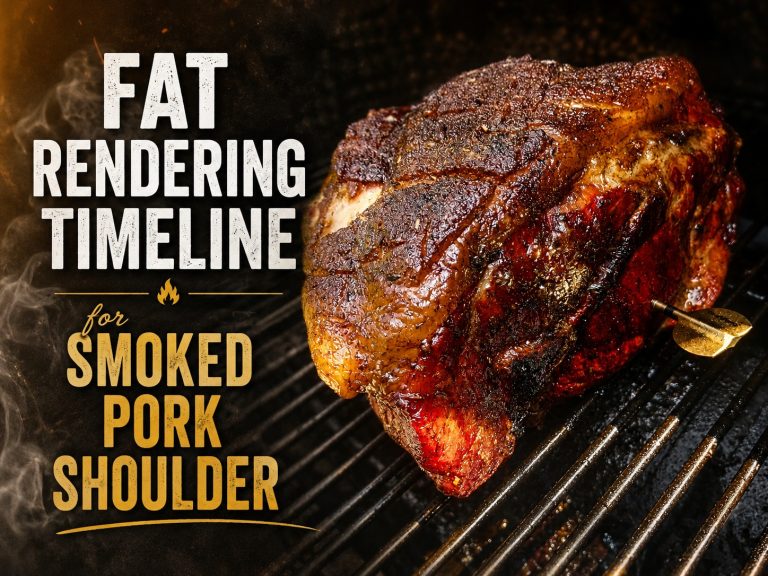
Breaking the Endothermic Standoff: The Complete Fat Rendering Timeline for Smoked Pork Shoulder
Smoked pork shoulder is an icon of American barbecue that many try, yet only a few manage to master. People lo...
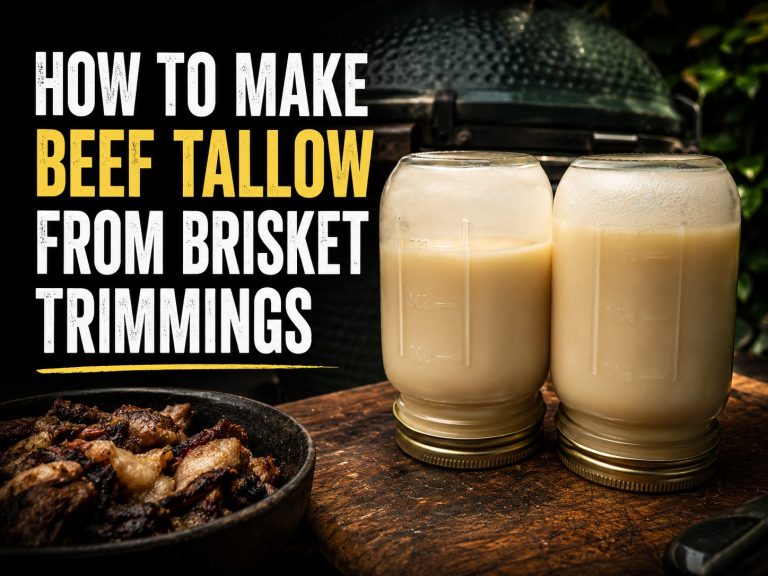
How to Make Beef Tallow from Brisket Trimmings
If you've ever trimmed a whole packer brisket, you've probably looked at the pile of fat headed for the trash ...
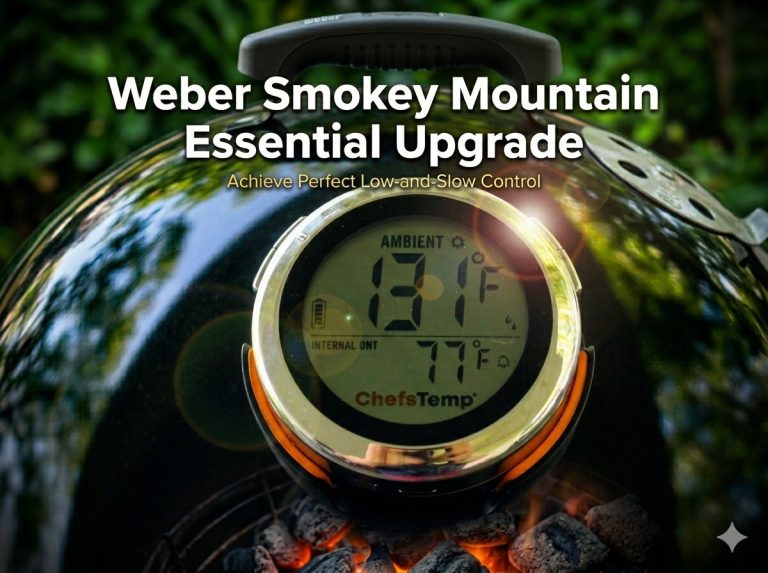
Weber Smokey Mountain Brisket Guide: How to Sleep Soundly with a Smart Temperature Controller Upgrade
Smoking a brisket can be a time-consuming task for even the most experienced pit master, but it doesn’t mean y...