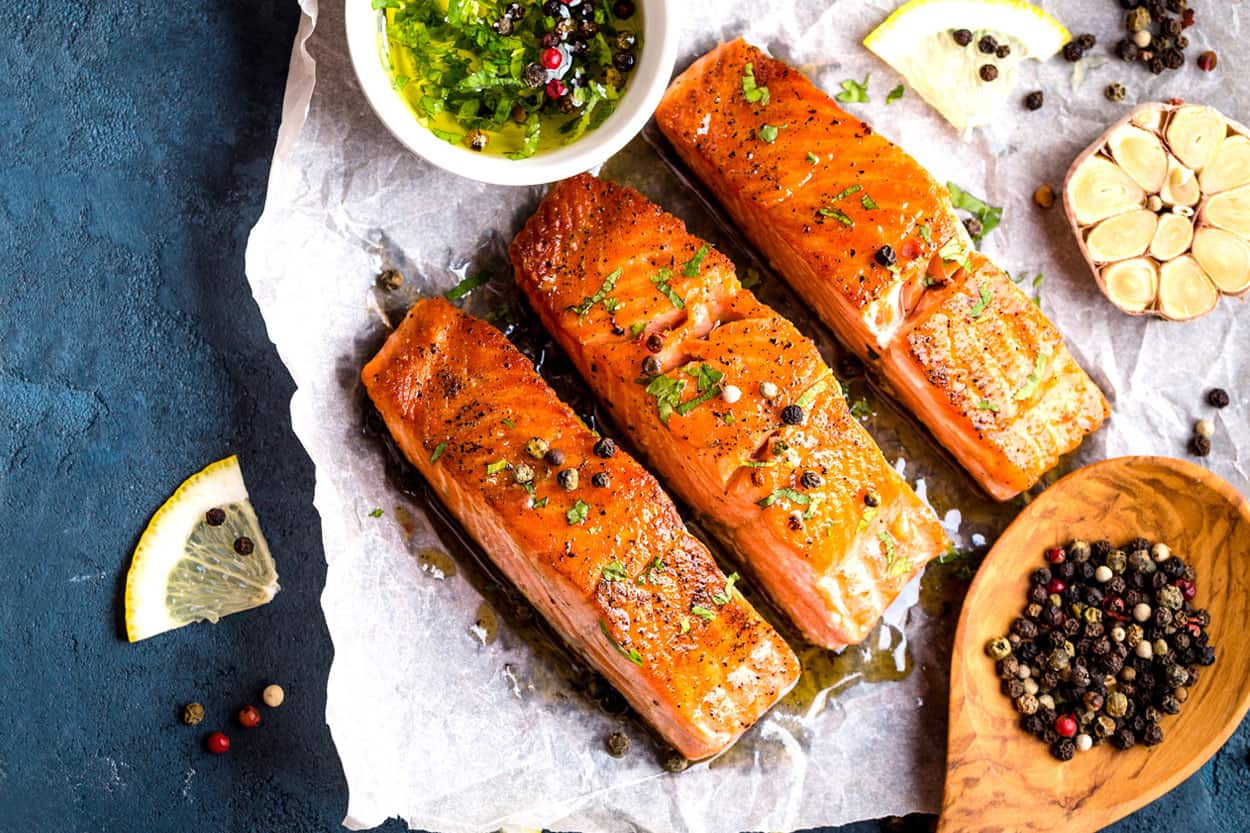
A golden, crispy crust and a tender, flaky center, this panfried salmon is the perfect recipe to impress your dinner guests with some restaurant-level quality.
Not only is it a straightforward and quick recipe, but it is also an incredibly elegant dish that is bound to reel in shining reviews from your friends and family.
The secret to getting fine-dining style salmon at home is easy: you need quality ingredients and the right tools. After all, a worker is only as good as their tools.
Lastly, it’s not just about what you season your salmon with; it’s also about when you season your salmon. Don’t salt your salmon too far ahead of your cooking time. The salt will draw out the moisture in your fillet and leave your salmon all dry. For the perfect flaky fillet, season your salmon for just a couple of minutes before popping it into the skillet.
 Finally, don’t forget the garnish! A sprinkle of dill or parsley on top of your golden-brown crusted salmon fillet will have your guests feeling like they’re eating a gourmet dish.
So there you have it. Perfectly pan-seared salmon that tastes and looks like it’s come straight from the kitchen at a fine-dining joint. Whenever you have special guests you want to impress, this is the dish you can rely on. Arm yourself with high-quality ingredients, and a handy internal temp thermometer to ensure ‘cooked to perfection’ results every time.
Finally, don’t forget the garnish! A sprinkle of dill or parsley on top of your golden-brown crusted salmon fillet will have your guests feeling like they’re eating a gourmet dish.
So there you have it. Perfectly pan-seared salmon that tastes and looks like it’s come straight from the kitchen at a fine-dining joint. Whenever you have special guests you want to impress, this is the dish you can rely on. Arm yourself with high-quality ingredients, and a handy internal temp thermometer to ensure ‘cooked to perfection’ results every time.
Step 1:Season Your Salmon
This first step is vital! Perfect seasoning is the secret to fully opening up the flavor bomb of a salmon fillet. Always use good quality salt, such as a flaked sea salt you’d find in a whole foods store. A tiny pinch of black pepper is also a good choice, though be careful not to overpower the delicate flavor of the salmon with this strong seasoning. On top of these two seasoning staples, you could also spice up your salmon with some garlic powder, cajun seasoning, or red pepper flakes for a bit of spice.
Lastly, it’s not just about what you season your salmon with; it’s also about when you season your salmon. Don’t salt your salmon too far ahead of your cooking time. The salt will draw out the moisture in your fillet and leave your salmon all dry. For the perfect flaky fillet, season your salmon for just a couple of minutes before popping it into the skillet.
Step 2: Pan Fry Your Salmon
Heat some oil (and some butter if you like) in a pan on medium-high heat and wait for the oil to shimmer. You can test if the oil is hot enough by throwing in a garlic clove or some herbs – if they sizzle, it’s go time! Set in your salmon fillet, skin side up, and leave it to get a gorgeous, golden-brown crispy crust for 4 minutes. Whatever you do, don’t touch it! Letting your fish sear crust is precisely what makes it look like it’s been cooked by a Michelin star chef. Carefully flip your fillet, reducing the heat as you go and leaving the salmon to cook through for another 4-5 minutes.
Step 3: Get Out Your Thermometer
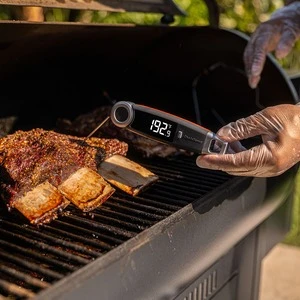
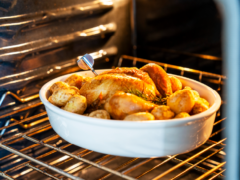
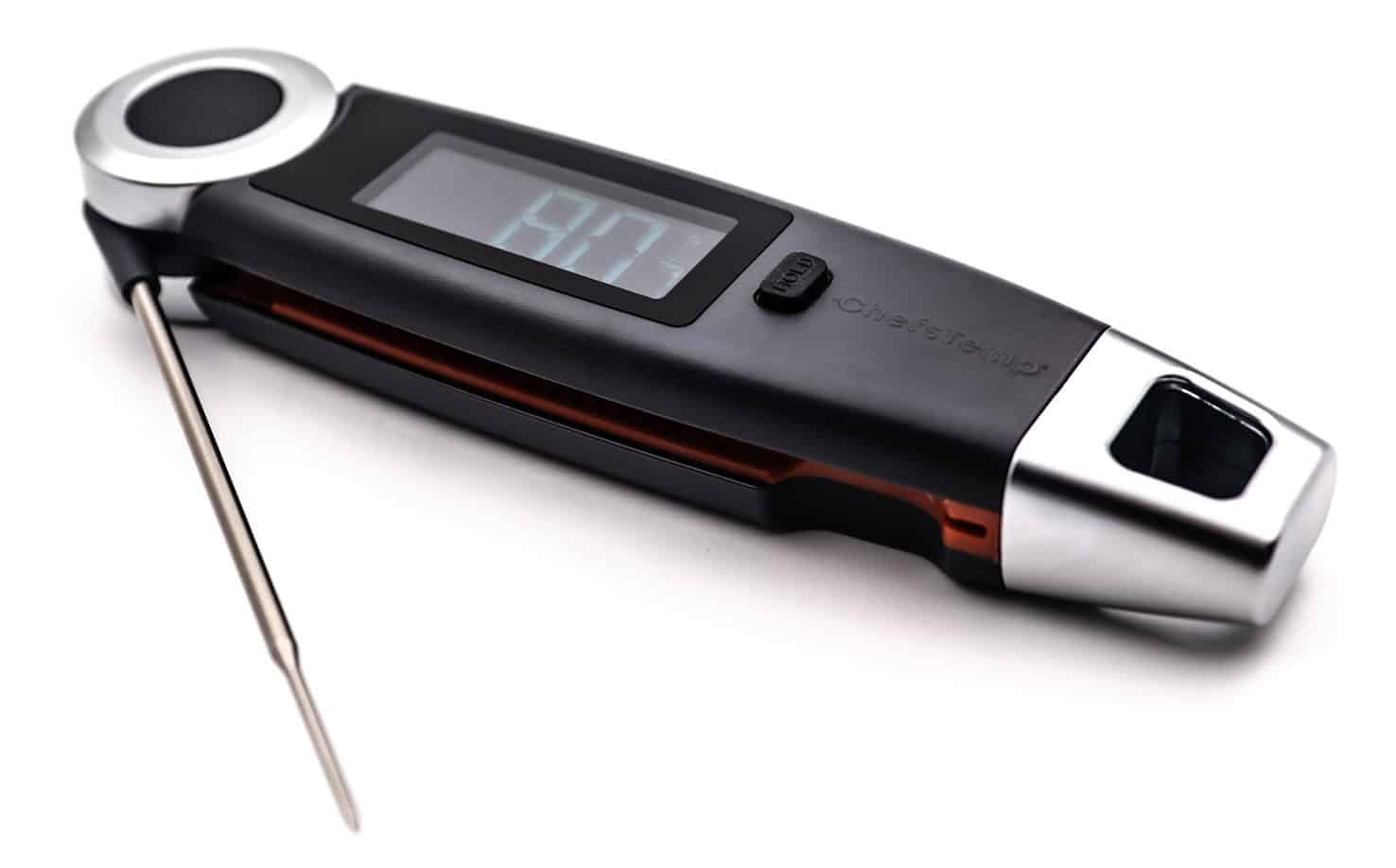
One crucial step in getting the perfect restaurant-style salmon is knowing when to turn off the heat. That’s where your trusty tools come in handy. More specifically, your internal meat thermometer. If you don’t already own one, check out our state-of-the-art thermometers, perfect for cooking all kinds of meat and fish. The most significant error people make when cooking salmon is overcooking it, leaving the fillet dry and pretty unpleasant. But now you know you can avoid this mistake and get perfectly tender, cooked-to-perfection salmon. Using your thermometer, you want to measure the temperature of the thickest section of the salmon fillet. While the ideal internal temp of salmon is 145°F, salmon fillets continue to cook once they have been removed from the heat source. For this reason, you want to stop cooking your fillet once it has reached an internal temperature of 140°F. Simply take it off the heat and let it rest just like you would with a quality steak.Step 4: Serve Up Your Salmon
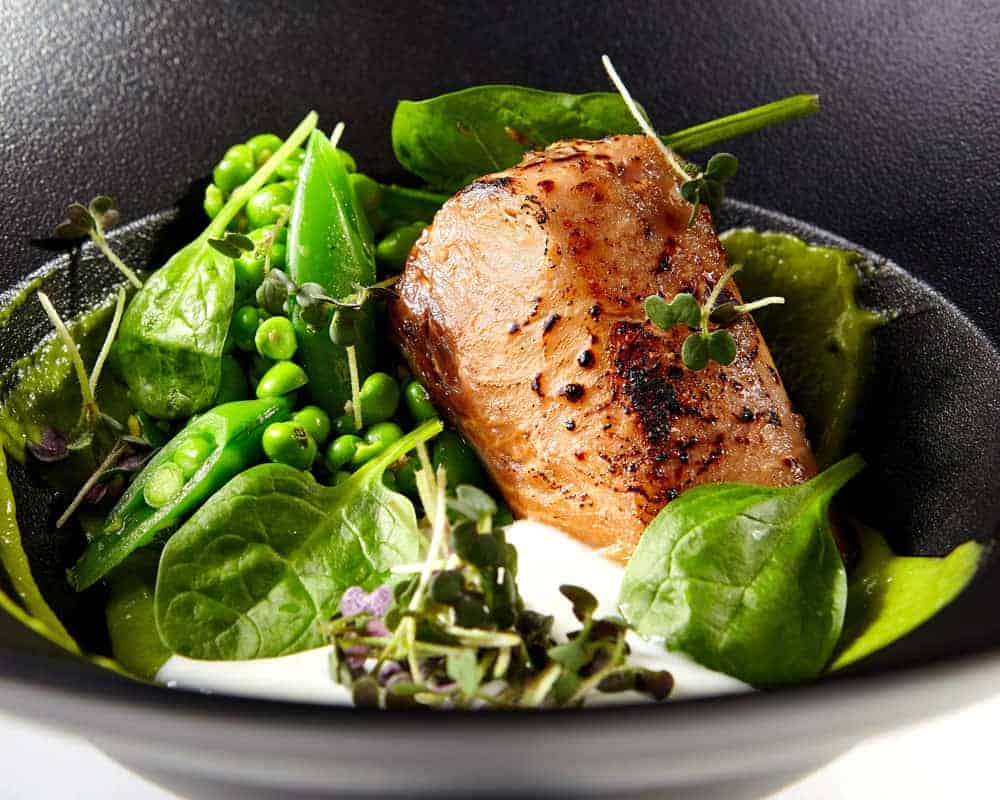
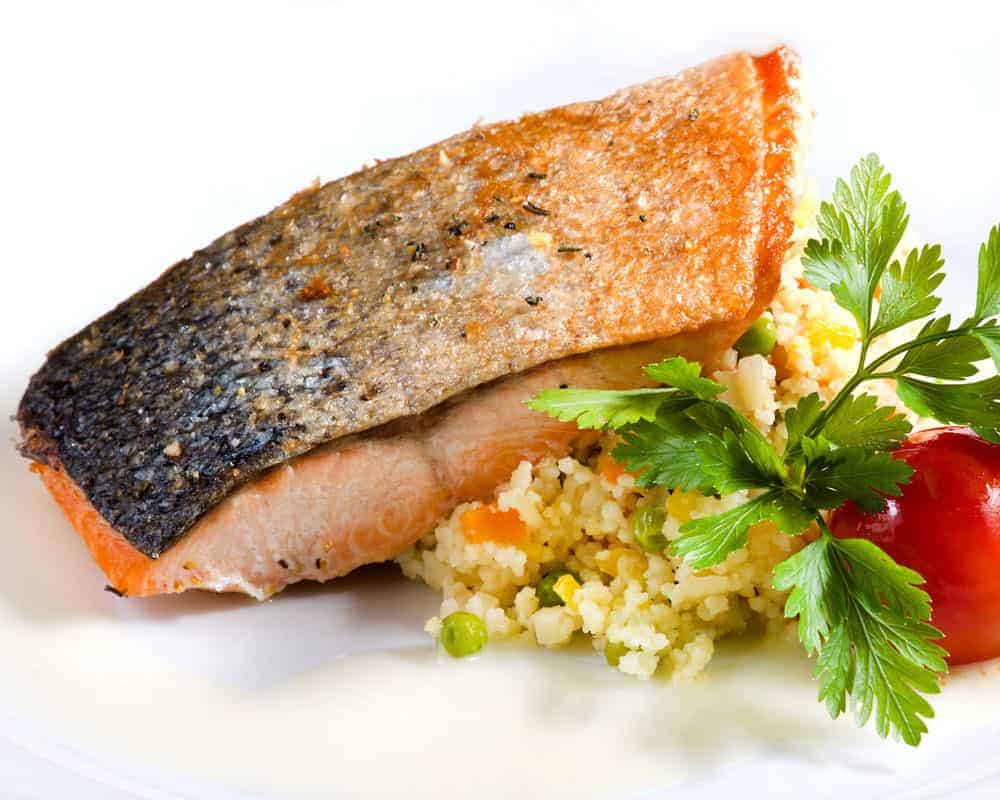
Presenting your salmon is not exactly an essential step in this recipe, but it definitely adds to the elegance of the dish. And since we are going for restaurant-level salmon, we may as well plate it up like we’re at a fancy establishment. Mix up the colors and textures of your salmon dish with some crunchy, flavorful greens. Try stacking your perfectly seared salmon on top of some buttery, citrus-zested green beans or some garlic roasted broccoli. Or, maybe match your side dish to the seasoning on your salmon. If you’ve seasoned your salmon with Chinese five-spice, serve it on a delicately placed bed of soy sauce sauteed bok choy. Whatever flavor palette you’ve created, there are hundreds of delicious side dishes to complement it.
Finally, don’t forget the garnish! A sprinkle of dill or parsley on top of your golden-brown crusted salmon fillet will have your guests feeling like they’re eating a gourmet dish.
So there you have it. Perfectly pan-seared salmon that tastes and looks like it’s come straight from the kitchen at a fine-dining joint. Whenever you have special guests you want to impress, this is the dish you can rely on. Arm yourself with high-quality ingredients, and a handy internal temp thermometer to ensure ‘cooked to perfection’ results every time.
Finaltouch X10
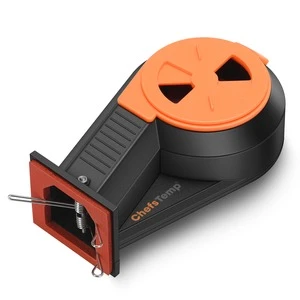
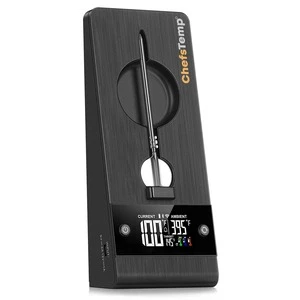
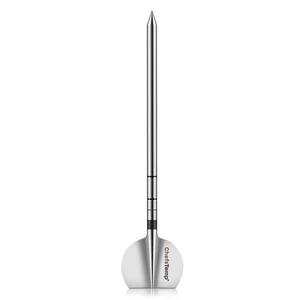
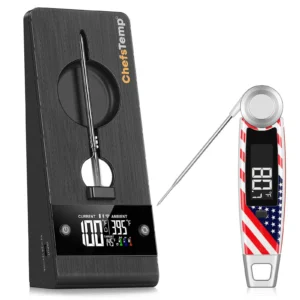
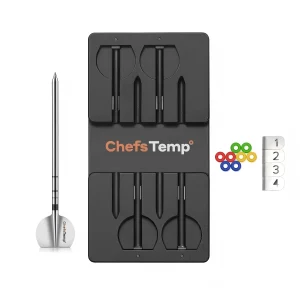
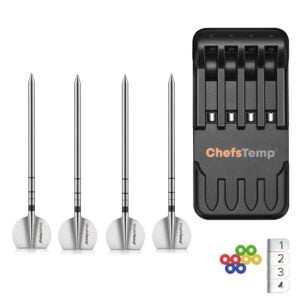
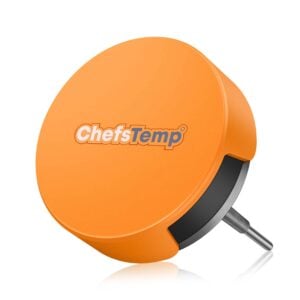
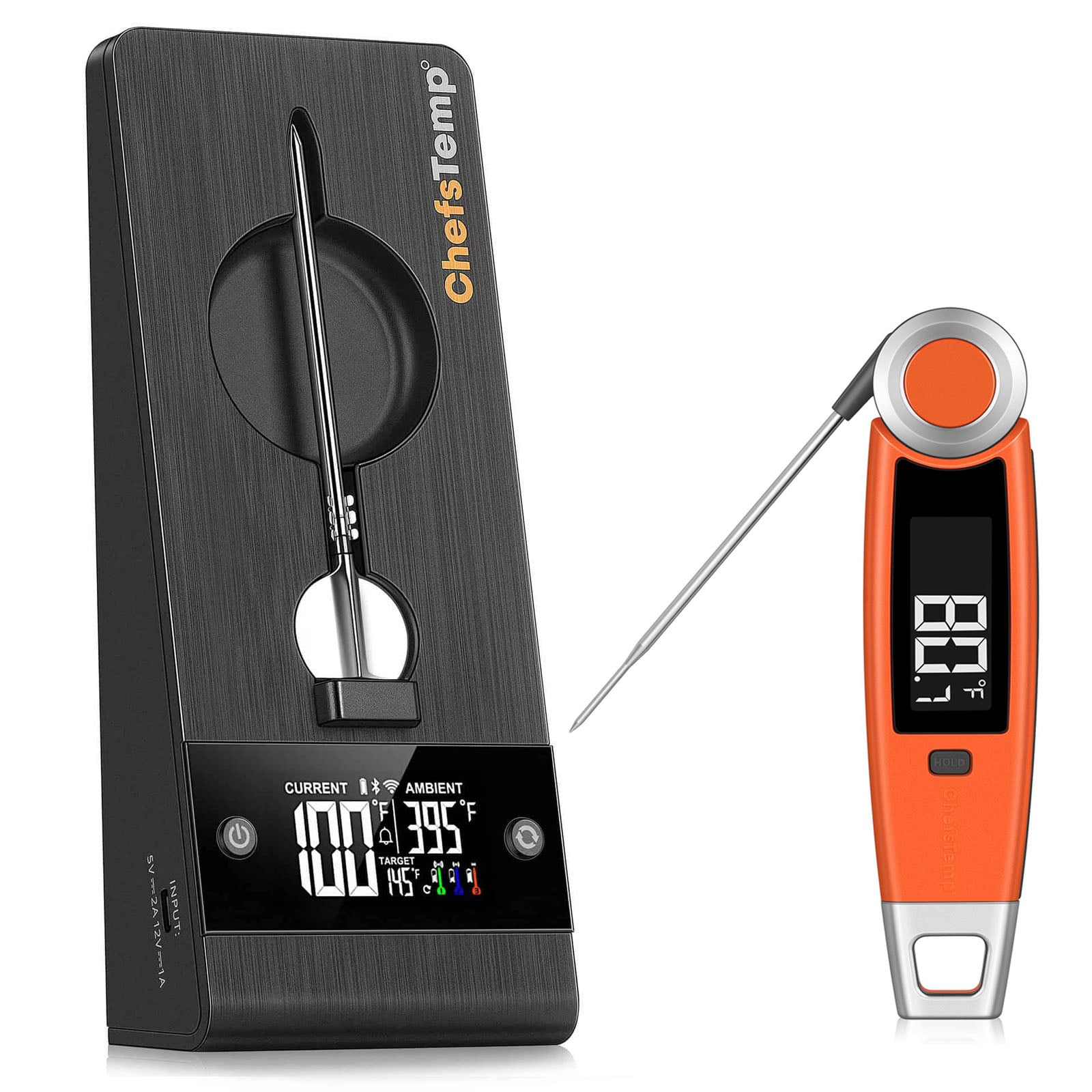
The Finaltouch X10 thermometer from ChefsTemp gives an accurate reading not only for the inside of food but for surface temperatures as well. The diversity of the thermometer’s usage is second to none compared to other thermometers. By getting a reading within 1 second, the Finaltouch X10 from ChefsTemp is prepared to take on any task it is given.Click Here To Get Your ChefsTemp Finaltouch X10 Now!
Related Posts
Why Is My Charcoal Grill Not Getting Hot Enough?
Open the intake vent all the way. Clear the ash out from under the charcoal grate. Count how much lit charcoal...

Comparing the Accuracy of the Stock Weber Smokey Mountain Thermometer to ChefsTemp S1
The Issue
The Weber Smokey Mountain is a popular and versatile cooker, but it has one major flaw - the stock ...

From Free Facebook BBQ Tips to a Growing Business: Stephan R. Parrot’s Custom Smoker Story
A suggestion from his wife helped Stephan R. Parrot turn years of free barbecue advice into training, catering...
Smoking a Standing Rib Roast – When Special Occasions Call for Special Cuts of Meat
Preparing the Roast
...
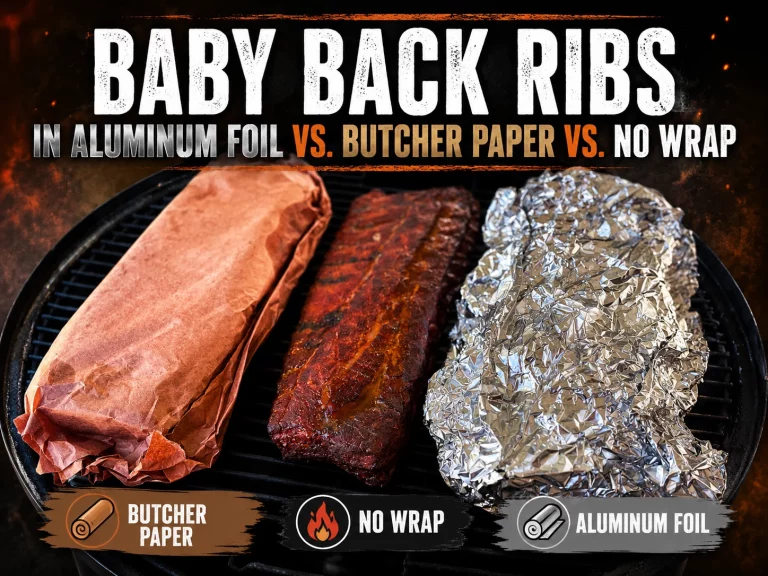
Experimenting with Ribs: Wrapping Baby Back Ribs in Aluminum Foil vs. Butcher Paper vs. No Wrap
Introduction to Smoking Ribs
I personally believe one of the big reasons people get smokers is to cook ribs. I...
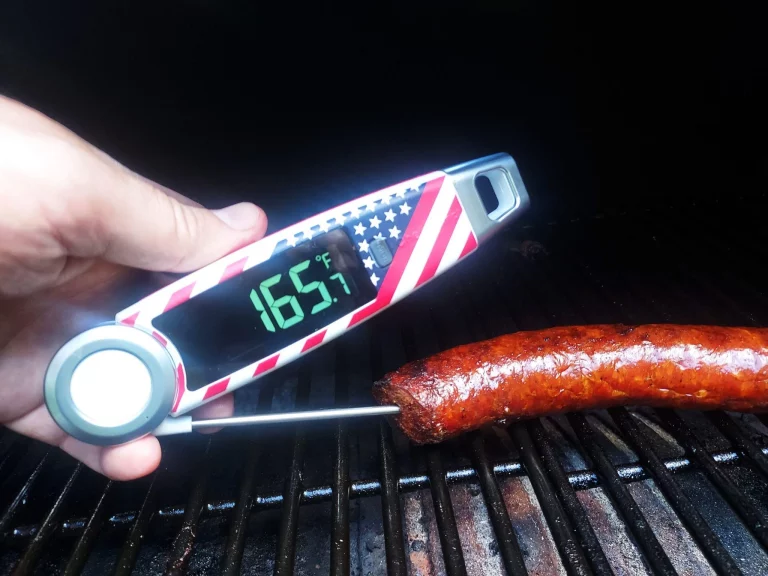
Stop Splitting Your Sausage: Expert Tips for grilling natural Casings
Natural casing ring sausage is a cookout staple enjoyed around the world that is equally deserving of a place ...
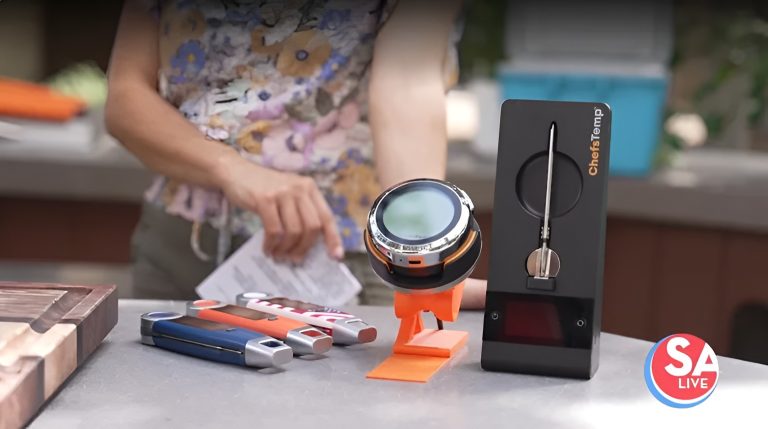
Mastering Pulled Pork: The Ultimate Temperature Control Guide with ChefsTemp
Achieving competition-grade, juicy, and tender pulled pork is the ultimate rite of passage for backyard pitmas...
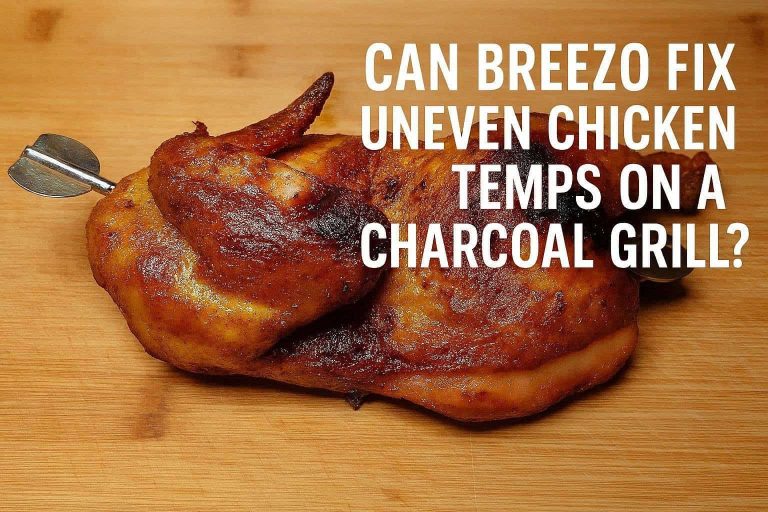
Two Birds, One Fan: Can Breezo Fix Uneven Chicken Temps on a Charcoal Grill?
Chicken grilled over charcoal is one of life’s purest pleasures. So much so that people debate which is better...
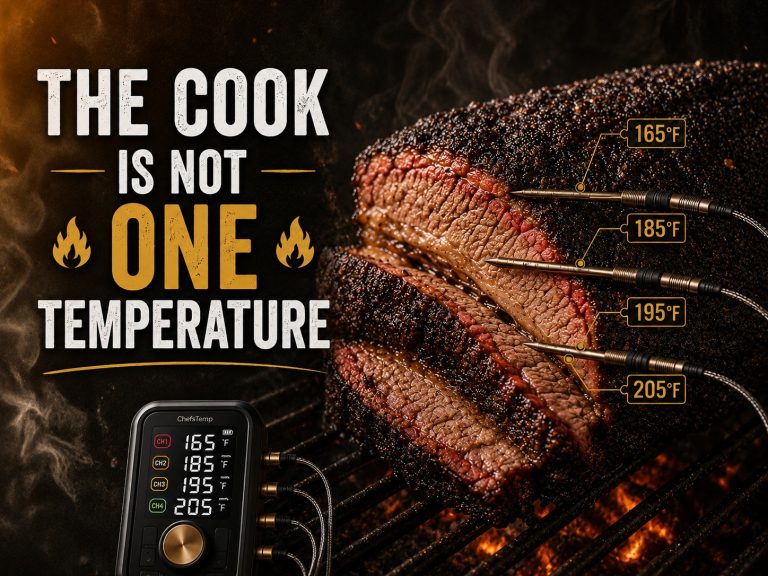
The Cook Is Not One Temperature
A few hours into a long cook, it can feel as though the grill has started arguing with you.
The dome thermome...
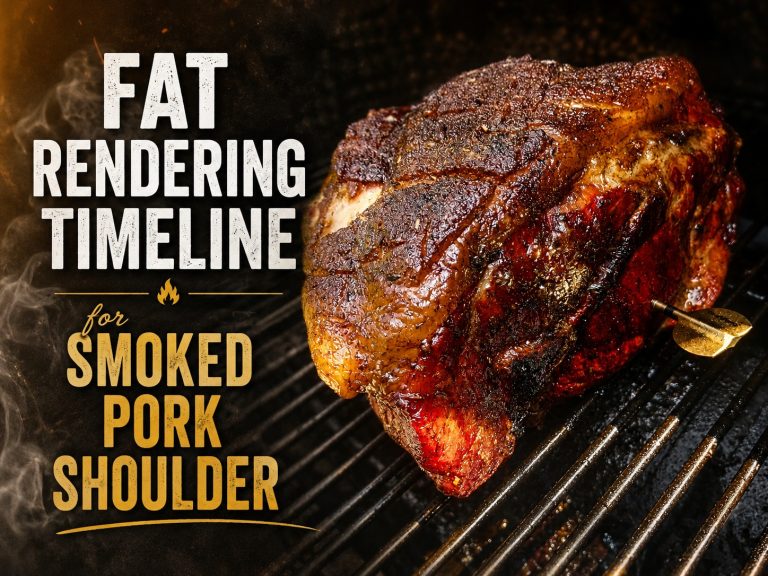
Breaking the Endothermic Standoff: The Complete Fat Rendering Timeline for Smoked Pork Shoulder
Smoked pork shoulder is an icon of American barbecue that many try, yet only a few manage to master. People lo...
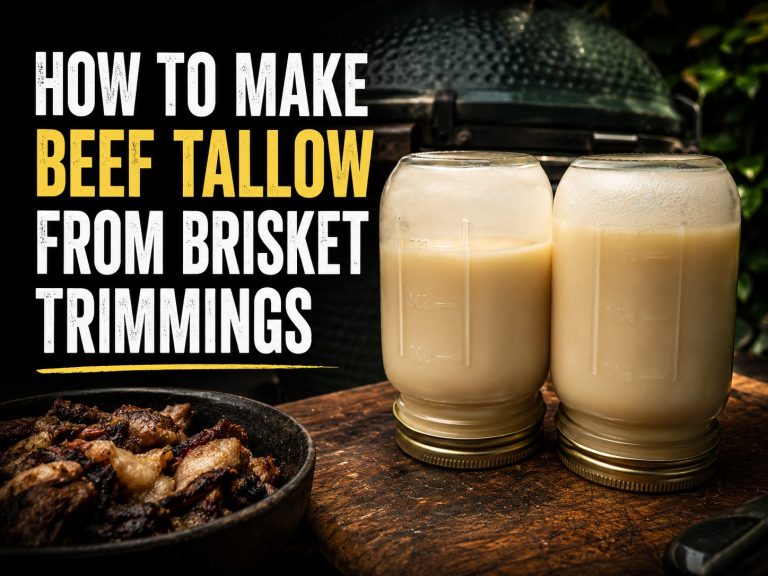
How to Make Beef Tallow from Brisket Trimmings
If you've ever trimmed a whole packer brisket, you've probably looked at the pile of fat headed for the trash ...