Cold vs Hot Smoking: A Beginner’s Guide to the Smoking Process
Cold vs hot smoking produces two very different results. Do you want silky, delicate smoked salmon? Or tender, juicy barbecue ribs? Choosing the right method is crucial for both flavor and food safety.
Backyard cooking continues to grow in popularity. This guide explains both cold and hot smoking clearly, including which foods work best with each method and practical tips for safe, consistent results.
Important Safety Note: Smoking, especially cold smoking, involves food safety risks. Always follow proper curing procedures, use accurate thermometers, and refer to official USDA or FDA guidelines. This guide is for educational purposes – beginners should start with hot smoking or low-risk items.
Table of Contents
Part 1. What is Cold Smoking vs Hot Smoking
Firing up a smoker demands one immediate decision. You have to figure out exactly what cold smoking vs hot smoking is. Both methods use wood smoke for flavor, but they differ fundamentally in temperature and effect.
What is cold smoking?
It is a traditional flavoring and preservation technique in which food is exposed to smoke at very low temperatures, without being cooked.
- Temperature: Ideally maintained between 50°F–70°F (10°C–21°C). Strictly keep below 86–90°F (30–32°C) at all times to minimize the risk of bacterial contamination.
- Cooking Status: The food remains raw. It only absorbs smoke flavor over several hours to days.
Because cold smoking does not cook the food, it stays in the “Danger Zone” (40°F–140°F / 4°C–60°C) where bacteria like Clostridium botulinum can potentially grow. Proper curing with salt, often using nitrite-containing curing salts, is essential for safety. High-risk groups, including pregnant women, the elderly, and immunocompromised individuals, should be especially cautious with homemade cold-smoked products.
What is hot smoking?
This is your classic weekend barbecue method, where food is slowly cooked while absorbing smoke.
- Temperature: Usually 225°F–275°F (107°C–135°C).
- Cooking Status: The heat safely cooks the food for over 1–16+ hours, killing bacteria and tenderizing meat.
Hot smoking is generally more forgiving and safer for beginners. This warmth melts tough fat and kills off germs naturally. You get that dark, crusty bark on the outside and tender meat inside.
Understanding the difference between cold and hot smoking comes down to your menu. One makes delicate, cured snacks; the other piles hot ribs onto a dinner plate.
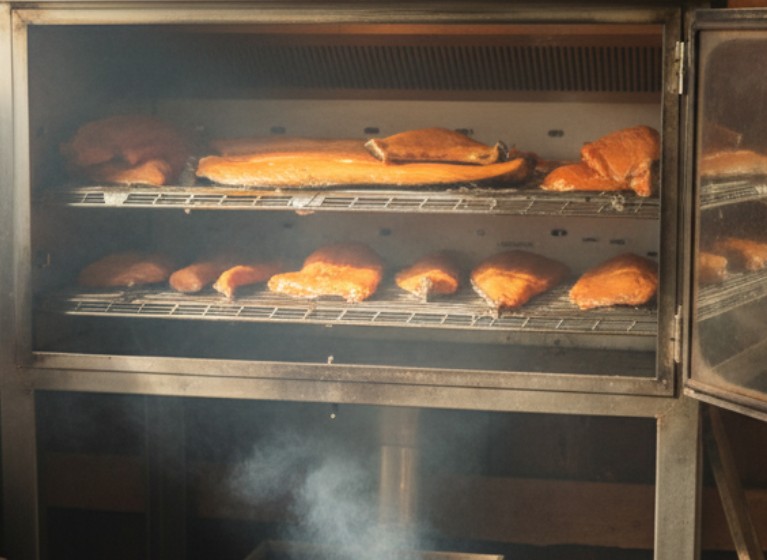
Part 2. Differences Between Cold and Hot Smoking
The core difference is whether the food is cooked by heat. Cold smoking focuses on flavor infusion without cooking; hot smoking combines flavor with actual cooking.
Cold smoking requires much stricter temperature control – even brief spikes above 90°F can increase safety risks and ruin delicate textures. Hot smoking tolerates small fluctuations better.
In both cases, never guess temperatures. Use a reliable leave-in ambient probe for the smoker chamber and a fast instant-read meat thermometer for internal doneness.
| Feature | Cold Smoking | Hot Smoking |
| Temperature | 68–86°F | 225–275°F |
| Cooking | No | Yes |
| Food Safety | Requires curing | Heat kills bacteria |
| Time | 12–24+ hrs | 1–16 hrs |
| Best For | Salmon, cheese | Brisket, ribs |
| Skill Level | Advanced | Beginner-friendly |
Part 3. Smoked Foods for Cold vs Hot Smoking
Dropping raw ingredients onto the grates without a game plan is a recipe for disaster. The best meats to smoke depend heavily on the fire you build. You wouldn’t toss a delicate block of cheddar over roaring coals. Nor would you expect a 13-pound beef brisket to break down in a cold box. Every temperature zone demands a highly specific type of food. Match the meat to the method.
Best Foods for Cold Smoking
Think of a cold setup like an old-world aging cellar. It works pure magic on fragile items. These foods are absorbed in the wood vapor without melting, shriveling, or turning to mush.
Low-risk options (safer for beginners):
- Hard cheeses (cheddar, gouda): 2–4 hours.
- Butter, nuts, spices, or salt: Short times (1–4 hours).
Higher-risk options (require experience and precise curing):
- Salmon or other fish: 6–12+ hours (after proper curing).
- Bacon (pork belly): 8–12+ hours (after 5–7 days curing), but must be cooked thoroughly before eating.
For salmon, tracking the key cold smoking temperature is an absolute must. You must keep the air below 86°F. Otherwise, you will end up cooking the fish instead of curing it.
What You Need for Cold Smoking
- Cold smoke generator (pellet tube, offset box, etc.).
- Proper curing supplies (kosher salt, sugar, curing salt #1 with nitrite).
- Accurate digital thermometers (ambient + instant-read).
- Use ice packs or cooling methods on warmer days.
Cold Smoking Step-by-Step (with Safety Emphasis)
- Cure the food properly (follow exact recipes with correct nitrite levels).
- Rinse and air-dry in the refrigerator to form a pellicle (sticky surface for smoke adhesion).
- Set up a smoker on a cool day; maintain 50–70°F (10–21°C).
- Monitor temperature hourly – never exceed 86–90°F.
- After smoking, refrigerate immediately. Most cold-smoked meats/fish still require cooking before consumption.
Safety Warning: Cold-smoking raw poultry, fresh sausages, or other high-risk meats is not recommended for home beginners due to elevated risks of botulism and other pathogens. Consult professional resources or start with hot smoking.
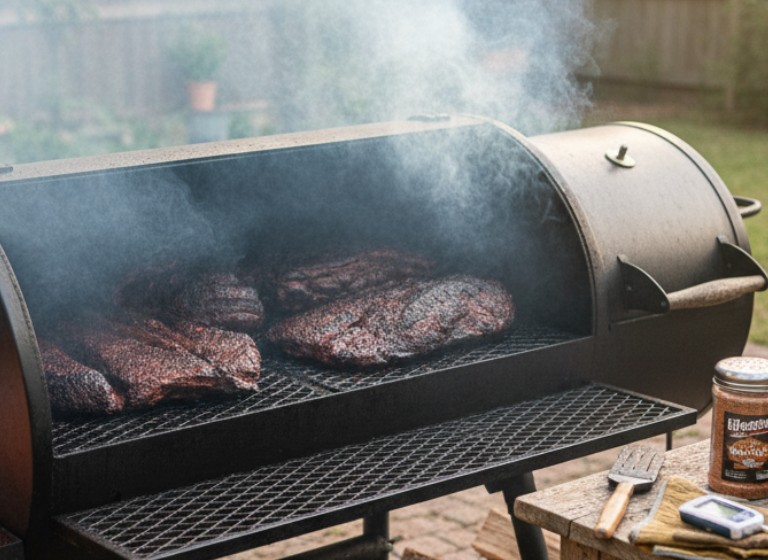
Best Foods for Hot Smoking
Real heat performs a completely different job. It acts like a slow-motion oven. High temperatures melt down dense fat and dissolve chewy connective tissue.
- Brisket: 12–16+ hours at ~225°F (target internal ~195–205°F / 90–96°C for tenderness).
- Pork ribs: 250°F using the 3-2-1 method.
- Pork shoulder: 8–12+ hours for pulled pork (internal ~203°F / 95°C).
- Whole chicken: ~275°F (internal 165°F / 74°C).
- Vegetables (peppers, corn): 1 hour or less.
How to Hot Smoke Step by Step
- Season the meat the night before.
- Preheat smoker to 225–275°F and add wood.
- Insert the probe into the thickest part.
- Cook to proper internal temperature (USDA: poultry 165°F, pork 145°F minimum, but higher for tenderness).
- Rest before slicing.
Guessing ruins expensive meat. Learning how to use a meat thermometer when smoking meat changes everything about your backyard cooking.
| Meat | USDA Minimum Safe Internal Temp | Optimal Flavor Target Temp |
| Brisket | 145°F | 203°F |
| Pork Shoulder | 145°F | 195–205°F |
| Ribs | 145°F | 195–203°F |
| Whole Chicken | 165°F | 165°F |
Internal temperature dictates the finish line. Not the clock. Trust your digital readout. Stop poking the meat. You will pull perfect food off the grates every single time.
Safety Warning: Avoid cold smoking raw poultry without expert-level curing knowledge. Poultry poses a high risk of Salmonella contamination and requires precise cure ratios and temperature monitoring beyond the capabilities of beginner setups.
Part 4. Advantages of Cold Smoking over Hot Smoking
The advantages of cold smoking over hot smoking stand out clearly. High heat cannot match the unique benefits of a cool smoker. Let’s look at why many backyard chefs love this classic technique.
Advantages of cold smoking:
- Deeper, more complex smoke flavor due to longer exposure.
- Preserves delicate textures (silky salmon, firm cheese).
- It can extend shelf life when combined with proper curing and refrigeration.
Limitations: Requires patience, precise control, and strict safety practices. Not ideal for beginners with raw meats.
Advantages of hot smoking:
- Safely cooks food while adding smoke flavor.
- More forgiving temperature control.
- Produces classic tender barbecue results.
Both methods benefit greatly from accurate temperature monitoring. Hot cooking is definitely more forgiving for beginners. However, both techniques deliver amazing meals. You need to use a reliable digital thermometer and monitor your temperature closely.
Part 5. Useful Tips for Cold Smoking vs Hot Smoking
It takes a lot of practice to become an expert at your backyard pit. However, you can quickly improve your skills with a few professional tips. Developing positive behaviors is crucial, regardless of whether you prefer a hot or cold environment. You can avoid spoilage and save time by following tried-and-true procedures.
Cold Smoking Tips:
Here are the most important rules for low-temperature cooking:
- Always cure first and follow tested recipes.
- Smoke on cool days; use ice packs if needed.
- Use mild woods (alder for salmon, apple/cherry for cheese).
- Monitor chamber temperature constantly.
- Refrigerate immediately after smoking.
Useful Tips for Hot Smoking
When you switch to high heat, follow these simple guidelines:
- Cook to internal temperature, not time.
- Stop adding wood after 2–3 hours (meat absorbs most smoke early).
- Keep the lid closed as much as possible.
- Match wood to meat (hickory for beef/pork, fruit woods for poultry).
- Wrap large cuts during the “stall” phase if needed.
If you ever run into trouble, you can easily explore answers to the most common BBQ smoking questions on ChefsTemp for extra pitmaster advice.
The Right Tools Make All the Difference for Cold Smoke vs Hot Smoke Processes
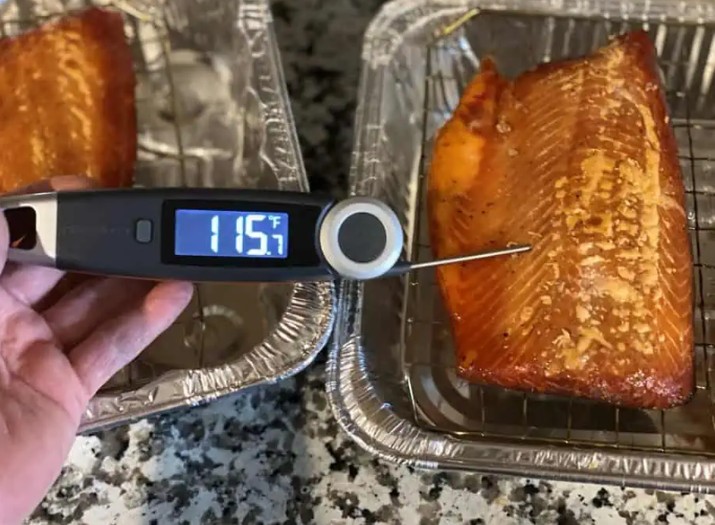
Precise temperature control is essential for both safety and quality. Guessing the heat during cold-smoke vs hot-smoke processes always ruins expensive cuts. A fast, accurate instant-read thermometer helps maintain consistent results and prevents over- or under-cooking.
Top-tier digital thermometers act like a pitmaster’s insurance policy. They offer specific, practical features that literally save your food:
- Lightning-fast speed: Snagging a reading in under one second means the smoker’s lid stays open for less time. You trap the heat and smoke inside where they belong.
- Rugged durability: A tight, waterproof body easily survives sudden backyard rainstorms, accidental drops, and messy grease spills.
- Instant visibility: Bright, auto-rotating displays let you read the numbers clearly, even in the dark or at awkward angles.
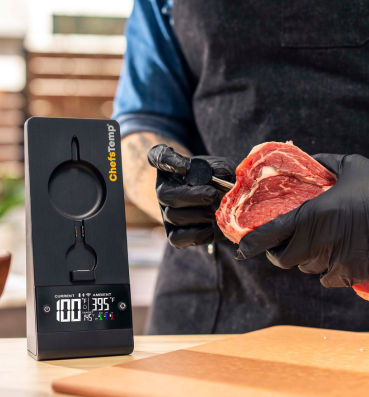
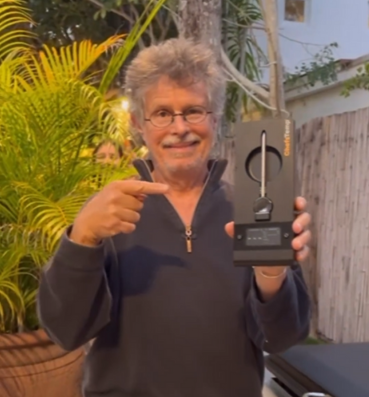
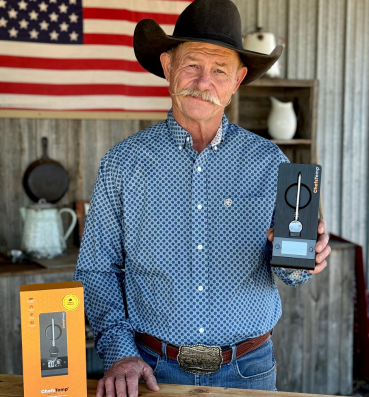
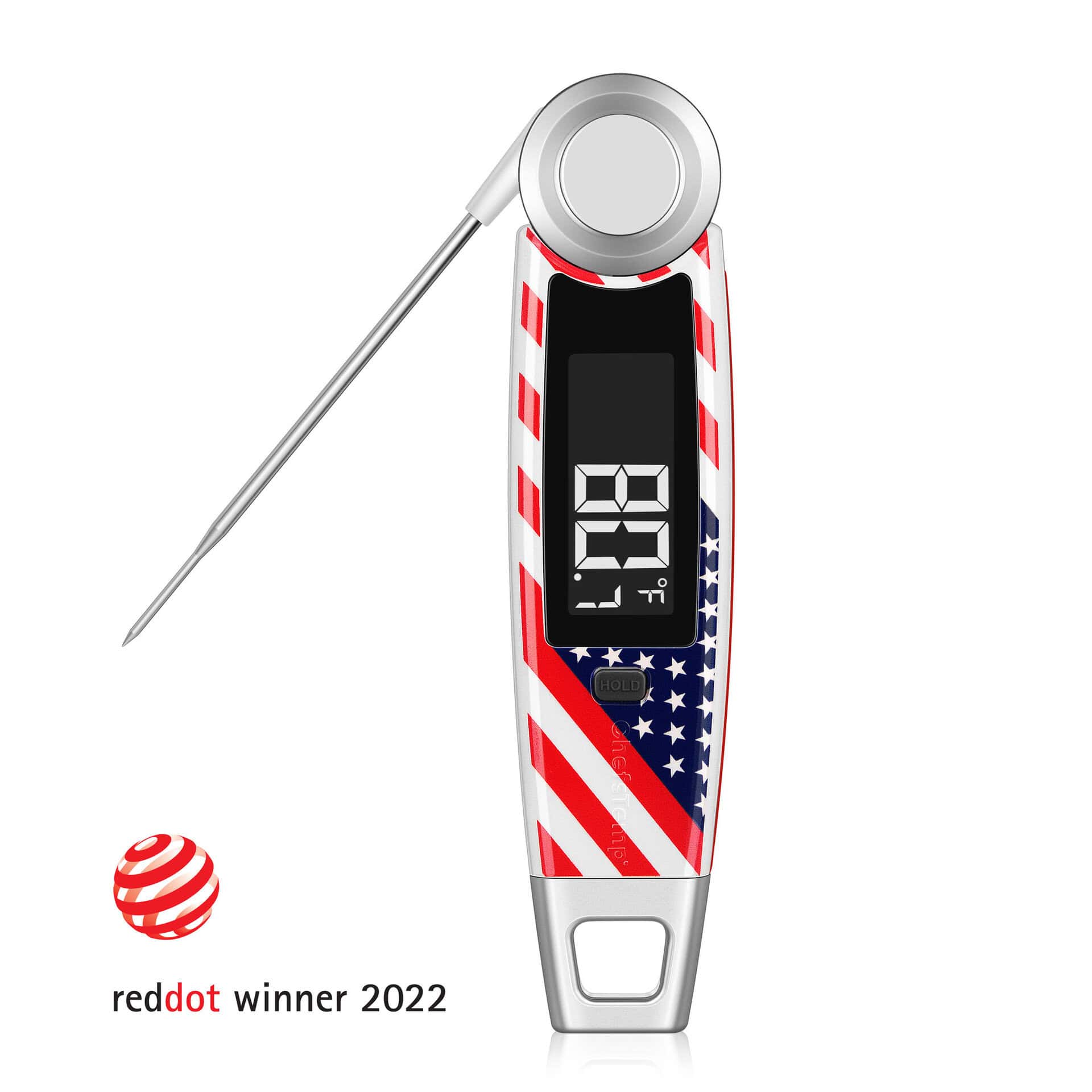
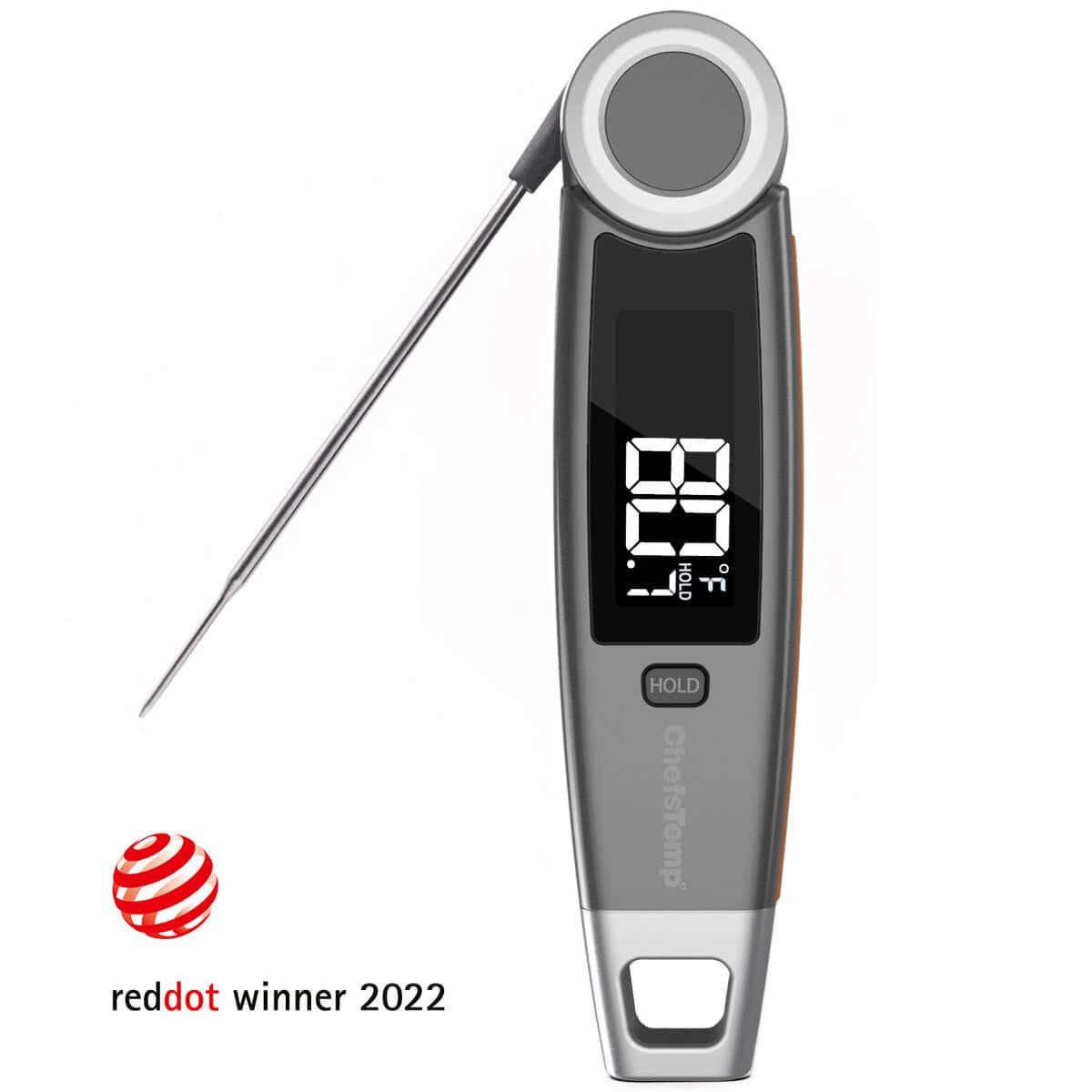
The Finaltouch X10 Instant-Read Meat Thermometer offers speed and reliability, and the brand received honors in the 2026 NBBQA Awards of Excellence. It is suitable for monitoring both cold- and hot-smoking processes. You can probe a chilled aging chamber or temp a sizzling pork shoulder without hesitating.
Curious to see it work? Watch exactly how to grill perfect meat using these precise methods. ChefsTemp builds a complete lineup of reliable smart meat thermometers designed for home patios and commercial kitchens alike.
Part 6. Conclusion
Cold vs hot smoking offers distinct experiences: cold for delicate flavor infusion on cured items, hot for fully cooked, tender barbecue. Success in either depends on precise temperature control and food safety practices.
Start with hot smoking if you are new to the process. When ready for cold smoking, prioritize safety, use reliable thermometers, and follow proven guidelines. Enjoy your backyard cooking responsibly!
Part 7. FAQs about Cold vs Hot Smoking
Q: Which is better: cold vs hot smoking?
It depends on your goal and experience. Hot smoking is safer and easier for beginners, as it actually cooks food. Cold smoking creates unique, delicate flavors but requires more caution and proper curing. Hot smoking safely cooks raw proteins like ribs and brisket through, making it a better starting point for most beginners.
Q: Is cold smoking safe for preserving meat?
Yes, but the smoke doesn’t do it alone. Curing does most of the preservation work by reducing moisture and using nitrites. Even then, cold-smoked products are best kept refrigerated and consumed promptly. High-risk items should only be attempted by experienced users.
Q: What is the safe temperature range for cold smoking?
You must keep the ideal temperature between 50°F and 70°F (10°C–21°C). Never exceed 86–90°F (30–32°C) for extended periods. Continuous monitoring is critical. On warm summer days, always add ice packs to your smoker to keep it at a safe, cool temperature.
Q: Do I need to cook cold-smoked bacon before eating?
Yes. Cold smoking does not cook the meat. Always cook it thoroughly before serving. First, you must cure the raw pork belly for 7 full days. Next, the actual cold smoke takes 8 to 12 hours. Professional butchers use this exact timeline to build deep flavor. Finally, you slice and pan-fry the meat for an incredible breakfast.
Q: What meats work best for hot smoking vs cold smoking?
Hot setups work best for tough beef briskets and thick pork shoulders. These raw cuts desperately need high heat to soften. Conversely, cold setups pair well with fragile salmon and hard cheeses. As a general culinary rule, use heat to cook proteins fully. Use cool air to flavor pre-cured snacks.
Q: Can you cold smoke without a special smoker?
Yes, you easily can. You need a standard backyard grill and a simple pellet tube insert. A pellet tube insert is the most accessible and affordable option for home cooks looking to get started without buying a dedicated cold smoker. The main goal is to keep the burning wood completely separated from your food. This prevents accidental heating during the long process.
Q: What wood is best for cold smoking salmon?
Alder is traditional and mild. It provides a sweet, very mild flavor. Historically, Pacific Northwest and Scandinavian chefs have always used pure alder for their famous salmon. Applewood or cherrywood also works well. Avoid strong woods like mesquite or hickory for delicate fish.
Q: How do I know when hot-smoked meat is done?
Discover Other ChefsTemp Products

Discover more recipes and learn kitchen tricks by joining our cooking family on Facebook.
You may also like: