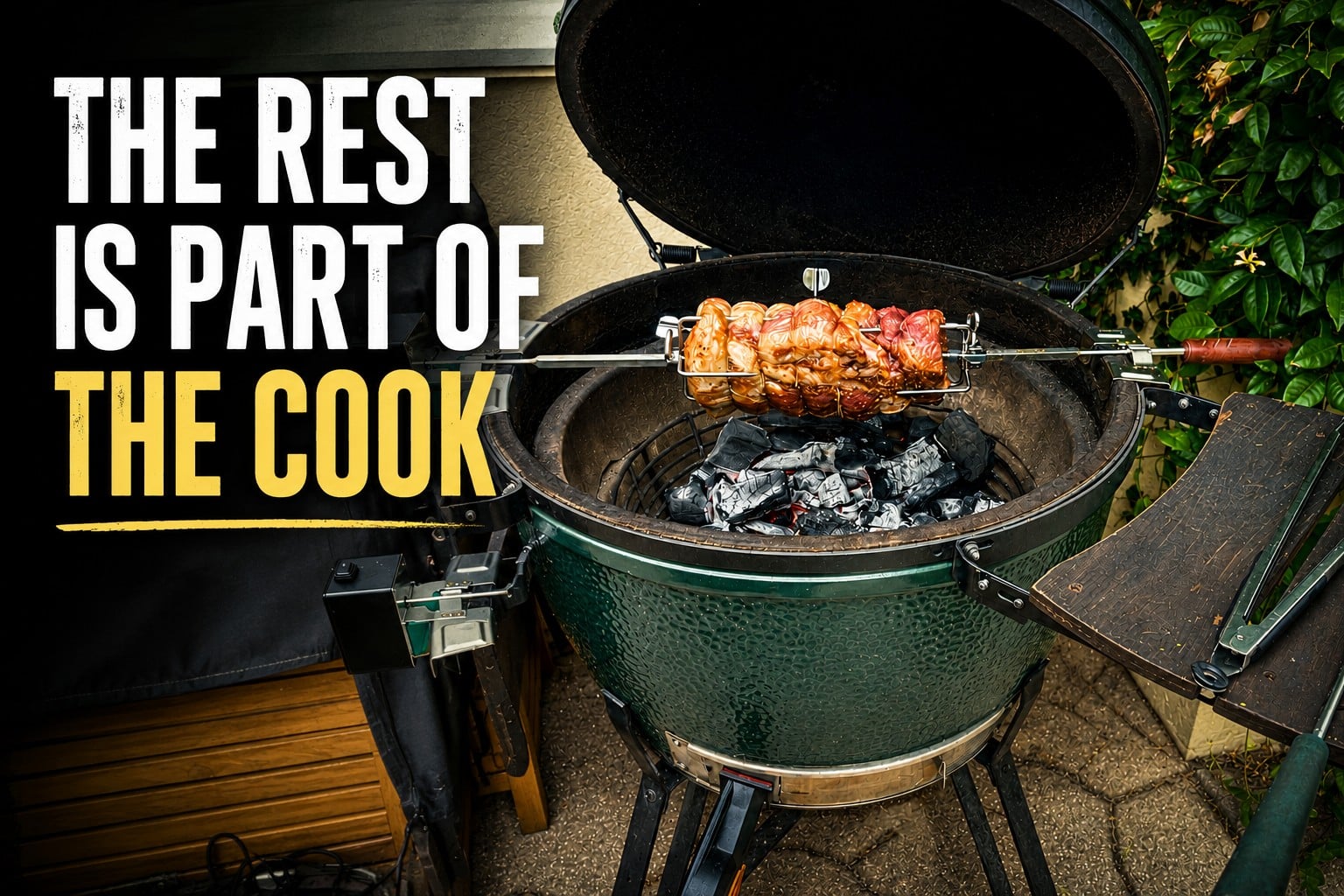
“Using time, temperature, and even your grill to protect the final result.”
Most of us spend a lot of time thinking about when the meat will be done.
That makes sense. Done feels like the finish line. The brisket probes tender. The pork butt gives up the fight. The ribs bend the way they should. The chicken reaches the temperature and looks the way you hoped it would, back when optimism was still running high.
But done isn’t always the same thing as ready to serve.
That difference is where a lot of good barbecue either gets better or quietly loses ground.
Long cooks rarely end at the exact moment people are ready to eat. Sometimes the meat finishes early. Sometimes the sides are behind. Sometimes guests arrive late. Sometimes someone inside decides it’s the perfect time to put out the appetizer that should have come out an hour earlier, even though you are well into the cooking. Purely hypothetical, of course.
Whatever the reason, there is usually a gap between finished and served. That gap matters.
A good rest can make barbecue better. It gives the meat time to settle, lets the heat equalize, and allows the final texture to come together more gently. A poor rest can soften the bark, push the texture too far, dry out the edges, turn a clean finish into something tired and mushy, or cause your beautiful meat to bleed out on the cutting board.
The cook doesn’t end when the meat comes off the grill. It ends when the food hits the plate the way you intended.
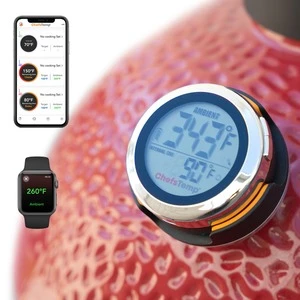
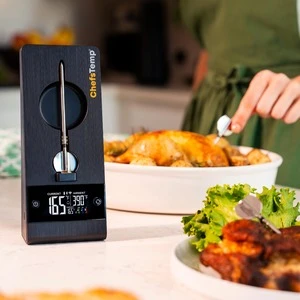
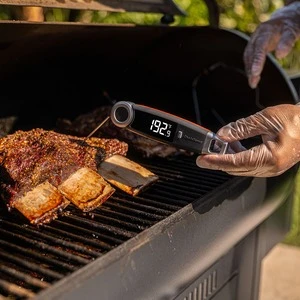
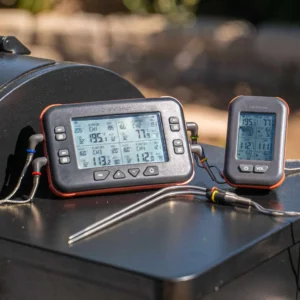
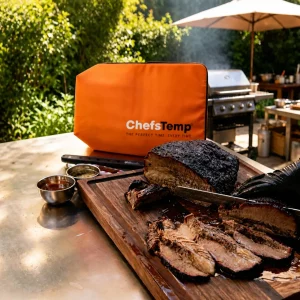
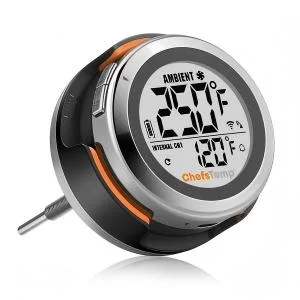
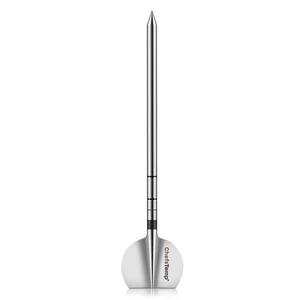
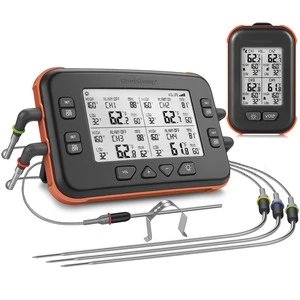
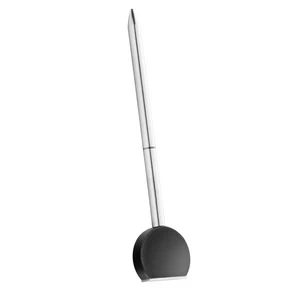
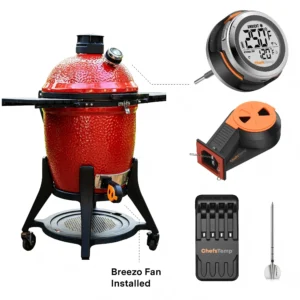
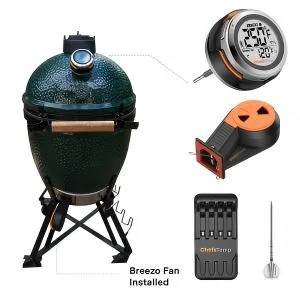
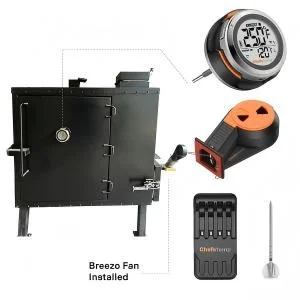
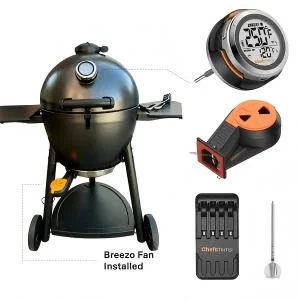
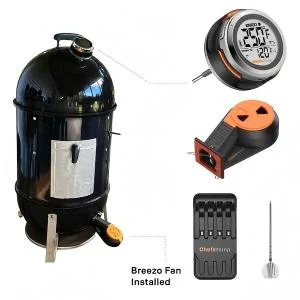
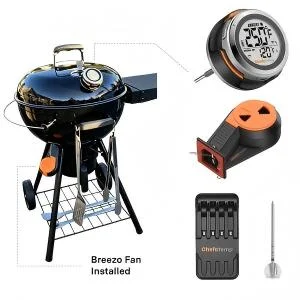
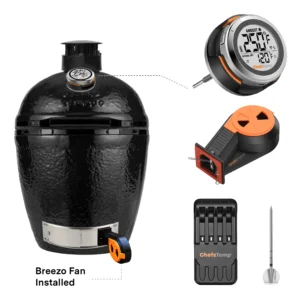
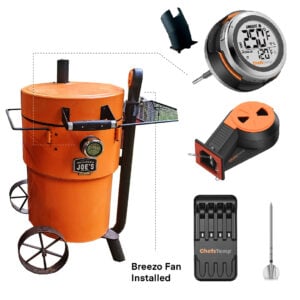
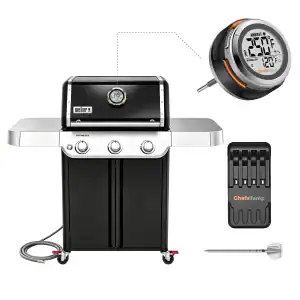
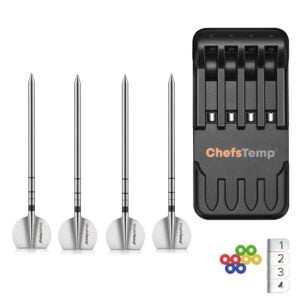
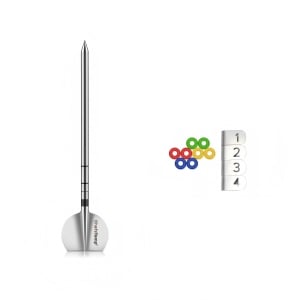
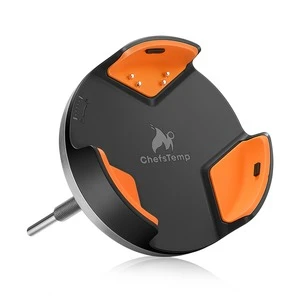
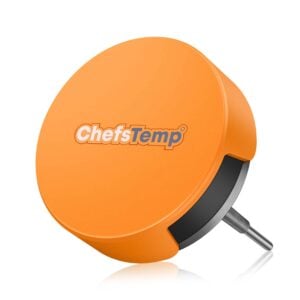
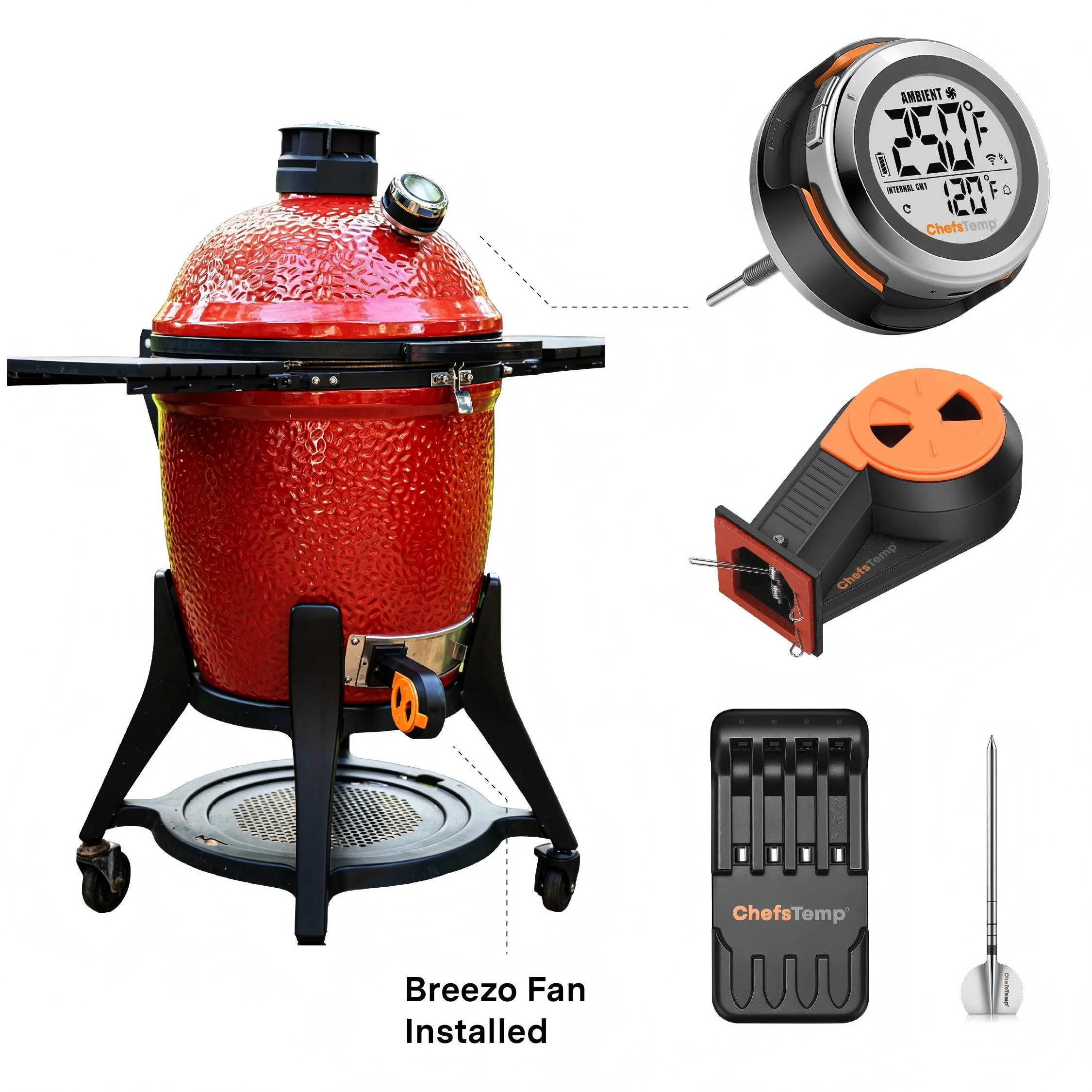
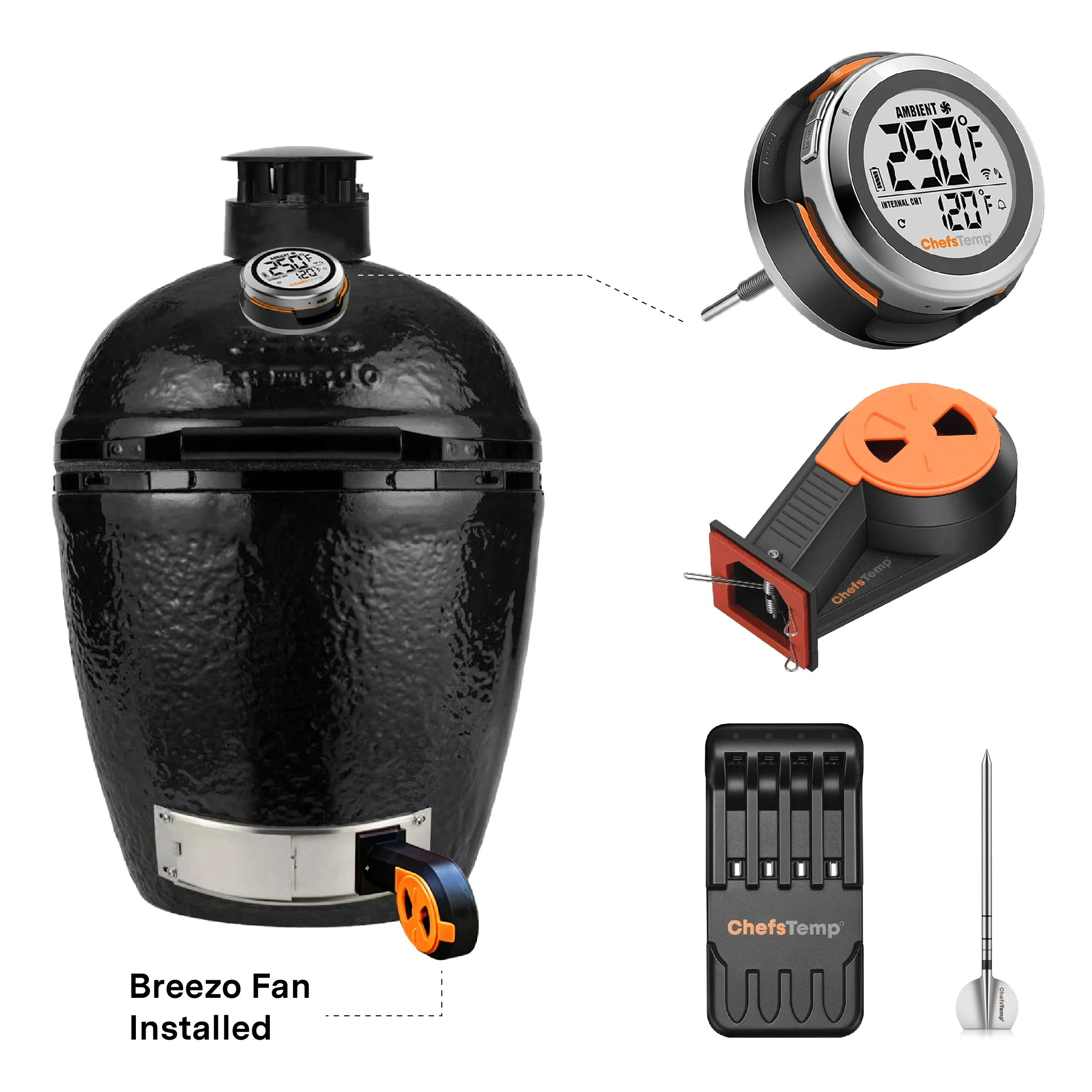
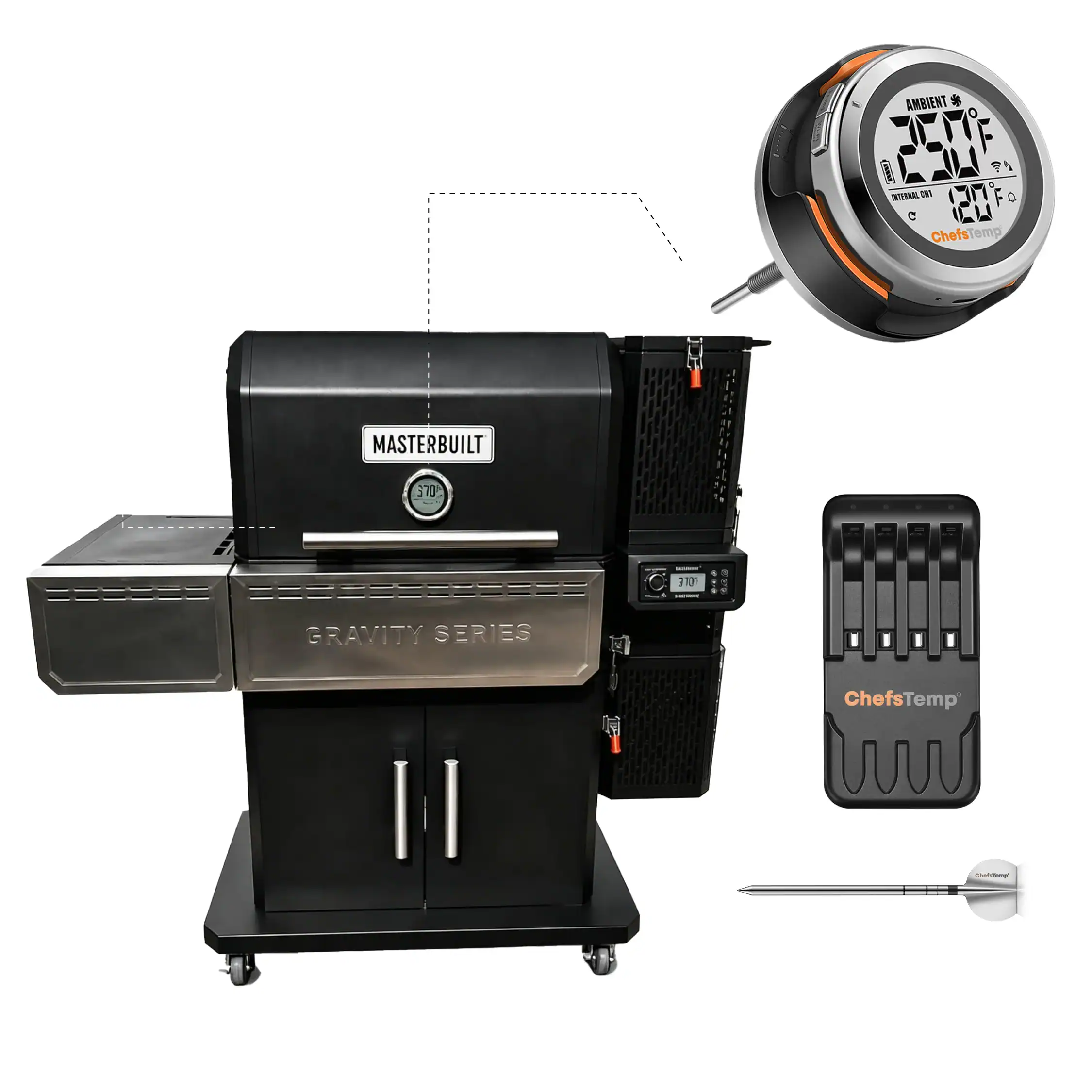
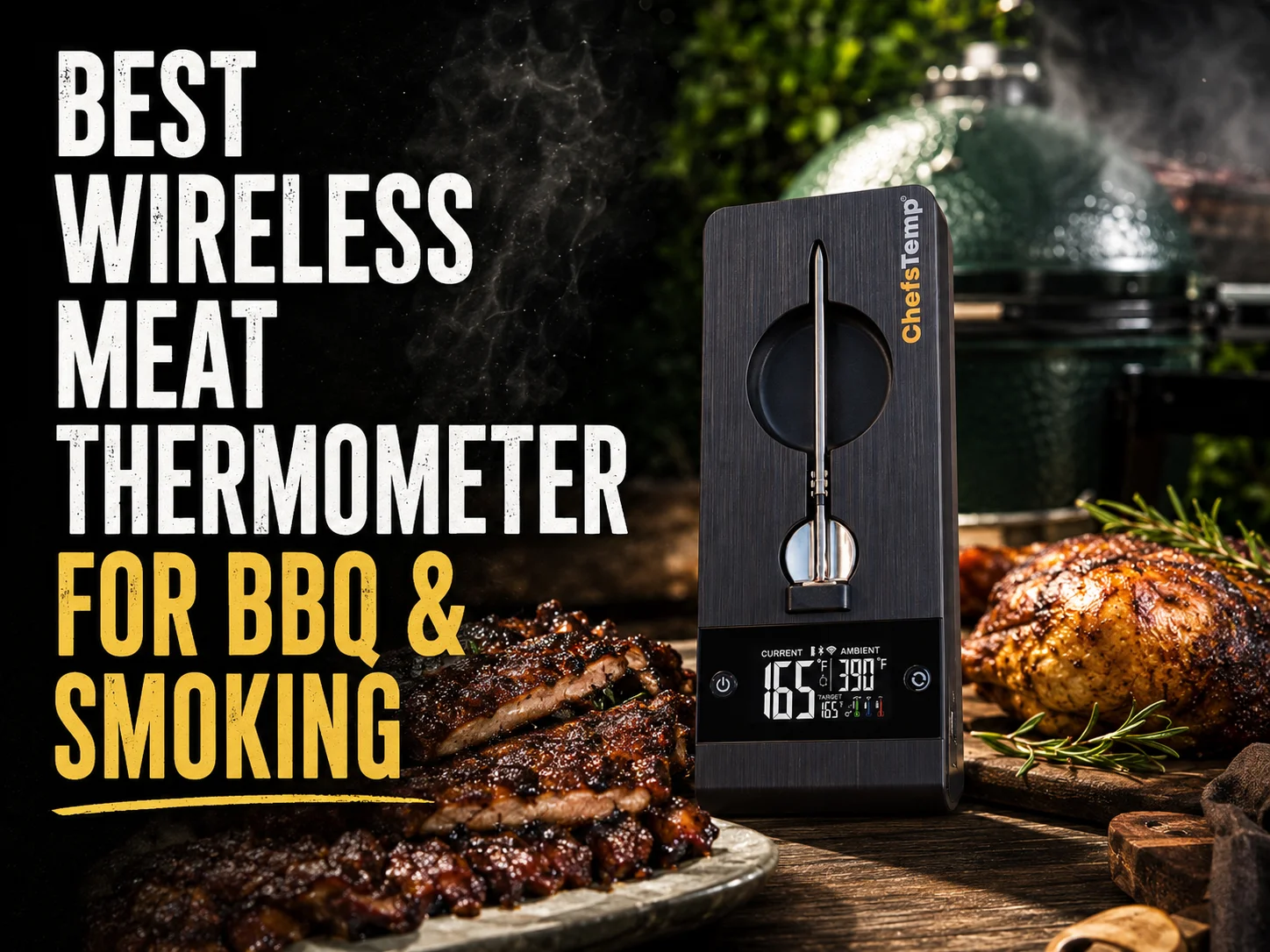
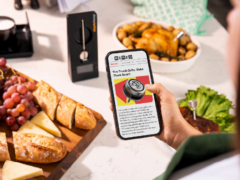
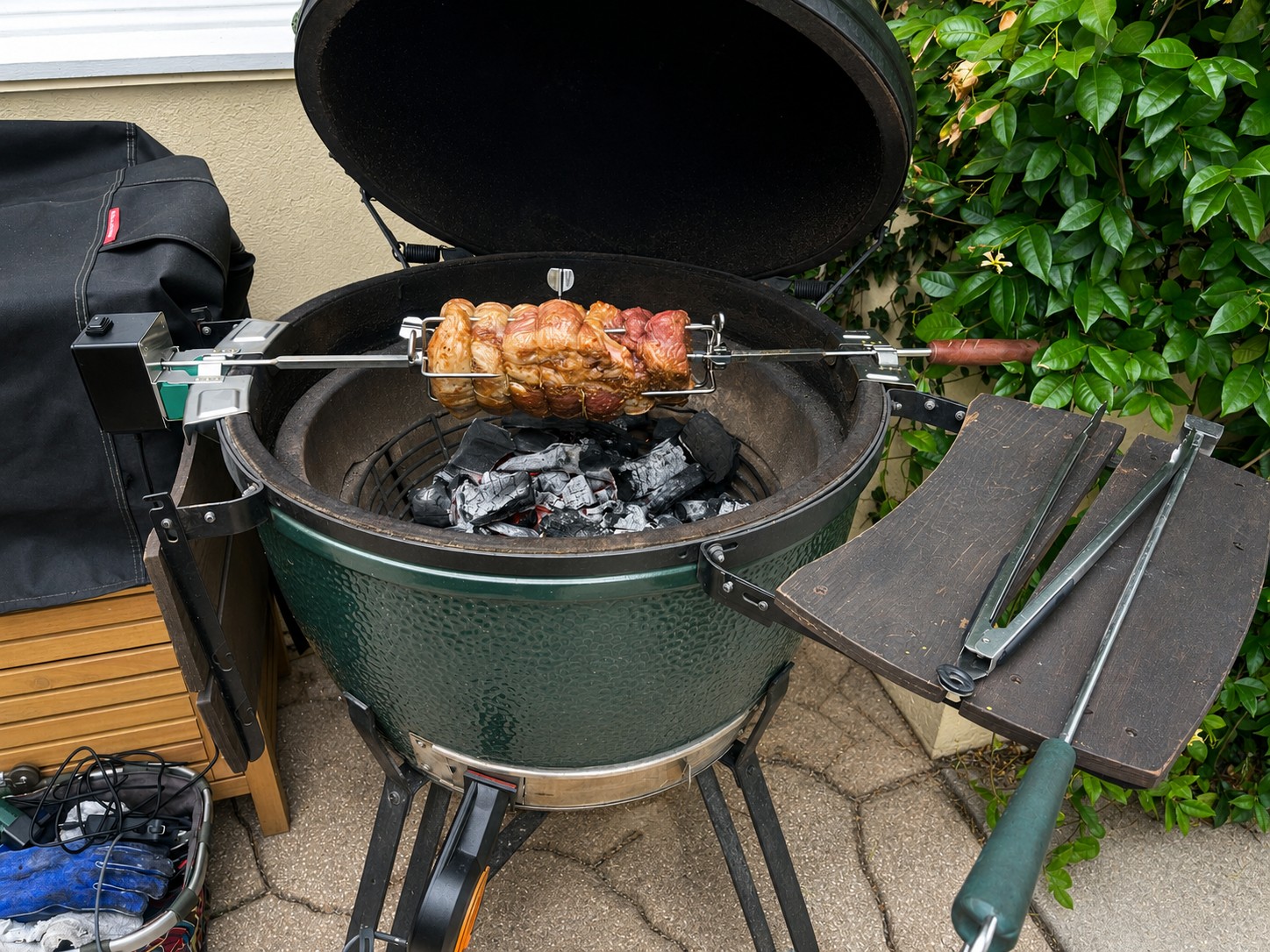 Tip: Click here to get the same ProTemp 2 Plus Wireless Thermometer as shown in the image.
Done Is Not the End
Resting isn’t as exciting as fire management, smoke flavor, rubs, bark, wrapping, or the final probe test. Nobody buys a pork butt and says, “I can’t wait to place this safely in an insulated environment for two hours.” That’s a shame, because the rest often determines whether the cook feels smooth or chaotic. A lot of backyard cooks, which we all are, treat the rest as a backup plan. If the meat is done early, wrap it, throw it in a cooler, and hope for the best. Sometimes that works beautifully. Sometimes it works too well, especially if the meat is already hotter and softer than expected. The better approach is to treat the rest as a planned stage of the cook. That doesn’t mean overcomplicating it. It means knowing what kind of meat you’re cooking, how long it should settle, and how long it may need to stay warm before serving. More importantly, it means understanding that the meat will continue to change after it leaves the grill. The difference is between resting and accidentally continuing the cooking.Carryover Heat Is Still Cooking
When meat comes off the grill, the heat inside it doesn’t instantly stop moving. The outside is hotter than the center, and that heat continues working inward. For smaller cuts, carryover cooking may change the final temperature by only a few degrees. For larger cuts, especially heavily wrapped ones, the effect can be more pronounced. That’s why the finish line shouldn’t be treated as one magic number. A pork butt that probes tender at 203°F and then goes straight into a tight wrap for several hours may continue to soften. A brisket that feels perfect when it comes off can lose some of that perfect texture if the rest is too hot for too long. Ribs can go from tender to a little too loose if they’re wrapped, stacked, and ignored while we are enjoying the appetizers. This isn’t a reason to fear resting. It’s a reason to manage it. Temperature monitoring helps here, not because you need to obsess over every degree, but because you need to know which direction the meat is moving. Is it gently drifting down into a good serving range? Is it staying hot longer than expected? Is the oven, cooler, or grill holding more heat than you realized? Those details affect the final result.The First Rest: Let the Heat Slow Down
With large cuts, I like to vent the meat briefly before a longer rest. That may sound like a small step, but it matters. If a pork butt or brisket comes off the grill at 203°F and goes straight into a tight wrap, then into a warm cooler or oven, the internal temperature can stay high for a long time. In some cases, it may keep cooking longer than you wanted. That can be fine if the meat was slightly under where you wanted it. It can be a problem if it was already perfectly tender. A short vent lets the most aggressive heat bleed off before the meat goes into a warmer resting environment. It helps slow the cook’s momentum without letting the meat crash in temperature. The goal isn’t to cool it down. The goal is to stop it from overshooting. For a large cut, that may mean opening the wrap for 20 to 40 minutes and letting the internal temperature drift down before sealing it back up. You’re not abandoning the meat on the counter. You’re letting the cook stop charging forward before the longer rest begins.The Second Rest: Control the Environment
Once the meat has vented and the internal temperature has settled, the question changes. Now you aren’t trying to finish the cook. You’re trying to hold quality until service. This is where the resting environment matters. A cooler works by slowing heat loss. An oven works by adding controlled heat and helping manage the landing. A countertop works for shorter rests because the meat doesn’t need hours of help. All three can be useful. But there’s another option many overlook: the grill itself. Once the fire is shut down and the temperature falls, a ceramic grill can become a low-temperature resting chamber. That doesn’t mean putting a freshly finished brisket back into a smoker that is still sitting at 250°F. That would be less of a rest and more of a polite continuation of the cook. The idea is different. Let the meat rest on the counter while the ceramic cools. Once the cooking environment drops into a true low holding range, around 150°F if your setup can manage it, the meat can go back in wrapped for a longer rest. That can be especially useful if your home oven bottoms out at 175°F like mine. Ovens are fine for cooking, but not always ideal for gentle warming. A 175°F oven can still be warm enough to keep meat that was already done from softening. A smoker stabilized around 150°F gives you that softer landing. The keyword is stabilized. Ceramic holds heat stubbornly. The dome may show one thing, while the grate area remains warmer than expected. The only way to know is to measure the actual resting environment where the meat will sit. That’s where an ambient probe earns its keep. If the grate-level environment is truly around 145°F to 155°F, and the meat itself is safely above 140°F, you now have something closer to a backyard warming cabinet. Not a commercial unit. Not magic. Just a controlled low-temperature space that lets the meat rest without the oven pushing it harder than you intended.
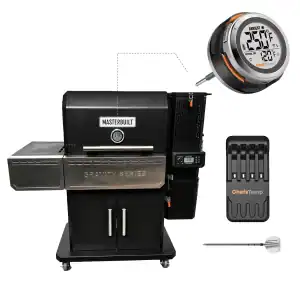
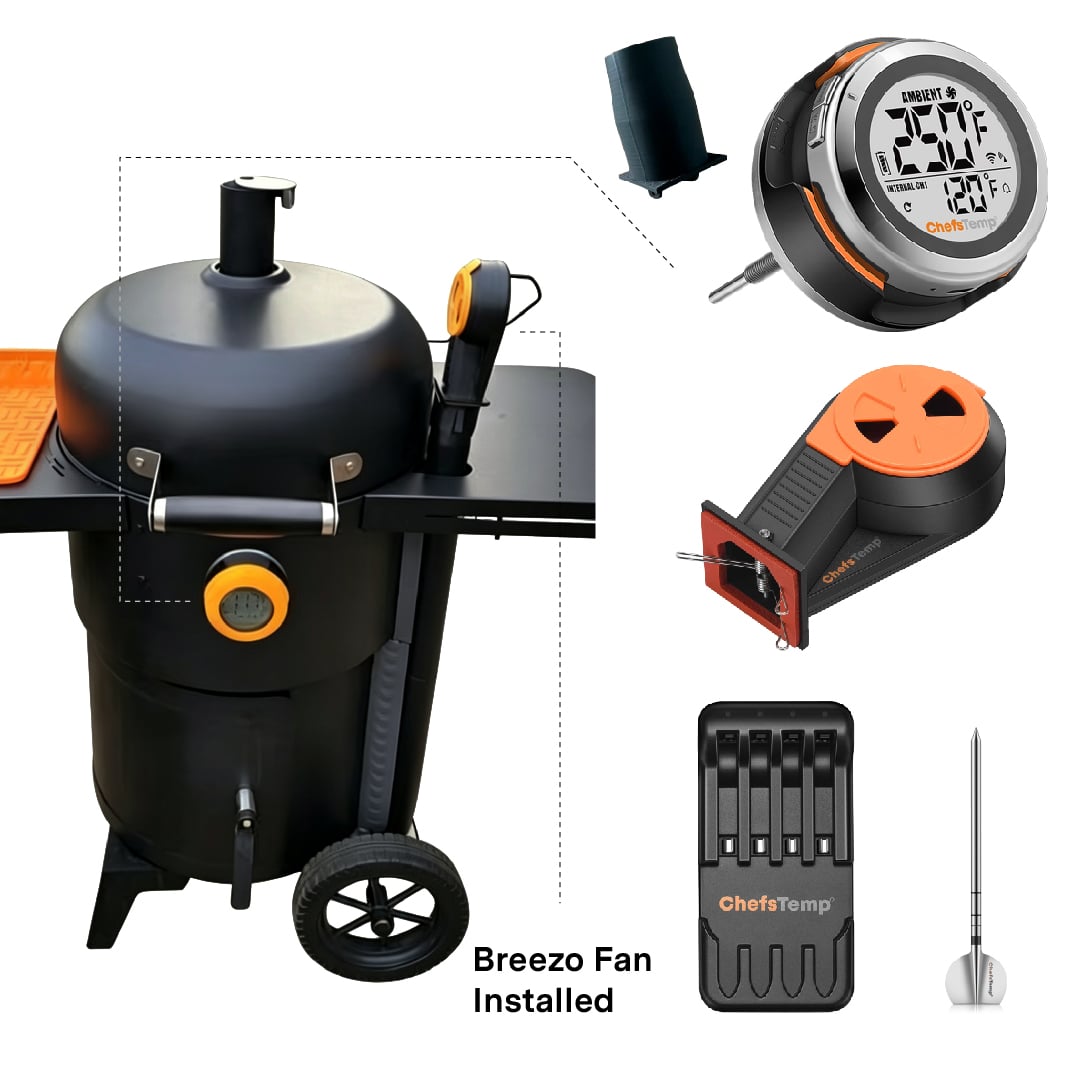
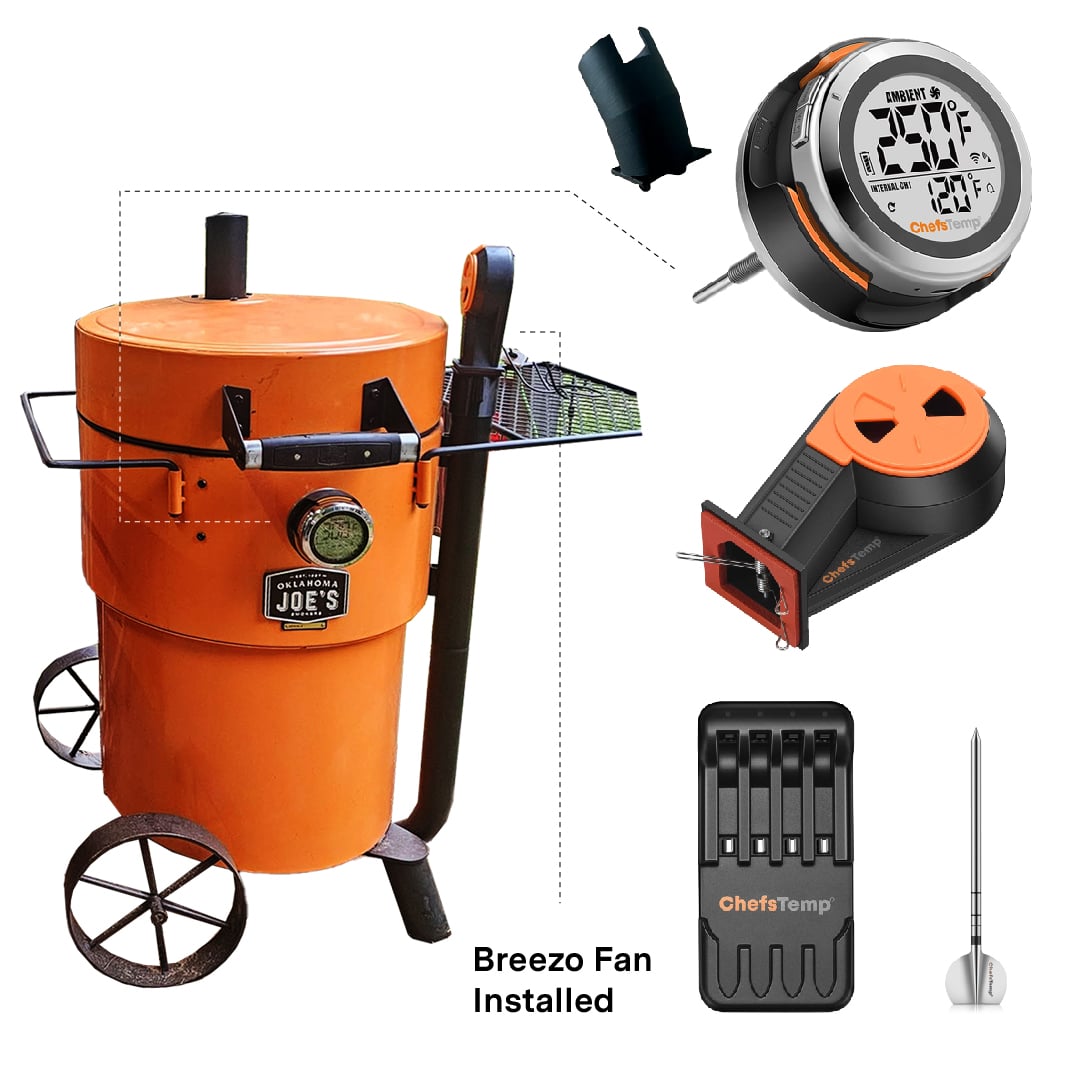
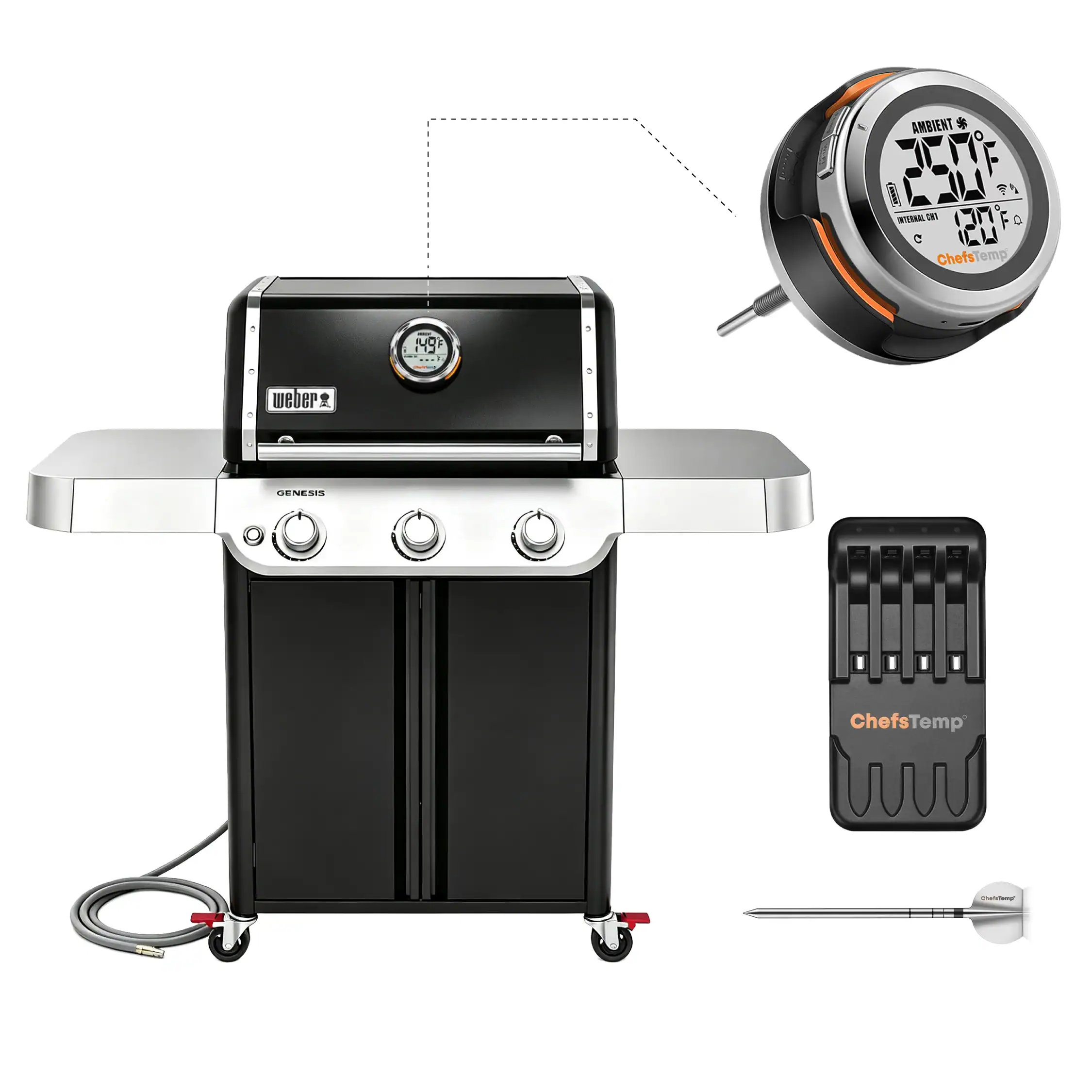
Tip: Click here to get the same ProTemp 2 Plus Wireless Thermometer as shown in the image.
Cooler, Oven, Counter, or Grill?
Each resting method has a place. The classic backyard method is the cooler rest. Wrap the meat, place it in a dry cooler, add towels if needed, close the lid, and let the cooler do its job. For pork butt and brisket, this can be excellent. It gives the meat time to settle, keeps dinner timing flexible, and takes pressure off the final hour of the cook. A full cooler with several large cuts will hold heat much longer than a mostly empty cooler with one rack of ribs. Towels help fill the space and reduce heat loss. Pre-warming the cooler with hot water, then dumping and drying it before loading the meat, can also help for longer rests. The oven is useful when timing matters or the rest needs to run longer. While some treat the oven like surrender, I believe that once the meat has taken on smoke, developed a bark, and reached the texture you want, the oven can be a practical tool. It just shouldn’t be treated like a pause button. The counter is right for shorter rests. Steaks, chicken, ribs, and smaller cuts usually don’t need a full insulated nap. They need enough time to settle without losing the texture that made them good in the first place. The smoker rest is the interesting middle ground. It works best when the residual heat can be brought down and held low enough to protect the meat. For a ceramic with fan control, that can be a very useful option. A metal smoker will cool faster than a ceramic one, though it may not hold that low range as steadily without more attention, making fan control far more convenient. The point isn’t to pick one method forever. The point is to match the rest to the food, the timing, and the equipment you actually have.Different Meats Rest Differently
Pork butt is one of the most forgiving meats to rest. It has plenty of fat and connective tissue, and it usually benefits from time after cooking. A proper rest can make pulling easier and help the meat feel more settled when served. Brisket also benefits from a good rest, but it needs more control. The point can handle a long rest beautifully. The flat is leaner and more sensitive. If the rest is too hot or too long, it can move from sliceable and juicy toward dry, crumbly, or pot-roasty. Ribs and chicken are different. They usually need shorter rests, not long insulated ones. Wrapped ribs can keep softening past the texture you intended, and chicken held in a closed environment can lose the crisp skin you worked to create. That’s the larger point. Resting isn’t one universal technique. It’s a timing decision based on the meat, the cook, and the serving time.What Temperature Tells You During the Rest
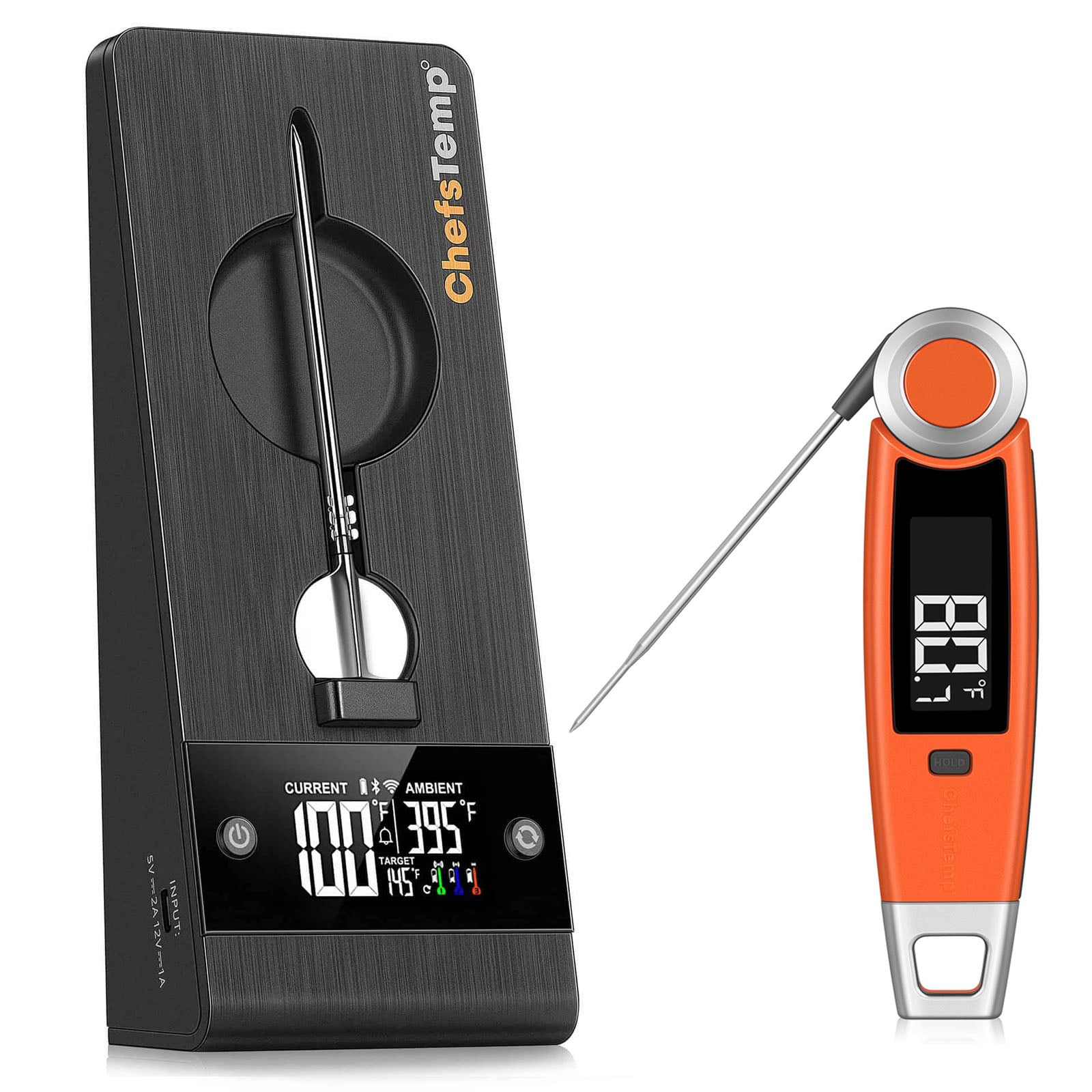
During cooking, the temperature indicates how the meat is progressing. During the rest, it tells you whether the resting plan is working. That isn’t just about safety, though safety matters. It’s also about quality. If the internal temperature stays very high for a long time, the meat may continue to change. If it drops too far, service becomes a problem. The goal is to manage the middle ground: warm enough to serve well, but not so hot that the rest becomes that second cook. This is where a wireless probe earns its keep. You don’t need to keep opening the cooler, oven, or smoker. You don’t need to guess whether the brisket is still warm. You can simply watch the trend. If the temperature is falling slowly, the rest is working. If it’s staying hot for a long time, you may need to vent more next time or shorten the warm rest. If it’s dropping faster than expected, you may need better insulation, less empty space in the cooler, or a warmer resting environment. None of this needs to be dramatic. It just needs to be visible.The Cook Ends at Service
The longer I cook, the more I think timing separates a calm cook from a stressful one. Fire management matters. Seasoning matters. Smoke matters. Texture matters. But if the meat finishes at 2:30 and dinner is at 6:00, the rest becomes part of the cook whether we planned it or not. A planned rest creates margin. It keeps the cook from becoming a last-minute sprint. It gives large cuts time to settle. It gives the cook time to finish sides, clean up, talk to guests, and pretend the whole thing was effortless. That last part is one of the most underrated hosting skills. The goal is not to serve food as soon as it hits a target number. The goal is to serve it at its best. Sometimes that means a short rest on the counter. Sometimes it means a cooler rest. Sometimes it means using the oven as a warming cabinet. Sometimes it means letting the ceramic grill lower and serve as the resting chamber. Of course, this is where good temperature tools help make those calls with less guessing. They don’t replace feeling or experience. And they don’t make the food better by themselves. But they help you see what is happening during the part of the cook that others have stopped watching. Because the cook isn’t finished when the grill is done. It’s finished when the food is served well. PCFET0NUWVBFIGh0bWw+CjxodG1sIGxhbmc9InpoLUNOIj4KPGhlYWQ+CiAgICA8bWV0YSBjaGFyc2V0PSJVVEYtOCI+CiAgICA8bWV0YSBuYW1lPSJ2aWV3cG9ydCIgY29udGVudD0id2lkdGg9ZGV2aWNlLXdpZHRoLCBpbml0aWFsLXNjYWxlPTEuMCI+CiAgICA8c3R5bGU+CiAgICAgICAgOnJvb3QgewogICAgICAgICAgICAtLWN0LW9yYW5nZTogI0ZGNkIwMDsKICAgICAgICAgICAgLS1jdC1kYXJrOiAjMUExQTFBOwogICAgICAgICAgICAtLWN0LWdyYXktdGV4dDogIzRBNEE0QTsKICAgICAgICAgICAgLS1jdC1iZy1saWdodDogI0ZERkRGRDsKICAgICAgICAgICAgLS1jdC1ib3JkZXI6ICNFRUVFRUU7CiAgICAgICAgfQoKICAgICAgICAuY3QtZ3Vlc3Qtc2VjdGlvbiB7CiAgICAgICAgICAgIG1heC13aWR0aDogODAwcHg7CiAgICAgICAgICAgIG1hcmdpbjogNDBweCBhdXRvOwogICAgICAgICAgICBiYWNrZ3JvdW5kOiB2YXIoLS1jdC1iZy1saWdodCk7CiAgICAgICAgICAgIGJvcmRlcjogMXB4IHNvbGlkIHZhcigtLWN0LWJvcmRlcik7CiAgICAgICAgICAgIC8qIOW3puS+pyBDaGVmc1RlbXAg5ZOB54mM5qmZ6Imy6L655qGGICovCiAgICAgICAgICAgIGJvcmRlci1sZWZ0OiA1cHggc29saWQgdmFyKC0tY3Qtb3JhbmdlKTsKICAgICAgICAgICAgYm9yZGVyLXJhZGl1czogMTJweDsKICAgICAgICAgICAgcGFkZGluZzogMzVweDsKICAgICAgICAgICAgZGlzcGxheTogZmxleDsKICAgICAgICAgICAgYWxpZ24taXRlbXM6IGNlbnRlcjsgLyog5Z6C55u05bGF5LitICovCiAgICAgICAgICAgIGdhcDogMzBweDsKICAgICAgICAgICAgcG9zaXRpb246IHJlbGF0aXZlOwogICAgICAgICAgICBib3gtc2hhZG93OiAwIDRweCAyMHB4IHJnYmEoMCwwLDAsMC4wMyk7CiAgICAgICAgICAgIGZvbnQtZmFtaWx5OiAtYXBwbGUtc3lzdGVtLCBCbGlua01hY1N5c3RlbUZvbnQsICJTZWdvZSBVSSIsIFJvYm90bywgSGVsdmV0aWNhLCBBcmlhbCwgc2Fucy1zZXJpZjsKICAgICAgICB9CgogICAgICAgIC8qIOWTjeW6lOW8j+W4g+WxgCAqLwogICAgICAgIEBtZWRpYSAobWF4LXdpZHRoOiA2NDBweCkgewogICAgICAgICAgICAuY3QtZ3Vlc3Qtc2VjdGlvbiB7CiAgICAgICAgICAgICAgICBmbGV4LWRpcmVjdGlvbjogY29sdW1uOwogICAgICAgICAgICAgICAgcGFkZGluZzogMjVweDsKICAgICAgICAgICAgICAgIGdhcDogMjBweDsKICAgICAgICAgICAgICAgIHRleHQtYWxpZ246IGNlbnRlcjsKICAgICAgICAgICAgICAgIGFsaWduLWl0ZW1zOiBjZW50ZXI7CiAgICAgICAgICAgIH0KICAgICAgICAgICAgLmN0LWhlYWRlci1tZXRhIHsKICAgICAgICAgICAgICAgIGp1c3RpZnktY29udGVudDogY2VudGVyOwogICAgICAgICAgICB9CiAgICAgICAgfQoKICAgICAgICAvKiDnuq/lnIblvaLlpLTlg4/lm77niYcgKi8KICAgICAgICAuY3QtYXZhdGFyLXdyYXBwZXIgewogICAgICAgICAgICBmbGV4LXNocmluazogMDsKICAgICAgICB9CgogICAgICAgIC5jdC1hdXRob3ItaW1nIHsKICAgICAgICAgICAgd2lkdGg6IDE0MHB4OwogICAgICAgICAgICBoZWlnaHQ6IDE0MHB4OwogICAgICAgICAgICBib3JkZXItcmFkaXVzOiA1MCU7IC8qIOWujOe+juWchuW9oiAqLwogICAgICAgICAgICBvYmplY3QtZml0OiBjb3ZlcjsKICAgICAgICAgICAgZGlzcGxheTogYmxvY2s7CiAgICAgICAgICAgIGJvcmRlcjogNHB4IHNvbGlkICNmZmY7CiAgICAgICAgICAgIGJveC1zaGFkb3c6IDAgNHB4IDEycHggcmdiYSgwLDAsMCwwLjEpOwogICAgICAgIH0KCiAgICAgICAgLyog5YaF5a655Yy65Z+fICovCiAgICAgICAgLmN0LWluZm8gewogICAgICAgICAgICBmbGV4OiAxOwogICAgICAgIH0KCiAgICAgICAgLmN0LWhlYWRlci1tZXRhIHsKICAgICAgICAgICAgZGlzcGxheTogZmxleDsKICAgICAgICAgICAgYWxpZ24taXRlbXM6IGNlbnRlcjsKICAgICAgICAgICAgZ2FwOiAxMHB4OwogICAgICAgICAgICBtYXJnaW4tYm90dG9tOiA4cHg7CiAgICAgICAgfQoKICAgICAgICAuY3QtYmFkZ2UgewogICAgICAgICAgICBiYWNrZ3JvdW5kOiB2YXIoLS1jdC1vcmFuZ2UpOwogICAgICAgICAgICBjb2xvcjogd2hpdGU7CiAgICAgICAgICAgIGZvbnQtc2l6ZTogMTFweDsKICAgICAgICAgICAgZm9udC13ZWlnaHQ6IDcwMDsKICAgICAgICAgICAgcGFkZGluZzogMnB4IDEwcHg7CiAgICAgICAgICAgIGJvcmRlci1yYWRpdXM6IDIwcHg7CiAgICAgICAgICAgIHRleHQtdHJhbnNmb3JtOiB1cHBlcmNhc2U7CiAgICAgICAgICAgIGxldHRlci1zcGFjaW5nOiAxcHg7CiAgICAgICAgfQoKICAgICAgICAuY3QtYXV0aG9yLW5hbWUgewogICAgICAgICAgICBmb250LXNpemU6IDI2cHg7CiAgICAgICAgICAgIGZvbnQtd2VpZ2h0OiA4MDA7CiAgICAgICAgICAgIGNvbG9yOiB2YXIoLS1jdC1kYXJrKTsKICAgICAgICAgICAgbWFyZ2luOiAwOwogICAgICAgICAgICBsaW5lLWhlaWdodDogMS4yOwogICAgICAgIH0KCiAgICAgICAgLmN0LWJpby10ZXh0IHsKICAgICAgICAgICAgZm9udC1zaXplOiAxNXB4OwogICAgICAgICAgICBsaW5lLWhlaWdodDogMS43OwogICAgICAgICAgICBjb2xvcjogdmFyKC0tY3QtZ3JheS10ZXh0KTsKICAgICAgICAgICAgbWFyZ2luLXRvcDogMTJweDsKICAgICAgICB9CgogICAgICAgIC5jdC1iaW8tdGV4dCBiIHsKICAgICAgICAgICAgY29sb3I6IHZhcigtLWN0LWRhcmspOwogICAgICAgICAgICBmb250LXdlaWdodDogNjAwOwogICAgICAgIH0KCiAgICAgICAgLyog6KOF6aWw5oCn5YaZ5omL5Zu+5qCHICovCiAgICAgICAgLmN0LXdyaXRlci1pY29uIHsKICAgICAgICAgICAgcG9zaXRpb246IGFic29sdXRlOwogICAgICAgICAgICBib3R0b206IDIwcHg7CiAgICAgICAgICAgIHJpZ2h0OiAyNXB4OwogICAgICAgICAgICBvcGFjaXR5OiAwLjE7CiAgICAgICAgICAgIHBvaW50ZXItZXZlbnRzOiBub25lOwogICAgICAgIH0KCiAgICAgICAgLmN0LXdyaXRlci1pY29uIHN2ZyB7CiAgICAgICAgICAgIHdpZHRoOiA1MHB4OwogICAgICAgICAgICBoZWlnaHQ6IDUwcHg7CiAgICAgICAgfQogICAgPC9zdHlsZT4KPC9oZWFkPgo8Ym9keT4KCiAgICA8ZGl2IGNsYXNzPSJjdC1ndWVzdC1zZWN0aW9uIj4KICAgICAgICA8IS0tIOWktOWDj+mDqOWIhu+8muWchuW9ouiuvuiuoSAtLT4KICAgICAgICA8ZGl2IGNsYXNzPSJjdC1hdmF0YXItd3JhcHBlciI+CiAgICAgICAgICAgIDxpbWcgCiAgICAgICAgICAgICAgICBzcmM9Imh0dHBzOi8vd3d3LmNoZWZzdGVtcC5jb20vd3AtY29udGVudC91cGxvYWRzLzIwMjYvMDIvZ3Vlc3QtYmxvZ2dlci1yaWNoYXJkLWF2YXRhci5wbmciIAogICAgICAgICAgICAgICAgYWx0PSJSaWNoYXJkIE1jV2hvcnRlciIgCiAgICAgICAgICAgICAgICBjbGFzcz0iY3QtYXV0aG9yLWltZyIKICAgICAgICAgICAgPgogICAgICAgIDwvZGl2PgoKICAgICAgICA8IS0tIOS/oeaBr+mDqOWIhiAtLT4KICAgICAgICA8ZGl2IGNsYXNzPSJjdC1pbmZvIj4KICAgICAgICAgICAgPGRpdiBjbGFzcz0iY3QtaGVhZGVyLW1ldGEiPgogICAgICAgICAgICAgICAgPHNwYW4gY2xhc3M9ImN0LWJhZGdlIj5HdWVzdCBCbG9nZ2VyPC9zcGFuPgogICAgICAgICAgICA8L2Rpdj4KICAgICAgICAgICAgCiAgICAgICAgICAgIDxkaXYgY2xhc3M9ImN0LWF1dGhvci1uYW1lIj5SaWNoYXJkIE1jV2hvcnRlcjwvZGl2PgogICAgICAgICAgICAKICAgICAgICAgICAgPHAgY2xhc3M9ImN0LWJpby10ZXh0Ij4KICAgICAgICAgICAgICAgIDxiPlJpY2hhcmQgTWNXaG9ydGVyPC9iPiBoYXMgYmVlbiBjb29raW5nIG92ZXIgbGl2ZSBmaXJlIGZvciA8Yj41IGRlY2FkZXM8L2I+LCBkZXZlbG9waW5nIGhpcyBhcHByb2FjaCBsb25nIGJlZm9yZSBkaWdpdGFsIHByb2JlcyBhbmQgYXBwcyBleGlzdGVkLiBIZSBwcmltYXJpbHkgY29va3Mgb24gYSA8Yj5CaWcgR3JlZW4gRWdnPC9iPiBhbmQgYSA8Yj5NaWxsIFNjYWxlIFlha2l0b3JpPC9iPiwgZm9jdXNpbmcgb24gZnVuZGFtZW50YWxzLCB0aW1pbmcsIGFuZCBsZXR0aW5nIHRoZSBmaXJlIGRvIHRoZSB3b3JrLiBBbmQgeWV0IHN0aWxs4oCmIGxlYXJuaW5nLgogICAgICAgICAgICA8L3A+CiAgICAgICAgPC9kaXY+CgogICAgICAgIDwhLS0g6KOF6aWw5Zu+5qCHIC0tPgogICAgICAgIDxkaXYgY2xhc3M9ImN0LXdyaXRlci1pY29uIj4KICAgICAgICAgICAgPHN2ZyB2aWV3Qm94PSIwIDAgMjQgMjQiIGZpbGw9ImN1cnJlbnRDb2xvciI+CiAgICAgICAgICAgICAgICA8cGF0aCBkPSJNMywxNy4yNVYyMUg2Ljc1TDE3LjgxLDkuOTRMMTQuMDYsNi4xOUwzLDE3LjI1TTIwLjcxLDcuMDRDMjEuMSw2LjY1IDIxLjEsNi4wMiAyMC43MSw1LjYzTDE4LjM3LDMuMjlDMTcuOTgsMi45IDE3LjM1LDIuOSAxNi45NiwzLjI5TDE1LjEzLDUuMTJMMTguODgsOC44N0wyMC43MSw3LjA0WiIgLz4KICAgICAgICAgICAgPC9zdmc+CiAgICAgICAgPC9kaXY+CiAgICA8L2Rpdj4KCjwvYm9keT4KPC9odG1sPg==Related Posts

I Fought My Egg for Nearly Three Hours… and Still Made the Best Chicken of My Life
I got home early and made a decision that felt completely reasonable at the time.
“I’ll just throw a chicken ...
Understanding Chicken Internal Temp to Cook Crispy Wings
Chicken wings are the crispy, tasty starters that take part in every party and get-together. Cooking chicken t...
How Long Does it Take to Deep Fry Chicken Thighs at 350 Degrees?
Fried chicken is one of the most popular dishes of all time. It is hearty and comforting. Fried chicken is als...
Perfectly Grilled Chicken Breasts: Thermal Perfection Plus Tandori-Style Recipe
A perfectly grilled chicken is a delicacy most Americans adore.
Who wouldn't?
From the moment you cut throug...