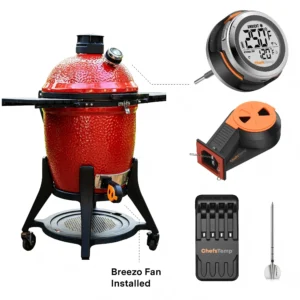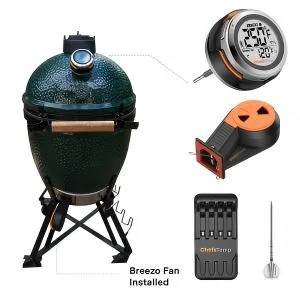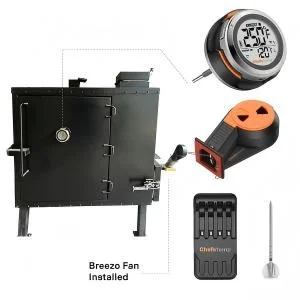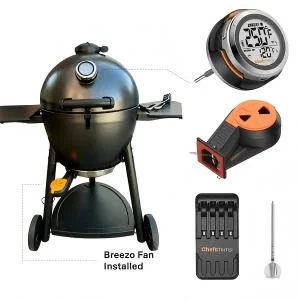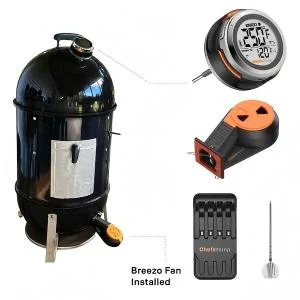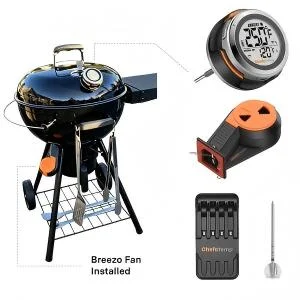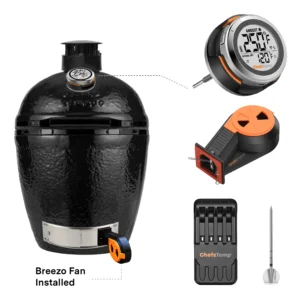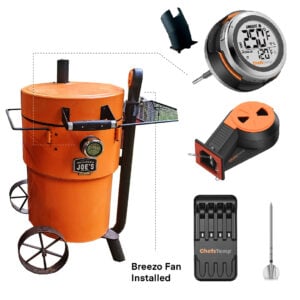
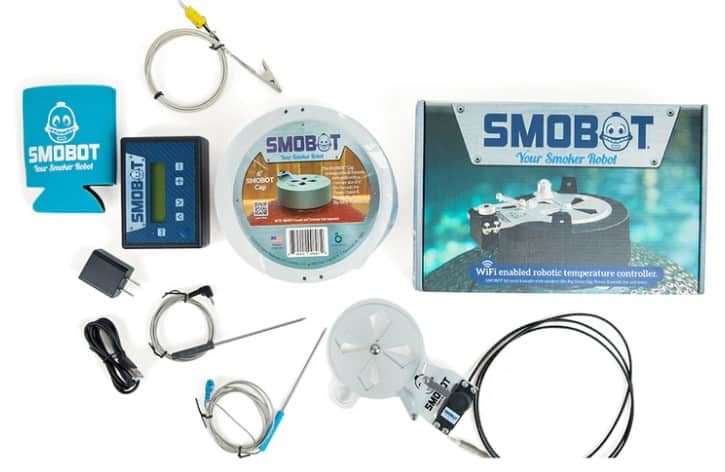
A well-insulated grill with high-end ceramic insulation is great. But let’s face it: monitoring grill vents for a 14-hour overnight brisket is laborious. We all inevitably start searching for a solution for kamado joe temperature control to at least get a decent night’s sleep. Automated top-damper systems, like SMOBOT, seem like a good solution. But they are not the best solution. Gunky gears and wires just give you a different problem. The true innovation for stable, hands-free smoking is intelligent, bottom-draft airflow. And it’s still a long way off.
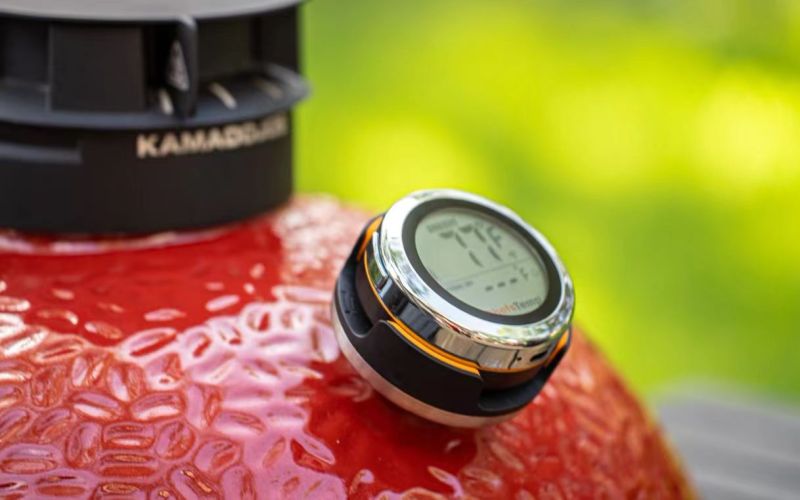 Top daisy wheel systems try to control fires by limiting exhaust. I’ve tried these systems out. The procedure worked exclusively on passive physics. By almost closing the top vent, you are indirectly slowing the fire. By doing this, the natural draft that pulls air from the bottom is weakened. This takes time. If your fire starts dying and the top damper opens then, it goes back to normal, and it cannot force air into the coals. This is made worse for long overnight cooks. Ash builds up and blocks airflow. At this point, there isn’t much you can do.
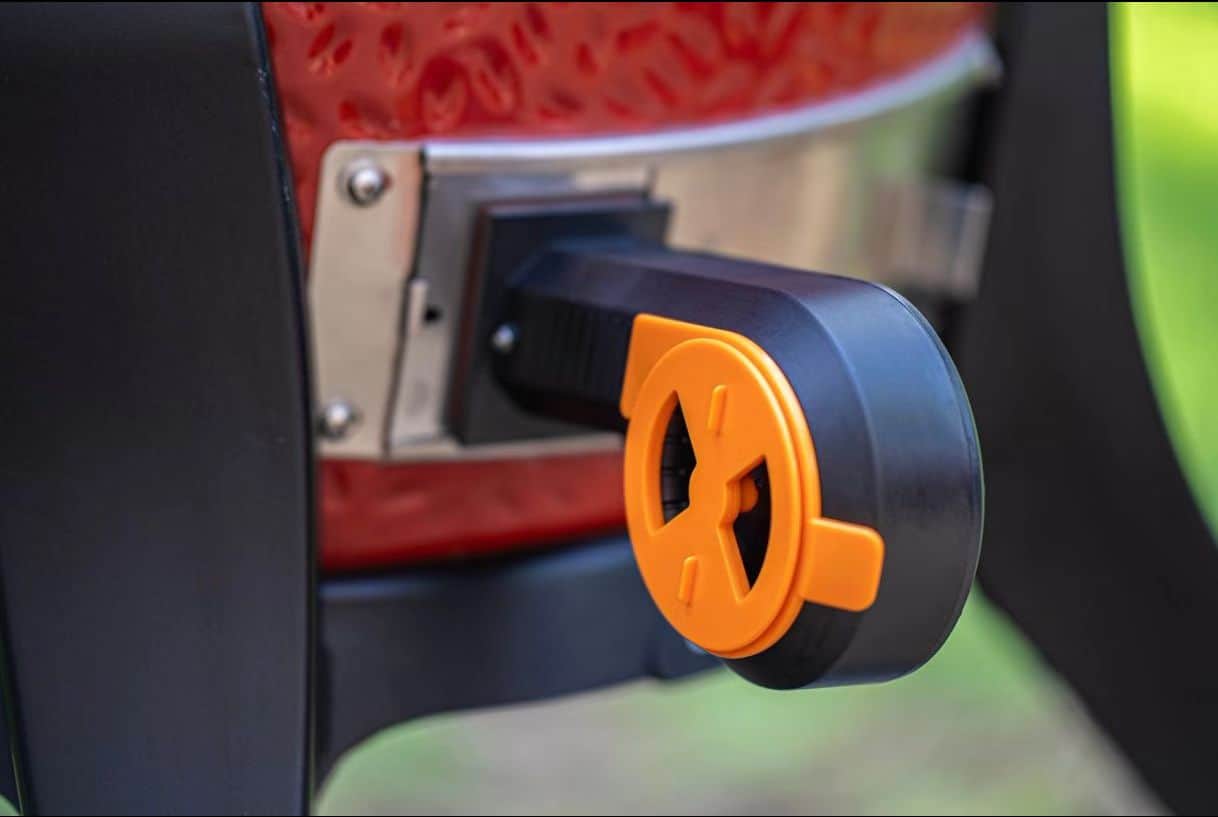
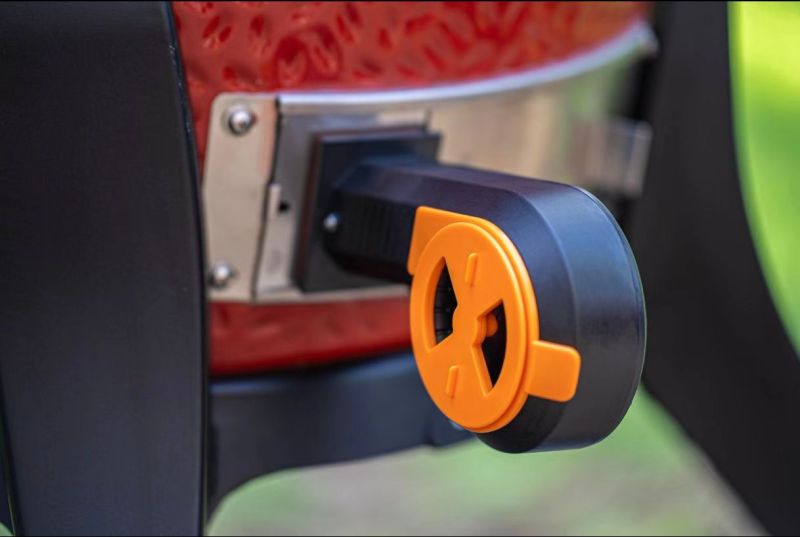 Science can actually be advantageous here. Instead of waiting for passive drafting, a bottom-mounted system is forcing fresh air into the lower intake. A smart fan, for example, can inject precise amounts of oxygen into the firebed, creating a positively pressurized environment. The fire reacts almost instantaneously. If I open the heavy ceramic dome to wrap a brisket and lose the built-up heat, a bottom-draft fan kicks on, forcing oxygen into the coals in order to recover the target temperature faster than the top damper. We are forcing the combustion, not waiting for the smoke to clear.
 So why are there top mounted systems if it is scientifically slower and less responsive? They were an early and ingenious way to simulate manual top vent adjustment. However, there is one major physical obstacle that they must overcome—condensation.
At the temperature of a low and slow 225°F, your charcoal and wood chunks will be smoldering. This partial combustion emits high levels of moisture. This hot smoke traps at the top vent and condenses on the relative cooler metal or ceramic. The combustion science research on wood smoke shows that it is the same physical reaction as the droplets of condensation forming on the outside of a cold beer glass on a humid summer day.
This condensation isn’t water, however. It is a viscous, black, very flammable sludge known as creosote.
If you affix a robotic damper to your top vent, that’s the path of this sticky exhaust that the moving gears and electronic sensors are following. With time (usually after 2-3 long cooks) the creosote behaves like super glue. Suddenly, your controller is wide open and the mechanical gears keep jamming, and the motor seems to be having trouble. I have spent my weekends cleaning up delicate mechanical parts with the most corrosive degreasers and let me tell you, it’s no fun barbecue season.
This was the main reason for ditching the top mounted ones. When you’re searching for a good SMOBOT alternative, it’s just eliminating the moving parts from the exhaust path completely. This will cut out the creosote trap altogether by safely locating the fan at the bottom intake where it only draws clean cool air. Reliable heat without the need for any gear scrubbing.
So why are there top mounted systems if it is scientifically slower and less responsive? They were an early and ingenious way to simulate manual top vent adjustment. However, there is one major physical obstacle that they must overcome—condensation.
At the temperature of a low and slow 225°F, your charcoal and wood chunks will be smoldering. This partial combustion emits high levels of moisture. This hot smoke traps at the top vent and condenses on the relative cooler metal or ceramic. The combustion science research on wood smoke shows that it is the same physical reaction as the droplets of condensation forming on the outside of a cold beer glass on a humid summer day.
This condensation isn’t water, however. It is a viscous, black, very flammable sludge known as creosote.
If you affix a robotic damper to your top vent, that’s the path of this sticky exhaust that the moving gears and electronic sensors are following. With time (usually after 2-3 long cooks) the creosote behaves like super glue. Suddenly, your controller is wide open and the mechanical gears keep jamming, and the motor seems to be having trouble. I have spent my weekends cleaning up delicate mechanical parts with the most corrosive degreasers and let me tell you, it’s no fun barbecue season.
This was the main reason for ditching the top mounted ones. When you’re searching for a good SMOBOT alternative, it’s just eliminating the moving parts from the exhaust path completely. This will cut out the creosote trap altogether by safely locating the fan at the bottom intake where it only draws clean cool air. Reliable heat without the need for any gear scrubbing.
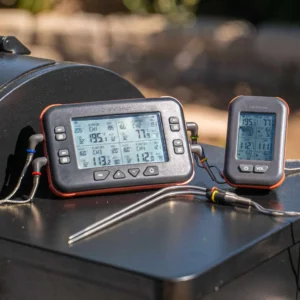
 Automated blowers have always been limited by wire clutter. Running a cord to a fan and laying pit probe wires on a scorching ceramic dome is a molten cable factory. Actually dealing with fried probe wires in the middle of the night is expensive and annoying and completely defeats the purpose of automation in the first place.
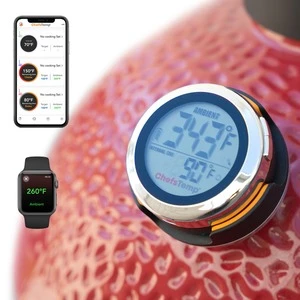
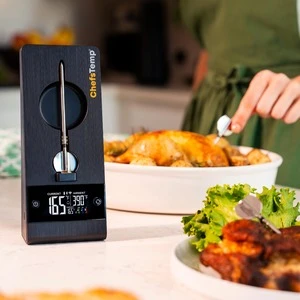
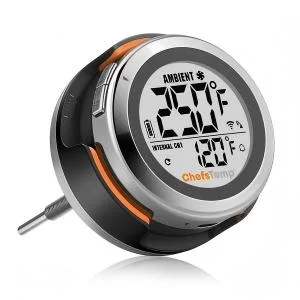
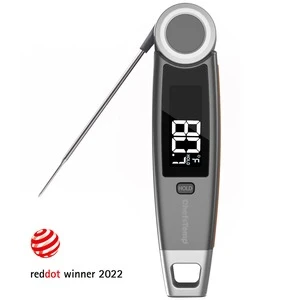
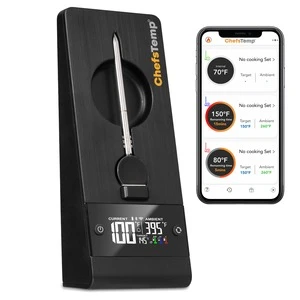
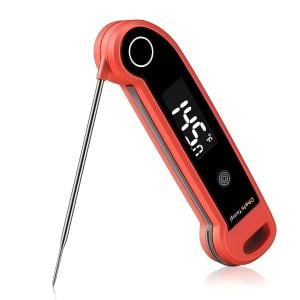
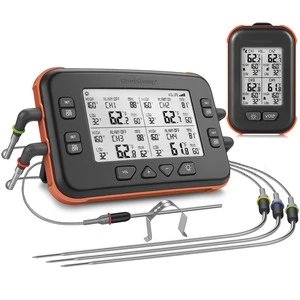
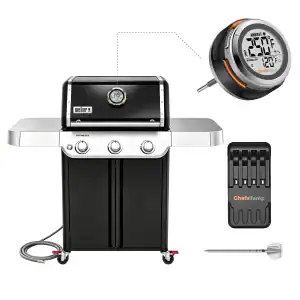
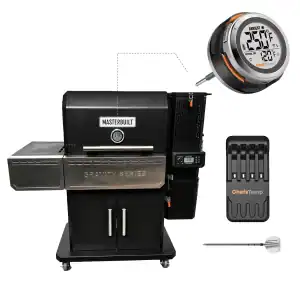
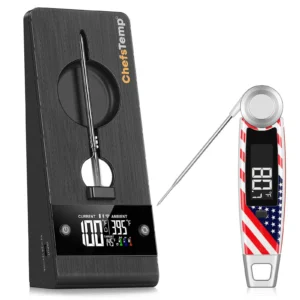
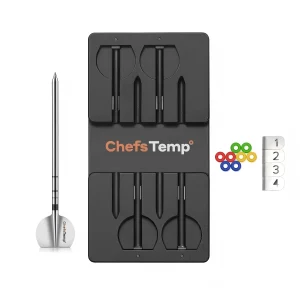
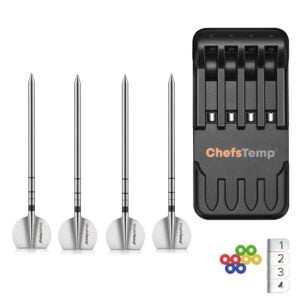
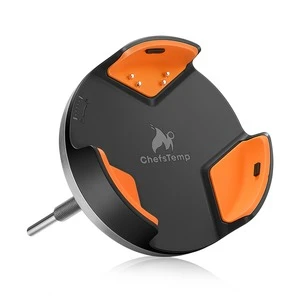
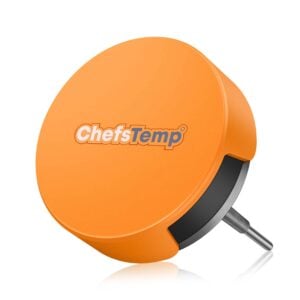
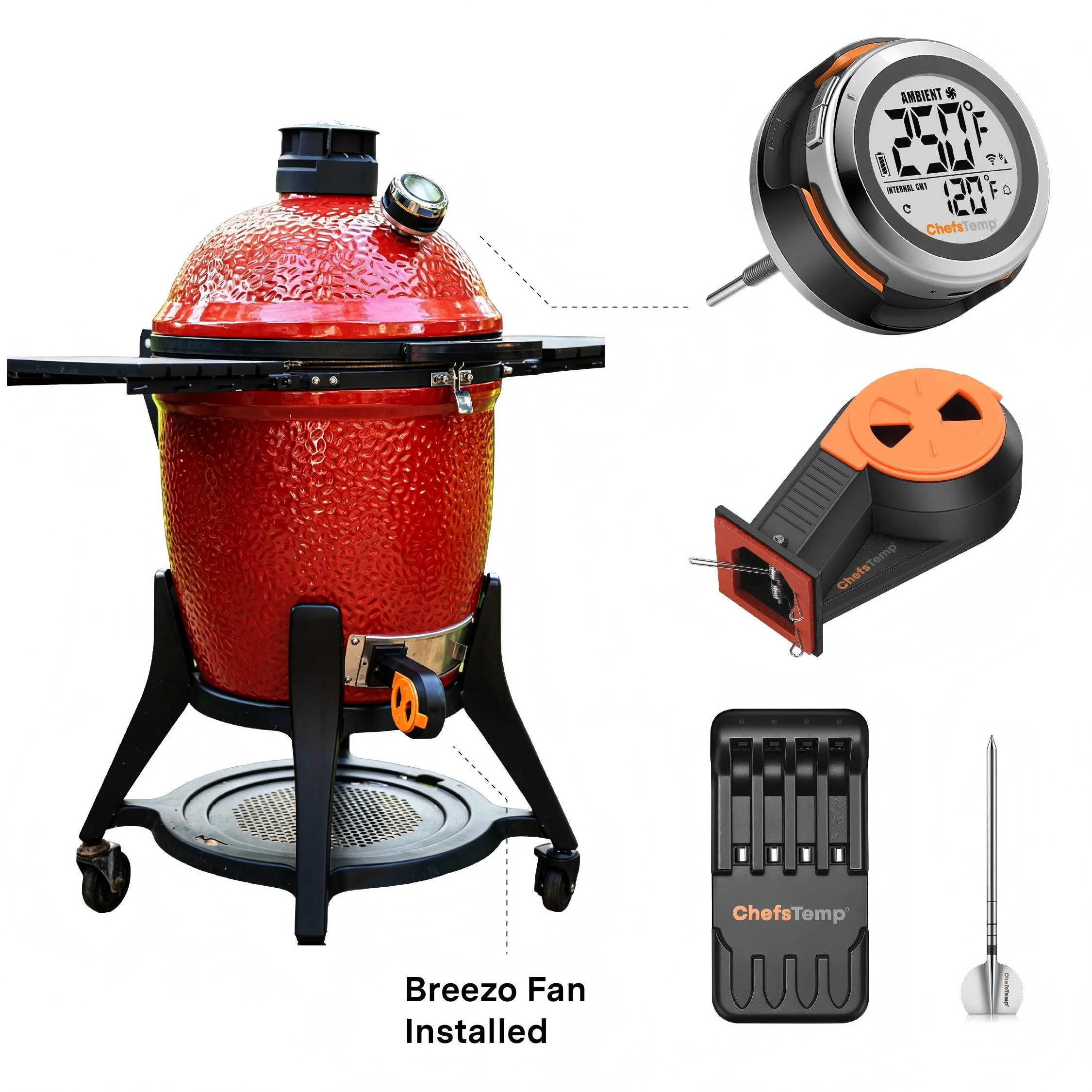
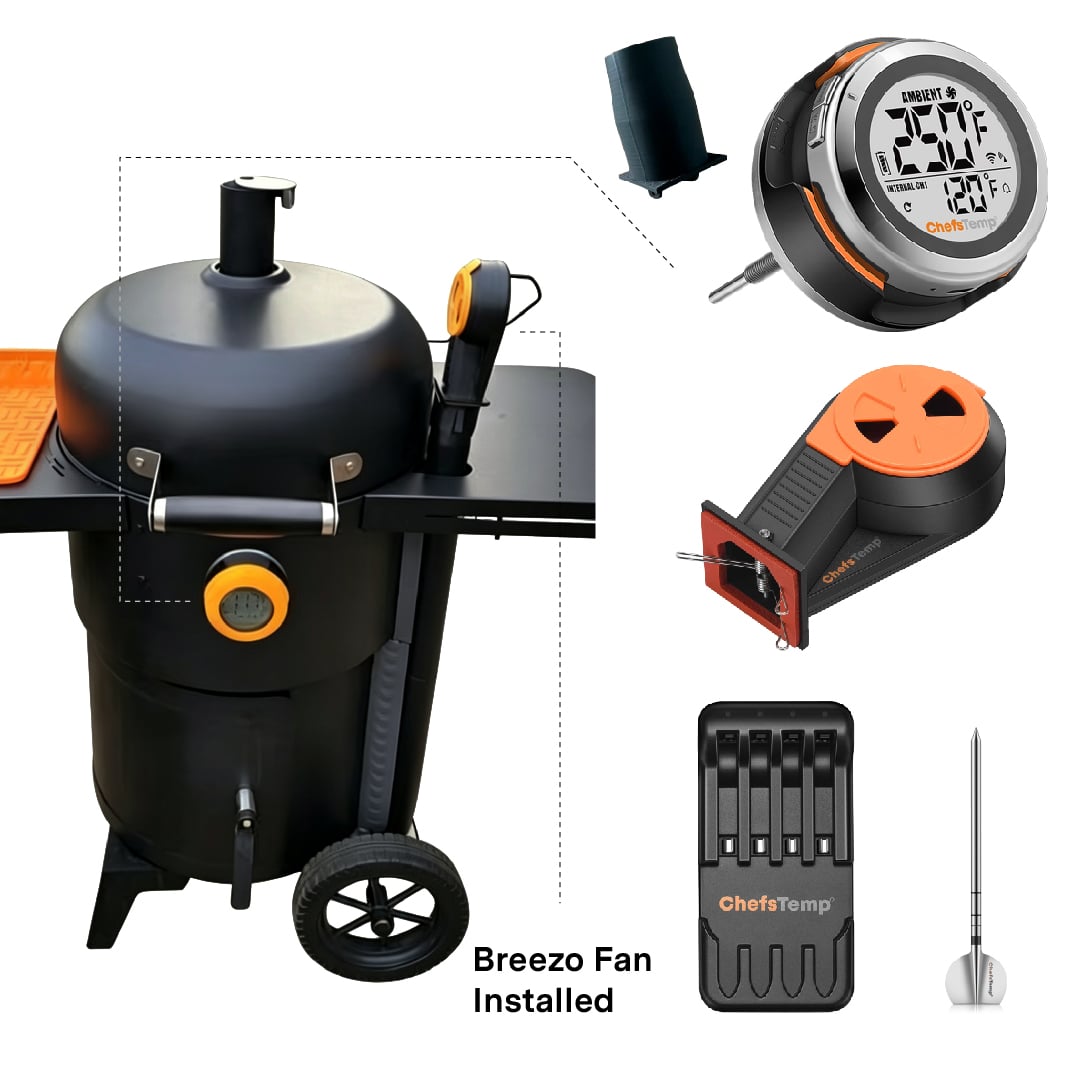
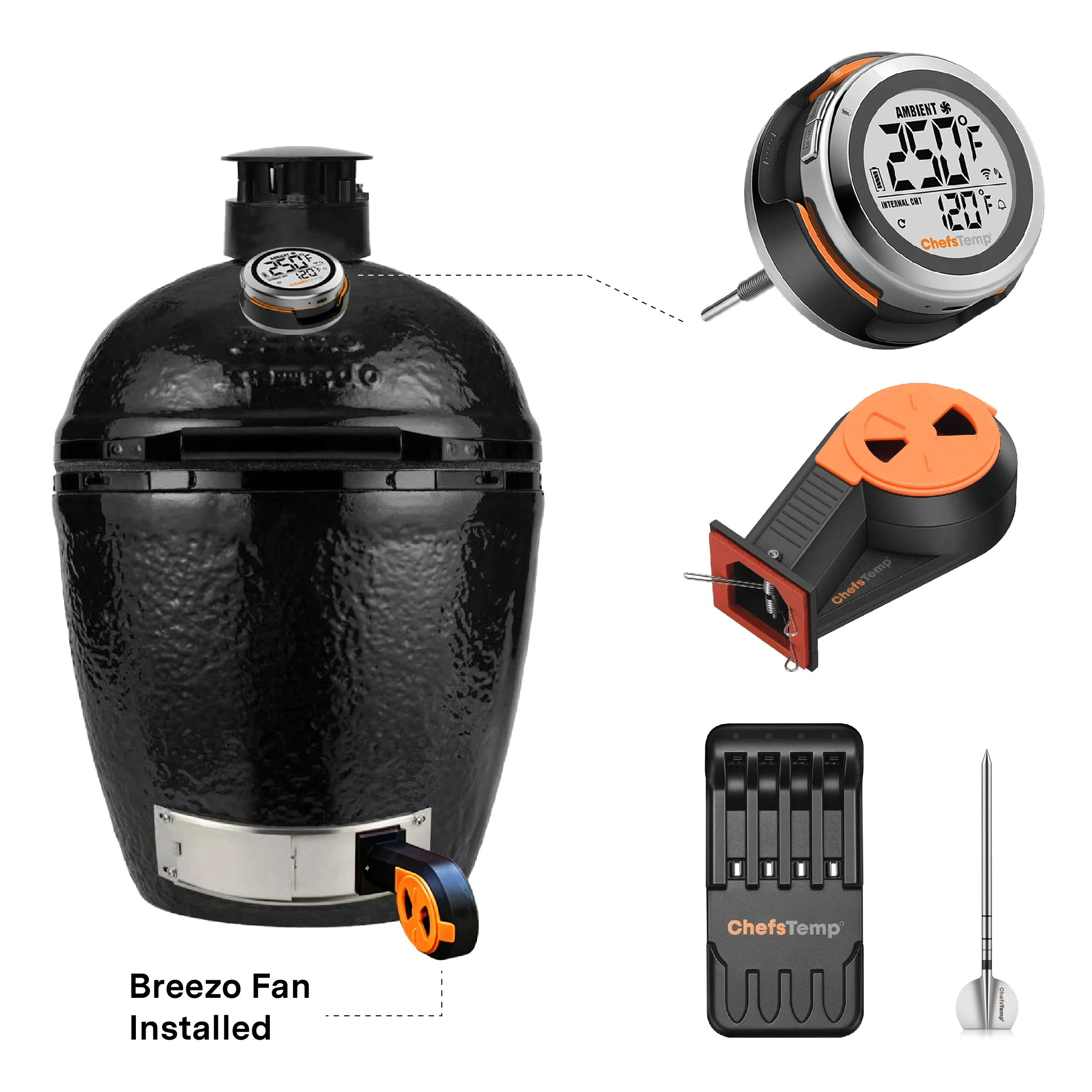
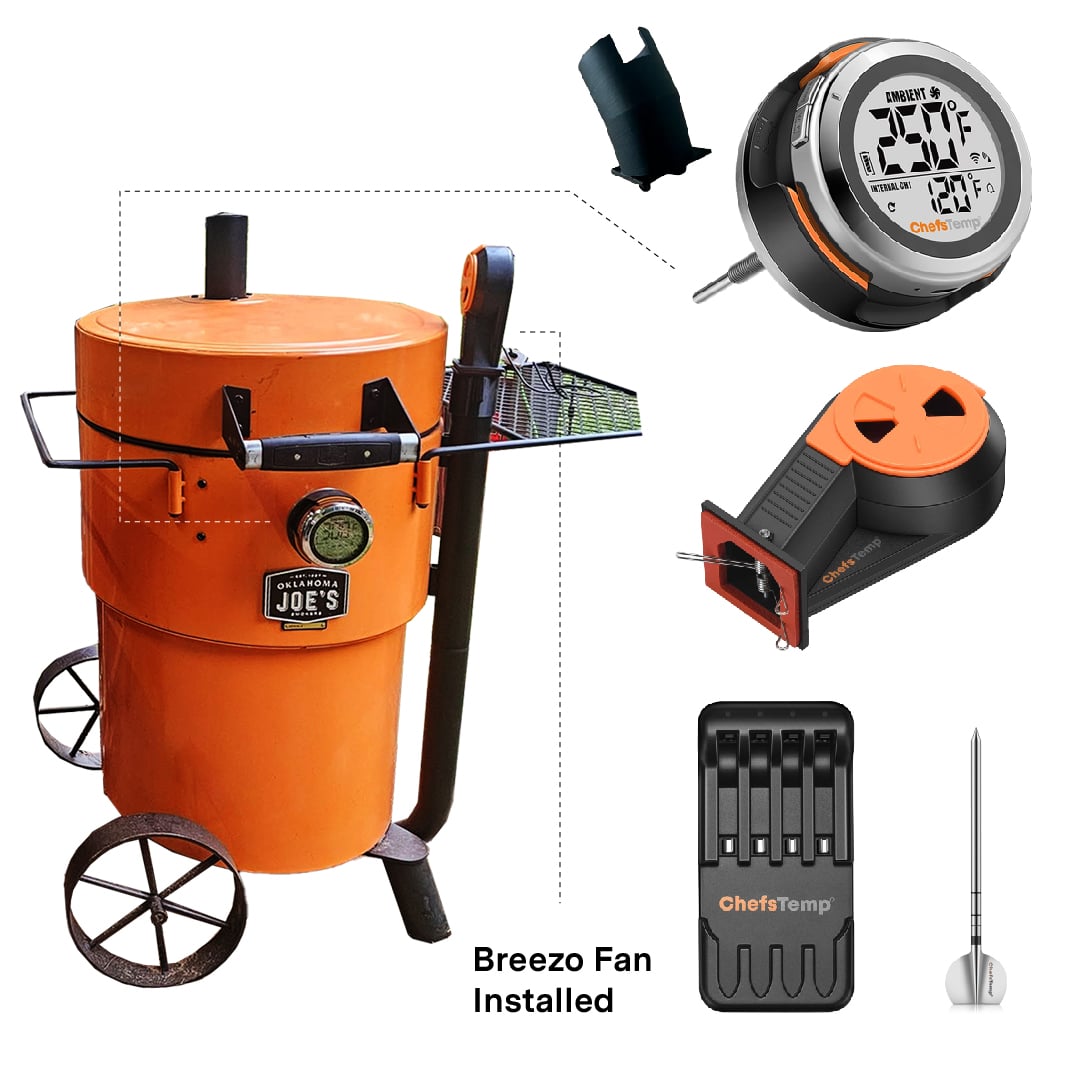
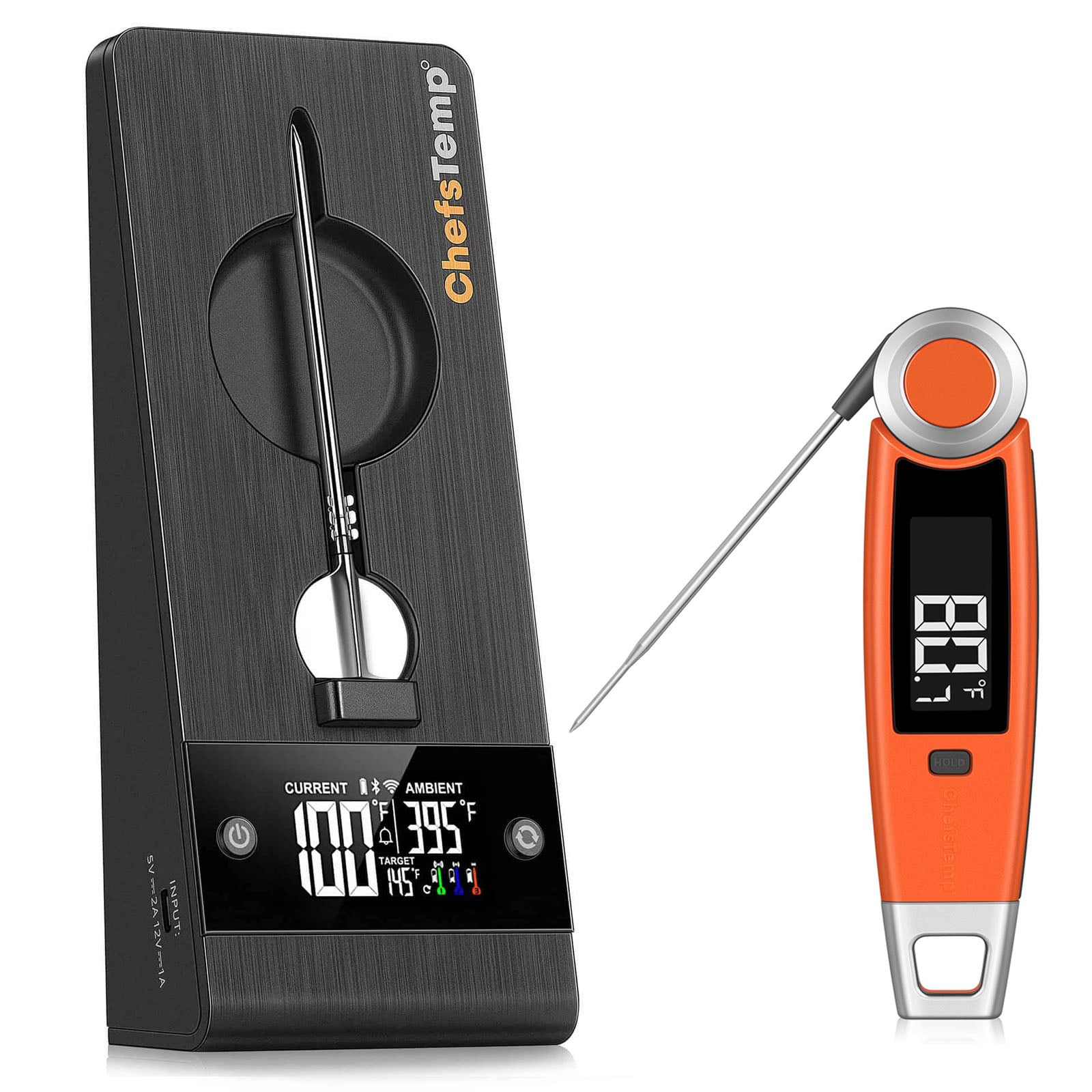
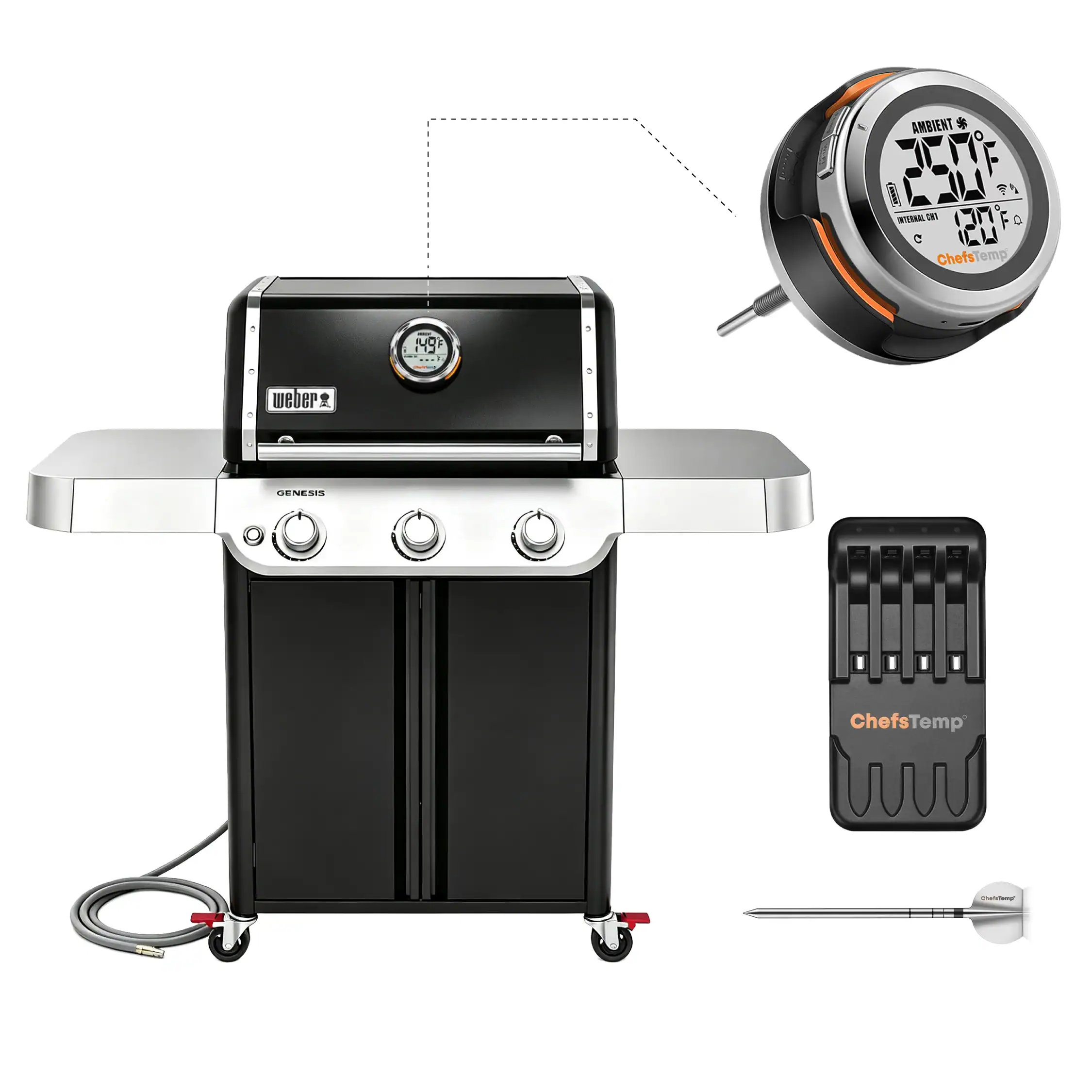
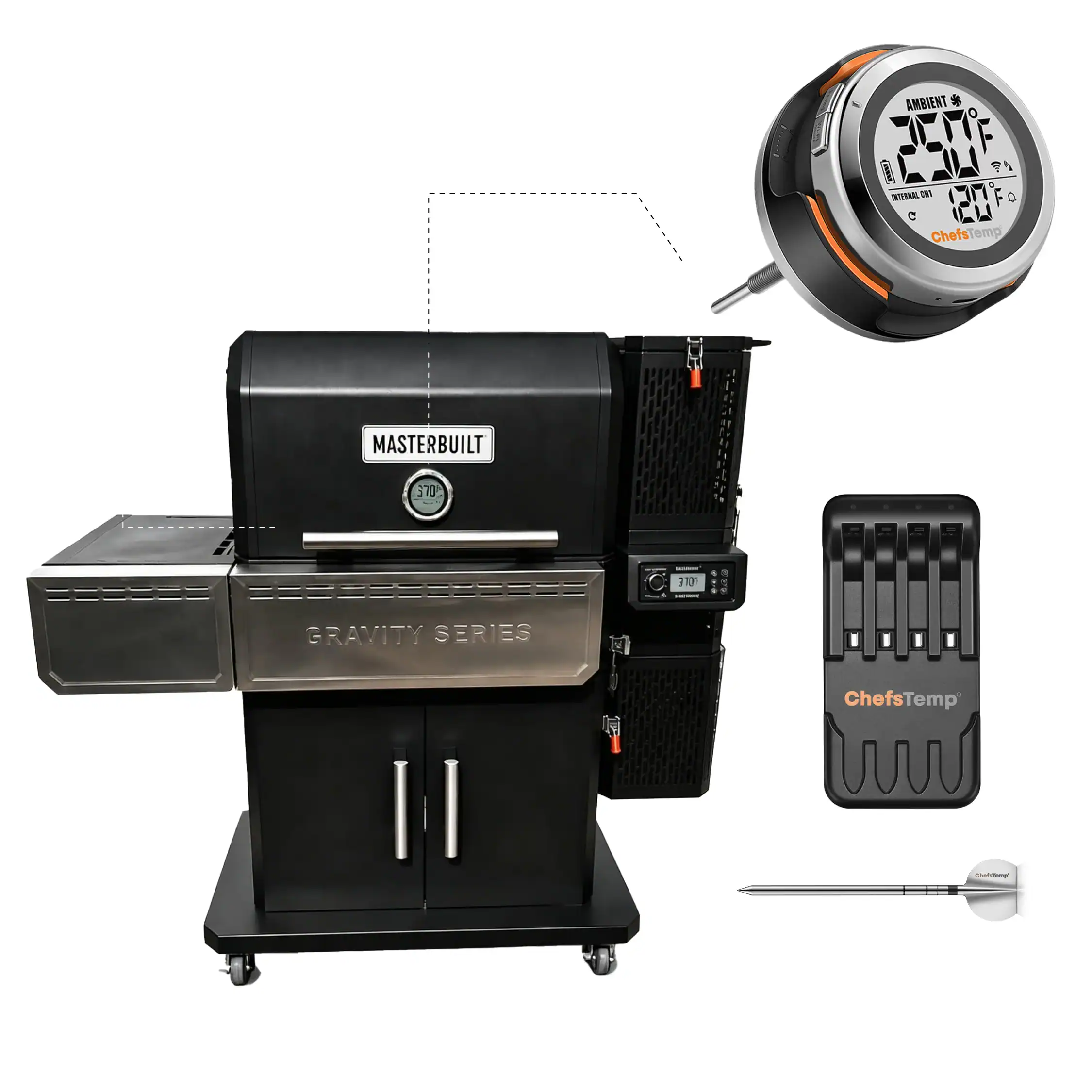
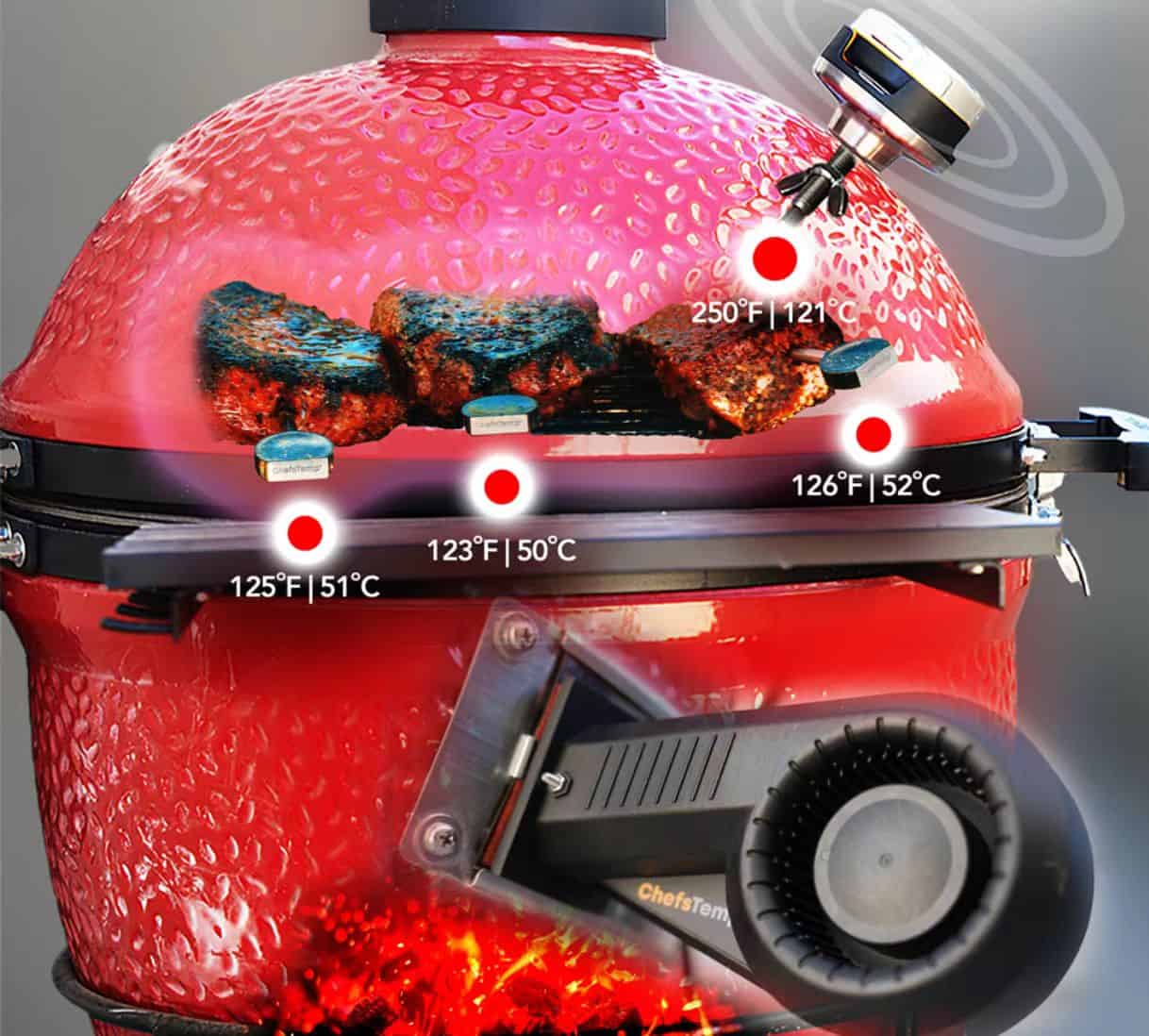
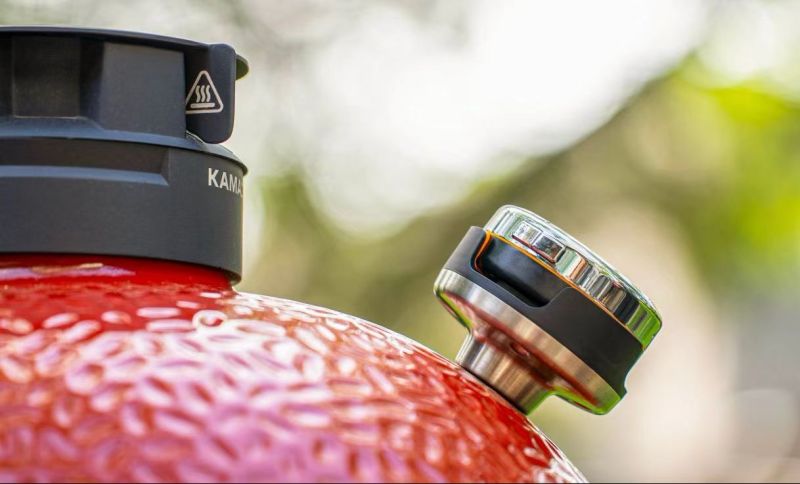
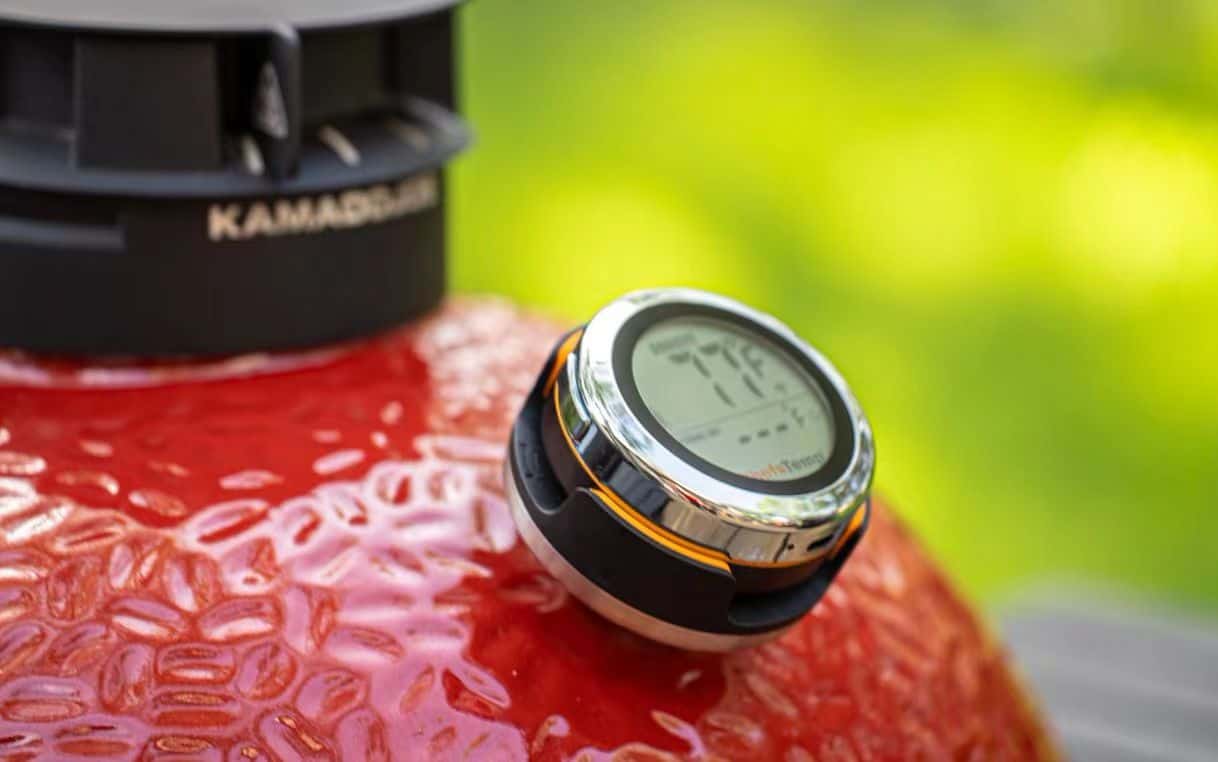
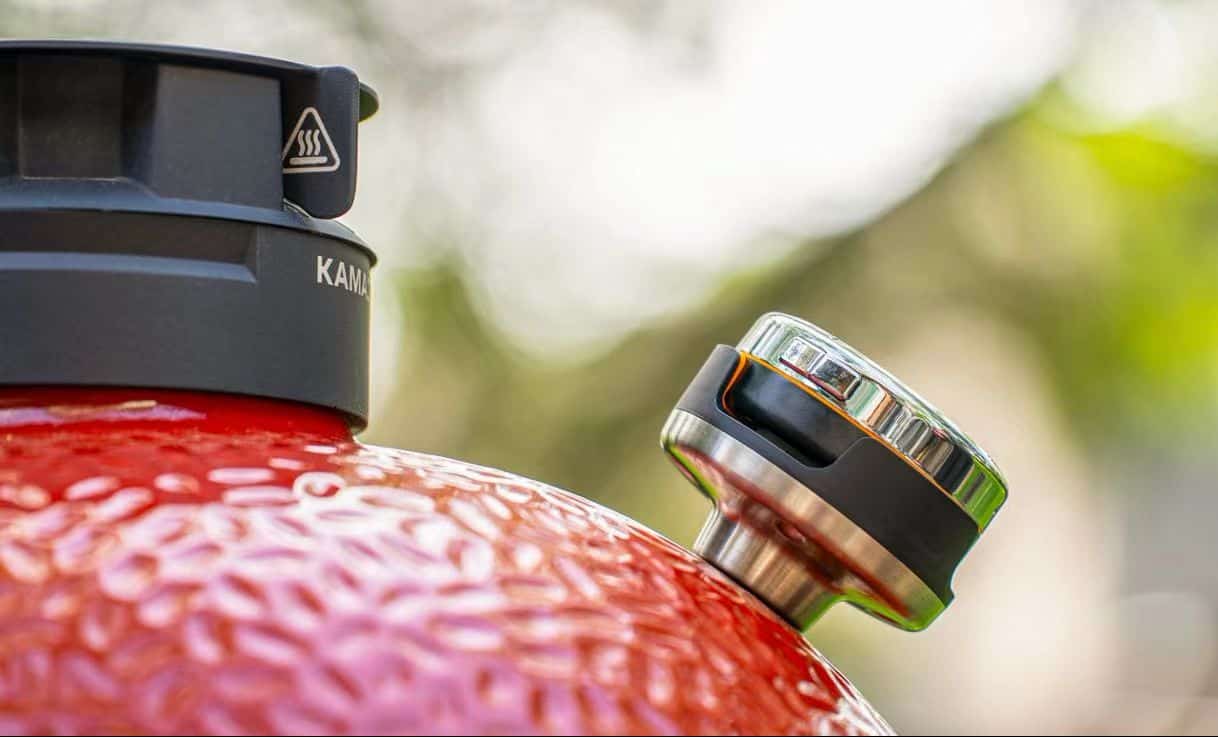
This is why a bottom draft, completely wireless system is revolutionary. In order to permanently clean up my system, I replaced my inbuilt analog dial with a smart wireless meat thermometer ecosystem. More specifically, the protemp s1 smart grill gauge talks wirelessly and directly to the bottom-mounted Breezo Fan.
The digital gauge is protected in the dome measuring the ambient heat. The fan sits at the bottom with air in-take to keep up with the oxygen levels and they pair with a stable wireless connection. You get rapid and active positive pressure control without delicate wires routed across a 500°F grill and without exposing parts to the top-vent creosote. When upgrading your ceramic grill thermometer, removing wired obstacles and gaining precision is the most reasonable option.
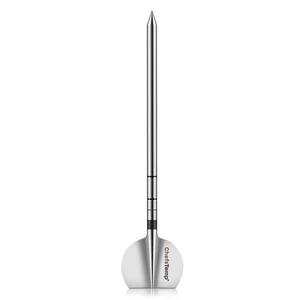
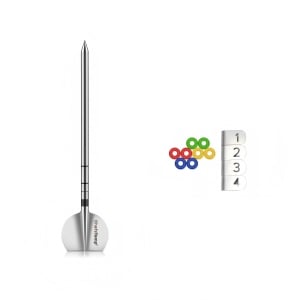
The most important thing is the versatility. A good Kamado Joe temperature controller should not restrict you to one cooker. Because this gauge uses interchangeable stem lengths, I can take it off my ceramic grill, change the stem and put it directly in a Big Green Egg or a normal Weber Kettle. It becomes a clean, wireless brain for all charcoal grills on the patio.
Tip: Click here to read more about upgrading the Weber Smokey Mountain with ChefsTemp for perfect brisket if interested.
Automated blowers have always been limited by wire clutter. Running a cord to a fan and laying pit probe wires on a scorching ceramic dome is a molten cable factory. Actually dealing with fried probe wires in the middle of the night is expensive and annoying and completely defeats the purpose of automation in the first place.
This is why a bottom draft, completely wireless system is revolutionary. In order to permanently clean up my system, I replaced my inbuilt analog dial with a smart wireless meat thermometer ecosystem. More specifically, the protemp s1 smart grill gauge talks wirelessly and directly to the bottom-mounted Breezo Fan.
The digital gauge is protected in the dome measuring the ambient heat. The fan sits at the bottom with air in-take to keep up with the oxygen levels and they pair with a stable wireless connection. You get rapid and active positive pressure control without delicate wires routed across a 500°F grill and without exposing parts to the top-vent creosote. When upgrading your ceramic grill thermometer, removing wired obstacles and gaining precision is the most reasonable option.
The most important thing is the versatility. A good Kamado Joe temperature controller should not restrict you to one cooker. Because this gauge uses interchangeable stem lengths, I can take it off my ceramic grill, change the stem and put it directly in a Big Green Egg or a normal Weber Kettle. It becomes a clean, wireless brain for all charcoal grills on the patio.
Tip: Click here to read more about upgrading the Weber Smokey Mountain with ChefsTemp for perfect brisket if interested.
The Challenge of Traditional Charcoal Grill Temperature Control
For those that have ever had to babysit their smoker through the night, you likely know the scenario all too well. You externally adjust the vents so that your smoker holds a perfect 225°F. You try to catch a few hours of sleep thinking that, finally, all your hard work has paid off. But then at 3 AM, the wind picks up and a cold front rolls in. Your fire is now either choking out or racing towards 300°F. If you’ve got a charcoal smoker, you know that temperature control is a waking battle. It’s an active combustion process that requires a steady supply of oxygen. If the wind blows over your top vent, a vacuum effect is created that causes a spike in temperature by rapidly increasing airflow through your bottom vent. Testers at AmazingRibs have seen that even the slightest breeze can have a drastic impact on a charcoal grill. Since we cannot control the weather, the draft systems have gone from a luxury item to an absolute must for serious long, overnight smokers. But, in order to know what makes an effective draft system, we need to understand how air flows through the smoker.Top-Down vs. Bottom-Up: The Thermodynamics of Your BBQ Smoker
There’s nothing complicated about physics when it comes to kamado joe temperature control: oxygen controls heat. The bottom vent is the intake that fuels the charcoal with oxygen. The top vent is the exhaust that controls the internal draft and how fast the smoke leaves the coffin. These two systems, along with the control of the top and bottom vents, greatly improve the BBQ experience.- The Top-Down Approach (Passive Control)
Top-Down
- The Bottom-Up Approach (Active Positive Pressure)
Bottom-Up
The Creosote Trap: Why Top-Mounted Controllers Jam
The Creosote Trap
Breaking the Wires: A Truly Wireless Kamado Joe Temperature Controller
A Truly Wireless Kamado Joe Temperature Controller
3 Practical Tips for Flawless BBQ Smoker Temperature Control
You can have a fancy wireless setup, but you still have to learn how to control the physical firebox. I ruined a few briskets and learned that kamado joe temperature control starts before the fire is even lit. Here are three rules that I follow:- Build a better charcoal foundation:The firebox shouldn’t be a giant char bag dumping ground. I place the biggest lumps over the grate, then add the smaller lumps on top. This prevents charcoal dust from blocking air holes & prevents airflow & chokes the cook.
- Ditch the chips for chunks: I haven’t used wood chips in a while, and for good reason. Chips burn way too quickly & create a bad, bitter, white smoke. Instead, deep into the unlit charcoal, bury a few hardwood chunks the size of your fist. As the combustion experts at AmazingRibs say, wood chunks burn much slower & much steadier, which is exactly the goal for a delicious, truly wood smoked BBQ.
- Anticipate the overshoot:A large heat sink is the best way to describe a ceramic grill. If you wait until the dome caps out at 225°F to close your vents, you’ll end up way over the target at 275°F. The only way to bring the ceramic back down to the target is to wait hours. The best way to judge it is to start ventilating when the dome hits 250°F.