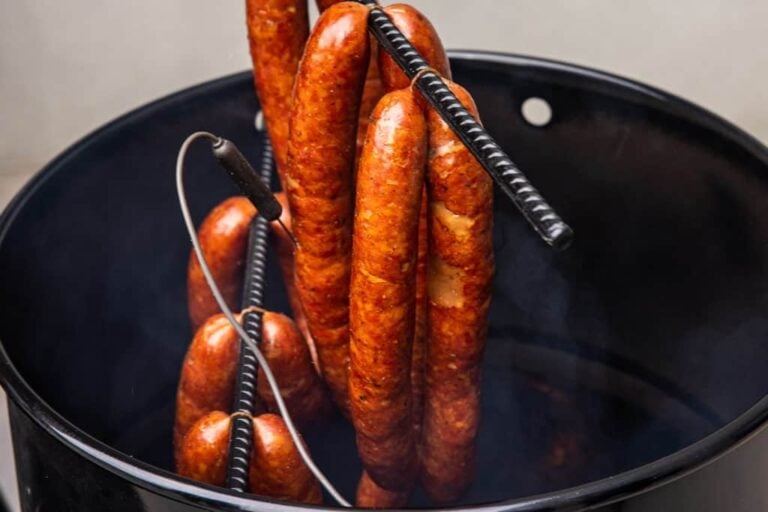
Natural casing ring sausage is a cookout staple enjoyed around the world that is equally deserving of a place on the weekday dinner menu. You can find it at most butcher shops and large grocery stores. It’s made from the scrap chunks and tougher cuts of meat that are forced into gelatin or natural casings.
Now these casings don’t just hold the ground meat conveniently in one place. They also trap the natural juices and fat so they can render when you grill or smoke them. Cook it too hot and the skin cracks. All those juices and tasty fat pour out into the fire; it flares up, and you’re left with a mouthful of mealy, meaty disappointment.
You face the same problem if you stab a probe thermometer directly into the skin to make sure that raw meat is done to a safe temperature. So, how do you know the sausage is properly cooked on the grill, without letting out all those precious natural juices?
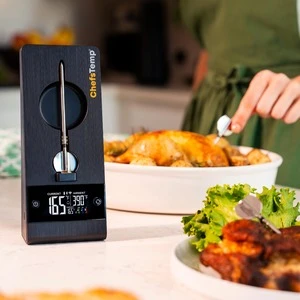
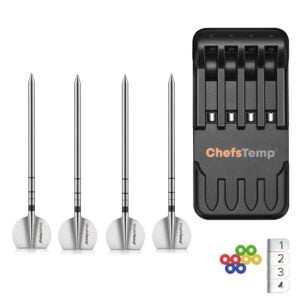
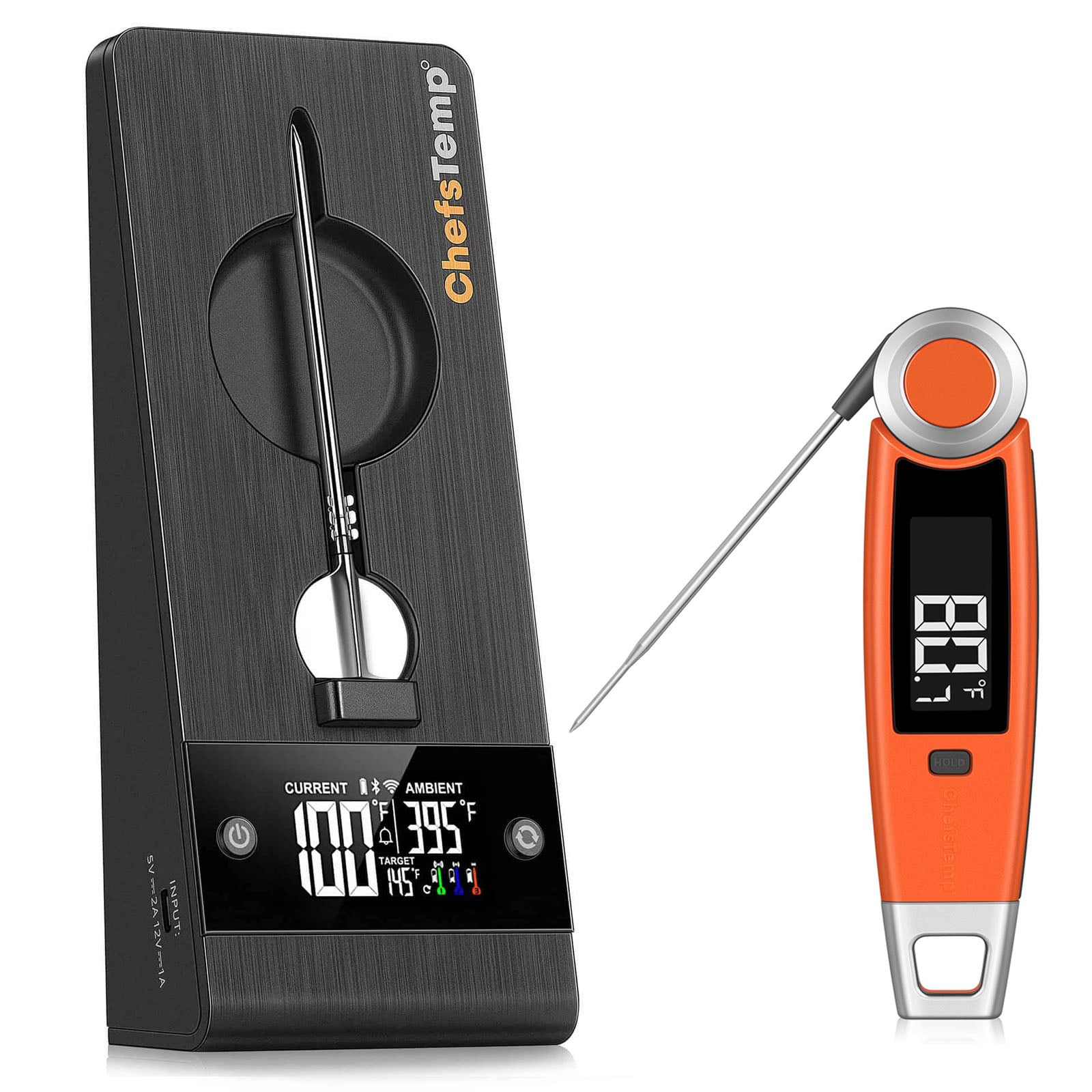
To answer this question, we need to turn to the ChefsTemp Finaltouch X10 and a grilling technique that cooks it to a safe temperature, while crisping the skin for that perfect snap.
Part 1. The Physics of Natural Casing Sausage
With ring sausage, natural casing plays an important role in regulating the pressure inside the sausage as it cooks on the grill. It isn’t just holding the meat together; it maintains the relationship between the meat and the fat as it renders.
Once in its liquid state, the fat and natural gelatin also transport the seasonings into the meat fibers. If the heat is too high, the pressure builds faster than the natural casing can handle, and it blows out or completely rips open with a San Andreas-like crack.
The fat pours out, taking the flavor with it. It causes a flare-up that burns what’s left of the intact ring sausage casing, while leaving you with dried-out, mealy sausage.
Safe Grilling Temperature or Raw Ring Sausage
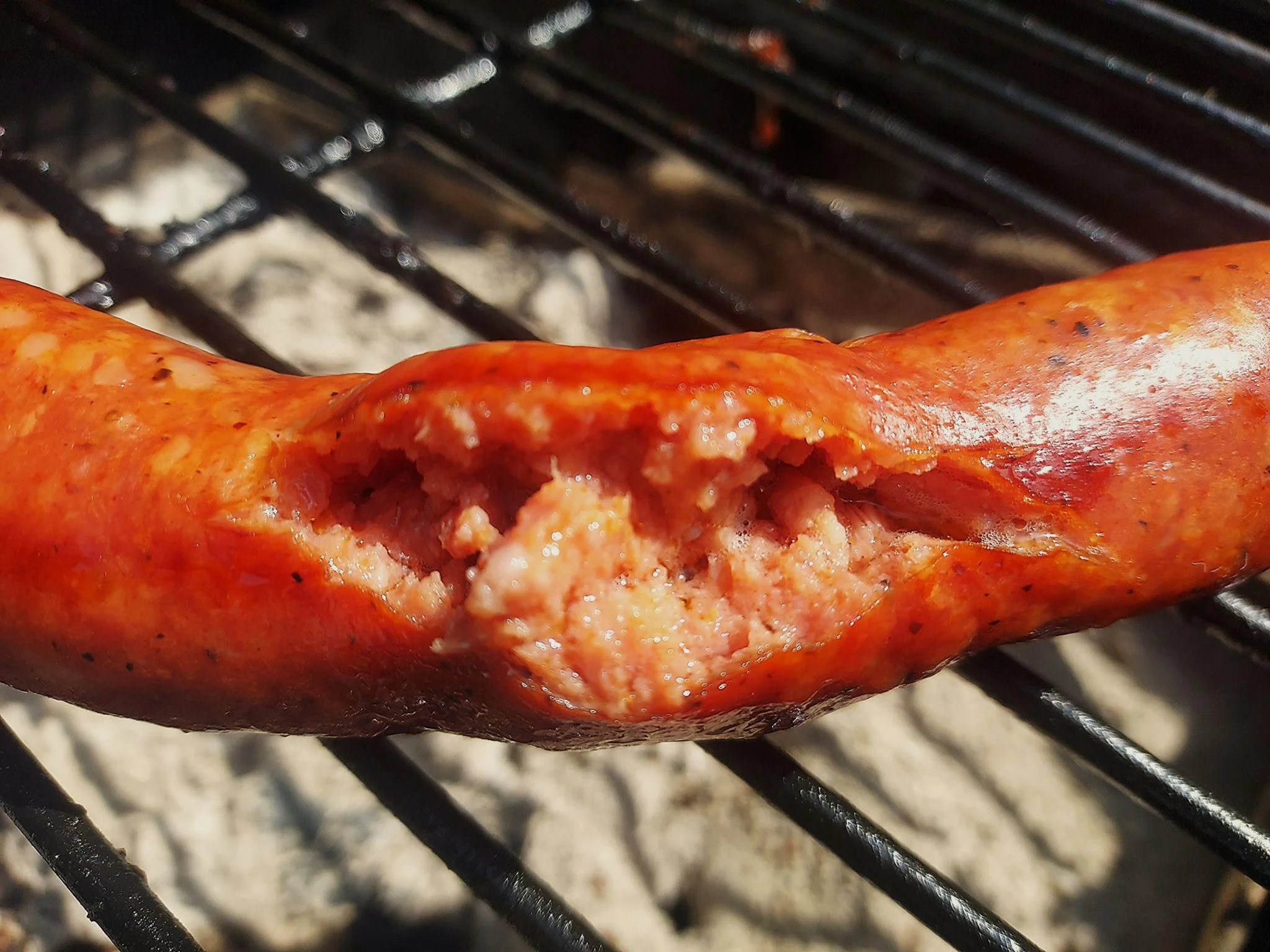
Raw pork ring sausage needs to be cooked to a safe internal temperature of 160 degrees. Now, if you stab a thick probe thermometer through the natural casing, all that internal pressure will try to come out through the hole.
You get an Old Faithful geyser of grease coming at your face, as the meat rapidly dries out. This is also where a new rip tends to form.
Watch for Tiny Bubbles
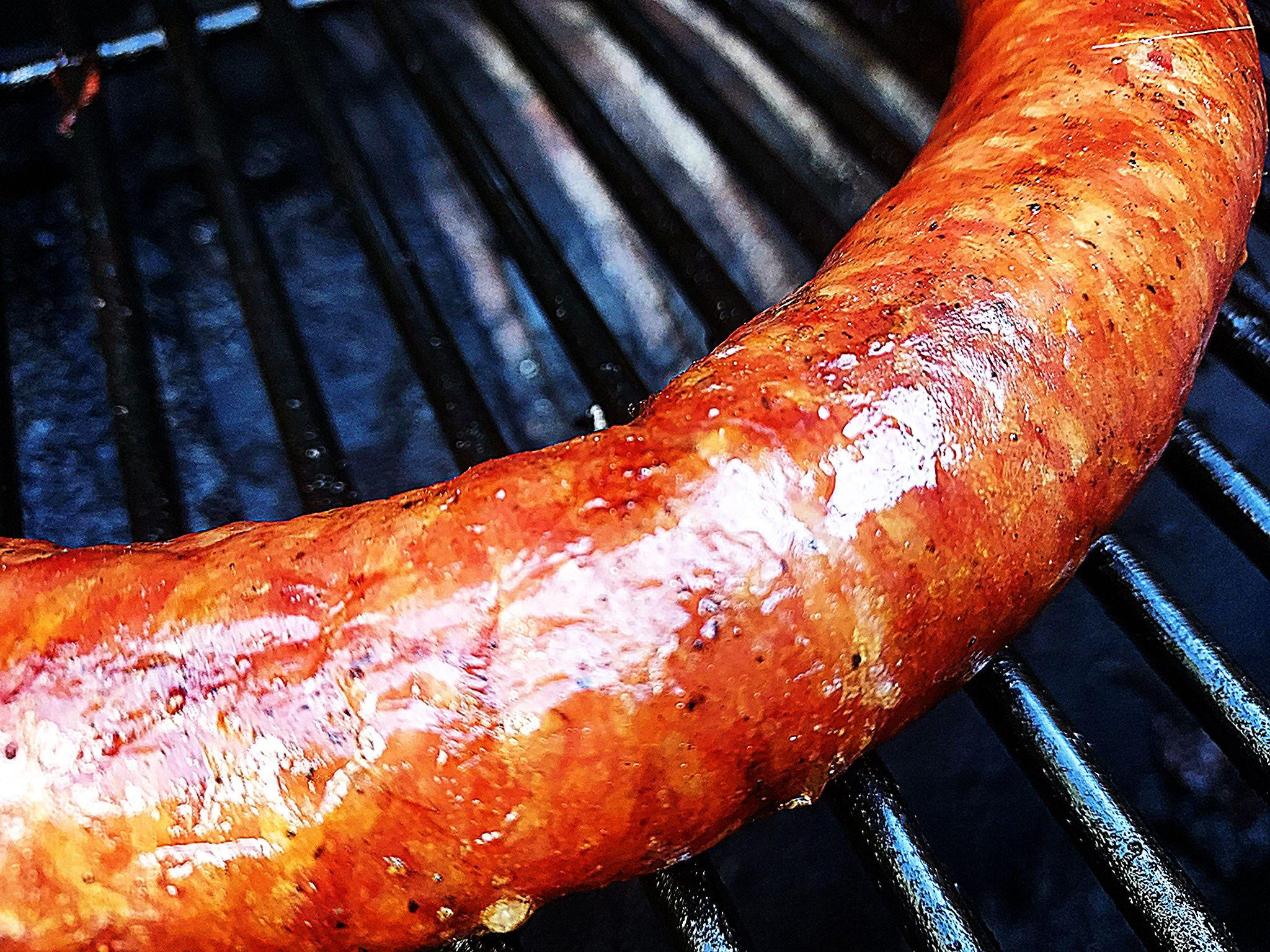
As the ring sausage continues to cook on the grill, you might start to see some tiny bubbles of grease. This is both natural and a warning sign of a potential rupture about to form.
Natural casings do have tiny pores, and when the fat inside renders into its liquid form, the pressure inside can be enough to force it through the pores. Left unchecked, this is where a rip will form.
Pro Tip: If you see some bubbling pores, gently move the ring sausage away from the heat, or turn your grill down. If you flip it, you’ll lose even more juices, and there’s a risk of a potential flare-up.
Part 2. The Right Tools for the Job
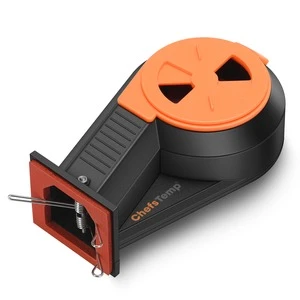
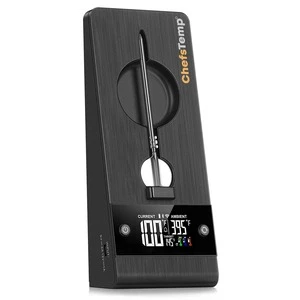
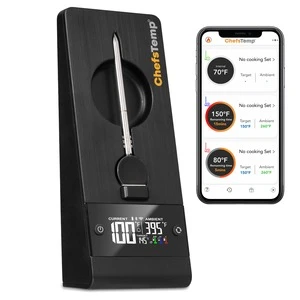
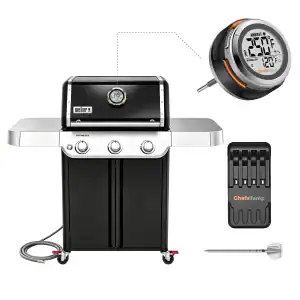
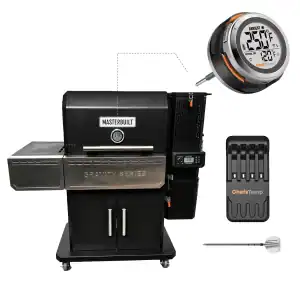
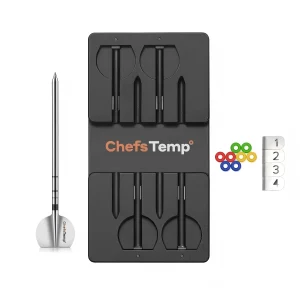
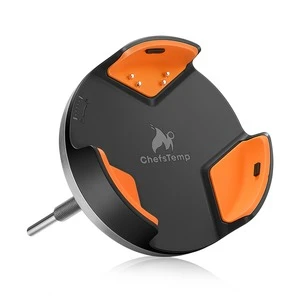
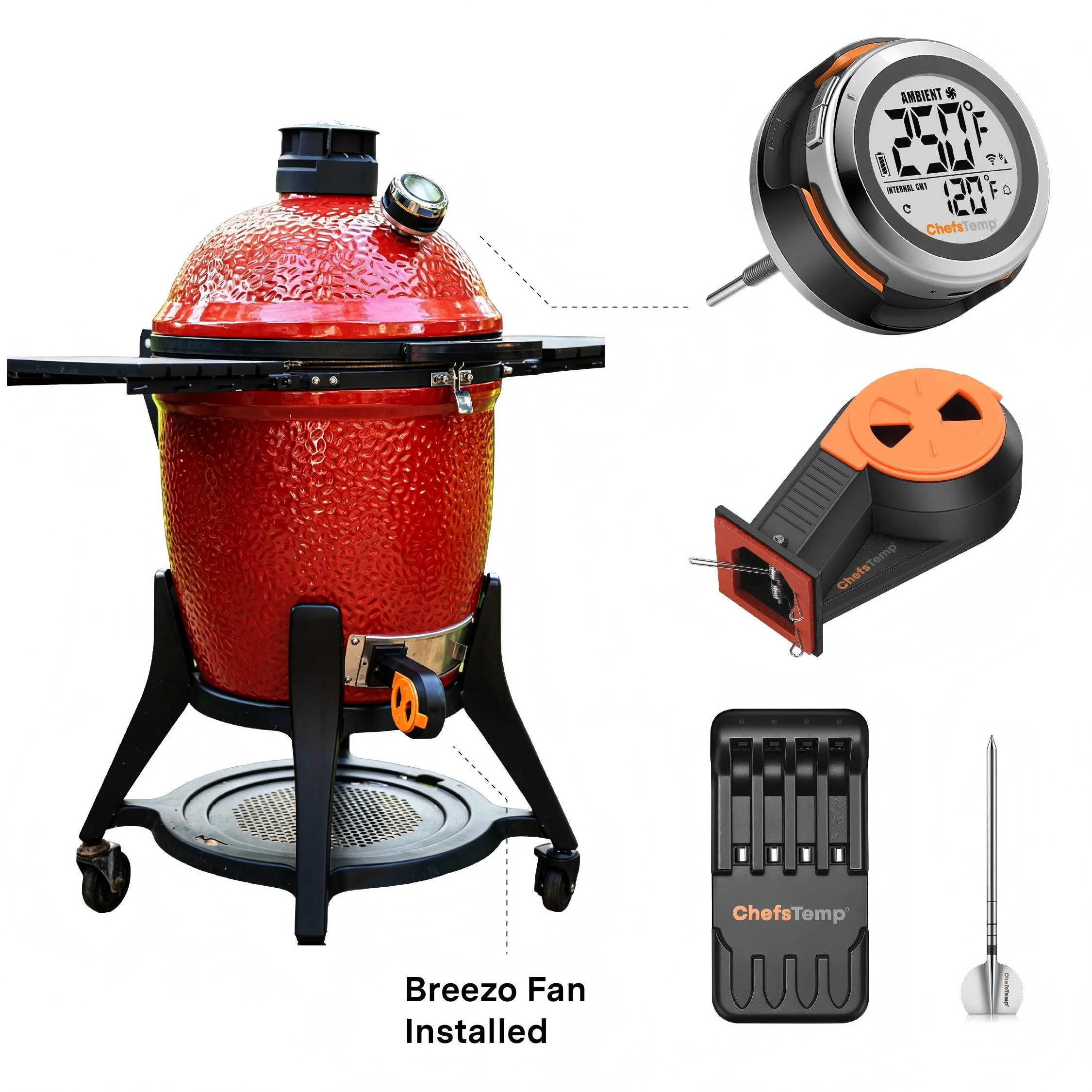
To grill pork sausage to a safe temperature of 160 degrees without losing a lot of natural juices, I like to use a combination of the ChefsTemp ProTemp S1 Hub and the ChefsTemp Final Touch X10.
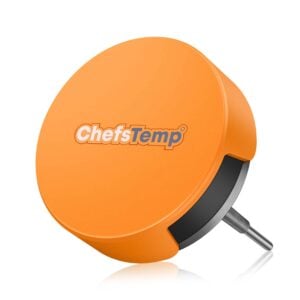
The ChefsTemp ProTemp S1 Hub
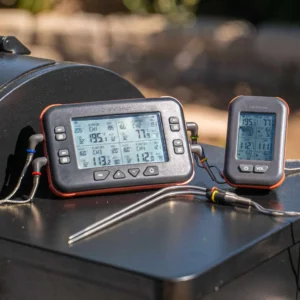
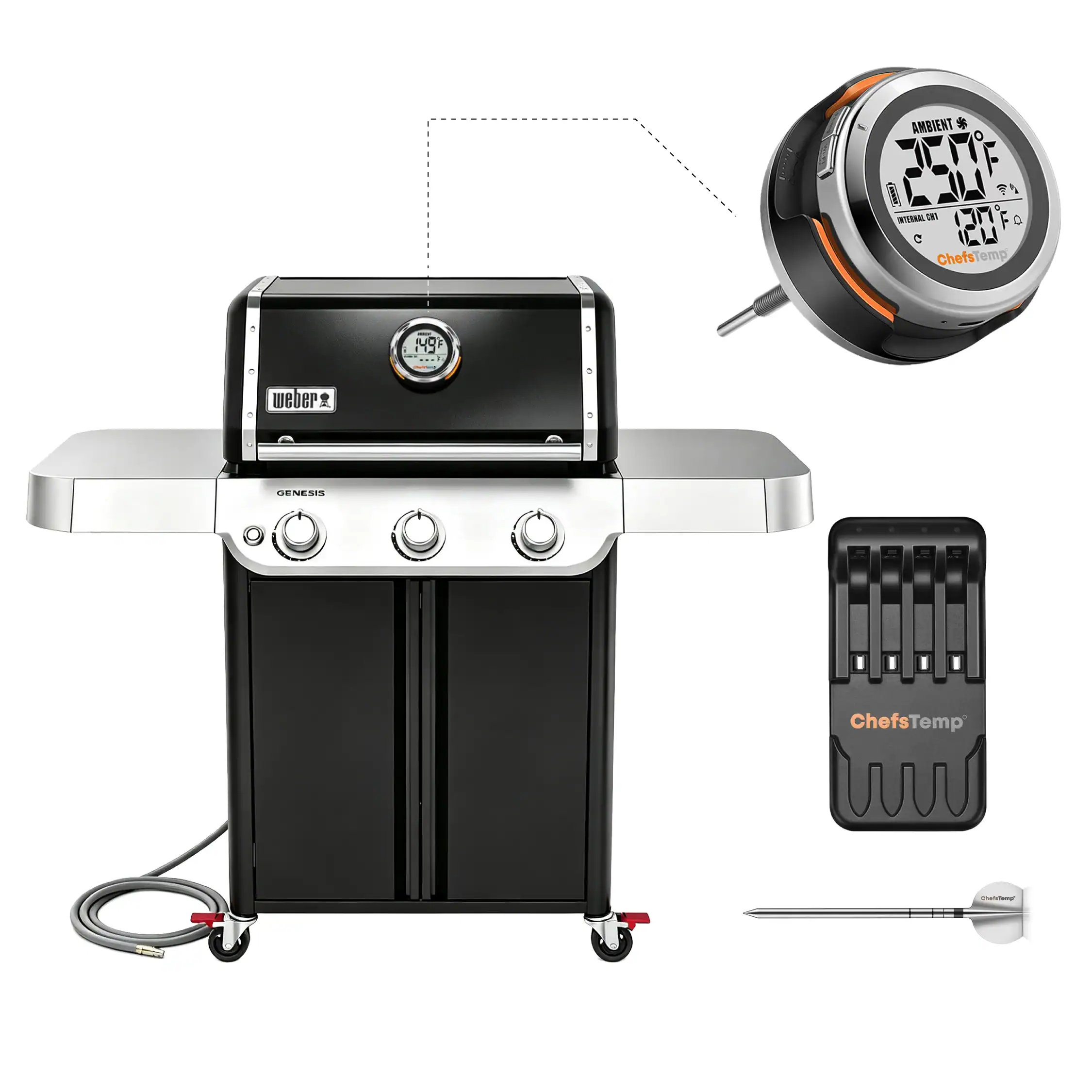
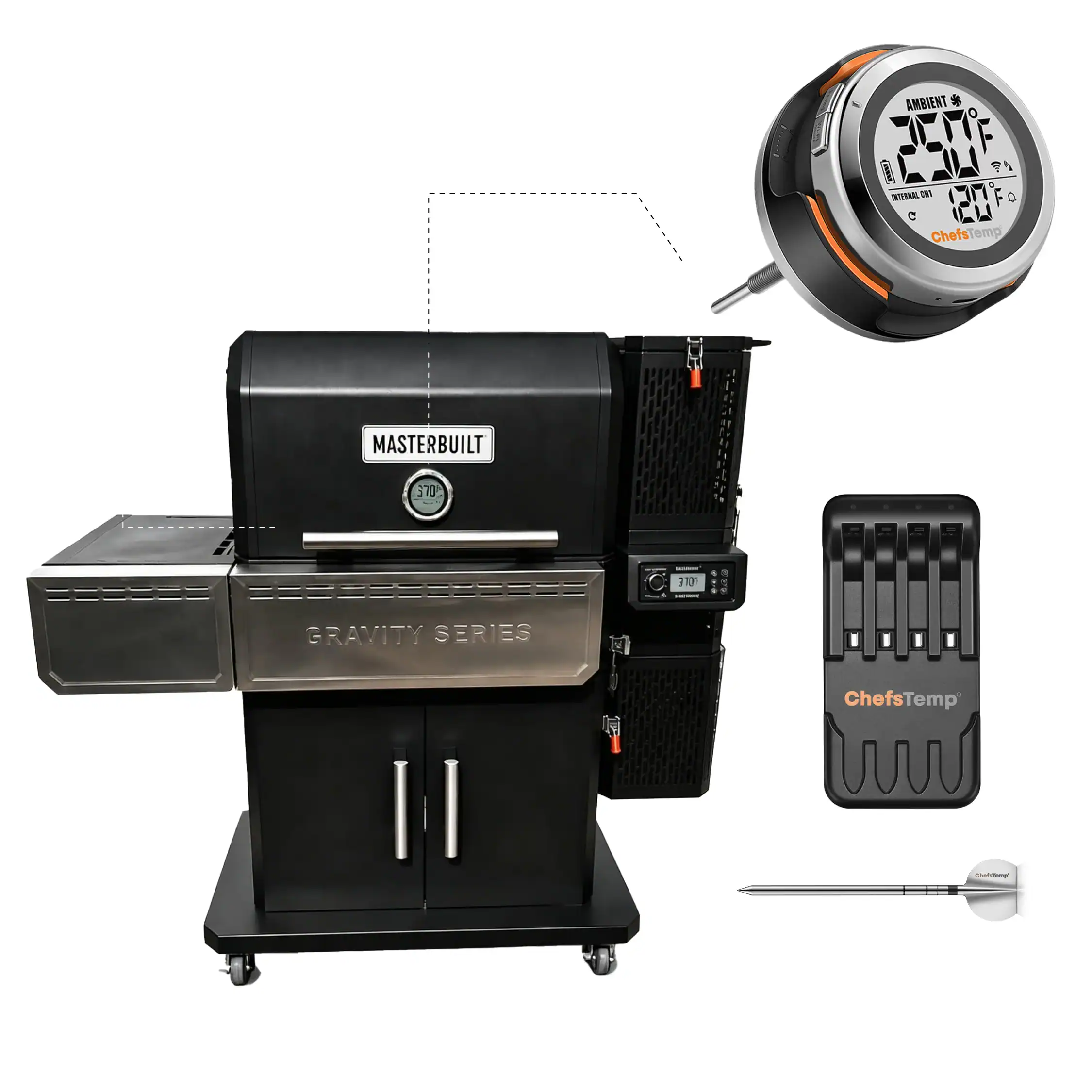
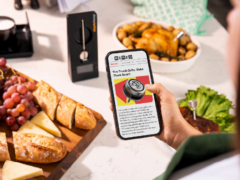
The S1 Hub lets me precisely monitor the temperature inside the grill. It’s far more accurate than a traditional analog thermometer. Being able to watch the temperature on my phone lets me know if there is a flare and lets me keep the lid closed on the grill to maintain a consistent temperature.
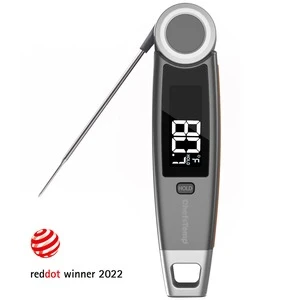
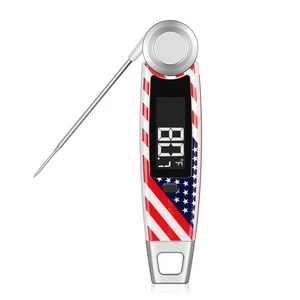
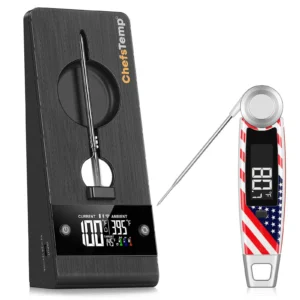
The ChefsTemp Finaltouch X10
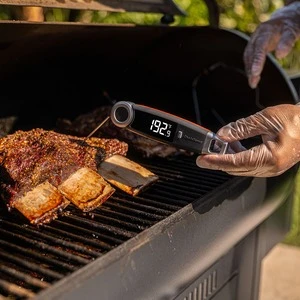
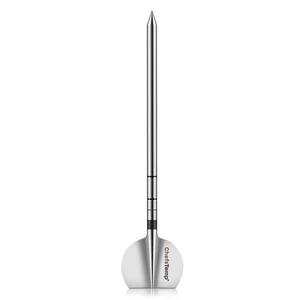
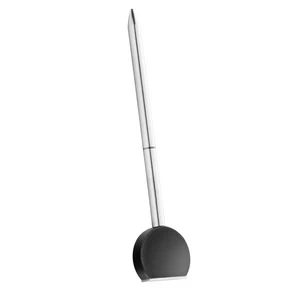
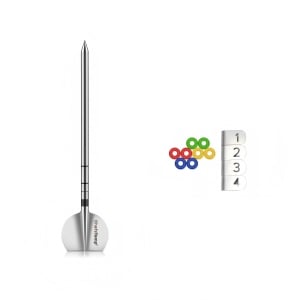
This instant-read thermometer is precision-engineered for determining if grilled ring sausage has reached a safe internal temperature. This starts with its thin probe and tapered tip, which is smaller than your typical instant-read thermometer on the market. So, the hole it makes is minimal.
Part 3. The Perfect Technique for Grilling Ring Sausage
Thoughtful temperature control is critical for grilling ring sausage without breaking the skin. This starts with hybrid grilling, where you start a fire on one side of the grill and set the ring sausage off to the side. If you have a wood pellet grill with a broiler plate, start with the broiler closed.
This is critically important with natural casing ring sausage, as you want the fat within it to render without fluctuations. At the same time, opening the grill all the time to monitor the sausage introduces unregulated air.
When excess oxygen gets into the firebox, it can easily cause flare-ups. Even short bursts of intense flame too early in the grilling process can cause the skin to burn, crack, and rupture.
So, being able to monitor the internal temperature of the grill with the ChefsTemp S1 isn’t just about convenience. It’s also about controlling the air volume to prevent exactly the kind of flare-ups that will break the ring sausage casing.
Tip: Click here to read more
Target Temperature for Indirect Grilling
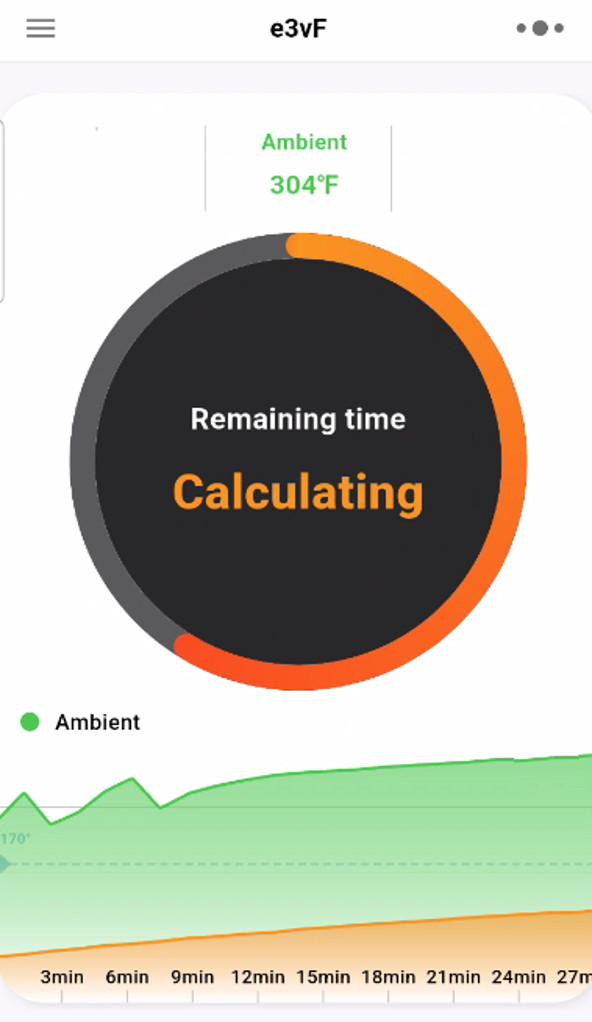
When using a hybrid grilling technique for natural casing ring sausage, I target a temperature of 300 to 350 degrees for the indirect cooking phase. Any hotter than 350, and you risk the natural juices and rendering fat inside boiling so vigorously that they rupture the skin.
Here again, the ChefsTemp S1 and the app come in handy. You can monitor the temperature directly on your phone. If you’re grilling with lump charcoal, I strongly recommend setting up a temperature alarm on the ChefsTemp app to catch a potential flare-up early.
Part 4. How Long to Indirectly Grill Ring Sausage
For a thick natural casing ring sausage, around 1.5 to 2 inches in diameter, a total indirect cook time of around 30 to 40 minutes is the sweet spot. I like to give it a quick flip after 15 to 20 minutes in for even doneness.
There is little subjectivity here, as you don’t want to insert the X10 Final Touch too early. What I look for is the skin taking on some color, without any blackening grill marks.
Sometimes, tiny pores in the natural casing will start to emit little droplets of grease. This is the sign that the internal temperature is getting closer. The natural casing itself will start to look a tiny bit dry and darker.
Pro Tip: The trick here is to back it off a little bit. Maybe that means taking it off the heat or moving it farther away from the fire. The goal is to give it 3-5 minutes for the juices inside to settle.
That way, when you do flip it over the heat, or you open the pellet grill’s broiler plate, the hot juices inside don’t instantly rupture through the ring sausage’s natural casing!
Part 5. Finishing the Sausage
If you’re making ring sausage with a charcoal grill, open the dampers to feed the fire more oxygen for 5 minutes. This will bring up the temperature for the final sear. If you’re using a wood pellet grill, you can wait until the last second to open the broiler plate.
Keep the grill lid closed and watch the ambient temperature on the ChefsTemp S1. You want to see it come up 40 to 50 degrees. This is usually the point where the heat is right for searing off the sausage.
It doesn’t take long to crisp the skin for the perfect snap. I like to flip it directly over the flames for two to three minutes a side. If I hear a hiss louder than a kitten, I have no problems pulling the ring sausage a little early.
The skin is usually sufficiently crisp already, and I don’t want to risk a last-second blowout!
Part 6. How To Insert a Probe Thermometer into Grilled Sausage
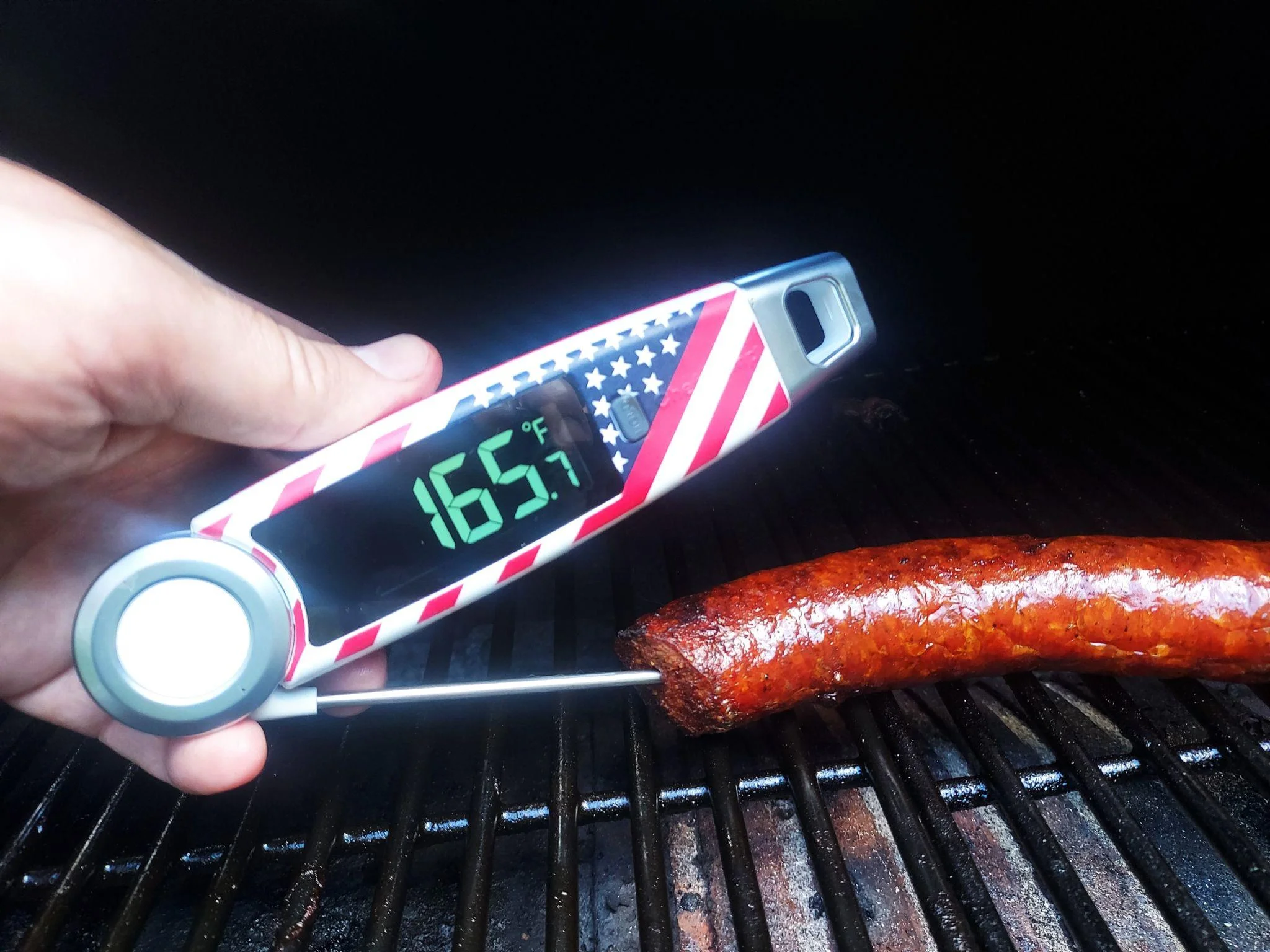
The trick to testing the safe internal temperature of ring sausage on a grill is to insert it into the cut or tied end of the sausage. After a solid 15-20 minutes on the grill, the end of the sausage is almost cauterized from the heat.
However, it’s also hotter and drier than the main bulk of the sausage. So, make sure you insert it at least 3 to 4 inches into the end. With the Final Touch X10, this means completely burying the tapered tip of the probe.
Because X10 gives you an accurate reading in less than a second, your knuckles spend less time near the heat.
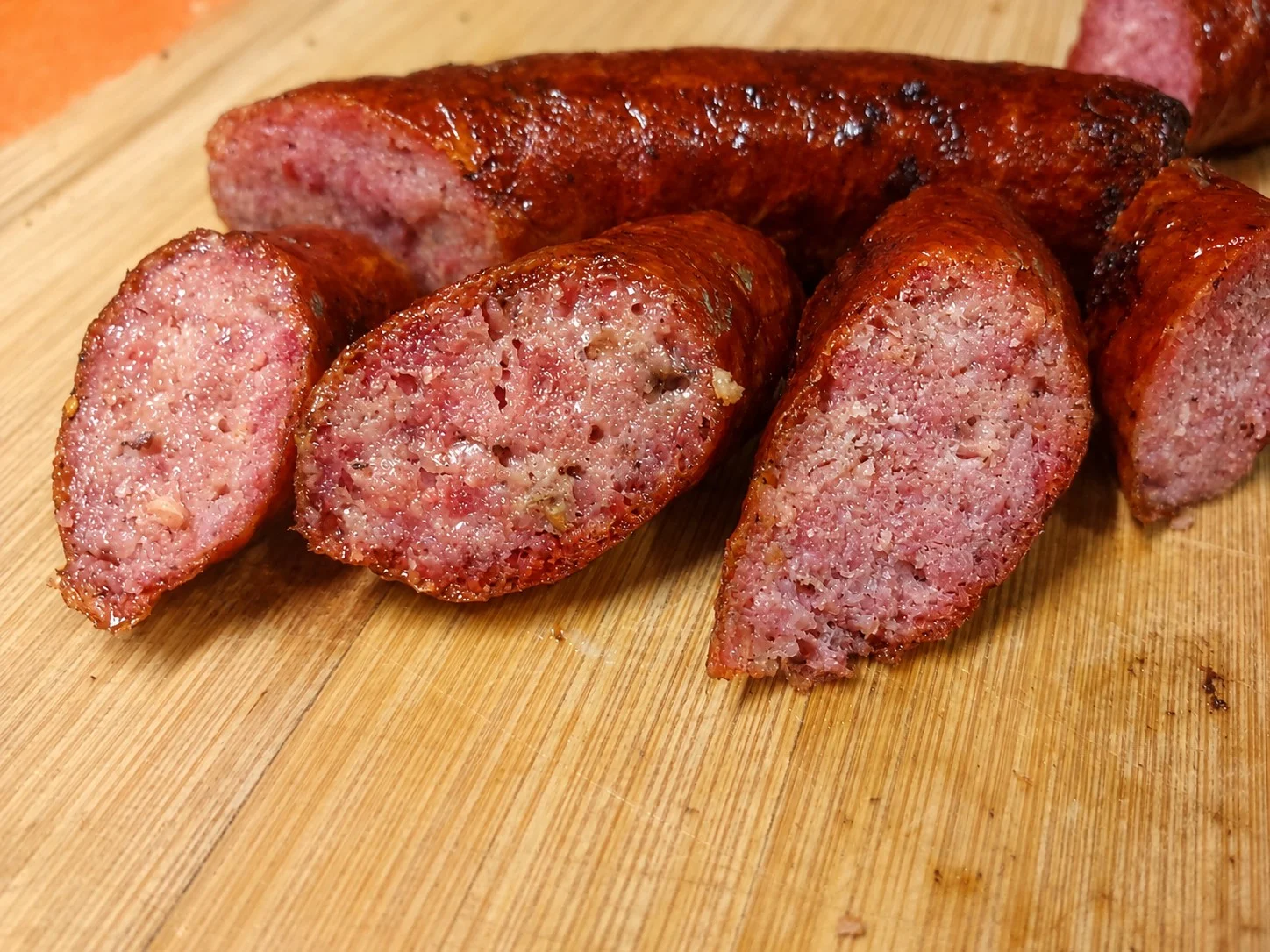
Ideally, I’m looking for a temperature just over 160 degrees. If it’s a little over that, but the natural casing is still intact, I’m completely fine with it. So long as the natural juices are intact.
Part 7. Rest And Serve
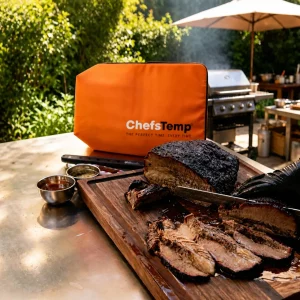
I like to pull the natural casing sausage off the grill and wrap it in aluminum foil or slide it into the ChefsTemp Resting Blanket. Giving it 5 minutes to rest lets the rendered fat and natural juices redistribute back into the meat fibers.
This buys you the time you need to finish putting your side dishes together. I come from a German and Italian background. So, I love some pan-roasted baby red potatoes with garlic and chives. Then some cold sauerkraut and mustard off to the side. It’s a nice interplay with the salty, rich sausage that keeps your palate refreshed and lively.

Guest Blogger
Eric Beuning, dedicated to high-quality storytelling, is a veteran digital marketing writer and journalist with over two decades of experience crafting impactful ad copy, editorial features, and digital campaigns.
Related Posts
Homemade Keilbasa: Better At Home With Temperature Tips
Kielbasa a crave for all the food lovers who are fond to eat delicious food.We are here to discuss about the "...