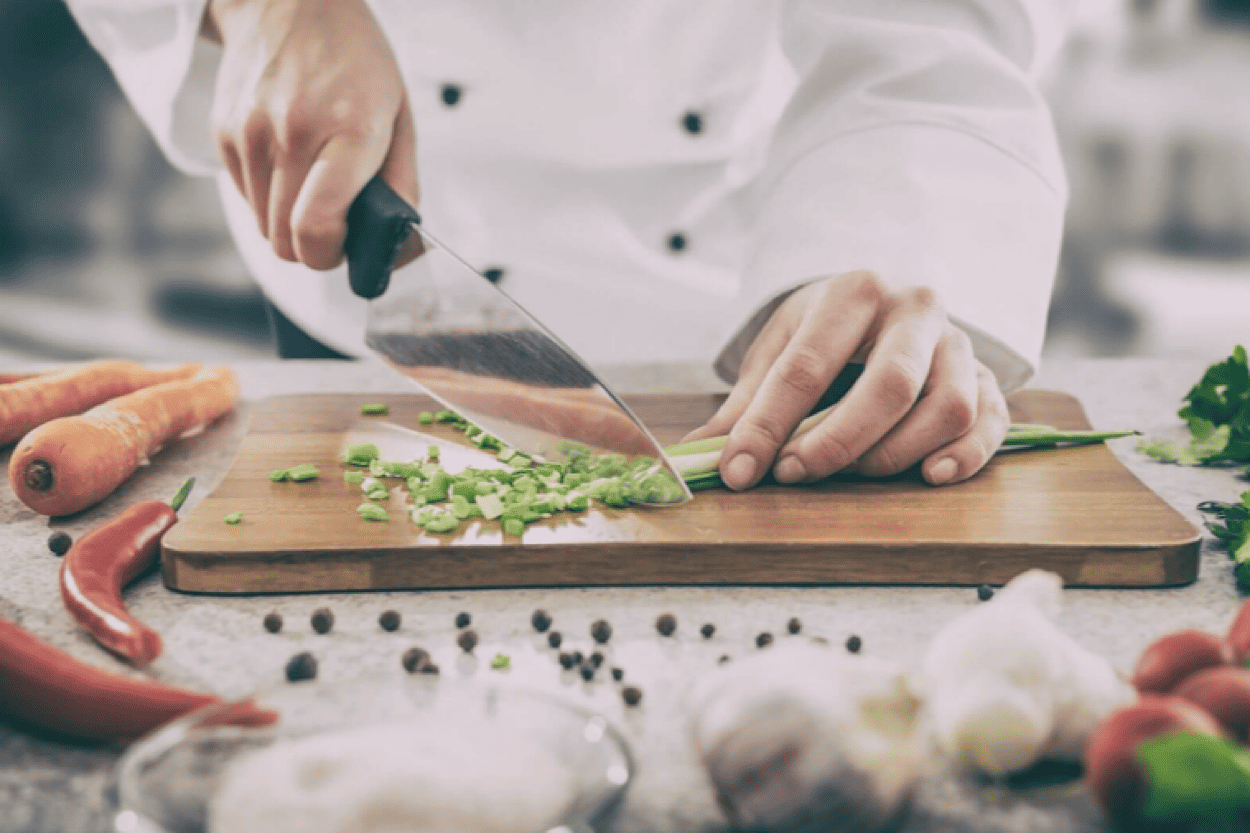
The food and restaurant industry faces several challenges and is subject to various regulations to ensure the safety of the people it serves. From handling and storing raw materials to food preparation, business owners must understand how food temperature monitoring systems work. This system is the first line of defence against foodborne illnesses, ensuring your customers’ safety.
 The following are the best practices for food temperature monitoring to avoid the above symptoms:
What is Food Temperature Monitoring?
Food temperature monitoring involves maintaining the ideal temperature for various foodstuffs. It starts with cold-chain tracking and storage of raw materials and ingredients to ensure their freshness and quality before cooking. Temperature management should be consistent from ingredient delivery and handling through to food processing. All food storage facilities must also comply with the food temperature monitoring guidelines, as this is crucial for the safety of individuals who will consume the food. The food industry should adhere to temperature monitoring processes because it is subject to compliance laws, food waste, and public health systems. Improper storage and food temperature monitoring results in up to 1 Billion in losses every year for the food industry. When food is not stored correctly, it translates into food waste and lost income for food businesses. Regulatory standards are becoming more stringent in implementing these policies to ensure that public health and safety come first. According to this article by The Independent UK about food poisoning, nearly half a million people die annually from food poisoning. It’s a tragedy knowing that these deaths could be easily prevented with proper food temperature monitoring.
Why is Food Temperature Monitoring Important?
Any business that handles and prepares food must take temperature monitoring seriously. When you serve food to the public, you also affect their health, and you must ensure you serve only the highest-quality food. The bacteria that cause foodborne illnesses are active and multiply when food is not stored correctly. You must keep food within a specific temperature range to discourage bacterial growth, which is why it pays to know about the temperature danger zone. If food is not kept at the ideal temperature, bacteria start to form and spread. It’s not just the temperature that you have to consider in food temperature monitoring. Time is also another critical factor. The longer food stays outside the safe temperature range, the more bacteria it will harbour. Among the common bacteria that could contaminate your food are the following:- Listeria
- Salmonella
- E. coli
- Norovirus
- Staphylococcus Aureus
Food Temperature Monitoring Best Practices & Recommendations
The following are the best practices for food temperature monitoring to avoid the above symptoms:
- Always review the recommended food temperature and holding times for certain types of food. For example, cold food should be stored at 40 degrees F or below. The longer the food sits at room temperature, the faster the temperature rises. Therefore, you should only keep it out of the refrigerator for a limited time before refrigerating it again or discarding it.
- The general rule is that if the food is at room temperature for less than two hours, you can refrigerate it or consume it immediately. If the food is kept at room temperature for 2 to 4 hours, you should drink it immediately. If the food is at room temperature for more than four hours, you should throw it out.
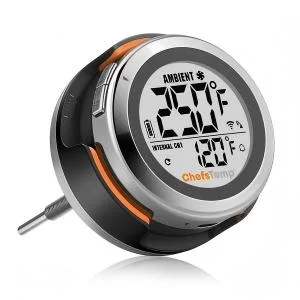
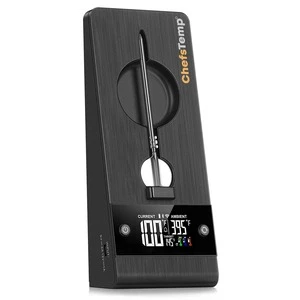
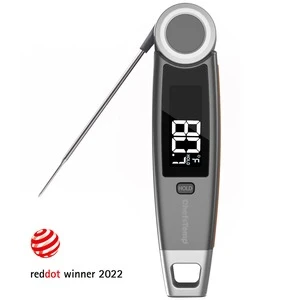
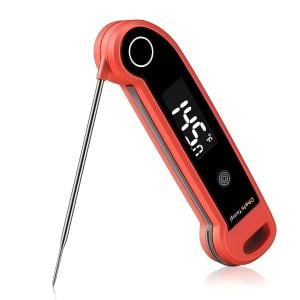
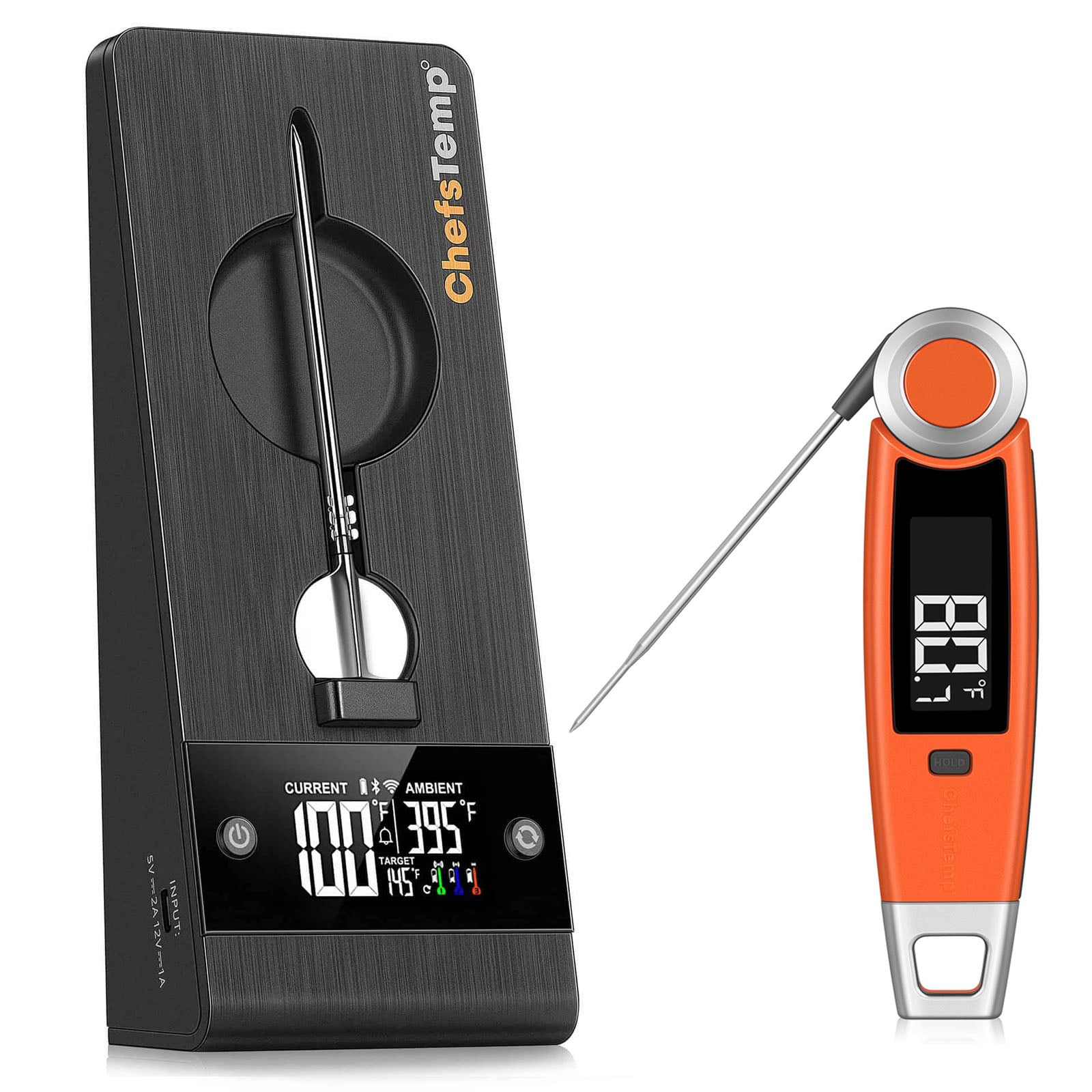
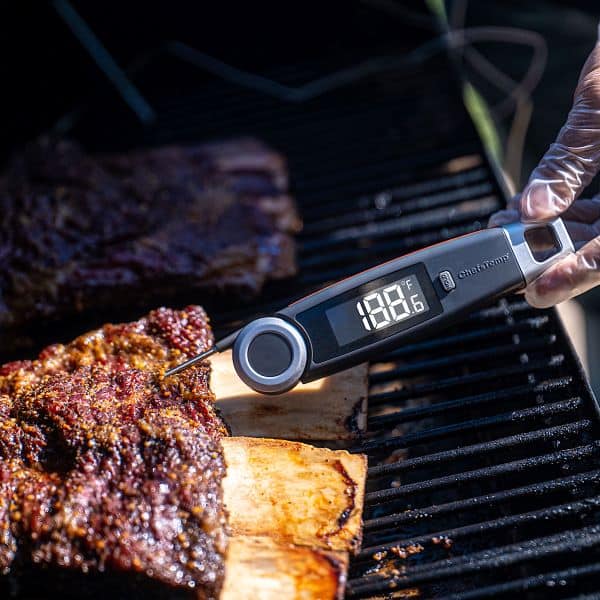
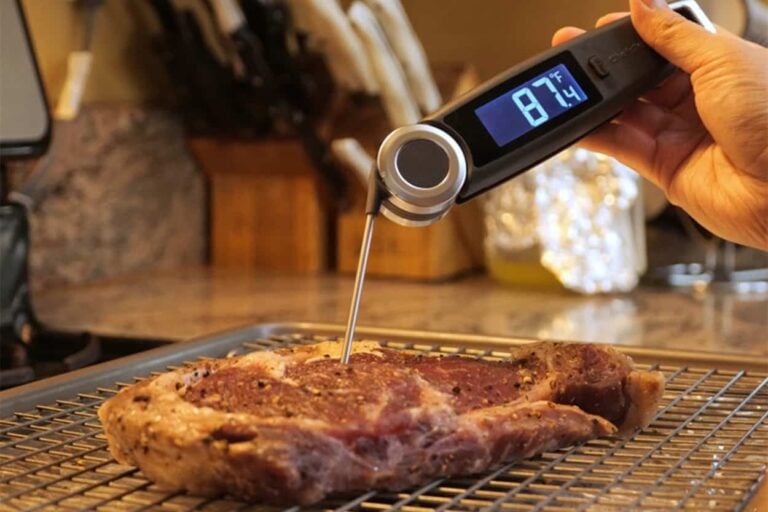
- Use a food thermometer as part of a food temperature monitoring routine. Every food business should ha ve one to ensure that food items are within a safe temperature range before serving to customers. The accuracy of your thermometer should be ±1 °C or ±1 °F. When checking food temperature with a thermometer, always check the centre of the food. The internal temperature is different from the surface temperature.
- Before using a thermometer, make sure it is clean and dry. Avoid cross-contamination by inserting the probe into one type of food, then using it in another without cleaning it. Always make sure that the probe is sanitised before you use it again.
- After inserting the thermometer probe into the food, please wait for the temperature to stabilise before you remove it. This step will ensure that you have the most accurate food temperature reading. Also, it is best to measure different parts of the food, especially when dealing with larger pieces of meat.
- Always train your staff on proper food handling and storage. They must be aware of the risks of food not being at the right temperature. That way, they can take a proactive step to ensure the food remains at a safe temperature.
Key Takeaway
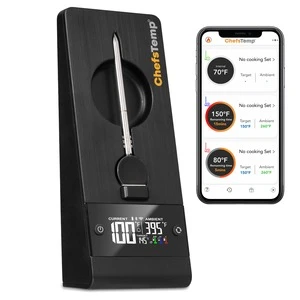
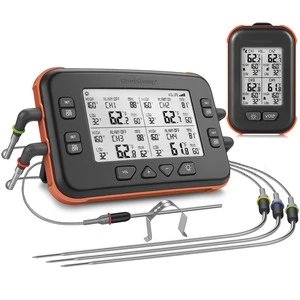
If you are in the food service industry, it is vital to prioritise food temperature monitoring. Appropriate food temperature control is crucial to your business to ensure the highest-quality food for your customers. You can achieve this with temperature-monitoring tools, such as food thermometers and automated solutions. Food industry professionals have a huge responsibility to ensure their guests can enjoy their food without worrying about foodborne illnesses or other harmful contaminants. From a business perspective, proper food-temperature monitoring systems offer many benefits. Cutting back on food waste can improve profits. The more food goes to waste, the more you cut your profit margin. According to a Restaurant Hospitality report, restaurant food waste costs 25 billion USD annually. Restaurants can save two to six percent of their profit by taking steps to prevent food waste. It is a bad business strategy because you are not utilising your business resources efficiently. On the other hand, any investment in safe food temperature monitoring can maximise your profits.Related Posts
Why is Temperature Important in Cooking?
Temperature control is the most critical aspect of cooking. Without heat, you wouldn't be able to cook food. A...
What is the Range of Accuracy for Measuring Food Temperature?
Using a thermometer to check the temperature (especially the internal temperature) of food is critical for foo...
Repurposing Leftovers and Cooking Them Safely Using the ChefsTemp Finaltouch X10
We spend a lot of time cooking great foods and we always have leftovers, and sometimes we will reheat them in ...
How to Check if Your Meat Thermometer Is Making Accurate Readings
If you have a multi-purpose meat thermometer, you know how precious it is to you. Every time you need to check...
Do’s and Don’ts When Using an Instant Read Thermometer
An instant read thermometer is an essential tool in regulating food temperature. Whether cooking, storing or s...
Critical Food Safety Temperatures
Understanding food safety temperatures is crucial to protecting you and those around you from foodborne illnes...
Recommended Temperatures
When talking about “doneness” everyone has his or her preference. One man’s “medium rare” is another man’s “ra...
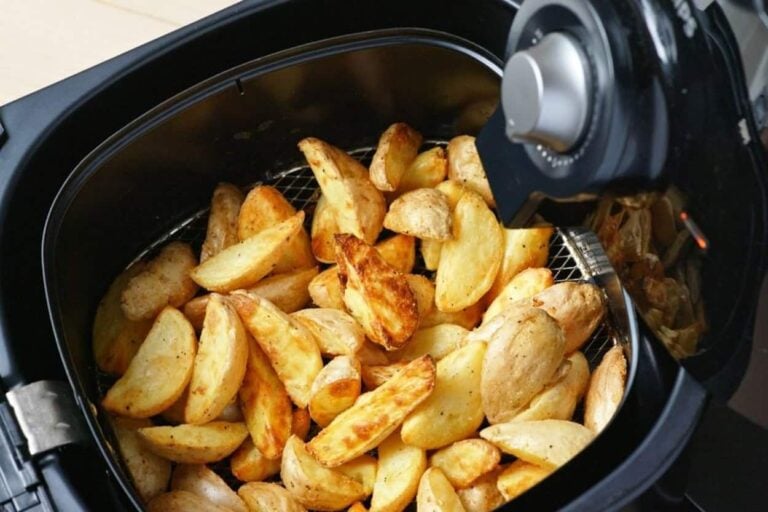
Are Air Fryers Healthy?
Chicken nuggets, French fries, mozzarella sticks… It seems like all the best foods are fried, doesn’t it? Unfo...
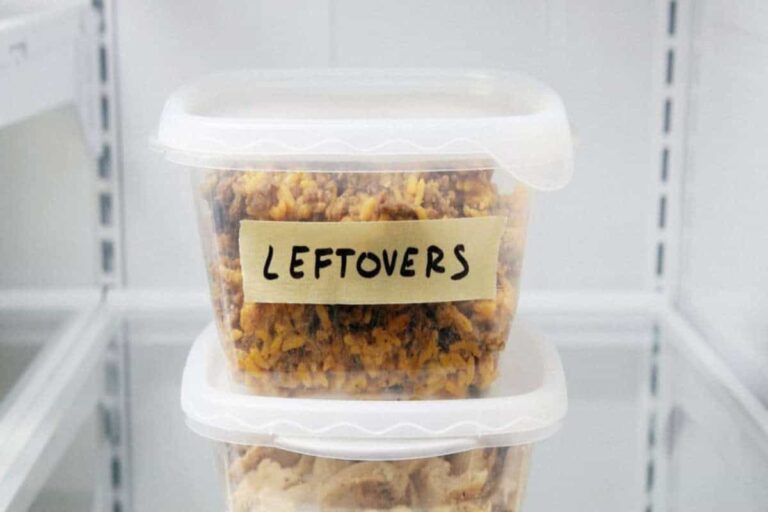
The Safest Ways to Reheat All Your Leftovers
The secret to safe and good-tasting leftover meals is getting the right reheat food temperature. Proper reheat...
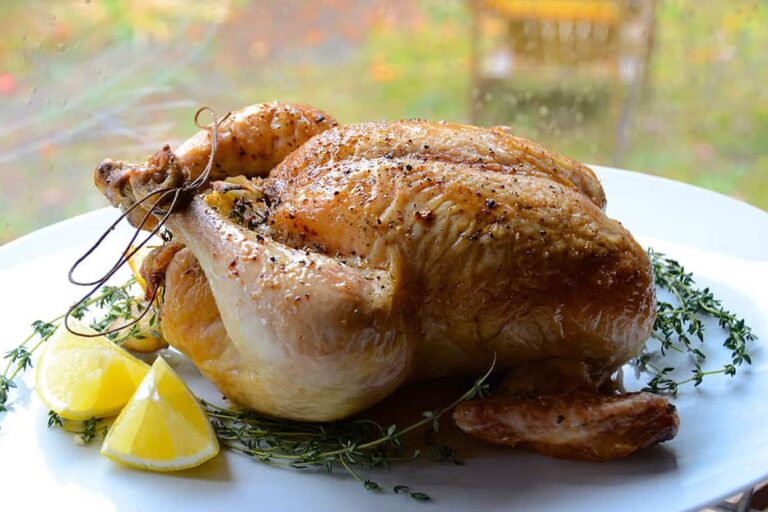
What Temperature is Chicken Done and How to Cook Safe and Juicy Chicken
Nearly everybody loves to eat a nicely cooked, juicy piece of chicken but it’s also important to know how the ...
FAQs about Food Temperature
Frequently asked questions about food temperatures, so much so that she’s taking to the keyboard to answer as ...