You may have seen a cooking show and wondered why the chef put the meat into a plastic bag before dipping it into boiling water. Perhaps you’ve wondered why some of the top restaurants consistently produce tender steaks, chicken, and fish? It’s what they use in the kitchen, using”sous vide” or the “Sous vide” method. What is the reason you should know this trick? How exactly can you go about it? Find out more and discover the secrets of this method.
What is Sous Vide Cooking?
In A Nutshell
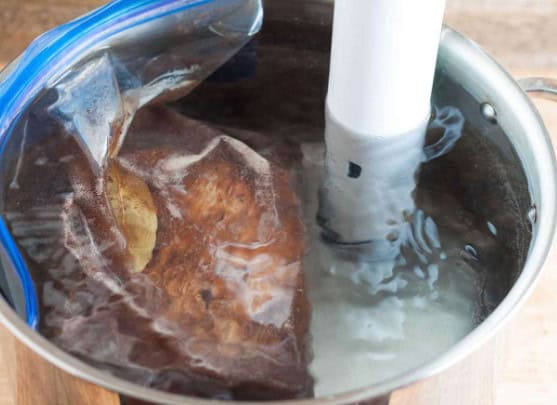
“Sous vide” (pronounced sue-veed) is the French term for “under vacuum”. This is the process of sealing food items in an airtight container, such as a vacuum-sealed bag, then cooking the food at a temperature controlled by water. Food (usually proteins like chicken, pork, or even fish) is put in a resealable bag, then seasoned with herbs, spices, and olive oil before being placed in a massive pot of boiling water. A low-temperature, slow-cooking procedure yields outcomes (exact degree of cookedness and even cooking from beginning to end, enhancing flavours and conserving water and flavour) specific to cooking.
The Exact Process
Precise temperature-controlled cooking is the mainstay of vide cookware. The key is to place your water’s temperature, and then cook your food to the same temperature, no less, not more. Controlling temperature ensures flawlessly cooked food every time.Everything You Need For Sous Vide Cooking
The greatest thing concerning Sous Vide cooking is that it does not require any sophisticated equipment or costly kitchen appliances.Things You Need:
- Container for water (a deep vessel that is used to make the water bath)
- Bags or bags made of plastic that can be sealed
- Vacuum sealer
- Sous vide immersion circulator
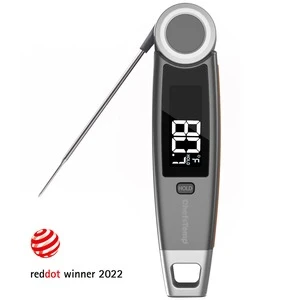
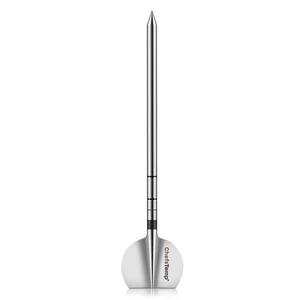
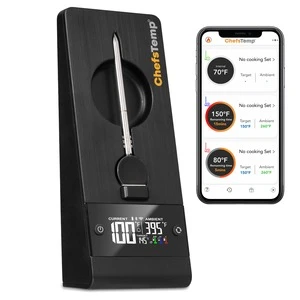
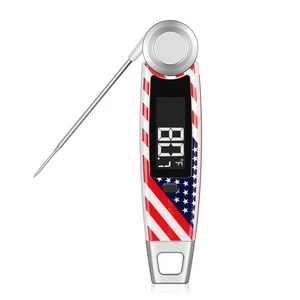
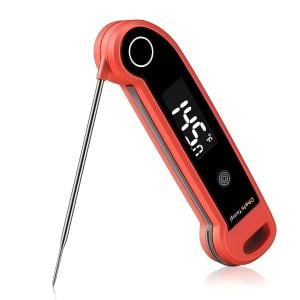
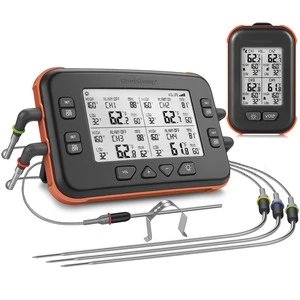
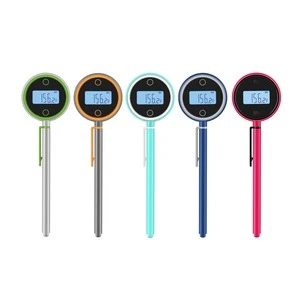
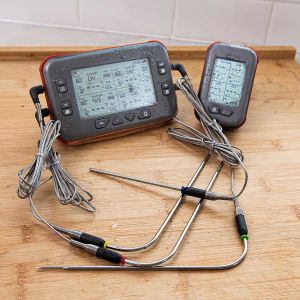
- Food thermometer.
First Step
Make for the Water Bath. Pour the water into the tub and ensure it is filled to the point where it can submerge the food completely, but not so much that it overflows when food is added.Second Step
Install and secure an immersion circulator to the outside of the container.Third Step
Determine the ideal water temperature based on the type of food or protein you’re about to prepare. Below is a short guide to typical foods and their temperature settings.- Steak 140°F (54°F) in medium-rare. 140°F (60°C) for medium
- Pork chops 140 degrees (60 °C)
- Chicken breasts temperature is 145°F (63°C)
- Fish: 125degF (52degC)
Fourth Step
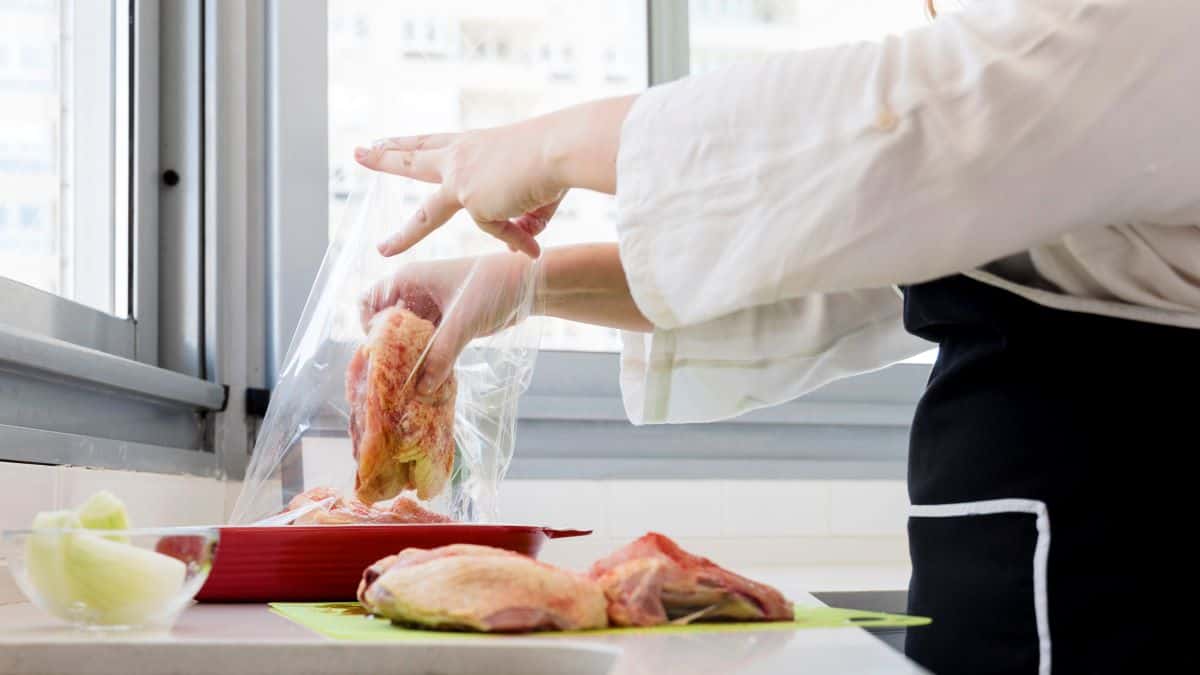
Make sure to season your food before cooking or marinating in salt and pepper, as well as herbs and various spices. It is also possible to use butter or oil if desired. After that, place the spiced food items in the resealable vacuum-sealable bag. If you are using the vacuum sealer, follow the manufacturer’s instructions for sealing. Use the water displacement technique if you do not have an air sealer. If you’re using a resealable bag, seal the bag, leaving an opening to allow air to escape. Place your bag inside the bath and let the water pressure draw out the air. When the air has gone, you can close the bag.Fifth Step
The bag should be slowly submerged in the hot water bath and kept fully immersed to cook evenly. The bag shouldn’t sink to the bottom. If needed, utilise weights or clips to pull the bag downwards. Be aware that different foods have different cooking times. This is a brief guideline to the most fundamental proteins to cook Sous Vide.- Steak 1 – 4 hours (depending on the thickness)
- Pork chops: 1 – 4 hours (depending on the thickness)
- Chicken breasts 1 – 2 hours
- Fish: 30 minutes up to 1 hour
Sixth Step
When the timer has elapsed, it’s time to get the food items from the bath. Use tongs to remove the food safely. Optional: Ice bath: Place the bag in a bowl of ice to stop cooking. This is ideal for cooking food you’d like to cook after or cooking in advance. Cleanse and dry the food thoroughly with paper towels.Seventh Step
You are now ready to cook your meals. Preheat the pan on an extremely high heat. It is crucial to ensure the pan remains warm before adding butter or oil. And then, grill the meat throughout until the crust is golden and dark brown. If you’re cooking the steak, it will typically take 1 to 2 minutes per side. It is crucial not to burn it. Take a few minutes before serving.Why Consider Sous Vide Cooking?
In the past, Sous vide used precise temperatures and water circulation to cook your food with a method found nowhere else. What do these results mean?Taste
For flavour, food cooked sous vide retains its moisture, making it juicy, moist, and soft.Consistency
Because food is cooked to the exact temperature within a precise amount of time, it is possible to expect the same.Flexibility
Traditional cooking demands constant care throughout the process to ensure there is no burning. Sous vide cooking is challenging because it can be difficult to cook for too long. The only thing you need to do is adhere to the timer and temperature guidelines.Waste Reduction
Traditional cooking methods can result in dried, chewy meals. For instance, overcooked steaks can lose 40 per cent of their volume. Sous vide is a way to have a great meal without losing much volume during cooking.Sous Vide Temperature Guide
Here’s an easy temperature guide for some of the most commonly used foods for sous vide cooking. The tenderness of lamb and beef (ribeye, sirloin, or tenderloin strip, chop, etc.)- Medium rare for 2 hours at a temperature of 131°F (55 °C)
- Medium 2 minutes with 140°F (60 °C)
- Medium-Rare – 48 hours at the temperature of 131°F (55 °C)
- Medium to long term. 48 days in 140°F (60 °C)
- Slow-cooked beef for up to 36 hours, at 160°F (71.7 °C)
- Juicy Pork 3 hours of Juicy Pork in 140°F (60 °C)
- Traditional pork for 3 hours of cooking at temperatures of 145°F (62°C)
- Tender Ribs for 24 Hours at a temperature of 141°F (60.6 °C) for the duration of 24 hours
- Slow-cooked Ribs – 12 hours at 160°F (68.8 °C)
- White Meat – 3 Hours at 140°F (60.6 °C)
- Dark meat for 3 hours at a temperature of 148°F (64.4 °C)
- Duck Breast – 2 Hours with 130°F (54.4 °C)
- Translucent and supple 30 minutes with 100°F (43 °C)
- Flaky and soft – 30 mins to an hour at the temperature of 124 F (51 C)
- Traditional and delicious, 30 minutes to one hour at 130°F (55 °C)
- Extra-juicy and soft, from 45 minutes to 4 hrs in 140°F (60 °C)
- Crisp and juicy for 45 up to 4 hours with 150°F (66 °C)
- Traditional and springy, 40 minutes to four hours with 160°F (71 °C)
- Asparagus, broccoli, peas, etc., 15-40 minutes at a temperature of 183°F (84 °C)
- Carrots and parsnips, as well as other vegetables. 1, 2 or 3 hours at 3 to 183°F (84 °C)
The Takeaway
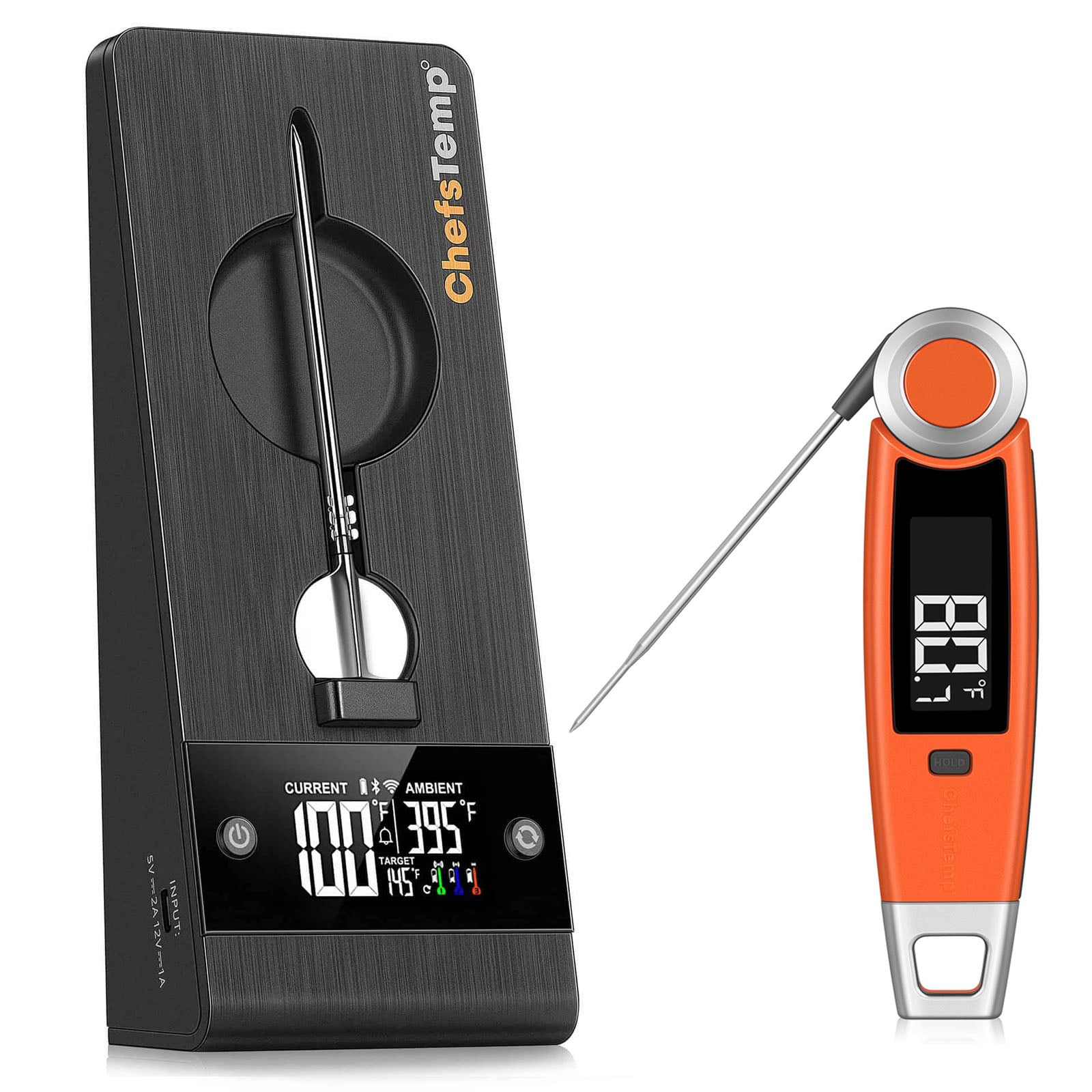
This is a step-by-step guide to making sous vide. You must keep the temperature of your water constant for a specific period. That’s where a food thermometer comes in handy. Although sous vide circulators maintain a consistent temperature, a thermometer for food helps you verify the exact temperature of the water during cooking, adding an extra degree of certainty to your cooking.Related Posts
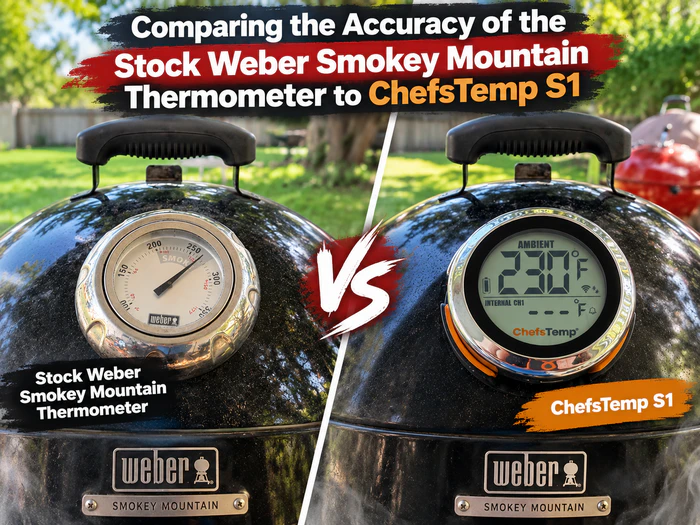
Comparing the Accuracy of the Stock Weber Smokey Mountain Thermometer to ChefsTemp S1
The Issue
The Weber Smokey Mountain is a popular and versatile cooker, but it has one major flaw - the stock ...
From Free Facebook BBQ Tips to a Growing Business: Stephan R. Parrot’s Custom Smoker Story
A suggestion from his wife helped Stephan R. Parrot turn years of free barbecue advice into training, catering...
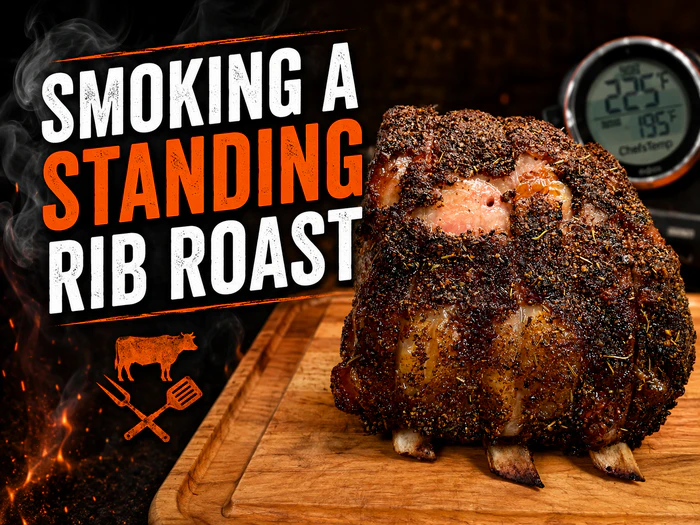
Smoking a Standing Rib Roast – When Special Occasions Call for Special Cuts of Meat
Preparing the Roast
...
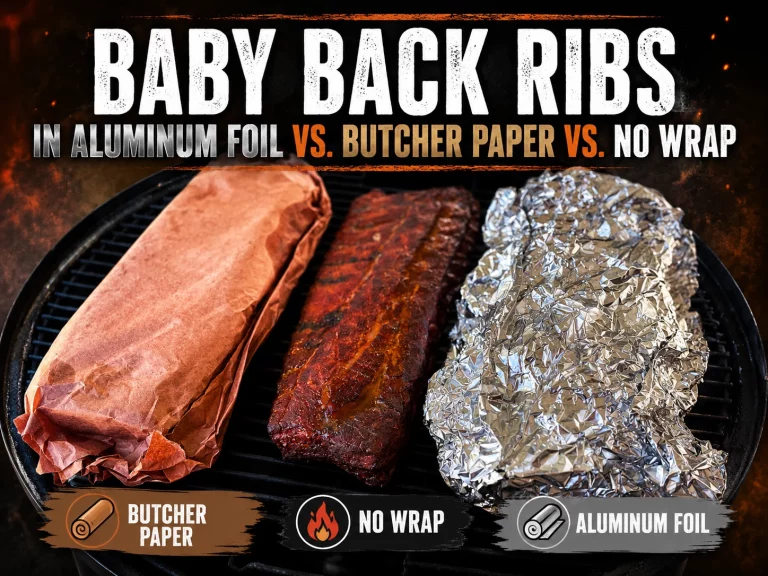
Experimenting with Ribs: Wrapping Baby Back Ribs in Aluminum Foil vs. Butcher Paper vs. No Wrap
Introduction to Smoking Ribs
I personally believe one of the big reasons people get smokers is to cook ribs. I...
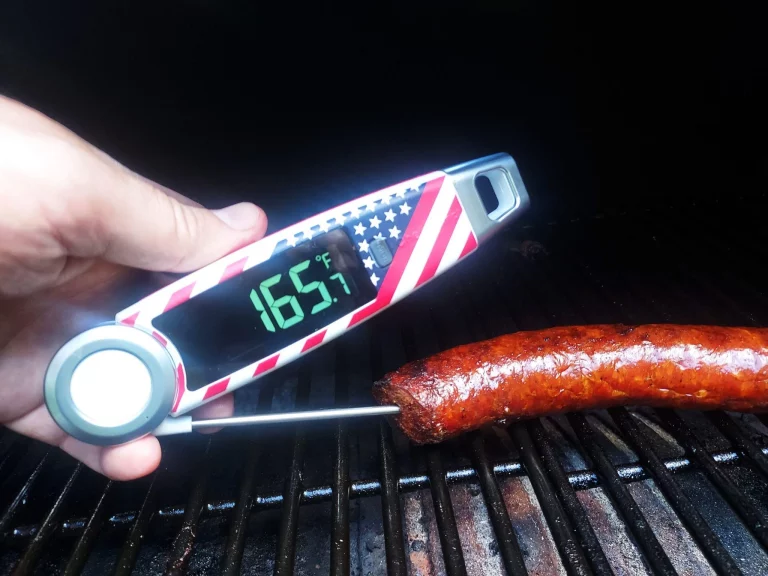
Stop Splitting Your Sausage: Expert Tips for grilling natural Casings
Natural casing ring sausage is a cookout staple enjoyed around the world that is equally deserving of a place ...
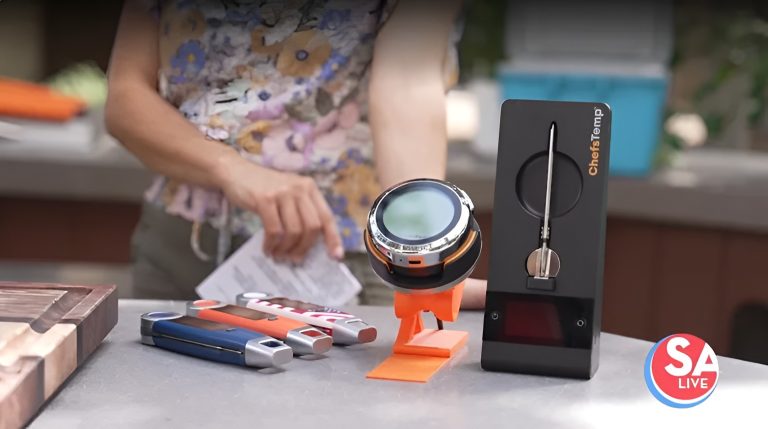
Mastering Pulled Pork: The Ultimate Temperature Control Guide with ChefsTemp
Achieving competition-grade, juicy, and tender pulled pork is the ultimate rite of passage for backyard pitmas...
Two Birds, One Fan: Can Breezo Fix Uneven Chicken Temps on a Charcoal Grill?
Chicken grilled over charcoal is one of life’s purest pleasures. So much so that people debate which is better...
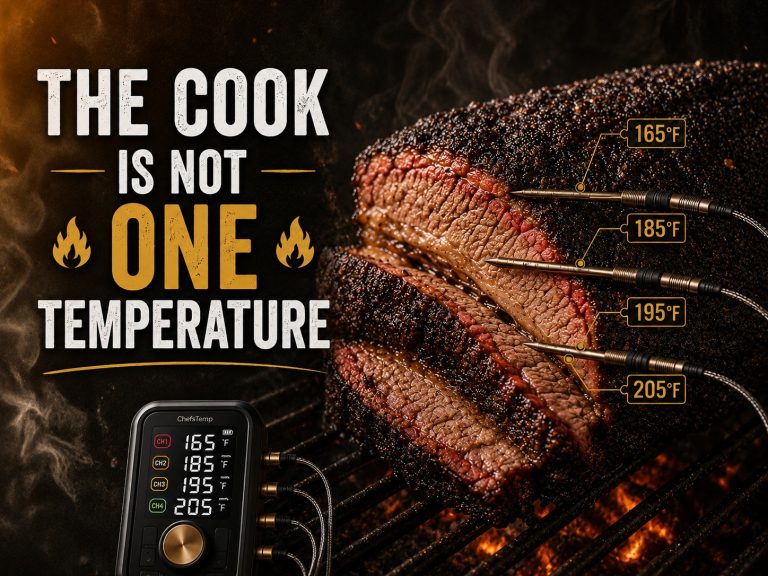
The Cook Is Not One Temperature
A few hours into a long cook, it can feel as though the grill has started arguing with you.
The dome thermome...
Breaking the Endothermic Standoff: The Complete Fat Rendering Timeline for Smoked Pork Shoulder
Smoked pork shoulder is an icon of American barbecue that many try, yet only a few manage to master. People lo...
How to Make Beef Tallow from Brisket Trimmings
If you've ever trimmed a whole packer brisket, you've probably looked at the pile of fat headed for the trash ...
Weber Smokey Mountain Brisket Guide: How to Sleep Soundly with a Smart Temperature Controller Upgrade
Smoking a brisket can be a time-consuming task for even the most experienced pit master, but it doesn’t mean y...