Ideal cooking temperature
Seafood & Fish Temperature Chart
Fish is not only delicious but also healthy. A healthy fish dish should always contain proper temperature.

Part 1. The Most Healthy & Safest Fish Internal Temperature
| Type | Internal Core Temperature in Fahrenheit | Internal Core Temperature in Celsius | Internal Description |
|---|---|---|---|
| Fish Whole – Steaks – Fillets | Fish is slightly translucent and flakes easily, | ||
| Salmon | 130°F to 135°F | 54°C to 57°C | Salmon has almost no collagen. This means it will start to lose moisture more quickly than beef. |
| Halibut – Cod – Red Snapper- Sea Bass – Tilapia | 130°F to 135°F | 54°C to 57°C | |
| Trout 🎣 | 135°F to 140°F | 57°C to 60°C | 🔗 Complete Trout Cooking Guide |
| Tuna – Swordfish – Marlin | 125°F | 51°C | Cook the tuna until medium-rare (do not overcook or the meat will become dry and lose its flavour) |
| Ahi Tuna (Sashimi grade) | 115°F to 120°F | 46°C to 49°C | Ahi Tuna is most often served rare or seared rare. This is because the longer you cook it, the more flavour and moisture it loses. Sashimi-grade tuna has been flash frozen to kill any parasites. |
| Shrimp | 120°F | 49°C | Cook until medium-rare, and the shrimp just start to turn pink (do not overcook or the shrimp will become dry and lose their flavour). |
| Medium-sized, boiling | 3 to 4 minutes | ||
| Large-size, boiling | 5 to 7 minutes | ||
| Jumbo-size, boiling | 7 to 8 minutes | ||
| Lobster | 145°F | 62°C | Place the thermometer in the tail to check the internal temperature. Lobster requires a higher temperature than other fish since its muscle fibres are longer and require more heat to shrink. |
| Boiled or Steamed, whole Lobster | 145°F | 62°C | |
| Grilled Lobster | 145°F | 62°C | |
| Baked, Grilled or Broiled Lobster Tail – each | 140°F | 60°C | Shell cut – piggyback lobster tail (lobster meat is exposed). |
| Scallops | 120°F | 49°C | Sear, bake, or broil each side for approximately 4 minutes or until an instant-read cooking or meat thermometer inserted into their centres reaches 115 degrees F. Remove from heat. The carryover cooking will add another 10 to 15 degrees, bringing the final temperature to 125 to 130 degrees F. They should also have lost their translucence and turned opaque. |
| Clams – Mussels – Oysters | Cook clams, mussels, and oysters until their shells just open. Throw away the ones that do not open. | ||
| Crab Cakes | 150°F to 155°F | 65°C to 68°C |
Part 2. Fish Cooking Temperatures – Heating Tips
Fish cooks quickly and can easily stick to the grates, so having the right heat level is crucial.
- Medium-High to High Heat (400°F – 450°F): Best for firm, thick fish steaks and fillets like salmon, swordfish, mahi-mahi, and tuna. This high heat provides a quick, hard sear that creates a crust, allowing the fish to naturally release from the grates without sticking.
- Medium Heat (350°F – 375°F): Best for delicate, flaky fish (like flounder, tilapia, or cod), whole fish, or when using cedar planks and foil packets. The slightly lower temperature prevents the delicate flesh from burning or drying out before the centre cooks through.
Tip: Print this guide and post it on your fridge! Never overcook your seafood again—achieve restaurant-quality results with the perfect internal temperature every time.

Part 3. Best Tools to Monitor Temperature for Fish
As with any other type of meat, like chicken or pork, food safety is incredibly important when cooking seafood. Different types of fish and seafood require different internal temperatures, so keeping a seafood temperature chart on hand is essential.
By learning the proper cooking temperatures and using a quality food thermometer, you can enjoy delicious seafood dishes without worrying about foodborne illness. Always keep in mind that your fish will continue to cook slightly after it’s removed from the heat, so it’s important to let it rest for a few minutes before doing a final temperature check.


Part 4. FAQs of Fish Internal Temperature
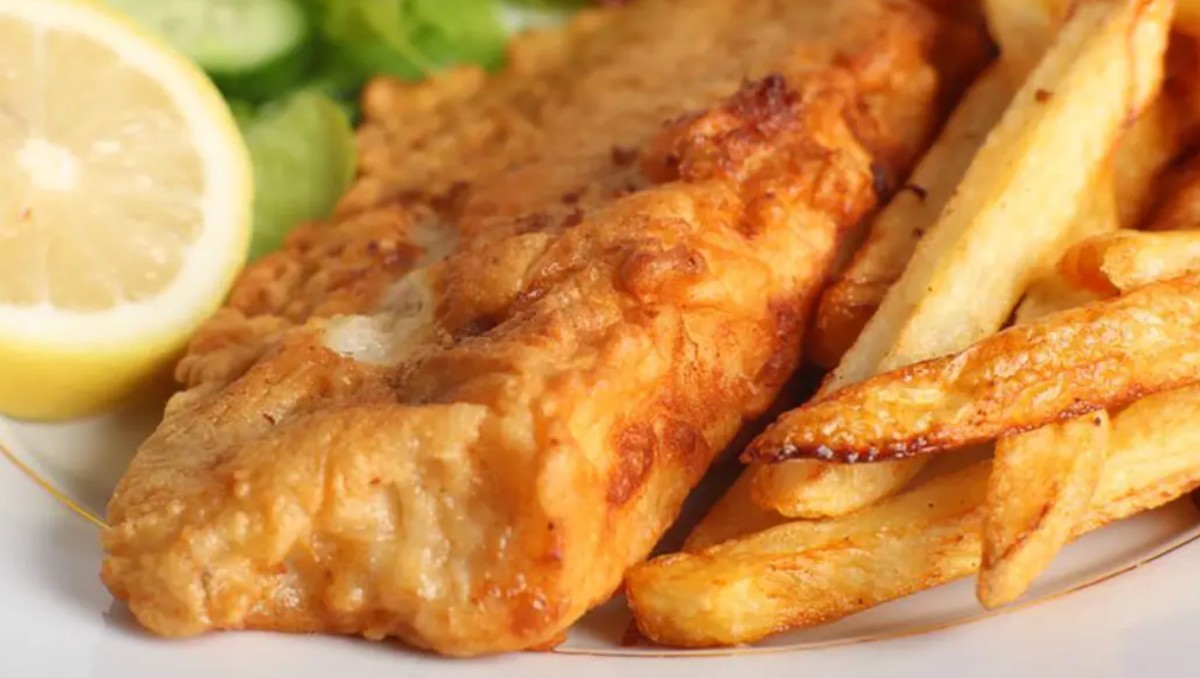
Fish and chips, an iconic British recipe that everyone loves, is a must-try. It's sold at the food and restaurant
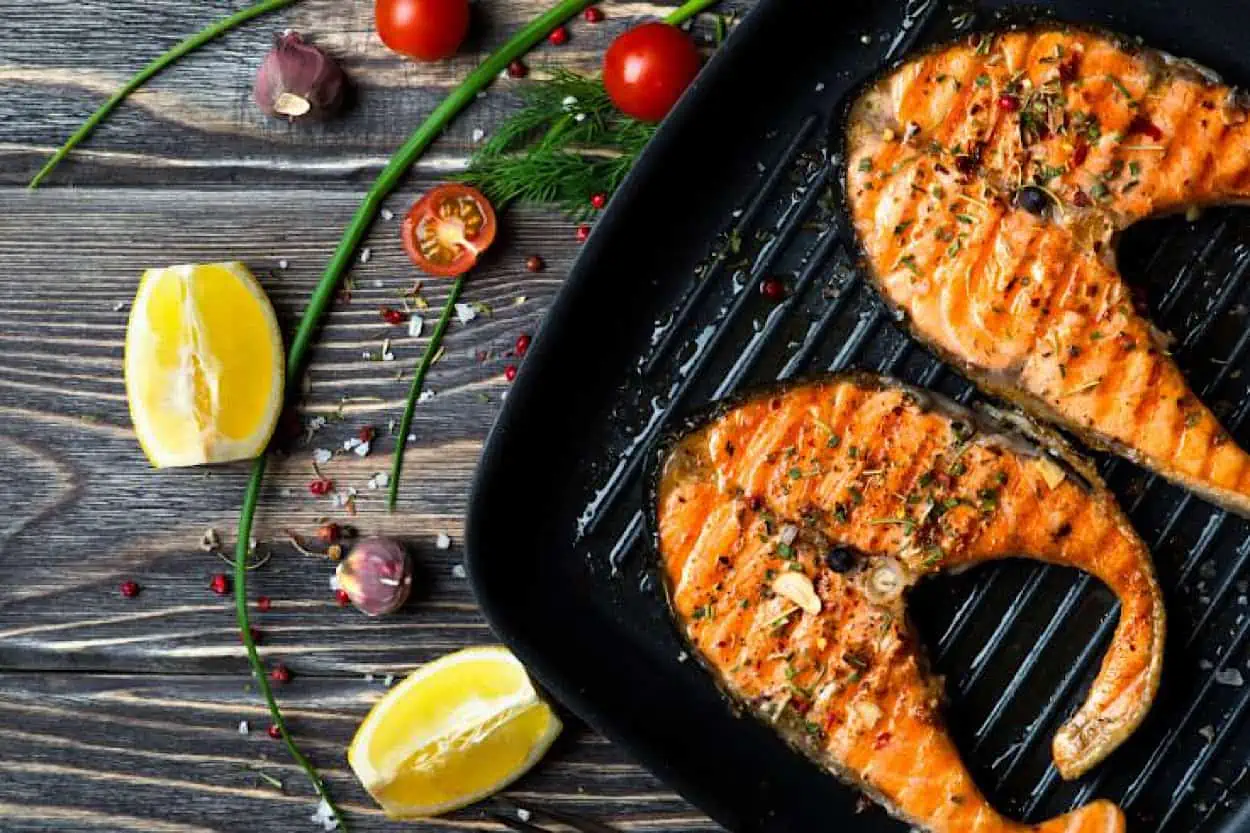
When cooking seafood, getting the right temperature is crucial. Overcooking or undercooking can result in dry, rubbery, or even
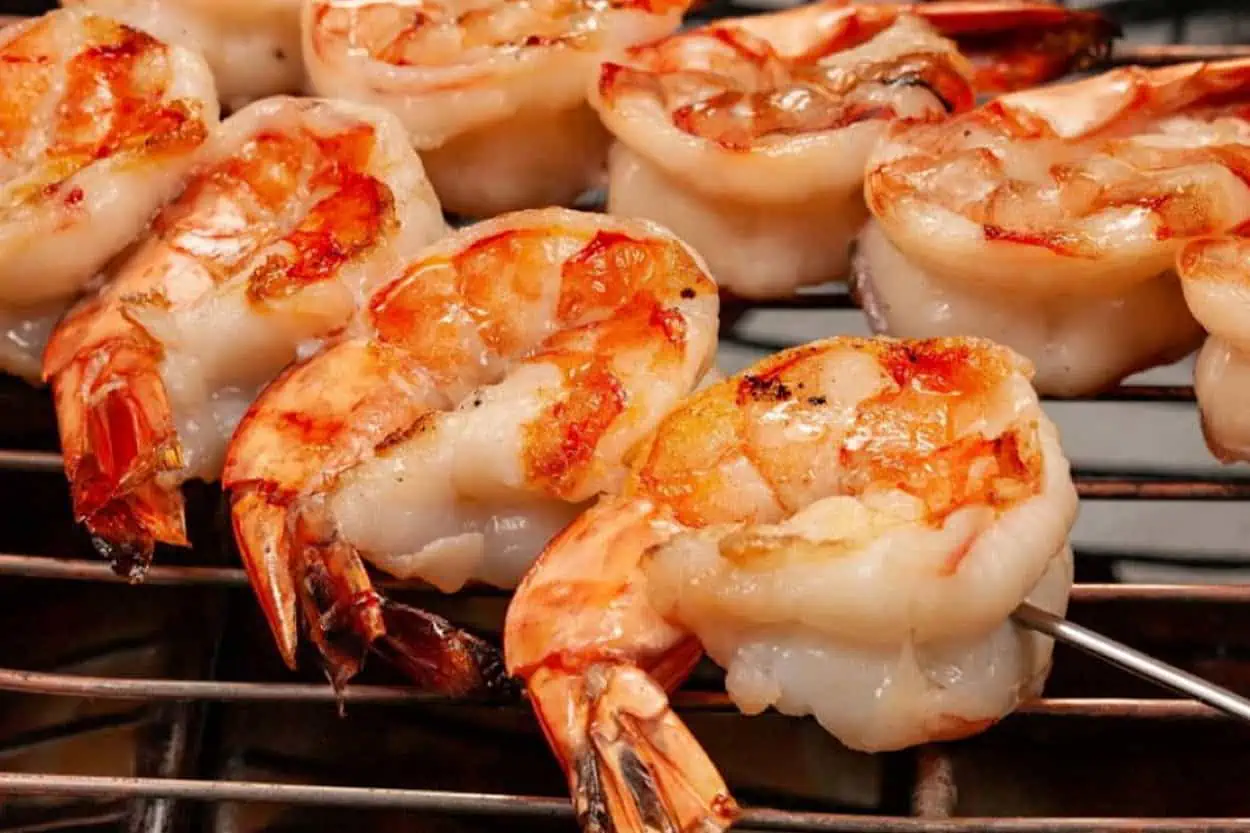
Cooking food is both an art and a science. It is a culinary art because it involves using ingredients, herbs,
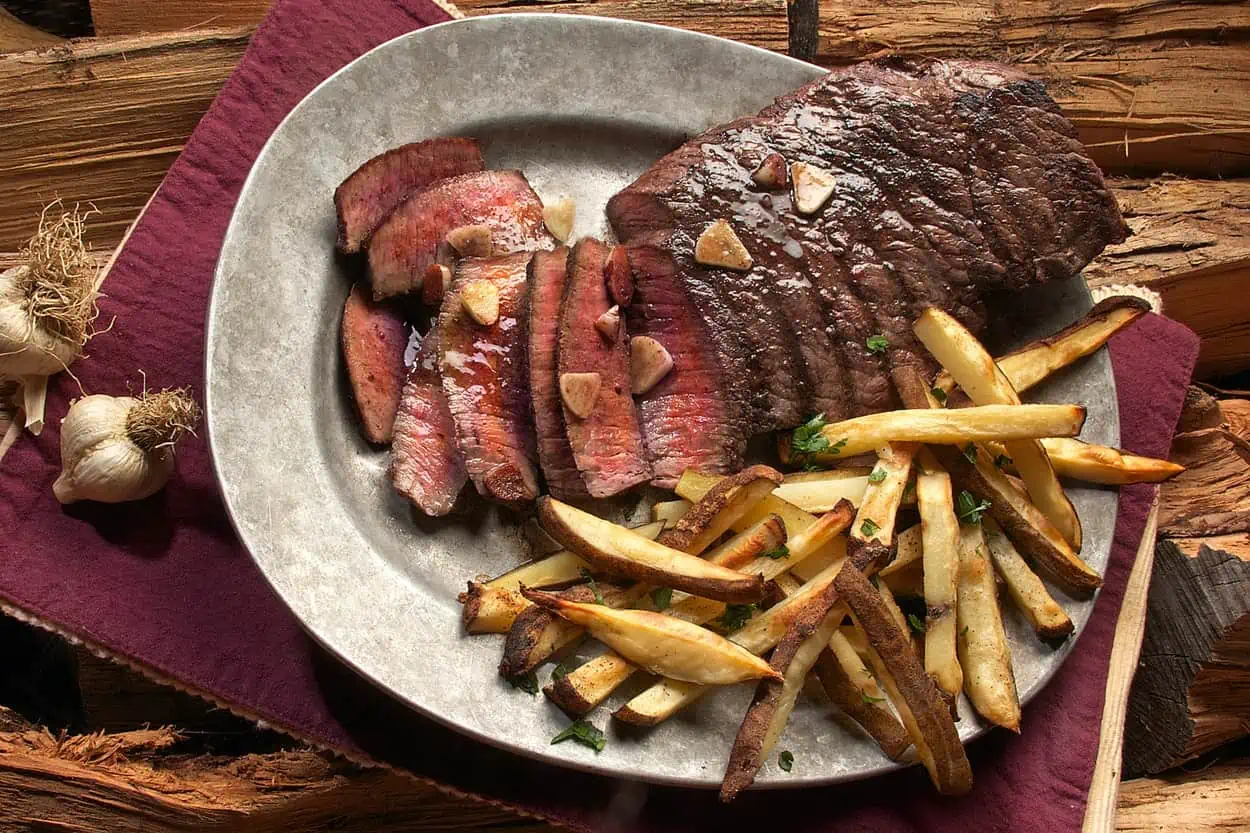
Whether you are having a party or just cooking for the family, food always tastes great when you barbecue
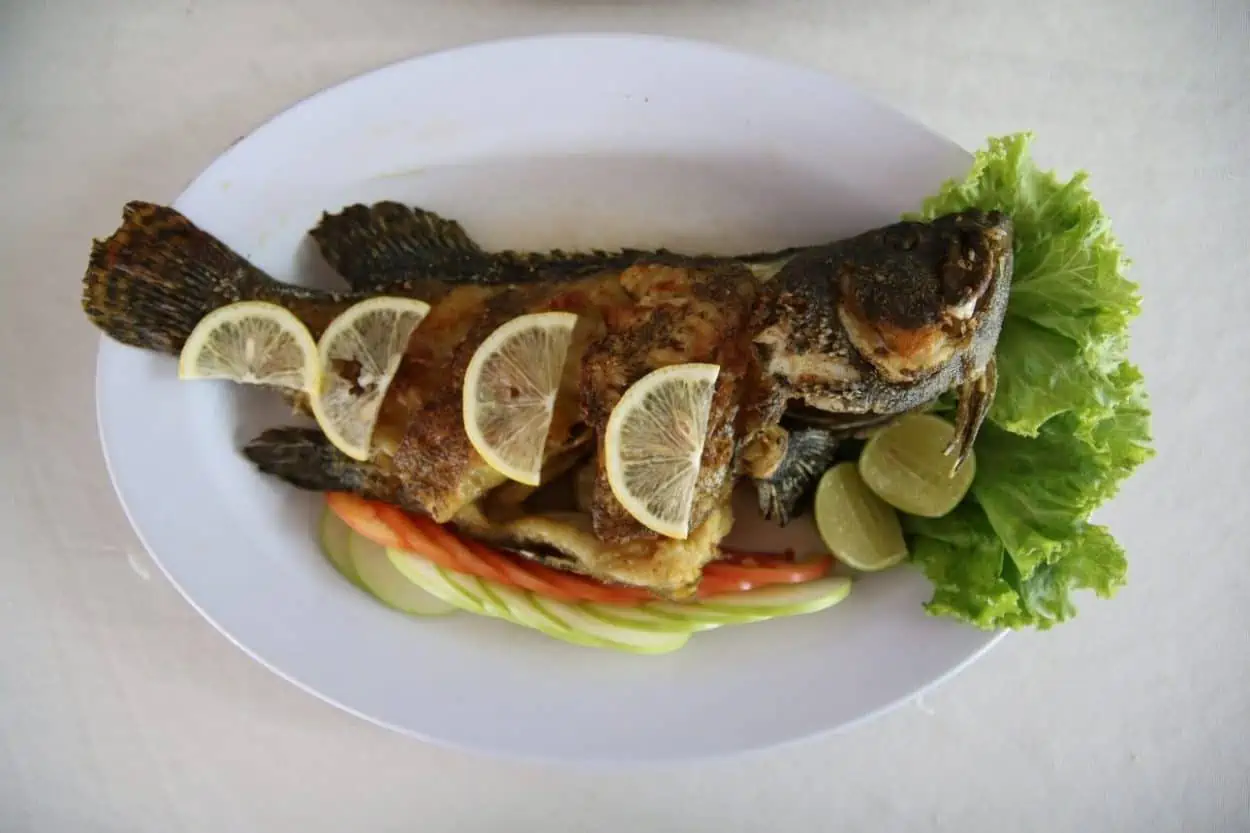
There are not many foods that are equally as healthy as they are delicious but we would certainly put
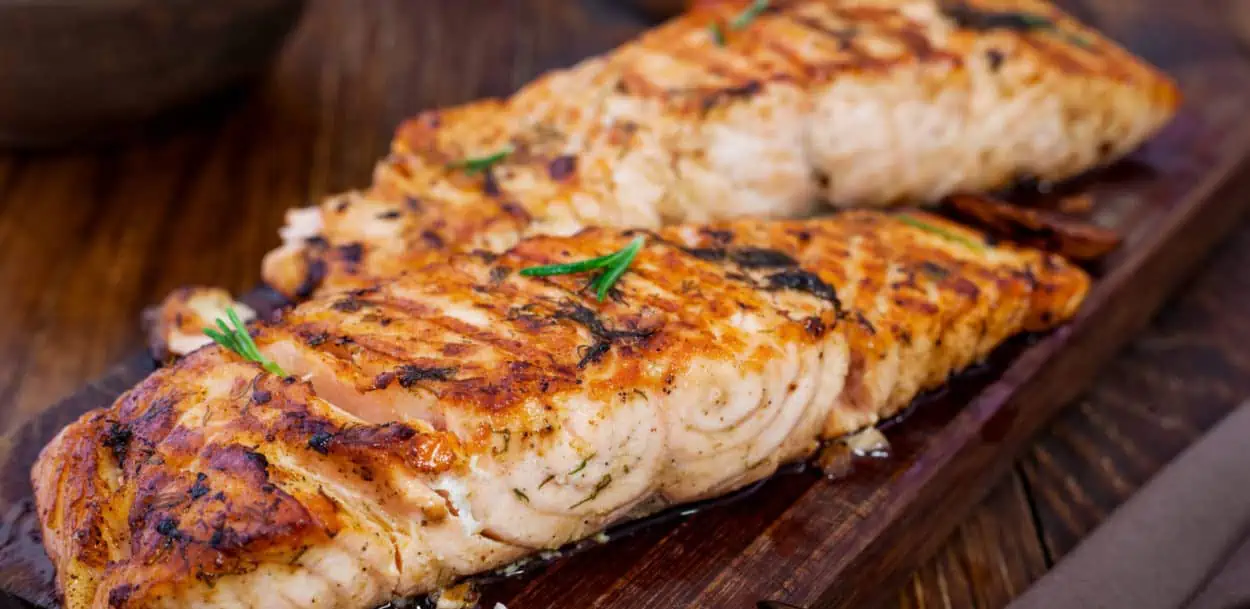
How to Cook Grilled Fish Perfectly Every Single Time Few things are as delightful as grilling, serving,