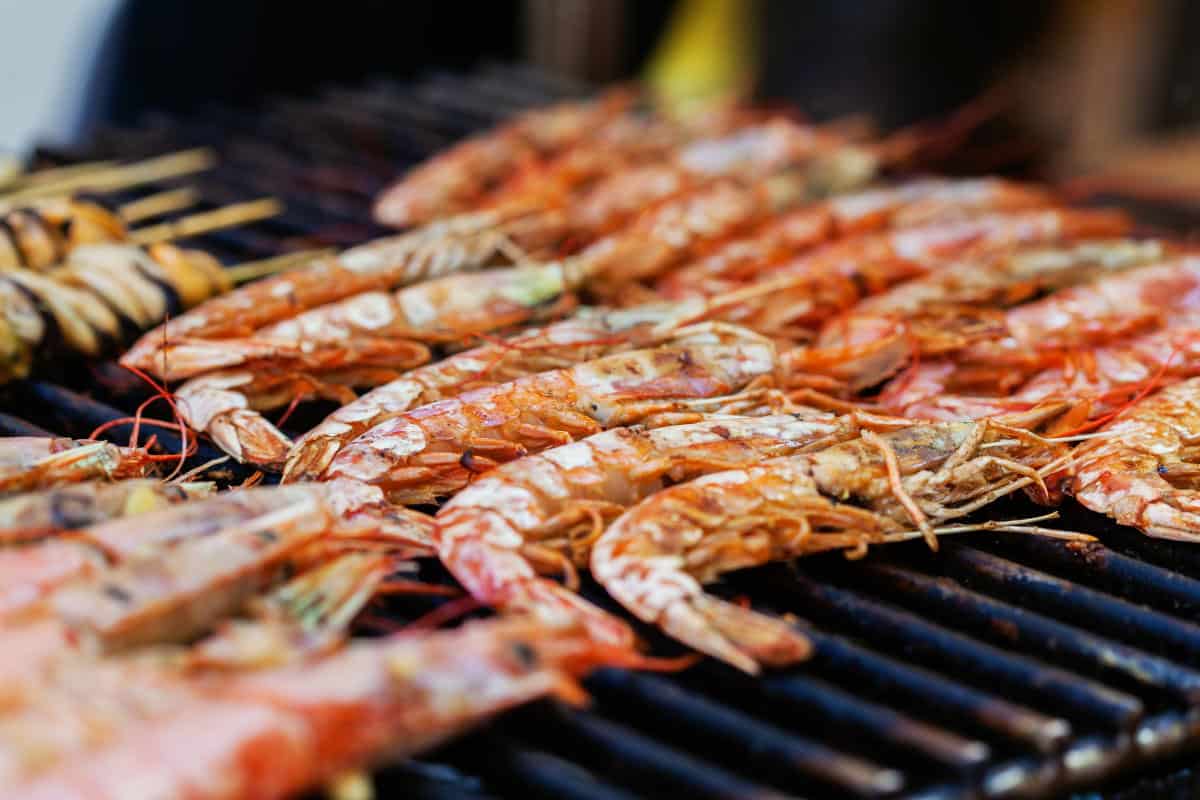
Shrimp is one of the most consumed seafoods in the world. It is easy enough to prepare on a weeknight, but fancy enough when you’re having people over, and you want to impress them. Shrimp is also highly versatile. You can bake, grill, sauté, or fry it. You can never go wrong with shrimp – unless you overcook it.
Grilling shrimp might seem straightforward. However, you can easily overcook it when the grill temperature is not properly set. At what temperature should you grill shrimp? This guide will tell you exactly how to achieve grilled shrimp to perfection.
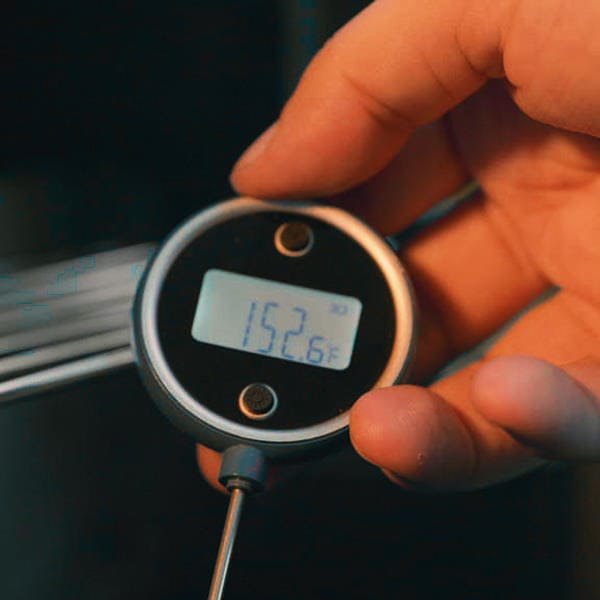 The recommended grilling temperature for shrimp is 120 degrees F (49 degrees C).
This temperature is ideal for grilling because it lets you get maximum flavour and juiciness from the meat.
With that said, this is the recommended temperature for grilling large shrimp. It is also important to note that you should only use large shrimps for grilling, as smaller ones tend to cook very quickly. Smaller shrimps are also trickier to handle on the grill and require more precision. If you put smaller shrimp on the grill for even 30 seconds too long, they become tough and rubbery.
Make sure to check the grill temperature before adding the seafood. The USDA recommends an internal cooking temperature of 145 degrees F (63 degrees C) for shrimp. The good thing with grilling shrimp, though, is that you can use visual cues to determine if they are cooked. The shrimp will turn pink and feel firm to the touch. The centre goes from translucent to opaque pink. That is how you know it is done.
The recommended grilling temperature for shrimp is 120 degrees F (49 degrees C).
This temperature is ideal for grilling because it lets you get maximum flavour and juiciness from the meat.
With that said, this is the recommended temperature for grilling large shrimp. It is also important to note that you should only use large shrimps for grilling, as smaller ones tend to cook very quickly. Smaller shrimps are also trickier to handle on the grill and require more precision. If you put smaller shrimp on the grill for even 30 seconds too long, they become tough and rubbery.
Make sure to check the grill temperature before adding the seafood. The USDA recommends an internal cooking temperature of 145 degrees F (63 degrees C) for shrimp. The good thing with grilling shrimp, though, is that you can use visual cues to determine if they are cooked. The shrimp will turn pink and feel firm to the touch. The centre goes from translucent to opaque pink. That is how you know it is done.
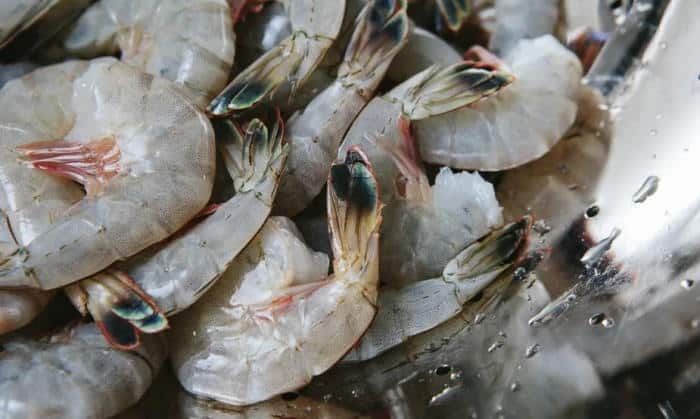
Correct Temperature to Grill Shrimp
The recommended grilling temperature for shrimp is 120 degrees F (49 degrees C).
This temperature is ideal for grilling because it lets you get maximum flavour and juiciness from the meat.
With that said, this is the recommended temperature for grilling large shrimp. It is also important to note that you should only use large shrimps for grilling, as smaller ones tend to cook very quickly. Smaller shrimps are also trickier to handle on the grill and require more precision. If you put smaller shrimp on the grill for even 30 seconds too long, they become tough and rubbery.
Make sure to check the grill temperature before adding the seafood. The USDA recommends an internal cooking temperature of 145 degrees F (63 degrees C) for shrimp. The good thing with grilling shrimp, though, is that you can use visual cues to determine if they are cooked. The shrimp will turn pink and feel firm to the touch. The centre goes from translucent to opaque pink. That is how you know it is done.
How Long Should You Cook Shrimp on a Grill?
Grilling time will depend on the size of the shrimp. For medium to large-sized shrimps, it should not take more than 5 minutes total. You should cook the shrimp for at least 2 minutes on each side. The best way to achieve the right grilling result with shrimp is to use high heat for the right amount of time. This will prevent them from over- or under-cooking on the grill. It also helps achieve that juicy and tender texture.How to Keep Shrimp from Sticking to the Grill?
One of the most common issues when grilling is when the meat sticks to the grill. There are several ways to prevent this when grilling shrimp. The first thing is to make sure the grill grates are cleaned before using them. You can scrape off any gunk that was left behind from your previous grilling session. It is also important to use an oil-based marinade on your shrimp. Adding oil will make it easier to release the shrimp from the grill rather than have them stick to the grates (which can happen when you use dry seasoning).Steps to Grill Shrimps to Perfection
Step 1. Soak the skewers before use. This step will keep the skewers from burning on the grill. Step 2. Thaw the shrimp so they cook evenly on the grill. Step 3. Marinate the shrimp with your choice of seasoning. Let it marinate for at least 15 minutes to allow the shrimp to absorb the flavours. Step 4. Pre-heat the grill. Make sure it reaches the ideal grilling temperature the moment you put the shrimp on the grill. Step 5. Grill the shrimp for 2 minutes on each side. Take them off once they are cooked and have the right amount of charring on the outside. Tip: Click here to read more about shrimp grilling if interested.How to Tell If Shrimp Is Undercooked?
There are many tips on how not to overcook shrimp. As a result, some people tend to err on the side of caution and end up undercooking the shrimp. Undercooked shrimp is just as dangerous and must be avoided. You can take a piece of raw shrimp to analyse its appearance on the inside and the outside. Use it as a point of comparison for cooked shrimp to tell when it is undercooked. If the shrimp still has translucent or greyish parts, it is undercooked. Wait until it has an even colour on all sides. The shape of the shrimp is also an indicator that it might be undercooked. Raw shrimp is quite flexible, whereas shrimps tend to lie straight when cooked. If the meat feels firm, the shrimp is cooked.
Mistakes to Avoid When Cooking Shrimp
Shrimp is a household staple, but it is easy to underestimate cooking shrimp because it is so familiar to us. Make sure you take note of these common mistakes when cooking shrimp to achieve the best results.- Buying “fresh” shrimp. Unless you get them straight from the fisherman’s boat, “fresh” shrimp is not always fresh. You would be better off buying the frozen ones that were sealed right after catching them, rather than the ones in the supermarket case. Refrain from buying shrimp that have been previously thawed because you don’t get the same quality when grilling them.
- You are thawing your shrimp on the counter. Instead, use a colander and refrigerate your shrimps overnight (if you plan to cook them the next day). Avoid putting them in the microwave oven or over hot water. This method of thawing the shrimp can make them soggy.
- Not cleaning the shrimp. Make it a habit to devein the shrimp before cooking to avoid any sand or mud that might be left behind, which can leave an unpleasant taste when cooked.
- You overcooked the shrimp. Grilling is one of the best ways to cook shrimp, but it’s easy to overcook them. The best way to go about it is to put the shrimps on a skewer so that you can flip them all at once (after you’ve cooked one side). If the shrimps are curled up too tightly, it means they are overcooked.
Related Posts
Reasons Why You Should Upgrade to the Best Instant Read Thermometer
A kitchen without an instant-read thermometer is incomplete. When it comes to creating a succulent pot roast o...
Letting Meat Rest Myth Debunked: Find Out the Truth
Whether it's your first time cooking meat or not, you might have heard one common piece of advice: always rest...
Are Infrared Thermometers Accurate in Cooking?
Temperature control is an integral part of the cooking process. If the temperature is incorrect, some types of...
Are Infrared Thermometers Safe?
The pandemic saw a surge in the popularity of infrared thermometers. It is quick, contactless, and convenient,...
King Crown Roast of Pork
What is a Crown Roast?
The holiday season is a unique culinary time, especially in America. We have Thanksgiv...
Best Infrared Thermometer for Kitchen Use
Cooking is both an art and a science. It requires knowledge of food preparation, different cooking methods, un...
Infrared Thermometer for Grilling
Some cooking methods require accurate and precise temperature readings. A slight temperature difference can si...
Best Uses for Infrared Thermometers
Infrared technology has been around for ages and used in different industries. There is a wide range of infrar...
Grilling Hamburgers: A Temperature Guide
You drown in the sight of your kids hopping cheerily in your yard while you try to contain the excitement! Fin...
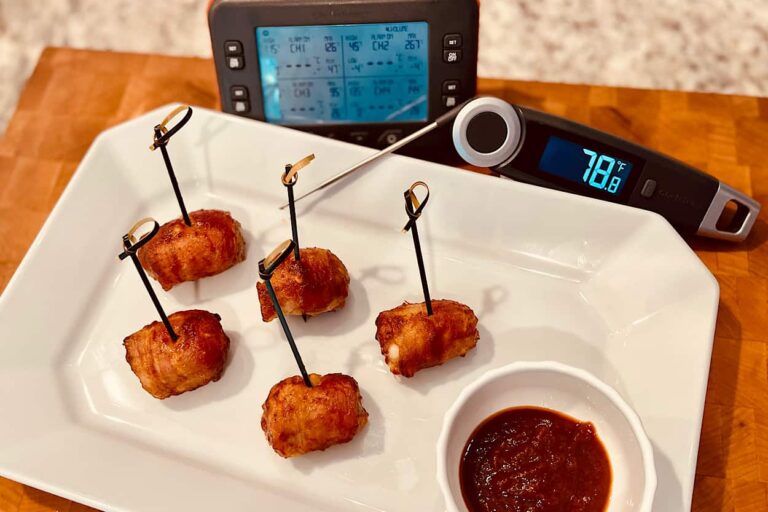
Safe Temperatures for The Best Halloween Party Snacks
Halloween Party Snacks
Halloween comes but once a year, and what a fun holiday season it is! Decorating the y...
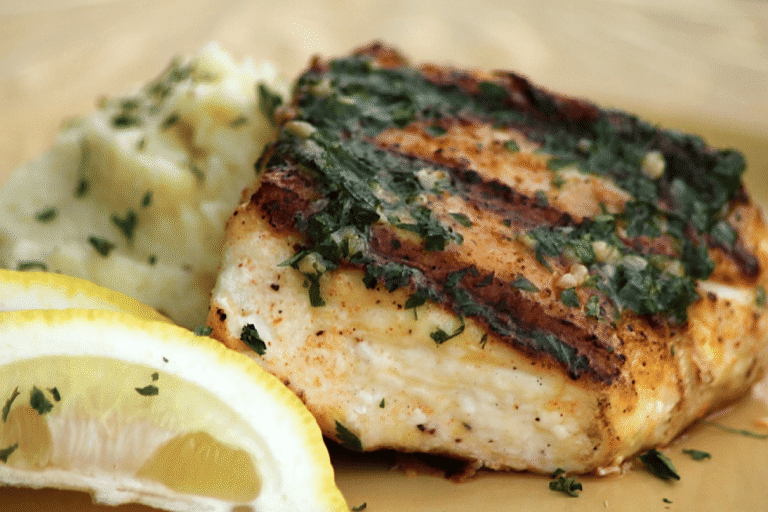
Thermal Secrets: How to Grill Halibut
Another member of the aquatic family has found its way to our cookout parties and is often used as an alternat...
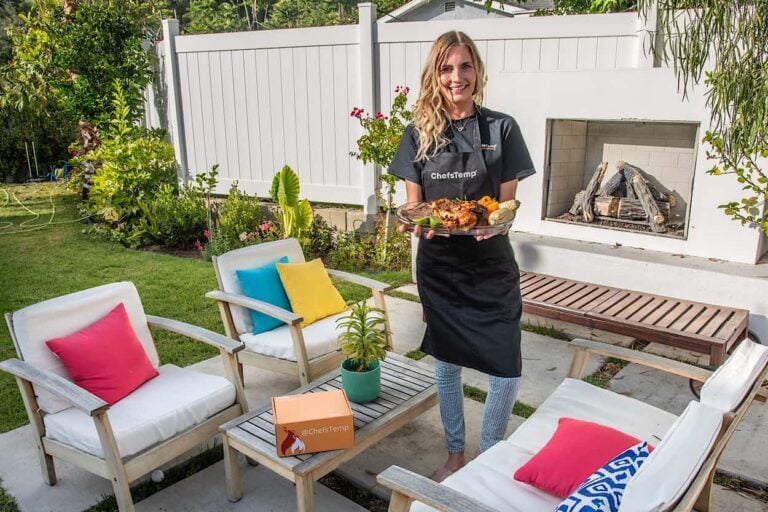
How to Grill Like a Professional – 24 Essential Grilling Tips
Tip 1 - Preheat the Grill
Preheating the grill is essential for a great grilling experience. Whether yo...