How to Cook It Perfectly Every Single Time
Delicious Plant-Based Burgers: Even Better than the Real Thing?
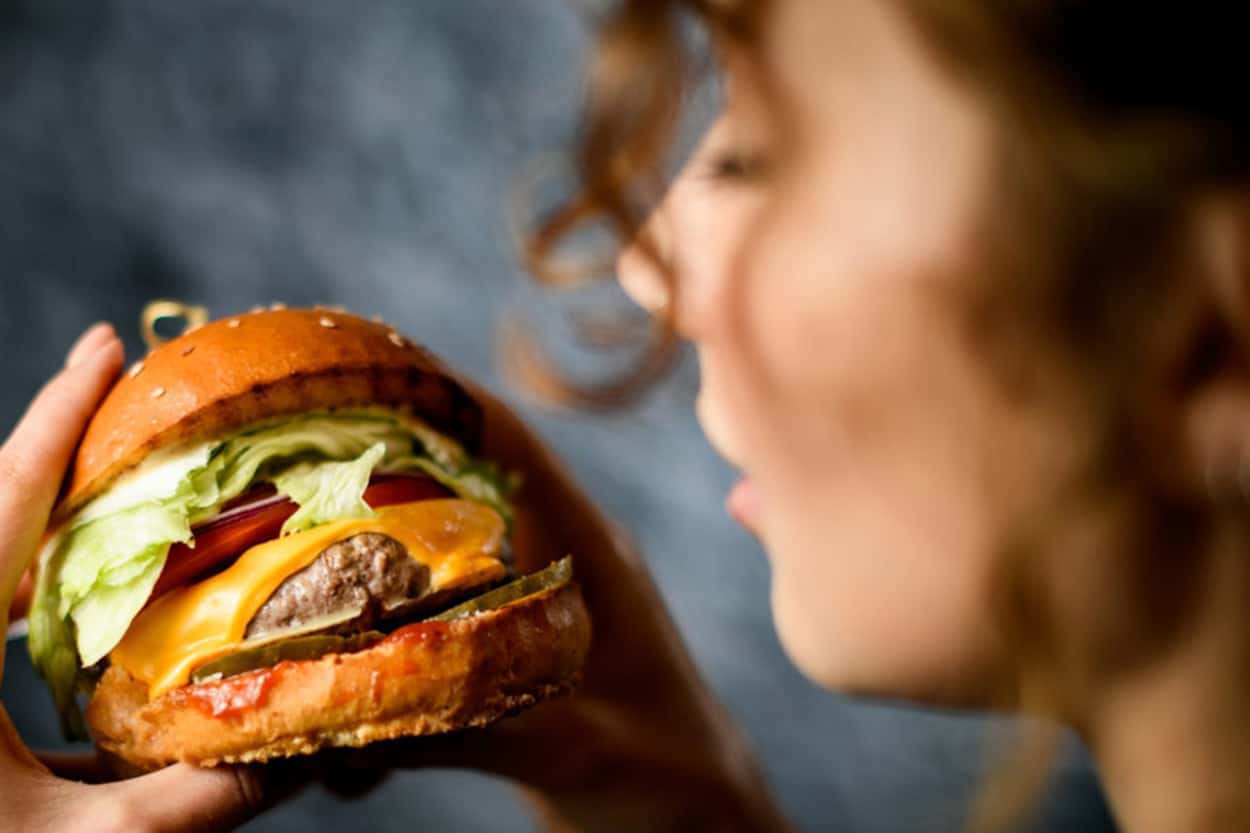
With more people becoming vegetarians or vegans, there’s a good chance that you’ll have some guests at your seasonal BBQ who don’t eat “real” meat. This guide will give you everything you need to know about preparing delicious plant-based burger alternatives. Vegetarianism and veganism are both on the rise in the United States and elsewhere. The decision to cut back on eating meat, or eliminate it entirely, has undeniable benefits for long-term health and the environment. As these dietary choices become more popular, the options for a meatless, plant-based burger are improving as well. While fake meats available in the 1990s and 2000s could not be said to taste much like a real hamburger, new products from Impossible Foods, Beyond Meat, and other brands are of much higher quality – in some cases, tasty enough to fool practiced carnivores! And now that they’re being served in fast-food restaurants across the country, the mainstream acceptance of plant-based burgers is only likely to grow. The process of grilling plant-based burgers and other plant-based meats is in some ways easier than it is for grilling real hamburgers, although there are some special considerations involved. To be ready to serve a delicious plant-based burger at your next BBQ, keep reading.Temperature for Food Safety
With plant-based burgers, you generally don’t need to cook them as long as you do with regular meat to achieve a safe temperature. Unless you’re using the same grill you do for real meat, transmitting salmonella or e.coli is not a consideration. Therefore, for maximum safety (and to keep your vegetarian or vegan guests happy), it’s recommended that you have a separate grill designated for cooking plant-based meats.Plant-Based Burgers and Other Plant-Based Meats: How Hot is Enough?
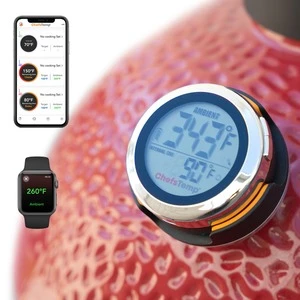
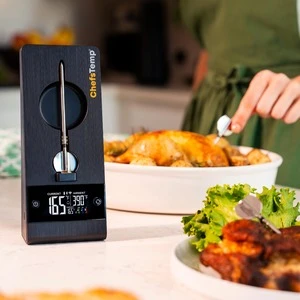
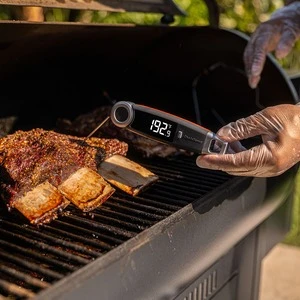
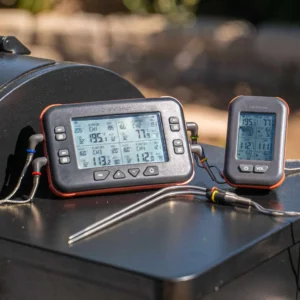
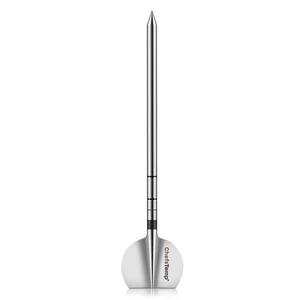
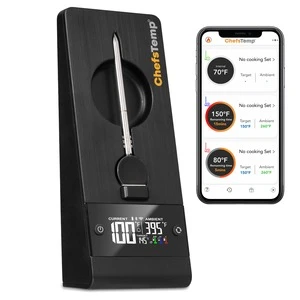
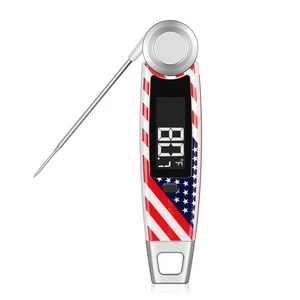
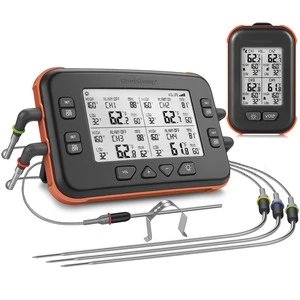
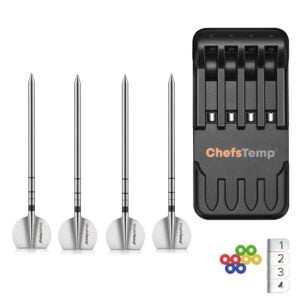
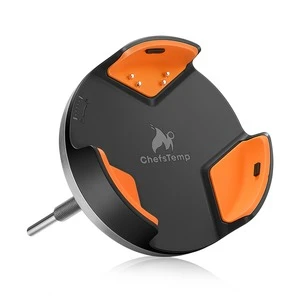
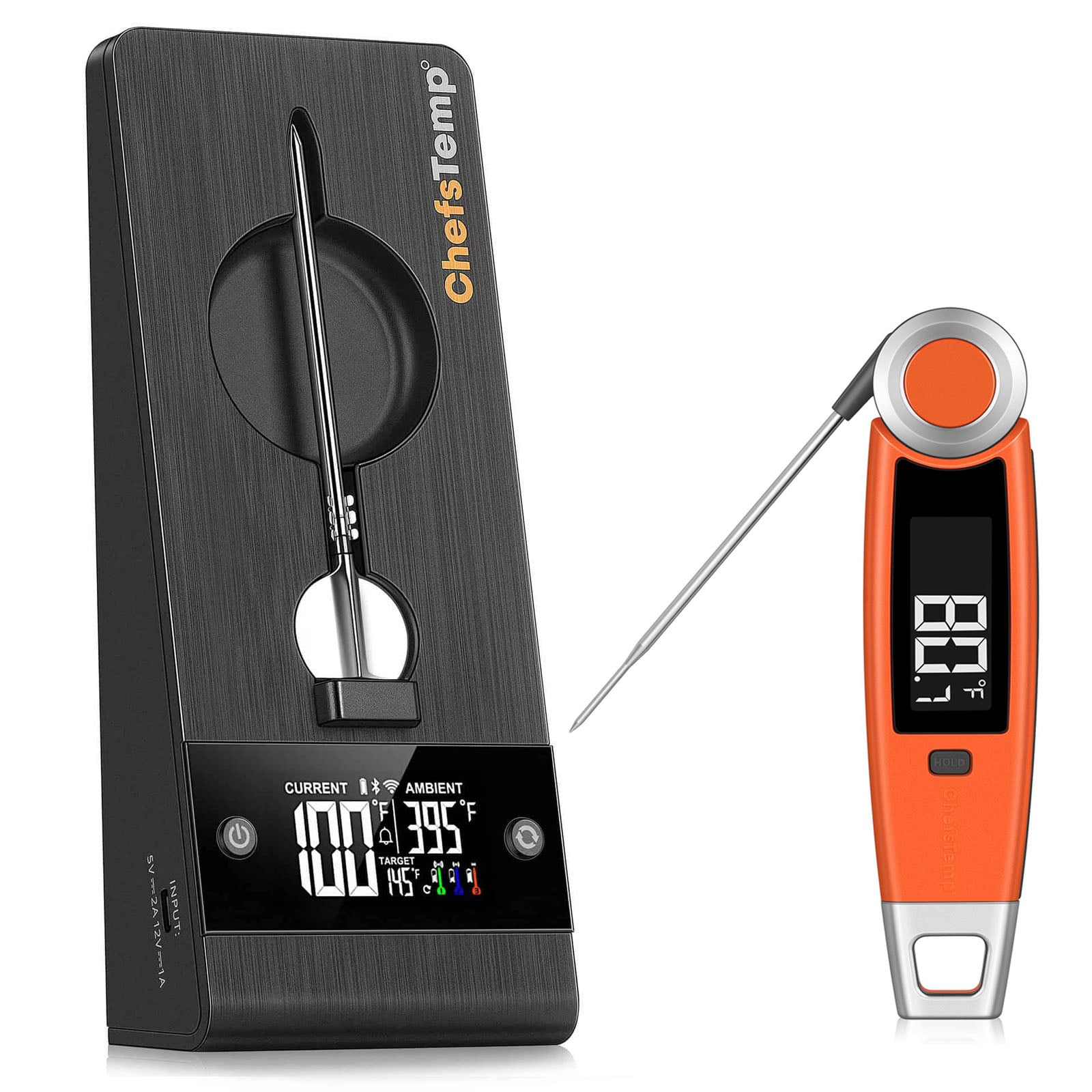
The manufactures of the most popular plant-based meats recommend cooking them to an internal temperature of 165 degrees Fahrenheit. You can determine the cooking temperature of plant-based meats by using a great meat thermometer for cooking meat. To avoid cross-contamination, and to show consideration for your vegan and vegetarian guests, it’s optimal to have a separate best digital meat thermometer on hand that you only use for “fake” meats. While you don’t have to worry about meat safety as much, you want to avoid overcooking or undercooking plant-based meats. An overcooked plant-based burger will dry out, giving it an unpleasant “hockey puck” texture. An undercooked patty will taste unpleasant, be difficult to digest, and could potentially carry germs. Cooking your plant-based meat alternatives to 165 degrees Fahrenheit, checking them with a meat thermometer, and keeping them separate from actual meat will avoid these problems and show care and consideration for your guests who don’t eat meat.How to Prepare Plant-Based Burgers
Before you cook plant-based burgers on the grill, bring them to room temperature. Usually, they are sold refrigerated and should be ready to go, although sometimes they are frozen. If this is the case, give them time to thoroughly thaw out before attempting to grill them. If you don’t, they may appear cooked on the outside while remaining nearly frozen internally. With a professional meat thermometer, you can avoid this unappealing and embarrassing situation. Other steps in preparation will depend on which product you’re using. Beyond Meat comes in preformed patties, making it easier to use. “Ground beef” from Impossible Foods comes in a large chunk, requiring you to form patties by hand while at the same time allowing for more versatility. The best way for amateur chefs to learn to cook and serve truly delicious plant-based burgers is through a process of time, experience, trial, and error. You can make things easier by eliminating as many variables as possible. That’s why even the most experienced chefs use digital meat thermometers, so they can know their precise meat temperatures at any point in the process.Fake Burgers: How Long Do I Need to Cook Them?
Generally, you don’t need to cook plant-based meats as long as the real thing. As mentioned above, safety is less of a pressing consideration. Also, plant based burger tends to cook more quickly. Before you cook your plant-based meats, make sure your grill is nice and hot. Giving it 15 minutes to heat up usually does the trick.How to Keep Plant-Based Meats from Sticking to Your Grill
Using canola oil or similar plant-based oil on your fake hamburgers will make them more delicious and help them keep from sticking to your grill. You should also clean your grill regularly and thoroughly, especially if you have already used to grill “real” meat.The Perfect Plant-Based Burger Recipe
Ingredients- Plant-based hamburger patties
- Canola oil or a similar plant-based oil
- Buns
- Vegan cheese
- Ketchup, mustard, and other condiments, such as mushrooms, avocado, etc.
- Prepare your plant-based meat as instructed above.
- Cook it at 375-425 degrees Fahrenheit to the desired temperature, around 165 degrees Fahrenheit. (If you’re just starting out, around 375 degrees Fahrenheit is best.) This usually takes 6-8 minutes and should be checked periodically using your meat thermometer.
- Flip your plant-based burgers once or twice, but don’t press them down, as they may dry out this way.
- Add a vegan cheese alternative during the last 60 seconds of the cooking process
- Toast your buns away from the center of the grill, if desired.
- Let the plant-based burgers “rest” for a moment before serving.
- Add condiments, add to buns, and serve.
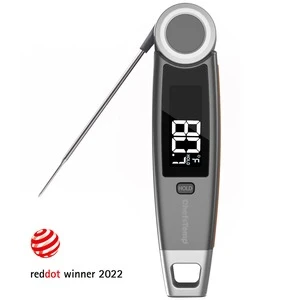
Click Here To Get Your ChefsTemp Finaltouch X10 Now!
Related Posts
Use Proper Cooking Temperatures to Ensure Safe Food
Cooking is one of the most basic household chores. However, it can be easy to mess up your cooking, especially...
How to Have a Well-Cooked Meat
Meat is a popular part of many dieting plans, as its tasty and satisfying qualities make it an excellent sourc...
Perfect Temp Smoked Baby Back Ribs
Smoking ribs during a family cookout can be a great way to level up the fun and let your loved ones enjoy the ...
Perfectly Cooked Filet Mignon Prepared Two Ways
Whenever it comes to cooking steaks, most of us would die to have one of the best meat cuts out of the tenderl...
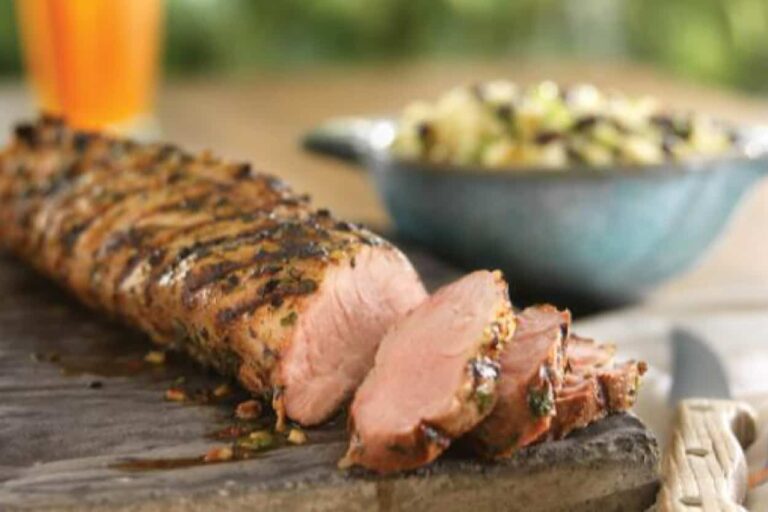
Pork Tenderloin: A Recipe for Perfect Doneness
Apart from many other parts and cuts out of the pig or hog’s body, what people enjoy the most is the tenderloi...
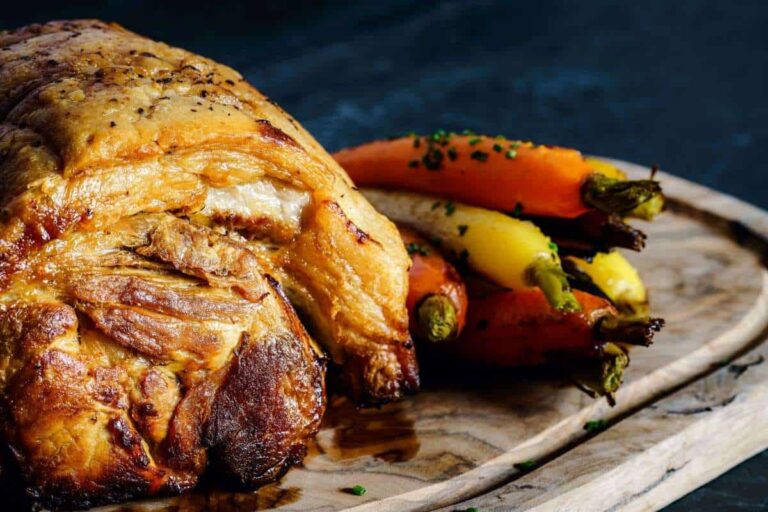
Roast Pork Internal Temperature
Roasting is one of the best ways to cook pork. This method of cooking gives you soft meat with a crunchy exter...
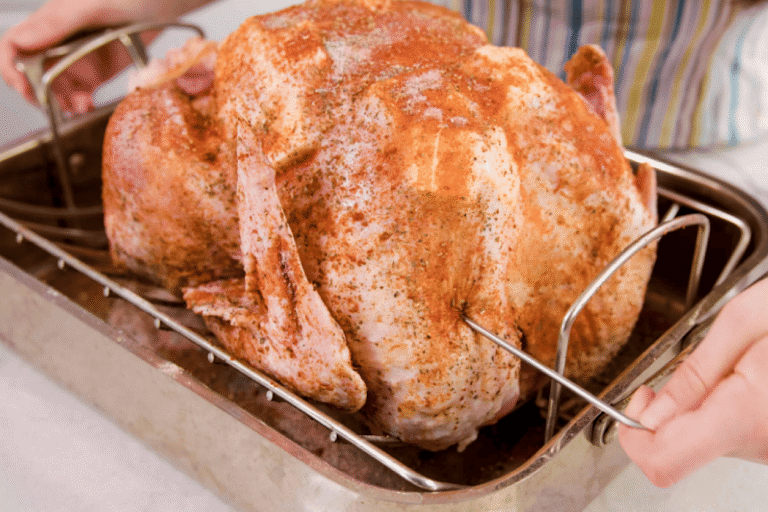
Proper Probe Placement in Your Turkey
On the auspicious occasion of Thanksgiving, every dinner table is decorated with several dishes, with Turkey a...
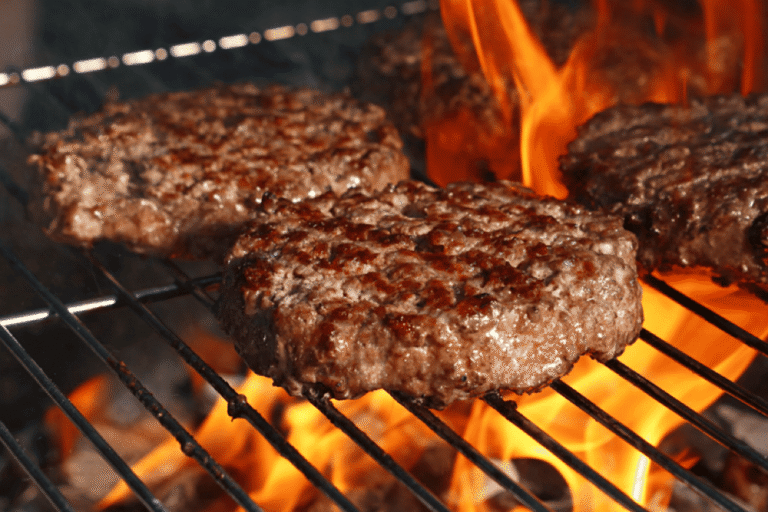
Grilling Hamburgers: A Temperature Guide
You drown in the sight of your kids hopping cheerily in your yard while you try to contain the excitement! Fin...
The Chefs Temp Guide to Everything You Need to Know About Steak: Temperatures, Ordering, and Buying
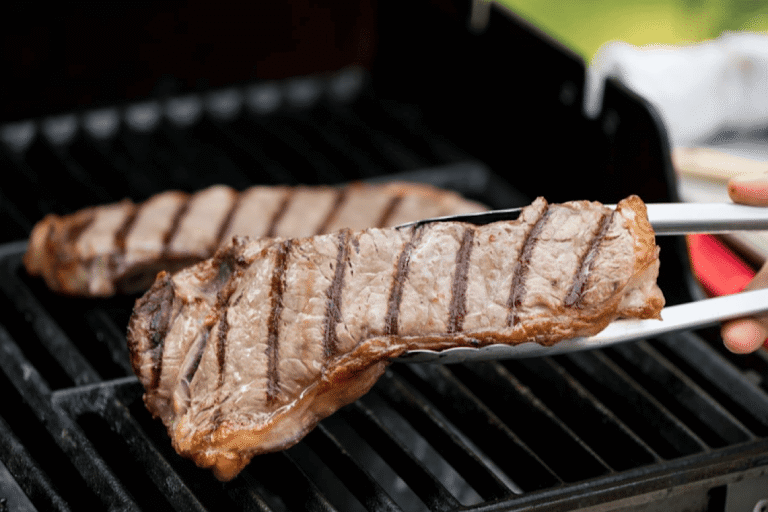
To know about the steak temperature chart, let’s first know what a steak is. A steak is a cut of beef from the...
Juicy Goosey Barbecue with ChefsTemp Finaltouch X10
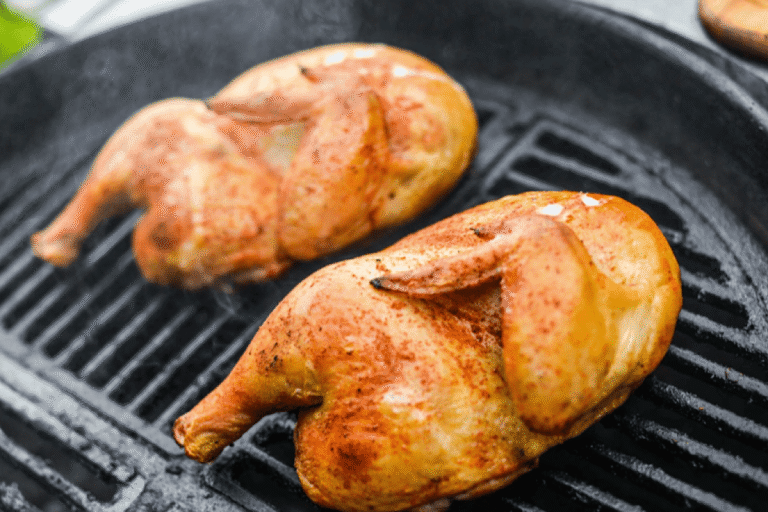
Barbecued goose makes the Christmas celebrations a happy occasion to cherish, but cooking a goose is a little ...
How to Marinated Bone-In Pork Chops and Oven Cooking Them Safely
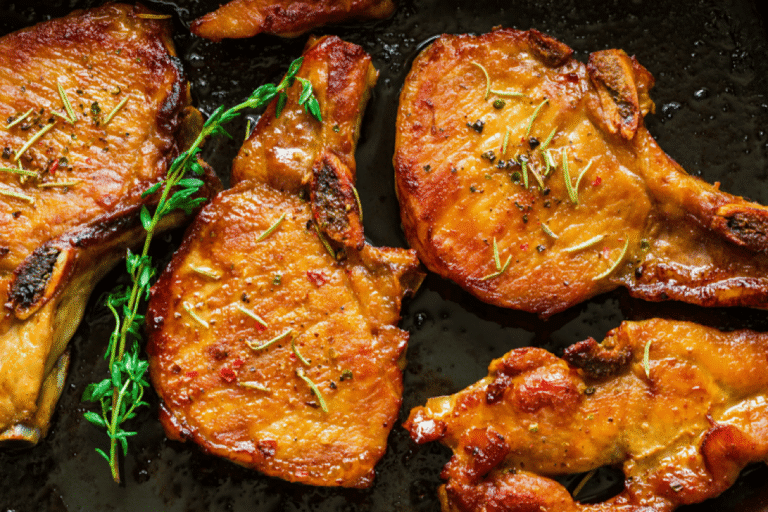
Bone-in Pork Chops are one of the most flavorful cuts of pork we can cook. They are so flavorful because of th...
The Cooking Battle of Time vs Temperature
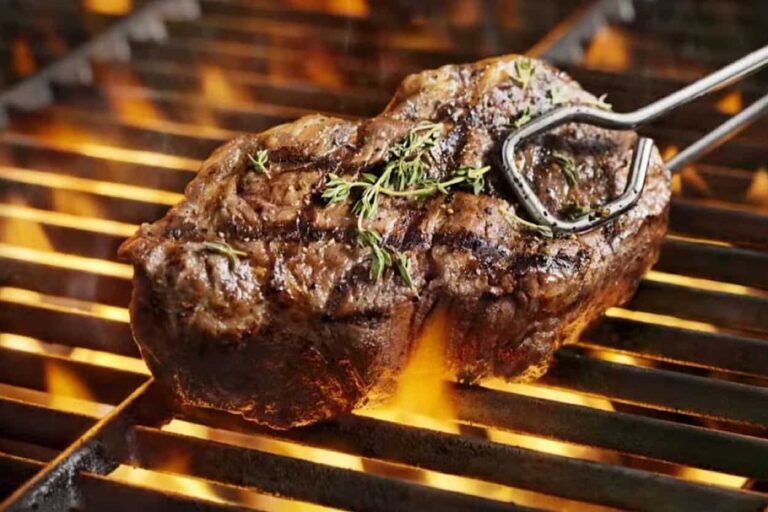
Cooking involves transferring energy from the heat source to the food. The energy transfer causes chemical and...