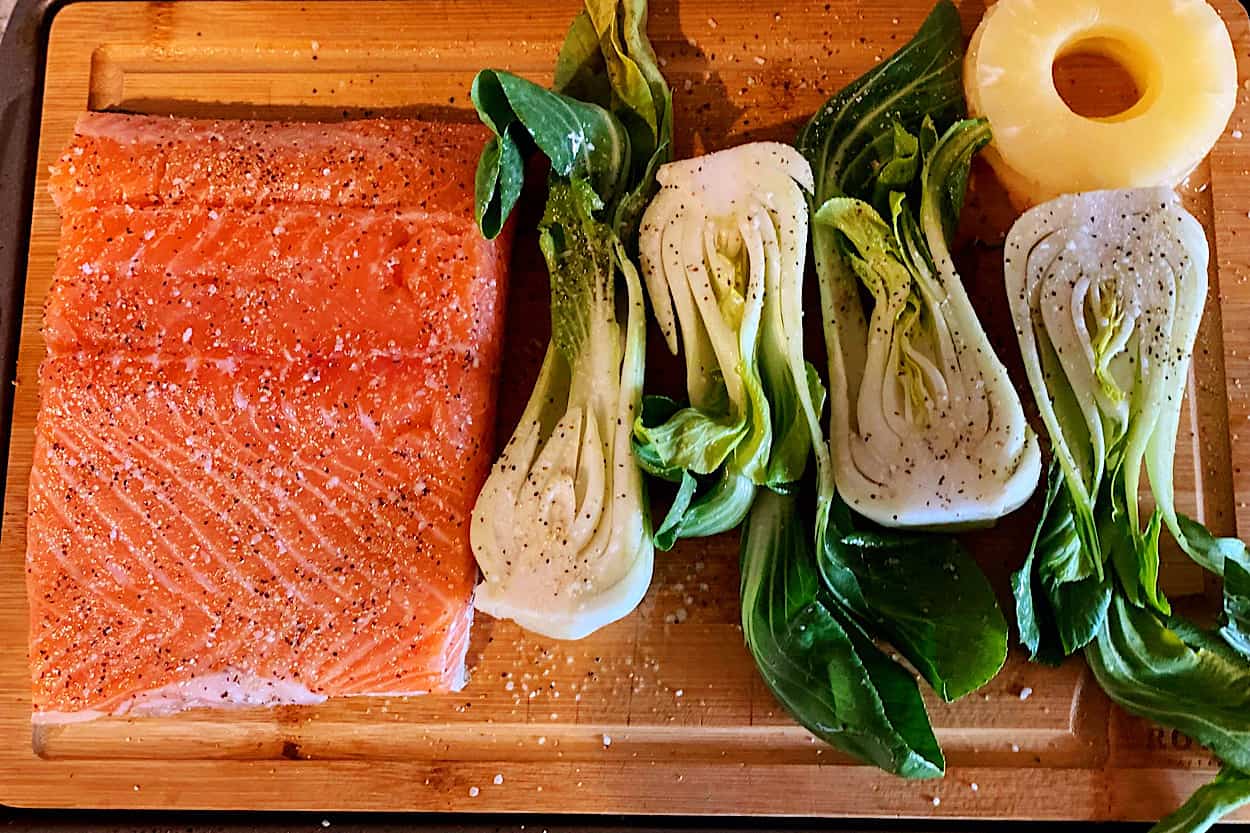
Salmon is one of the most popular fish consumed today. People eat it in sushi, poached, canned, grilled, pan-seared, en papillote, steamed, smoked, and in fish stews. Salmon is caught in the wild and it is also farm raised. Because of its popularity, it is important to look at how to cook perfect salmon every time and understand when it comes to salmon, it is about temperature and not time.
Your first question is what is the perfect temperature for salmon? The answer is it depends on how you are cooking it. So, we will look at the different temperature ranges, and discuss carry-over cooking, pull temperature, and serving temperature.
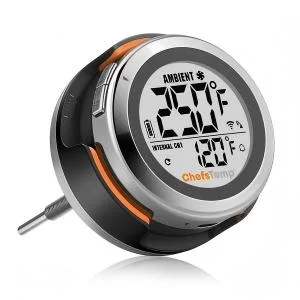
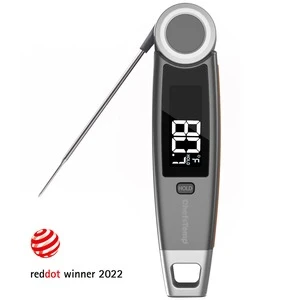
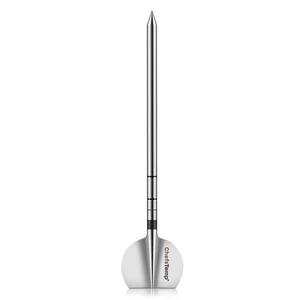
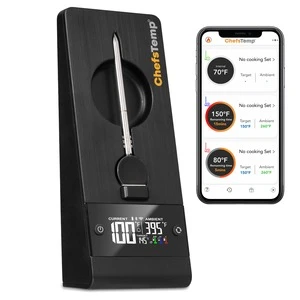
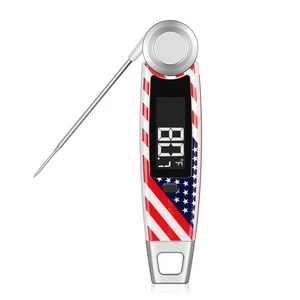
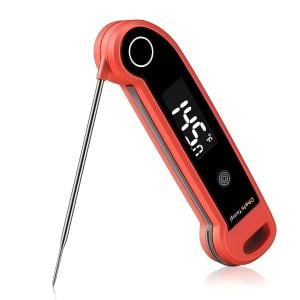
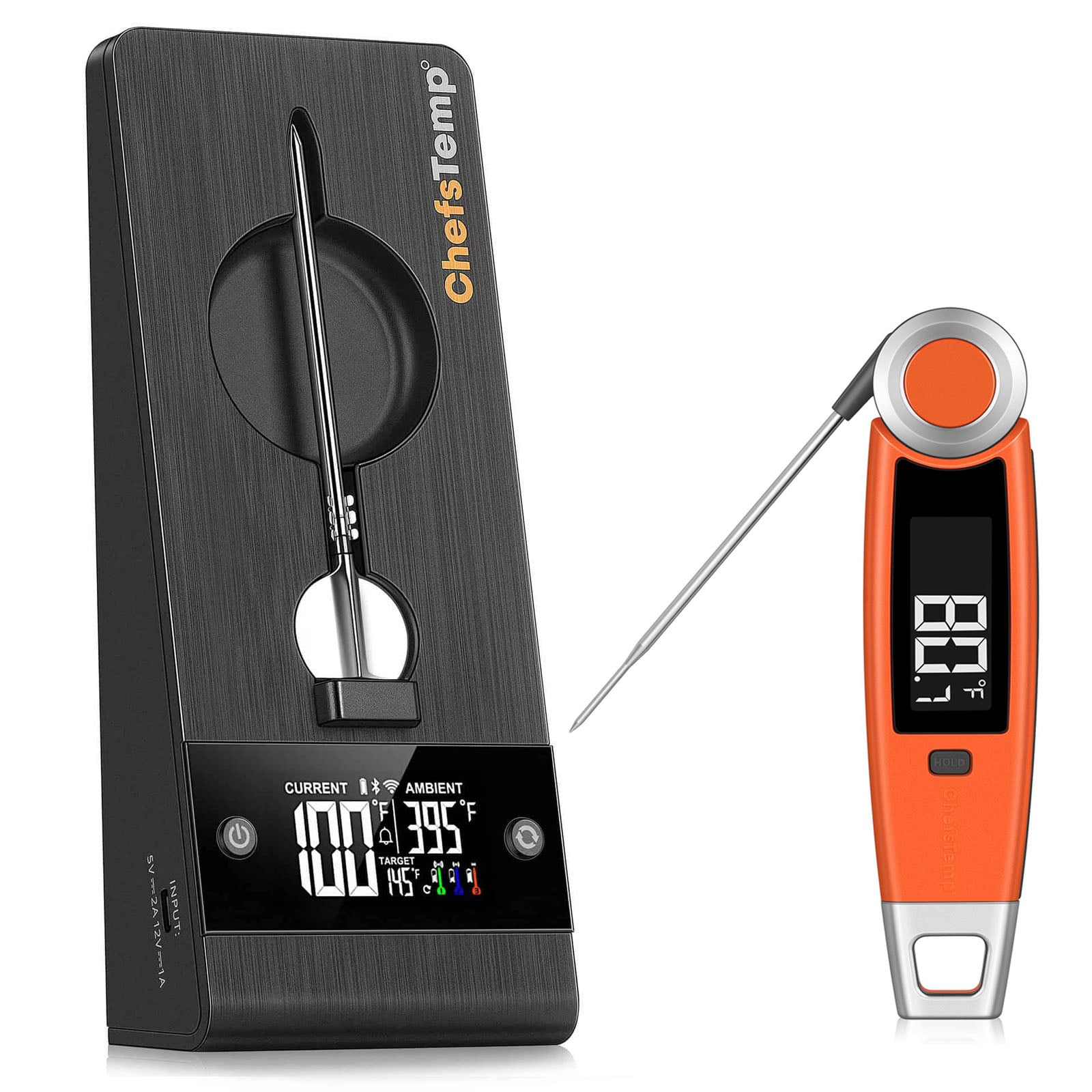
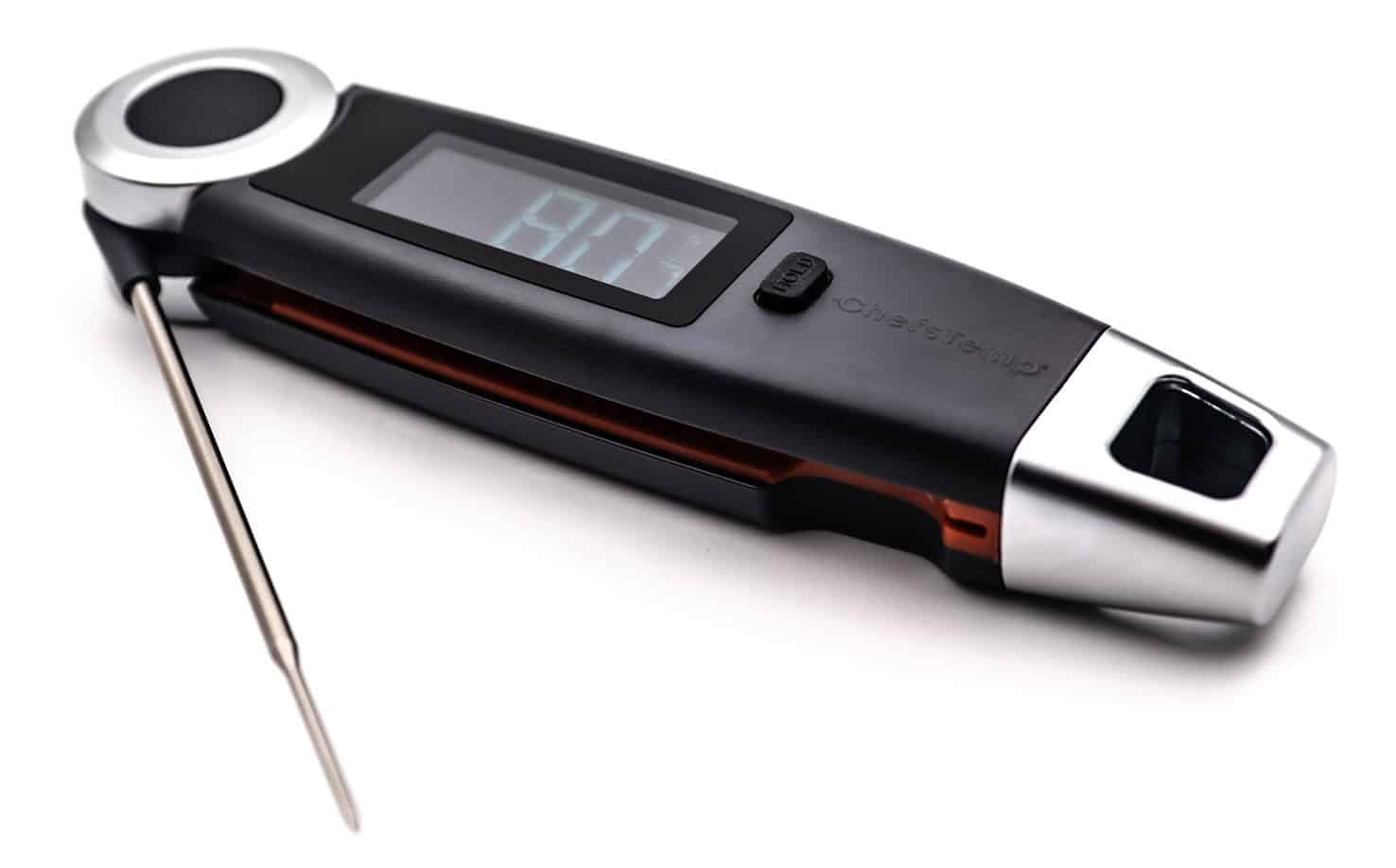
The FDA Food Guide says salmon should be cooked to 145⁰F. You will find if you cook it to this temperature the salmon will be dry, flaky, and flavorless. This is where using your ChefsTemp Final Touch X10 is going to be your best tool. If we want a final temperature of 145⁰F we need to pull the salmon at 135⁰F and let it sit for 10 minutes to rise to our final temperature. This is a combination of pull temperature, and carry-over cooking. The salmon will continue to cook for several minutes after you pull it and will reach your target temperature in about 10 minutes.
Now with the understanding of these cooking terms, it is time to look at temperature doneness.
Grilled Salmon: pull it from your grill between 115⁰F-120⁰F. this will give you perfect medium rare salmon.
Poached Salmon: pull the salmon at 135⁰F and let it rest for 10 minutes.
Smoked Salmon: pull the salmon from your smoker at 140⁰F.
Salmon en Papillote: this is salmon cooked inside of a parchment paper envelope with aromatic vegetables, pull at 140⁰F.
Sushi: 95⁰F drizzled with lime juice.
Pan-Seared Salmon: Pan seared salmon should be cooked the same as Grilled Salmon, you want it medium rare.
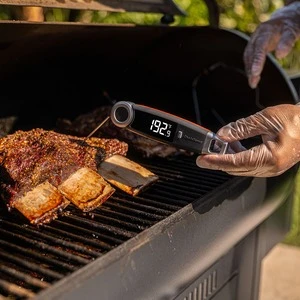
With salmon, one of the things we must keep in mind is it cooks fast. A minute can make a huge difference, so keep your ChefsTemp Final Touch X10 close, and monitor those temperatures and pull it as soon as it reaches the target pull temperature.
Now that we have discussed what to do, and what temperatures to use, how do we prepare salmon for cooking?
Depending on what method of preparation will determine what you do, but the basics are, season with salt and pepper, if you are poaching it, add lemon slices and whole peppercorns along with celery and onion to the poaching liquid. Grilling and Pan-Searing, season it simply with salt and pepper. Smoked Salmon, season it with any number of things you want.
In all the preparations, dill tends to be a favorite herb to add to salmon, but you can use so many other things with salmon. Orange sauce, Blood Orange Sauce, Blackberry Sauce, lemon, and caper sauce, Beurre Blanc, Beurre Rouge, those are white wine and red wine butter sauces respectively, Bearnaise sauce, that is hollandaise flavored with tarragon, and the list goes on. What you are looking for is fruity, or acidic sauces that will mellow the strong flavor that salmon can develop and create a pleasing taste for the palette.
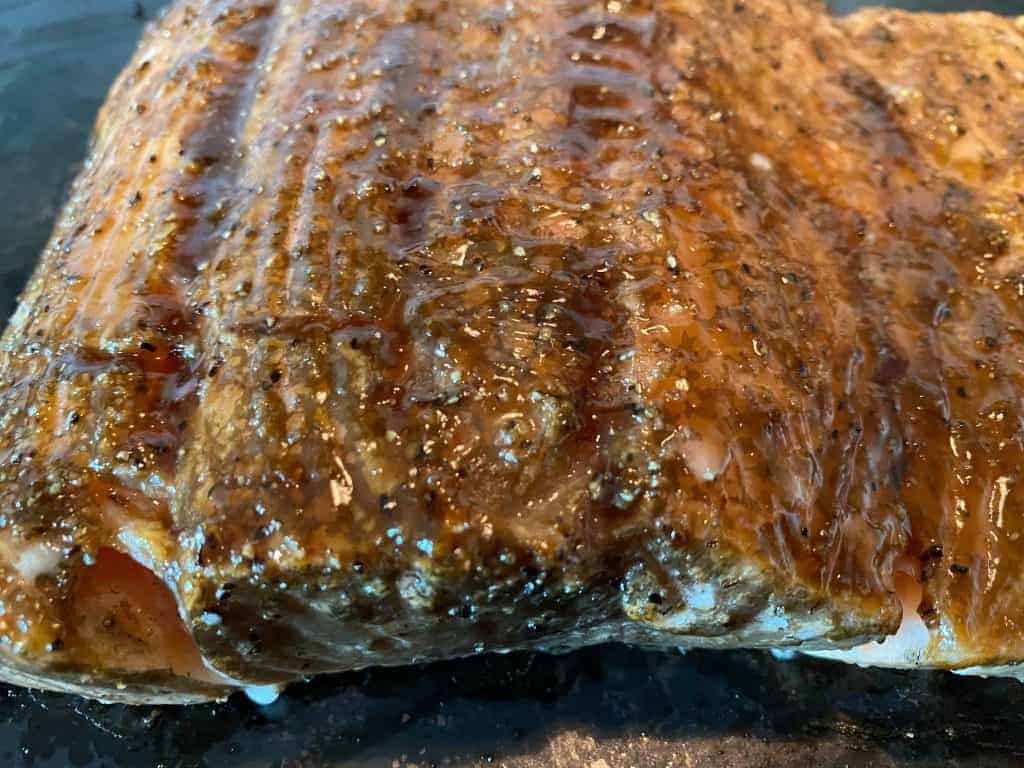
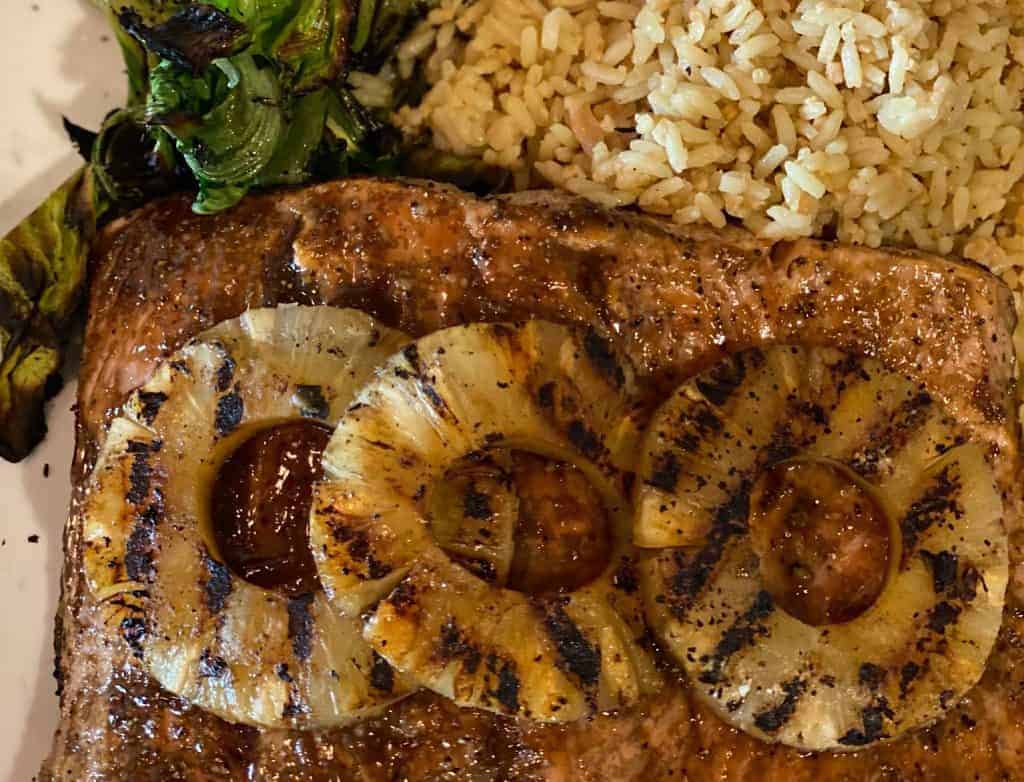
Grilled Teriyaki Glazed Salmon
Items needed:
- 1 pound Skin-on Salmon Filet
- Salt
- Pepper
- Cooking spray
- Teriyaki glaze
Step 1
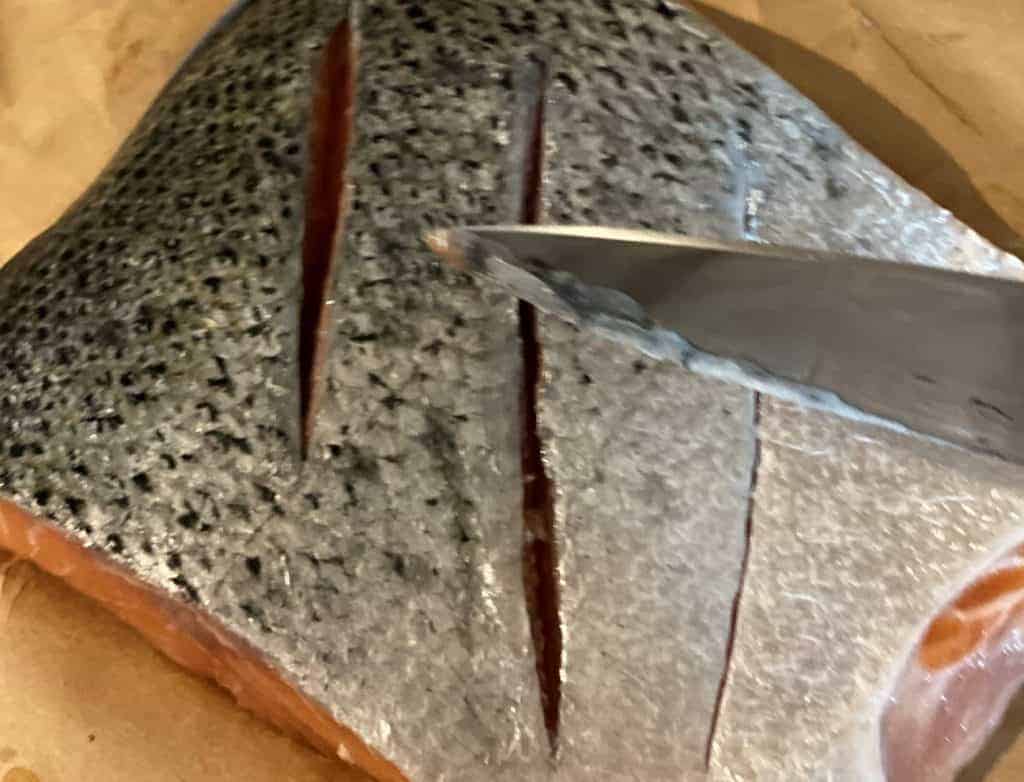
When preparing your salmon, first thing you need to do is to make sure there are no pin bones on the filet side and remove any excess scales from the skin. …
Step 2
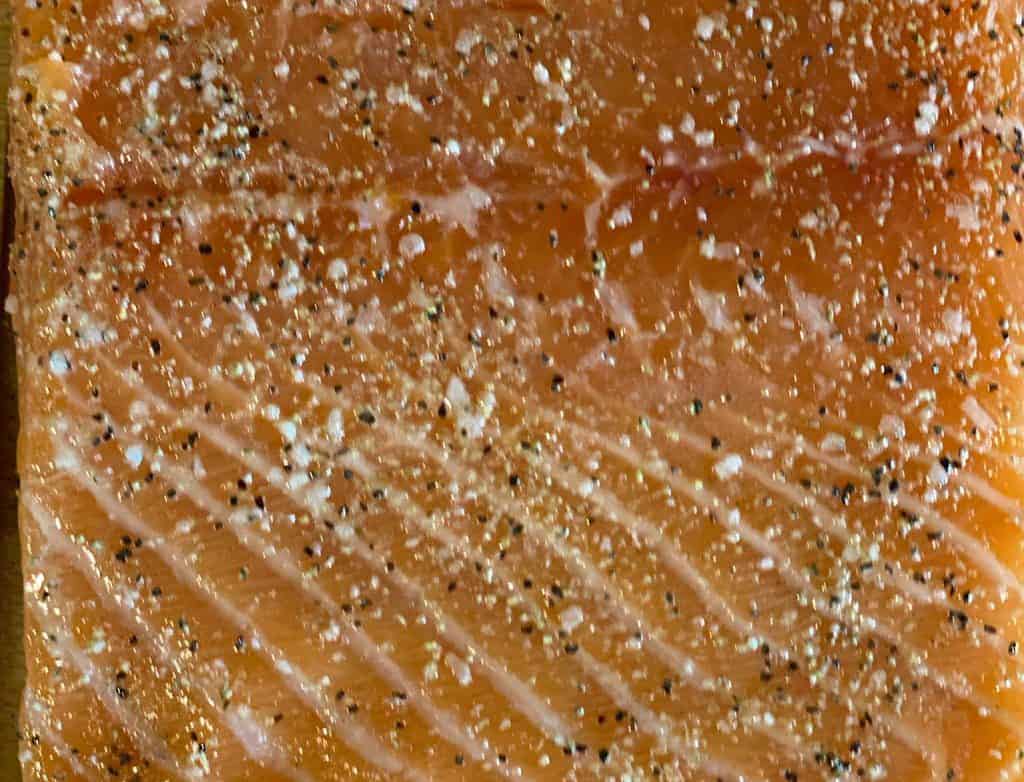
Once you have your salmon prepared, you want to spray it with cooking spray, and then season it with salt and pepper. …
Step 3
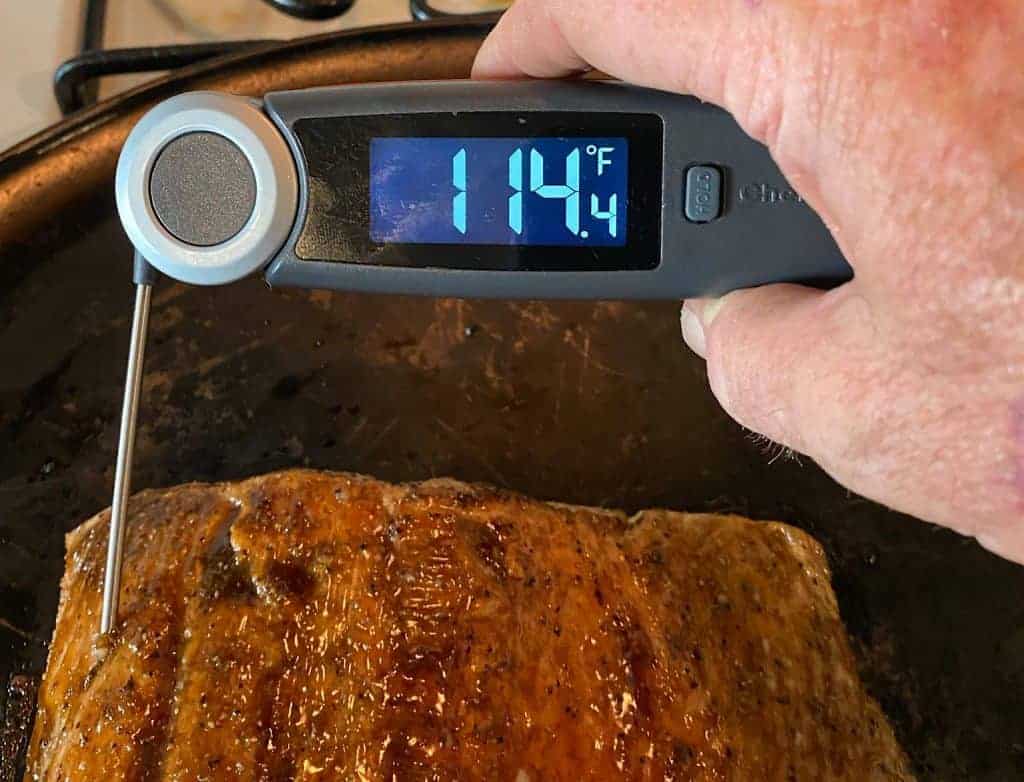
Make sure your grill is hot, you will want it as hot as you can get it, and then keep track of time and temperature, you will place the salmon skin side down on the grill and cook it until it reaches 114⁰F. Carry-over cooking will get it to 125⁰F in ten minutes and your salmon will be ready to eat. …
Step 4
Glaze your salmon with teriyaki sauce as soon as you pull it from the grill, the carry-over cooking will do the rest. …
Step 5
Plate it up and enjoy your dinner. I cannot express to you enough how important it is not to cook salmon using time. Salmon is one of the fastest cooking proteins you will ever cook. It can go from perfect to over done in one minute. Make sure you use your ChefsTemp Final Touch X10 during the cooking process. That is the only sure way to get perfectly cooked salmon every time. Everyone loves good salmon, but no one likes over-cooked salmon, when you cook salmon on a grill or pan-sear it, watch those temperatures. Remember on a grill, you are not going to flip the salmon, you are going to place it on a hot grill and close the lid. The slits in the skin allow the fats to cook out of the salmon, which you want, and the skin will help to protect the salmon from too much heat. Your cooking time is about 7 minutes, any longer and the salmon will get over done through carry over-cooking.
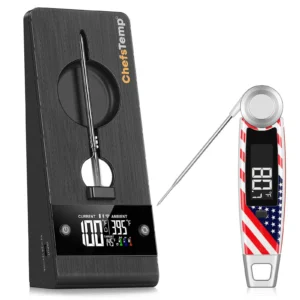
Finaltouch X10
The Finaltouch X10 thermometer from ChefsTemp gives an accurate reading not only for the inside of food but for surface temperatures as well. The diversity of the thermometer’s usage is second to none compared to other thermometers. By getting a reading within 1-3 seconds, the Finaltouch X10 from ChefsTemp is prepared to take on any task it is given.Click Here To Get Your ChefsTemp Finaltouch X10 Now!
Related Posts
How to Keep a Smoker Temperature Steady for Hours
Keeping a smoker temperature steady for hours comes down to three essentials: consistent fuel, controlled airf...
Monitoring the First Burn on a Lone Star Grillz El Fuego Trio with ChefsTemp
Before the first brisket or rack of ribs, a new grill needs its first firing. That session also lets you learn...
Why Is My Charcoal Grill Not Getting Hot Enough?
Open the intake vent all the way. Clear the ash out from under the charcoal grate. Count how much lit charcoal...
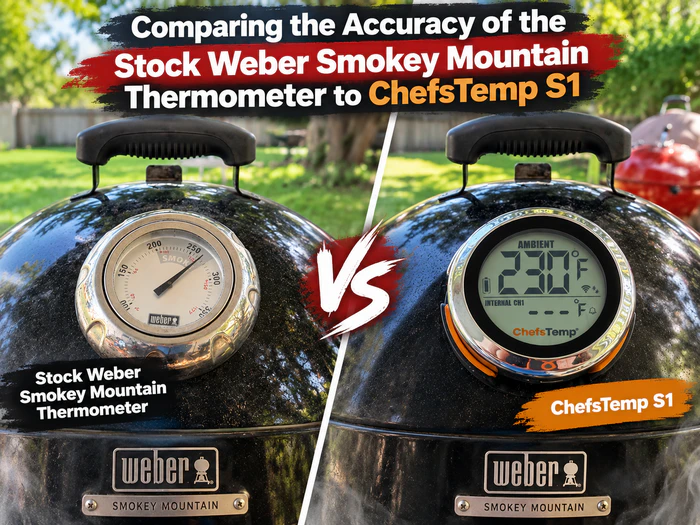
Comparing the Accuracy of the Stock Weber Smokey Mountain Thermometer to ChefsTemp S1
The Issue
The Weber Smokey Mountain is a popular and versatile cooker, but it has one major flaw - the stock ...
From Free Facebook BBQ Tips to a Growing Business: Stephan R. Parrot’s Custom Smoker Story
A suggestion from his wife helped Stephan R. Parrot turn years of free barbecue advice into training, catering...
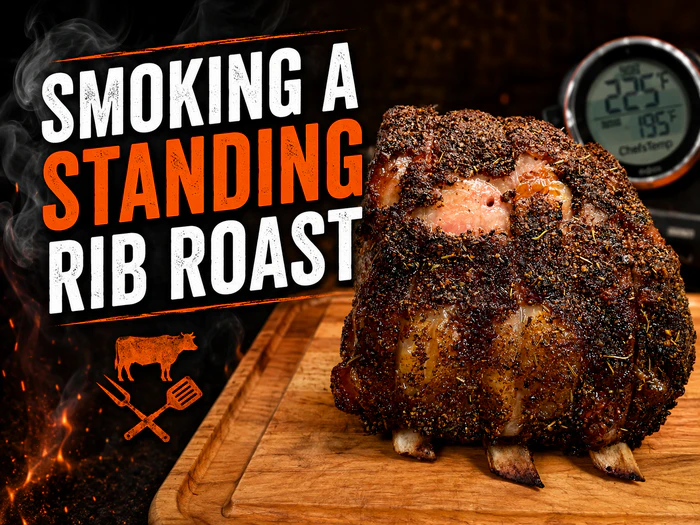
Smoking a Standing Rib Roast – When Special Occasions Call for Special Cuts of Meat
Preparing the Roast
...
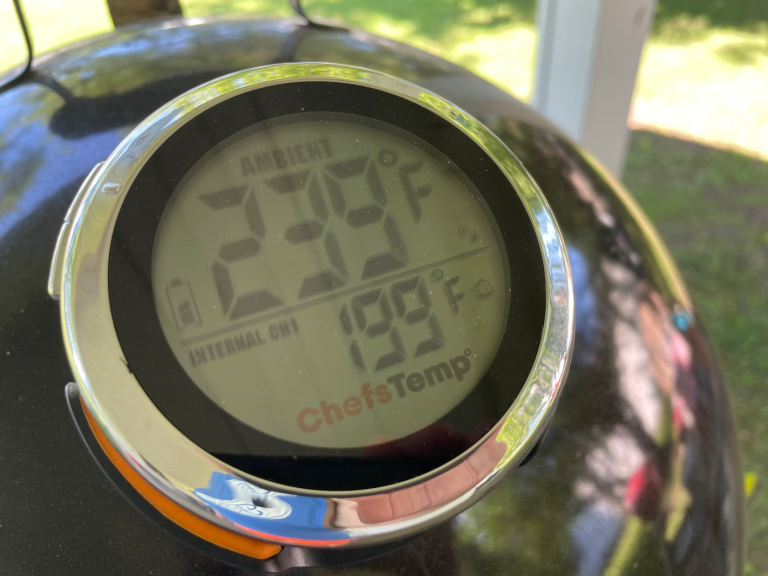
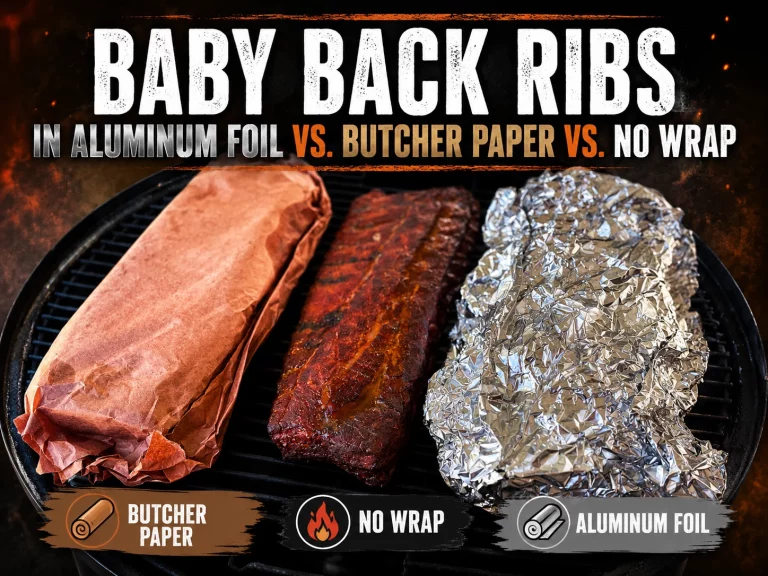
Experimenting with Ribs: Wrapping Baby Back Ribs in Aluminum Foil vs. Butcher Paper vs. No Wrap
Introduction to Smoking Ribs
I personally believe one of the big reasons people get smokers is to cook ribs. I...
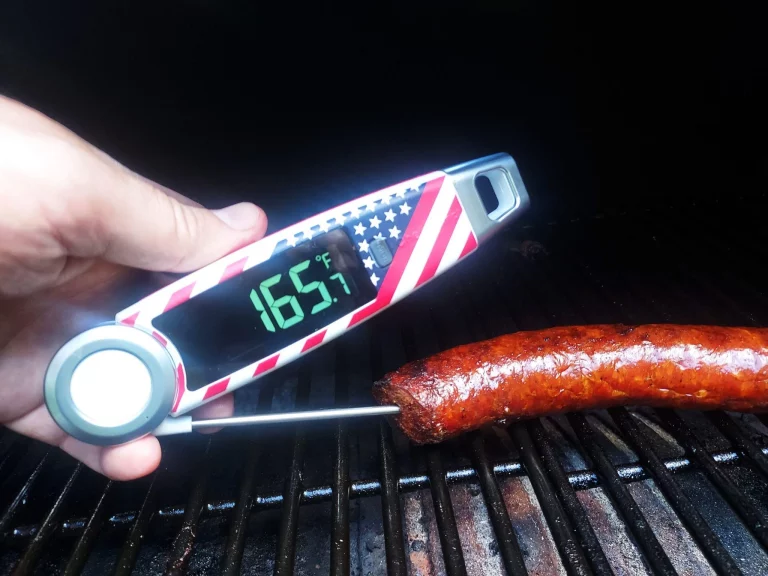
Stop Splitting Your Sausage: Expert Tips for grilling natural Casings
Natural casing ring sausage is a cookout staple enjoyed around the world that is equally deserving of a place ...
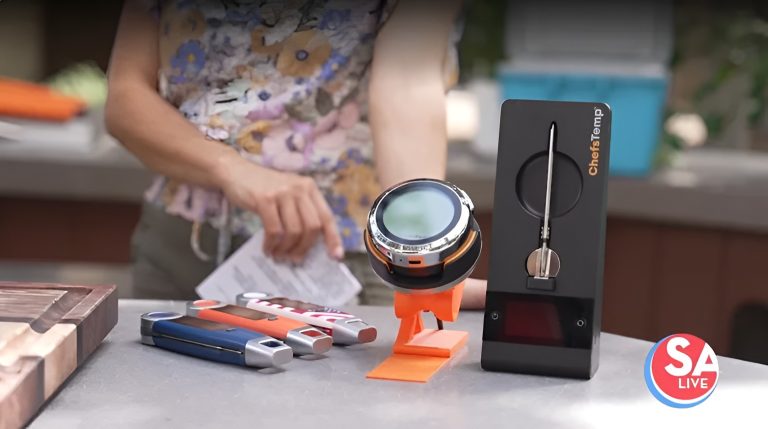
Mastering Pulled Pork: The Ultimate Temperature Control Guide with ChefsTemp
Achieving competition-grade, juicy, and tender pulled pork is the ultimate rite of passage for backyard pitmas...
Two Birds, One Fan: Can Breezo Fix Uneven Chicken Temps on a Charcoal Grill?
Chicken grilled over charcoal is one of life’s purest pleasures. So much so that people debate which is better...
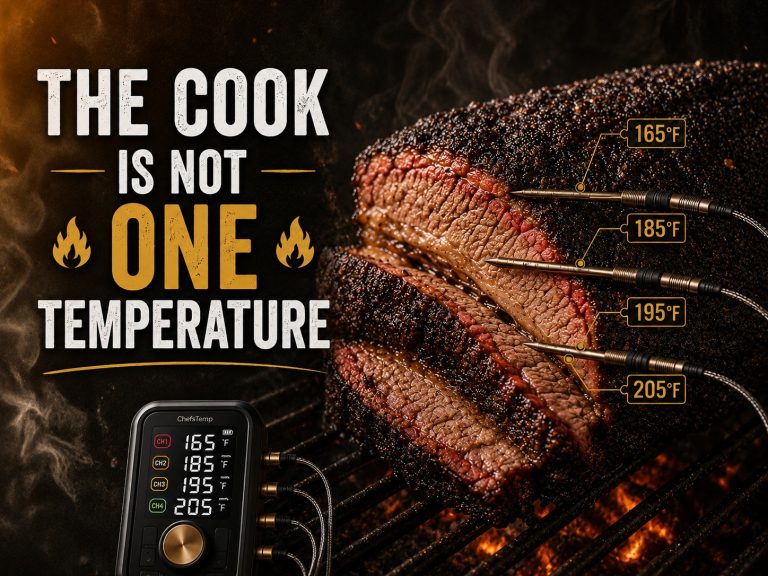
The Cook Is Not One Temperature
A few hours into a long cook, it can feel as though the grill has started arguing with you.
The dome thermome...