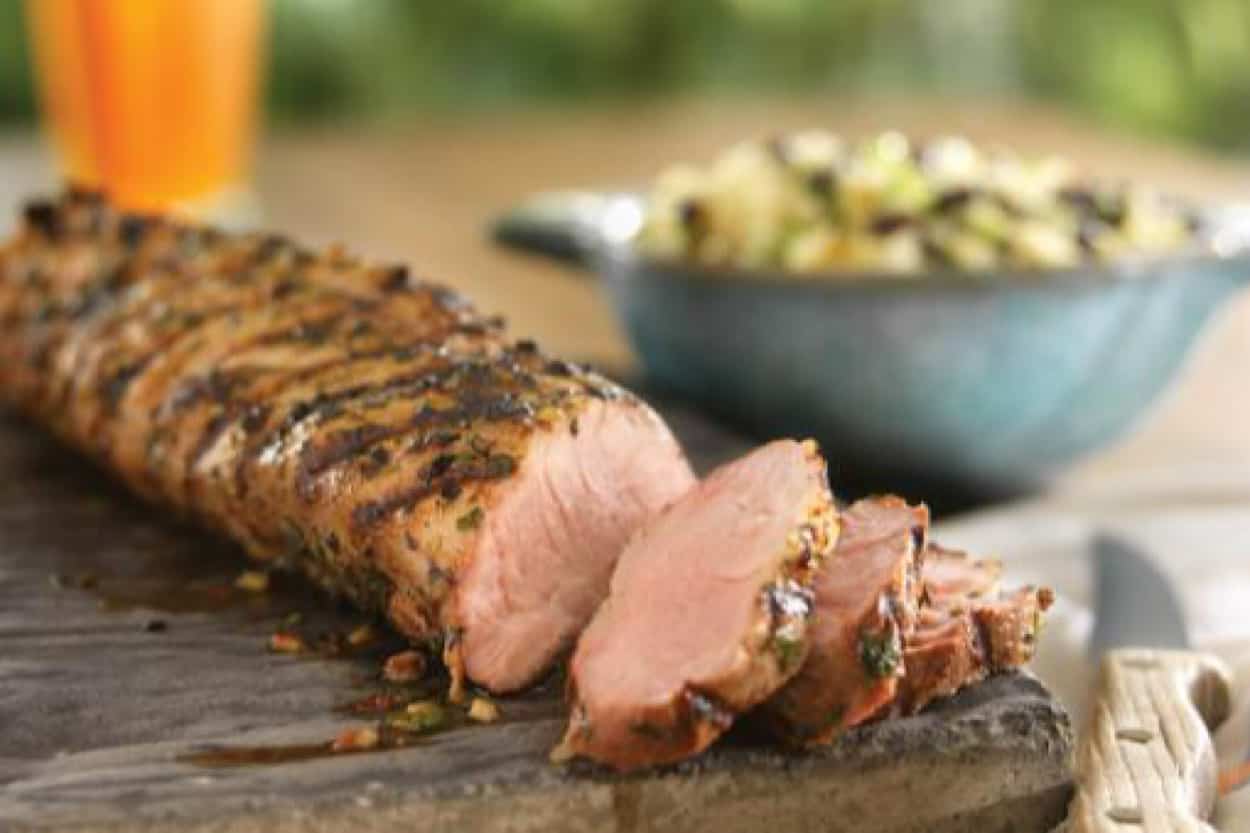
Apart from many other parts and cuts out of the pig or hog’s body, what people enjoy the most is the tenderloin. You can cook it however you want, either roast it in the oven or grill it on the barbecue during a spring cookout.Serving your folks a perfectly made pork tenderloin is the desire of every home or restaurant chef. The cooking process goes through many stages, from buying the best part at the market to seasoning it and then placing it in the heat source. If even a single step goes wrong, you would end up with a dry, stiff piece of meat, with a feel of oven-heated leather, not much more than that. The most crucial factors determining pork cooking time are its thickness and size. Pork tenderloin should be baked for approximately 25 minutes or until the internal temperature reaches 145°F (62°C) for an average-sized cut. If the size is smaller or a bit large, the cooking time and temperature will vary accordingly. After that, it will sit for about 7 minutes to allow the fluids to settle and prevent the texture from being ruined.Some beginner chefs think that the longer it is cooked, the more delicious it will be. This is quite a misperception because, as we know, tenderloin is a softer kind of pork cut. The more it is exposed to the heat source, the greater its chance of losing wholesome nutrients and flavors.Besides, good and authentic cooks always avoid overdoing any meal.
Tip: Click here to learn more about the meat temperature chart if interested.
What is a Pork Tenderloin?
The tenderloin is the long, boneless piece of pork muscle that is cut out from near the backbone region. It is considered one of the most scrumptious parts of the body, often marinated in a delicious blend of spices and sauces.Since it is a softer, leaner cut and contains natural flavors, it is much more expensive than other cuts. Besides, it has no bone, is thicker, and requires a specific temperature and time to cook adequately without undercooking, which can cause stomach illness.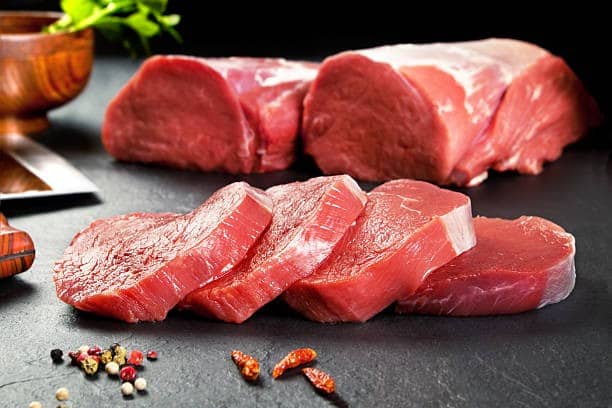
Difference Between Both the Loin Cuts and the Tenderloin
The main difference between the two cuts is of great importance to chefs and buyers. The loin is a flat cut, a bit thinner than the tenderloin. The latter is thicker, juicier, and longer. It contains no bone, whereas the loin can come with or without bone.Perfect Temps to Cook it
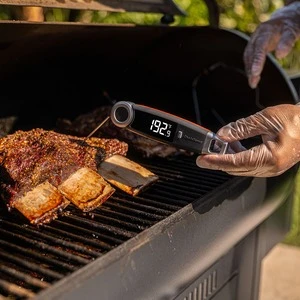
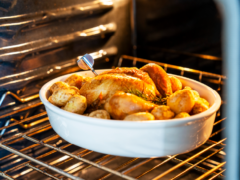
To cook this pork tenderloin, warm your oven to 350 degrees Fahrenheit (176°C), which is more than enough to maintain for 25 minutes. Check the pork tenderloin’s internal temperature with a meat thermometer to see if it has reached 145°F (62°C). If so, wait until the time mentioned in the chart below. Do put on safety kitchen gloves to avoid any skin burns during checking the temperature using a digital thermometer or dishing it out for some rest time.How Long Should the Cooking Last?
 The most crucial factors determining pork cooking time are its thickness and size. Pork tenderloin should be baked for approximately 25 minutes or until the internal temperature reaches 145°F (62°C) for an average-sized cut. If the size is smaller or a bit large, the cooking time and temperature will vary accordingly. After that, it will sit for about 7 minutes to allow the fluids to settle and prevent the texture from being ruined.Some beginner chefs think that the longer it is cooked, the more delicious it will be. This is quite a misperception because, as we know, tenderloin is a softer kind of pork cut. The more it is exposed to the heat source, the greater its chance of losing wholesome nutrients and flavors.Besides, good and authentic cooks always avoid overdoing any meal.
Different Cooking Temps in the Oven
Cooking meat, whether it comes from a goat, calf, grown-up cow, pig, camel, or any other meat-giving animal, is very challenging and requires careful handling during cooking. It adds to the cook’s expertise if he or she succeeds in serving you a scrumptious end product that retains a mushy texture.The following chart will help determine the most appropriate internal temperature, avoiding confusion about whether the meat needs more heat or is ready to be served without overcooking.Range of various Temps (Tenderloin) |
|---|
| The degree of hotness of pork tenderloin at 400°F (204°C) takes around 18 minutes to reach 150°F (65°C). |
| The inner temp at 375°F (190°C) will reach 150°F (65°C) in about 20 minutes. |
| At 350°F (176°C), the internal temperature will reach 150°F (65°C) after about 25 minutes. |
| The internal temperature of pork tenderloin at 325°F (163°C) will reach 145°F (62°C) in just 30 minutes. |
Uses of a Food Thermometer
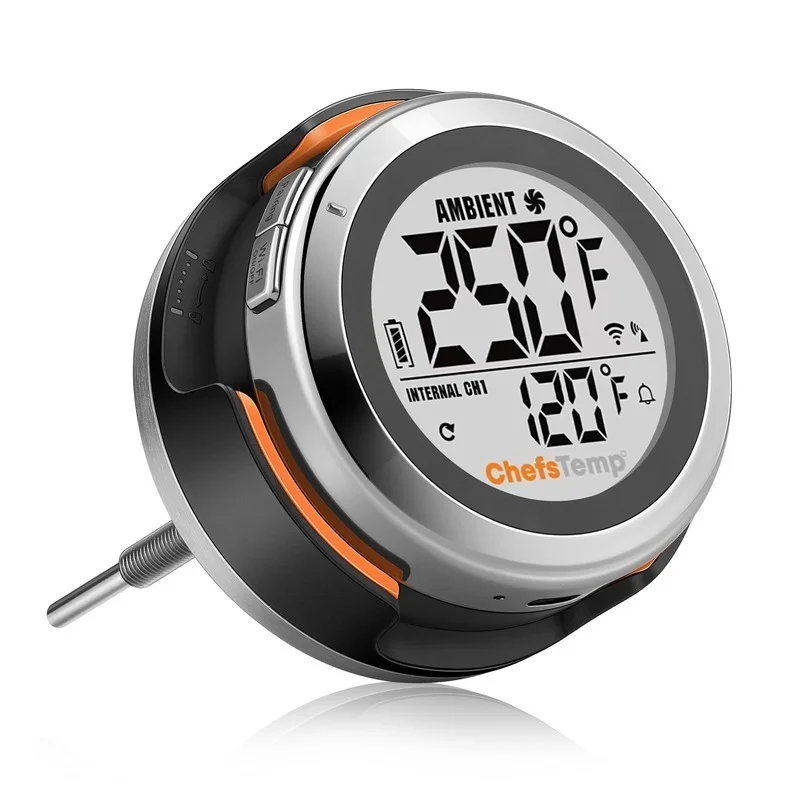
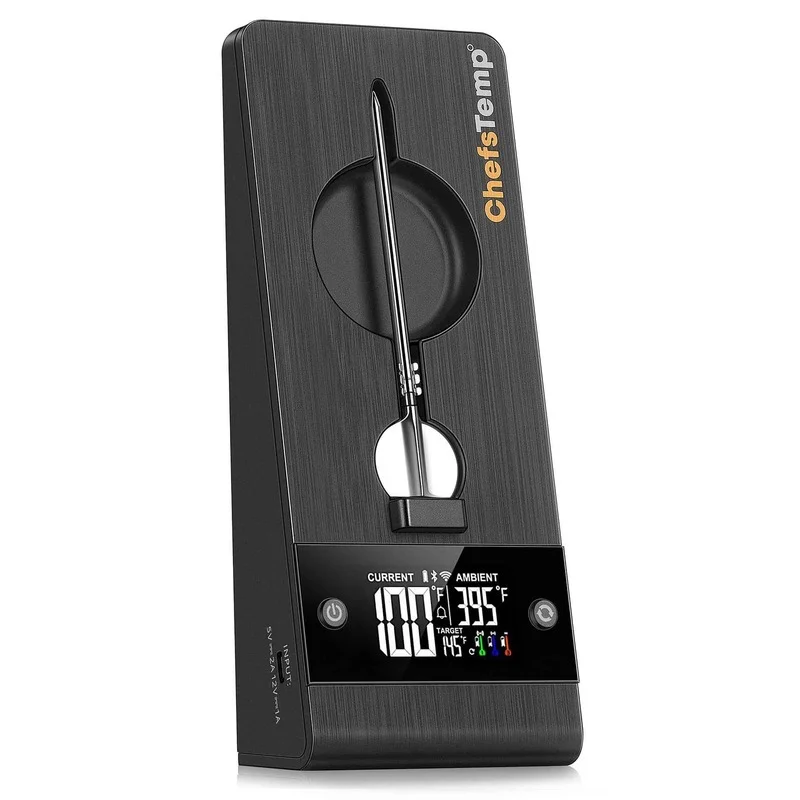
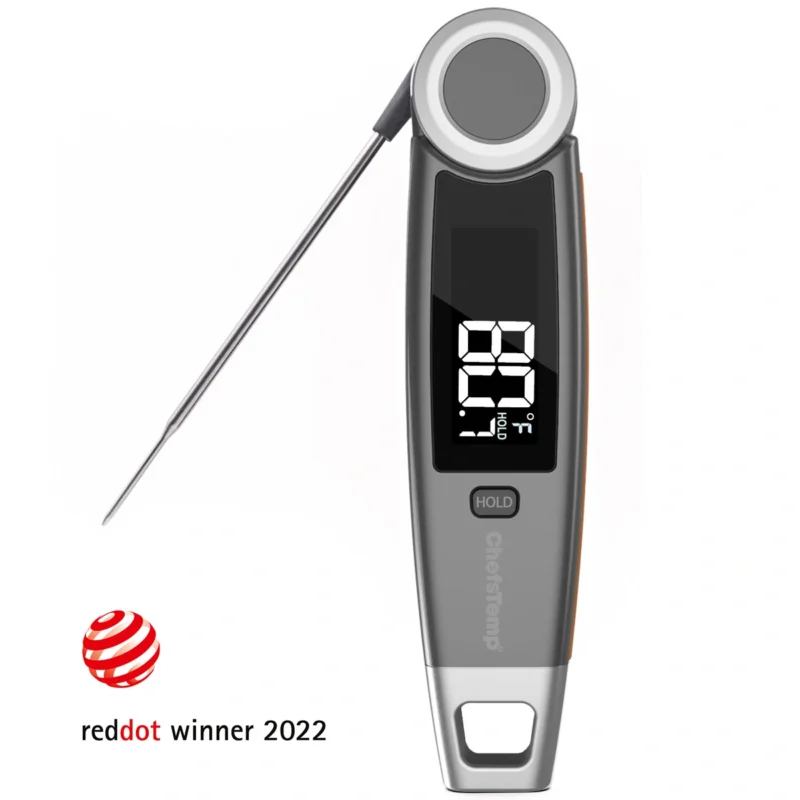
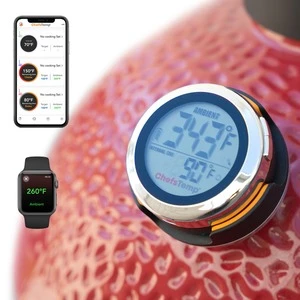
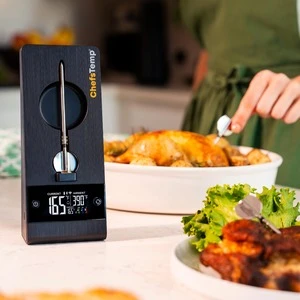
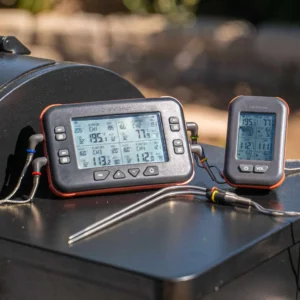
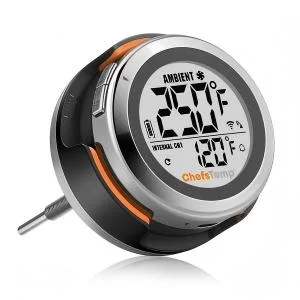
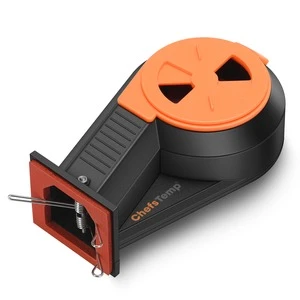
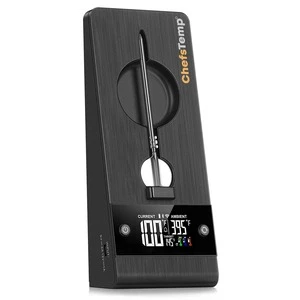
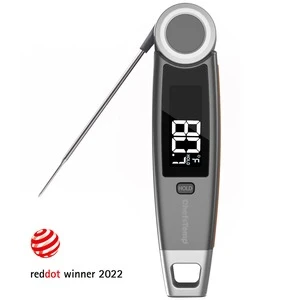
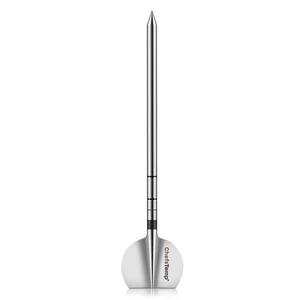
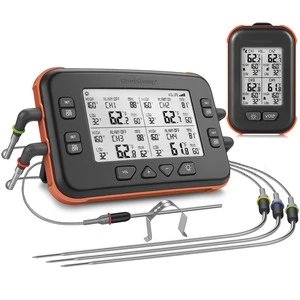
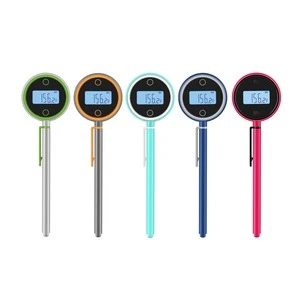
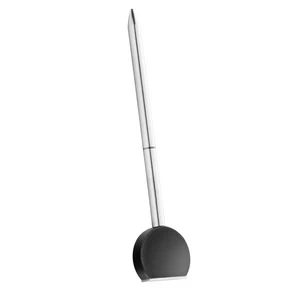
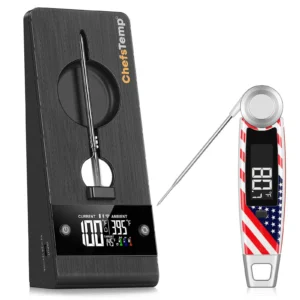
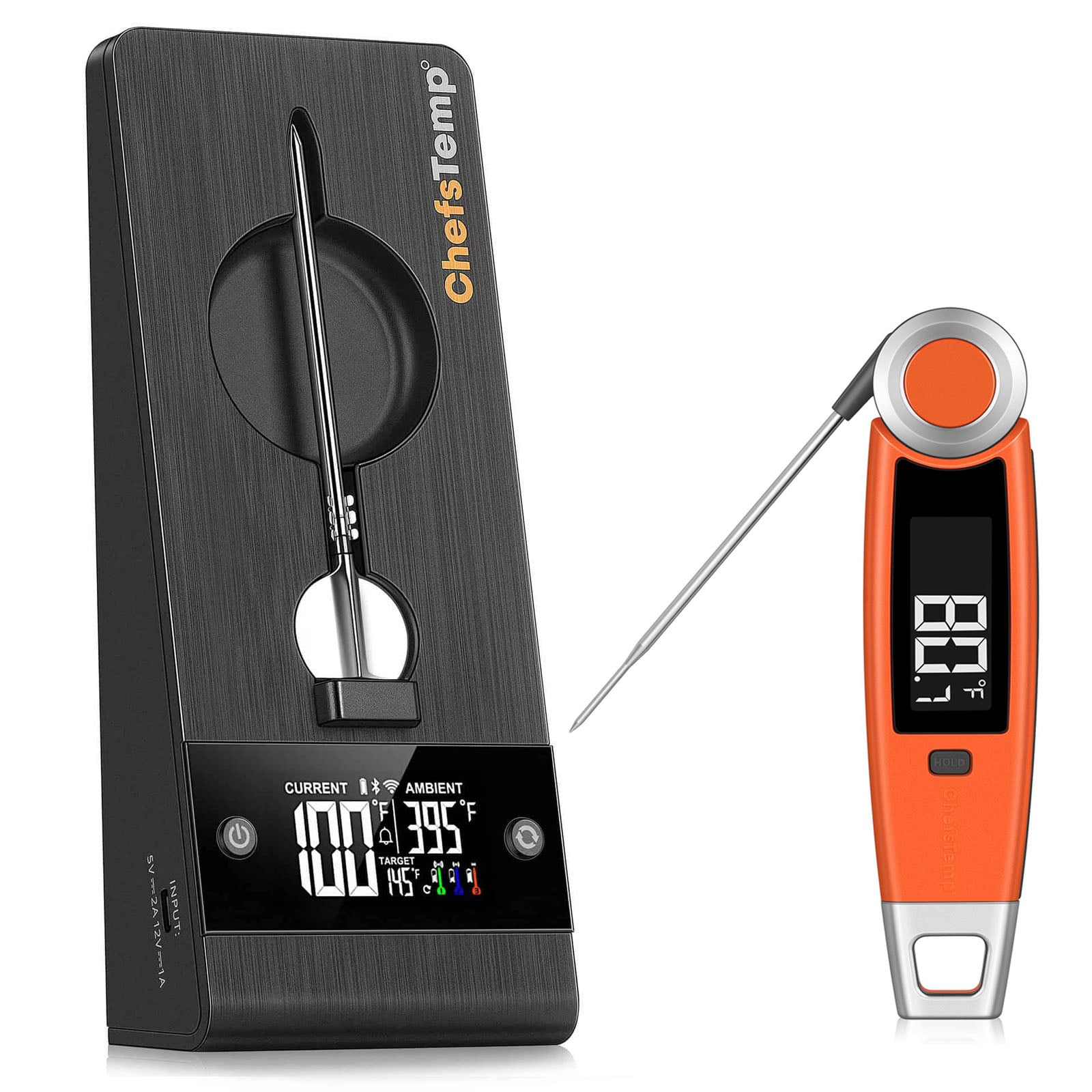
Every brilliant chef, whether he is a professional cook at one of the most prestigious restaurants or manages the kitchen at home, is supposed to keep a properly working thermometer. It is always a good and essential practice to keep working with digital thermometers as a key kitchen utensil.Maintaining a proper kitchen equipment kit not only helps present your creation to foodies at the dinner table elegantly, but also helps ensure your kitchen equipment stays in good condition. Besides, it boosts the cook’s confidence.There is a variety of food thermometers, such as BBQ remote thermometers, to accurately determine the internal temperature of meat. Thermostats also determine the critical point of food safety, ensuring it’s well done or still undercooked. Following the required temperature range when preparing your dish is also crucial. The heat of the cooked dish reveals whether it has reached the desired level of doneness. Meat, bread, and various dairy items are especially susceptible.Conclusion
Cooking pigs can be a fantastic experience, but you need to be familiar with all the tips and tricks. It is advised to first go through all the major steps to make your family dinner night memorable. Tenderloin of pork should be prepared as soon as possible. Because of this, it’s an excellent midweek dish. Allowing it to rest after cooking is crucial.Most people ask whether the lid is covered during grilling. Well, when you put the pork tenderloin in the oven, you must cover it. You’ll roast it on the burner first, which will lock in the contents and make it irresistible for any age group at the dinner table.Cover and wrap it in tin foil to keep the flavor inside, preventing it from drying out and becoming hard after coming into contact with the air.Related Posts
Use Proper Cooking Temperatures to Ensure Safe Food
Cooking is one of the most basic household chores. However, it can be easy to mess up your cooking, especially...
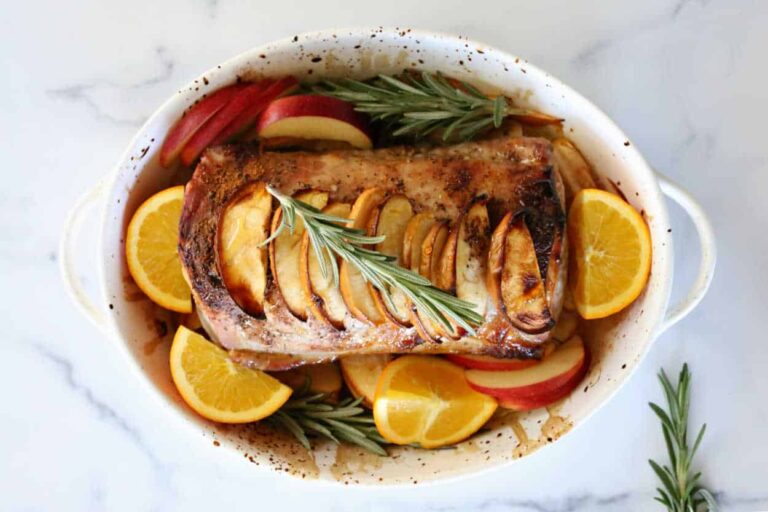
Roasted Apple Pork Loin with Honey and Rosemary
Sweet and salted roasted apple pork loin in an orange honey glaze unifies all the flavours in this easy main d...
How to Have a Well-Cooked Meat
Meat is a popular part of many dieting plans, as its tasty and satisfying qualities make it an excellent sourc...
Perfect Temp Smoked Baby Back Ribs
Smoking ribs during a family cookout can be a great way to level up the fun and let your loved ones enjoy the ...
Perfectly Cooked Filet Mignon Prepared Two Ways
Whenever it comes to cooking steaks, most of us would die to have one of the best meat cuts out of the tenderl...
Roast Pork Internal Temperature
Roasting is one of the best ways to cook pork. This method of cooking gives you soft meat with a crunchy exter...
Proper Probe Placement in Your Turkey
On the auspicious occasion of Thanksgiving, every dinner table is decorated with several dishes, with Turkey a...
Grilling Hamburgers: A Temperature Guide
You drown in the sight of your kids hopping cheerily in your yard while you try to contain the excitement! Fin...
The Chefs Temp Guide to Everything You Need to Know About Steak: Temperatures, Ordering, and Buying
To know about the steak temperature chart, let’s first know what a steak is. A steak is a cut of beef from the...
Juicy Goosey Barbecue with ChefsTemp Finaltouch X10
Barbecued goose makes the Christmas celebrations a happy occasion to cherish, but cooking a goose is a little ...
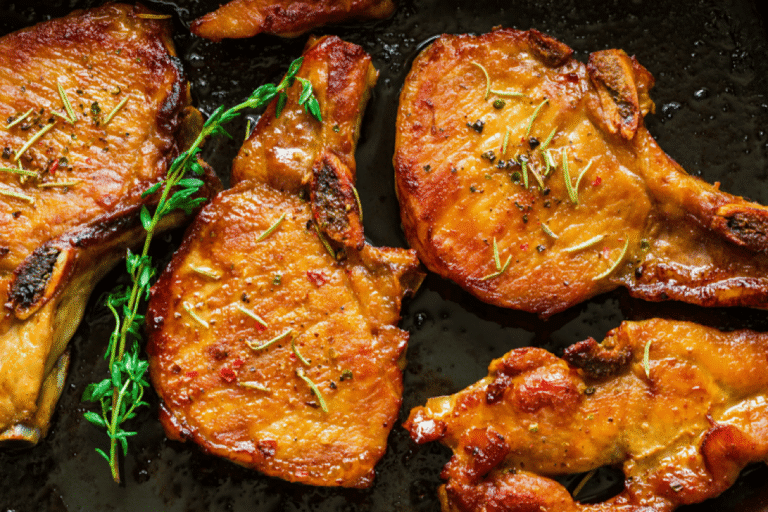
How to Marinated Bone-In Pork Chops and Oven Cooking Them Safely
Bone-in Pork Chops are one of the most flavorful cuts of pork we can cook. They are so flavorful because of th...
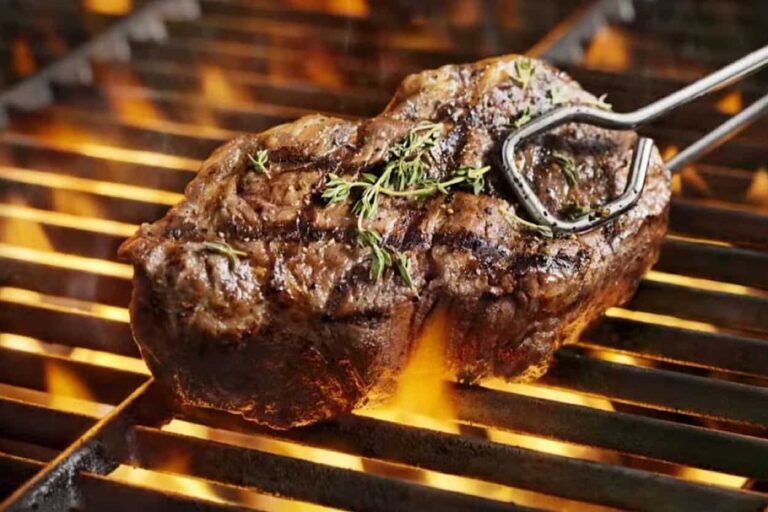
The Cooking Battle of Time vs Temperature
Cooking involves transferring energy from the heat source to the food. The energy transfer causes chemical and...