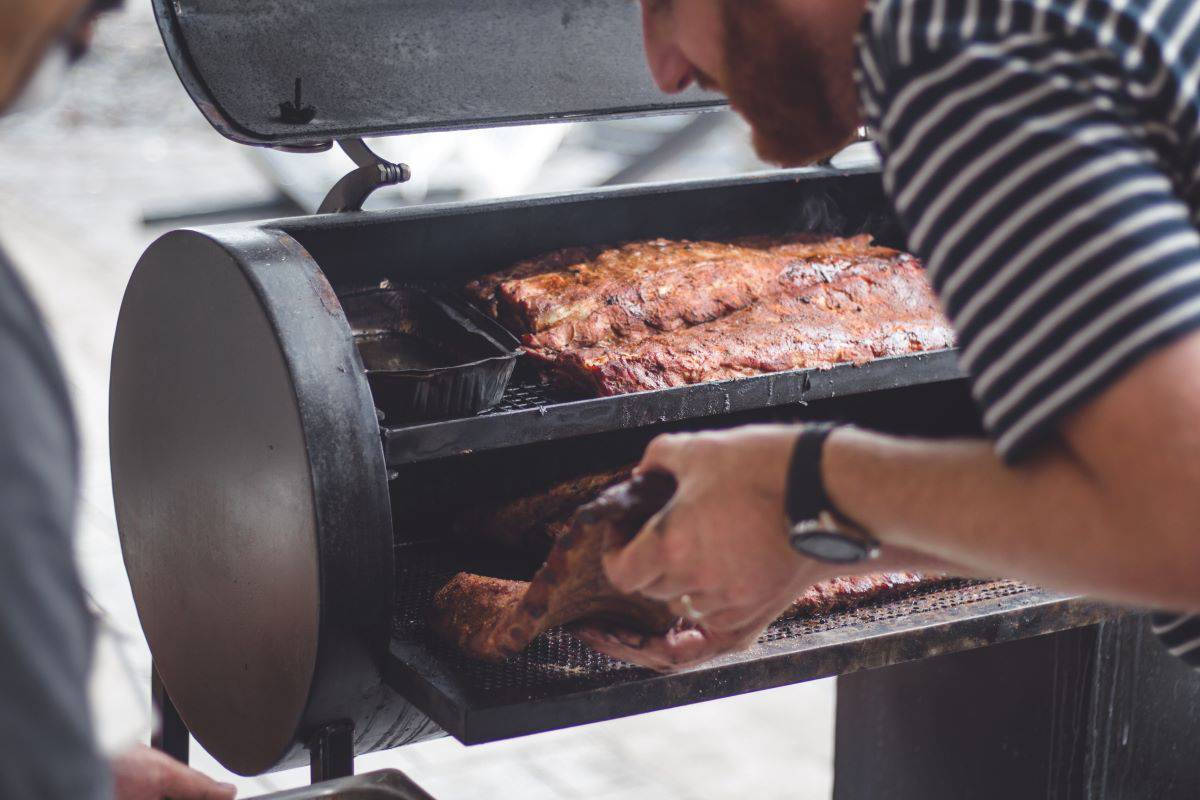
Since cavemen first discovered fire and cooked their kills over an open flame, humankind has been enjoying a whole new set of foods and flavors through the art and science of cooking. Cooking is the application of heat to ingredients to trigger chemical and physical reactions. It makes food edible and safe to consume, while also unlocking flavors and increasing its nutritional value.
Throughout history, humankind has developed numerous cooking techniques. Each culture has its unique way of cooking and preparing food. But if there is one typical style of cooking that you can almost always find in any culture and custom around the world, it is the art of low-and-slow BBQ.
What is low and slow BBQ?
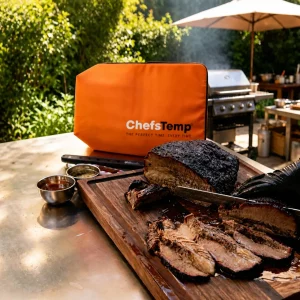
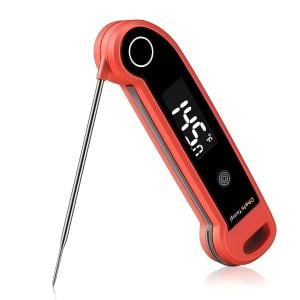
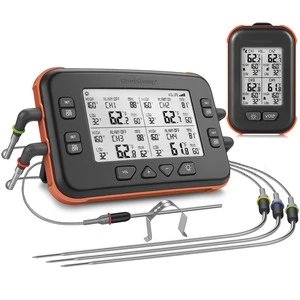
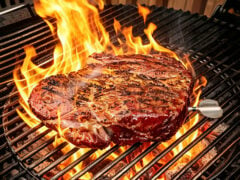
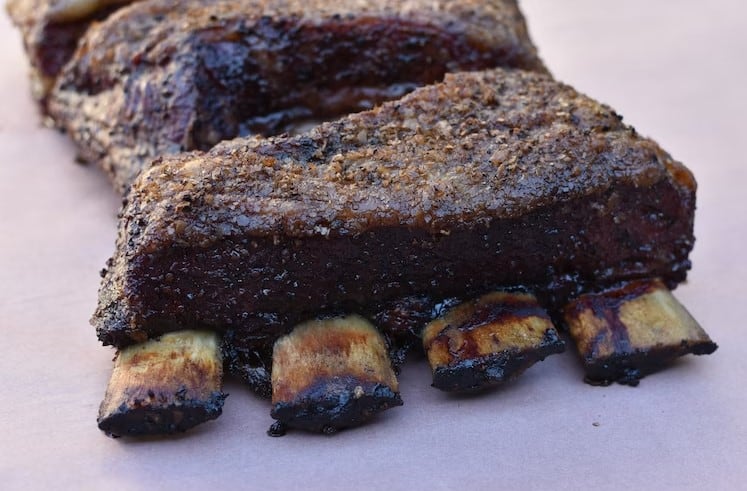
The low-and-slow barbecue cooking technique is, as its name suggests, a method of cooking food (primarily different types of meat) at low temperatures over a long period. The goal is to make the meat soft, tender, flavorful, and juicy. There are different ways to do low-and-slow cooking. You can use a grill or smoker. The idea is to simmer meat over indirect heat. This process allows all the connective tissues in the meat to thoroughly break down while the meat absorbs all the smoky flavor. It seems straightforward. Well, yes, it is a straightforward cooking process. But to get it right, you must equip yourself with the right tools. The instant-read meat thermometer is an essential tool for low-and-slow barbecue cooking.Why do you need an instant-read meat thermometer for low-and-slow BBQ?
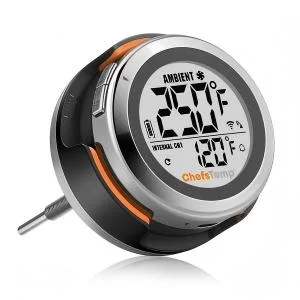
If you have done a bit of research into the art of barbecuing or have been grilling meats for some time, then you know the importance of getting the right temperature for your proteins. The same idea applies to low-and-slow cooking. Unless you cut the meat, it can be challenging to tell when it is fully cooked at low temperatures. No matter how experienced you are with the grill or smoker, you always risk overcooking or undercooking the meat when you don’t use a meat thermometer. An instant-read meat thermometer takes the guesswork out of slow cooking by letting you check the meat’s temperature without cutting into it, ensuring your precious proteins are cooked to perfection.How to use an instant-read meat thermometer for low-and-slow BBQ?
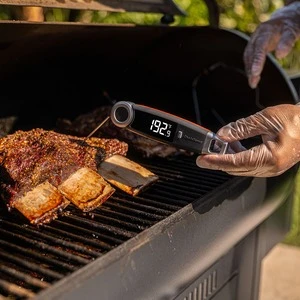
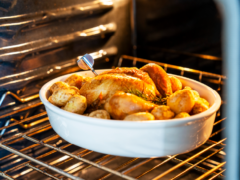
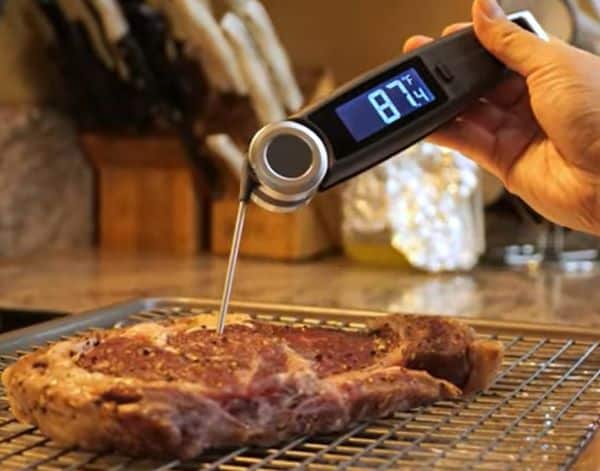
Using instant-read meat thermometers for a low-and-slow BBQ is easy and no different from other cooking methods. First, before cooking, make sure your meat is at room temperature. This will ensure your meat cooks evenly. To check the internal temperature, insert the thermometer tip into the thickest part of the meat. Make sure no part of the thermometer comes into contact with the bone or fat of your meat. Wait a few seconds for the internal temperature reading. The digits you are looking for depend on the type of protein (sometimes cut) you are cooking. For example, chops or steak cuts of pork, beef, and lamb should reach an internal temperature of 145°F (63°C). Ground meats, whether beef, pork, lamb, turkey, veal, etc., should reach an internal temperature of 160°F (71°C). Meanwhile, poultry meats (chicken, duck, turkey, fowl, etc.) should be cooked to an internal temperature of 165°F (74°C). Also, different cooking styles require different internal temperatures. For medium-rare beef, for example, it should reach an internal temperature of 135°F or 145°F for medium.
What to look for in an instant-read meat thermometer?
Here are a few pointers you need to look for when shopping for an instant-read meat thermometer for your next low and slow BBQ culinary project:Look for a wide temperature range
The wider temperature range of thermometers lets you measure temperatures as low as 32°F (0°C) and up to as high as 572°F (300°C). These will help you measure the temperature of all types of proteins and cooking methods you wish to work with.Easy to read
Your instant-read thermometer should be easy to read. Unfortunately, many people fail to consider their eye problems or the design of their thermometers. Make sure the digits of your thermometer are legible.Fast response time
Instant-read thermometers are designed to give you instant readings. But as you know, not all thermometers are equal; some are instantaneous, while it may take more than a few seconds to read the temperature with others.Durable
Last but not least, you need a durable and hard-wearing thermometer that can withstand high temperatures. Again, you cannot go wrong with stainless steel models.
Different types of instant-read meat thermometers
There are many types of instant-read meat thermometers, each with its own pros and cons.Digital thermometers
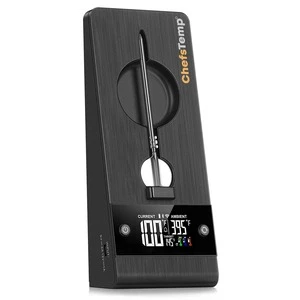
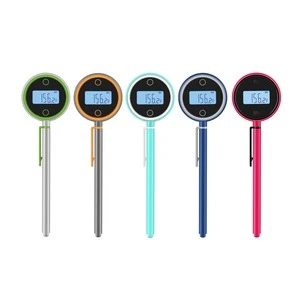
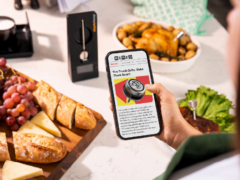
Digital instant-read thermometers come with a digital display and are the most popular type. They are quick and easy to use, and they give accurate temperature readings.Analog or dial thermometers
Dial-type thermometers are another popular type of instant-read meat thermometer. They are cheap and, unlike their digital counterparts, don’t require batteries. However, they may not be as accurate as digital thermometers and can be challenging to read.Thermocouples and Infrared thermometers
The other two types of instant-read thermometers are thermocouples and infrared thermometers. The former is the most accurate and versatile, but can be expensive. The latter can provide a quick temperature reading from a distance. However, it only measures surface temperature, not internal temperature. Thus, there are more accurate choices when slow-cooking meats. Not to mention its temperature reading can be affected by steam or smoke.Parting Tips
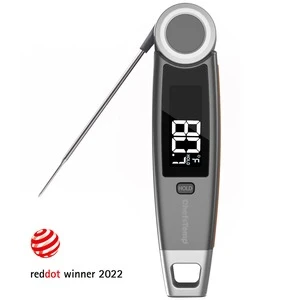
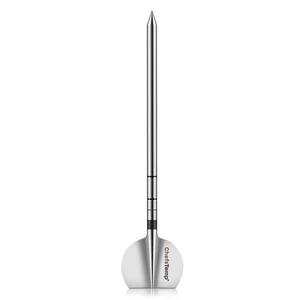
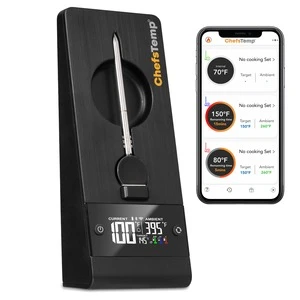
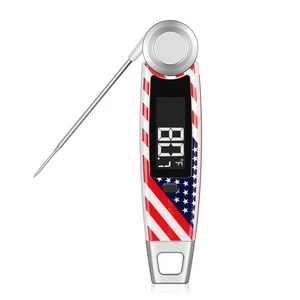
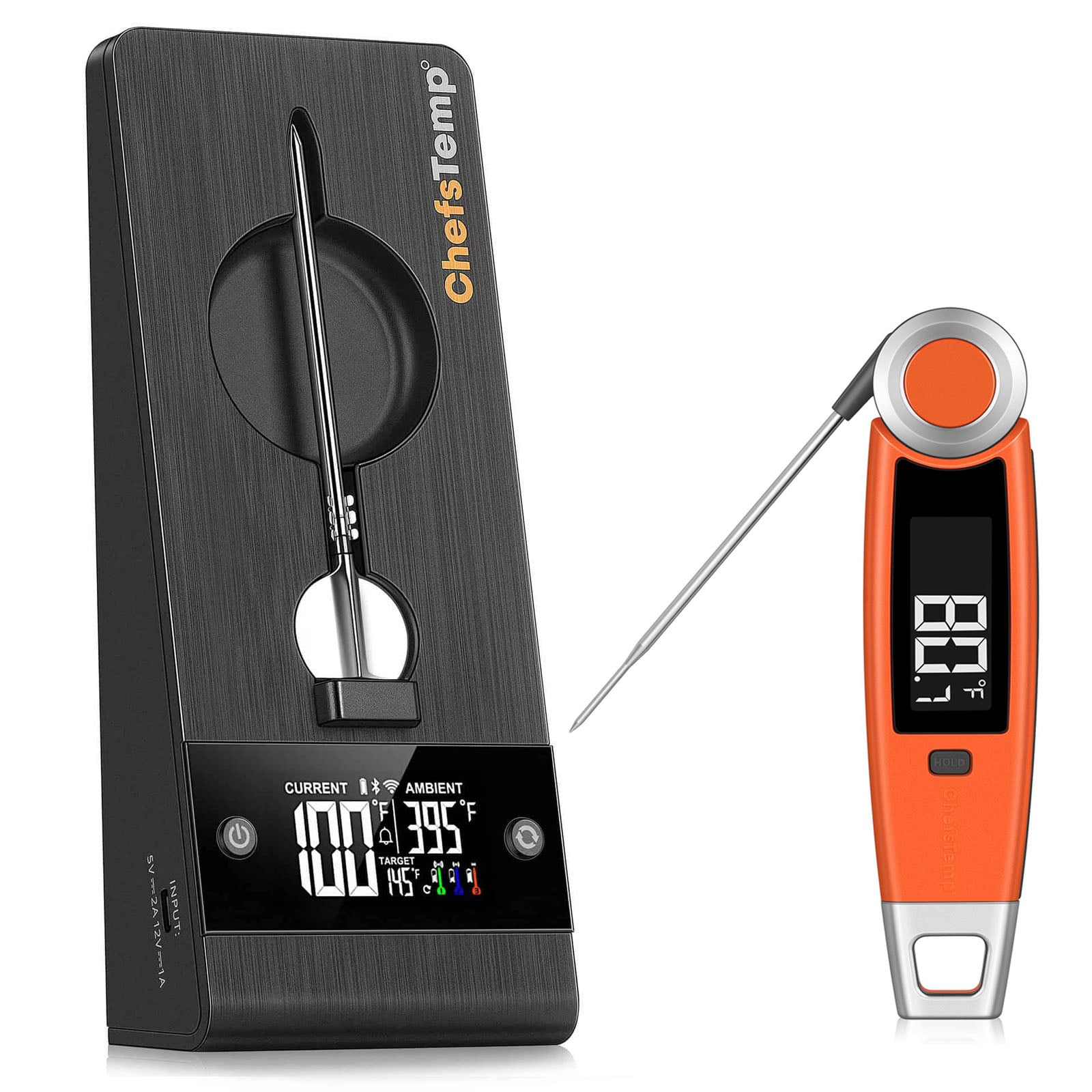
Whether you are cooking a Thanksgiving turkey, pulled pork, pork shoulder, beef brisket, or ribs, check the temperature of the meat in multiple places to ensure even cooking. Besides, get ChefsTemp in your kitchen to elevate your cooking experience, which will amaze you. Also, when inserting the thermometer into the meat, ensure the tip doesn’t touch the bone or fat, as this can give you an inaccurate temperature reading. Instead, insert it at the thickest part of the meat cut and aim to get the tip to the center. Lastly, don’t solely depend on the tool. While a thermometer will usually give accurate readings, it can also fail to do so. Use your instincts, and check for visual cues like color and texture to help you determine when the meat is cooked to your liking.Related Posts
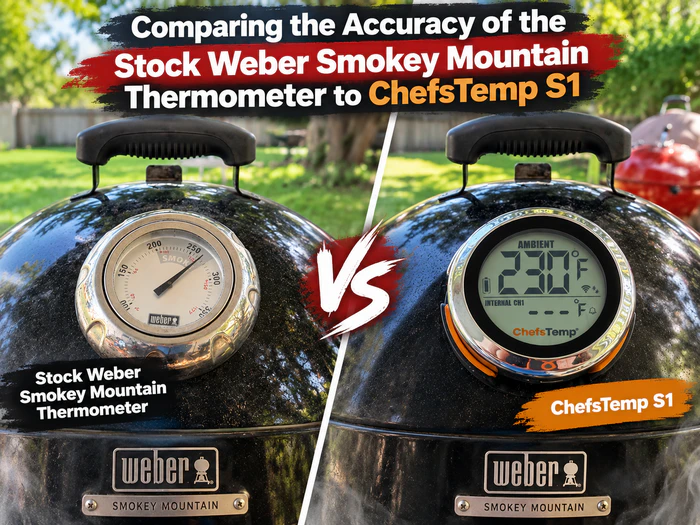
Comparing the Accuracy of the Stock Weber Smokey Mountain Thermometer to ChefsTemp S1
The Issue
The Weber Smokey Mountain is a popular and versatile cooker, but it has one major flaw - the stock ...
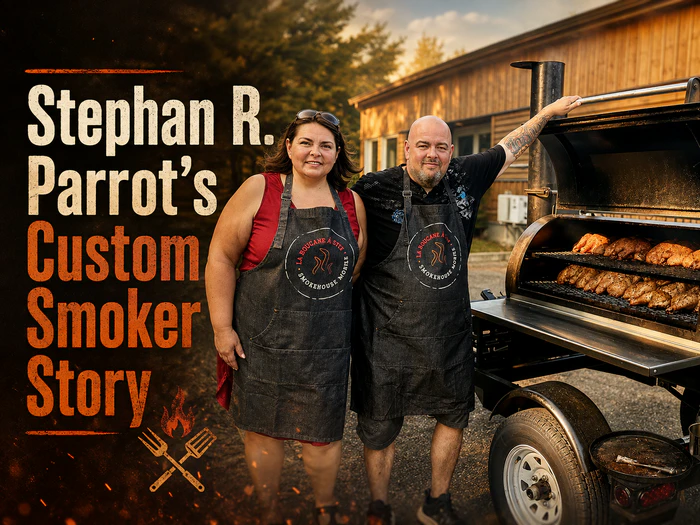
From Free Facebook BBQ Tips to a Growing Business: Stephan R. Parrot’s Custom Smoker Story
A suggestion from his wife helped Stephan R. Parrot turn years of free barbecue advice into training, catering...
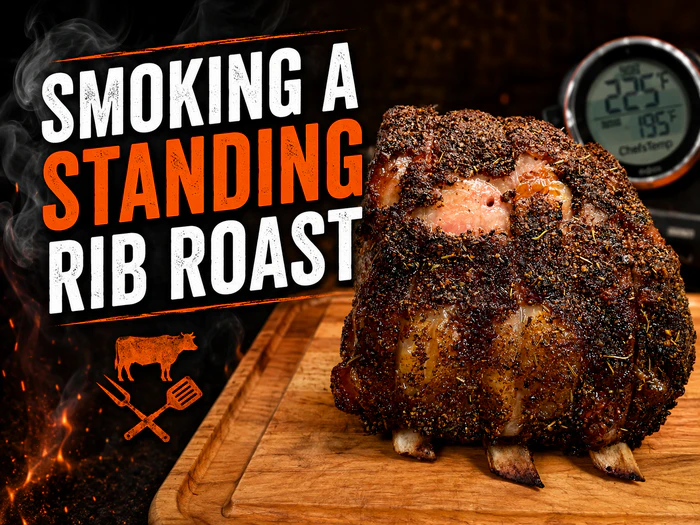
Smoking a Standing Rib Roast – When Special Occasions Call for Special Cuts of Meat
Preparing the Roast
...
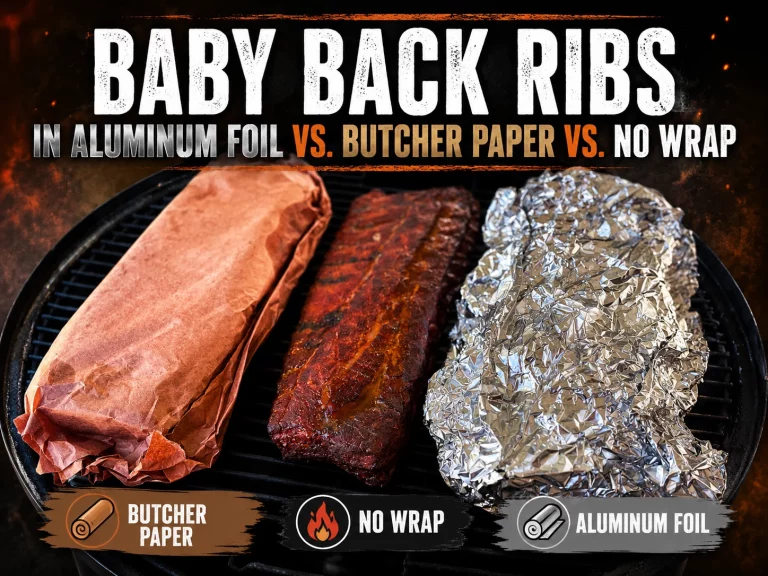
Experimenting with Ribs: Wrapping Baby Back Ribs in Aluminum Foil vs. Butcher Paper vs. No Wrap
Introduction to Smoking Ribs
I personally believe one of the big reasons people get smokers is to cook ribs. I...
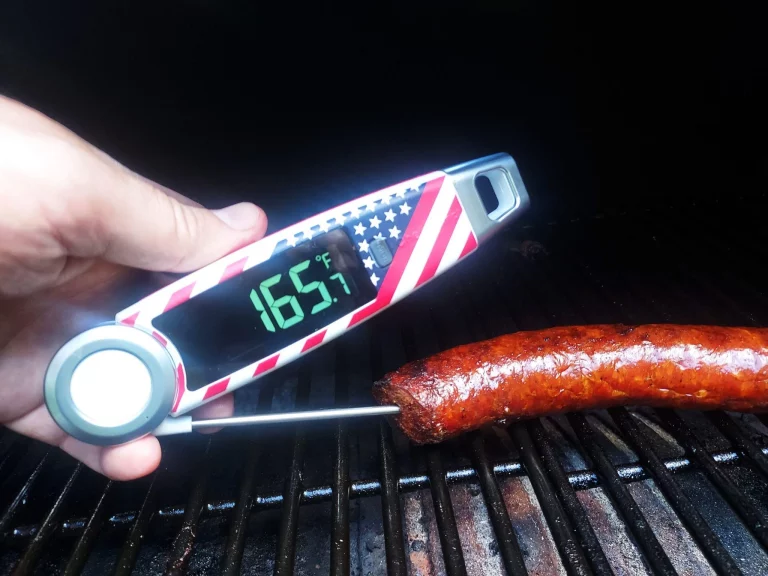
Stop Splitting Your Sausage: Expert Tips for grilling natural Casings
Natural casing ring sausage is a cookout staple enjoyed around the world that is equally deserving of a place ...
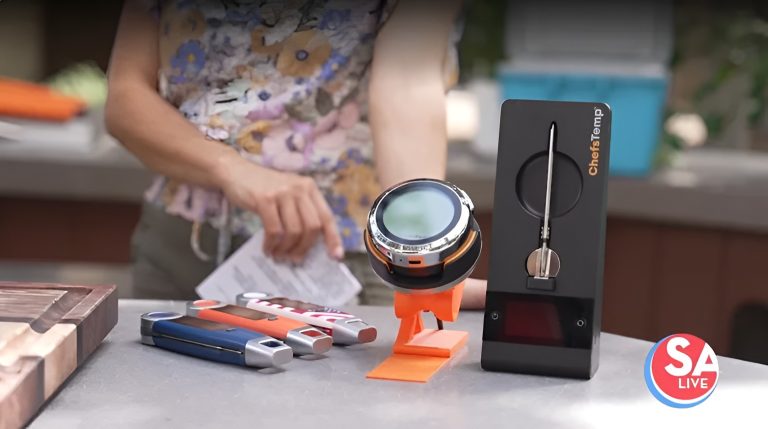
Mastering Pulled Pork: The Ultimate Temperature Control Guide with ChefsTemp
Achieving competition-grade, juicy, and tender pulled pork is the ultimate rite of passage for backyard pitmas...
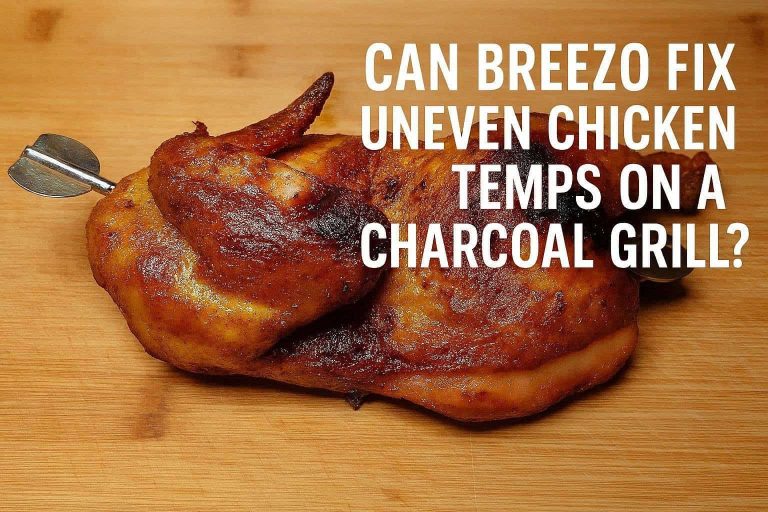
Two Birds, One Fan: Can Breezo Fix Uneven Chicken Temps on a Charcoal Grill?
Chicken grilled over charcoal is one of life’s purest pleasures. So much so that people debate which is better...
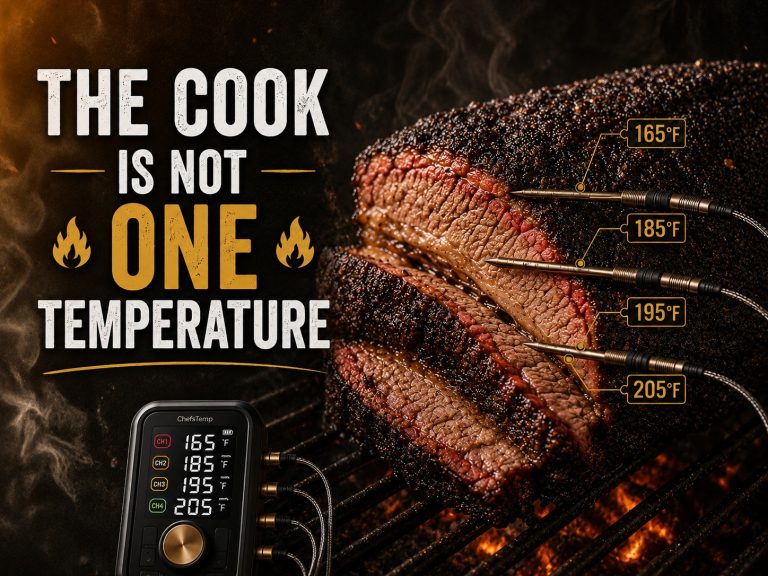
The Cook Is Not One Temperature
A few hours into a long cook, it can feel as though the grill has started arguing with you.
The dome thermome...
Breaking the Endothermic Standoff: The Complete Fat Rendering Timeline for Smoked Pork Shoulder
Smoked pork shoulder is an icon of American barbecue that many try, yet only a few manage to master. People lo...
How to Make Beef Tallow from Brisket Trimmings
If you've ever trimmed a whole packer brisket, you've probably looked at the pile of fat headed for the trash ...
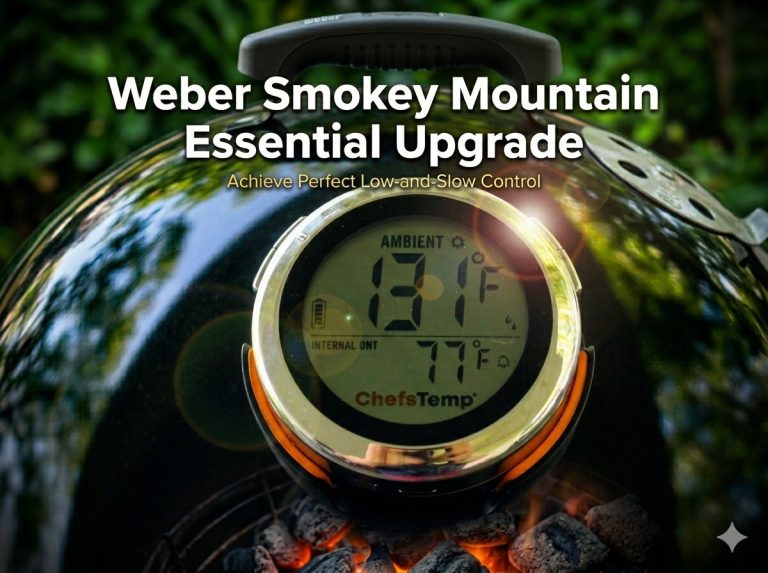
Weber Smokey Mountain Brisket Guide: How to Sleep Soundly with a Smart Temperature Controller Upgrade
Smoking a brisket can be a time-consuming task for even the most experienced pit master, but it doesn’t mean y...