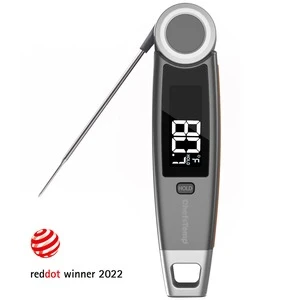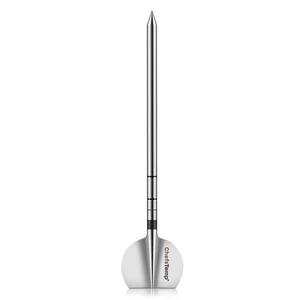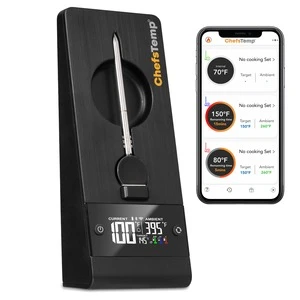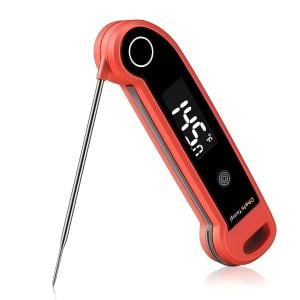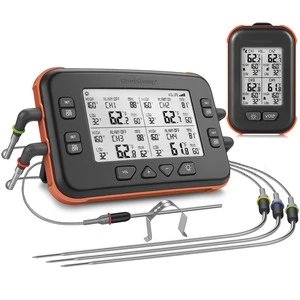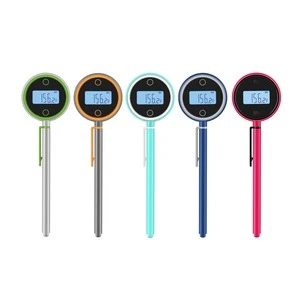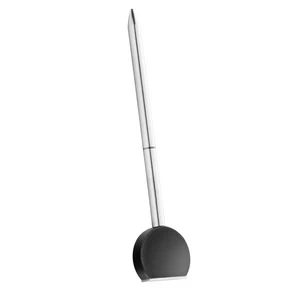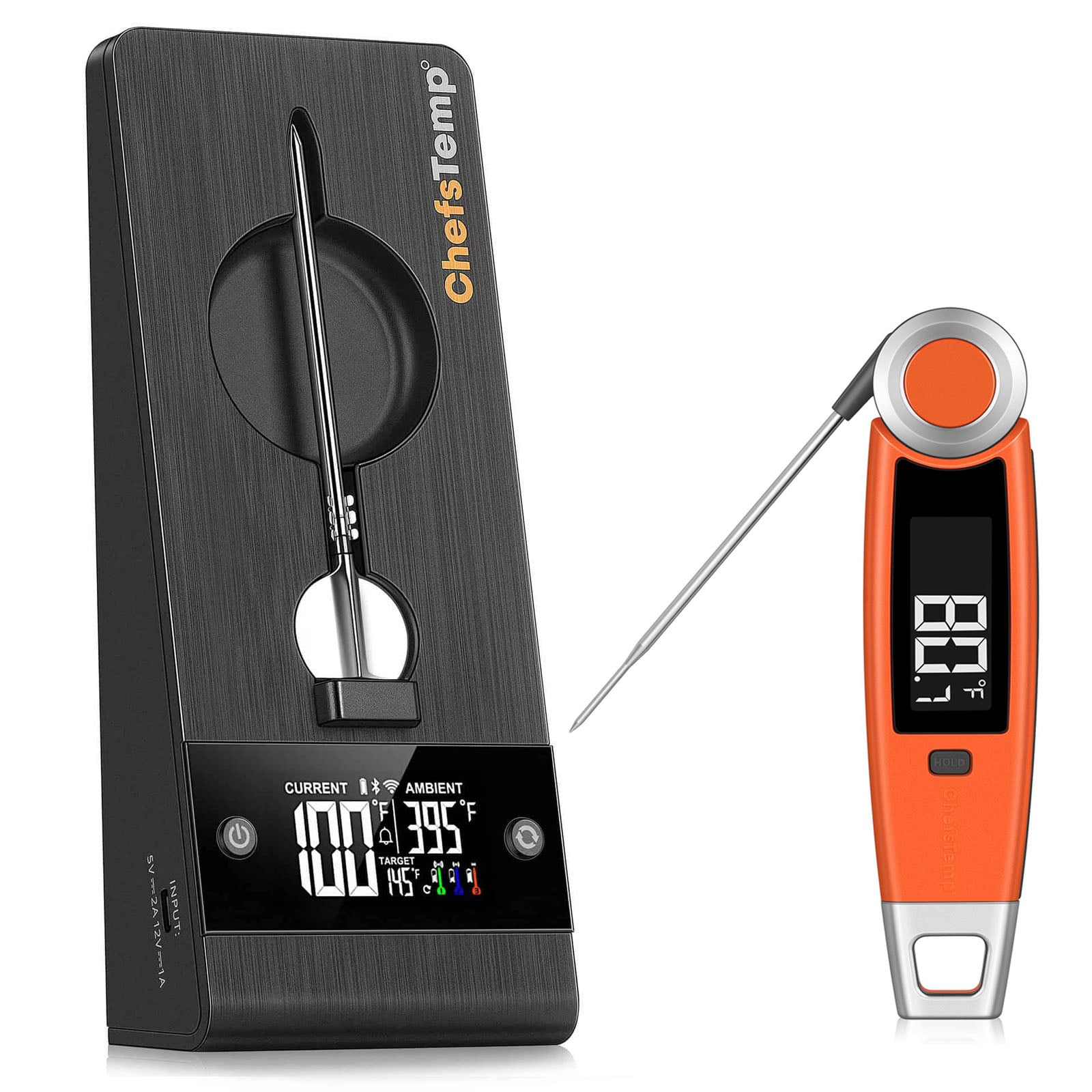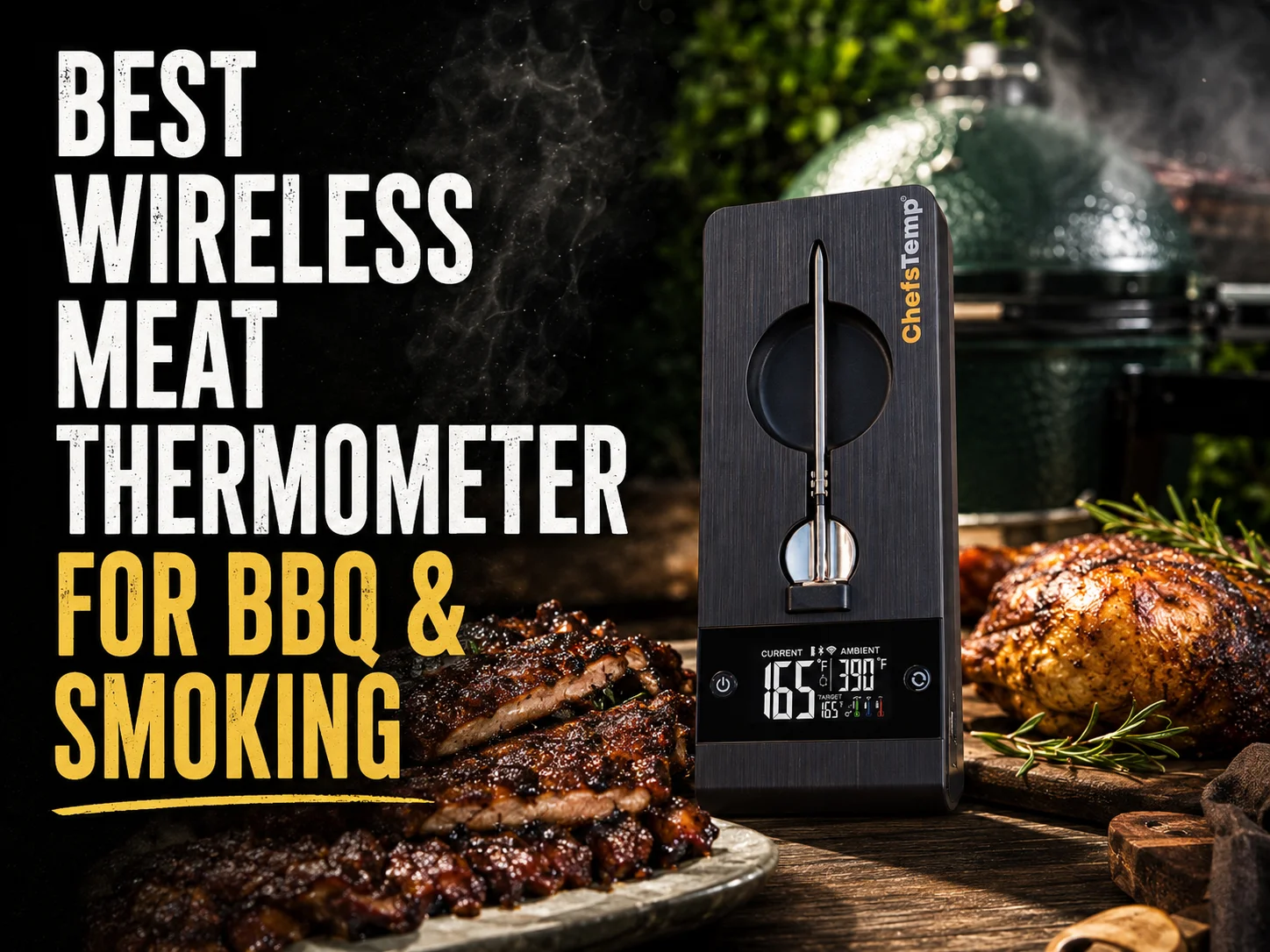
With summer on the horizon, you’ll likely spend more time outdoors enjoying a BBQ party with friends and family. Take this opportunity to hone your grilling skills and get the perfect BBQ every time. Achieving the ideal level of doneness on grilled meat is challenging; overcooking or undercooking can ruin your BBQ party. However, using the right tools, like thermometers, could save the day and help you serve the best grilling like a pro.
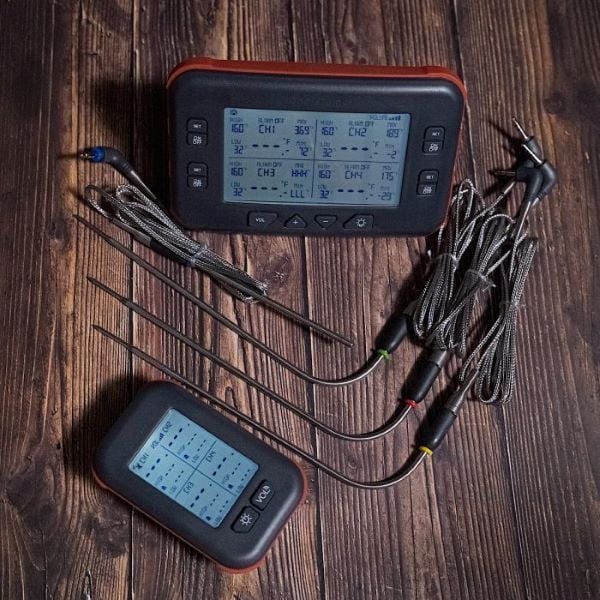
Importance of Temperature Control for the Perfect BBQ
Before learning how to use grill thermometers to achieve the best grilled results, it’s essential to understand the importance of temperature control. What role does temperature play in achieving the proper doneness of your meat? The answer to this question ensures you can serve the best flavor and texture for the meat. Temperature control is the core aspect that affects all forms of cooking. Not only does grilling require achieving the correct cooking temperature, but baking, frying, and sauteing do as well. First, reaching a specific temperature ensures the food is safe to consume. That is the number one goal of temperature control in cooking. Next, you want to achieve the ideal temperature to let the ingredients’ flavors come through. Certain ingredients require heat to produce natural flavors, so you should master temperature control. Mastering temperature control is also critical to achieving the right texture. Texture is vital to enjoying your food, and it varies from one type of food to another. You aim for a juicy, succulent texture when grilling meat. Therefore, you should learn to cook the meat to a specific temperature to keep it juicy and tender.
The Proper Way of Using Grill Thermometers
With an understanding of how temperature control is vital to a delicious BBQ, here are tips on using grill thermometers. These tips help you achieve perfectly cooked meat and be more confident the next time you fire up the grill.1. Calibrate Your Thermometer
The first thing you should do before using a grill thermometer is to calibrate it. Calibrating a thermometer ensures the most accurate temperature reading. Each thermometer is unique, so make sure to follow the manufacturer’s recommendations for calibrating your thermometer.2. Insert the Thermometer Correctly
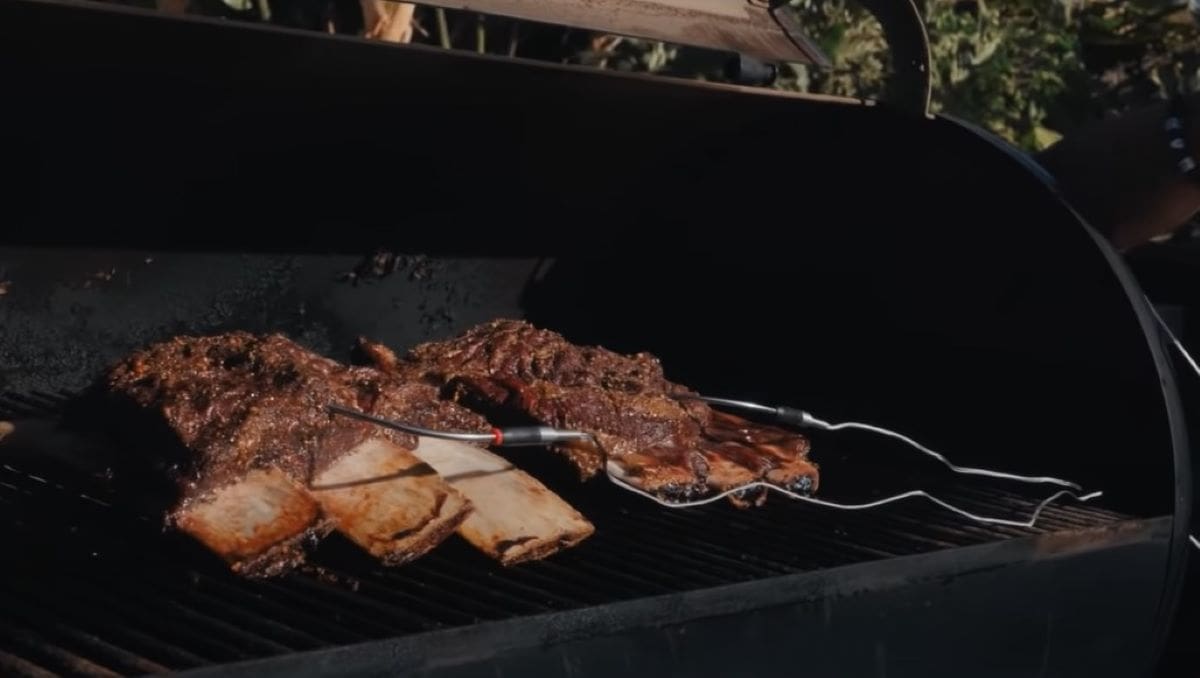
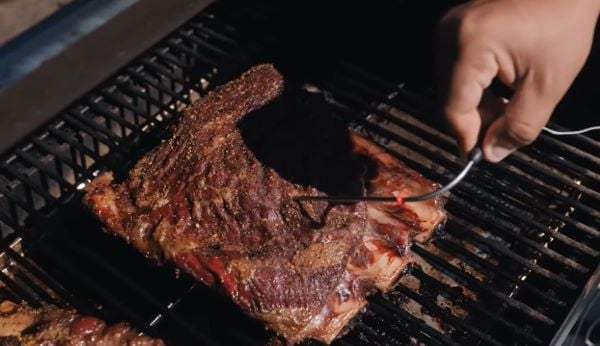
Proper technique is crucial for inserting a thermometer into meat to achieve the most accurate results. It is recommended to insert the probe into the thickest part of the meat, not just the skin. Be careful not to hit any bones or fat, as this may lead to an inaccurate read. The center provides the best gauge of when the meat is done.
Getting the internal temperature of the meat right prevents undercooking or overcooking. Once the internal temperature is within the recommended range, you can take the meat off the grill before it becomes rubbery.
That said, you can adjust the cooking temperature and time based on your desired level of doneness (e.g., medium rare, medium well). Depending on the specific type of thermometer, let the probe sit for a few seconds to ensure an accurate reading.
3. Monitor the Temperature
When grilling a large batch of meat, monitoring the temperature with a thermometer is the only way to ensure that all the meat is cooked properly and is safe to eat. If you’re grilling several pieces of meat, such as chicken thighs, you should check the largest, the smallest, and the middle-sized cuts. The smallest pieces will cook the fastest, while the largest cuts will take longer. Therefore, keep a close eye on every piece and its size so you don’t end up with some pieces of meat undercooked and others overcooked. When grilling large pieces of meat, it is recommended that you check at two different spots. It will give you a better sense of the meat’s doneness. Be careful when monitoring the meat’s temperature, though, as doing so too frequently can cause heat to escape, affecting the cooking environment (on grills with lids). Hence, you should only check the meat’s temperature near the end of cooking.
Mistakes to Avoid When Grilling
While there are best practices for grilling and using meat thermometers, it’s also important to be aware of common mistakes. These common grilling pitfalls will make you even more confident in handling your meat.1. Not Calibrating Your Thermometer
In relation to the tip above, calibrating your thermometer should always be the first step when grilling meat. Failure to calibrate could lead to inaccurate readings and a false sense of security that the meat is safe to eat when, in fact, it is undercooked.2. Judging Doneness Based on Visual Cues
Not even the most experienced grill masters can confidently say that meat is cooked solely by visual cues. While looking at the color of the meat can tell you it is almost cooked, you still have to use a thermometer to check its internal temperature. Some meats have a natural pinkish and reddish hue, even when cooked. Assuming that the meat is still raw or undercooked based on the color alone could result in severely overcooked meat that has lost its flavor and is too tough to eat.3. Checking Only One Spot
Most tips for using thermometers when grilling meat tell you to check the meat’s center. However, you should not rely on a single reading. Check the meat in another spot to verify your first reading. Different parts of the meat cook at different rates. Therefore, checking at different spots is crucial to ensure the meat cooks evenly.The Bottom Line
Whether you’re new to grilling or you’ve been doing it for years, it doesn’t hurt to use tools like meat thermometers to ensure the proper doneness. These tools simplify the life of a griller and eliminate any guesswork, guaranteeing the best grilled results every time. It is also crucial for food safety, as you want to serve your friends and family something other than raw or undercooked meat.Related Posts
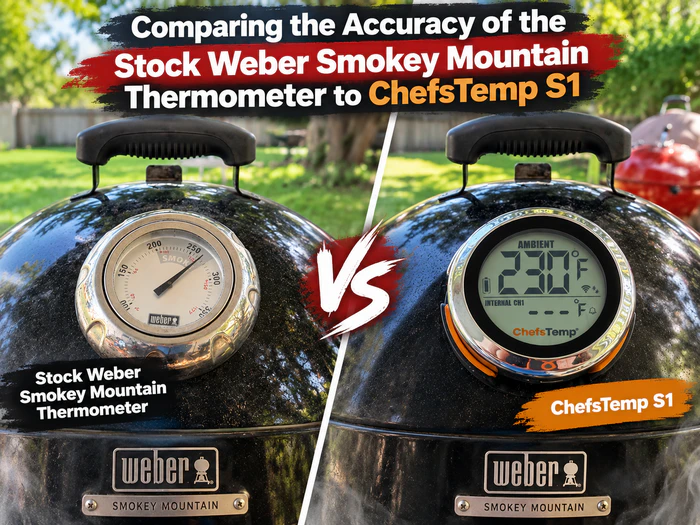
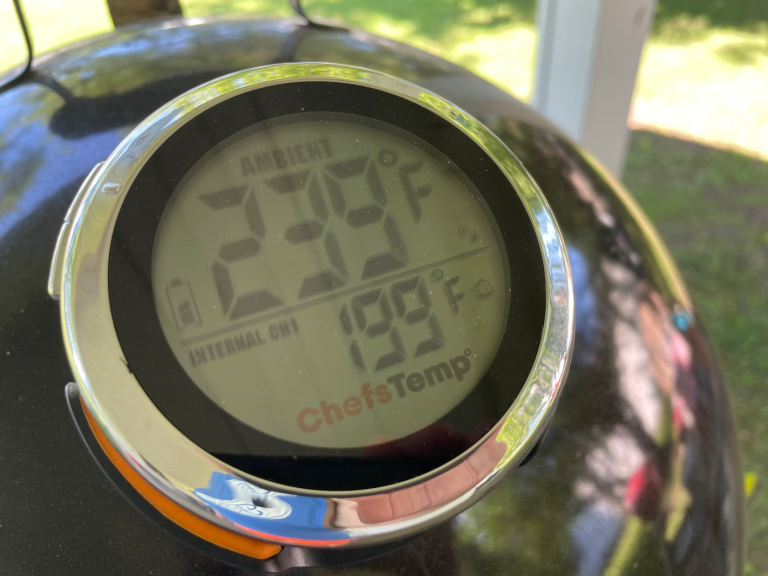
Comparing the Accuracy of the Stock Weber Smokey Mountain Thermometer to ChefsTemp S1
The Issue
The Weber Smokey Mountain is a popular and versatile cooker, but it has one major flaw - the stock ...
From Free Facebook BBQ Tips to a Growing Business: Stephan R. Parrot’s Custom Smoker Story
A suggestion from his wife helped Stephan R. Parrot turn years of free barbecue advice into training, catering...
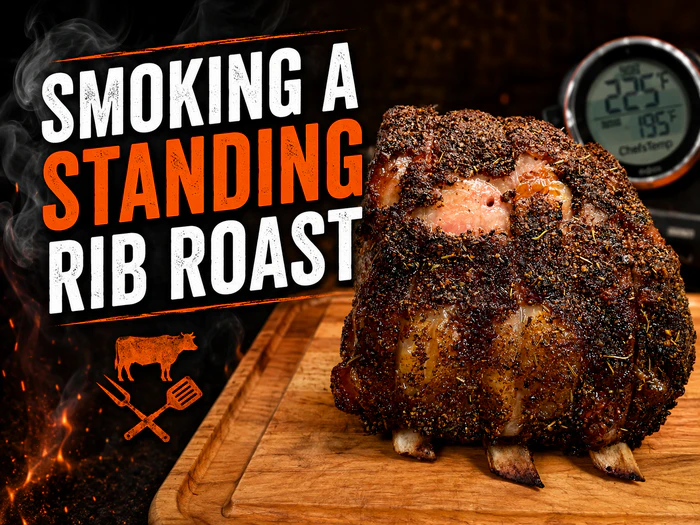
Smoking a Standing Rib Roast – When Special Occasions Call for Special Cuts of Meat
Preparing the Roast
...
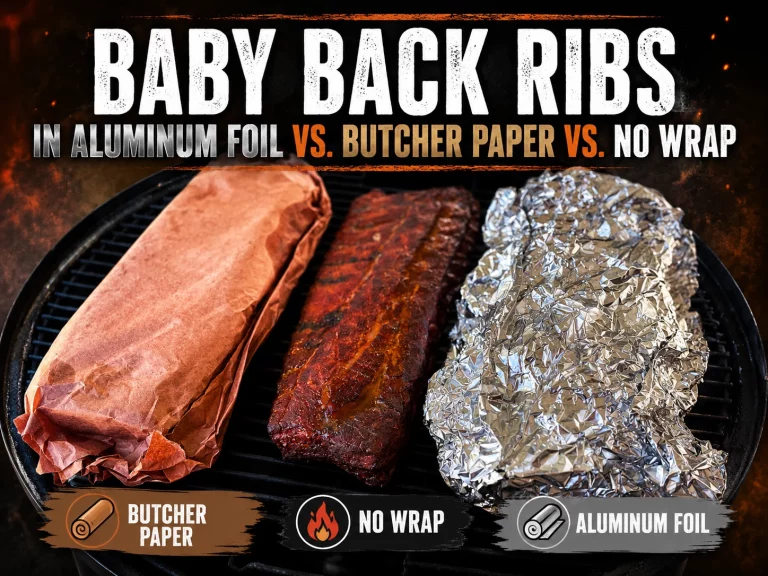
Experimenting with Ribs: Wrapping Baby Back Ribs in Aluminum Foil vs. Butcher Paper vs. No Wrap
Introduction to Smoking Ribs
I personally believe one of the big reasons people get smokers is to cook ribs. I...
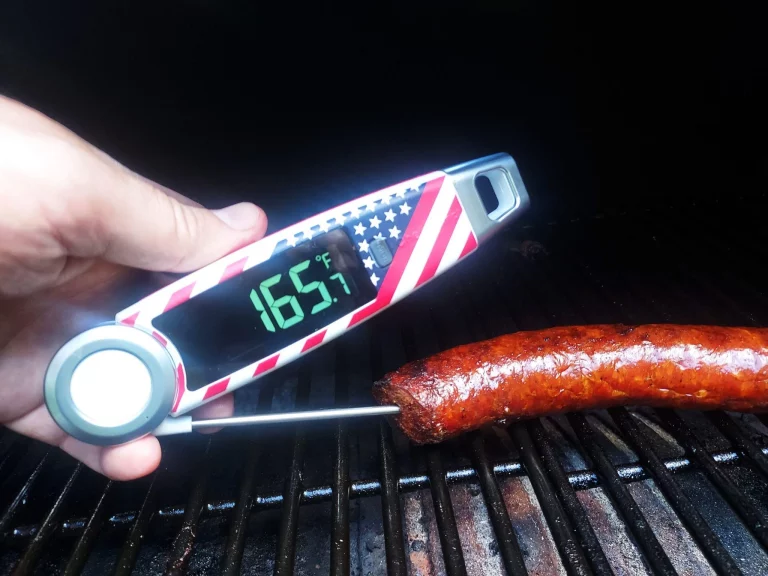
Stop Splitting Your Sausage: Expert Tips for grilling natural Casings
Natural casing ring sausage is a cookout staple enjoyed around the world that is equally deserving of a place ...
Mastering Pulled Pork: The Ultimate Temperature Control Guide with ChefsTemp
Achieving competition-grade, juicy, and tender pulled pork is the ultimate rite of passage for backyard pitmas...
Two Birds, One Fan: Can Breezo Fix Uneven Chicken Temps on a Charcoal Grill?
Chicken grilled over charcoal is one of life’s purest pleasures. So much so that people debate which is better...
The Cook Is Not One Temperature
A few hours into a long cook, it can feel as though the grill has started arguing with you.
The dome thermome...
Breaking the Endothermic Standoff: The Complete Fat Rendering Timeline for Smoked Pork Shoulder
Smoked pork shoulder is an icon of American barbecue that many try, yet only a few manage to master. People lo...
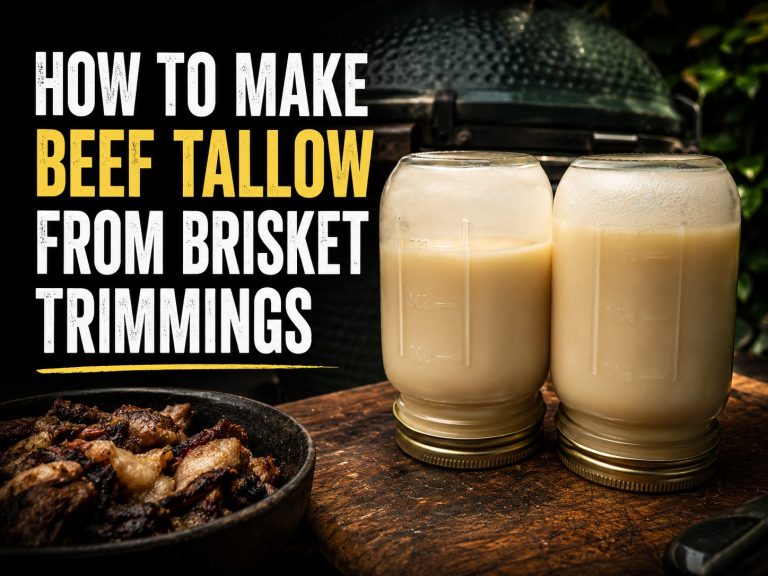
How to Make Beef Tallow from Brisket Trimmings
If you've ever trimmed a whole packer brisket, you've probably looked at the pile of fat headed for the trash ...
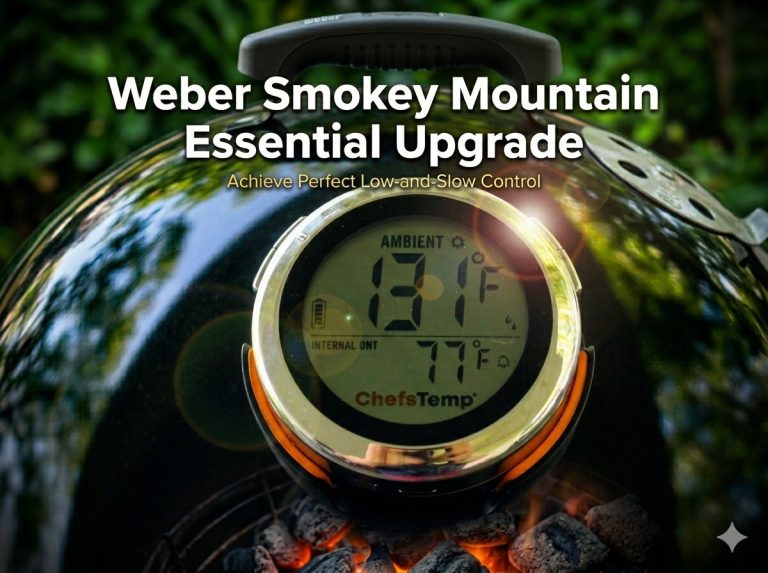
Weber Smokey Mountain Brisket Guide: How to Sleep Soundly with a Smart Temperature Controller Upgrade
Smoking a brisket can be a time-consuming task for even the most experienced pit master, but it doesn’t mean y...