We spend a lot of time cooking great foods and we always have leftovers, and sometimes we will reheat them in the microwave or oven and when we do, it is critical for us to get the food to the correct reheat temperature to keep it safe and make it delicious. For any reheated food it must be reheated to 165℉(73℃) for fifteen seconds to make sure any food borne bacteria or viruses are killed keeping the food safe.
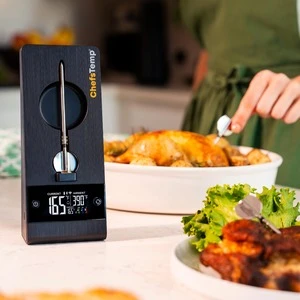
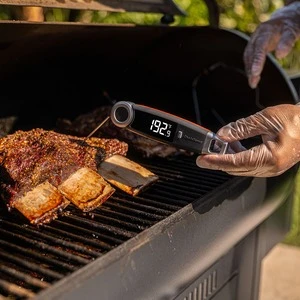
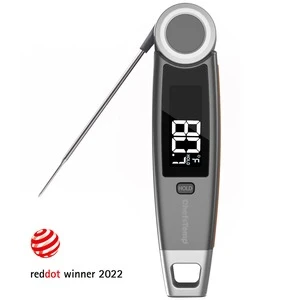
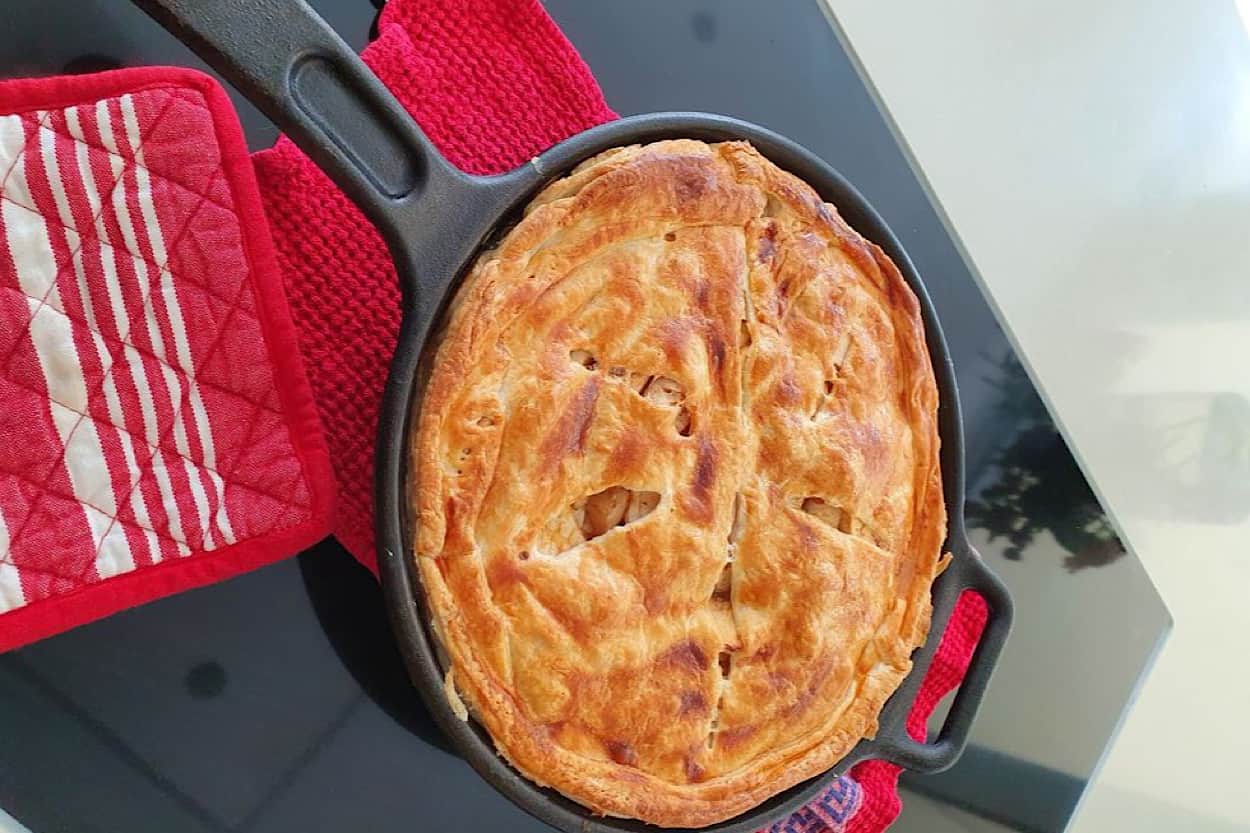
Today, we are looking at taking leftover roast, potatoes au gratin, and corn and repurposing them into a new dish. This dish is delicious, satisfying, and is so easy to make following a few simple steps and monitoring the temperature with the ChefsTemp Finaltouch X10 Instant Read Thermometer.
Mississippi Roast Cast Iron Skillet Pie:
 When making casserole type dishes, it is important to keep in mind that you are often combining leftovers with fresh food, and all the food together must be heated to the same temperature, it must reach 165℉(73℃) for at least fifteen seconds to be served. This rule applies to any foods that are reheated as well, from soup to casseroles, all reheated dishes must be heated to 165℉(73℃) and must hold the temperature for at least fifteen seconds.
Once you have your food reheated to the correct temperature it is then safe to serve it once you allow the casserole to rest for twenty minutes. This is a crucial step. It ensures the food will have reached the safe minimum temperature throughout the dish and will have killed any food borne pathogens that could cause health related concerns and food borne illnesses.
It is also critical to keep in mind when you combine fresh foods with leftovers that it may be necessary to cook the fresh food before combining it with the leftover foods to make sure that it cooks and heats evenly. Some ingredients like potatoes and rice need to be cooked first before being added to casseroles, they will not be fully cook otherwise. Some pastas also need to be cooked first as well, they absorb liquids in your dish, and they will not be fully cooked when the rest of the dish reaches 165℉(73℃).
Casserole dishes are made by combining vegetables, grains, pastas, root vegetables, potatoes, and meat with sauces or broths, cheeses, dairy products, tomato sauces, and then cooking them, usually done in an oven, until all the ingredients are done, and the dish has reached 165℉(73℃) for fifteen seconds and then it is ready to be served.
Most casseroles are baked between 350℉ to 425℉(176℃ to 218℃ ) depending on the ingredients used and whether it has a crust, or other things on top to help hold the moisture in the dish.
When making casserole type dishes, it is important to keep in mind that you are often combining leftovers with fresh food, and all the food together must be heated to the same temperature, it must reach 165℉(73℃) for at least fifteen seconds to be served. This rule applies to any foods that are reheated as well, from soup to casseroles, all reheated dishes must be heated to 165℉(73℃) and must hold the temperature for at least fifteen seconds.
Once you have your food reheated to the correct temperature it is then safe to serve it once you allow the casserole to rest for twenty minutes. This is a crucial step. It ensures the food will have reached the safe minimum temperature throughout the dish and will have killed any food borne pathogens that could cause health related concerns and food borne illnesses.
It is also critical to keep in mind when you combine fresh foods with leftovers that it may be necessary to cook the fresh food before combining it with the leftover foods to make sure that it cooks and heats evenly. Some ingredients like potatoes and rice need to be cooked first before being added to casseroles, they will not be fully cook otherwise. Some pastas also need to be cooked first as well, they absorb liquids in your dish, and they will not be fully cooked when the rest of the dish reaches 165℉(73℃).
Casserole dishes are made by combining vegetables, grains, pastas, root vegetables, potatoes, and meat with sauces or broths, cheeses, dairy products, tomato sauces, and then cooking them, usually done in an oven, until all the ingredients are done, and the dish has reached 165℉(73℃) for fifteen seconds and then it is ready to be served.
Most casseroles are baked between 350℉ to 425℉(176℃ to 218℃ ) depending on the ingredients used and whether it has a crust, or other things on top to help hold the moisture in the dish.
- Fifteen 9-inch pie crusts, enough for a fifteen-crust pie
- 10-inch cast iron skillet, seasoned
- Left over Mississippi roast
- Left over Potatoes Au Gratin
- Left over corn
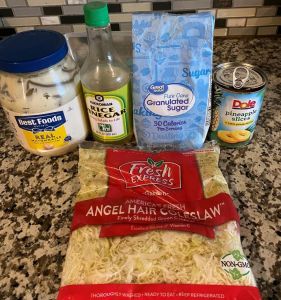
- 1 cup mayonnaise
- ½ cup granulated sugar
- ¼ cup rice wine vinegar
- 1 can of chunk or sliced pineapple, drained (if you use sliced pineapple, cut it into chunks)
- 4 cups shredded cabbage
When making casserole type dishes, it is important to keep in mind that you are often combining leftovers with fresh food, and all the food together must be heated to the same temperature, it must reach 165℉(73℃) for at least fifteen seconds to be served. This rule applies to any foods that are reheated as well, from soup to casseroles, all reheated dishes must be heated to 165℉(73℃) and must hold the temperature for at least fifteen seconds.
Once you have your food reheated to the correct temperature it is then safe to serve it once you allow the casserole to rest for twenty minutes. This is a crucial step. It ensures the food will have reached the safe minimum temperature throughout the dish and will have killed any food borne pathogens that could cause health related concerns and food borne illnesses.
It is also critical to keep in mind when you combine fresh foods with leftovers that it may be necessary to cook the fresh food before combining it with the leftover foods to make sure that it cooks and heats evenly. Some ingredients like potatoes and rice need to be cooked first before being added to casseroles, they will not be fully cook otherwise. Some pastas also need to be cooked first as well, they absorb liquids in your dish, and they will not be fully cooked when the rest of the dish reaches 165℉(73℃).
Casserole dishes are made by combining vegetables, grains, pastas, root vegetables, potatoes, and meat with sauces or broths, cheeses, dairy products, tomato sauces, and then cooking them, usually done in an oven, until all the ingredients are done, and the dish has reached 165℉(73℃) for fifteen seconds and then it is ready to be served.
Most casseroles are baked between 350℉ to 425℉(176℃ to 218℃ ) depending on the ingredients used and whether it has a crust, or other things on top to help hold the moisture in the dish.
In Summary:
Always make sure you cook your casserole fully and take temperature readings in several areas to ensure that it has reached 165℉(73℃) throughout the dish and holds the temperature for at least fifteen seconds, then let it rest for twenty minutes before serving.Related Posts
Why is Temperature Important in Cooking?
Temperature control is the most critical aspect of cooking. Without heat, you wouldn't be able to cook food. A...

What is the Range of Accuracy for Measuring Food Temperature?
Using a thermometer to check the temperature (especially the internal temperature) of food is critical for foo...
Food Temperature Monitoring: What is It and Why is It Important?
The food and restaurant industry faces several challenges and is subject to various regulations to ensure the ...
How to Check if Your Meat Thermometer Is Making Accurate Readings
If you have a multi-purpose meat thermometer, you know how precious it is to you. Every time you need to check...
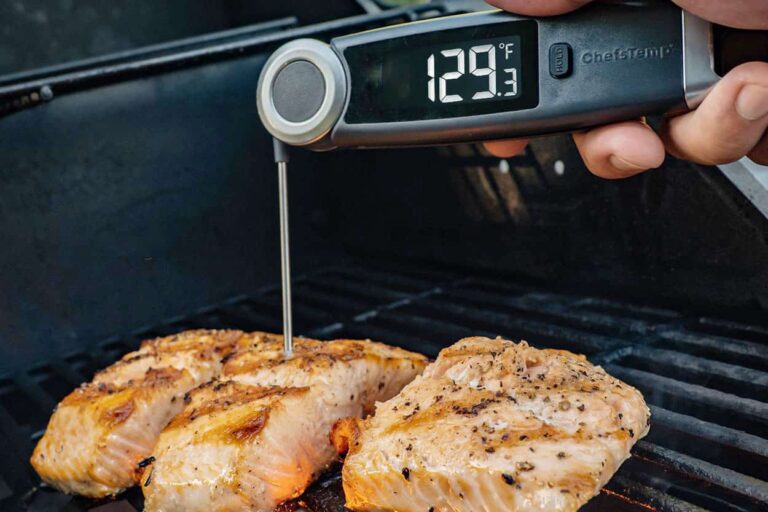
Do’s and Don’ts When Using an Instant Read Thermometer
An instant read thermometer is an essential tool in regulating food temperature. Whether cooking, storing or s...
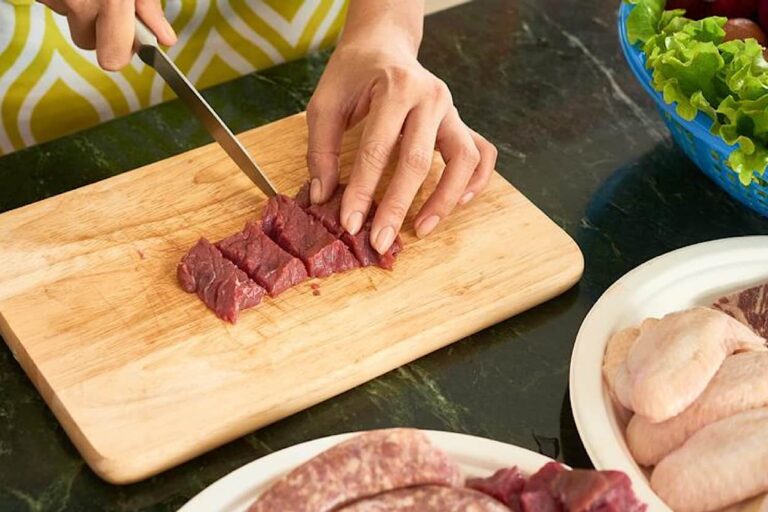
Critical Food Safety Temperatures
Understanding food safety temperatures is crucial to protecting you and those around you from foodborne illnes...
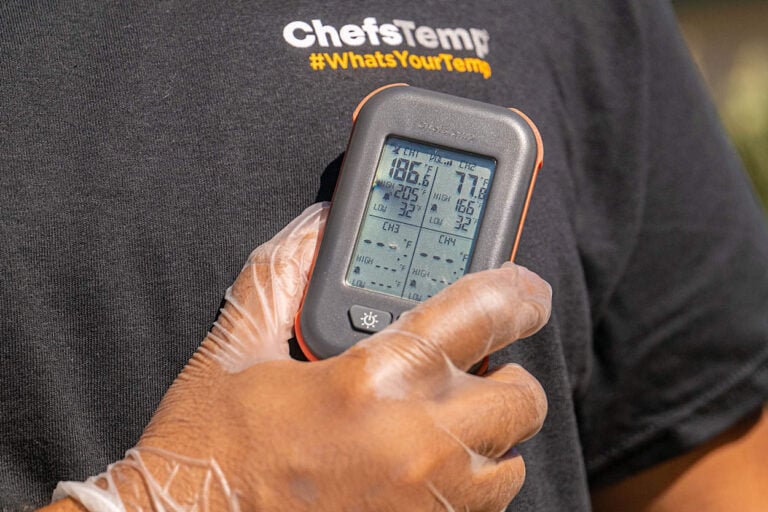
Recommended Temperatures
When talking about “doneness” everyone has his or her preference. One man’s “medium rare” is another man’s “ra...
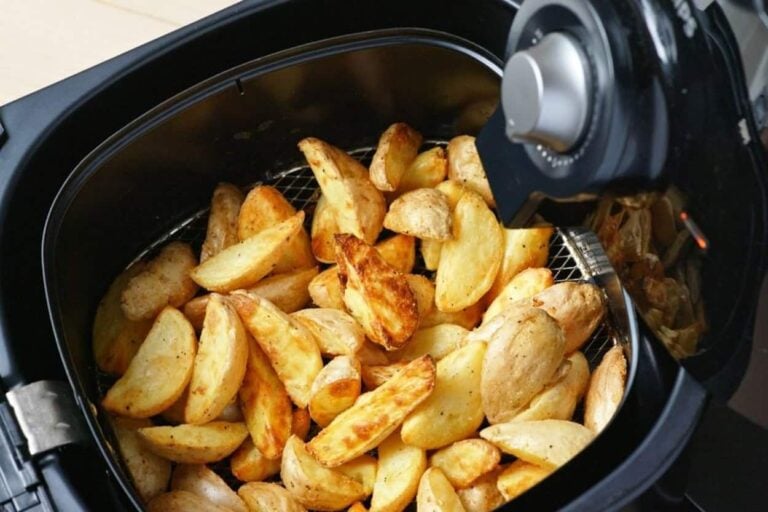
Are Air Fryers Healthy?
Chicken nuggets, French fries, mozzarella sticks… It seems like all the best foods are fried, doesn’t it? Unfo...
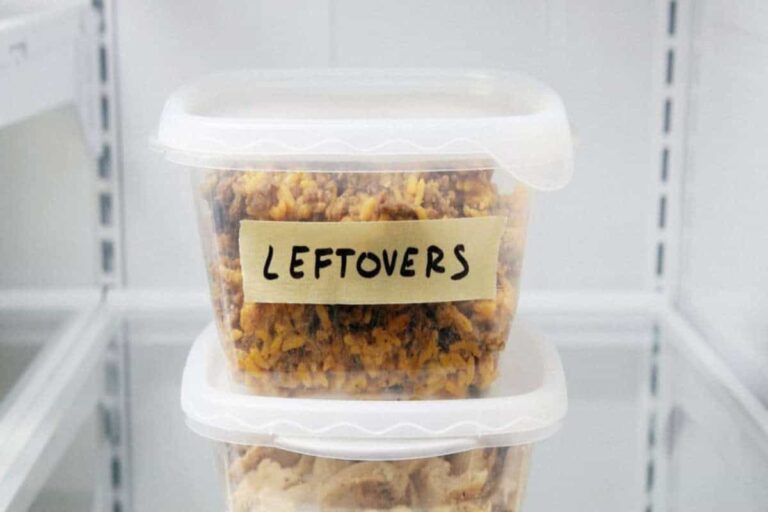
The Safest Ways to Reheat All Your Leftovers
The secret to safe and good-tasting leftover meals is getting the right reheat food temperature. Proper reheat...
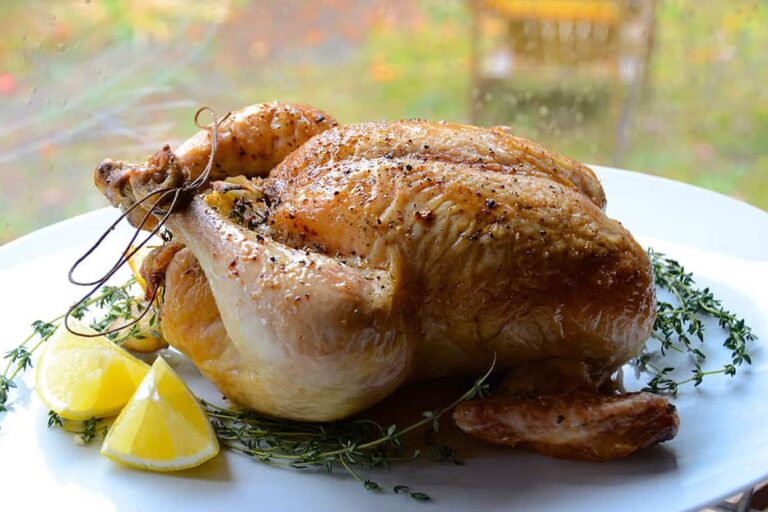
What Temperature is Chicken Done and How to Cook Safe and Juicy Chicken
Nearly everybody loves to eat a nicely cooked, juicy piece of chicken but it’s also important to know how the ...
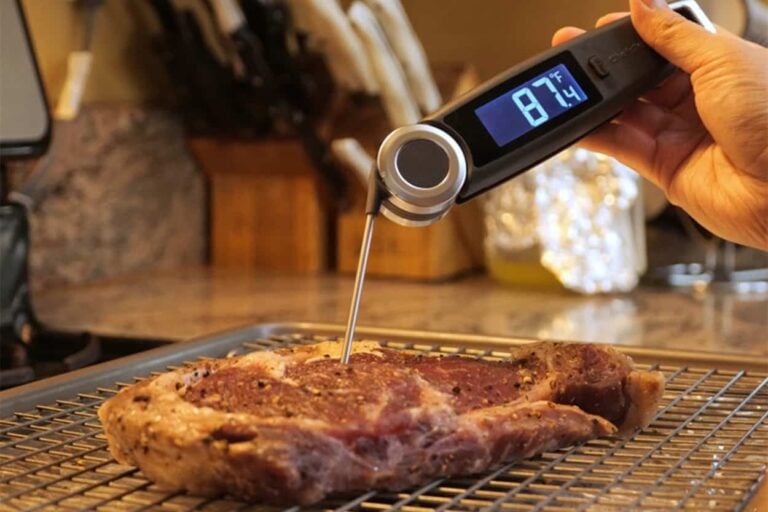
FAQs about Food Temperature
Frequently asked questions about food temperatures, so much so that she’s taking to the keyboard to answer as ...