Suppose you have researched kitchen thermometers, or you have at least watched a couple of episodes of Master Chef, where contestants tossed birds into the oven. In that case, you’ll know exactly how vital and non-negotiable thermometers are for precision cooking. The temperature is everything, whether for making a delicate soufflé, a decadent cake, searing a juicy steak, or cooking a hearty stew. But choosing one can be overwhelming with so many different display types of thermometers on the market. So how do you know which instant-read thermometer is suitable for you?
Kitchen thermometers take the guesswork out of cooking. With barely an extra step, you can know that whatever you are cooking is cooked precisely how you want it. No slicing or peeking is needed. It means no sitting in front of the oven door, wondering why you insisted on cooking instead of ordering takeout.
Digital instant-read thermometers
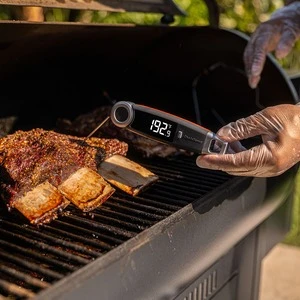
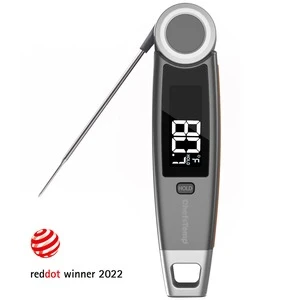
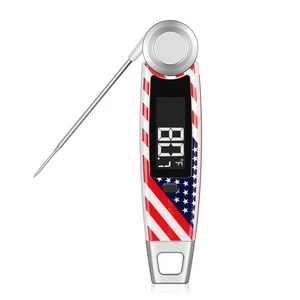
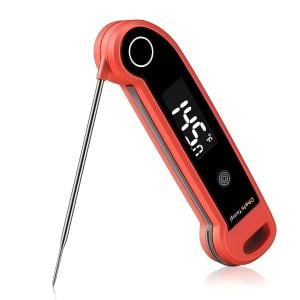
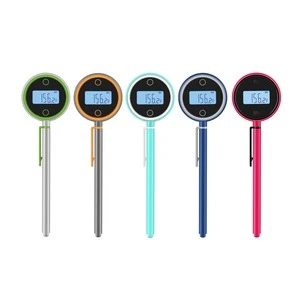
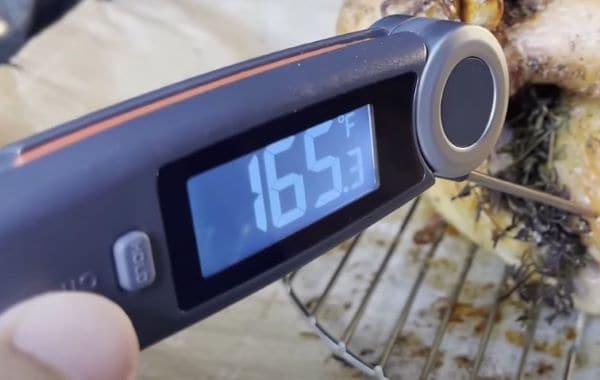
Digital instant-read thermometers are precisely what their name says: they give you a quick (nearly instant) temperature reading of whatever you are cooking. Primarily used on meats, instant-read thermometers are highly convenient for checking the doneness of your kitchen project. Insert the needle into the meat (choose the thickest part of the meat, away from the bone) and voila! You will have your temperature reading in as little as a couple of seconds. Digital instant-read thermometers, also called thermocouples, measure temperature with a sensor at the tip of the reader’s stem. As its name suggests, the temperature is displayed on a small digital screen in a numerical display. Some instant-read thermometers come with backlit displays that make the temperature display more visible and easier to read in low-light conditions. Another important thing you need to know about this thermometer is that you cannot leave it protruding from your lamb rack while cooking. Instead, you must open the oven (or the grill lid), pull the protein out to stick the probe, and read the temperature. The downside is that you risk prolonging cooking time by allowing heat to escape. But that, of course, is a small price to pay for extreme precision cooking. This type of thermometer comes in a wide range of styles and prices. There are budget-friendly options, while high-end and advanced ones have nifty features such as app integration, Bluetooth connectivity, etc. Obviously, they need batteries to work, and the display can be challenging to read if the battery level is low. Most models turn off independently, while some come with a button to press to turn them on or off. Most models also let you toggle between Celsius and Fahrenheit.
Digital probe thermometers
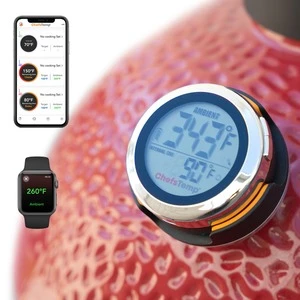
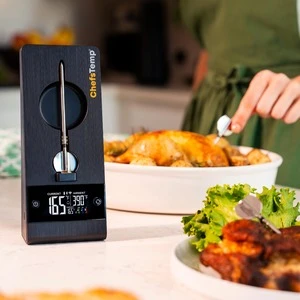
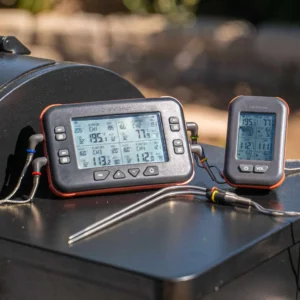
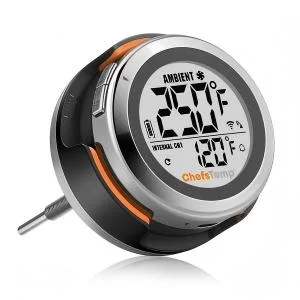
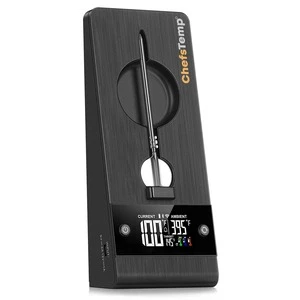
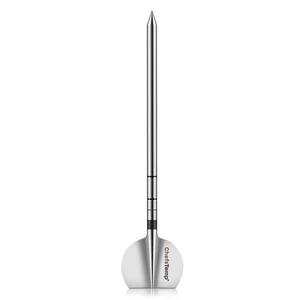
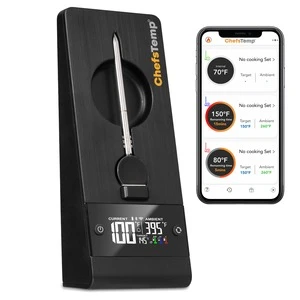
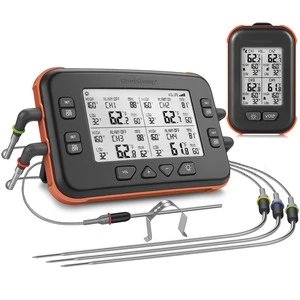
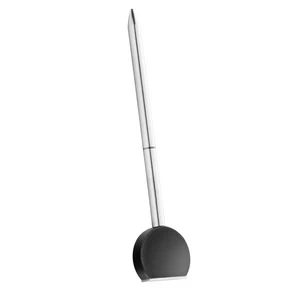
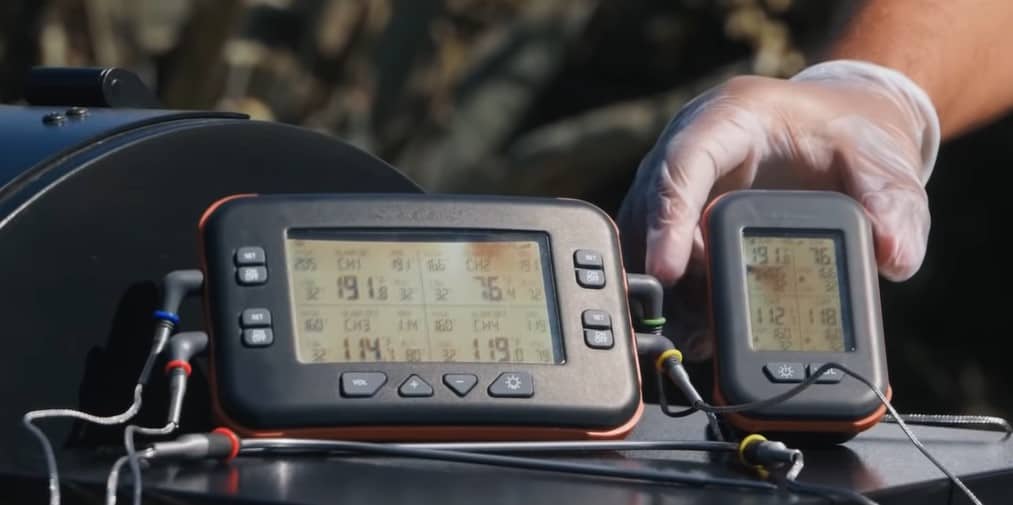
If you cannot trust your partner in the kitchen and prefer to check whatever they occasionally cook, then a digital thermometer is for you. A digital probe thermometer gives you peace of mind – it comes with a long probe that you can stick into the meat for the whole cooking process. The probe connects to a digital monitor via a long, heatproof cord, allowing the digital monitor to stay outside the oven for a quick, easy read. There are also more high-tech cordless versions of this thermometer, which connect the probe to your smartphone via an app. You can check the turkey’s temperature in the oven while doing other chores, hanging out with your friends on the patio, etc. You can also set it to beep when it reaches a specific temperature, so you don’t undercook or overcook your meat. Nearly all digital probe thermometers on the market come with timers. The good thing about this type of digital instant-read thermometer is that almost all products work similarly wherever you use them, whether in the oven, smoker, or grill. In addition, the cord and probe can be detached, making it easy to feed the cord through the grate in your grill or smoker so you can access the screen from the outside when you close the lid. The downside of this thermometer is that some cords are too short. Also, since they are constantly exposed to high heat, they wear down over time. However, more and more products are made from durable, hard-wearing materials that help them last longer. Also, compared to other types of digital instant-read thermometers, the probe type is on the pricier side.
Dial thermometers
Dial thermometers, also called bimetallic strips or analog thermometers, are not digital. Yes, they don’t have a digital monitor to display the temperature; instead, they have a dial with a metal probe inside a glass enclosure, often set at a 90-degree angle at the top. They also feature a coiled strip of metal in their readers, which expands with heat, pushing the pointer arm (usually red or green) further up the dial as the temperature increases, similar to a clock or a scale. Depending on the make and model of the thermometer, some can be left inside the oven, while others have lower heat tolerance and must be used like a digital instant-read thermometer. Dial thermometers are simple, affordable, yet reliable. Unlike the first two types mentioned above, they don’t require batteries or special equipment. However, the downside of this type of thermometer is that it is less precise than its digital display counterparts. You must closely examine where the arm points to get the exact temperature reading. If you have a small dial with crowded numbers or poor eyesight, it can be challenging to get an accurate reading, as you may miss it by a single degree. Analog thermometers are simple, reliable, and affordable. However, they’re less precise than some other display types, and they can be difficult to read accurately, especially when the dial is small or the numbers are crowded. Also, they are not instant-read. Instead, they usually take about a minute to give you a full temperature reading, which risks the meat overcooking while you wait. Lastly, the glass on the dial’s top is often fragile. Thus, you have to be extra careful when handling the thermometer.Infrared kitchen thermometer
Infrared kitchen thermometers are handheld temperature readers that can give you an instant temperature reading in as little as a couple of seconds, all without touching the food. This thermometer uses a laser, making it more convenient and safer for measuring the temperature of liquid food (stew, soups, etc.), as you can measure temperature from a distance. The downside of this type of kitchen thermometer, however, is that it only measures the surface temperature. As a result, infrared thermometers are less precise than their probe-type counterparts. If you have a thick slab of meat, the surface temperature differs from the center temperature. Thus, they are not ideal for cooking proteins such as thick-cut steaks, whole chickens, or turkeys. Also, when measuring the temperature of sauces, stews, or soups, it is recommended that you stir them thoroughly before using the thermometer to get a more precise internal temperature reading.Related Posts
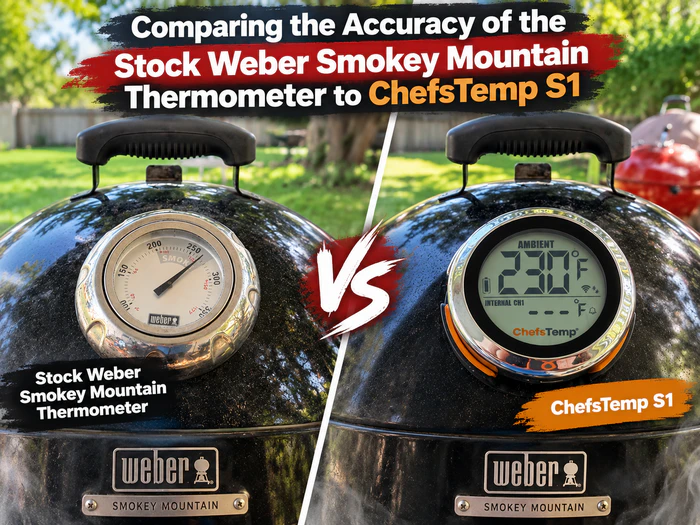
Comparing the Accuracy of the Stock Weber Smokey Mountain Thermometer to ChefsTemp S1
The Issue
The Weber Smokey Mountain is a popular and versatile cooker, but it has one major flaw - the stock ...

From Free Facebook BBQ Tips to a Growing Business: Stephan R. Parrot’s Custom Smoker Story
A suggestion from his wife helped Stephan R. Parrot turn years of free barbecue advice into training, catering...
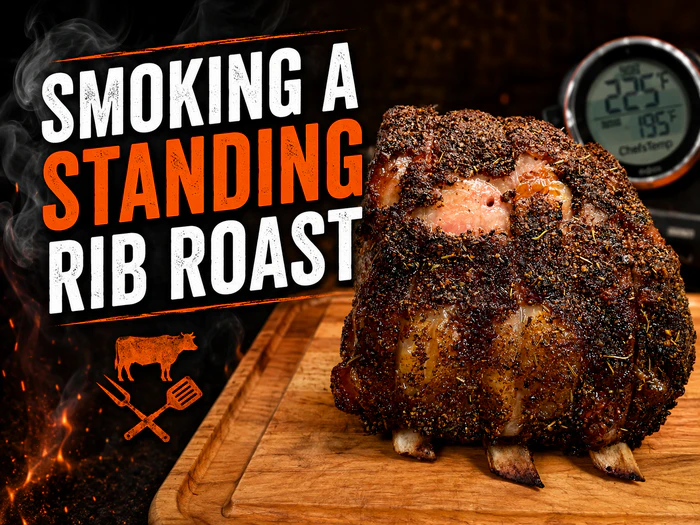
Smoking a Standing Rib Roast – When Special Occasions Call for Special Cuts of Meat
Preparing the Roast
...
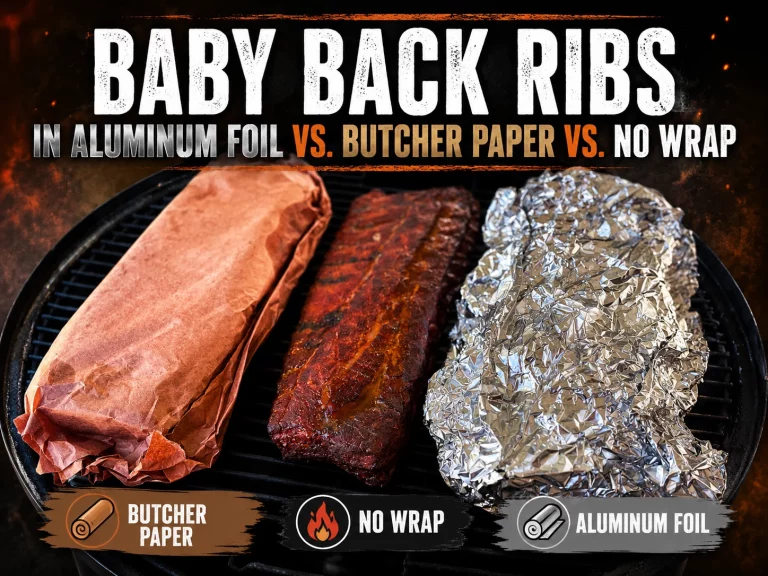
Experimenting with Ribs: Wrapping Baby Back Ribs in Aluminum Foil vs. Butcher Paper vs. No Wrap
Introduction to Smoking Ribs
I personally believe one of the big reasons people get smokers is to cook ribs. I...
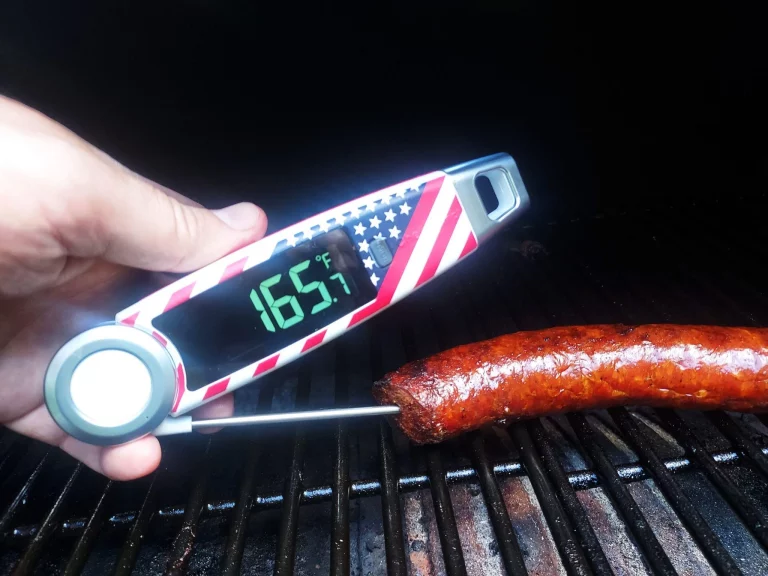
Stop Splitting Your Sausage: Expert Tips for grilling natural Casings
Natural casing ring sausage is a cookout staple enjoyed around the world that is equally deserving of a place ...
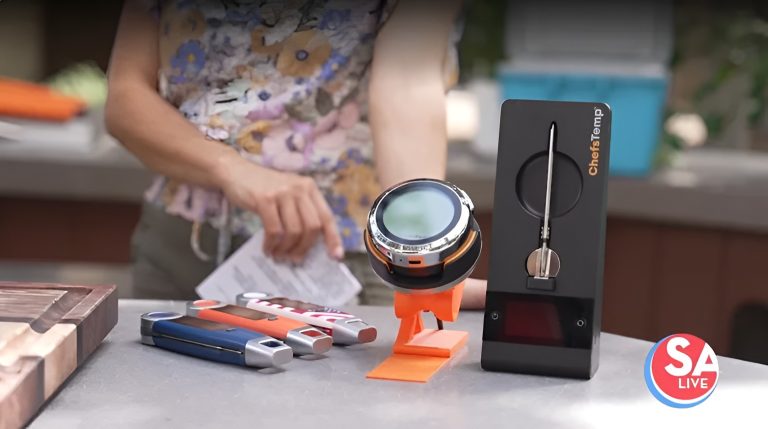
Mastering Pulled Pork: The Ultimate Temperature Control Guide with ChefsTemp
Achieving competition-grade, juicy, and tender pulled pork is the ultimate rite of passage for backyard pitmas...
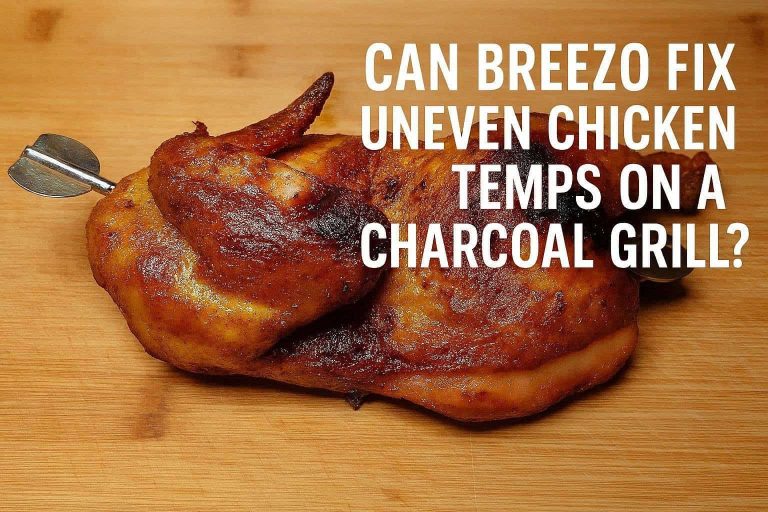
Two Birds, One Fan: Can Breezo Fix Uneven Chicken Temps on a Charcoal Grill?
Chicken grilled over charcoal is one of life’s purest pleasures. So much so that people debate which is better...
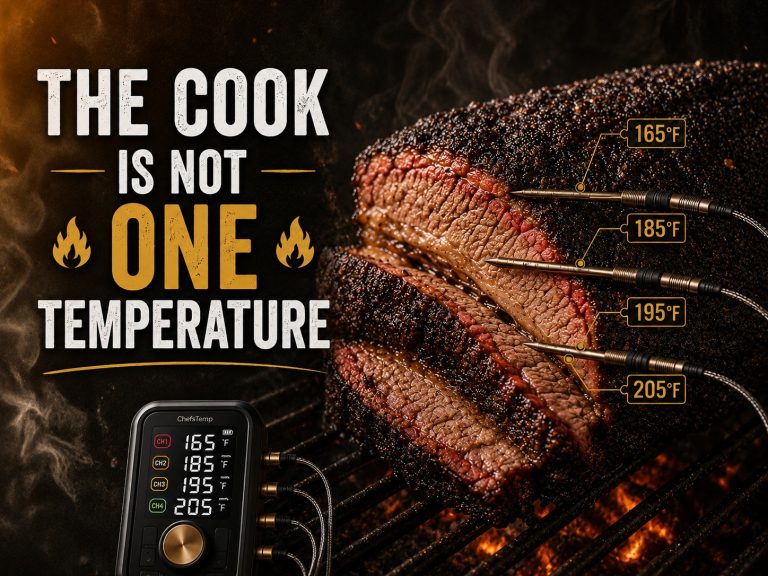
The Cook Is Not One Temperature
A few hours into a long cook, it can feel as though the grill has started arguing with you.
The dome thermome...
Breaking the Endothermic Standoff: The Complete Fat Rendering Timeline for Smoked Pork Shoulder
Smoked pork shoulder is an icon of American barbecue that many try, yet only a few manage to master. People lo...

How to Make Beef Tallow from Brisket Trimmings
If you've ever trimmed a whole packer brisket, you've probably looked at the pile of fat headed for the trash ...
Weber Smokey Mountain Brisket Guide: How to Sleep Soundly with a Smart Temperature Controller Upgrade
Smoking a brisket can be a time-consuming task for even the most experienced pit master, but it doesn’t mean y...