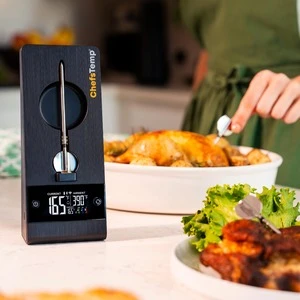
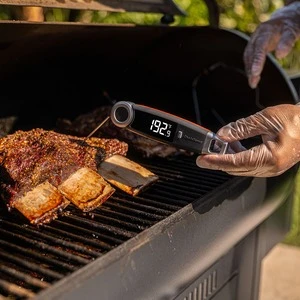
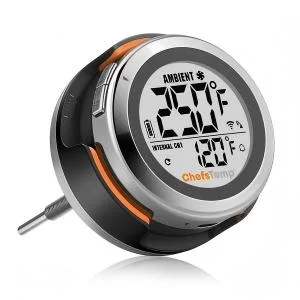
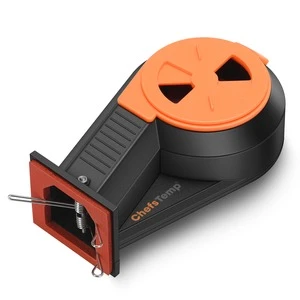
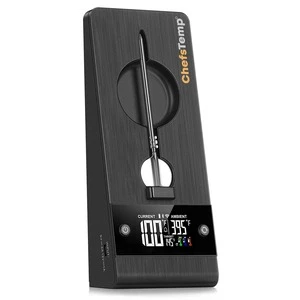
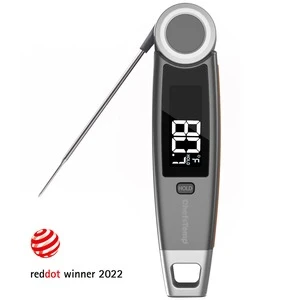
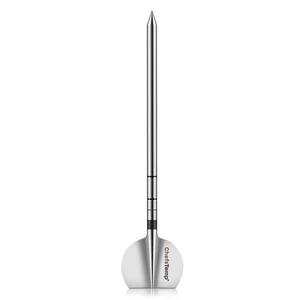
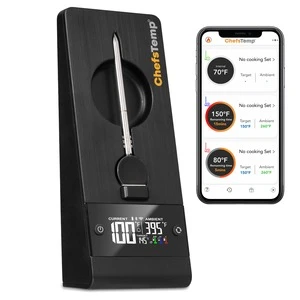
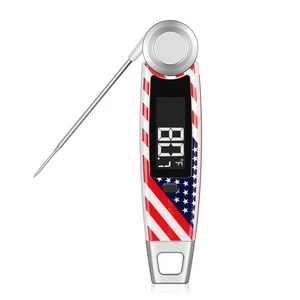
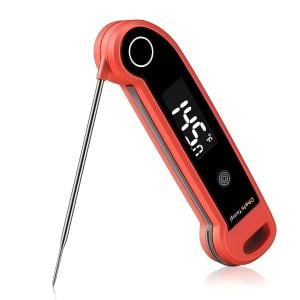
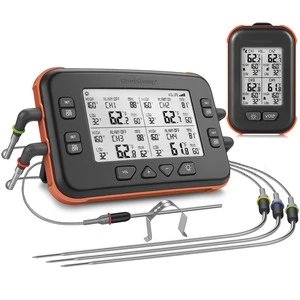
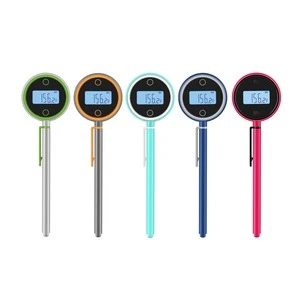
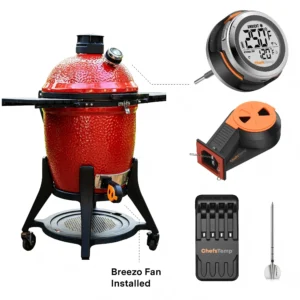
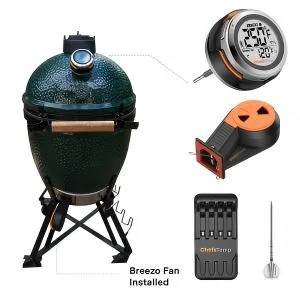
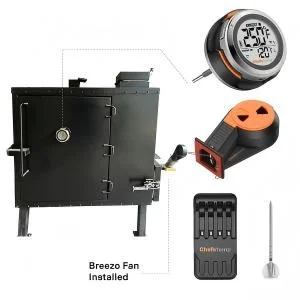
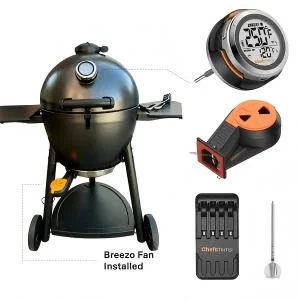
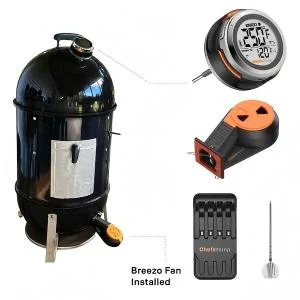
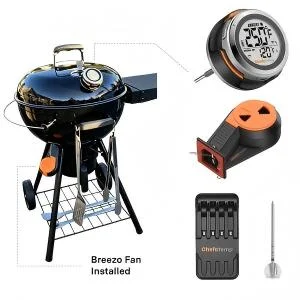
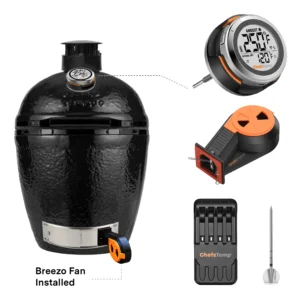
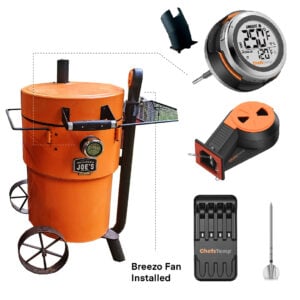
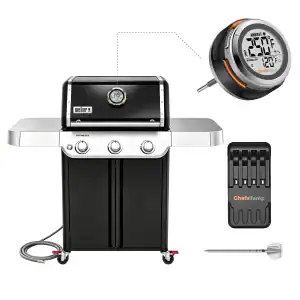
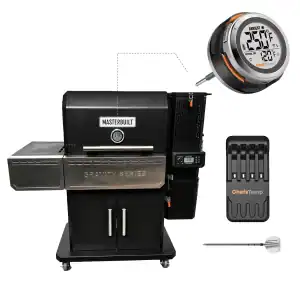
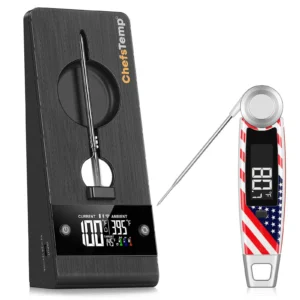
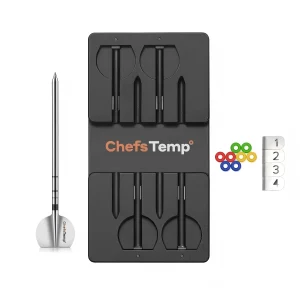
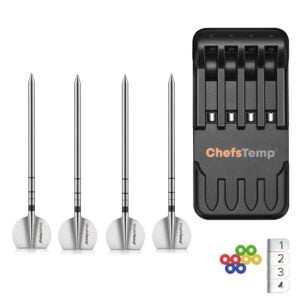
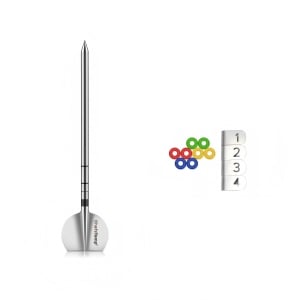
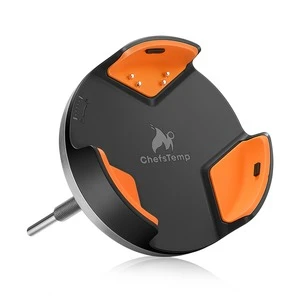
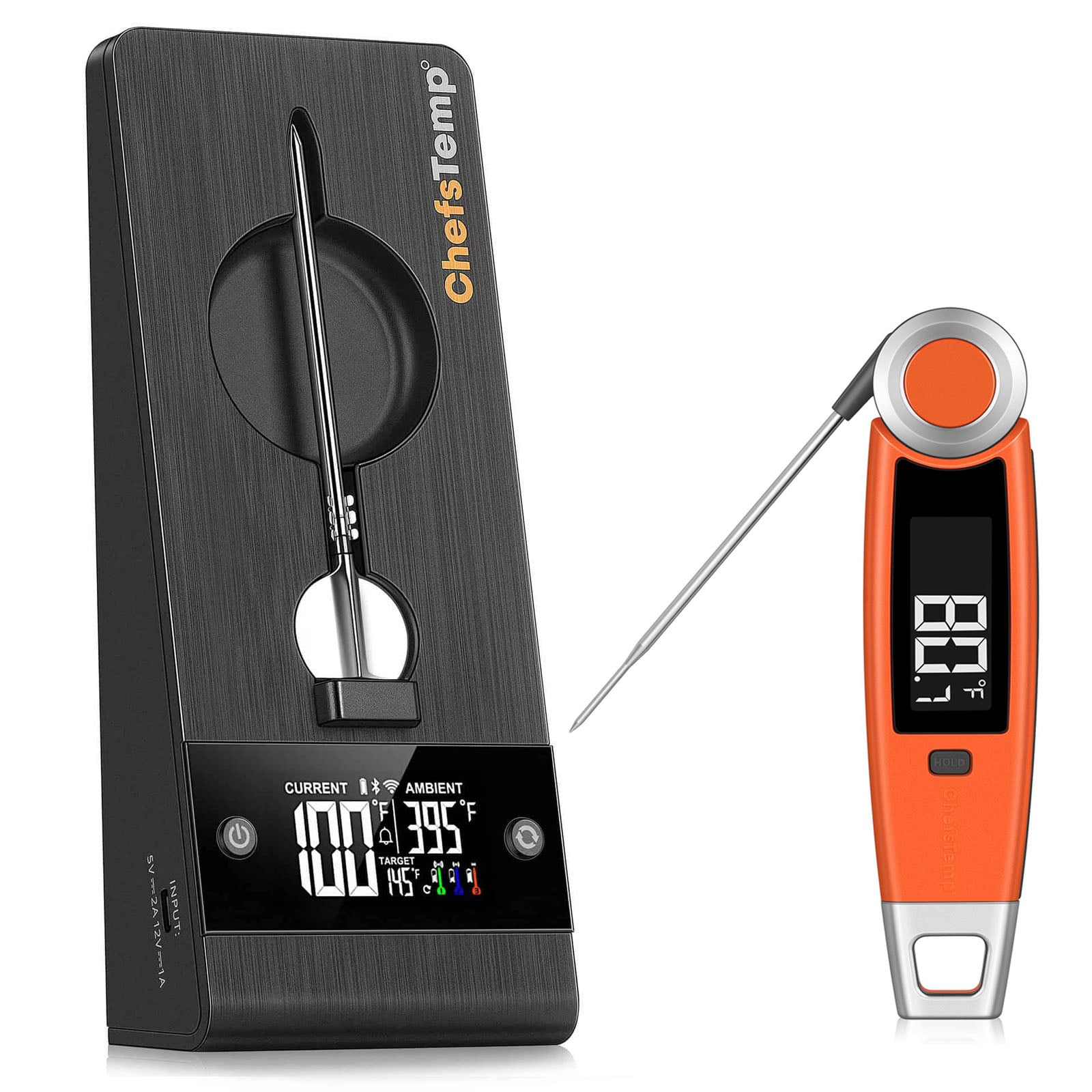
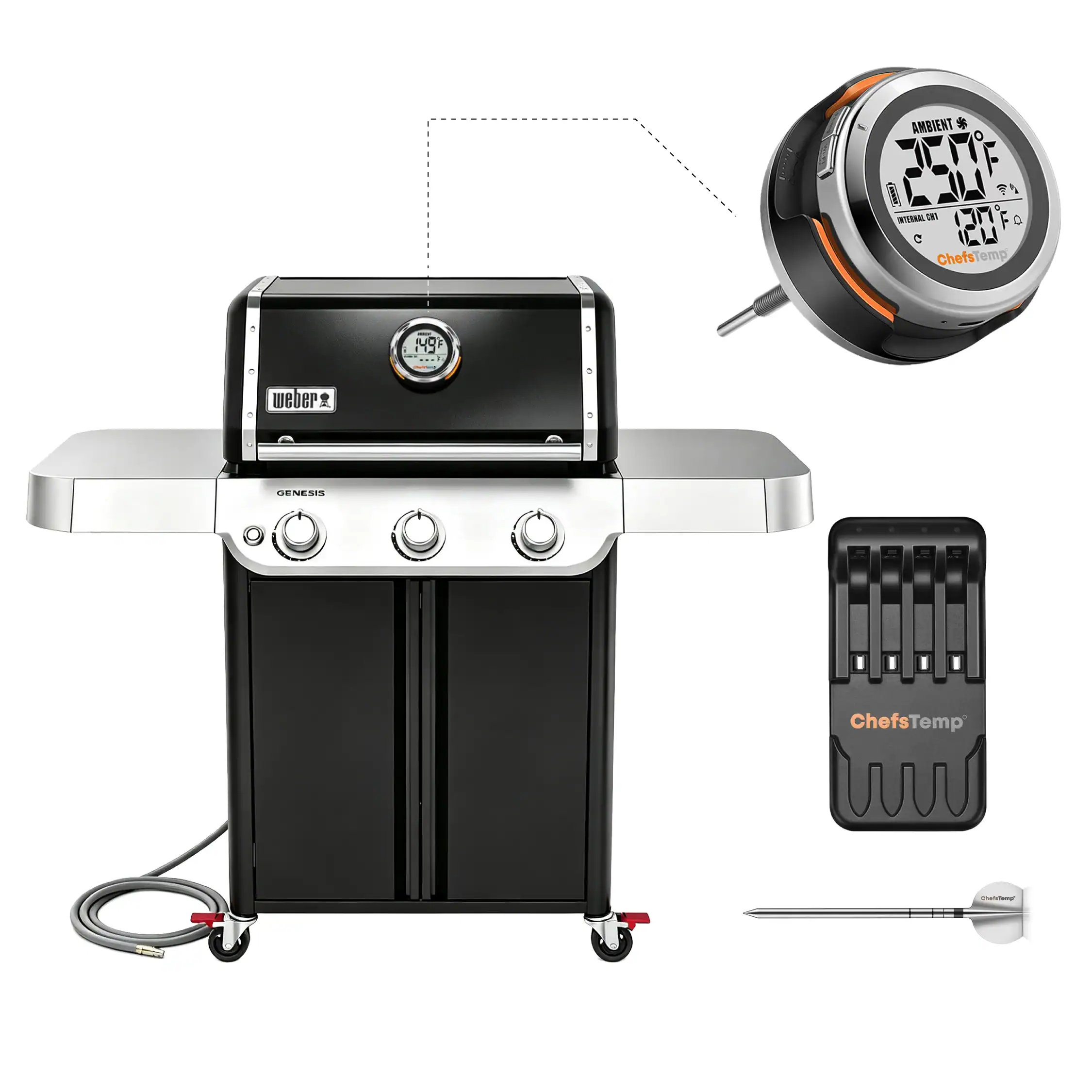
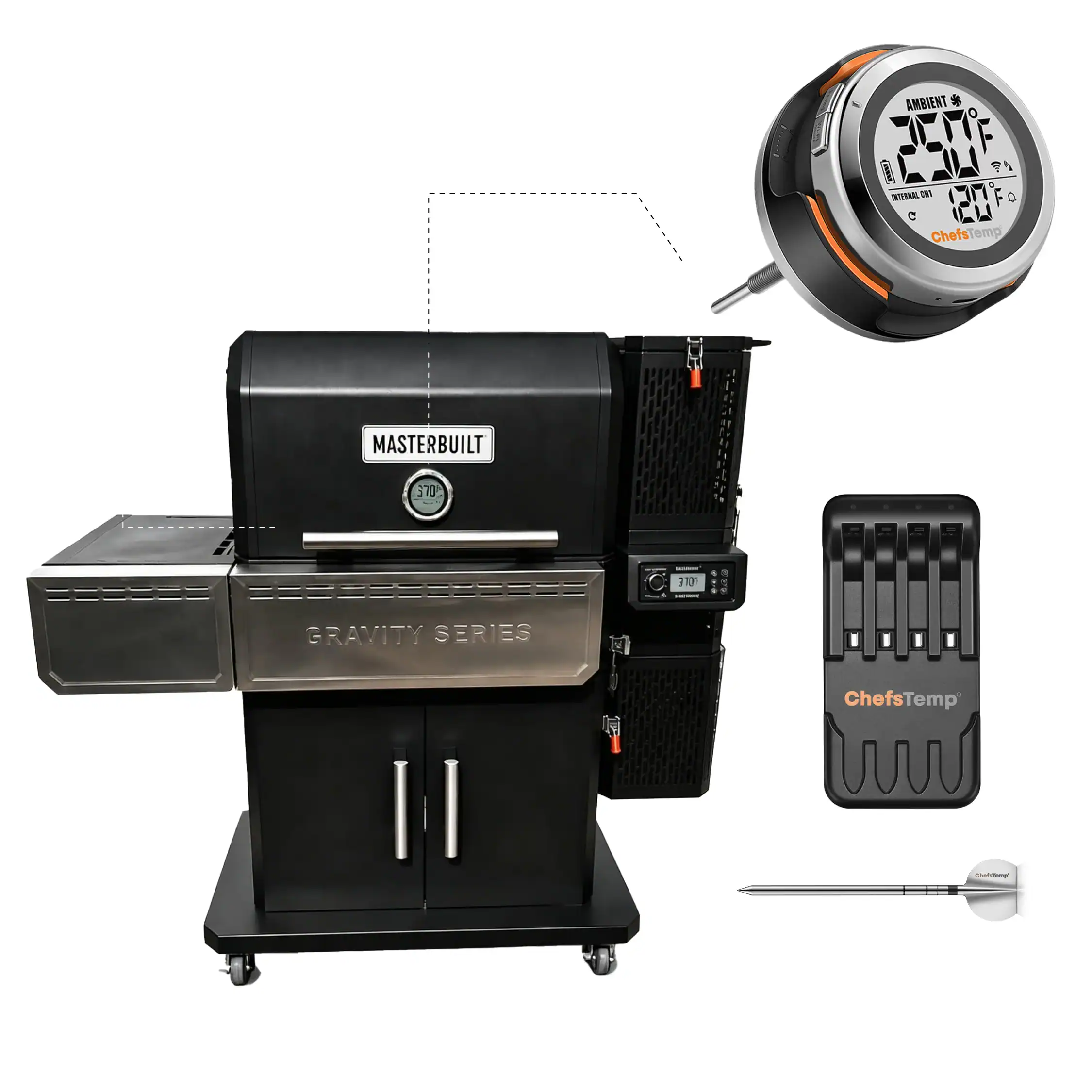
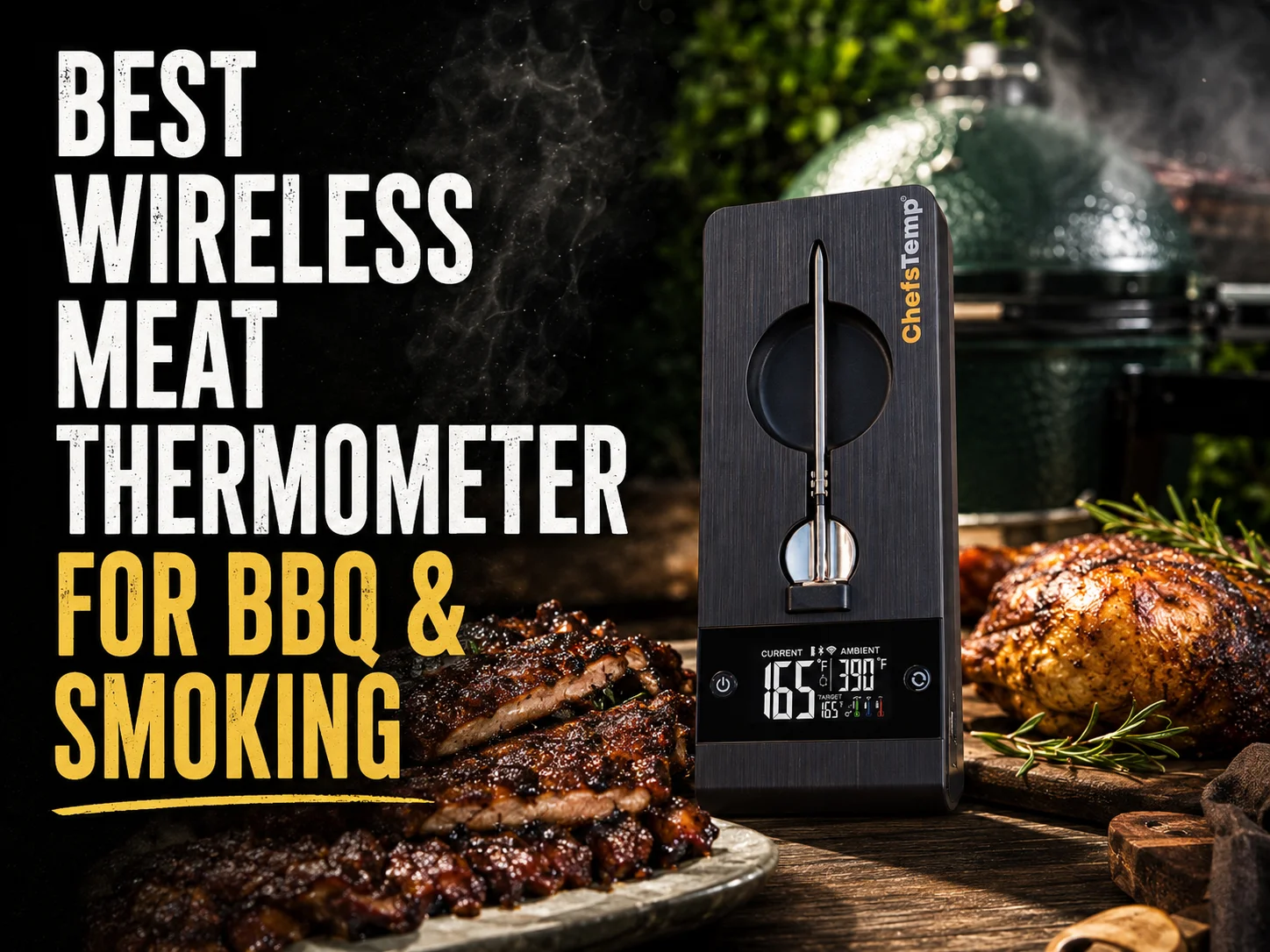
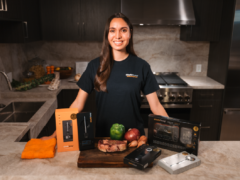
The best meat thermometer serves as an indispensable tool when it comes to achieving precision and accuracy in measuring the core temperature of food during sous-vide cooking, ensuring a delightful culinary experience with each dish prepared.
Professional chefs and food aficionados alike have come to love sous vide cooking because it reliably yields dishes that are juicy, tender, and delicious. Food is vacuum-sealed in a plastic bag and cooked using this exact process: it is submerged in a water bath at a carefully regulated temperature for a prolonged period. Keeping an eye on the food’s core temperature is essential for achieving the best results, and using an instant-read meat thermometer is a great way to ensure your
sous vide cooking is accurate.
Understanding Sous-Vide Cooking
The idea of sous vide, which means “under vacuum” in French, is to cook food uniformly by keeping the water at a constant temperature. Sous vide cooking preserves the moisture and natural flavours of food by allowing precise control over the cooking process, making it ideal for a variety of foods, including sweets, steak, poultry, fish, and vegetables.
Importance of Temperature Control
In sous vide cooking, achieving the correct core temperature is crucial, as it determines the doneness of the meal. In contrast to conventional cooking techniques, which frequently rely on appearance to guide us, sous vide depends on internal temperature to produce flawless results. For example, the outer hue of a sous vide steak may remain the same even if the interior is cooked to a different level.
Using an Instant Read Meat Thermometer
An essential tool for accurately measuring core temperature during sous vide cooking is an
instant-read meat thermometer. Here’s how to utilise it successfully, step-by-step:
Step 1: Prepare Your Sous-Vide Setup
Make sure your sous vide immersion circulator is set at the correct temperature as per your recipe before adding the food to the water bath. Throughout the cooking procedure, the temperature in the water bath should remain constant.
Step 2: Seal the Food and Begin Cooking
Make sure the food item is impermeable by sealing it in a vacuum-sealed bag. After the water bath has heated up, place the bag in and cook for the prescribed time.
Step 3: Monitor Cooking Time
For the recommended cooking time based on the type and thickness of the meal, consult a reliable sous-vide cooking guide or recipe.
Step 4: Check the Core Temperature
Plan to check the food’s core temperature around 15 to 30 minutes before the suggested cooking time is up. Remove the bag from the water bath very carefully.
Step 5: Using the Instant Read Meat Thermometer
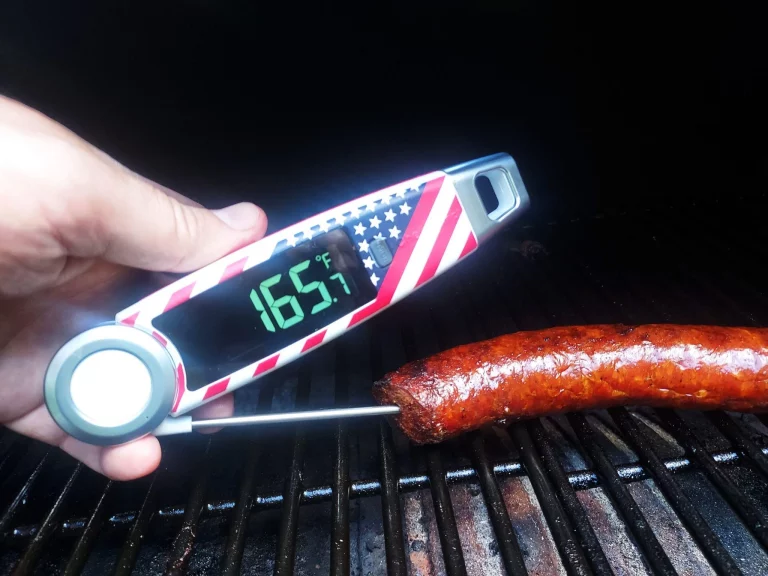
Make sure the meat thermometer doesn’t touch the bag or any bones when inserted into the thickest portion of the food to reach the centre. The thermometer will take a few seconds to stabilise and show the correct temperature.
Step 6: Interpret the Temperature
Consult a
sous vide temperature guide to find the ideal level of doneness for your dish. The perfect temperature for rare, medium-rare, medium, and so on varies depending on the food.
Step 7: Adjust Cooking, if Necessary
Put the meal back in the water bath to finish cooking if the core temperature hasn’t been reached. On the other hand, consider lowering the sous vide temperature or shortening the cooking time if the temperature is above the desired level of doneness.
Step 8: Finish and Serve
Remove the meat from the water bath as soon as the centre temperature is reached. Carefully open the bag, pat the food dry, and, just before serving, finish with a quick sear or additional spices.
What is the Perfect Temperature for Sous-Vide Cooking?
A lot depends on the type of food you are cooking and the desired doneness when determining the perfect sous vide temperature. The following broad criteria can be used to achieve various doneness levels with everyday sous vide dishes:
Meat:
- Steak, or rare beef: When aiming for a rare but tender steak, the ideal core temperature range is 120°F to 129°F (49°C to 54°C).
Medium-Rare Beef:
- For a bit more cooked, but still pink and juicy, steak, heat it to 130°F to 134°F (54°C to 57°C).
Medium Beef:
- Aim for a core temperature of 135°F to 144°F (57°C to 62°C) for a pink, but stiffer and less juicy mouthfeel.
Well-Done Beef:
- Cook the meat to a core temperature of 145°F to 155°F (63°C to 68°C) to achieve a more conventional well-done texture.
Poultry:
- Chicken Breast: For a soft, moist result, keep the core temperature between 140°F and 150°F (60°C and 65°C) to ensure it is cooked safely and thoroughly.
Duck breasts:
- For a smooth, medium-rare texture with a full-bodied flavour, try an ideal temperature of 130°F-135°F (54°C to 55°C).
Turkey Breast:
- To get a moist, evenly cooked turkey breast, look for a temperature of 140°F-150°F (60°C-65°C), similar to what you use for the chicken.
Fish:
- Salmon: To create a soft, flaky texture, with some hints of translucency. Cook the salmon to a temperature between 110°F and 120°F (43°C up to 52°C).
Halibut:
- If you want a soft, moist filet, try temperatures between 120°F and 130°F (49°C to 54°C).
Vegetables:
- Root Vegetables: To soften and develop their flavours without losing nutrients, cook root vegetables like carrots or beets at temperatures between 183°F and 190°F (84°C and 88°C).
What Items Need to be Purchased to do Sous Vide Cooking?
To guarantee consistent, tasty results and precise temperature control, sous-vide cooking requires specialised equipment. The following are essentials to get you started on your sous vide culinary adventure:
1. Immersion Circulator:
The foundation of any sous vide setup is an immersion circulator. It keeps water heated and circulating in a container at a precise, consistent temperature for cooking. This gadget maintains the water’s temperature at the ideal level for your recipes by attaching to the side of a pot or other container.
2. Vacuum Sealer:
Before putting the food in the water bath, it is sealed in airtight bags using a vacuum sealer. By removing the air from the bag, this apparatus ensures proper heat transfer and prevents contamination or moisture loss during cooking.
3. Food-Grade Polythene Bags:
Specifically designed sous vide cooking bags are designed to withstand cooking at different temperatures. These bags can withstand the sous vide cooking environment without risk and are often free of BPA.
4. Container or Pot:
A heat-resistant container or a large pot is needed to hold the water for sous vide cooking. Make sure the container you select can hold the amount of food you want to cook and works with your immersion circulator.
5. Instant Read Meat Thermometer:
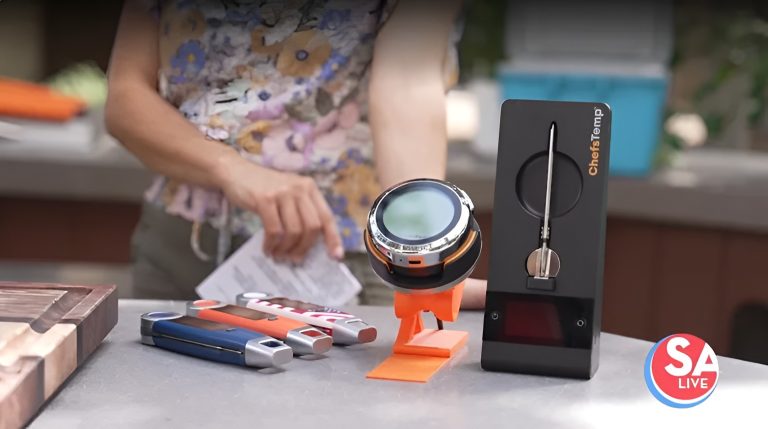
During and after sous vide cooking, an instant-read meat thermometer is a vital tool for checking the food’s internal temperature. It delivers fast, precise temperature readings so you can be sure the food is cooked to perfection.
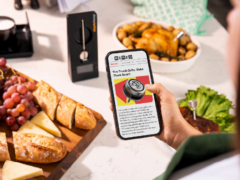
6. Smart Meat Thermometer:
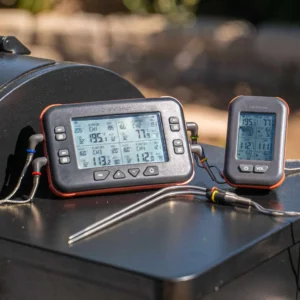
This more sophisticated gadget can establish a Bluetooth or Wi-Fi connection with a smartphone or other devices. It enables real-time updates and notifications on food temperature, enabling
remote monitoring.
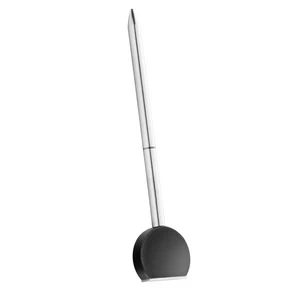
7. Meat Stick Thermometer:
Designed for continuous temperature monitoring, a meat stick thermometer is comparable to a smart thermometer. Specific versions include cloud connectivity, allowing you to monitor and manage the cooking process from a distance.
8. Optional Extras:
Weights or Clips: These keep sous-vide bags submerged in water, ensuring uniform cooking.
9. Heatproof Surface or Mat:
Offers defence against heat from sous-vide setups on your counters or other surfaces.
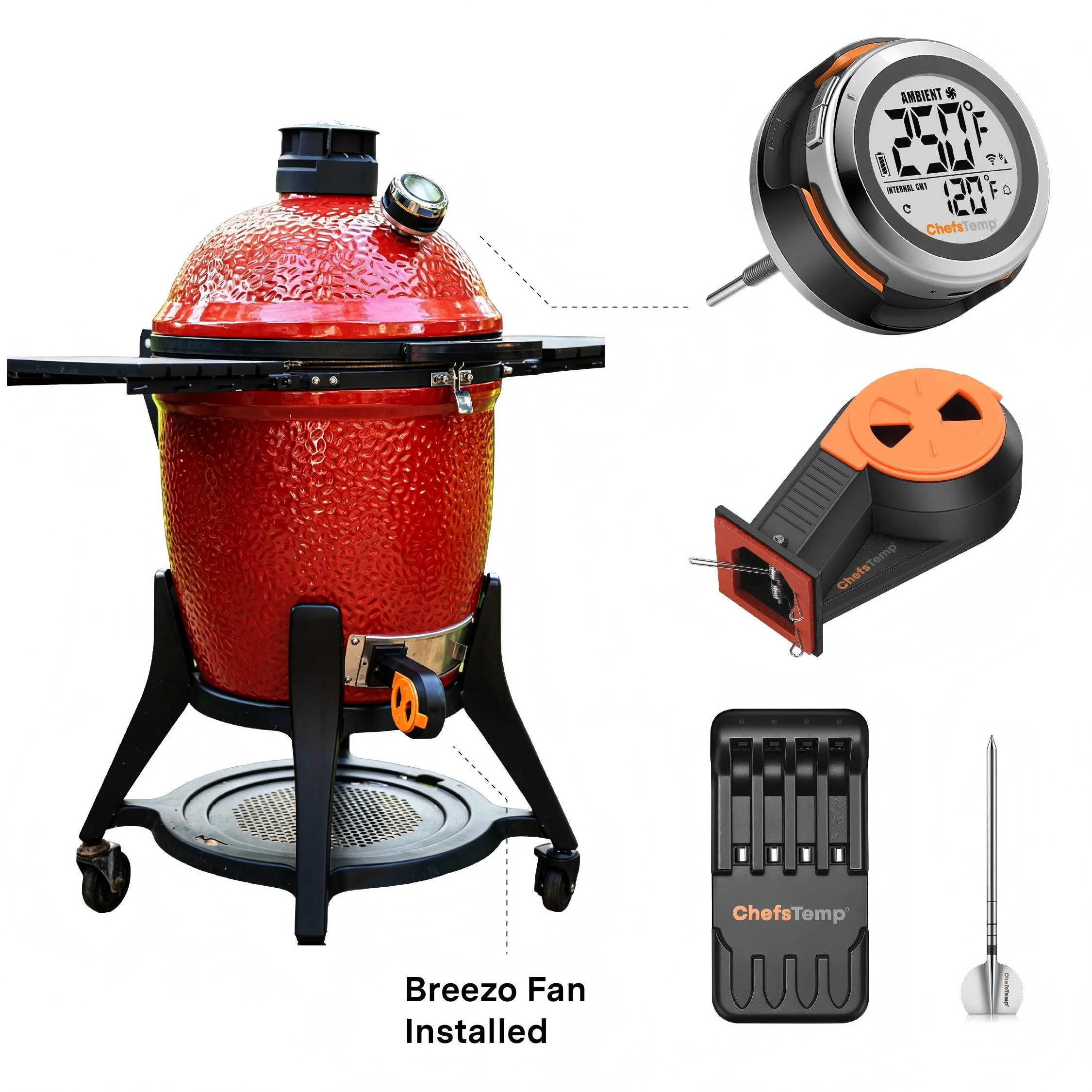
Discover Precision Cooking with ChefsTemp’s Best Meat Thermometers!
Are you ready to elevate your culinary skills and achieve perfection in every dish? Look no further than
ChefsTemp for the ultimate selection of top-notch meat thermometers!
Get Yours Now! Visit our website today and embark on a journey of precision cooking with our best-in-class meat thermometers!