Food safety is one of the most important aspects that food business owners have to think about. In particular, a commercial kitchen must have proper guidelines in place to ensure real-time temperature monitoring of food items and supplies. This is a crucial step to ensure the safety of the consumers of the food being served at the restaurant.
 Knowing the purpose of a real-time monitoring system for food, it’s clear to see why they are a must for restaurants and food businesses. Food safety is at the top of that list. Certain types of bacteria and food contaminants can thrive under certain conditions. This is why maintaining the optimum temperature for food items is the first step in making sure that these bacteria do not make their way into the food you are serving customers.
Temperature monitoring is also the basis of most food safety practices worldwide. This is just one step that you can take to maintain food safety to the highest standard in your restaurant.
It is also a practical measure for food business owners because proper temperature monitoring can significantly reduce product loss. When food is no longer safe to consume, the best course of action is to throw it away. The less food you throw away, the more profits you will gain from your food business.
Moreover, it is important to emphasize the need for real-time monitoring. You want to be able to catch any issues or any inefficiency in your food preparation and handling methods before food is sent out and consumed by the customer. When this happens, it is already too late and you have put your customers’ lives at risk. Real time monitoring is a preventive step to keep everyone safe.
Knowing the purpose of a real-time monitoring system for food, it’s clear to see why they are a must for restaurants and food businesses. Food safety is at the top of that list. Certain types of bacteria and food contaminants can thrive under certain conditions. This is why maintaining the optimum temperature for food items is the first step in making sure that these bacteria do not make their way into the food you are serving customers.
Temperature monitoring is also the basis of most food safety practices worldwide. This is just one step that you can take to maintain food safety to the highest standard in your restaurant.
It is also a practical measure for food business owners because proper temperature monitoring can significantly reduce product loss. When food is no longer safe to consume, the best course of action is to throw it away. The less food you throw away, the more profits you will gain from your food business.
Moreover, it is important to emphasize the need for real-time monitoring. You want to be able to catch any issues or any inefficiency in your food preparation and handling methods before food is sent out and consumed by the customer. When this happens, it is already too late and you have put your customers’ lives at risk. Real time monitoring is a preventive step to keep everyone safe.
 Below are some additional safety tips for food temperature monitoring:
What Is Real-Time Temperature Monitoring?
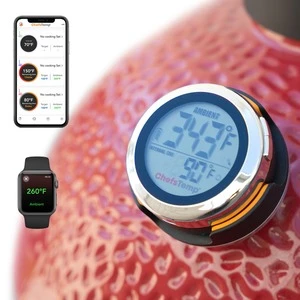
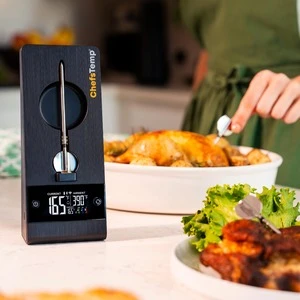
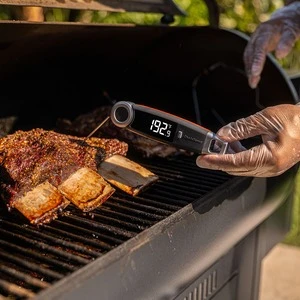
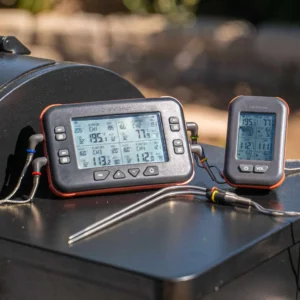
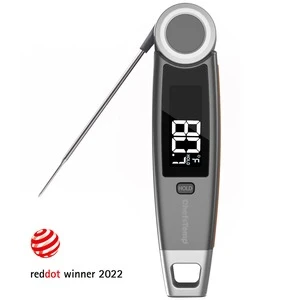
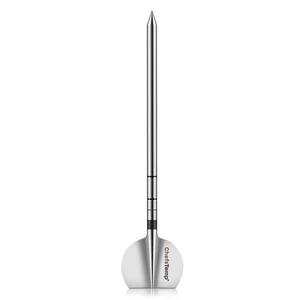
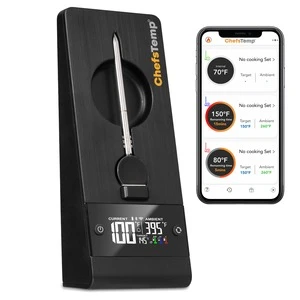
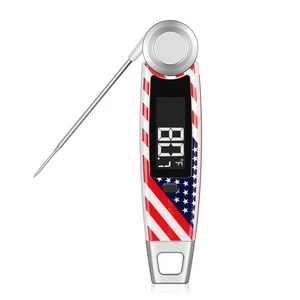
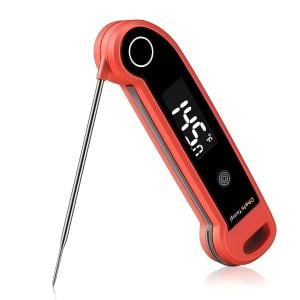
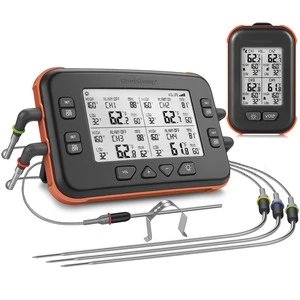
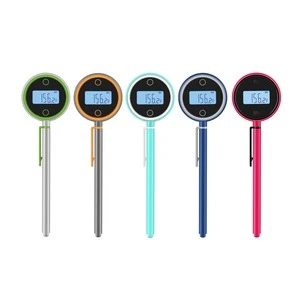
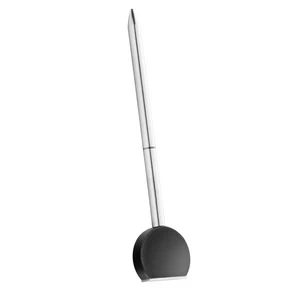
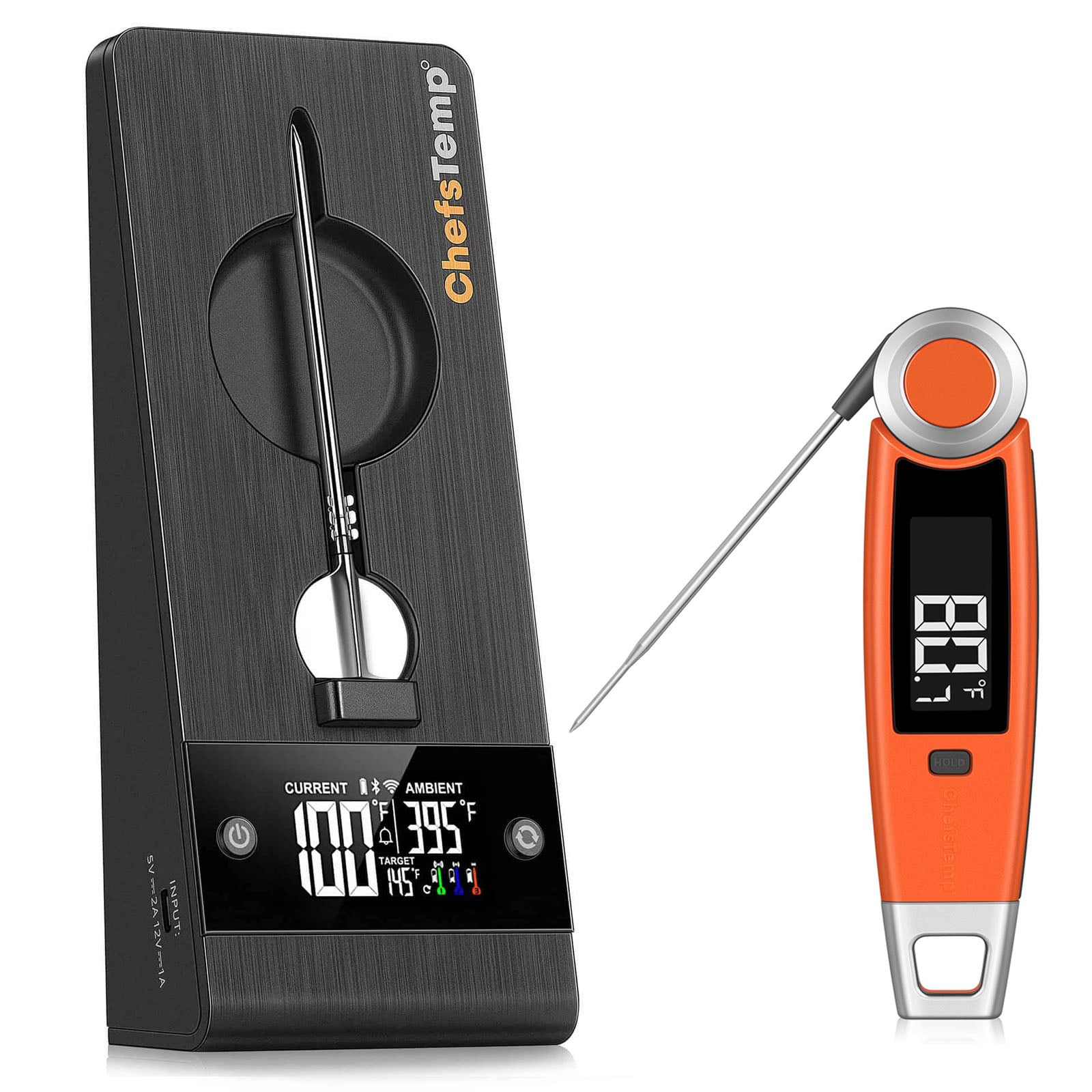
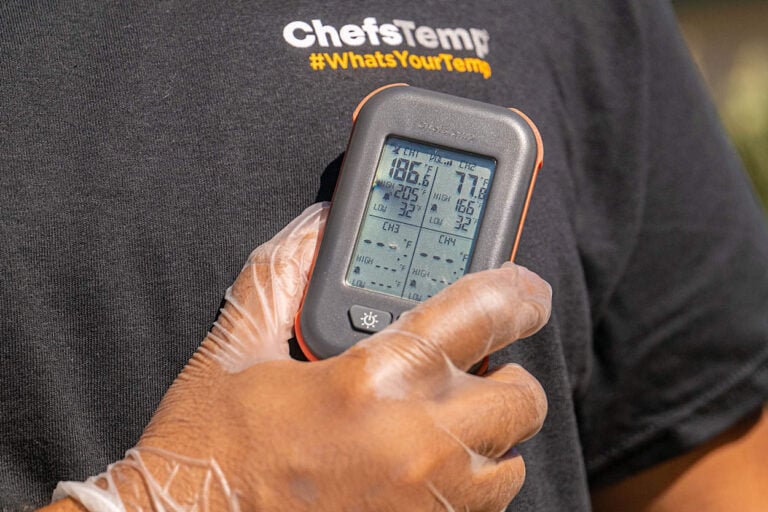
Real time monitoring of food temperature is a standard operating procedure in food businesses such as restaurants and food delivery services. It is a system developed to minimize the potential for human error in terms of handling and storing food by making sure that the optimum recommended temperature is maintained. In a busy kitchen, it can be difficult for your staff to properly monitor when certain food items are taken out and whether or not they are stored in the proper temperature. But how does this monitoring system work? Advancements in technology have made real-time monitoring possible, either through the use of handheld thermometers for manual temperature checking, or through wireless sensors. You can choose the ideal system to use depending on your needs and the capacity of your food storing and handling requirements. The manual temperature monitoring for your staff can be performed with the use of wireless hand probes. This is recommended when performing quality and line checks at your restaurant or any food business. The wireless hand probes help to check and verify the temperature of the food items before they are served to customers. These probes are designed to provide an instant reading so you can check the temperature of the food within seconds. Therefore, you won’t have to worry about real-time temperature monitoring causing any delays to your assembly line. In addition, some wireless hand probes offer the ability to log data so you can review them later on. You can use this technology to keep track of temperature entries so that you can analyze and make corrective actions later, if needed. If there are any problems that occur, you can pinpoint exactly what caused them and take steps to prevent them from happening again in the future. As for the wireless sensors, this is another type of technology employed by food businesses such as restaurants, but in a larger scale. For example, wireless sensors enable you to keep track of temperature in your walk-in freezers, meat drawers, food prep stations, salad stations, and so on. Every step of the food processing and preparation should be properly tracked, temperature-wise, to ensure that you can maintain food safety across all levels. This is why wireless temperature sensors should be incorporated into your real-time temperature monitoring system for your food business.Importance of Real-Time Temperature Monitoring
Knowing the purpose of a real-time monitoring system for food, it’s clear to see why they are a must for restaurants and food businesses. Food safety is at the top of that list. Certain types of bacteria and food contaminants can thrive under certain conditions. This is why maintaining the optimum temperature for food items is the first step in making sure that these bacteria do not make their way into the food you are serving customers.
Temperature monitoring is also the basis of most food safety practices worldwide. This is just one step that you can take to maintain food safety to the highest standard in your restaurant.
It is also a practical measure for food business owners because proper temperature monitoring can significantly reduce product loss. When food is no longer safe to consume, the best course of action is to throw it away. The less food you throw away, the more profits you will gain from your food business.
Moreover, it is important to emphasize the need for real-time monitoring. You want to be able to catch any issues or any inefficiency in your food preparation and handling methods before food is sent out and consumed by the customer. When this happens, it is already too late and you have put your customers’ lives at risk. Real time monitoring is a preventive step to keep everyone safe.
Guidelines for Food Temperature Monitoring
There are several types of food and edible products that you have in your kitchen. It can, understandably, be overwhelming having to keep track of each and every one of these items. However, it is a must if you want to protect your business or avoid any expensive lawsuits. Check out this chart on the minimum internal temperature and rest time for meat products:| Type of Meat | Minimum Internal Temperature | Rest Time |
|---|---|---|
| Ground Meat | 160 °F (71 °C) | N/A |
| Steaks and Roasts | 145 °F (63 °C) | 3 mins |
| Beef, Pork, and Lamb | 145 °F (63 °C) | 3 mins |
| Eggs | 165 °F (74 °C) | N/A |
| Fish and Seafood | 160 °F (71 °C) | N/A |
| Poultry | 165 °F (74 °C) | N/A |
| Smoked or Fresh Ham | 145 °F (63 °C) | 3 mins |
Below are some additional safety tips for food temperature monitoring:
- Keep an eye on your refrigerator temperature at all times.
- Clean and calibrate your thermometers regularly.
- Use a digital thermometer for more accurate readings.
- Regularly train employees on food safety standards and practices, especially with regard to temperature monitoring.
Its Impact on Food Businesses
The recommendation for the use of real time temperature monitoring in food businesses is significant. According to the CDC, there are approximately 48 million people in the US alone who suffer from food-borne illnesses every year (or 1 in 6 Americans). This is alarming data knowing that this is something that could be easily prevented with active monitoring of food temperatures. There is a huge risk involved here as some of these customers could get hospitalized, or even lose their lives. As a food business, you must make it your responsibility to ensure that this does not happen to your customers. There are many technological solutions available out there to help you read and keep track of food temperature in a more accurate and efficient manner. The cost for acquiring these technologies will vary depending on the specific solutions you choose. However, it will pay off in the long run if you can protect the reputation of your business and the health of your consumers.Related Posts
Can Salmon Be Undercooked? The Real Risks and How to Stay Safe
Can salmon be undercooked? Learn the exact temperature rule, spot the warning signs fast, and fix an undercooked fillet before it ruins dinner.
Reheat Food Temp: Guidelines for Food Safety
Whether you cook at home or dine at a restaurant, it's common to save leftovers for later consumption. You spe...

5 Common Food Safety Mistakes and How to Avoid Them
Food products are exposed to various health hazards throughout the supply chain. While technology and health a...
How to Check if Your Meat Thermometer Is Making Accurate Readings
If you have a multi-purpose meat thermometer, you know how precious it is to you. Every time you need to check...
Best Grill Thermometer to Invest In
There is no worse feeling than cutting through a piece of meat and then discovering that the center is still r...
How to Handle Overcooked or Undercooked Meat at a BBQ? Know the Right Temperature!
Whether you are a grilling expert or a newbie standing behind the grill for the very first time, meat can be a...
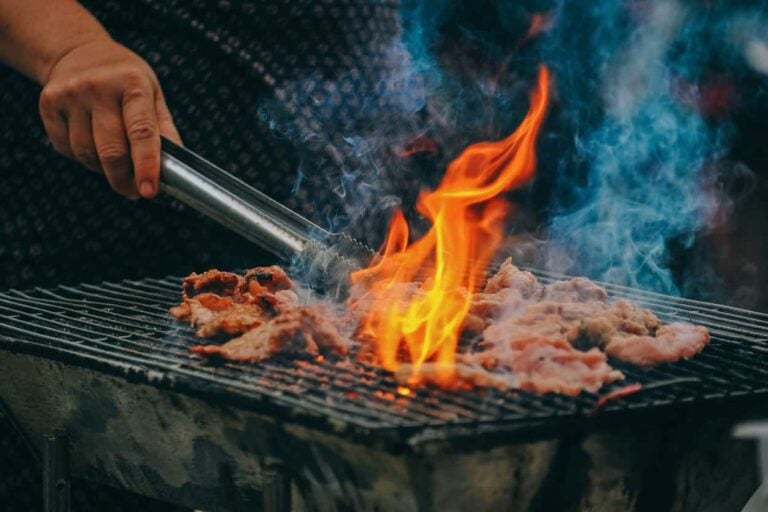
Using a Smoker Thermometer for Accurate Assessment
If you want to cook safe meat, you need the best BBQ thermometer. The best one provides accurate readings over...
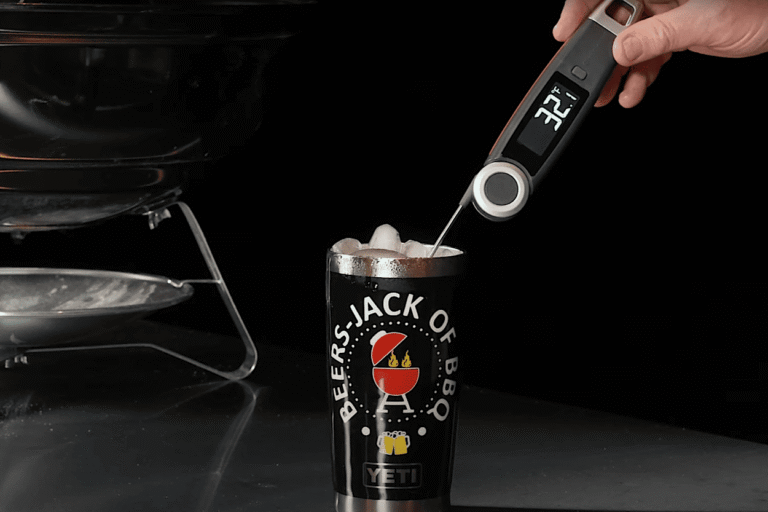
How to Calibrate a Digital Meat Thermometer Like a Pro
Meat thermometers are an invaluable tool in the kitchen. They help to ensure the safety of the food, especiall...
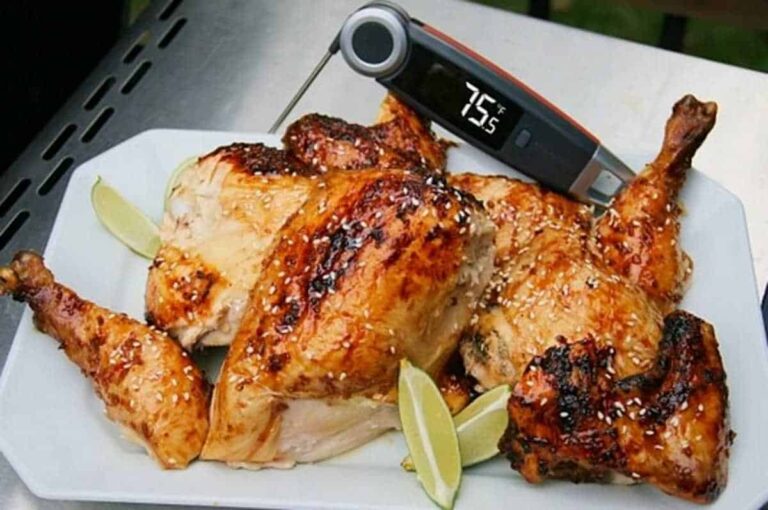
What Kind of Food Thermometer Do You Need – Types of Kitchen Thermometers
If you don’t have a food thermometer in your kitchen, this is a reminder to get yourself one. This is one of t...
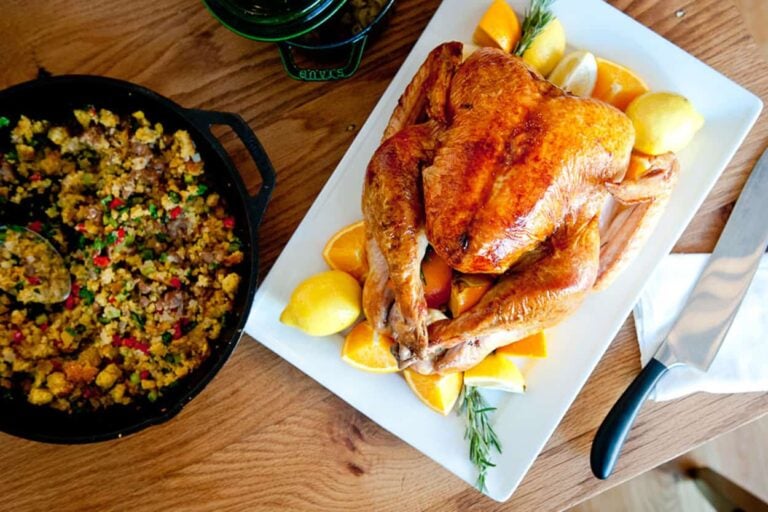
What is the Correct Temperature to Cook Chicken Perfectly?
Unlike other types of protein like beef or pork that can be eaten rare or medium rare, chicken must be cooked ...
How can I test a digital thermometer for accuracy?
Q: How can I test a digital thermometer for accuracy?
A: The easiest way to test the accuracy of any thermome...
Recommended Temperatures
When talking about “doneness” everyone has his or her preference. One man’s “medium rare” is another man’s “ra...