Food products are exposed to various health hazards throughout the supply chain. While technology and health and safety guidelines have made production, farming, distribution, manufacturing, and food processing safer, the threat of foodborne diseases remains. The good news is that you can equip yourself with both knowledge and tools to avoid these food-safety mistakes that cause disease.
Here are some of the most common food safety mistakes you should avoid.
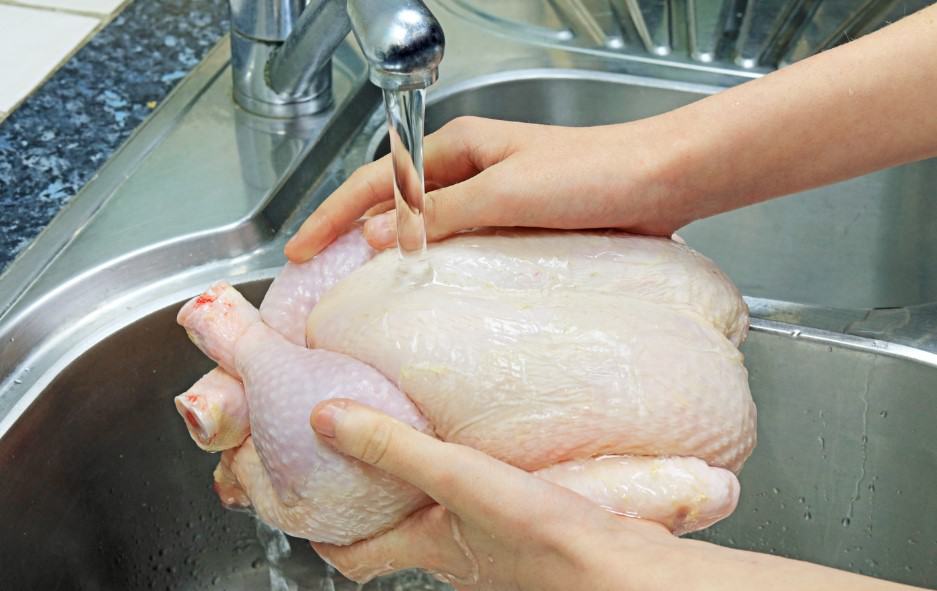
Mistake 1: Washing meat (especially chicken and turkey) before cooking
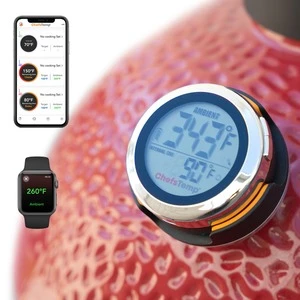
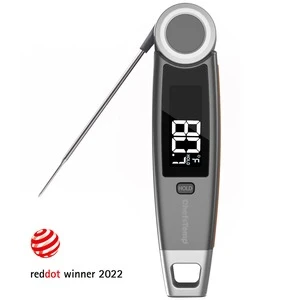
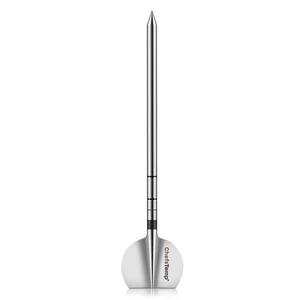
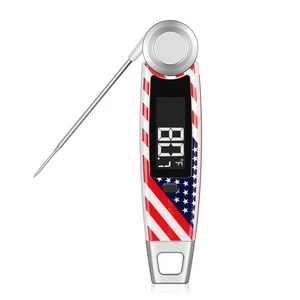
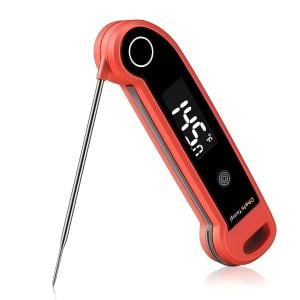
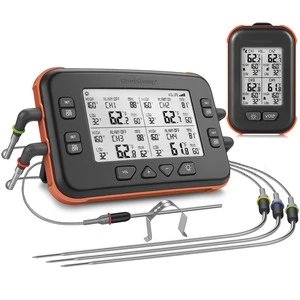
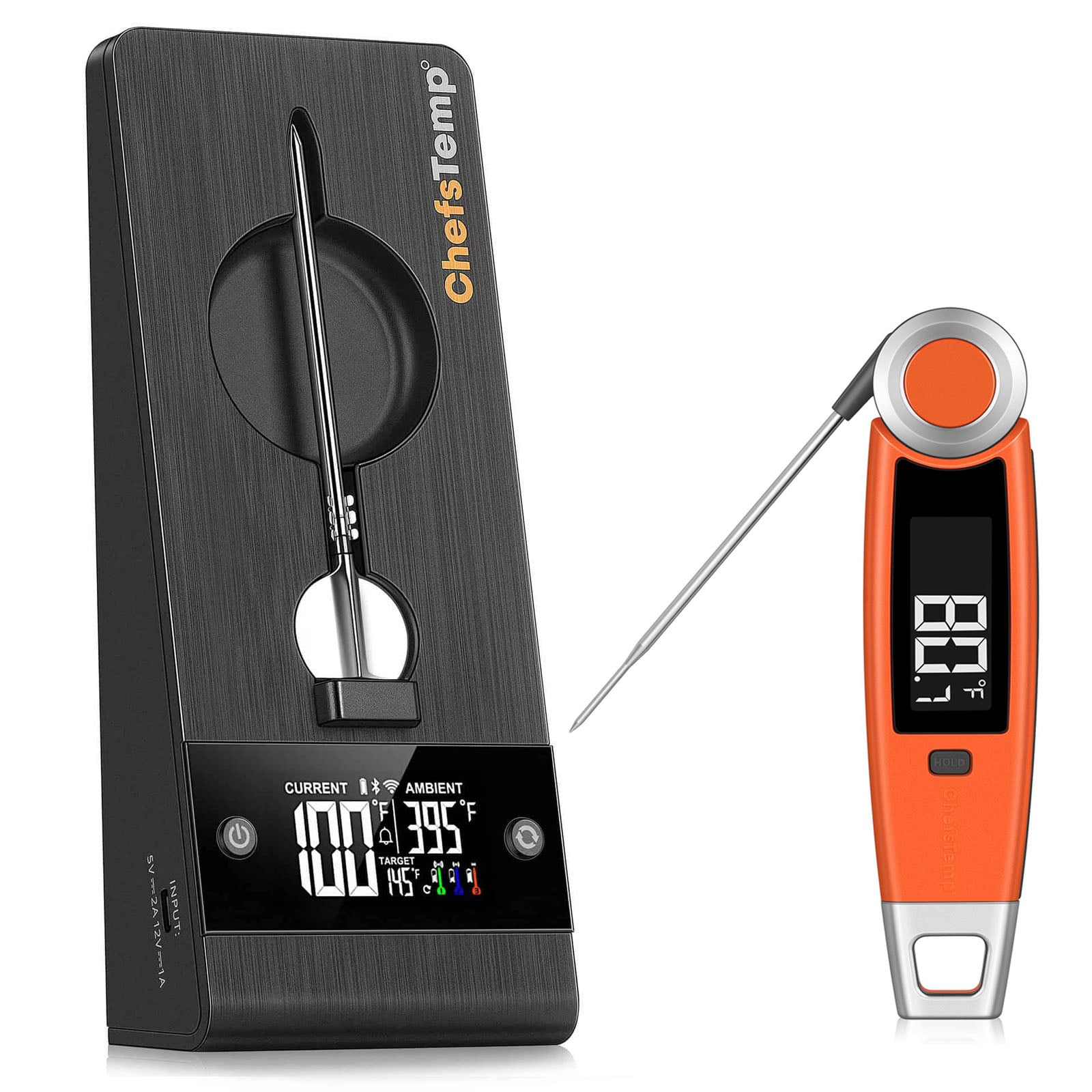
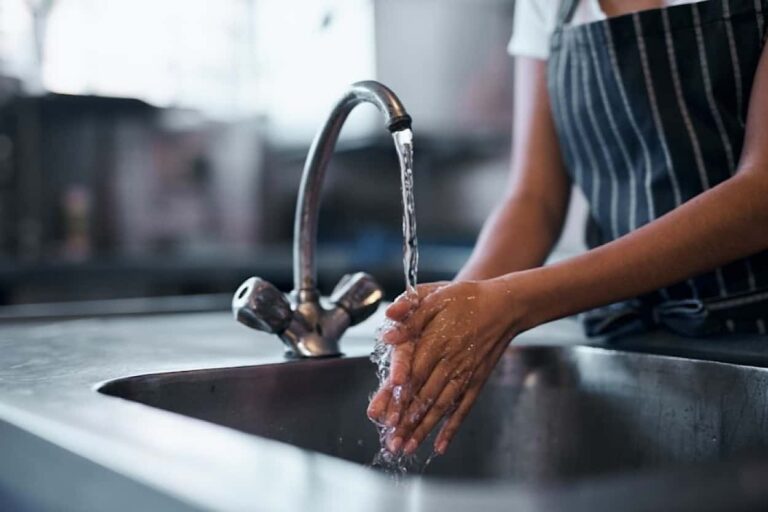
Washing raw meat, especially poultry products like chicken, turkey, and eggs, in your kitchen sink can do more harm than good. Bacteria in raw meat and poultry juices can spread to other food and utensils and splash onto other surfaces in your kitchen that are supposed to be clean, causing cross-contamination. Failure to clean these contaminated products can lead to foodborne illness. “Washing meat” may mean different things to other people. Some wash their meat under running water, while some use strainers. Some place their meat in a container and soak it in water; some even use salt water, vinegar, or lemon juice to “clean” the meat. While washing raw meat can indeed remove dirt, slime, blood, or fur, this was applicable when people slaughtered and prepared their own meat. Modern food safety guidelines don’t require this anymore, as most meat that arrives in your favourite meat shop and grocery stores is cleaned during their processing. Moreover, never use detergent or soap to clean meat or poultry products (eggs). These chemicals can contaminate your food, rendering it unsafe to consume. Solution: Cook your food thoroughly. Washing meat is completely unnecessary today, as cooking (baking, boiling, broiling, frying, grilling, etc.) can kill germs on the meat. Moreover, cooking food thoroughly can ensure food is safe to eat. Since it is impossible to know by touch, feel, or taste whether your meat is cooked all the way through, tools like an efficient thermometer come into play.
Mistake 2: Thawing food and/or marinating it on the counter
Thawing and marinating (meat or seafood) in a plastic bag and leaving it on the counter is a big no-no. Leaving raw meat out at room temperature for a long time (or even a short time) can allow bacteria on the meat to thrive and multiply rapidly. Also, it is important to note that when marinating, the raw meat itself is not the only germ-carrying component; the marinade itself can be just as dangerous. Thus, if you are considering reusing the marinade sauce, make sure you boil it first! That is because the marinade from the raw meat (or seafood) can spread to the new batch of raw meat more rapidly. Solution: Thaw and refrigerate marinated raw meat. The cold temperature inside the fridge can significantly slow down the spread of bacteria.Mistake 3: Eating raw dough (or other food with raw eggs)
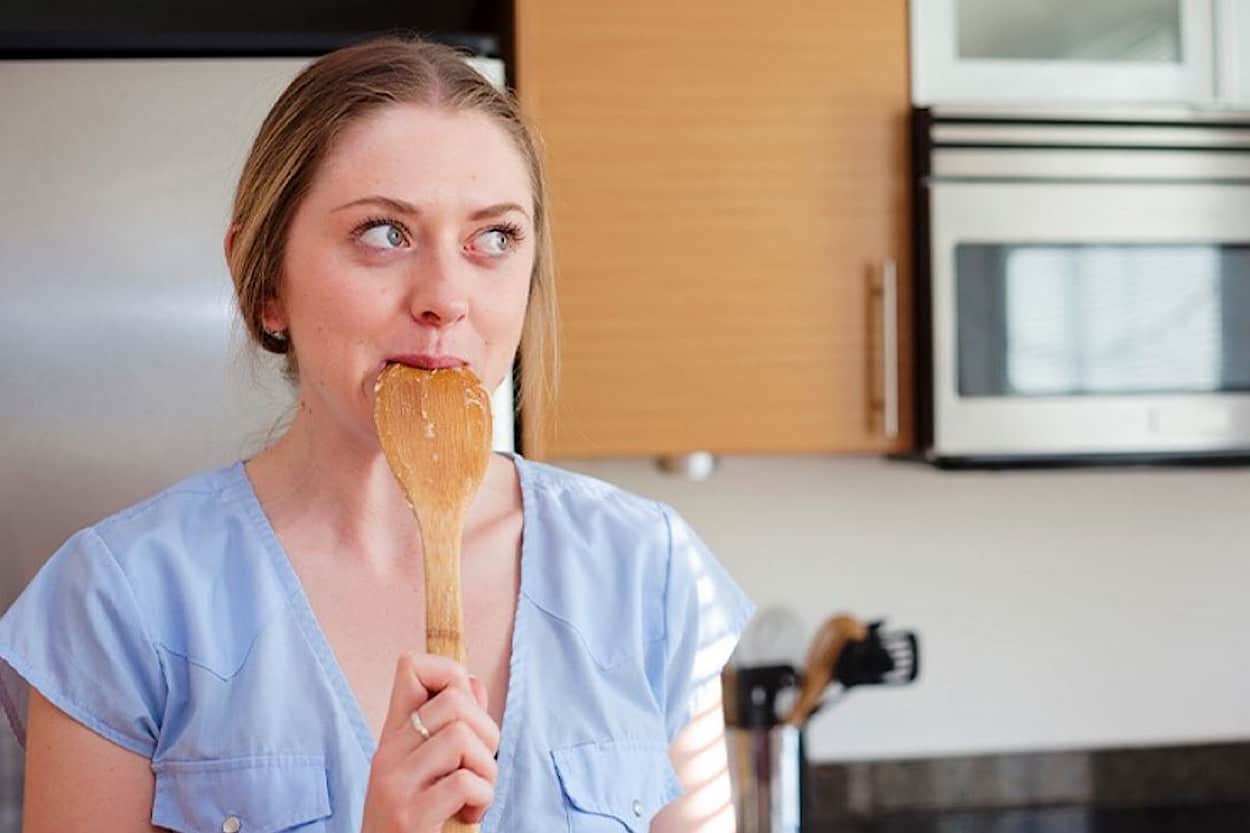
Eating raw cookie dough, raw butter, or dough (or anything containing uncooked eggs or flour) can expose you to harmful bacteria, such as Salmonella, that can cause food poisoning. Characterised by diarrhoea, vomiting, and abdominal cramping, Salmonella infection can start at about 12 hours after consuming raw and contaminated food and last up to four to seven days. Severe cases of this infection can lead to hospitalisation to prevent sepsis, a widespread bacterial infection. While the odds of contracting Salmonella infection are relatively small today, it is still possible. As a matter of fact, the U.S. Food and Drug Administration (FDA) reported that there are about 1.35 million reports of illness per year in the United States, and 420 of them die. Children, pregnant women, and people with a compromised immune system should never eat raw cookie dough. Solution: Avoid eating raw dough. If you can’t resist it, there are many safe and edible cookie dough products available on the market.Mistake 4: Not washing fruits and veggies before peeling
While farming and fruit and vegetable production have significantly improved over the past couple of decades, it is still possible for germs to thrive on the surfaces of these products. Raw fruits and vegetables must be thoroughly washed before peeling, cutting, eating, or cooking to avoid germs (especially disease-causing foodborne bacteria like E. coli, Listeria, and Salmonella) on the outside from contaminating the inside when you peel or cut them. Solution: Wash produce thoroughly before peeling, cutting, or eating. Use clean potable water when washing. For produce with thicker skin, use a brush to help remove harmful microbes.
Mistake 5: Not cooking meat thoroughly (including chicken, turkey, seafood, eggs, etc.)
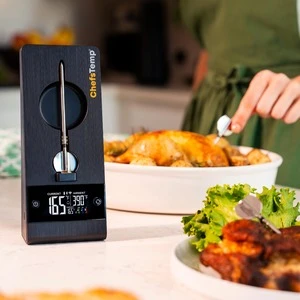
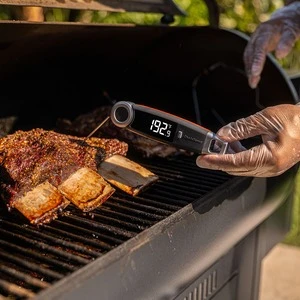
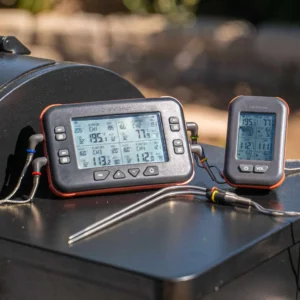
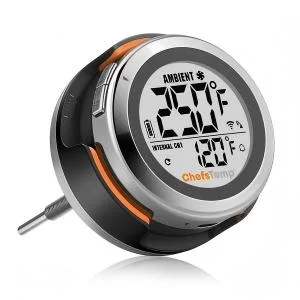
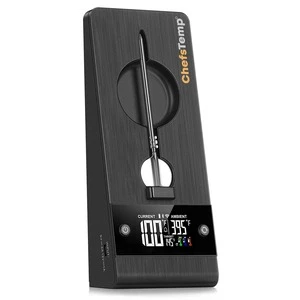
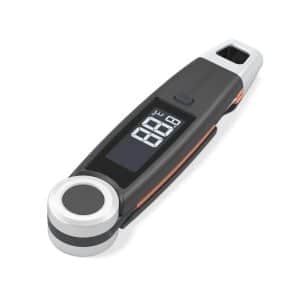
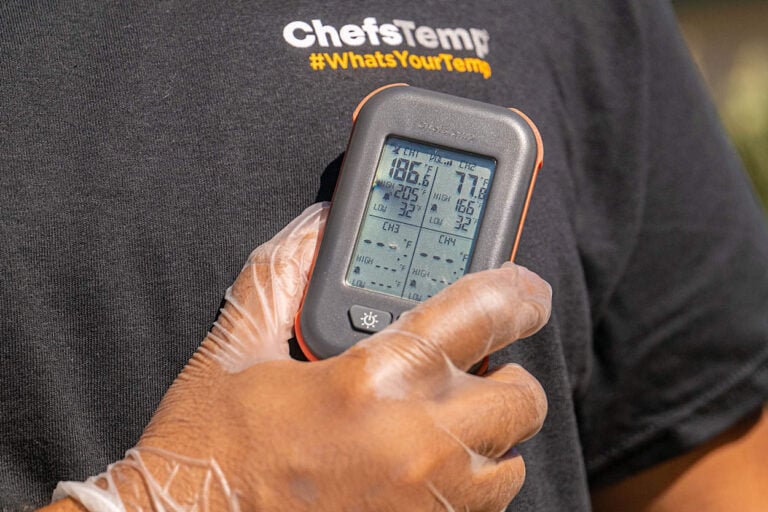
All raw meat, regardless of the source, carries harmful bacteria that can cause food poisoning. While whole cuts of meat like beef and steak can harbour bacteria only on the outside, pork and poultry products can harbour bacteria throughout the meat. You need to kill these harmful bacteria by cooking the meat to the right temperature for the specified amount of time. While you can eat meats (whole beef joints, beef steaks, lamb chops, etc.) medium rare, other meats and fish must be cooked all the way through for safety reasons. Solution: Again, you may need superpowers to confidently say the food you are cooking is cooked through. Or you can just use an infrared food thermometer for an accurate reading and a thorough understanding of the correct temperatures that kill germs in various types of food, or a meat thermometer to determine doneness. Moreover, understand that different types and cuts of meat have different internal cooking temperatures. Familiarise yourself with these to ensure the safety of your family and friends. You can stick a meat temperature chart magnet on the refrigerator or grill to check the temperature at any time.The Takeaway
Avoid these five common food safety mistakes to ensure the health and safety of your family and friends.Related Posts
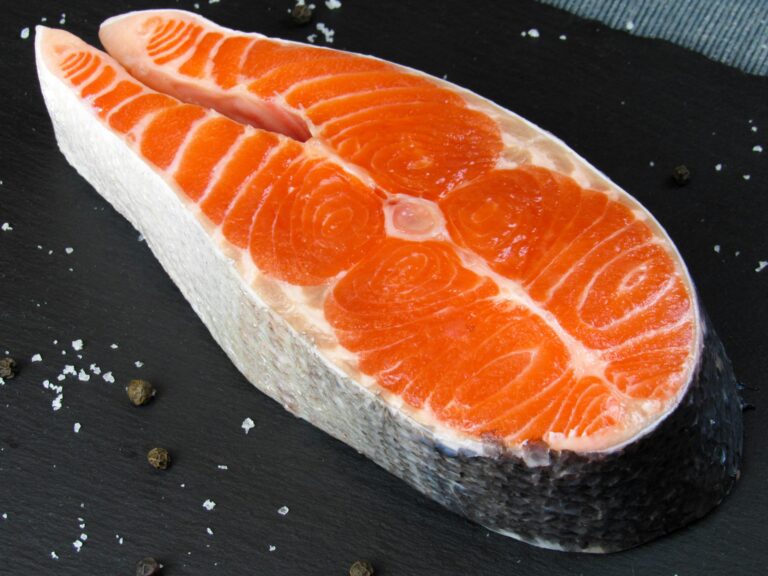
Can Salmon Be Undercooked? The Real Risks and How to Stay Safe
Can salmon be undercooked? Learn the exact temperature rule, spot the warning signs fast, and fix an undercooked fillet before it ruins dinner.
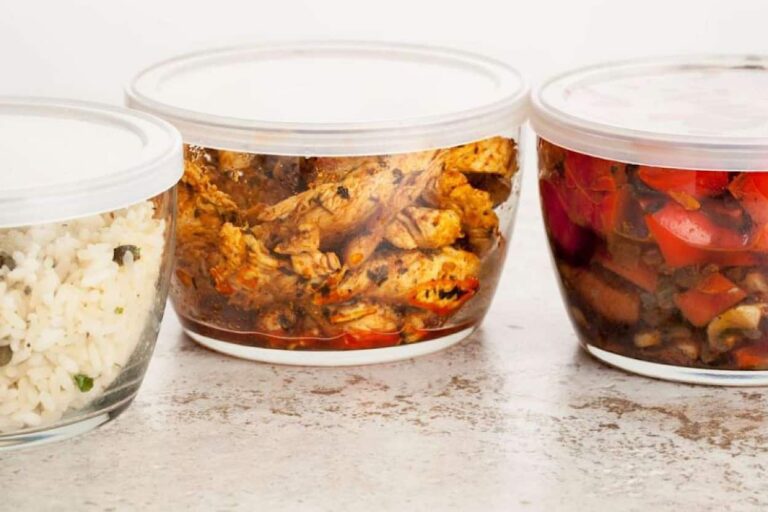
Reheat Food Temp: Guidelines for Food Safety
Whether you cook at home or dine at a restaurant, it's common to save leftovers for later consumption. You spe...
Infrared Thermometer: How to Use
An infrared thermometer has many uses. It is an invaluable tool in the kitchen for measuring food and cooking ...
Are Infrared Thermometers Safe?
The pandemic saw a surge in the popularity of infrared thermometers. It is quick, contactless, and convenient,...
The Advantages and Disadvantages of Infrared Thermometers
Before they became popular in the medical field, infrared thermometers were already used for a wide variety of...
What Is Real-Time Temperature Monitoring and Why Does Your Food Business Need It?
Food safety is one of the most important aspects that food business owners have to think about. In particular,...
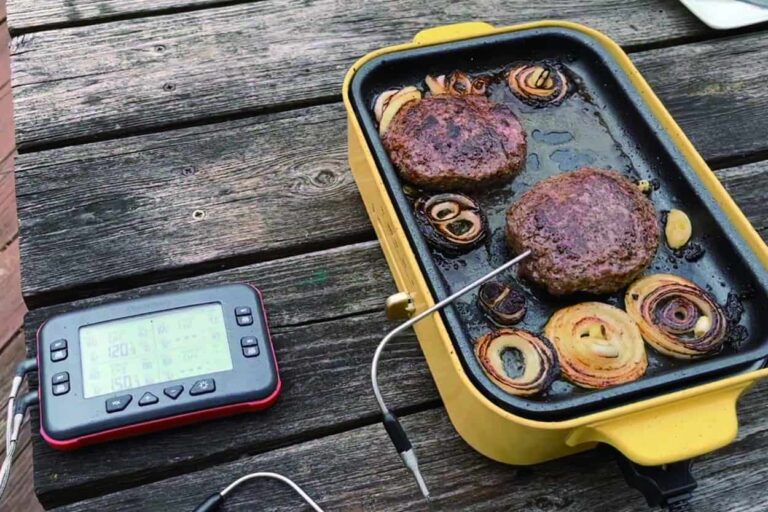
Best Grill Thermometer to Invest In
There is no worse feeling than cutting through a piece of meat and then discovering that the center is still r...
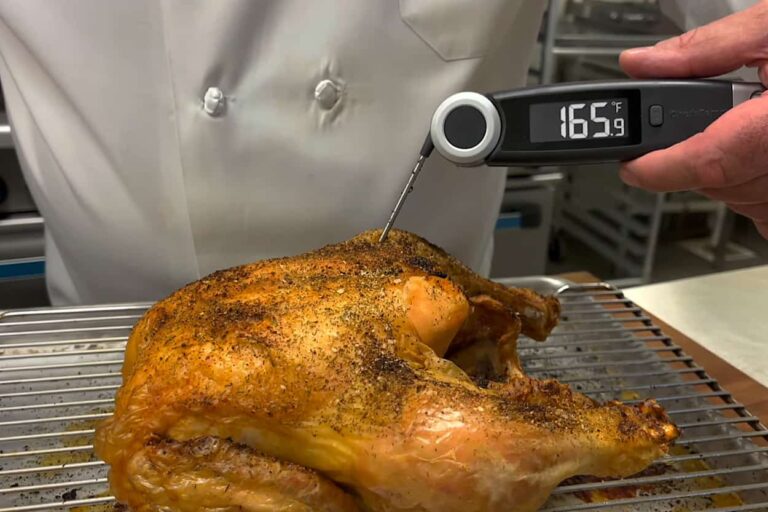
Things to Consider When Buying a Digital Food Thermometer
Cooking can be easy and satisfying when you have the right tools in your kitchen. Whether a regular cook or a ...
How to Handle Overcooked or Undercooked Meat at a BBQ? Know the Right Temperature!
Whether you are a grilling expert or a newbie standing behind the grill for the very first time, meat can be a...
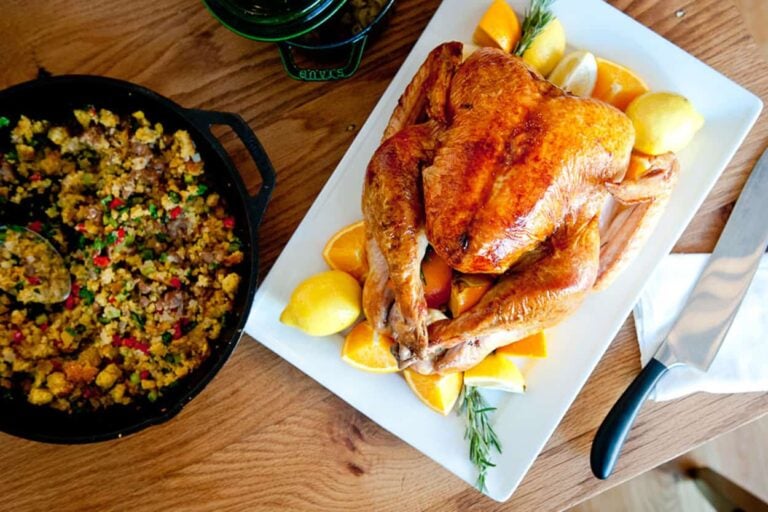
What is the Correct Temperature to Cook Chicken Perfectly?
Unlike other types of protein like beef or pork that can be eaten rare or medium rare, chicken must be cooked ...
Recommended Temperatures
When talking about “doneness” everyone has his or her preference. One man’s “medium rare” is another man’s “ra...
What are the Food Hygiene Ratings?
Have you ever been excited to try a new restaurant and then been disappointed by the lack of cleanliness? It c...