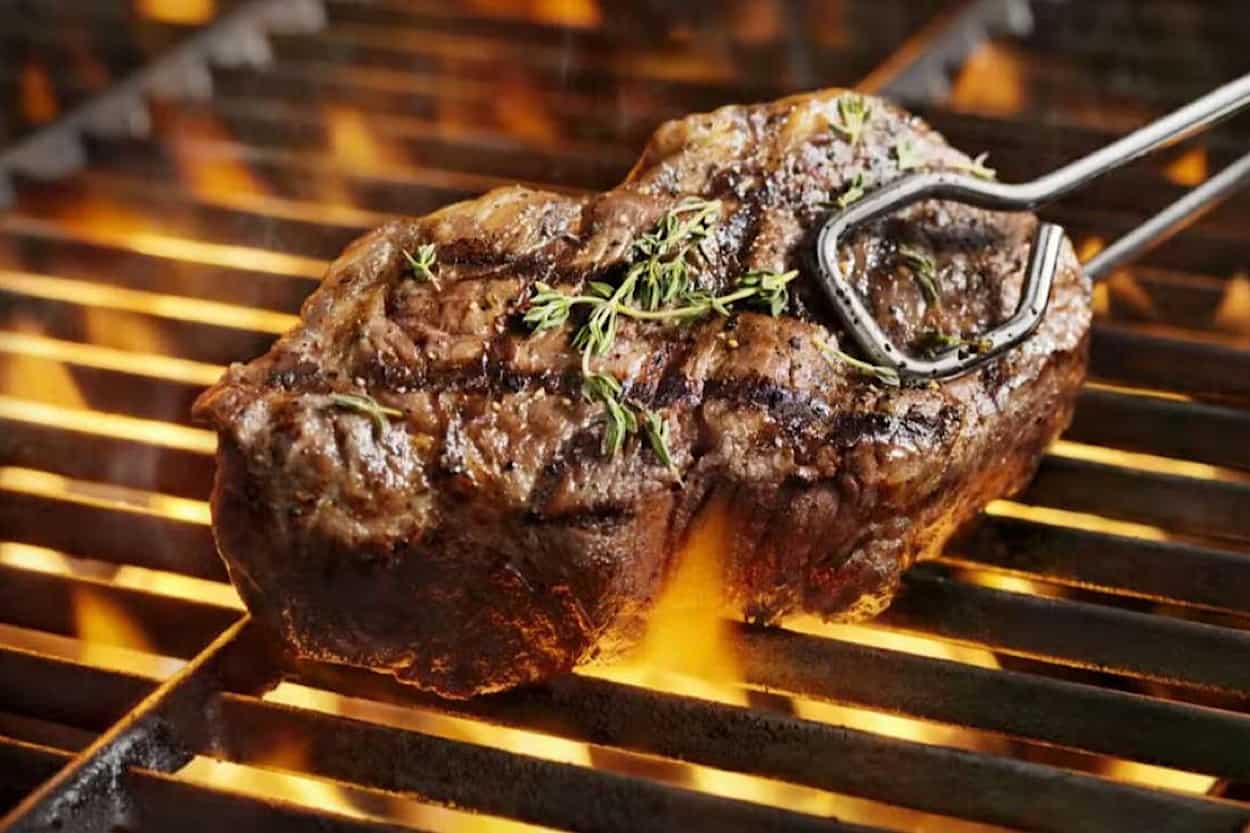
Cooking involves transferring energy from the heat source to the food. The energy transfer causes chemical and physical changes to the food, making it safe for consumption. But aside from the heat, another vital variable you always have to consider when cooking is time. Often, people short on time crank up the heat/temperature to speed up the process. But is that optimal or safe? This guide covers everything you need to know about cooking time vs. temperature.
But can you cook something
at a lower temperature for a more extended period?
Yes, absolutely. Generally, when you cook, or specifically when you bake, something at a lower temperature, you are increasing the cooking time. The good thing about this method is that you can cook the food more evenly, especially on the inside. Whatever you cook at a lower temperature will come out softer and be less likely to overcook.
Baking at a lower temperature, however, increases the risk of undercooking. That is why it is safer to overcook than undercook, even if you sacrifice some of the meat’s quality.
However, you have to familiarise yourself with the time conversion formula. Here is the formula, it’s pretty easy, actually:
Beginning temperature / End temperature = percentage (%) change.
This formula will help you find the correct cooking time by multiplying the initial time by the percentage difference caused by the temperature change.
For example, if you want to cook from 400˚F (200˚C) to 450˚F (230˚C), then that would be:
400 ÷ 450 = 0.89 or 89%.
From here, you can adjust the expected time. Following the example above, if your food takes 50 minutes to cook at 400˚F:
50 minutes x 0.89 = 44.5 minutes.
Part 1. Cooking Time vs Temperature: Which is More Important?
Certain foods require both time and temperature control to ensure safety; these are called time-temperature control (TCS) foods. Many of these types of food are potentially hazardous foods (PHF). Both time and temperature must be thoroughly checked to minimise the growth of pathogenic microorganisms and avoid the production of harmful toxins. Examples of TCS food:- Raw protein/animal meat, poultry, milk, fish, crabs, lobster, shellfish, and heat-treated meat
- All types of raw seed sprouts
- Heat-treated plants
- Cut leaf-greens
- Cut tomatoes
- Garlic-in-oil mixture (except those with commercially prepared acidified products)
Cold holding temperature
41˚F or less: Cold food must be kept at 41˚F or lower.Cooking temperatures
135˚ F: Hot-held food, ready-to-eat food, fruits, vegetables, grains, and legumes (held hot) must be cooked at this temperature. 145˚ F for 15 seconds or more: Raw meat products like beef, lamb, pork, and veal (steaks and chops), whole seafood like fish, and eggs (if served immediately) must be cooked to this temperature for at least 15 seconds. 155˚ F or higher for 15 seconds or more, 150˚ F or higher for one minute, 145˚ F or above for three minutes: Ground meat, ostrich meat, seafood, marinated, injected, or tenderised meats, and eggs, must be cooked at 155 degrees F. Poultry products, stuffed pasta and meats, stuffing that includes meat, and dishes that include previously cooked food must be cooked to 165 degrees F. 165˚ F or higher for 15 seconds or more: Poultry meat, stuffed food products, and stuffing of meat, poultry, and wild game animals. 165 ˚ F – Microwave cooking: TCS must be cooked in the microwave at 165 degrees F, covered, and rotated or stirred throughout the cooking process. Let the food sit for about two minutes before serving. Also, reheated food must reach an internal temperature of at least 165 degrees F for at least 15 seconds. The food needs to get to this temperature as quickly as possible. Warmers, steam tables, or similar equipment don’t heat food rapidly. Please do not use them for reheating. Note that even after cooking, it is essential to keep food out of the temperature danger zone for more than 4 hours to prevent bacterial growth. Also, for storage, food must be cooled from 135˚ F to 70˚ F within a couple of hours, or from 70˚ F to 41˚ F within an additional 4 hours.
Temperature Over Time
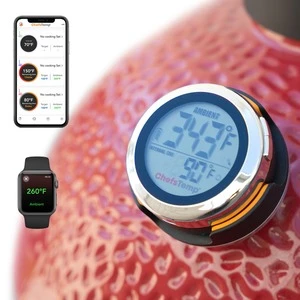
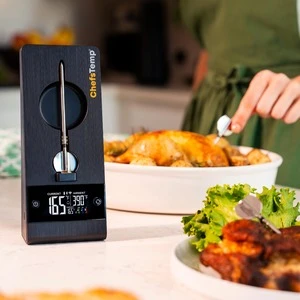
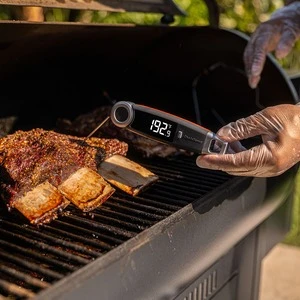
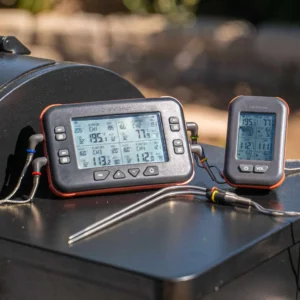
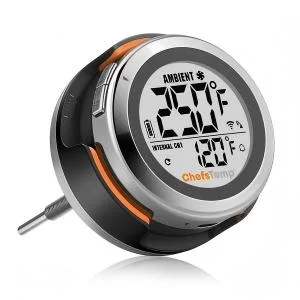
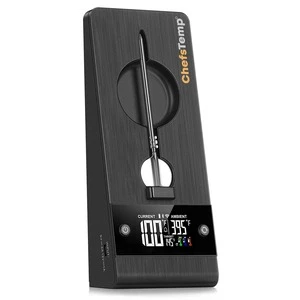
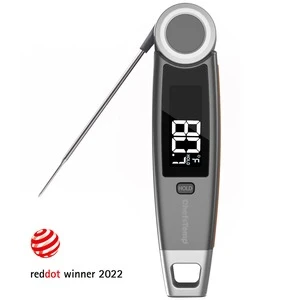
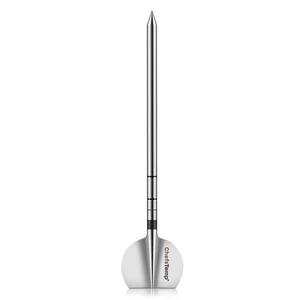
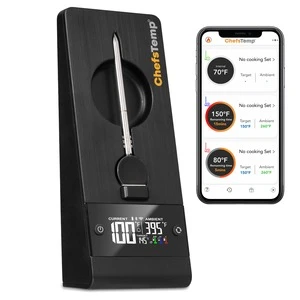
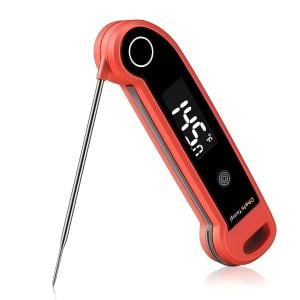
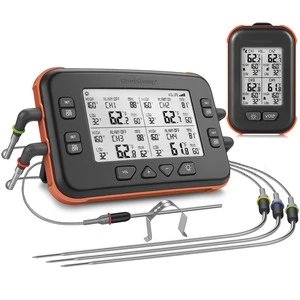
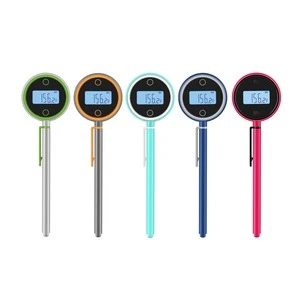
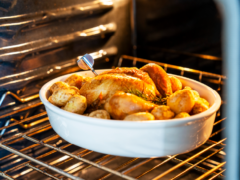
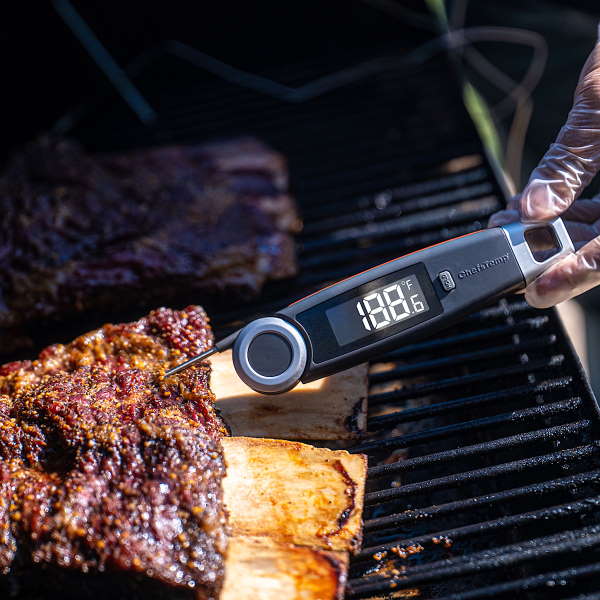
In some cases, you will have to base your cooking on the food’s internal temperature rather than the time indicated on its packaging. Take, for example, the roast chicken. This dish is regularly cooked in many households. The risk of foodborne diseases, such as Salmonella from undercooked chicken, means most roasted chicken cooked at home is overcooked, resulting in dry and dull-looking meat that is difficult to chew. Despite that, different supermarkets still suggest almost the same cooking time for various sizes (and weights) of chicken. This is because supermarkets and meat manufacturers slightly overestimate cooking times to ensure the meat is thoroughly cooked and meets food safety guidelines. In this case, your best point of reference would be the temperature. This is where the benefits of having handy tools like food or meat thermometers come into play. Using food thermometers ensures delicious, juicy, yet safe roasted chicken.Time Over Temperature
Parting Tips
Make sure you leave some safety margin and check earlier than the specified time. So if the calculated time is 44.5 minutes, make sure to check at the 40-minute mark. Also, note that every time you open your oven, you are letting heat out. It will take 5 to 15 minutes for the temperature to adjust again. Thus, you may have to increase the cooking time.Related Posts
Use Proper Cooking Temperatures to Ensure Safe Food
Cooking is one of the most basic household chores. However, it can be easy to mess up your cooking, especially...
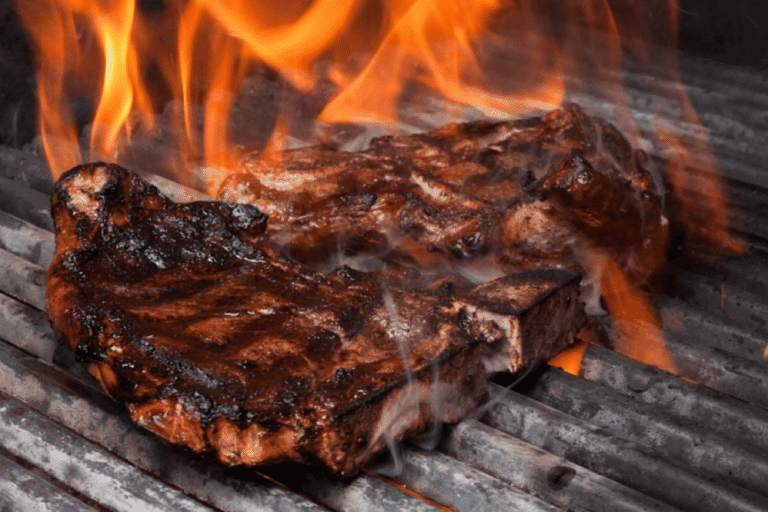
How to Have a Well-Cooked Meat
Meat is a popular part of many dieting plans, as its tasty and satisfying qualities make it an excellent sourc...
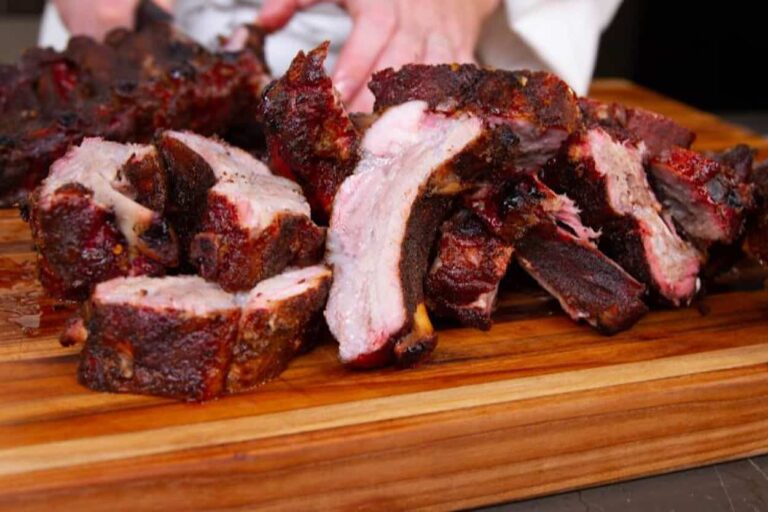
Perfect Temp Smoked Baby Back Ribs
Smoking ribs during a family cookout can be a great way to level up the fun and let your loved ones enjoy the ...
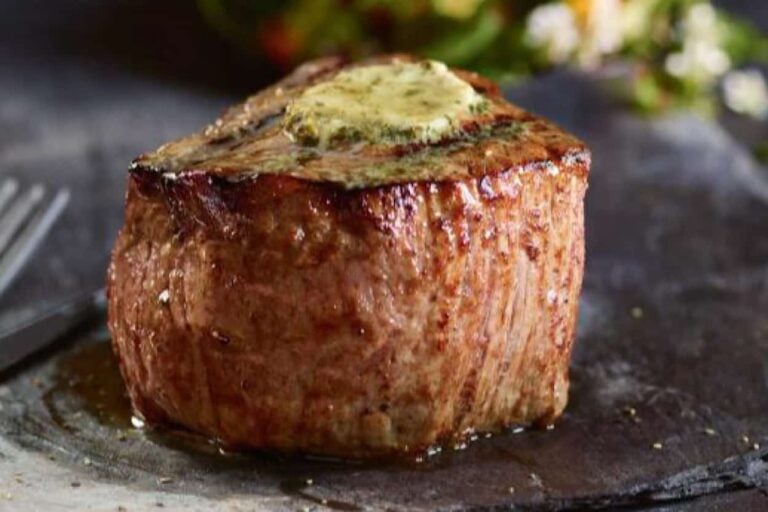
Perfectly Cooked Filet Mignon Prepared Two Ways
Whenever it comes to cooking steaks, most of us would die to have one of the best meat cuts out of the tenderl...
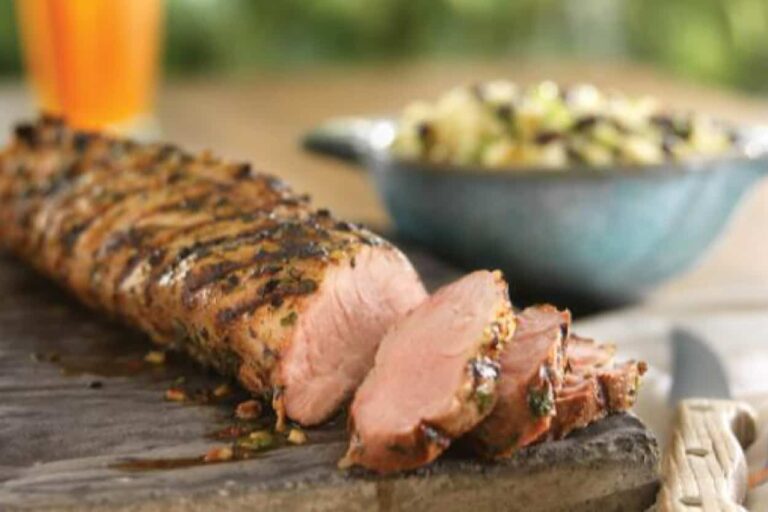
Pork Tenderloin: A Recipe for Perfect Doneness
Apart from many other parts and cuts out of the pig or hog’s body, what people enjoy the most is the tenderloi...
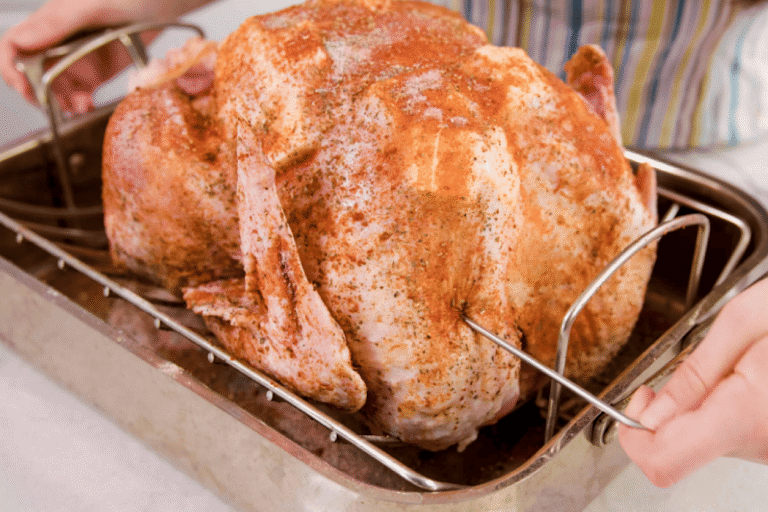
Proper Probe Placement in Your Turkey
On the auspicious occasion of Thanksgiving, every dinner table is decorated with several dishes, with Turkey a...
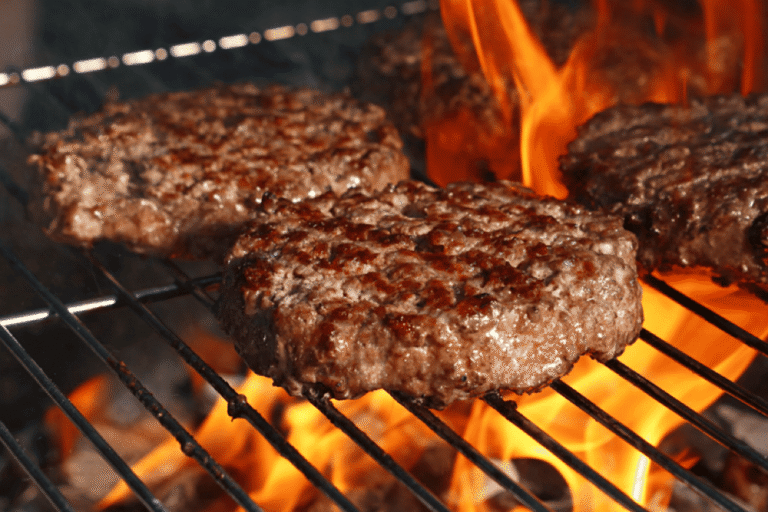
Grilling Hamburgers: A Temperature Guide
You drown in the sight of your kids hopping cheerily in your yard while you try to contain the excitement! Fin...
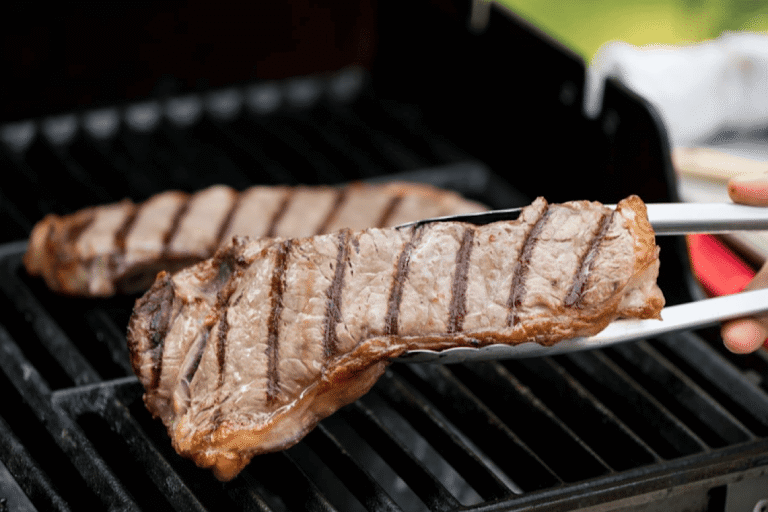
The Chefs Temp Guide to Everything You Need to Know About Steak: Temperatures, Ordering, and Buying
To know about the steak temperature chart, let’s first know what a steak is. A steak is a cut of beef from the...
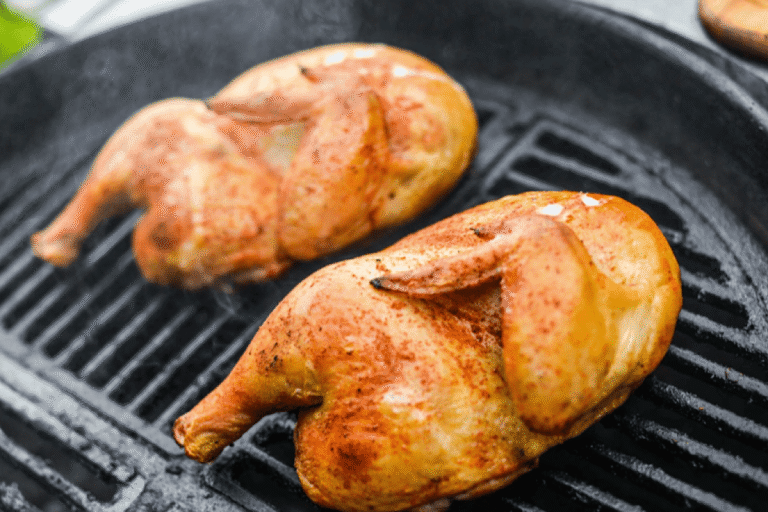
Juicy Goosey Barbecue with ChefsTemp Finaltouch X10
Barbecued goose makes the Christmas celebrations a happy occasion to cherish, but cooking a goose is a little ...
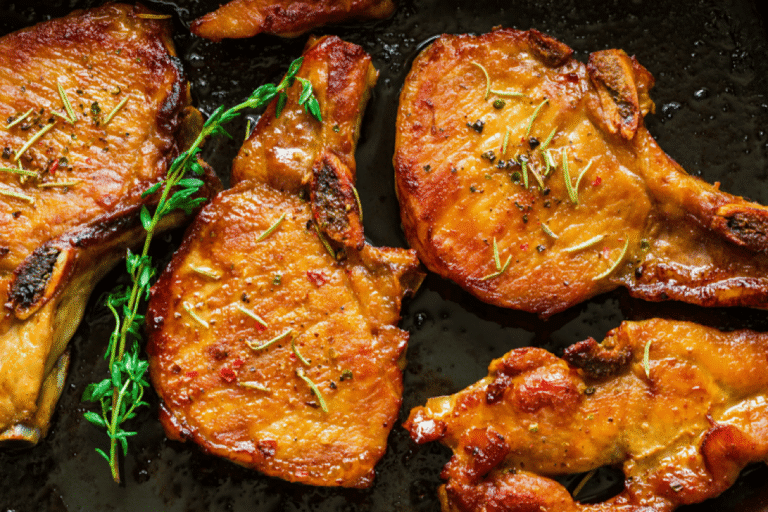
How to Marinated Bone-In Pork Chops and Oven Cooking Them Safely
Bone-in Pork Chops are one of the most flavorful cuts of pork we can cook. They are so flavorful because of th...
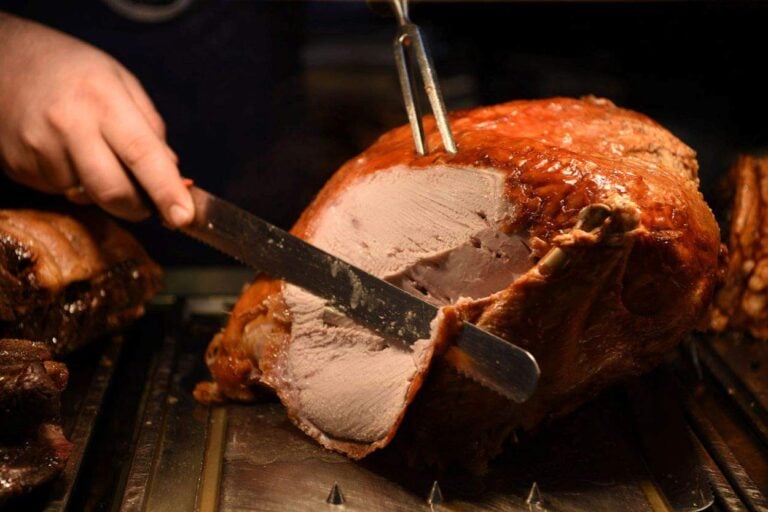
The Best Kitchen Thermometer to Smoke a Whole Turkey
A kitchen thermometer is a must-have for anyone who wants to cook. It allows you to monitor the cooking proces...
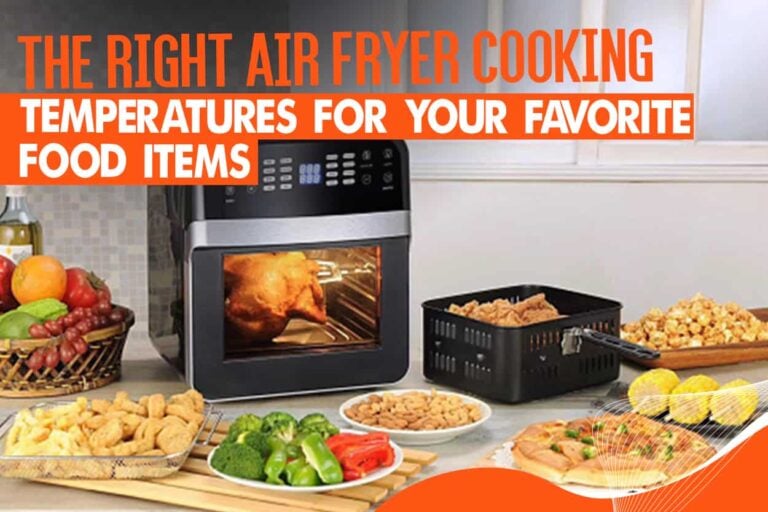
The Right Air Fryer Cooking Temperatures for Your Favorite Food Items
Can't figure out how long to cook your favorite fried meal in an air fryer? In this guide, we've split it down...