Accurate Cooking Temperatures: 5 Mistakes to Avoid in the Thermometer Calibration Process
Any cook, professional or not, must understand the importance of getting the correct temperature to ensure food is safe. The cooking process helps food or meat reach the ideal internal temperature that kills harmful bacteria and other microorganisms. If the bacteria aren’t killed, it could lead to various food-borne illnesses. Therefore, thermometer calibration ensures that you cook food at the correct temperature. Calibration is the process of verifying a thermometer’s accuracy.
Various factors can affect a thermometer’s accuracy. Therefore, it’s not enough to choose the proper calibration process. You must also be aware of ordinary thermometer calibration errors that could affect the performance of this essential kitchen tool. Learn about the five common mistakes you should avoid to get accurate cooking temperatures.
Table of Contents
5 Common Mistakes in Thermometer Calibration
Calibration is necessary to obtain the best, most accurate temperature-reading thermometer. Ensure you get the best results by avoiding these common mistakes.
1. Not Using an Ice Bath
Not using an ice bath is one of the most common mistakes during thermometer calibration. An ice bath is a simple yet effective method for calibrating thermometers that don’t require special equipment. It involves mixing ice and water, then thoroughly blending them to ensure the water is evenly chilled. Then, insert the thermometer into the ice bath, ensuring the sensing area is submerged in the iced water.
Within a few minutes, the thermometer should read 0 °C. If it does not, you should adjust the thermometer accordingly. You must perform this test to ensure your thermometer can accurately read food temperatures. If not, it could be a serious health hazard.
You need to use the ice bath test to determine whether the thermometer is reading higher or lower than it should.

2. Not Using Boiling Water
Another common mistake in thermometer calibration is failing to use the boiling-water method. While the ice bath method checks the thermometer’s accuracy at the freezing temperature, this test checks its accuracy at the boiling temperature. You need to use this method to calibrate the thermometer and ensure it consistently reads the boiling point of water. However, this one is trickier because altitude variations can cause differences in boiling water temperature. Make sure to take that into account when calibrating your thermometer using the boiling-water method.
Always wait for the water to reach a rolling boil before you immerse the thermometer. It should read 100 degrees Celsius. If not, you have to calibrate the thermometer properly; otherwise, it won’t show an accurate reading.
It is an essential step if your cooking requires precise temperature control, such as sous vide or candy making. Even if you are lower by a degree or two, you won’t produce your desired cooking results.
3. Not Allowing the Thermometer to Stabilize
Even if you use the correct method to calibrate the thermometer, you may get inconsistent results or readings if you don’t give it enough time to stabilize. In addition, temperature fluctuations can cause the thermometer to deliver inaccurate readings. Therefore, you should expose the thermometer to the elements for at least a minute or two to give it time to adjust to the temperature.
You must allow the thermometer to stabilize before taking a reading to avoid inaccurate readings. The ideal time to submerge the thermometer to get a proper reading is from at least 30 seconds up to a minute. But it varies according to the type of food you’re measuring!
To be safe, let the thermometer sit for a while before taking it out and checking the reading.
4. Not Calibrating Regularly
One common mistake in the thermometer calibration process is failing to perform regular calibration. Consistent wear and tear, as well as other factors, can affect the thermometer’s performance and its ability to read temperatures accurately. In addition, these factors can cause the calibration to drift over time.

There are a few things to consider when determining the frequency of thermometer calibration. If you are not using thermometers frequently, they must be calibrated regularly to ensure all parts function correctly and read temperatures accurately. Ideally, you must calibrate your thermometer once a month. But if you use it frequently, you must calibrate it more often, especially after dropping it.
There is no harm in calibrating your thermometer often. However, it’s encouraged to ensure that the thermometer works as it should.
5. Not Properly Cleaning the Thermometer
When was the last time you cleaned your kitchen thermometer? If you haven’t, it’s time to clean it because it can also affect how accurately (or not) it reads temperature.
Proper cleaning is essential in maintaining the accuracy of your kitchen thermometer. Food residue and other particles can accumulate in the sensing area, affecting its ability to measure temperature. Cleaning the thermometer can help remove debris and ensure the sensing area is working correctly.
It’s easy to clean a thermometer by washing it with warm, soapy water. First, thoroughly rinse the thermometer and sanitize it with a water-and-vinegar mixture (use one part vinegar to three parts water).
Cleaning your thermometer is crucial not only for getting accurate temperature readings. It is also a critical sanitation step to prevent cross-contamination while cooking, especially when inserting the thermometer into the meat. Cross-contamination can also lead to various foodborne illnesses, which you can avoid by diligently cleaning this kitchen tool.
Conclusion
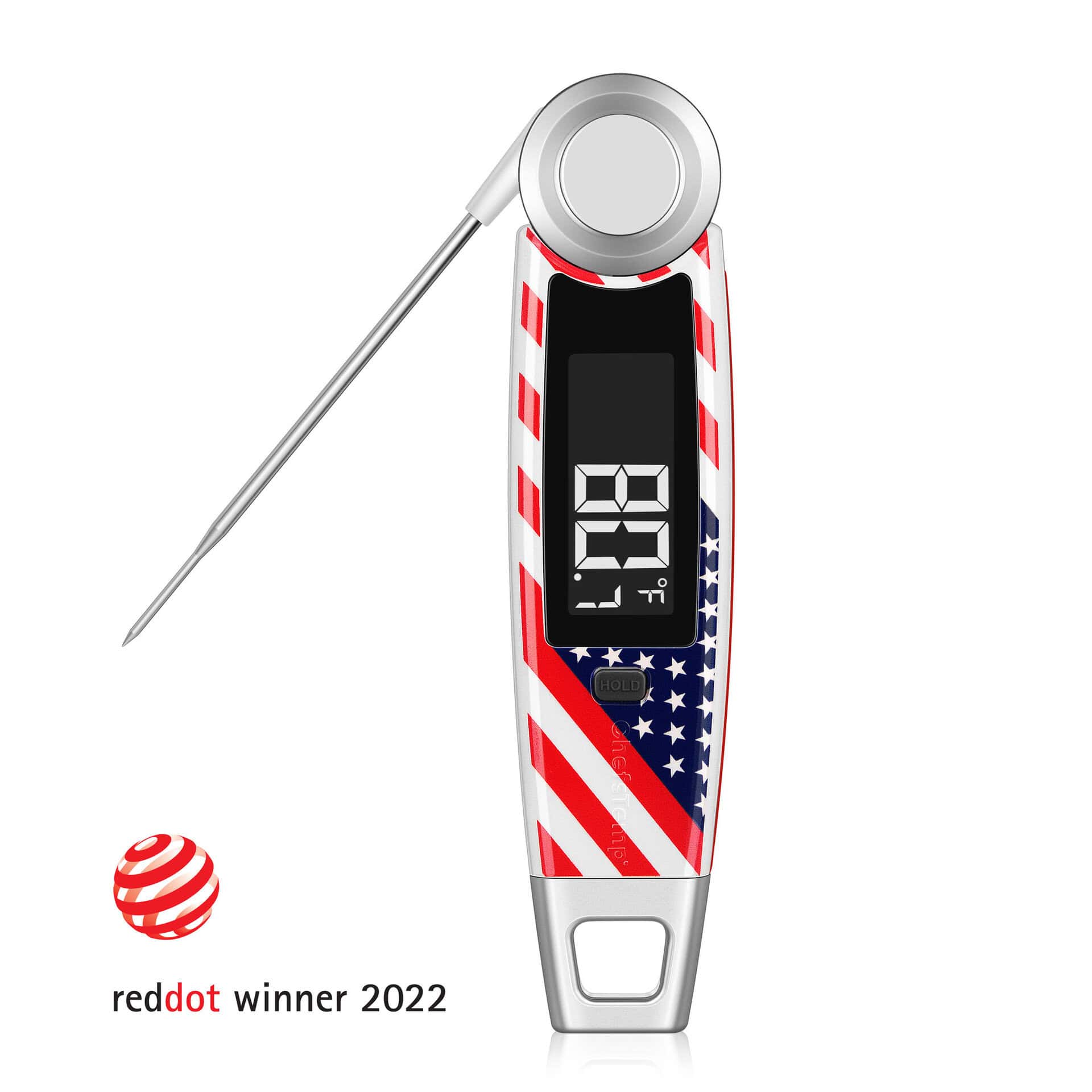
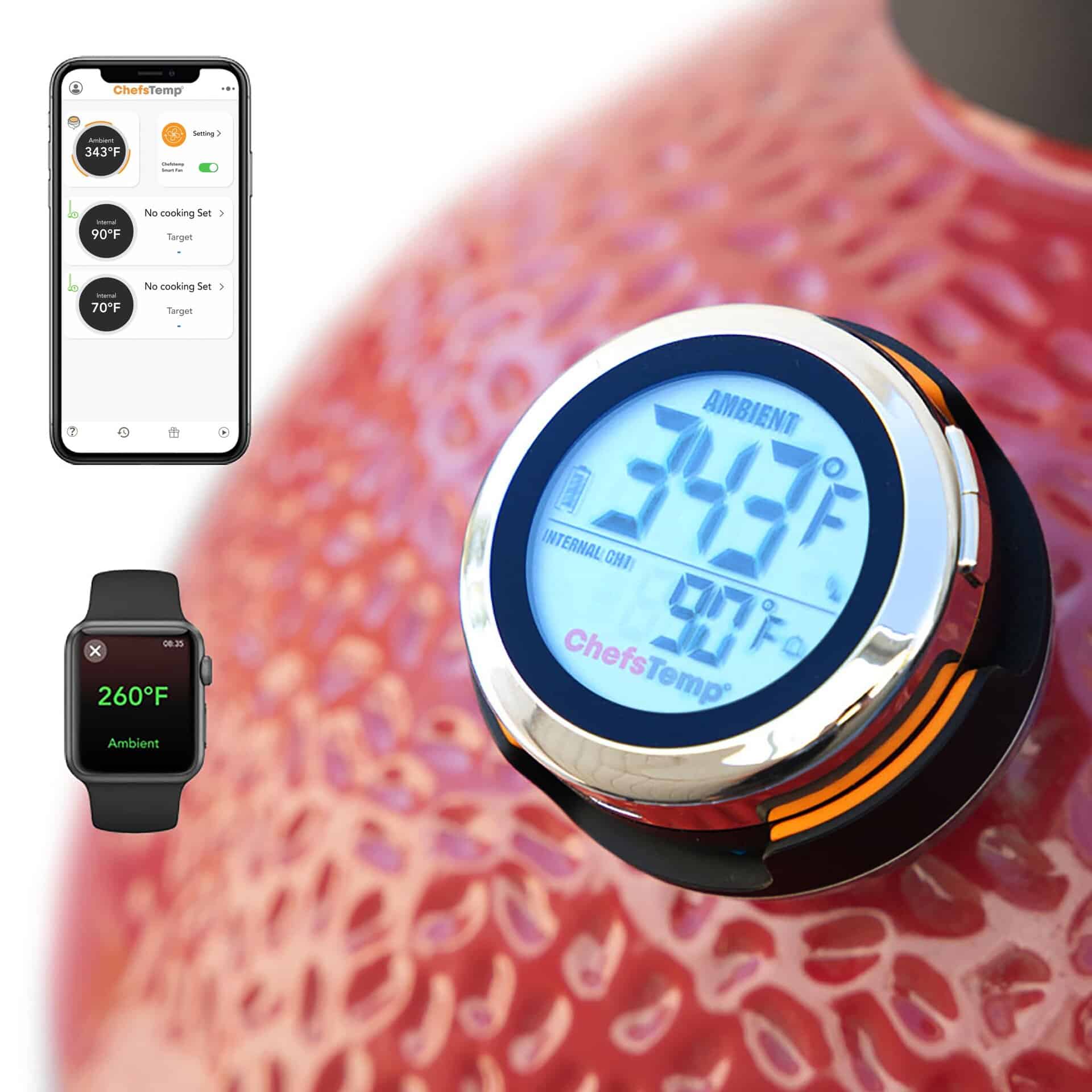
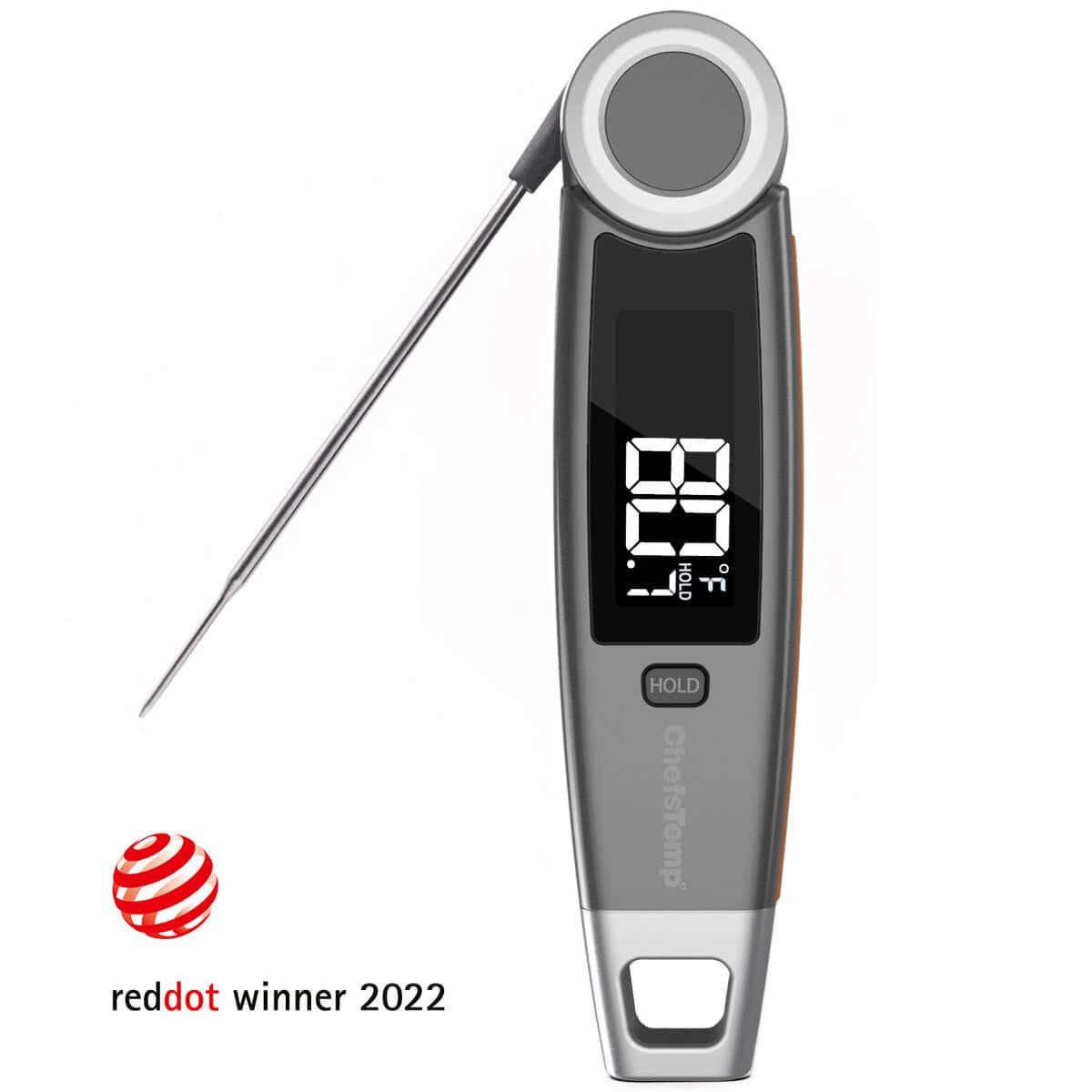
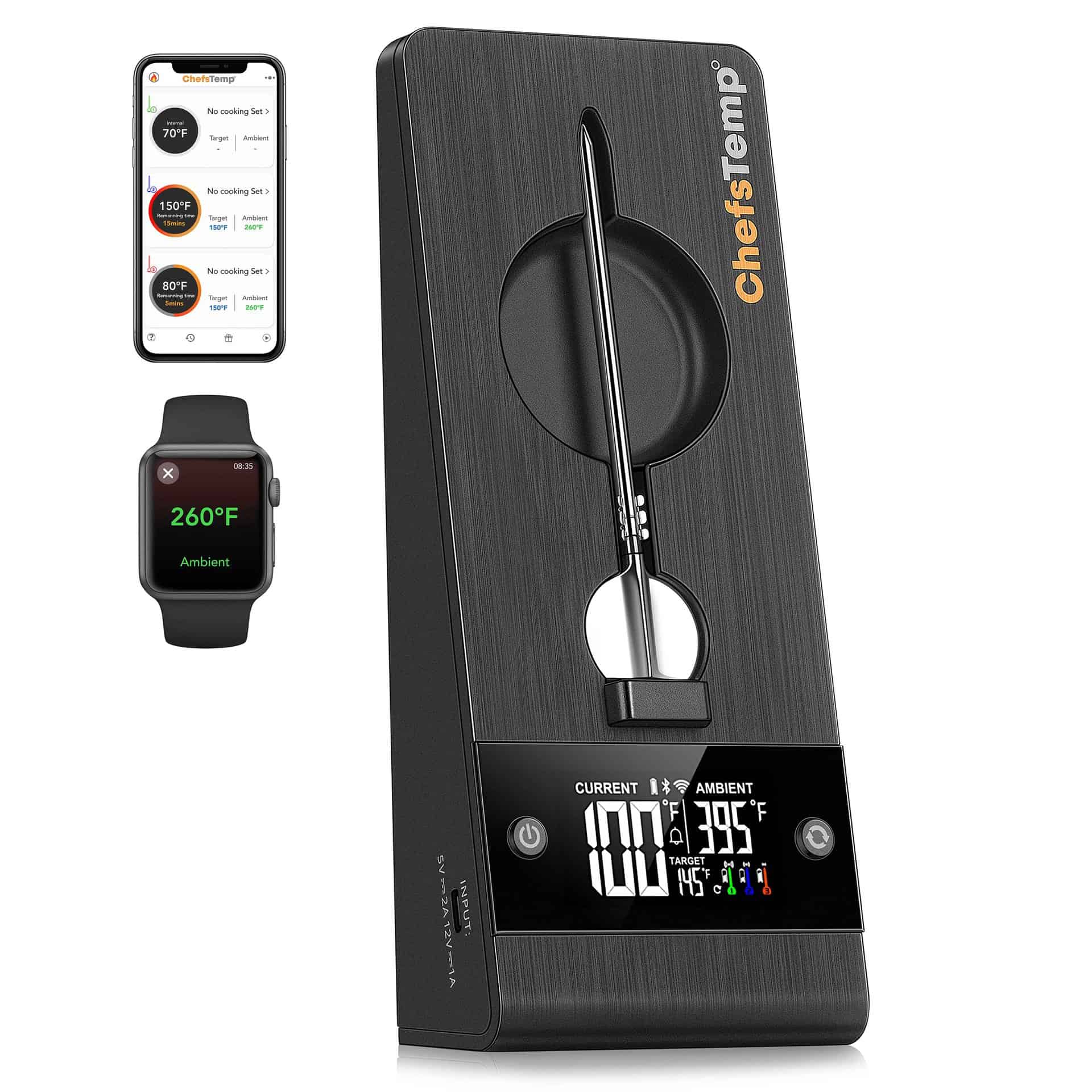
Accurate cooking temperatures are essential. A reliable thermometer like ChefsTemp is the best way to ensure your food is cooked correctly and safely.
Take note of the five common mistakes when calibrating thermometers to ensure you have an accurate and reliable tool. Otherwise, any inaccurate reading can give you a false sense of security in your cooking. And that could be potentially hazardous for anyone who consumes the food!
Discover Other ChefsTemp Products
Discover more recipes and learn kitchen tricks by joining our cooking family on Facebook.
You may also like: