Perfect Temp Smoked Baby Back Ribs
Smoking ribs during a family cookout can be a great way to level up the fun and let your loved ones enjoy the most delicious food.
Pork ribs from the vertebrae and loin regions of a pig are known as baby back ribs. The tenderest pork is found in the loin, and some of it may be found in baby back ribs. Roasted or smoked baby back ribs are common.
Table of Contents
Types of Ribs
There are two types of ribs: the spare ribs and the baby back ribs. The former is closer to the belly region, protecting the breathing system from the front, whereas the latter is near the spine, or we may say the backbone.
Baby ribs are smaller in length, softer, and have a greater quantity of meat attached to them. Since the lion region in the body is smaller, these are shorter. On the contrary, the spare ribs are the larger part of the rib cage, protecting the body from major injuries in the event of an accident.
Baby Back Ribs are Softer than Spare Ribs
The reason is quite simple: the loin area is at the rear of the rib cage, and the muscles there are not used much. Therefore, the meat over the baby ribs is softer.
Baby back ribs cook more quickly than spare ribs because the flesh is more tender and the ribs are smaller. While spare ribs may become dry when roasted at higher temperatures, baby back ribs are much more likely to remain soft.

Baby back ribs may be cooked for approximately 1 hour at 375℉ (190℃). Spare ribs should be cooked at a low temperature to avoid drying out, and may take up to 2 hours to cook. Of course, for that great wood-fired taste, we suggest going low and slow when smoking your ribs.
Cooking Pace and Thicker in Meat
Baby back ribs cook quickly because they are smaller and have softer muscles. Additionally, they can be cooked at a high temperature within just 1 hour.
Spare ribs take 2 to 3 hours to smoke perfectly. The higher temperature is very useless, rather damaging for the spare ones, and may let them dry out before landing in your mouths.
That’s the reason they need medium or lower temperatures to get tender.
Although baby back ribs are thicker in meat, they are so remarkably soft that they do not need extra effort to soften.
Getting Ready to Cook the Baby Backs
It is of great importance to know how to buy the right thing at the butcher’s. Look for the loin area with more meat. That’s the exact thing you have been searching for.
Here are some key steps to consider to enjoy smoked ribs.
Step No. 1: Cleaning Ribs
Cleaning is the most essential part of the cooking procedure. Even though they are packed and handled carefully, it is still a good practice to clean thoroughly before moving to the marination stage.
Moreover, ribs are naturally covered by a skinny translucent membrane that is greasy in texture.
Make sure to remove the membrane cleanly, as it ruins the taste and feels quite irksome and undissolved while chewing.

Step No. 2: Spice them Up
Always do a rib rub before cooking. Season both surfaces of the ribs with seasoning sauces. The seasoning should be evenly distributed throughout the ribs’ base, not caked on. You can also poke narrow holes into the meat with a knife or fork, then add the spice mixture. This is done to make it juicier and more flavorful. A good amount of seasoning is about two small spoons per rack of ribs.
It’s acceptable to keep things basic with only pepper and salt, but most cooks prefer to spice things up with a dry rub. You may also prepare your own homemade baby back rib sauces. Ribs may take on a variety of tastes, so play around with what you enjoy.

Lemon juice, along with honey and mustard sauce, can take the taste game to the next level. But it is entirely up to your taste buds whether to enhance the flavors with other spices or go with salt and pepper.
Find Out the Perfect Temperature Using the Most Suitable Device
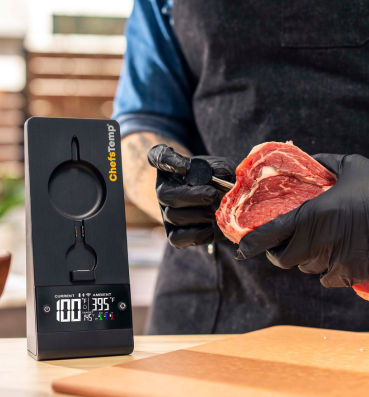
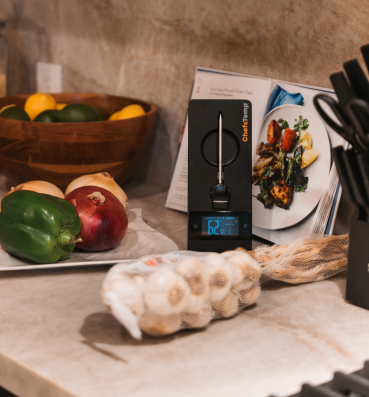
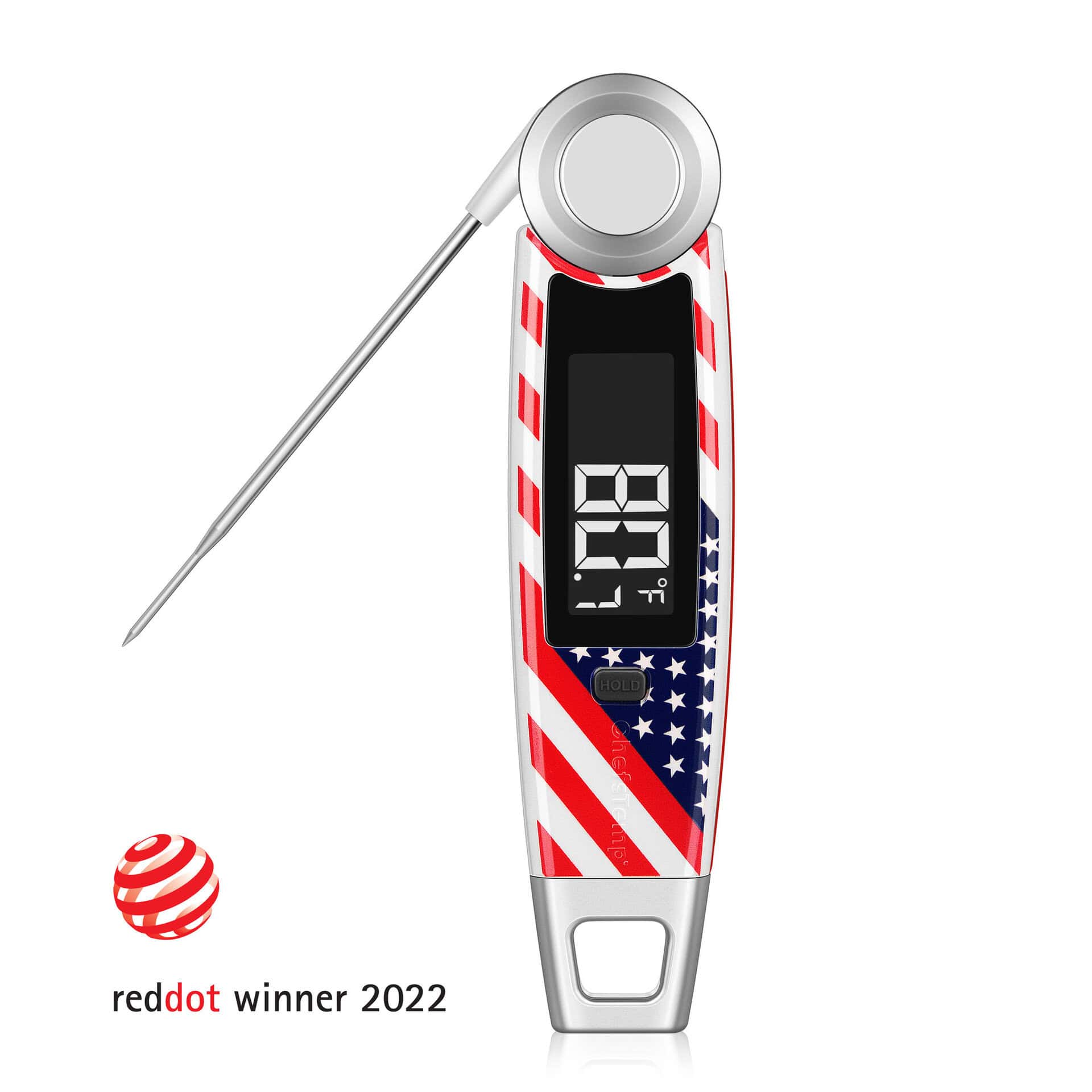
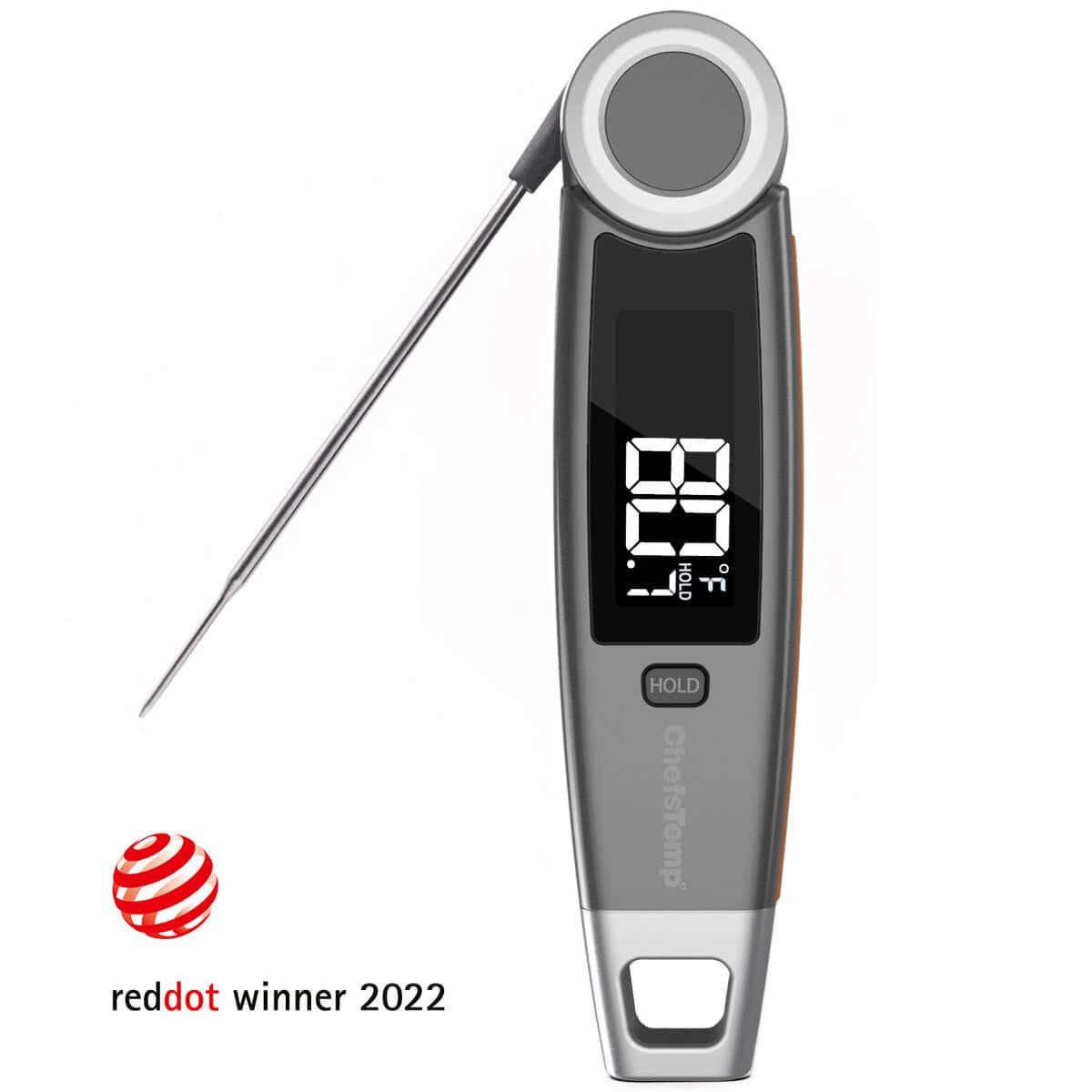
The more scrumptious the ribs are, the more challenging it is to cook them, since you constantly check the temperature to make sure they are done. Internal meat temperatures are now easy to measure. Grab a Finaltouch X10 thermometer with numerous useful features to help you enjoy your first or another cookout.

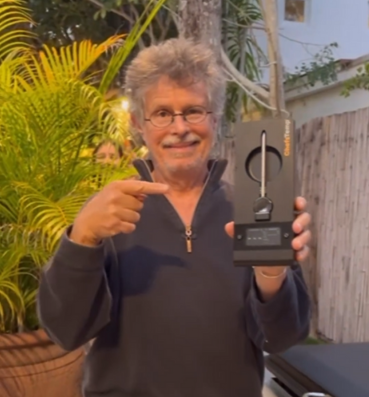
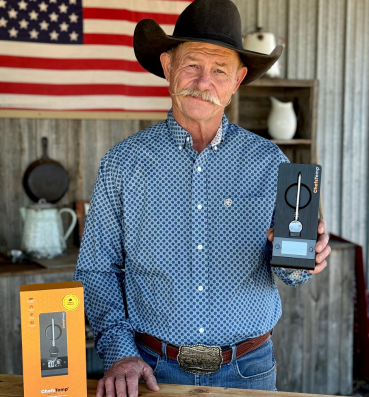
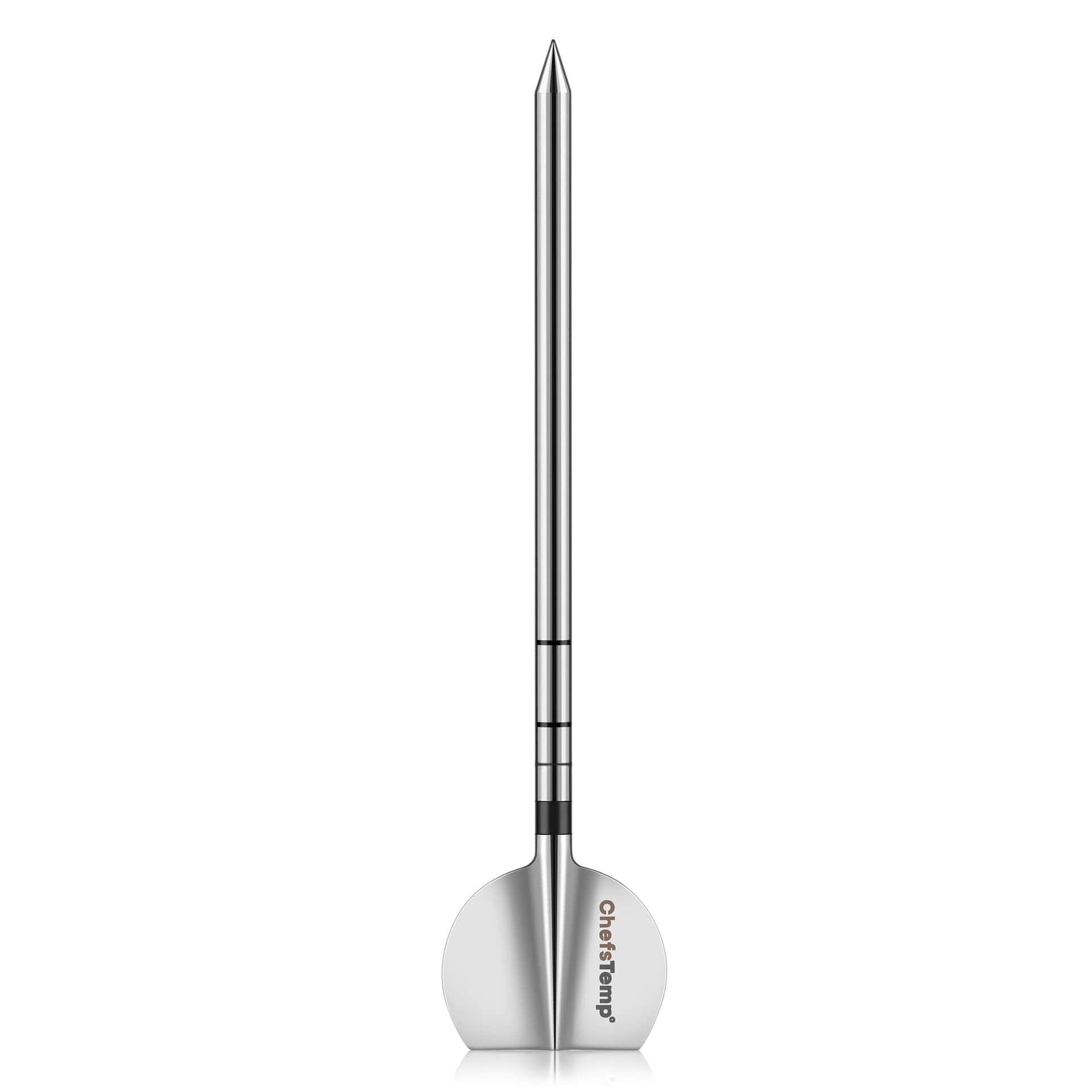
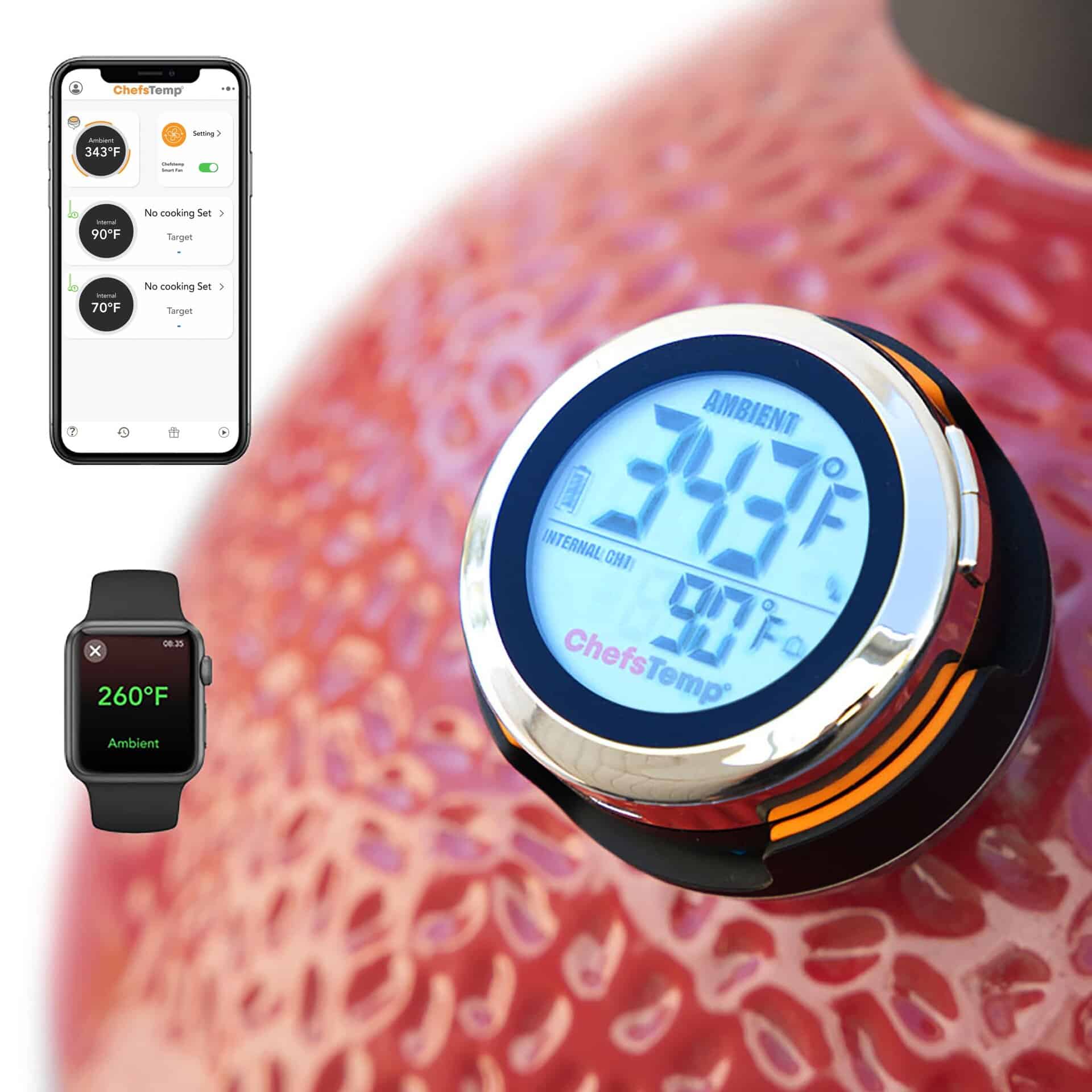
Chefstemp is beneficial, with features such as a high heat-gauging rate and precise control. The area where we hold it is heat-insulated, along with a significant needle-like probe that can be rotated to 270℉ (132℃). It acts like a magnet, sticking to any metal surface.
It also contains an auto-rotating temperature display, making it easy for lefties to adjust when measuring from improper angles. It is also mess- and moisture-resistant, with an IP66 rating, so we can never avoid messes during a cookout or while cooking.
Making baby back ribs using pro-techniques
Rib cooking is a challenging task, specifically for novice chefs. However, one can gain confidence over time. No one is born a cook; it takes a lot of effort to stand out.
There are some pro-tips to help you prepare the best baby ribs. The first one is called the 3-2-1 technique.
3-2-1
It is called the 3-2-1 approach because it requires a total of 6 hours to get the ribs well done, but not all at once. The process is divided into three steps. If you want soft ribs that slip off the bone, follow this method. It’ll take you nearly a whole day, so ensure your beverage fridge is packed before you start, and don’t forget to have some music on.
- In the first step, you are required to smoke the ribs for 3 hours, flesh side up, at 180℉(82℃).
- Secondly, cover the ribs in tin foil and smoke them at 437℉ (225℃) for 2 hours.
…

In the third stage, brush the ribs with barbecue sauce after removing the foil. Smoke for 1 hour, flesh side up, at 225℉(107℃). There’s another way to smoke-cook the ribs in half the time as compared to the above method. All three steps must be followed in the same sequence; the difference is half the given smoke time in each step.
Closure
When it comes to ribs, a Finaltouch X10 thermometer is an ideal tool. Unlike steaks or pork chops, which are cut to the same depth at each point, ribs have variable thicknesses at different spots, and the flesh might be at different temperatures depending on whether it is close to the bone or farther away. However, you need to be careful when using a thermometer; use one with a sharp probe like Finaltouch X10.
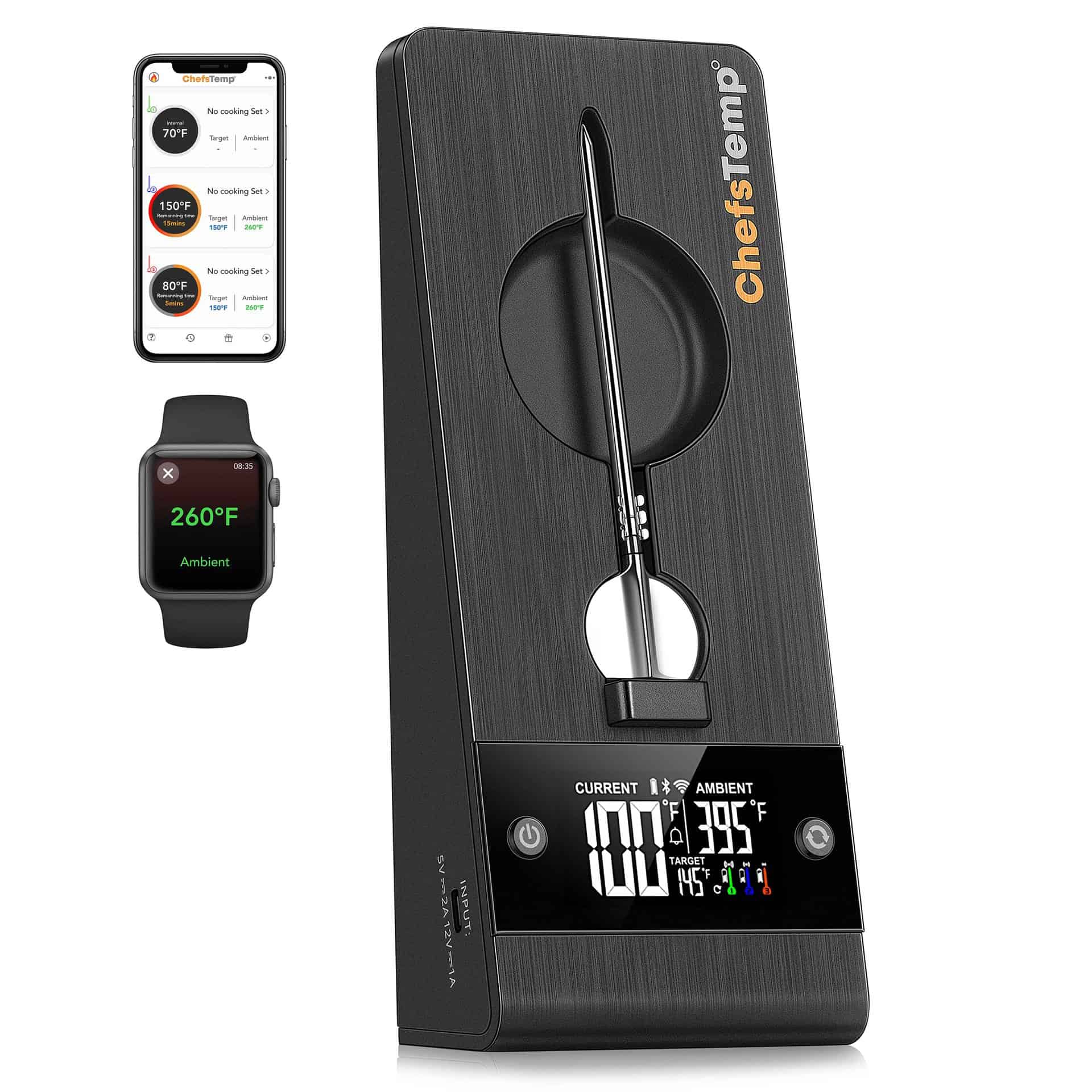
Discover Other ChefsTemp Products

Discover more recipes and learn kitchen tricks by joining our cooking family on Facebook.
You may also like: