Safe Chicken Temperatures, Even if It’s Pink!
When cooking or frying chicken, everyone knows what the temperature will be before it’s finished, but your oven may be adjusted to several settings. Different parts of the chicken require different temperatures to cook properly without becoming raw or losing flavor.
When cooking chicken, knowing the right level of doneness is crucial. However, what if the flesh or liquids are pink, the dish seems underdone, and it tastes like blood? Talking about safe chicken temperature, if you’re like most people, anything other than perfectly opaque flesh with clear fluids makes you feel quite uncomfortable about swallowing the very first bite.
Table of Contents
Calculating the Temperatures of Chickens
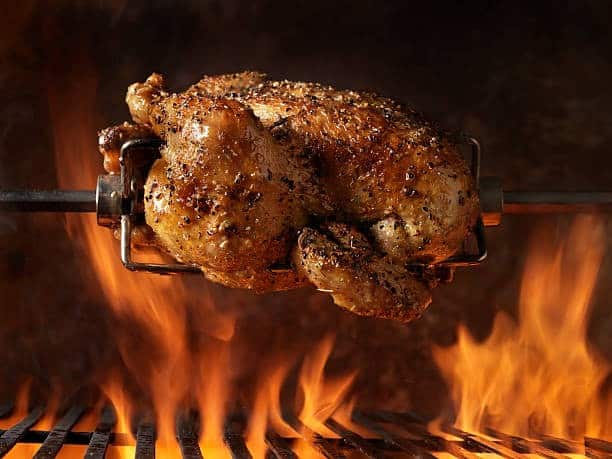
Meat temperatures are always important to check and maintain at a certain level while cooking to ensure all deadly bacteria are killed. Food or meat not prepared to maintain appropriate temperatures may pose a risk of causing health hazards later.
Similarly, experts suggest cooking the chicken at quite low temperatures, as the meat is already soft and tender. Cooking it over high heat may cause it to lose many nutrients, leaving only a flesh-based body with no calories.
Ready Cooked White Meat
Chicken and poultry should be heated to a core temperature of at least 165°F (74°C) for at least 30 seconds, according to food experts. However, if you extract the chicken breast when it reaches roughly 162°F (72°C), the chicken will retain energy and continue to climb in temperature to reach the required 165°F (74°C) without overcooking or drying out the meat due to carryover cooking.
Cooked Dark Meat
Due to the higher connective tissue content in chicken thighs and other dark meat, they taste better when cooked at a higher temperature of 175°F (79°C). Cooking thigh flesh to 165°F will result in chewy, hard meat, but cooking it to a higher temperature will yield soft, juicy meat as the fat breaks down and transforms, giving the chicken a rich, greasy texture.
Various Baking Temperatures
Given is a chart that clearly describes the precise temperatures required for each part of the chicken before it gets onto our plates. There are multiple ways to prepare one, and we have given the temperatures that are accurate while baking in an oven.
| Type | Temperatures | Duration |
|---|---|---|
| Whole Chicken | 350°F (176°C) | 45 to 120 minutes |
| Boneless Chicken Thighs | 425°F (218°C) | 35 minutes |
| Bone-in Chicken Thighs | 425°F (218°C) | 45 minutes |
| Boneless Chicken Breasts (Large) | 375°F (190°C) | 20 to 30 minutes |
| Bone-in Chicken Breasts (Large) | 375°F (190°C) | 35 to 40 minutes |
| Chicken Wings | 400°F (204°C) | 45 minutes |
| Chicken Legs | 425°F (218°C) | 40-45 minutes |
| Chicken Tenders | 375°F (190°C) | 20-25 minutes |
| Whole Chicken | 350°F (176°C) | 45mins to almost 2 hrs |
| Boneless Chicken Thighs | 425°F (218°C) | around 35 minutes |
Chicken on the Grill
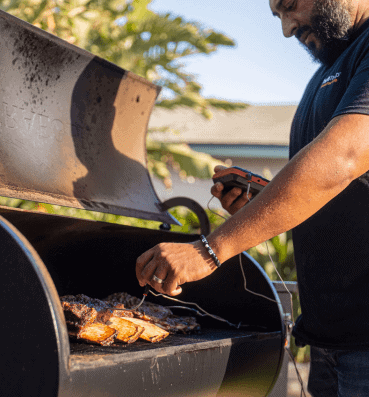
Most foodies prefer grilling chicken rather than baking or frying. You may grill the whole thing or just the wings or drumsticks. Smoking the chicken gives it a richer flavor without wasting nutrients on the coals.
Here’s a chart of suitable temperatures for various stages of making chicken.
| Type | Temperature | Duration |
|---|---|---|
| In between 375°F (190°C)-400°F (204°C) | 6-8 minutes each side | |
| Boneless Chicken Thighs | Medium to medium-high, 350°F (176°C)-375°F (190°C) | 6 minutes each side |
| Bone-in Chicken Thighs | 350°F (176°C) – 375°F (190°C), and minimum 300°F (149°C) | 4 minutes each side |
| Chicken Legs | High, 400°F (204°C) | 30-35 minutes, turn over every 5 minutes |
| Chicken Wings | 350ºF (176°C) | 20-25 minutes; check and turn as they get brown |
| Bone-in Chicken Breasts (Large) | 375°F (190°C) | 6-8 minutes per side |
| Chicken Tenders | 375°F (190°C) | 3-4 minutes each side |
| Whole Chicken | 375°F (190°C) | 85 minutes; after 45 minutes, turn the legs more toward the rear of the grill, then rotate the wings toward the bottom of the grill. |
Promoting Safe Cooking
Cooking safely simply means maintaining the required temperatures inside the meat, whether it’s chicken or another type of meat. Overcooking chicken can cause it to lose all its flavor and aroma. Besides, the texture also gets burnt, giving an unpleasant feel.
Chefs keep in mind that browning the skin does not mean the meat is cooked on the inside.
Getting the Best Thermometers to Gauge Temperatures
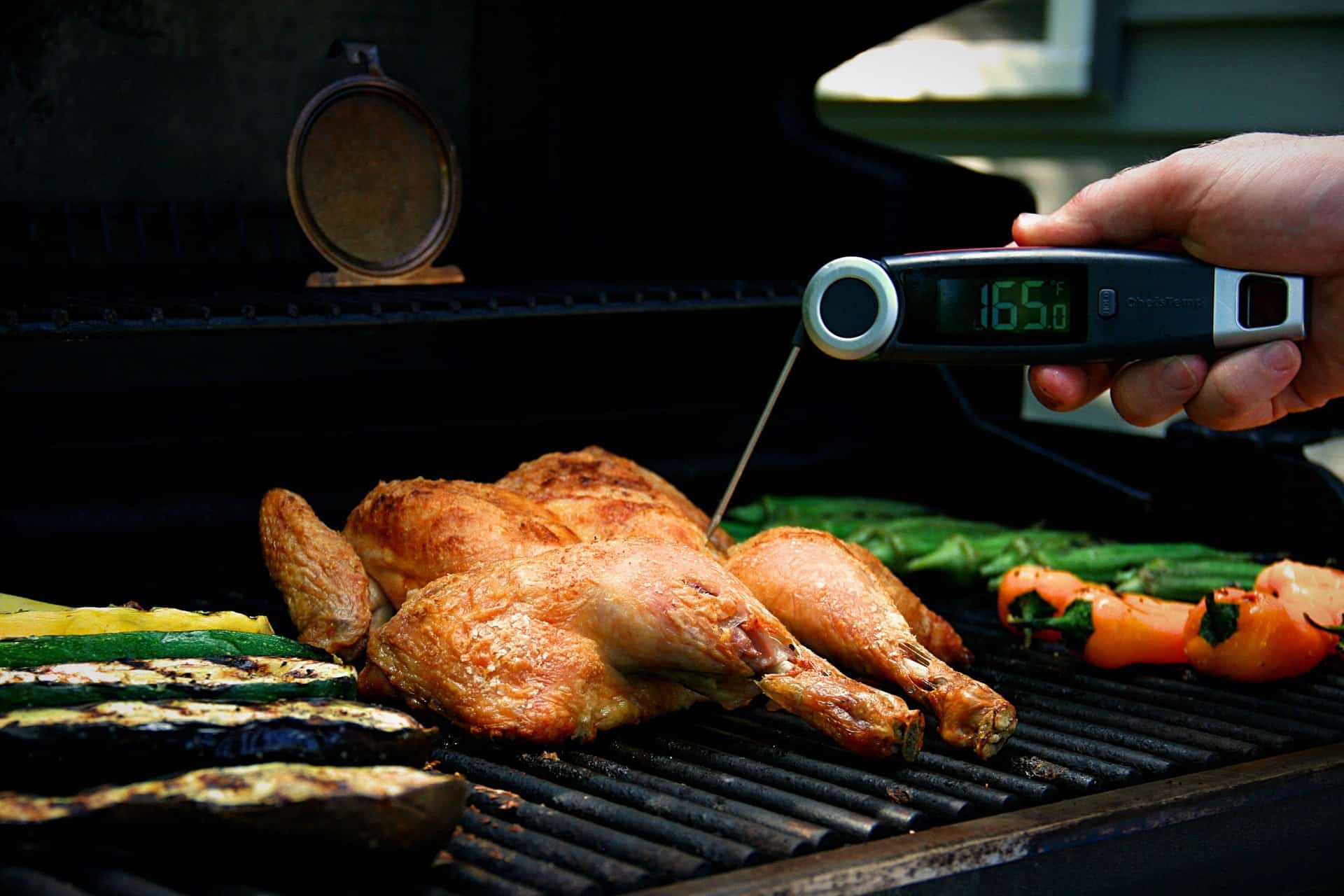
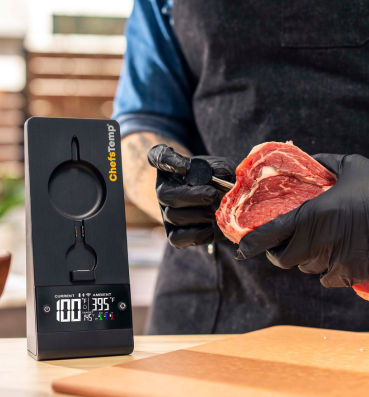
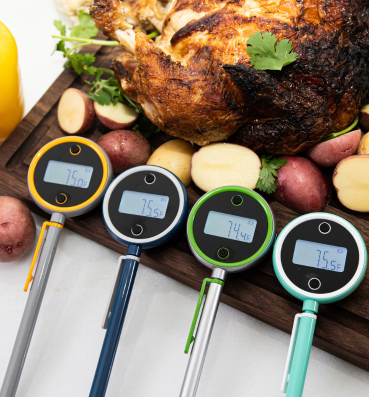
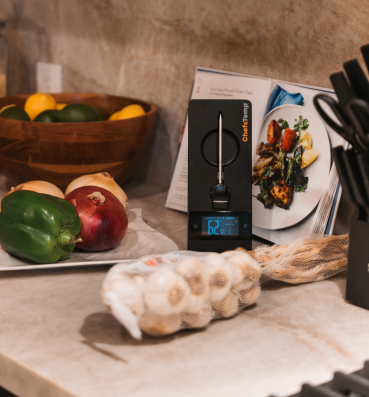
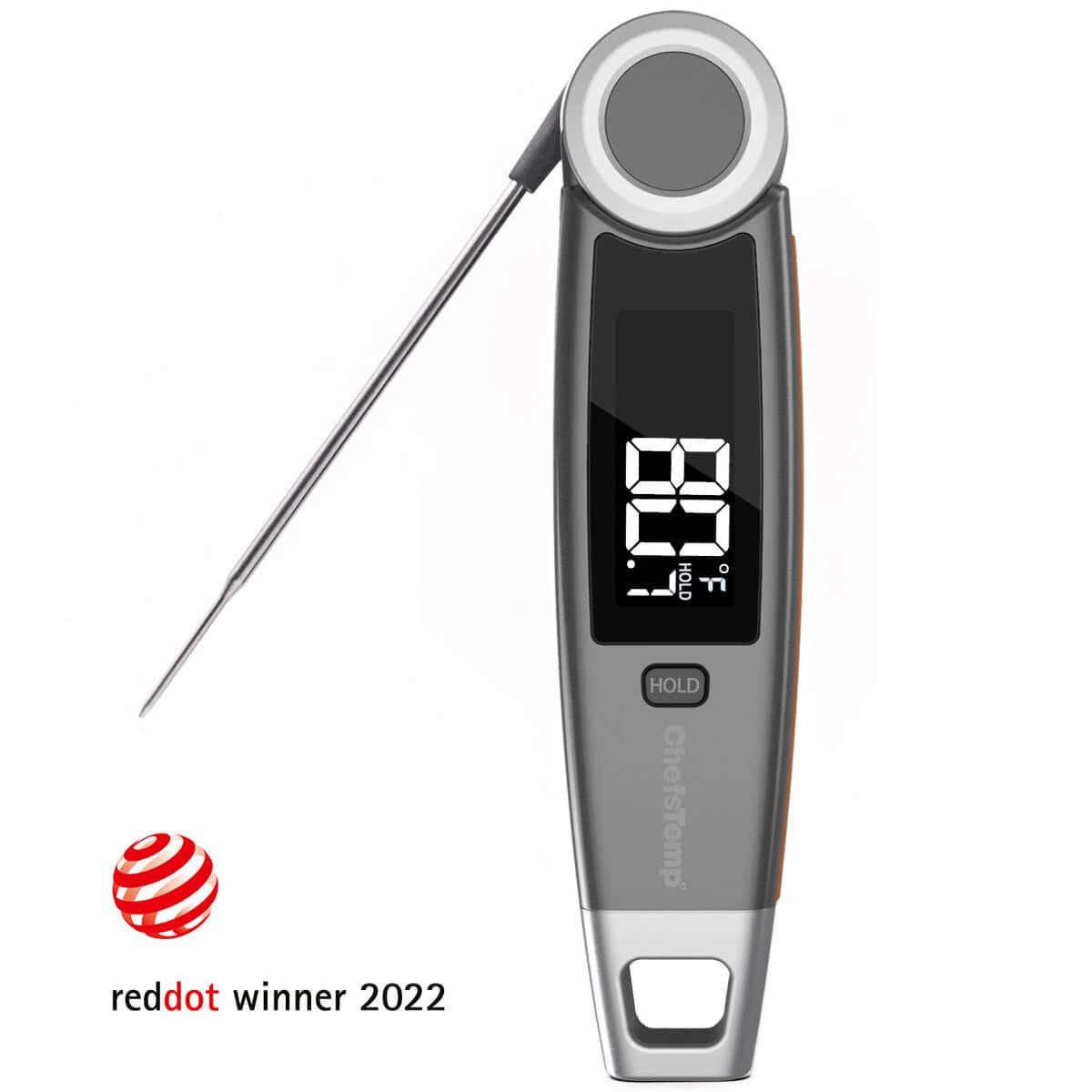
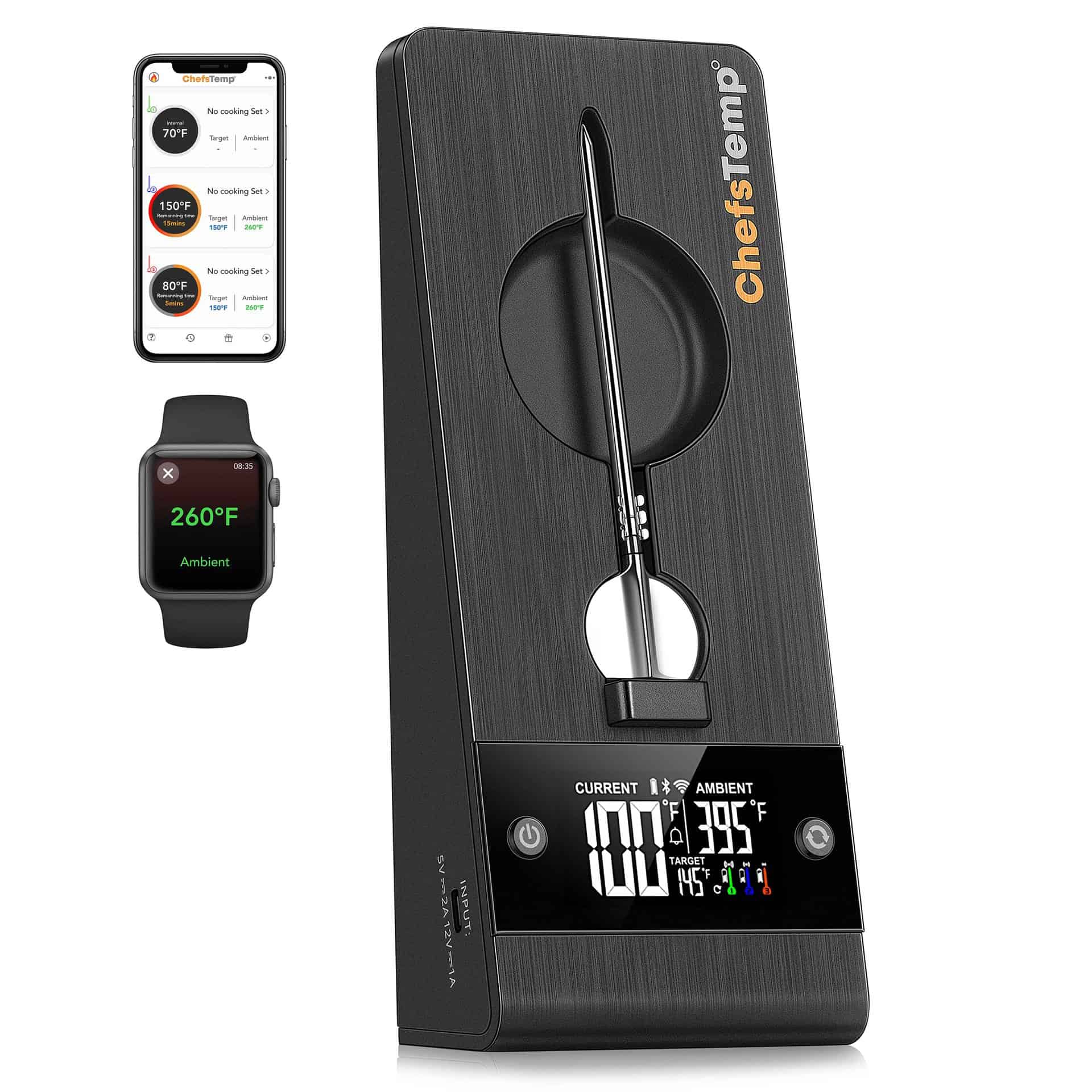
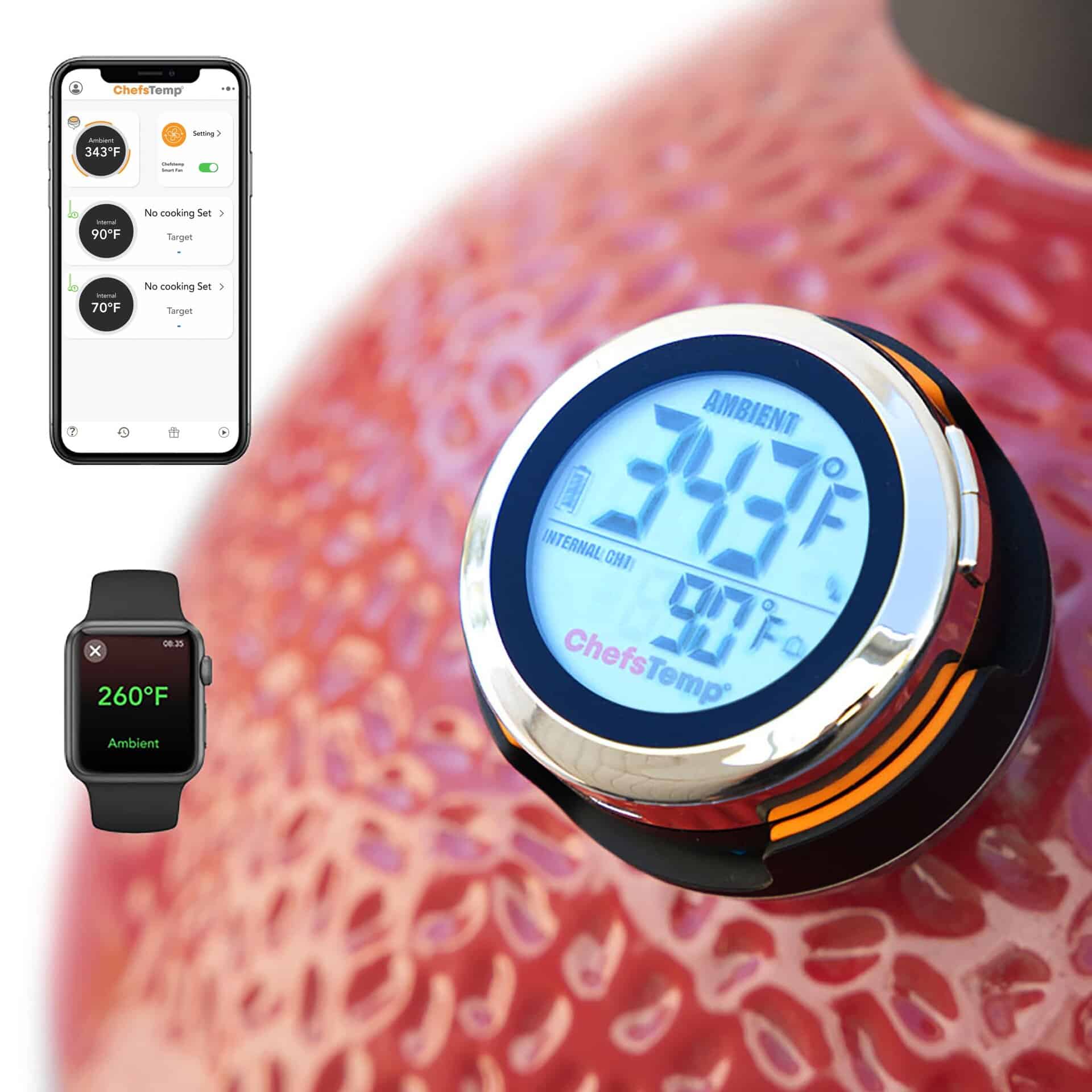
In addition to a wide variety of thermostats, we suggest keeping the most suitable one with you to avoid food spoilage. Thermometers with quick-read capabilities and affordable prices are available at any kitchen appliance store.
Instant-read thermometers provide rapid readings, but they are not oven-safe and should not be kept in the meat throughout cooking. Allow the thermometer to rest in the chicken just for 15 seconds, at a depth of 2 inches or to the indication mark on the thermometer’s stem, near the conclusion of the minimum cooking time. To get reliable thermometer readings, follow these instructions:
- Insert the thermometer into the thickest portion of the meat, away from bone, fat, and gristle, for barbecued, grilled, or pan-fried steaks and thick chops.
- Place the needle into the inner thigh near the breast, but without touching the bone, for the entire poultry, for example, ducks, turkeys, chickens, etc.
- Insert into the thickest part of the meat. Insert the thermostat sideways for thin products, such as chop and hamburger patties.
The food thermometer should be inserted into the thickest part of the chicken, regardless of the cut. When using an oven-safe thermometer, it’s a good idea to push it in a little farther after removing the chicken from the oven to ensure the flesh is roasted properly.
Conclusion
Often, people overcook chicken because they cook it with a physical object rather than a thermometer. The only way to tell if your chicken is cooked thoroughly is to use a thermostat, ideally one that is both quick and consistent.
When preparing for a gathering and you don’t want to spoil the meal’s presentation by slicing into the chicken to see whether it’s done, a food thermometer comes in handy. They ensure your dinner is neither undercooked nor overcooked and help prevent foodborne disease.
Discover Other ChefsTemp Products

Discover more recipes and learn kitchen tricks by joining our cooking family on Facebook.
You may also like: