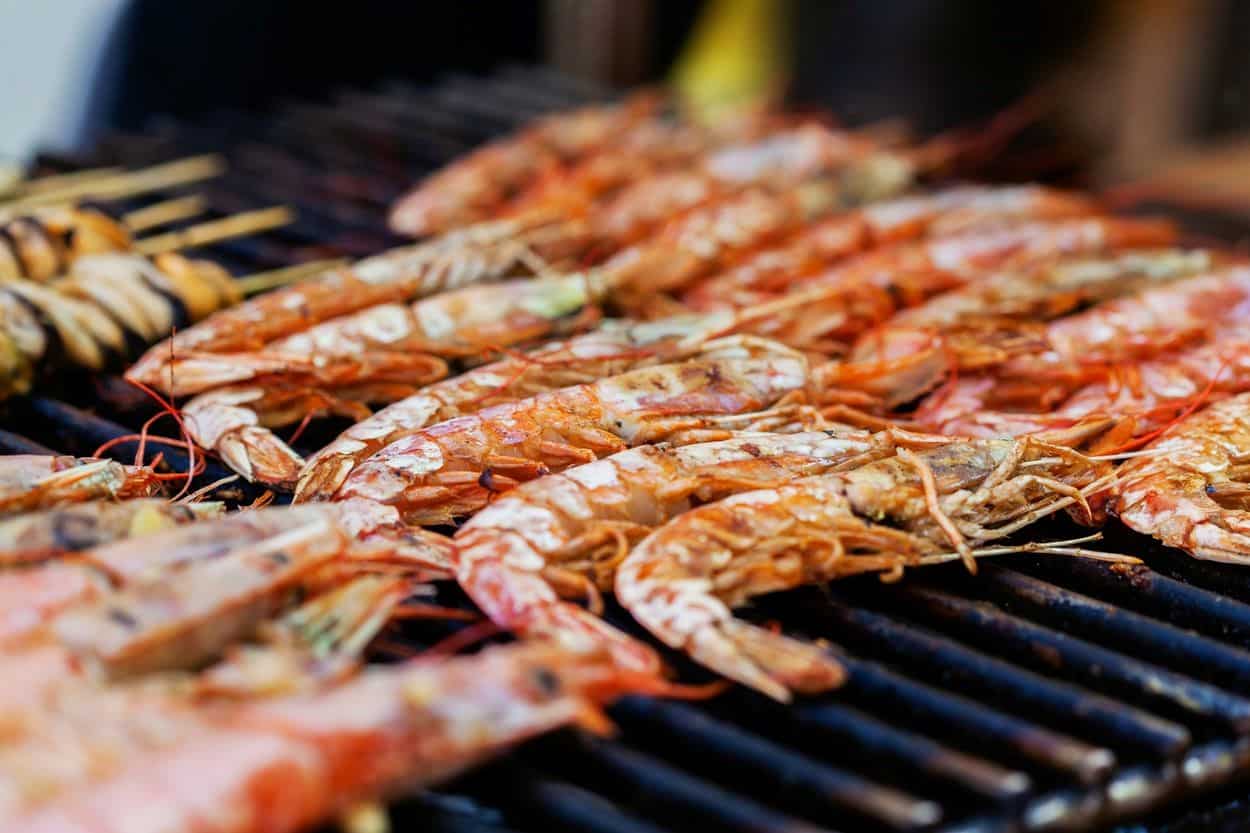
How to Grill Shrimp: 120°F Temperature and Thermal Principles
It is easier to grill shrimp than fish or meat. If you want to eat your shrimp in five minutes, we have a simple recipe for you. The most essential tool you require is a grill thermometer. It will let you know when your shrimp is done. To ensure the best experience, always pick the larger shrimp per pound. We will discuss this shortly.
Table of Contents
Part 1. Cook Shrimp Faster with Your Grill Thermometer
Grilled shrimp can be a tasty and juicy meal. It all depends on your grilling expertise. So keep your best cooking thermometer handy. Then, preheat your grill to medium heat. Once you finish, follow these steps.
- If your shrimp mass is frozen, thaw it.
- Place the shrimp in a bowl, add some salt, and pour in some olive oil.
- Now place your shrimp on the grill and cook each side for about two minutes.
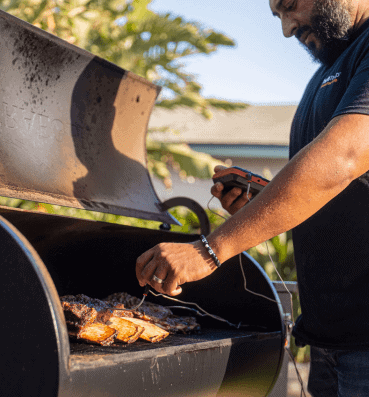
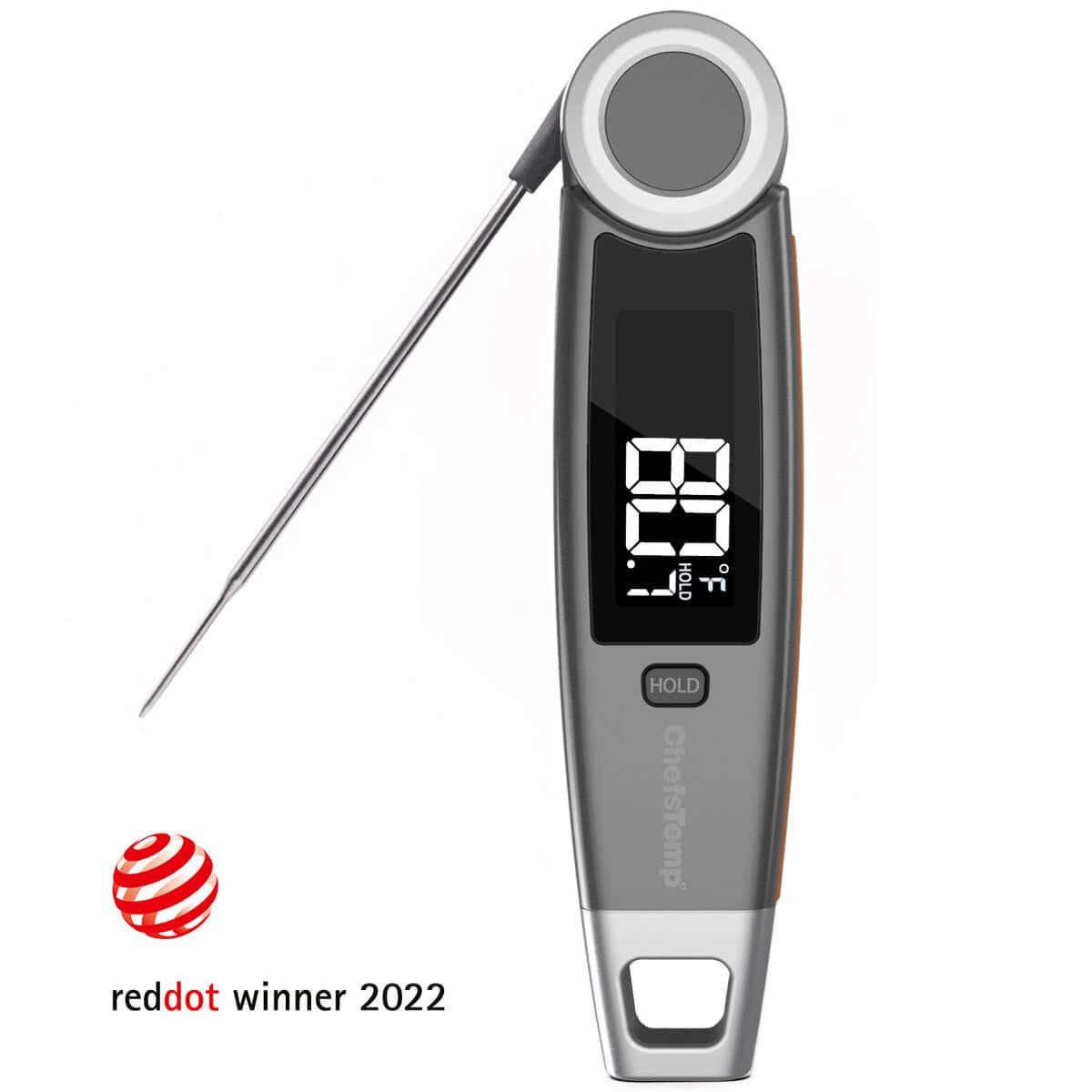
- Use your electronic meat thermometer to check the internal temperature of shrimp. The bright pink colour on the outside is not enough to indicate that your shrimp is done.
- When you read 120°F (49°C) on your meat thermometer, remove the shrimp from the grill. Although the stated temperature is 120°F (49°C), the USDA food temperature chart reads 145°F (63°C). If you want to observe the USDA’s recommendation, do not remove shrimp until your best instant-read thermometer reads 145°F (63°C).
- Serve as you wish.

Part 2. Things to Do when Grilling Shrimp
Shrimp are small sea creatures that you can cook quickly and then run an errand. However, to grill shrimp as an expert, consider and do the following things.
- Pick larger shrimp – The smallest shrimp size you should pick for grilling is 15-20 per pound. Smaller shrimp can easily overcook and become hard. Besides, if you cook larger-sized shrimp, you can brown them without exceeding the ideal internal temperatures.
- Peel your shrimp – Being crustaceans, shrimp have an outer shell like crabs. Before grilling, you can peel the shell or leave it on. However, if you aim to grill perfect shrimp with brown lines, peel your shrimp.
- Choose whether to use skewers – Shrimp are small crustaceans. So when you place them on the grill individually, some might fall off between the grates. Besides, you might overcook your shrimp if you cook them this way. People with adequate experience can cook shrimp this way. However, to avoid these accidents, use two skewers to pack your shrimp. Stack them closer together to create a block of shrimp. When you cook them as a block, you can let the heat penetrate slowly but surely.
- Thaw frozen shrimp – Depending on how fast you want to grill shrimp, you can thaw frozen shrimp in various ways. First, you can place frozen shrimp in the refrigerator overnight. If you miss out on that, use the second method. Put the frozen shrimp into a large bowl filled with chilled water. Stir this bowl every 5 minutes to help break up the clumps of shrimp. In about twenty minutes or longer, you will have separate shrimp.
- Quicken the browning process: There are two ways to speed it up. Remember that your best meat thermometer should not exceed 120°F or 49°C. That tells you that you have limited cooking time to produce perfectly browned shrimp. As a result, use any of the following two methods to brown your shrimp quickly. Sprinkle some sugar to help brown your shrimp before reaching the pull temperature. Your grill thermometer will show you this temperature. Sugar will fasten the browning process without sweetening your shrimp. An alternative technique helps to raise the pH level of shrimp. As shrimp is a protein, it will brown faster at a higher pH. You can use a small amount of baking soda to raise the pH of shrimp. Expert cooks also recommended using sugar and baking soda together to quicken browning without overheating the shrimp.

- Dry your shrimp – Use paper towels to dry your peeled shrimps. Make sure you have not tossed them in sugar and baking soda. When you dry the shrimp, you will help the browning process happen faster. After drying with paper towels, let the shrimp air-dry in the refrigerator for 1 hour. Then grill them without fear of overcooking.
- Use oil – As you all know, oil makes food yummier and more flavorful. You can enhance the flavour by mixing oil with minced garlic cloves. Apply the mixture onto the shrimp before cooking. Although vegetable oil will still improve flavour, we prefer other cooking oils, such as olive oil.
- Cook shrimp on a super hot grill – You already know the internal temperature of shrimp. To read this temp on your BBQ thermometer without exceeding it, you need a hot grill. Preheat your grill until it gets hot. Turn the burners to the maximum setting and leave them for 15 minutes. After that, apply the oil-and-garlic mixture to the shrimp, then toss in sugar and baking soda. Let the first side face the fire for about 2 minutes, then flip. At the same time, use your grill thermometer to check the shrimp’s internal temperature. The standard cooking time for shrimp is five minutes. When your smoker thermometer shows the target pull temperature on each skewer, remove your shrimp from the grill and place them on a serving dish.

Part 3. How to Serve Grilled Shrimp?
Garnishing your shrimp before serving is crucial when you have guests. It makes food appear more inviting and fun to eat. Place cooked shrimp in a bowl. The bowl can contain your fresh garlic, minced parsley, chilli pepper, olive oil, and lemon zest. Then serve this mixture with bread or whatever you like.
Conclusion
As you can see, grilling perfect shrimp is easy. Make sure you have your grill thermometer to check the shrimp’s internal temperature. In addition, cook the shrimp as we have recommended in this article. If you want to follow the USDA’s safest internal temperature, wait until the kitchen thermometer reads 145°F (63°C). Then, remove and serve the shrimp as you please.
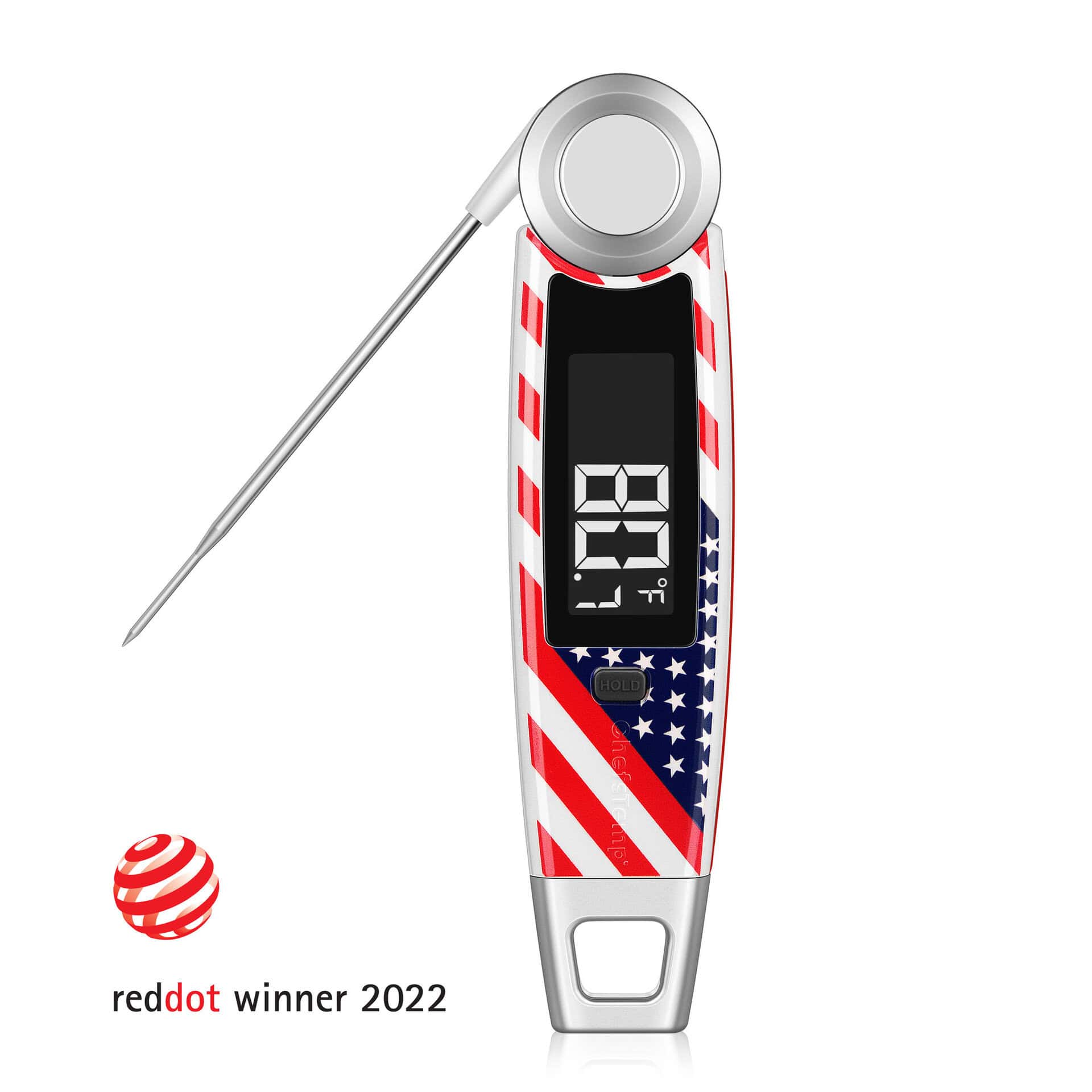
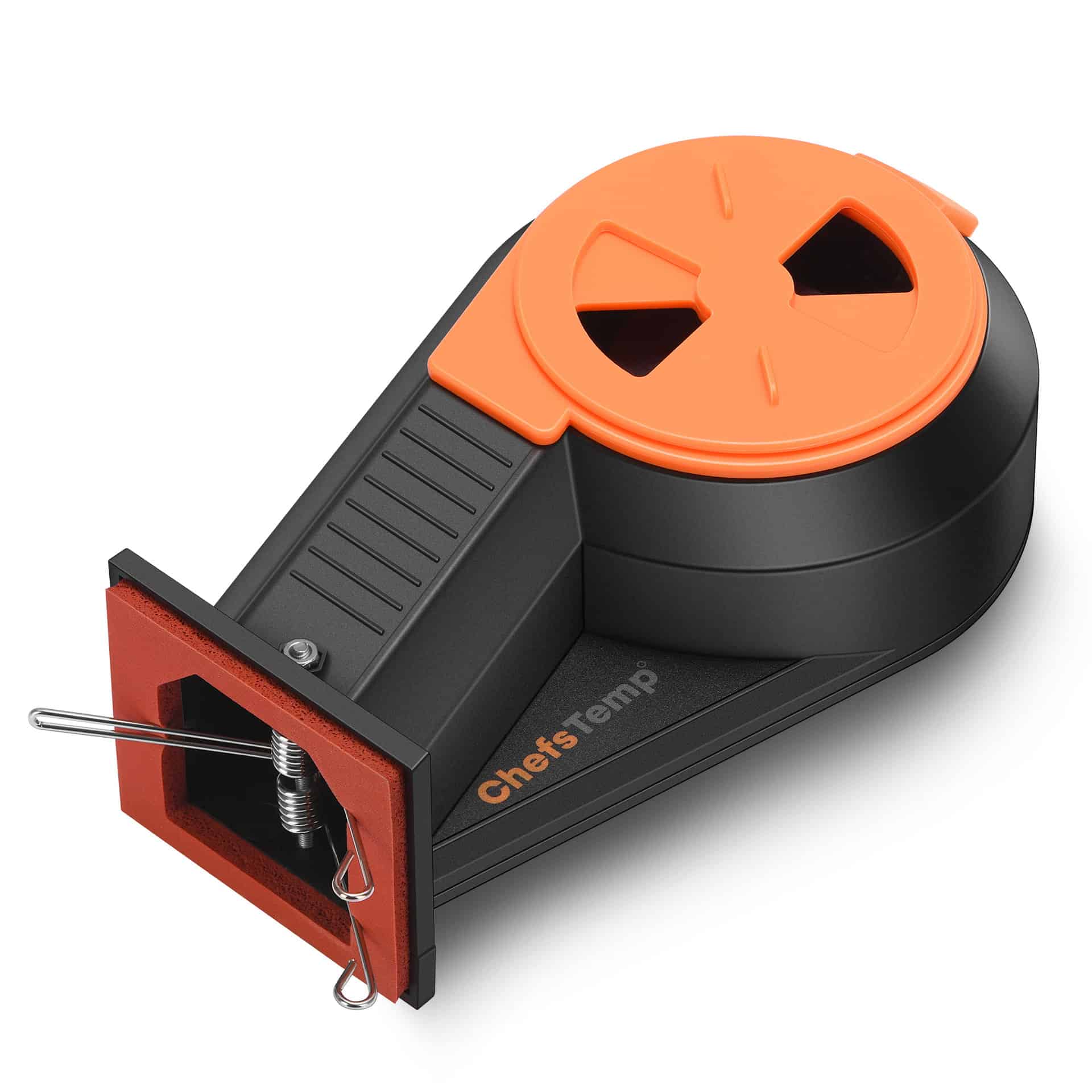
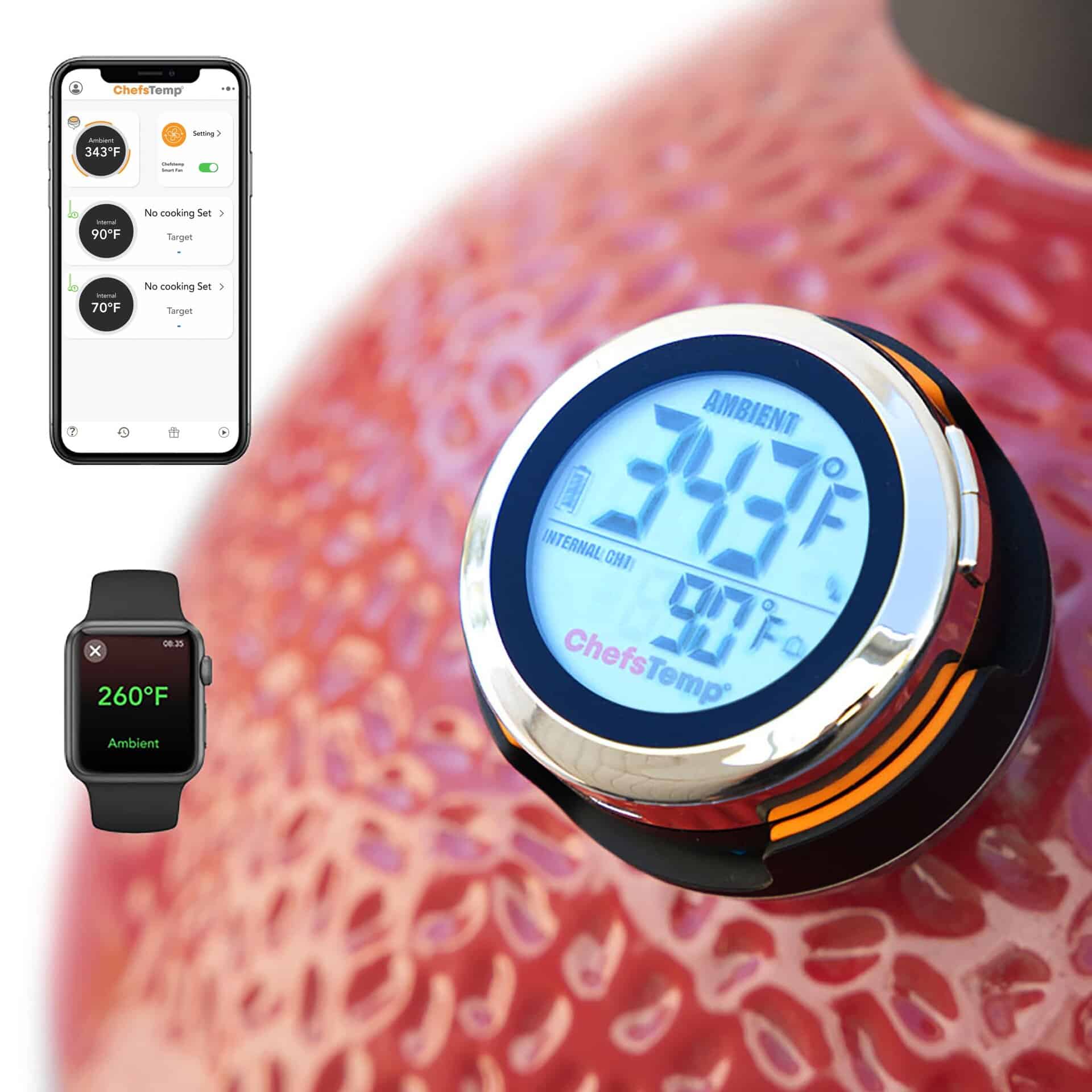
Discover Other ChefsTemp Products
Discover more recipes and learn kitchen tricks by joining our cooking family on Facebook.
You may also like: