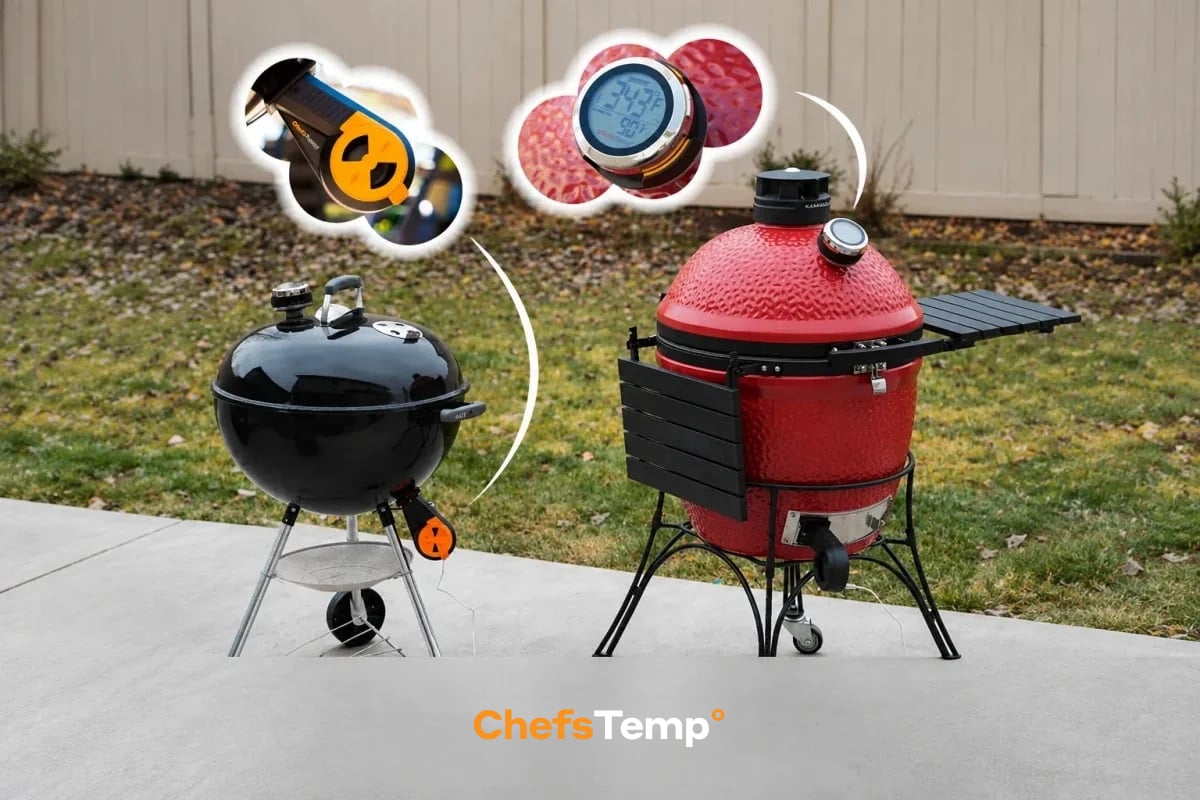
Open the intake vent all the way. Clear the ash out from under the charcoal grate. Count how much lit charcoal you actually have. You will solve most cold-grill problems with one of those three. If all three check out, you might not have a cold grill at all, because the gauge in the lid sits a long way from your food.
Start With the Bottom Vent and Ash
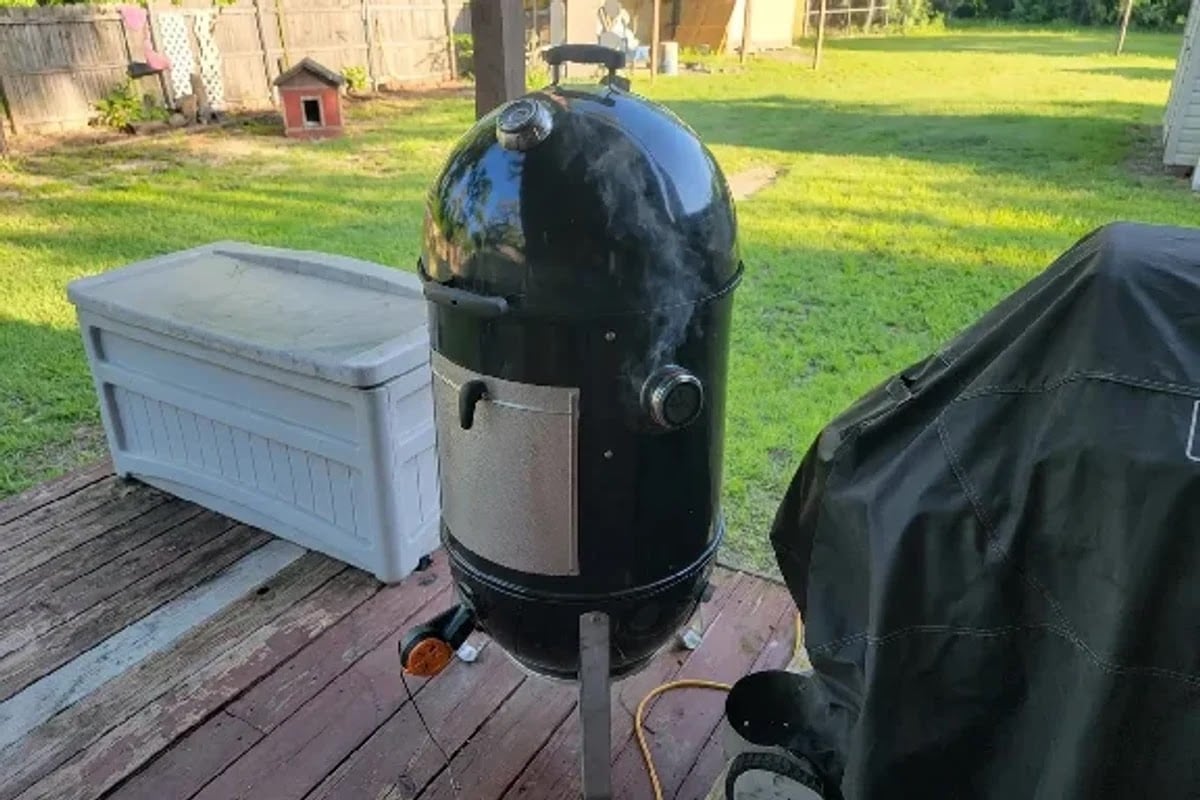
Air reaches the charcoal through the bottom vent. If you have closed it, clogged it, or blocked it with the ash catcher, less oxygen reaches the fire and the coals burn cooler. Open the intake wider before you add anything, and then watch the temperature for a few minutes.
Ash blocks airflow even when the vent handle looks fully open. Wait until the grill is cool, look under the charcoal grate, and clear the ash away from the vent openings. Shovel it into a closed metal container rather than a bin.
Leave the top vent open enough for hot air and smoke to escape. You do not trap useful heat by closing the exhaust. You slow the draft through the cooker and weaken the fire. Make your big airflow changes at the bottom and leave the top vent where it is.
Check the Charcoal Before Blaming the Grill
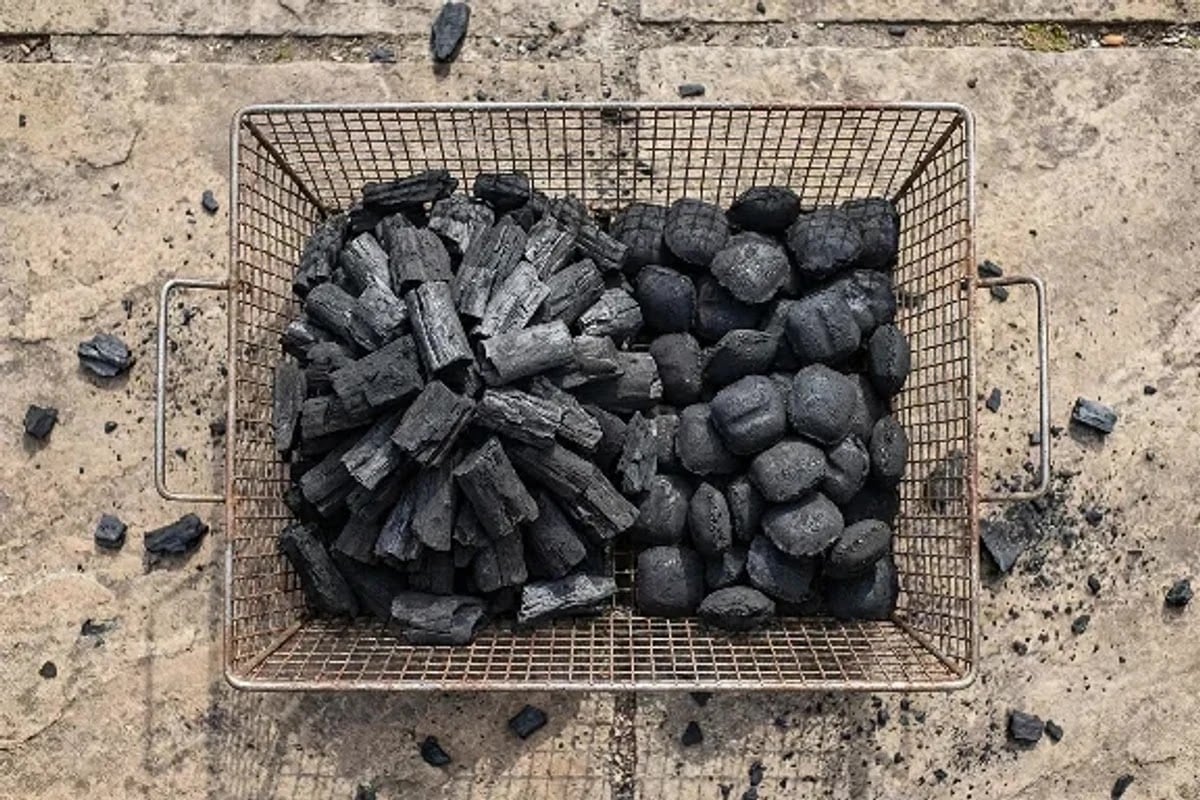
A clear vent will not turn a thin fire into a full bed of coals. Count the fuel first. For a quick sear, pile the charcoal into one concentrated hot zone. For a long cook, start with enough charcoal to keep burning after the first lit pieces fade.
Look at the charcoal itself as well. Damp charcoal, a bag that has broken down mostly to dust, and a bed heavily mixed with old ash all burn poorly however far you open the vent. Let the starter coals ash over before you arrange them rather than tipping them out at the first flame.
Then arrange the fuel for the job. Pile it tight and you get stronger heat under a smaller area. Spread the same quantity across the whole charcoal grate and you cook over a wider, gentler zone. If the charcoal itself is the problem, no amount of vent work will fix it. DDR BBQ Supply stocks charcoal, firestarters and charcoal baskets. A basket will hold a tight pile of fuel where you want it, which helps if your coals keep spreading across the grate.
Is Your Grill Actually Too Cold?
If the vents are open, the ash is clear and the fuel is sound, read the numbers before you touch anything else. A dome gauge and a grate probe sit in different parts of the cooker, so you will see two different temperatures.
Corey at OG Backyard Barbecue measured that difference on a Kamado Joe Classic III with a heat deflector and probes at two grate levels. With the grill holding between 223 and 225°F on the dome gauge, he read 235°F at the top grate and 247°F at the bottom. He raised the setting and read 255°F on the dome against 269°F at both grates. Higher again, he read 284°F on the dome and 294 to 295°F at the grates.
Read that two ways. At every setting he measured more heat at the grate than at the dome, so a cook watching 225°F on the lid was cooking nearer 235 or 247. And the two numbers sat closer together as he raised the temperature, from more than 20°F apart at the bottom end to around 10°F apart at the top. You open the vents wider for a higher target. More air moves through the cooker, and the heat spreads more evenly inside it.
He measured one kamado with the deflector in, so expect a different spread on your kettle or your offset. Use the lid gauge to judge the cooker and a probe at grate level to judge your food. When you have two numbers, go with the one next to the meat.
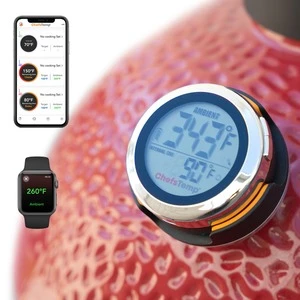
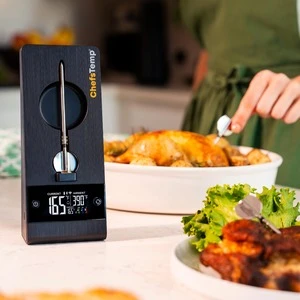
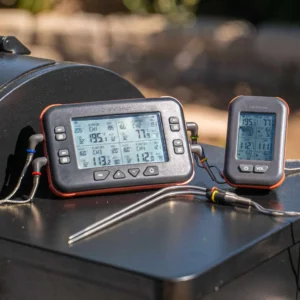
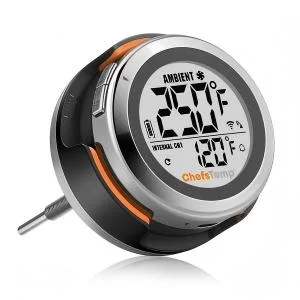
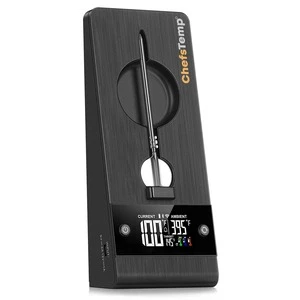
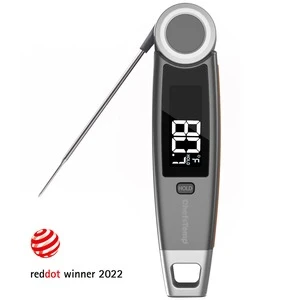
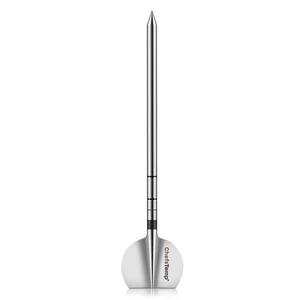
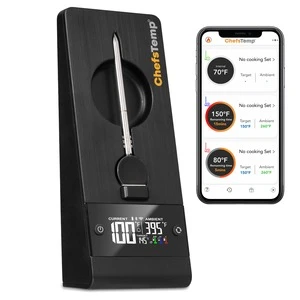
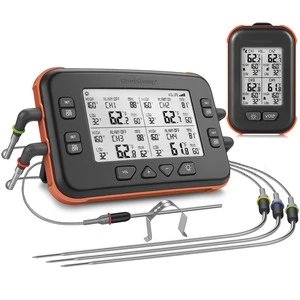
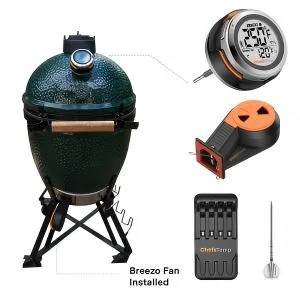
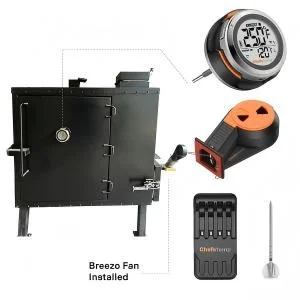
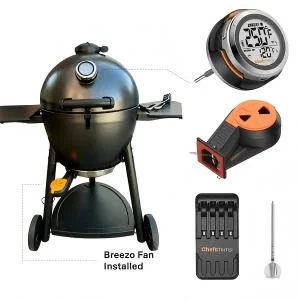
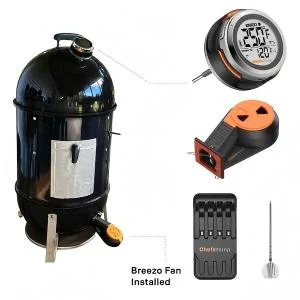
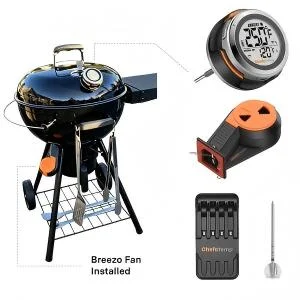
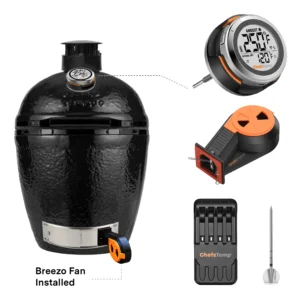
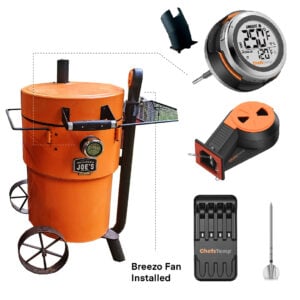
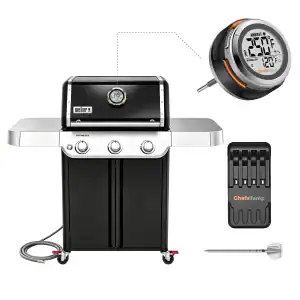
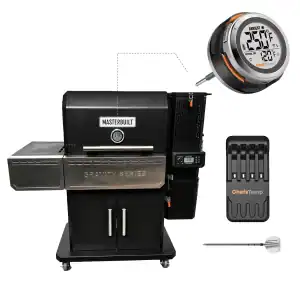
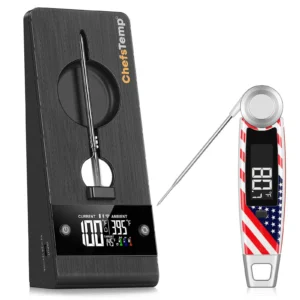
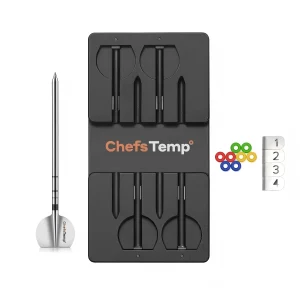
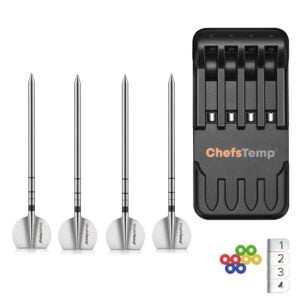
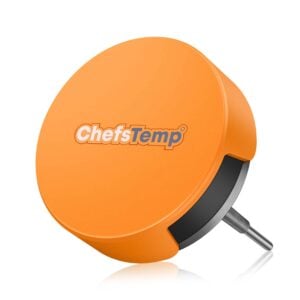
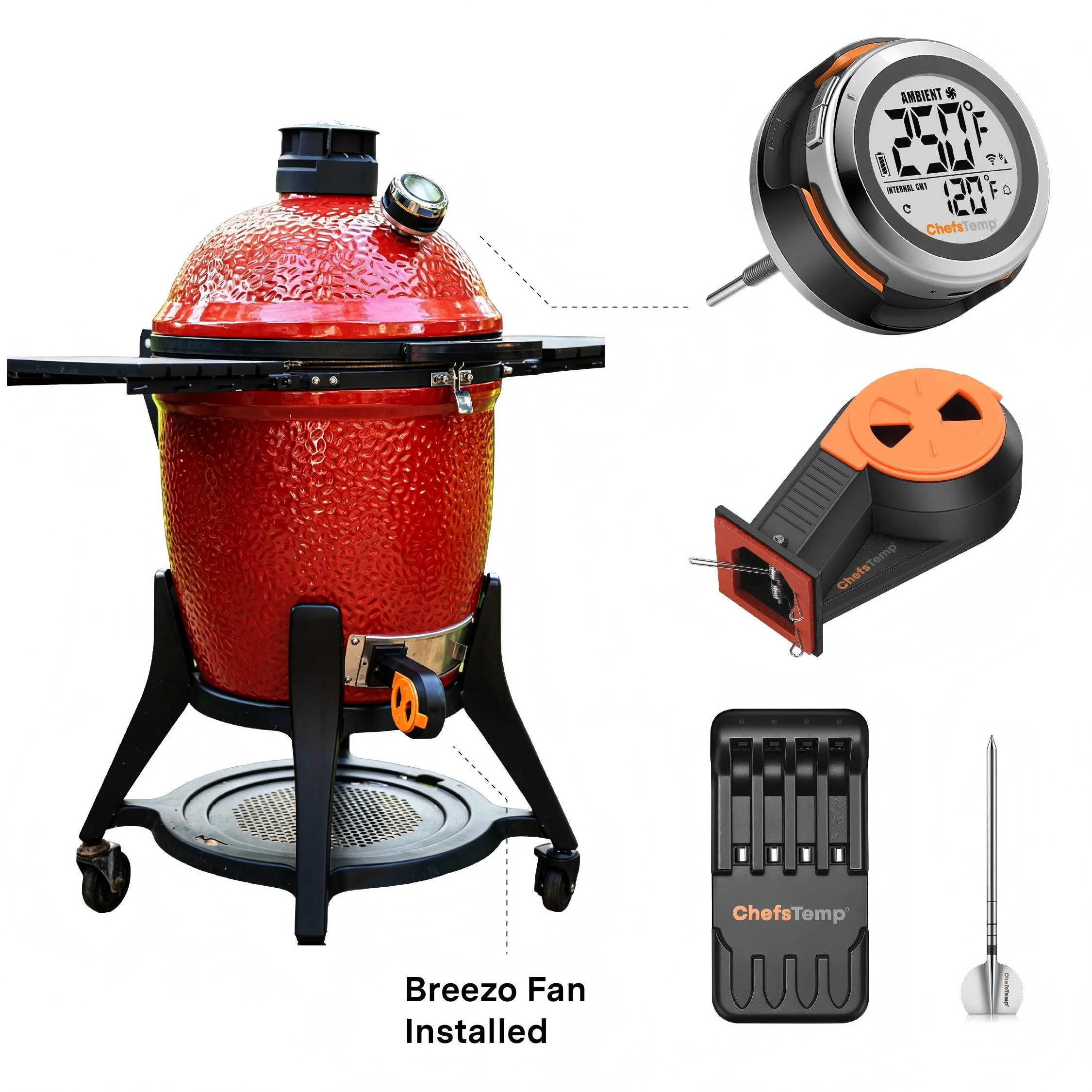
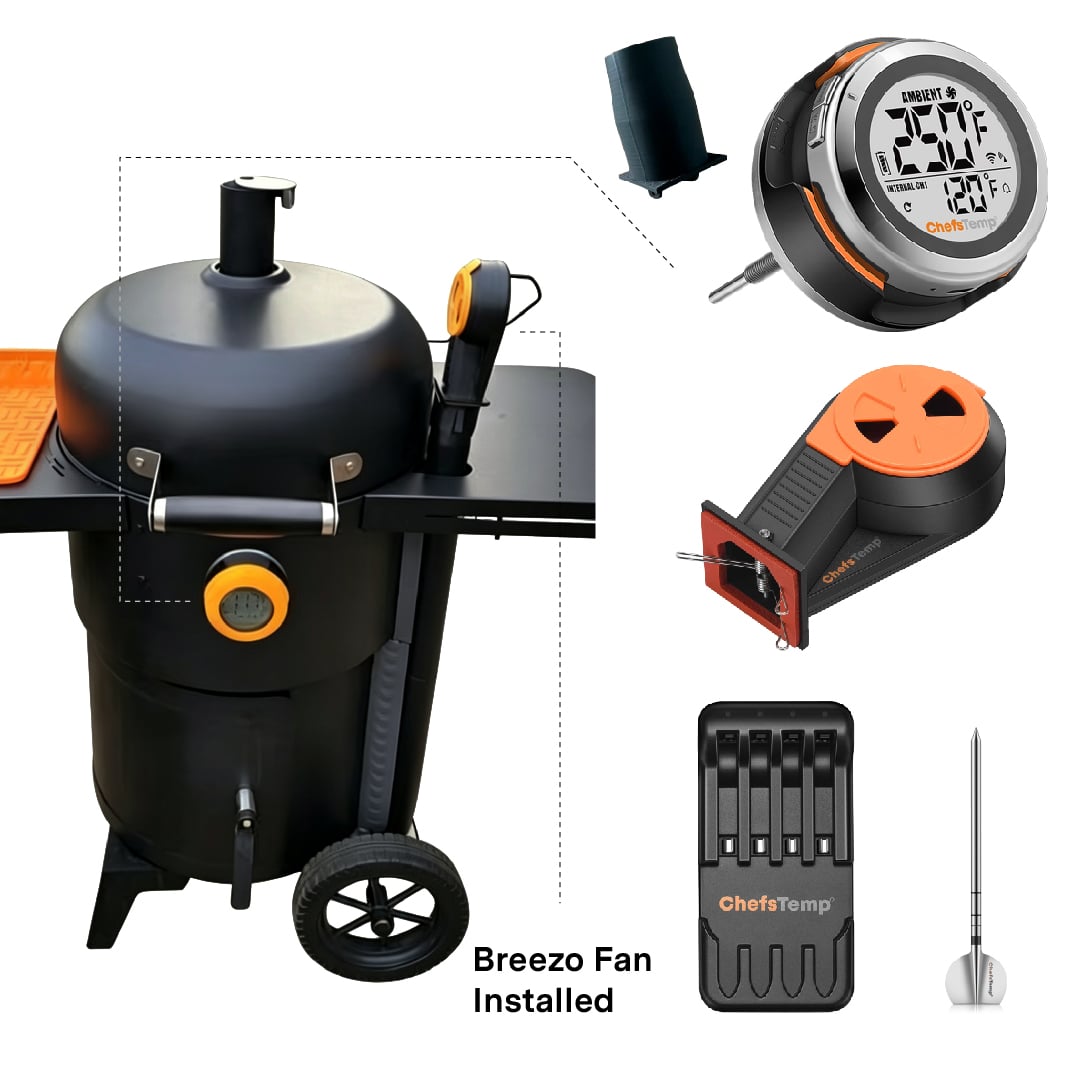
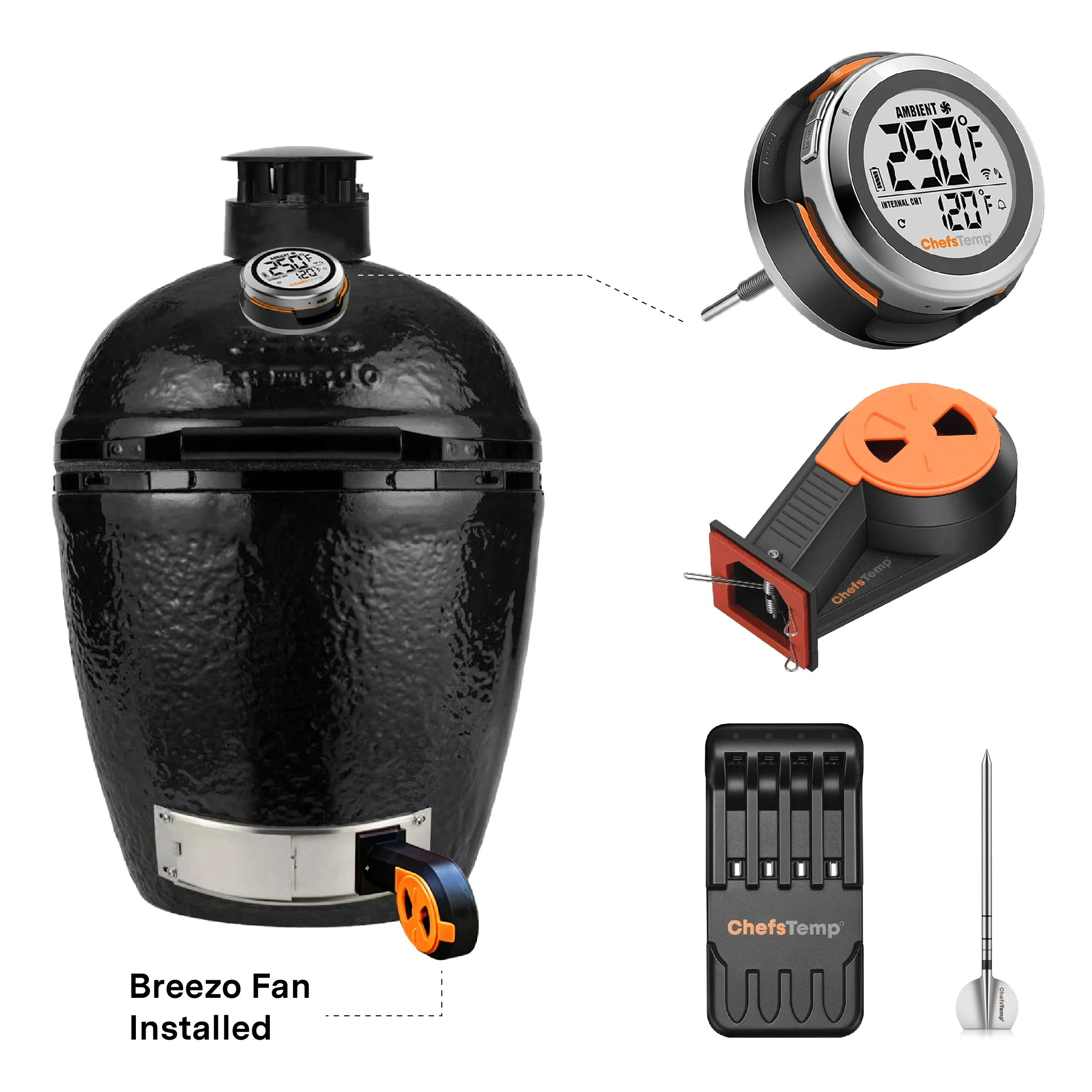
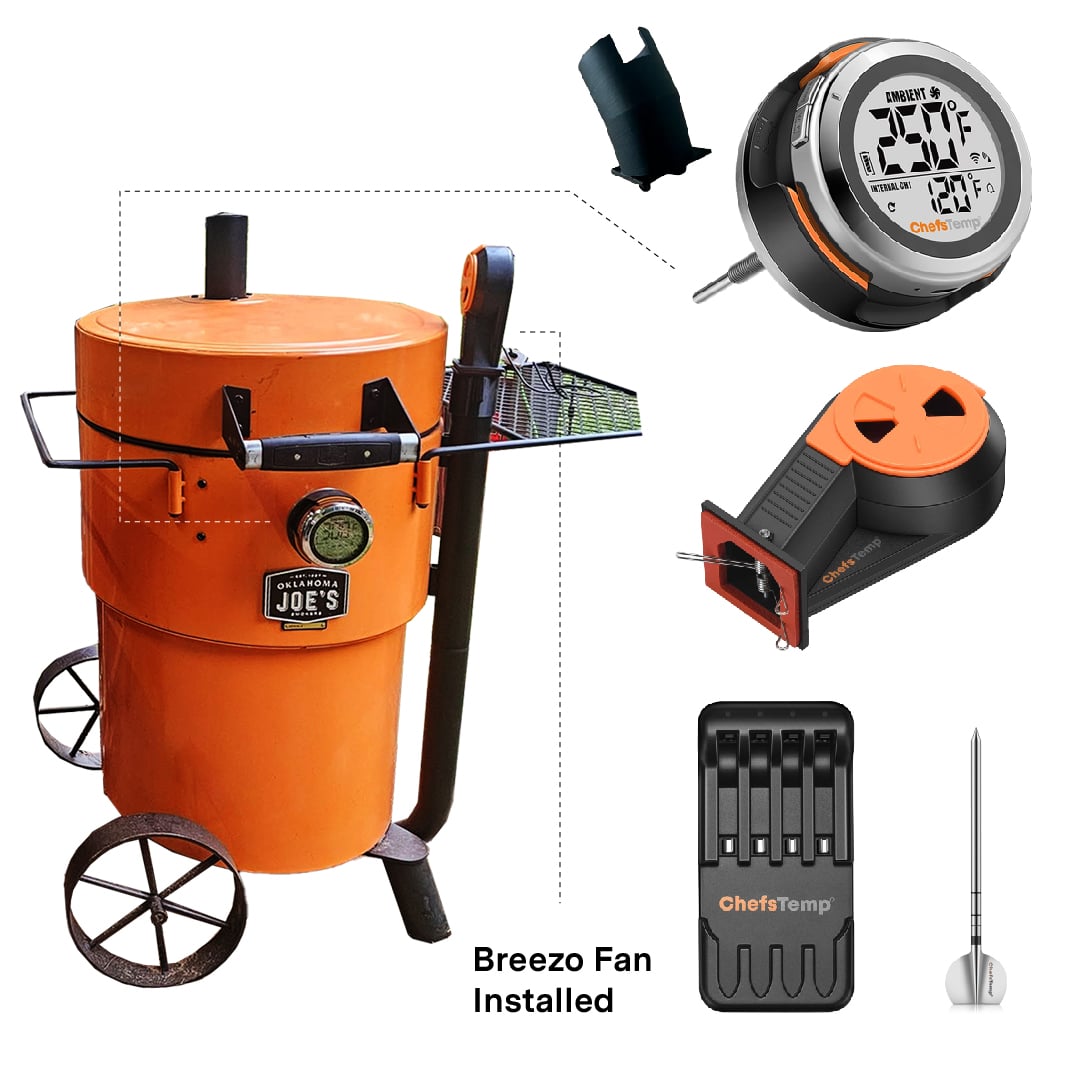
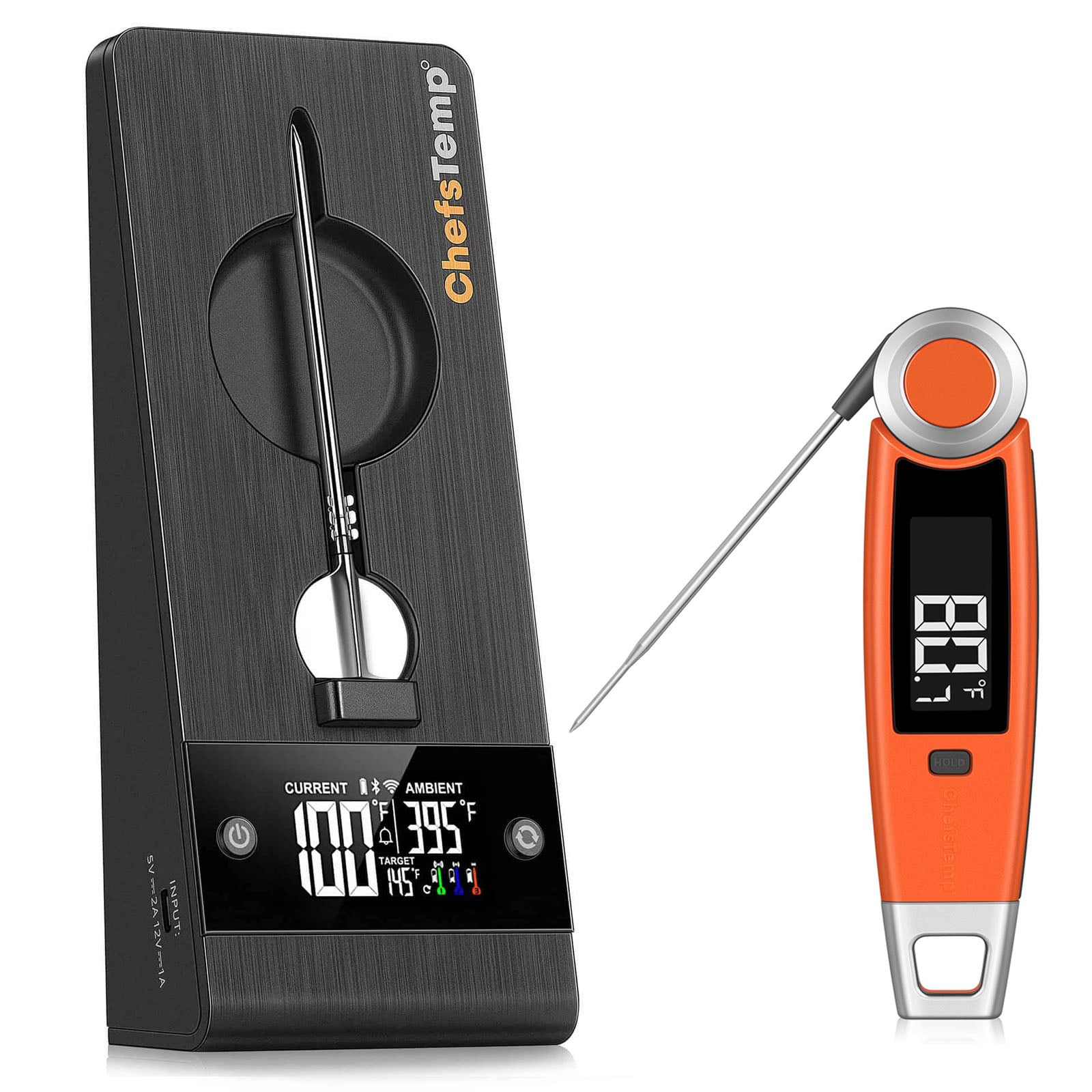
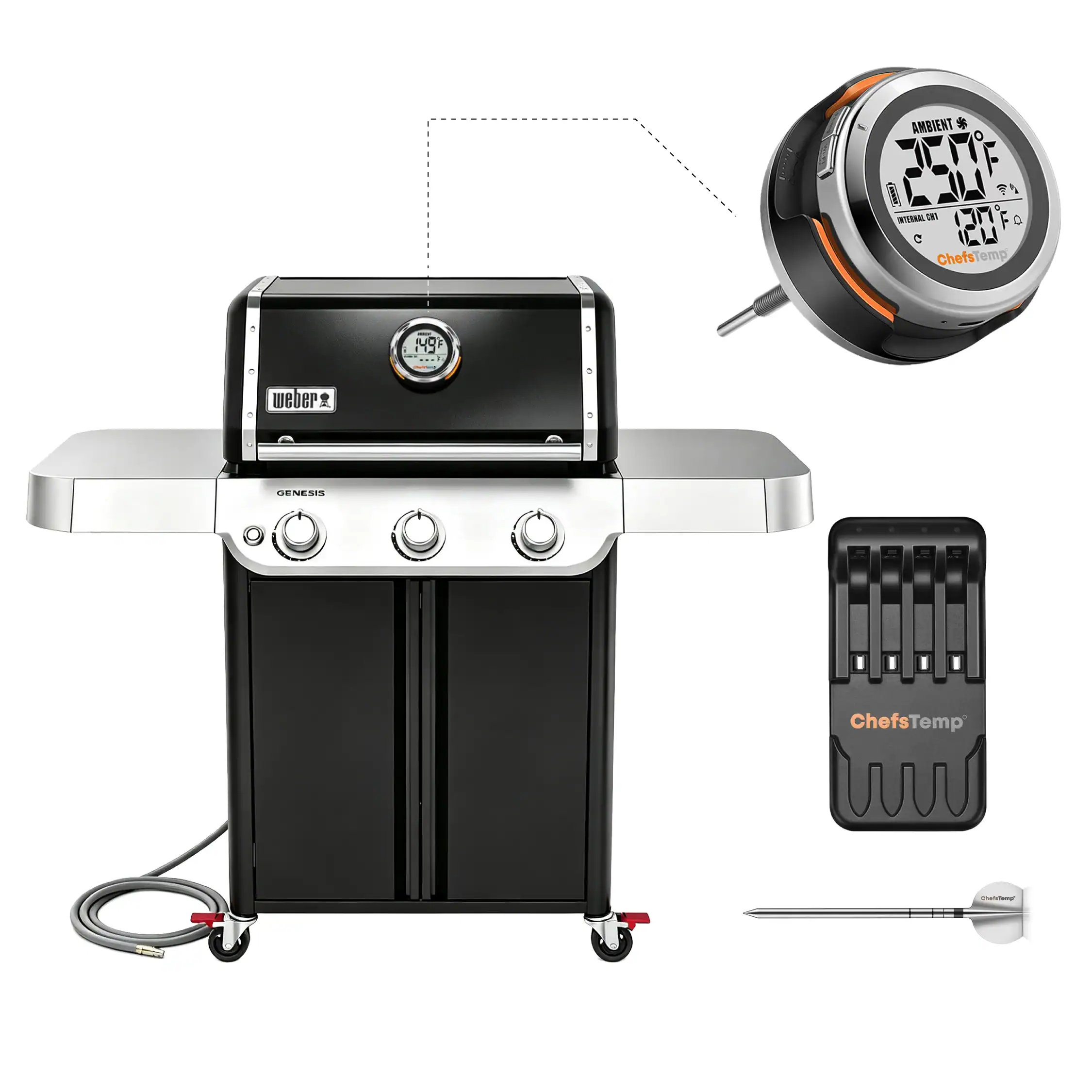
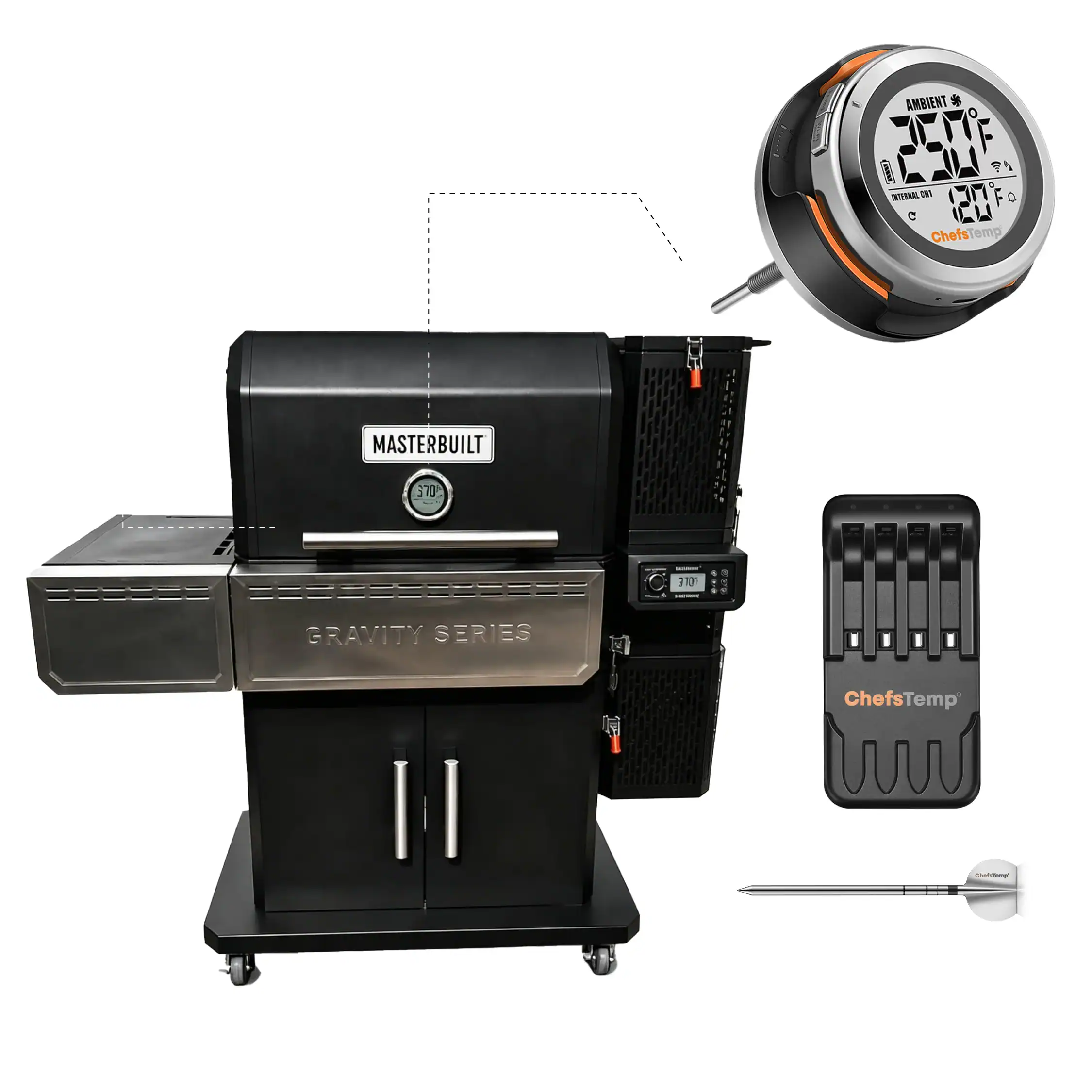
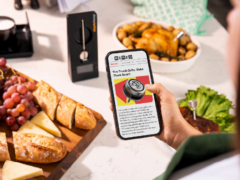
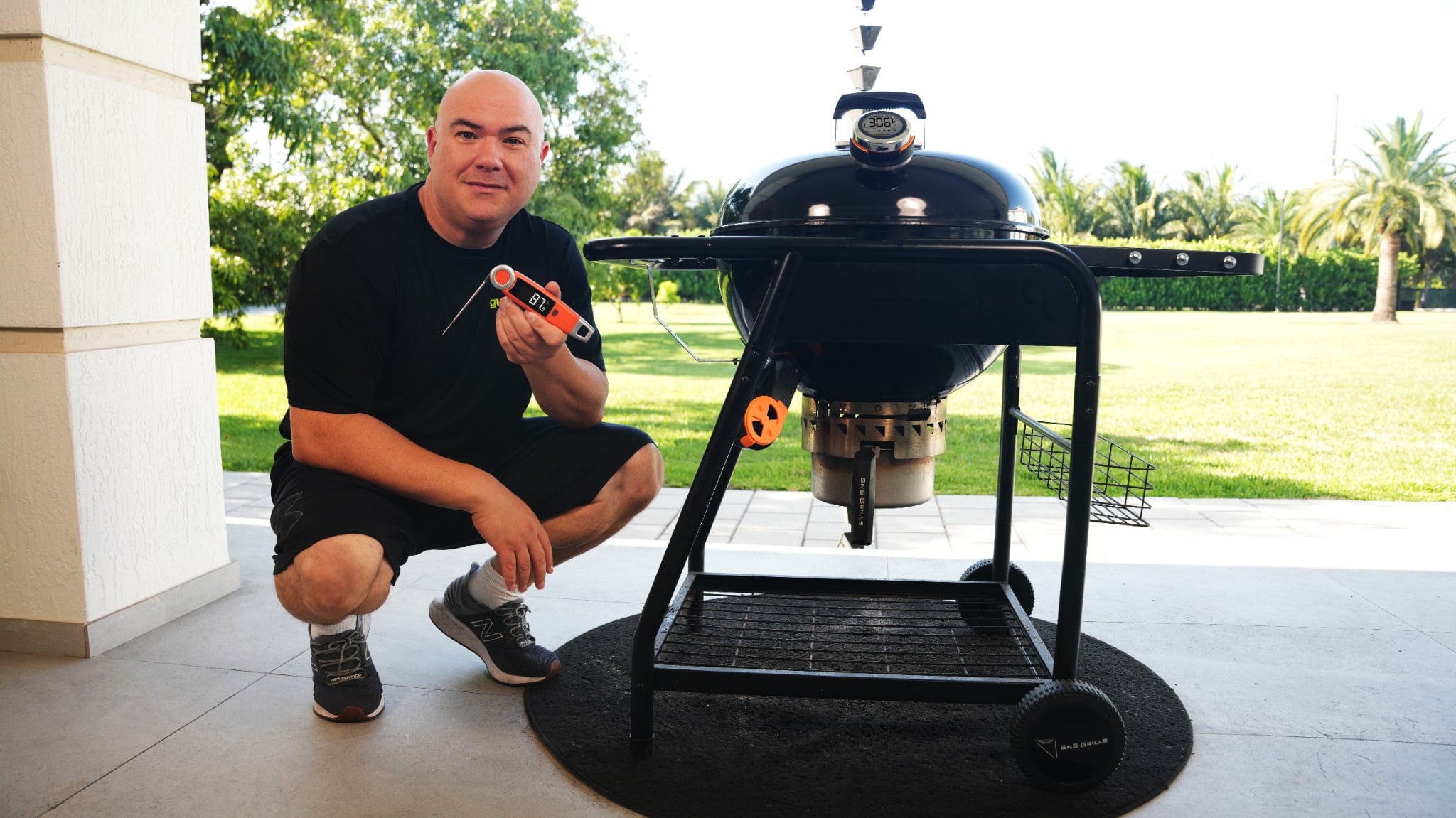
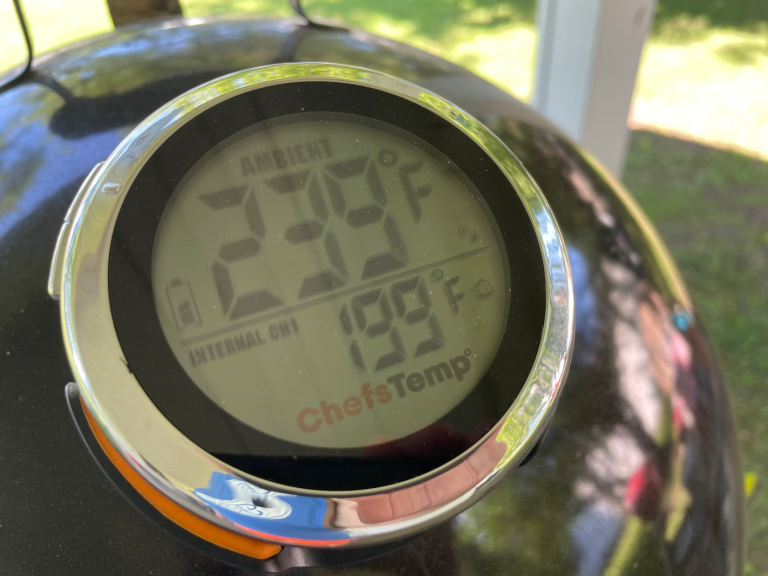
So put a probe where the food sits before you decide the grill is running cold. Clip it near the meat without touching the grate, the meat, or the flame. A ChefsTemp ProTemp S1 shows the pit temperature and up to four wireless probes at once, so you can see both numbers side by side.
Hold a Hot, Stable Charcoal Temperature
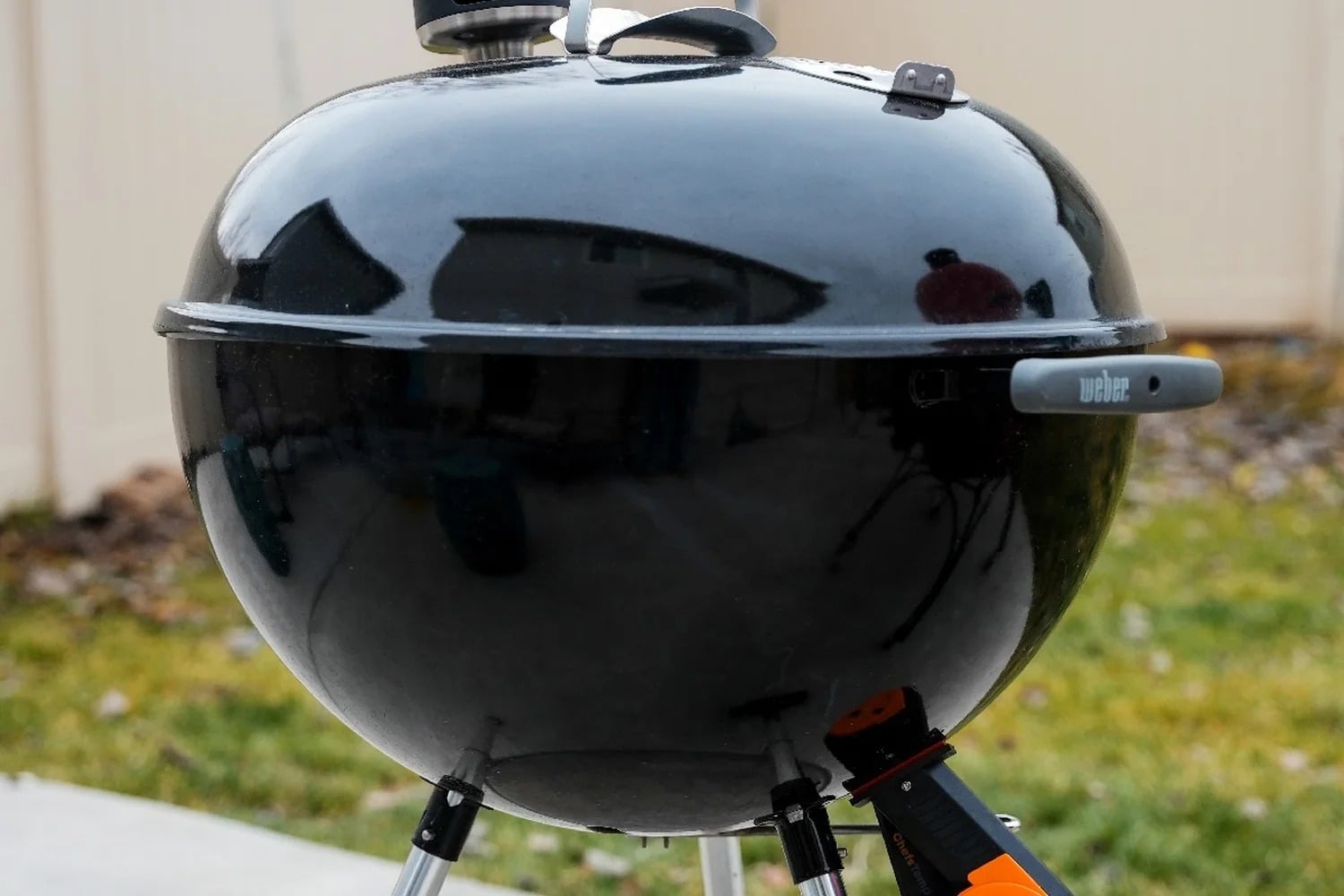
Correct early and correct small. Watch which way the grate reading is moving rather than reacting to every wobble. When it climbs slowly, wait. When it falls steadily, check the airflow and the remaining fuel before you lose the fire.
Change one thing at a time. Move the vents, rearrange the coals and add fuel all at once and you might get the heat back without learning which of the three did it. Make one adjustment, watch it, and you will set the grill up better next time.
Keep the lid shut while you judge a change. Every time you open it you alter the conditions you are trying to measure, and you then wait for the thermometer to catch up. For a long session, bank unlit charcoal beside the fire so it lights gradually as the burn spreads. You get more fuel into the cook without lifting the lid.
When Manual Vent Adjustments Become the Problem
Work the vents by hand and you learn how your grill behaves. You also stay next to it. On a long cook in cold or windy weather, you will not want to.
A temperature controller runs that loop for you. It compares the pit temperature against the target you set and drives a blower at the intake while the pit sits below that target. At the target, the fan stops.
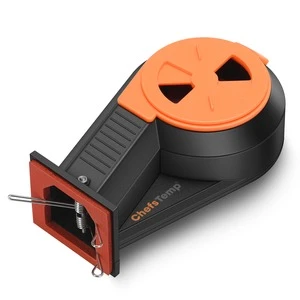
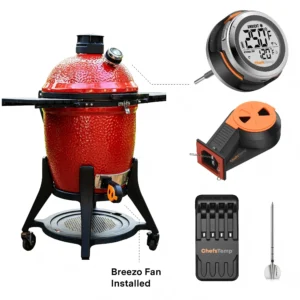
You read the pit temperature from the ProTemp S1 on your phone, and the Breezo fan moves air at the intake to hold the number you set. Set it once and you stop walking out to the vents.
A fan moves air and does nothing else. Clear the vents and light a proper bed of coals first. No controller will do either of those for you.
Frequently asked questions
Should the Top Vent Ever Be Completely Closed While Cooking?
Leave an exhaust path open while the charcoal burns. If you close the top vent completely you restrict the draft through the cooker, and you can weaken or put out the fire.
Can an Automatic Controller Cool an Overheated Charcoal Grill?
No. A blower adds air while the temperature sits low and stops at the target. It cannot remove heat, so you wait for an overheated grill to settle as the airflow drops.
Why Is One Side of My Cooking Grate Hotter Than the Other?
You create the difference when you arrange the charcoal. Pile it in one place and you get stronger heat there, with cooler areas further from the fuel. Measure near the food when that local temperature is the one you care about.
Should I Add Lit or Unlit Charcoal During a Long Cook?
Add unlit charcoal when you can arrange it so the burning coals reach it gradually. If the fire is nearly out, light fresh coals in a chimney instead.
Related Posts
Why Is My Charcoal Grill Not Getting Hot Enough?
Open the intake vent all the way. Clear the ash out from under the charcoal grate. Count how much lit charcoal...
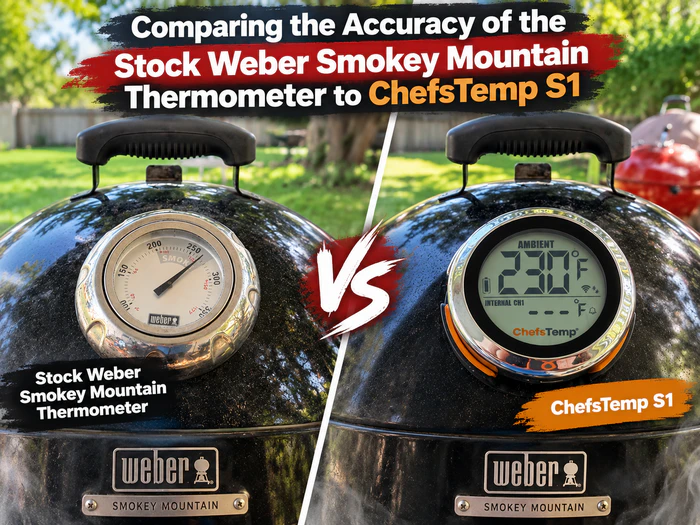
Comparing the Accuracy of the Stock Weber Smokey Mountain Thermometer to ChefsTemp S1
The Issue
The Weber Smokey Mountain is a popular and versatile cooker, but it has one major flaw - the stock ...

From Free Facebook BBQ Tips to a Growing Business: Stephan R. Parrot’s Custom Smoker Story
A suggestion from his wife helped Stephan R. Parrot turn years of free barbecue advice into training, catering...
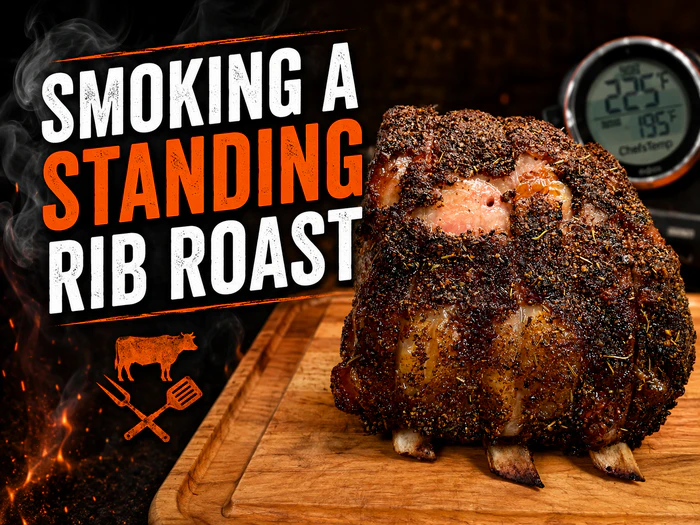
Smoking a Standing Rib Roast – When Special Occasions Call for Special Cuts of Meat
Preparing the Roast
...
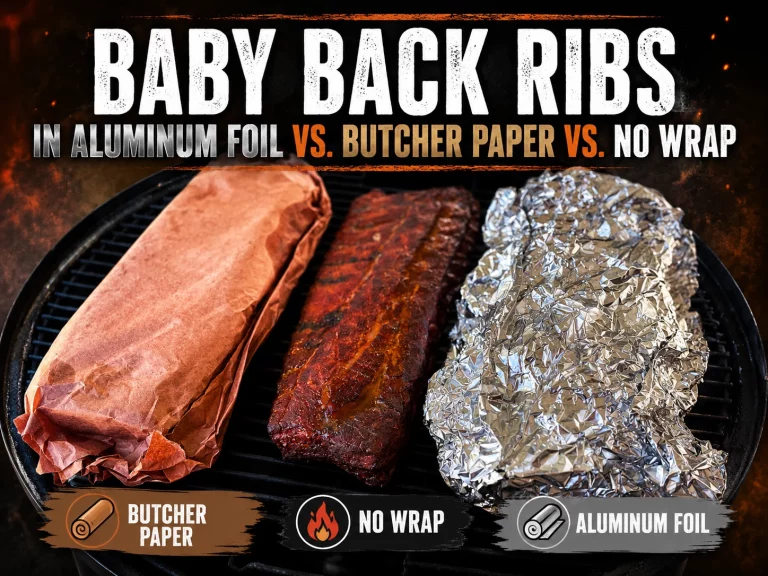
Experimenting with Ribs: Wrapping Baby Back Ribs in Aluminum Foil vs. Butcher Paper vs. No Wrap
Introduction to Smoking Ribs
I personally believe one of the big reasons people get smokers is to cook ribs. I...
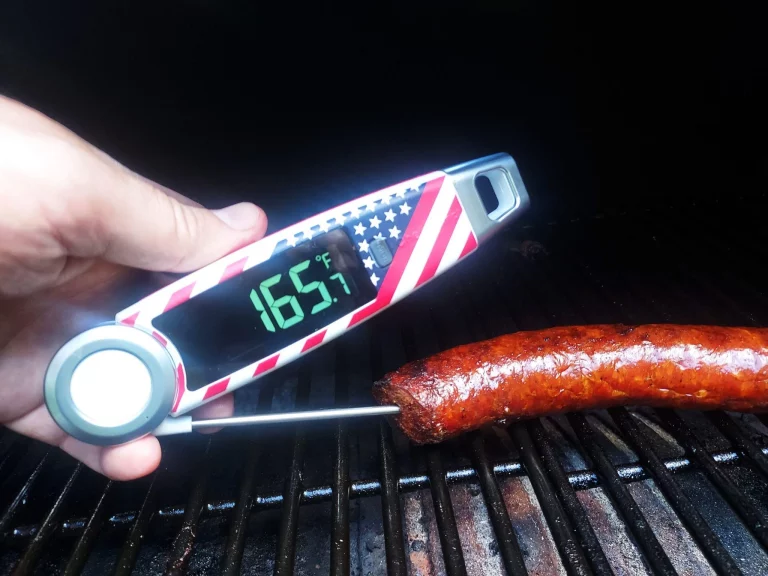
Stop Splitting Your Sausage: Expert Tips for grilling natural Casings
Natural casing ring sausage is a cookout staple enjoyed around the world that is equally deserving of a place ...
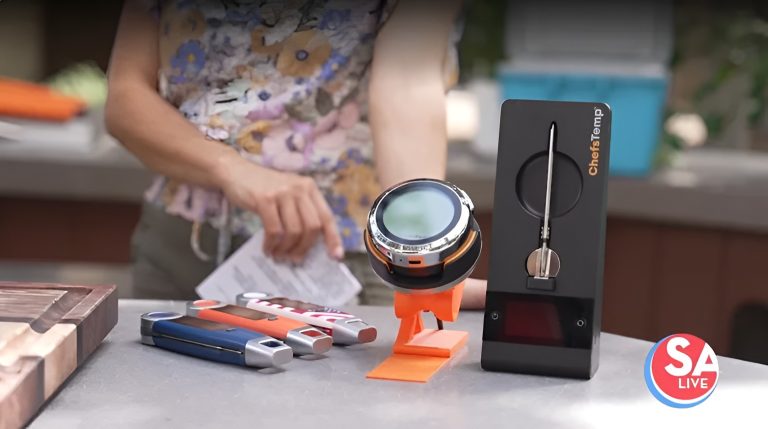
Mastering Pulled Pork: The Ultimate Temperature Control Guide with ChefsTemp
Achieving competition-grade, juicy, and tender pulled pork is the ultimate rite of passage for backyard pitmas...
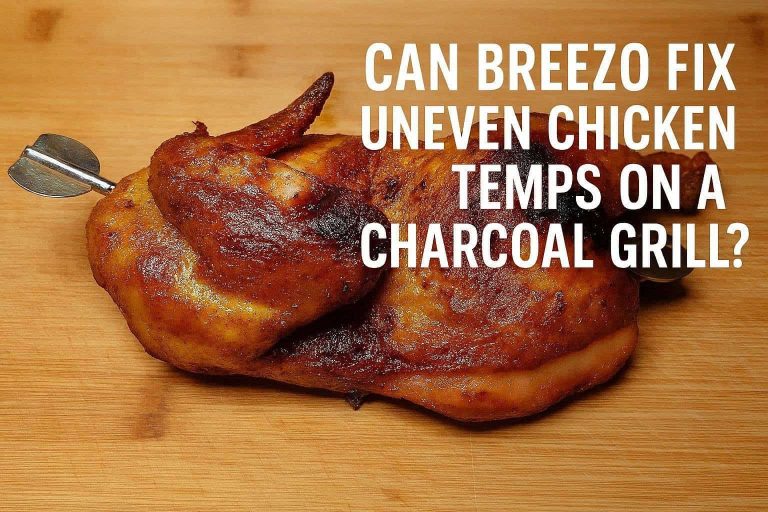
Two Birds, One Fan: Can Breezo Fix Uneven Chicken Temps on a Charcoal Grill?
Chicken grilled over charcoal is one of life’s purest pleasures. So much so that people debate which is better...
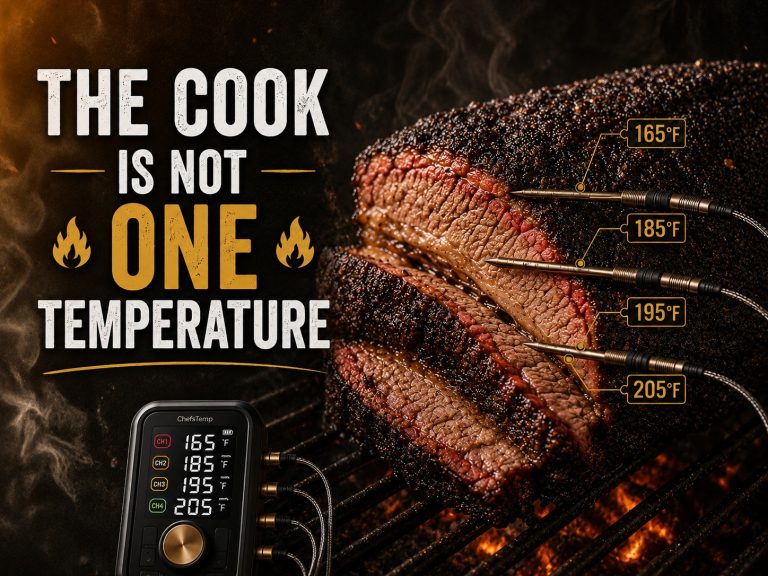
The Cook Is Not One Temperature
A few hours into a long cook, it can feel as though the grill has started arguing with you.
The dome thermome...
Breaking the Endothermic Standoff: The Complete Fat Rendering Timeline for Smoked Pork Shoulder
Smoked pork shoulder is an icon of American barbecue that many try, yet only a few manage to master. People lo...
How to Make Beef Tallow from Brisket Trimmings
If you've ever trimmed a whole packer brisket, you've probably looked at the pile of fat headed for the trash ...