Perhaps you’ve cleaned the kitchen thoroughly in preparation for your coming cookout, but did you realise that a spotless kitchen isn’t the only factor needed to ensure safe cooking? Another crucial aspect of food preparation is temperature. It’s possible that you haven’t thought too much about it; however, temperatures are a significant element in keeping food in a safe environment. If you make a mistake, it could turn a tasty dish into a health risk. What’s good? Learning temperature control doesn’t have to be too difficult. Here are some suggestions for preventing foodborne illness through precise temperature control.
 Why? Bacteria thrive in warm conditions. The temperature range referred to as “danger zone” (40°F and 140°F (4°C to 60°C)) is essential in the food industry’s security. Foods left in the danger zone for prolonged periods can become ideal breeding grounds for bacteria. Foodborne bacteria, including E. coli, Listeria, and Salmonella, can multiply rapidly in this temperature range. They are believed to increase their number in just 20 minutes, making the delicious food you cook risky to your health. They are inaccessible to the uninitiated and do not affect the smell, appearance, or taste of food items, which makes them more dangerous.
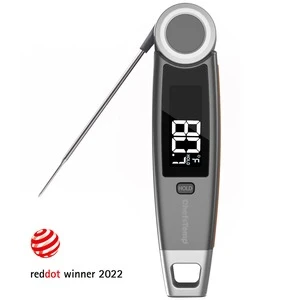
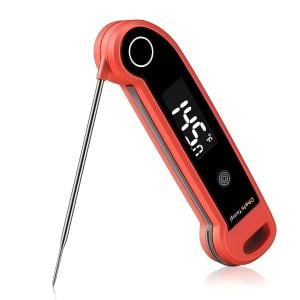
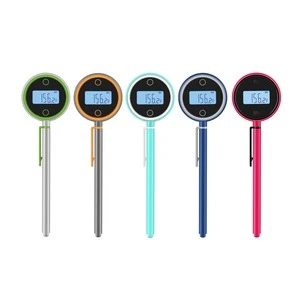
Food can be considered dangerous if it fails to reach or maintain a safe temperature during cooking, holding, or storage. That’s why food left out in the open for a prolonged period, and uncooked meats that are not properly chilled, can become hazardous. The only way to avoid the danger zone is to keep your food at the proper temperature while cooking. That’s when the need for an accurate food thermometer becomes clear.
Why? Bacteria thrive in warm conditions. The temperature range referred to as “danger zone” (40°F and 140°F (4°C to 60°C)) is essential in the food industry’s security. Foods left in the danger zone for prolonged periods can become ideal breeding grounds for bacteria. Foodborne bacteria, including E. coli, Listeria, and Salmonella, can multiply rapidly in this temperature range. They are believed to increase their number in just 20 minutes, making the delicious food you cook risky to your health. They are inaccessible to the uninitiated and do not affect the smell, appearance, or taste of food items, which makes them more dangerous.
Food can be considered dangerous if it fails to reach or maintain a safe temperature during cooking, holding, or storage. That’s why food left out in the open for a prolonged period, and uncooked meats that are not properly chilled, can become hazardous. The only way to avoid the danger zone is to keep your food at the proper temperature while cooking. That’s when the need for an accurate food thermometer becomes clear.
Why Temperature Control Matters
Foodborne diseases can be highly harmful, but they’re often more prevalent than we are aware. A lot of people suffer from health-related issues caused by food, usually because of something as basic as poor temperature control. If you’re cooking for family at home, running a restaurant, or throwing an outdoor barbecue, maintaining the proper food temperature will help you avoid foodborne illness.
Why? Bacteria thrive in warm conditions. The temperature range referred to as “danger zone” (40°F and 140°F (4°C to 60°C)) is essential in the food industry’s security. Foods left in the danger zone for prolonged periods can become ideal breeding grounds for bacteria. Foodborne bacteria, including E. coli, Listeria, and Salmonella, can multiply rapidly in this temperature range. They are believed to increase their number in just 20 minutes, making the delicious food you cook risky to your health. They are inaccessible to the uninitiated and do not affect the smell, appearance, or taste of food items, which makes them more dangerous.
Food can be considered dangerous if it fails to reach or maintain a safe temperature during cooking, holding, or storage. That’s why food left out in the open for a prolonged period, and uncooked meats that are not properly chilled, can become hazardous. The only way to avoid the danger zone is to keep your food at the proper temperature while cooking. That’s when the need for an accurate food thermometer becomes clear.
Cook at the Right Temperature
The process of cooking food, particularly meat, to the suggested internal temperature kills the majority of these bacteria responsible for causing illness. The best way to confirm that the food has been properly cooked is to use the food thermometer. Additionally, it is essential to remember that various foods require different internal temperatures for cooking. For instance, the whole cut of beef, pork, lamb, veal, and veal needs to reach 145°F (63°C), and then the meat is let to sit for three minutes before cutting or eating. This same temperature inside is necessary for fish that have fins, or until the flesh is opaque and can be separated with a fork. Ground meats, on the other hand, need to reach 160°F (71 °C). The meat of poultry, like turkey and ground turkey, requires a higher temperature of 165°F (74 °C). Also, only an accurate food thermometer (specifically a meat thermometer) will help you ensure the food you cook reaches the correct temperature.Holding Temperature
The correct temperature is not the only thing. After cooking, food should be consumed immediately or stored at a safe temperature. Hot food should be stored at 140°F (60°C) or higher or kept at 40°F (4°C) or lower. When it comes to buffets or gatherings at your house, consider buying slow cookers or dish chafers. They can keep your food warm and at a suitable (and perfect) temperature.
Cooling Through Refrigeration
The ability to cool your food is among the main factors contributing to food security. Cold temperatures dramatically slow bacterial growth, ensuring the food you eat is safe for longer. But it’s vital to keep in mind that fridges from different brands are not identical, and temperatures may differ from one refrigerator to another. To keep perishable food items secure for longer, keep your refrigerator at 40°F (4 °C) or lower. Utilise a thermometer to measure the temperature inside your refrigerator precisely. If you’re using an older fridge, chances are the temperature isn’t accurate. The same is true if you use your refrigerator often. Also, try not to overload the fridge. The air does not circulate effectively and could cause irregular cooling.The Importance of Freezing
It is a common belief that freezing kills bacteria. However, it isn’t. It actually prevents bacteria from growing, making it an excellent alternative for keeping food fresh long-term. But to reap all the benefits of freezing, you should keep food frozen while it’s fresh and secure. If you intend to freeze foods such as poultry or leftovers, be sure to put them in the freezer as quickly as possible, ideally within the next couple of hours. The freezer should be set to 0 degrees F (-18 °C) or less. Additionally, you must date and label the items you freeze so you know how long they’ve been stored. Although food items can be stored for a long time in the freezer, it’s recommended to consume them within the appropriate timeframe to ensure high quality.How To Thaw Safely
A crucial aspect in preparing food safely is freezing. If you do it wrong, particularly with meat, it may transform your favourite ingredients into dangerous food. Most often, the mistake is taking food, usually meat, from the freezer and placing it on top of the countertop. This is because the exterior layer can enter the risk zone, while the inner layer remains frozen. It means that the bacteria can have time to multiply at the surface. The ideal method for thawing your food is to put it in the fridge, as the temperature remains stable and safe. If you have to defrost rapidly, try using an oven or put your food into a sealable bag before submerging it in cold water. If you decide to go with the former, be sure to replace the water every 30 minutes. After the frozen food has been cooked, you can cook the meals immediately. Tip: click here to learn more about thawing a turkey if interested.Final Thoughts
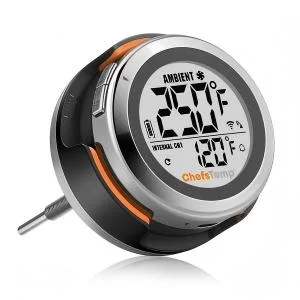
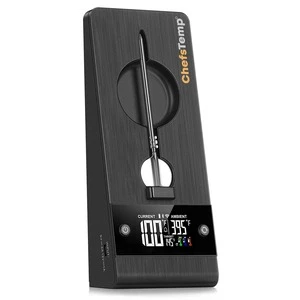
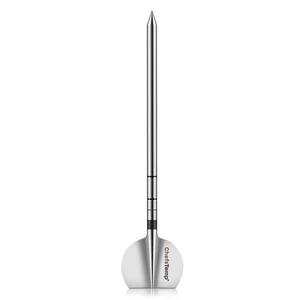
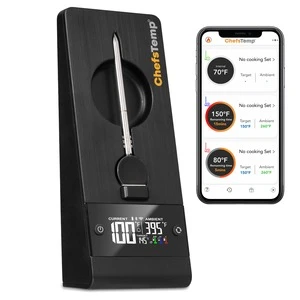
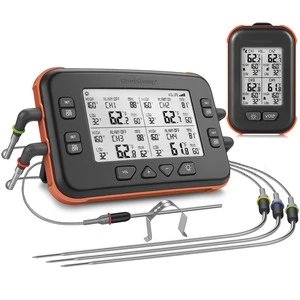
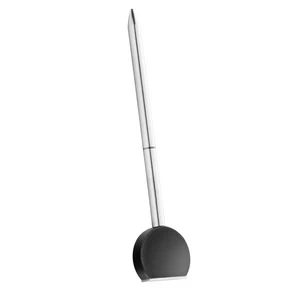
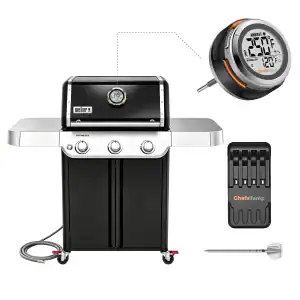
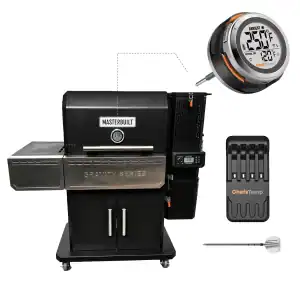
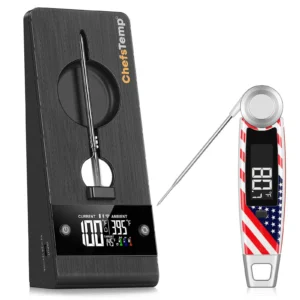
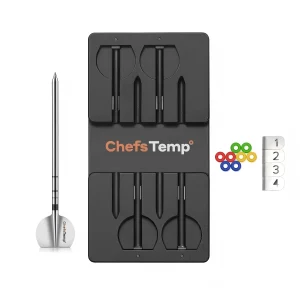
Using thermometers for food is the most trusted method of effectively regulating the temperature of your food, and reducing the risk of contracting foodborne diseases. When cooking at the stove, on the grill, and baking, grilling, and so on. The thermometer is the best way to ensure the food you cook reaches a safe temperature. There’s a wide range of options for easily reading the temperature when cooking. For instance, instant-read thermometers provide quick temperature readings. Probe thermometers, on the other hand, can be placed in the meat during cooking. This gives you an exact indication of the animal’s internal temperature.Related Posts
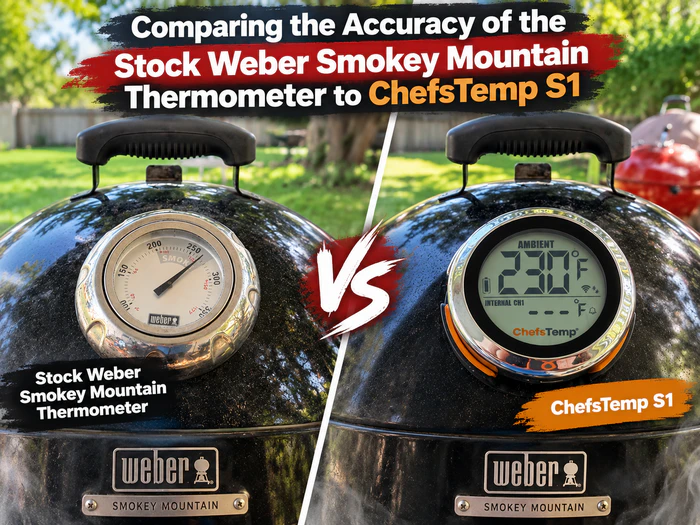
Comparing the Accuracy of the Stock Weber Smokey Mountain Thermometer to ChefsTemp S1
The Issue
The Weber Smokey Mountain is a popular and versatile cooker, but it has one major flaw - the stock ...
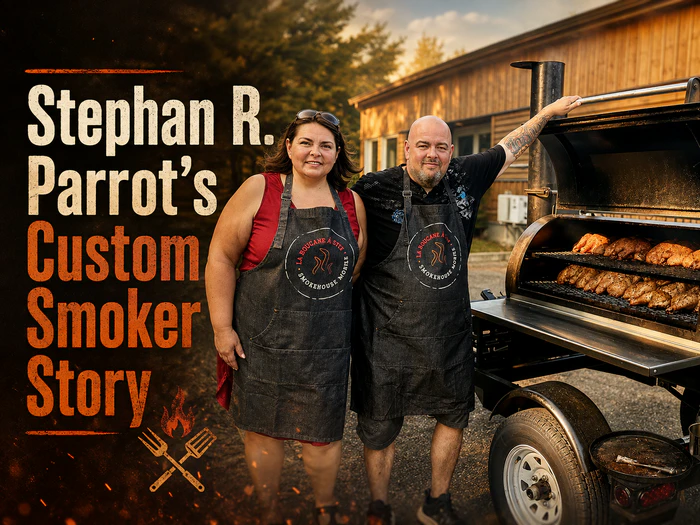
From Free Facebook BBQ Tips to a Growing Business: Stephan R. Parrot’s Custom Smoker Story
A suggestion from his wife helped Stephan R. Parrot turn years of free barbecue advice into training, catering...
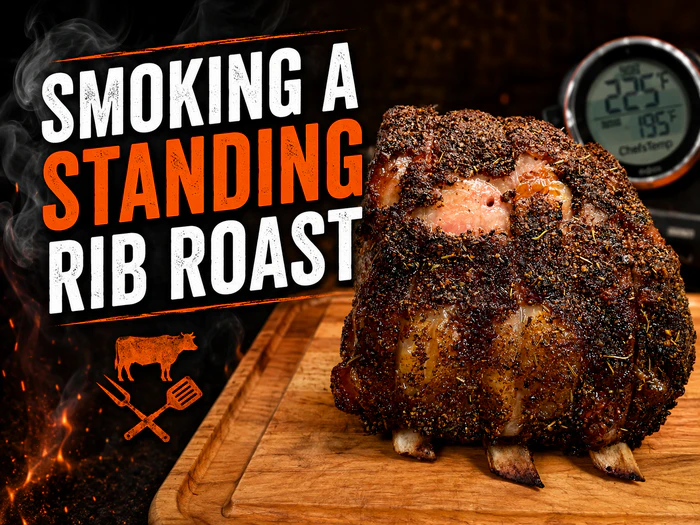
Smoking a Standing Rib Roast – When Special Occasions Call for Special Cuts of Meat
Preparing the Roast
...
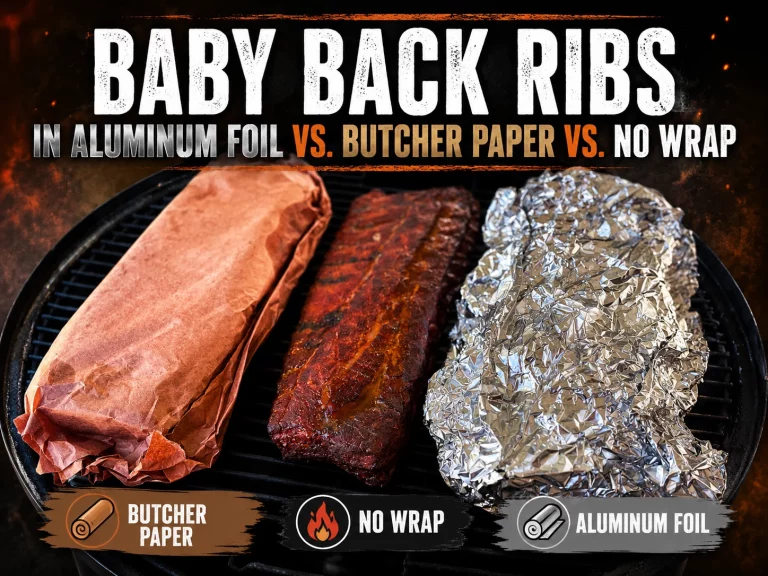
Experimenting with Ribs: Wrapping Baby Back Ribs in Aluminum Foil vs. Butcher Paper vs. No Wrap
Introduction to Smoking Ribs
I personally believe one of the big reasons people get smokers is to cook ribs. I...
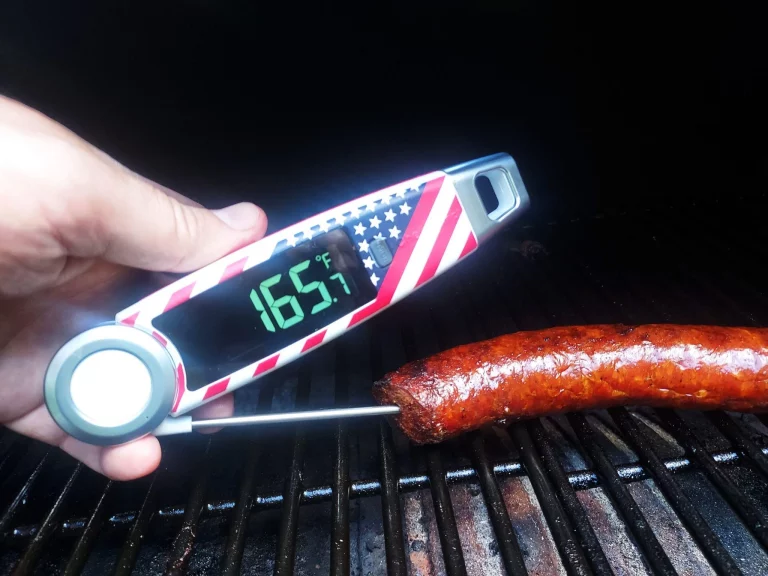
Stop Splitting Your Sausage: Expert Tips for grilling natural Casings
Natural casing ring sausage is a cookout staple enjoyed around the world that is equally deserving of a place ...
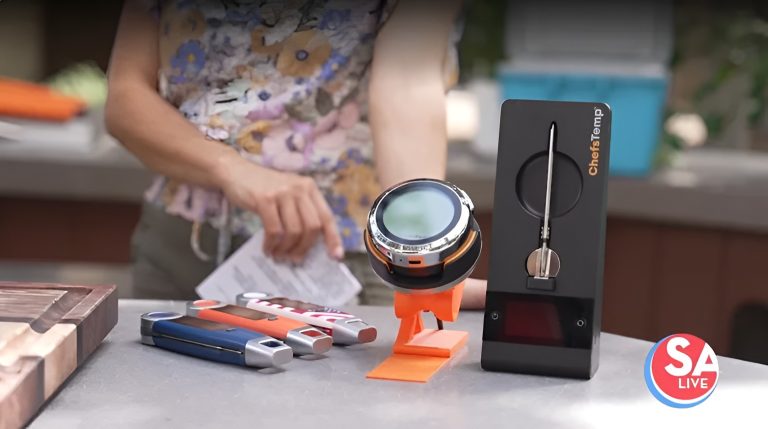
Mastering Pulled Pork: The Ultimate Temperature Control Guide with ChefsTemp
Achieving competition-grade, juicy, and tender pulled pork is the ultimate rite of passage for backyard pitmas...
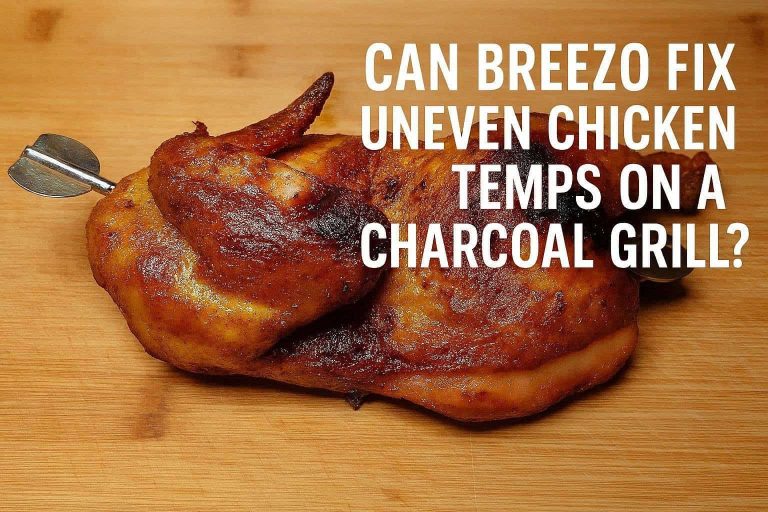
Two Birds, One Fan: Can Breezo Fix Uneven Chicken Temps on a Charcoal Grill?
Chicken grilled over charcoal is one of life’s purest pleasures. So much so that people debate which is better...
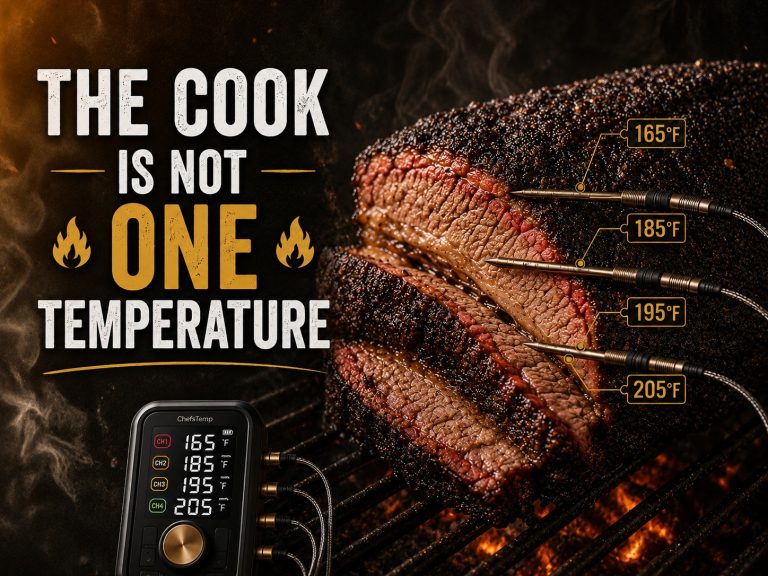
The Cook Is Not One Temperature
A few hours into a long cook, it can feel as though the grill has started arguing with you.
The dome thermome...
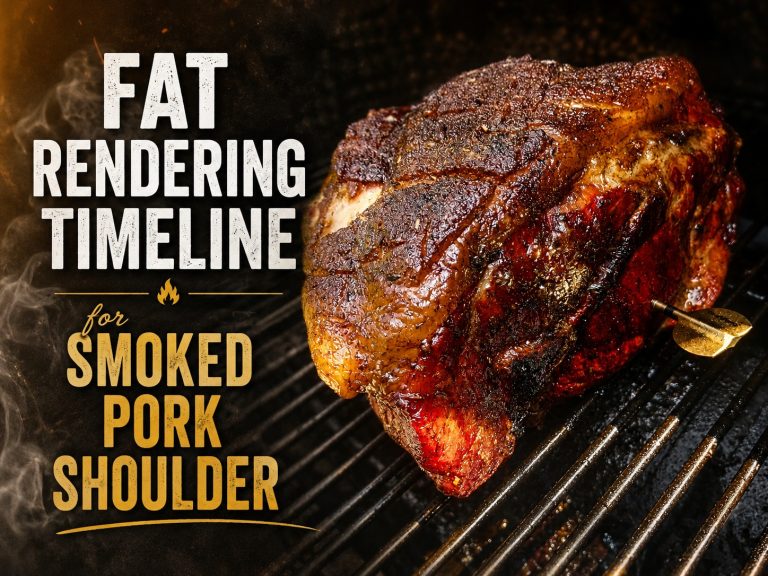
Breaking the Endothermic Standoff: The Complete Fat Rendering Timeline for Smoked Pork Shoulder
Smoked pork shoulder is an icon of American barbecue that many try, yet only a few manage to master. People lo...
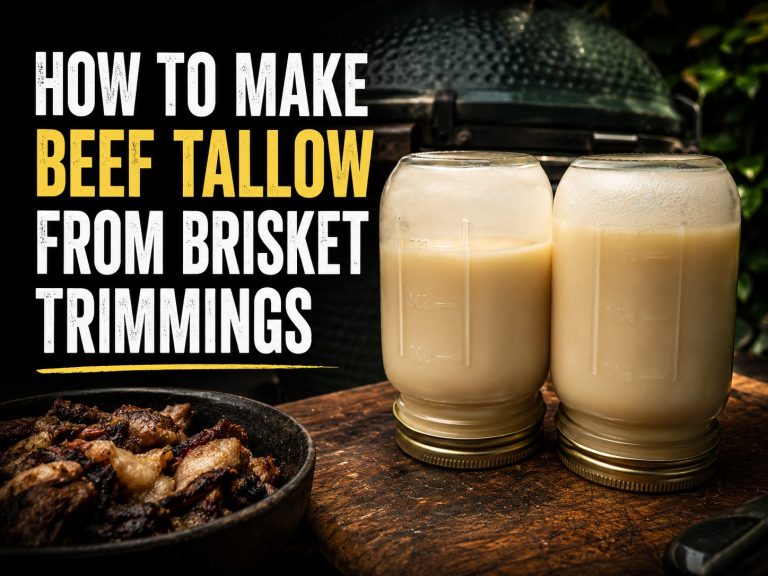
How to Make Beef Tallow from Brisket Trimmings
If you've ever trimmed a whole packer brisket, you've probably looked at the pile of fat headed for the trash ...
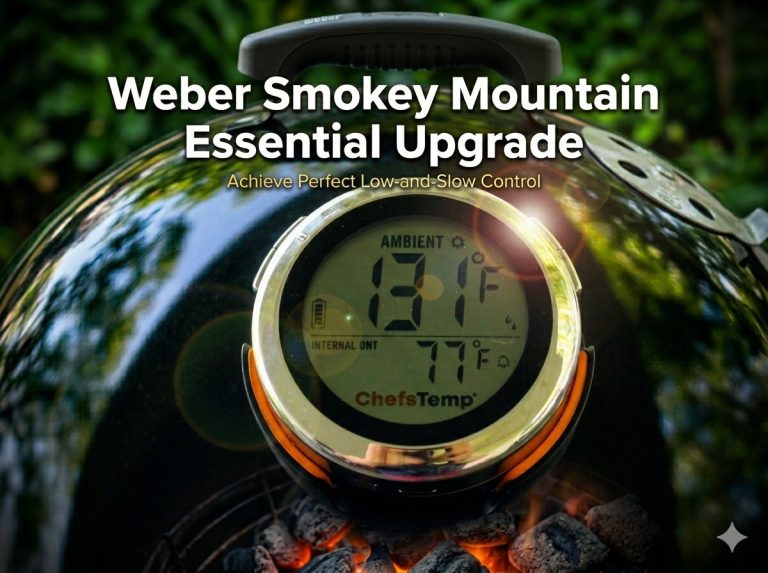
Weber Smokey Mountain Brisket Guide: How to Sleep Soundly with a Smart Temperature Controller Upgrade
Smoking a brisket can be a time-consuming task for even the most experienced pit master, but it doesn’t mean y...