Temperature is one of the most critical aspects of cooking. The correct temperature is vital in making sure that food not only tastes good, but that it is safe to eat in the first place. However, temperature can also be dangerous, especially when you are in the food danger zone. It is critical that you understand what this danger zone means and how you can avoid foodborne illnesses.  The food danger zone is simply the temperature range that promotes the growth of bacteria, making food most prone to cause food poisoning and other foodborne illnesses. This is why it is important to understand what the food danger zone is, so you can prevent exposing your food to this temperature level. There is no one-size-fits-all rule when it comes to bacteria growth and exposure. There are numerous factors that can influence the growth of bacteria and how it can affect humans that might consume the food that is contaminated with it. These other factors include acidity, salt content, and moisture. However, temperature is one of those factors that are within your control, so you need to know the proper way to cook and handle food to ensure that it isn’t dangerous to consume.Food can become dangerous after several hours if it is left within the 12-30 degrees C range. Meanwhile, food at 30-45 degrees C can be very dangerous within a couple of hours as this can promote bacterial growth. The same also goes for food that is kept at 45-51 degrees C. Simply put, you need to be extra careful when food is in the 20 to 50 degrees C range. This is the temperature zone wherein bacteria growth is at its most rapid. You should limit the amount of time that the food is kept in this danger zone. Also, this is a great reminder to strive for the minimum internal temperature that is required for cooking certain types of food, especially meat.Why is the food danger zone important? It’s simple – it’s for your own safety when consuming these foods. Bacteria can thrive in these conditions and it can be the culprit behind foodborne illnesses. You will notice that the smell and appearance of the food might change when it reaches this temperature level. The danger zone for hot and cold food can vary, too. For hot foods, you need to strive for a temperature that is 60 degrees C or warmer. For cold food, you need to keep the temperature of the food below 4 degrees C. Leaving food for any length of time within these temperature ranges is something that must be avoided in order to decrease the chances of promoting foodborne illness. This refers to allowing the food to stay in the food danger zone for an extended period of time. It is equivalent to cross-contamination as one of the leading causes of food poisoning. Safety is an essential consideration when keeping a close eye on the temperature of the food. Aside from the cooking process, the handling and storage of the food is also something to consider to ensure safety.Once you have reached the recommended internal temperature for the food, it is important to maintain that temperature for as long as possible before serving. The use of proper food containers to keep hot food warm or cold food chilled is important. For example, you need to use a warming vessel for hot food or cold food storage for cold food. It is also important to keep food covered at all times so it can maintain its temperature for as long as possible. It is also recommended that you closely monitor the temperature of the food. This will enable you to take the correct action when it comes to dealing with the food, whether you can reheat it or throw it away. Do keep it in mind that food that has been left out for too long at room temperature is prone to bacterial growth. When it is kept at room temperature for too long, it can promote bacteria that cause foodborne illness. Therefore, you should avoid this practice as much as possible. If you cannot serve food that you cooked immediately, you need to find a way to maintain the safe temperature for as long as possible. The best way to ensure food is safe to consume is to use a thermometer. There are plenty of them on the market to choose from that will enable you to accurately read the temperature of your food. For your own safety, dispose of any food that has been out for too long or when it is showing any signs of contamination.
What is the Food Danger Zone?
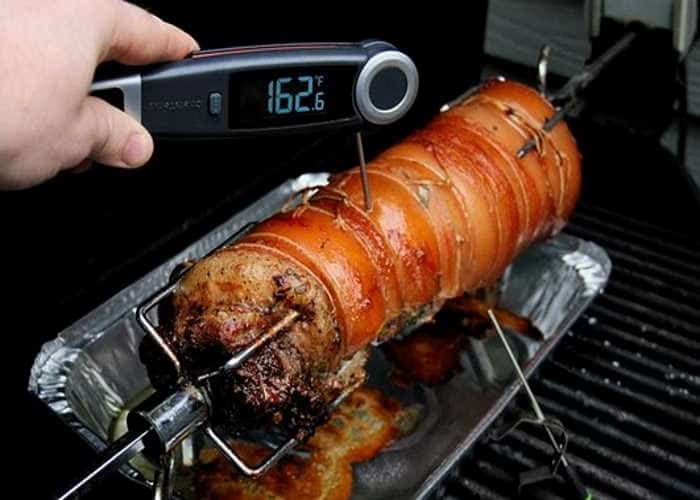 The food danger zone is simply the temperature range that promotes the growth of bacteria, making food most prone to cause food poisoning and other foodborne illnesses. This is why it is important to understand what the food danger zone is, so you can prevent exposing your food to this temperature level. There is no one-size-fits-all rule when it comes to bacteria growth and exposure. There are numerous factors that can influence the growth of bacteria and how it can affect humans that might consume the food that is contaminated with it. These other factors include acidity, salt content, and moisture. However, temperature is one of those factors that are within your control, so you need to know the proper way to cook and handle food to ensure that it isn’t dangerous to consume.Food can become dangerous after several hours if it is left within the 12-30 degrees C range. Meanwhile, food at 30-45 degrees C can be very dangerous within a couple of hours as this can promote bacterial growth. The same also goes for food that is kept at 45-51 degrees C. Simply put, you need to be extra careful when food is in the 20 to 50 degrees C range. This is the temperature zone wherein bacteria growth is at its most rapid. You should limit the amount of time that the food is kept in this danger zone. Also, this is a great reminder to strive for the minimum internal temperature that is required for cooking certain types of food, especially meat.Why is the food danger zone important? It’s simple – it’s for your own safety when consuming these foods. Bacteria can thrive in these conditions and it can be the culprit behind foodborne illnesses. You will notice that the smell and appearance of the food might change when it reaches this temperature level. The danger zone for hot and cold food can vary, too. For hot foods, you need to strive for a temperature that is 60 degrees C or warmer. For cold food, you need to keep the temperature of the food below 4 degrees C. Leaving food for any length of time within these temperature ranges is something that must be avoided in order to decrease the chances of promoting foodborne illness. This refers to allowing the food to stay in the food danger zone for an extended period of time. It is equivalent to cross-contamination as one of the leading causes of food poisoning.
 Guidelines on Safe Cooking Temperature
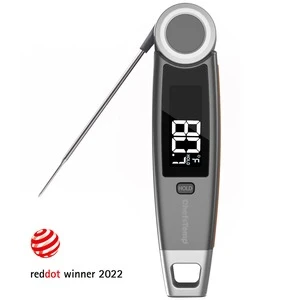
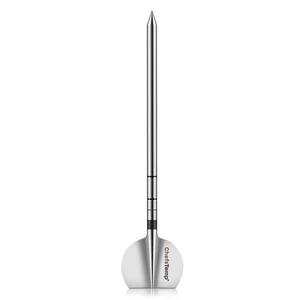
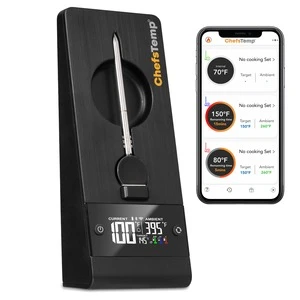
The cooking process is one of the aspects that you can control in order to achieve a safe temperature level for handling and food preparation. The best way to ensure that the food is safe to eat is to monitor the internal temperature of the food using a thermometer. This is an important guideline to consider when cooking meat and poultry that can be high risk for salmonella, listeria, and other types of food bacteria. Use this guideline for the safe cooking temperature of common types of food:- 75 degrees C – Poultry (chicken and turkey), seafood, stuffed meat, and poultry stuffing with meat.
- 68 degrees C – Ground meat, ground seafood, injected meat, and ratites (ostrich).
- 62 degrees C – Pork, lamb, veal, beef, steaks, and game meat
- 57 degrees C – fruits, vegetables, grains, and legumes
Food Safety Tips to Consider
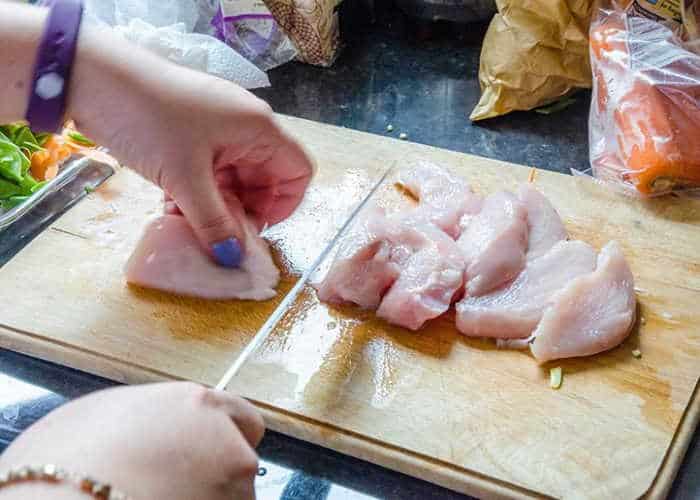 Safety is an essential consideration when keeping a close eye on the temperature of the food. Aside from the cooking process, the handling and storage of the food is also something to consider to ensure safety.Once you have reached the recommended internal temperature for the food, it is important to maintain that temperature for as long as possible before serving. The use of proper food containers to keep hot food warm or cold food chilled is important. For example, you need to use a warming vessel for hot food or cold food storage for cold food. It is also important to keep food covered at all times so it can maintain its temperature for as long as possible. It is also recommended that you closely monitor the temperature of the food. This will enable you to take the correct action when it comes to dealing with the food, whether you can reheat it or throw it away. Do keep it in mind that food that has been left out for too long at room temperature is prone to bacterial growth. When it is kept at room temperature for too long, it can promote bacteria that cause foodborne illness. Therefore, you should avoid this practice as much as possible. If you cannot serve food that you cooked immediately, you need to find a way to maintain the safe temperature for as long as possible. The best way to ensure food is safe to consume is to use a thermometer. There are plenty of them on the market to choose from that will enable you to accurately read the temperature of your food. For your own safety, dispose of any food that has been out for too long or when it is showing any signs of contamination.
 Related Posts
How to Have a Well-Cooked Meat
Meat is a popular part of many dieting plans, as its tasty and satisfying qualities make it an excellent sourc...
Letting Meat Rest Myth Debunked: Find Out the Truth
Whether it's your first time cooking meat or not, you might have heard one common piece of advice: always rest...
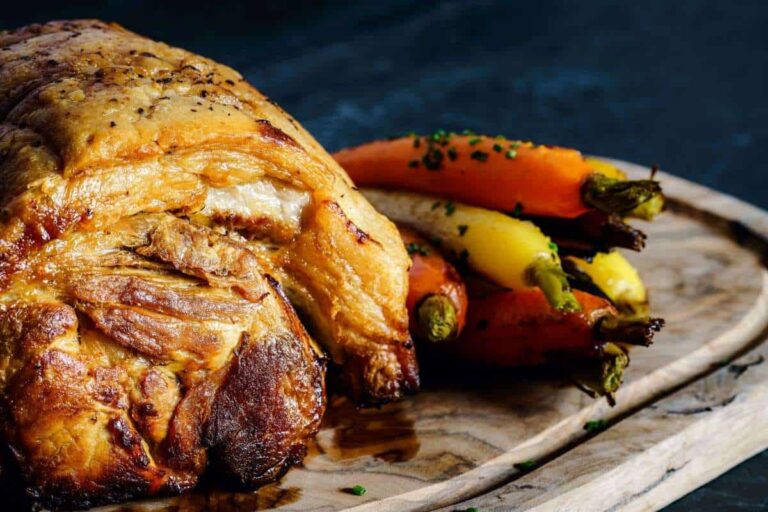
Roast Pork Internal Temperature
Roasting is one of the best ways to cook pork. This method of cooking gives you soft meat with a crunchy exter...
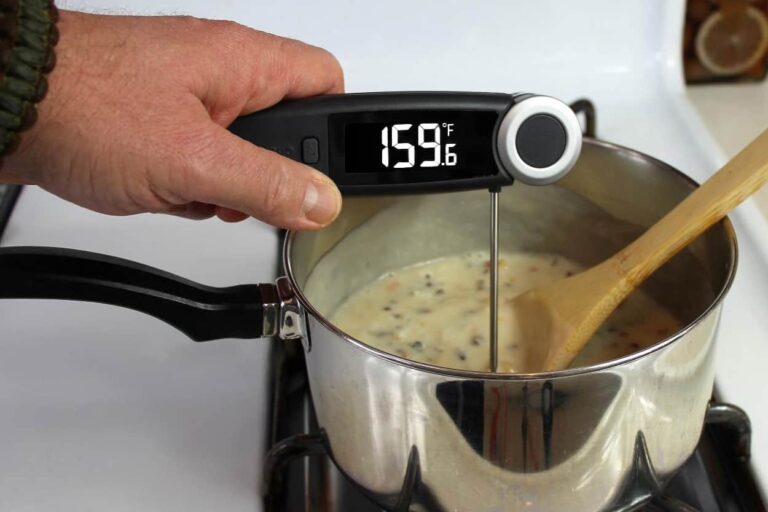
What Is the Best Instant Read Thermometer for Cooking Large Cuts of Meat?
Checking your meat doneness requires the best instant read thermometer. If you ever had issues serving underco...
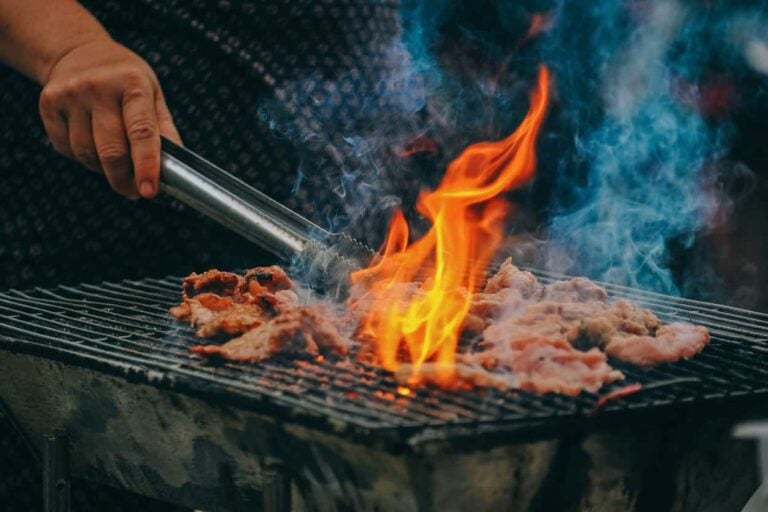
Top Barbecuing Mistakes You Can Avoid with an Instant Read Thermometer
Smoking is not the same as grilling even if both require an instant read thermometer. When you smoke meat, fol...
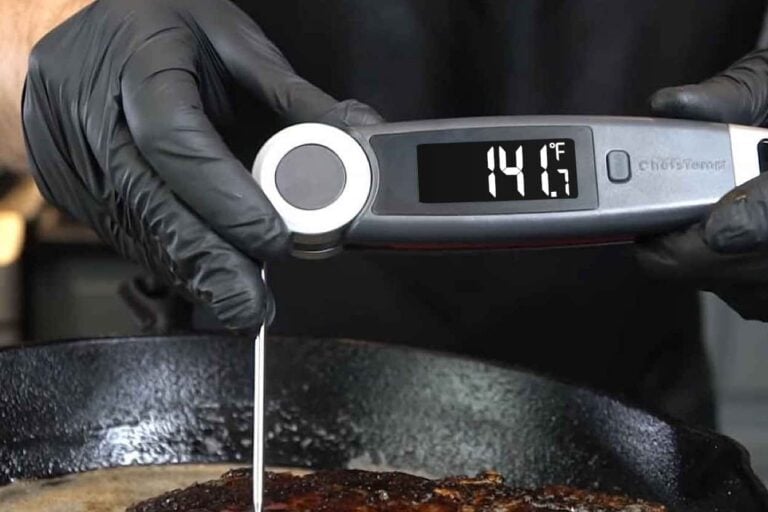
How to Use a Meat Thermometer Accurately
A meat thermometer is a simple and straightforward kitchen tool. And yet, some people do not know how to use t...
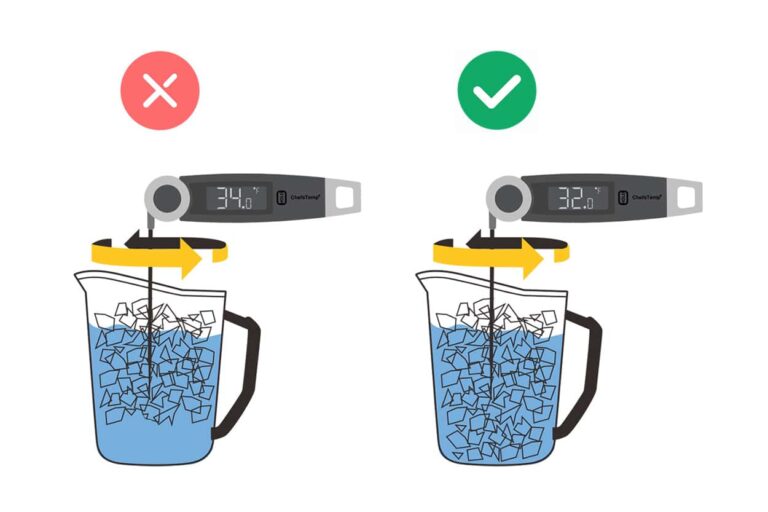
4 Reasons Why Your Ice Bath Test Is Not Accurate – Using an Instant Meat Thermometer
A digital or instant meat thermometer can help you get an accurate and exact temperature reading. However, man...
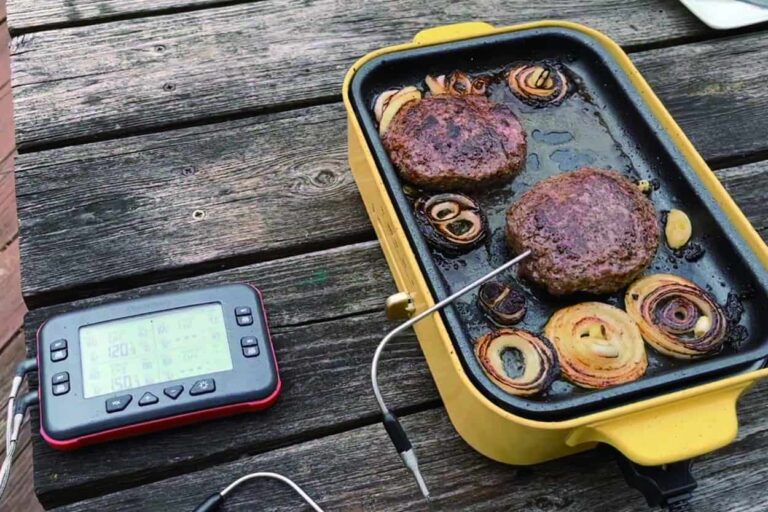
Best Grill Thermometer to Invest In
There is no worse feeling than cutting through a piece of meat and then discovering that the center is still r...
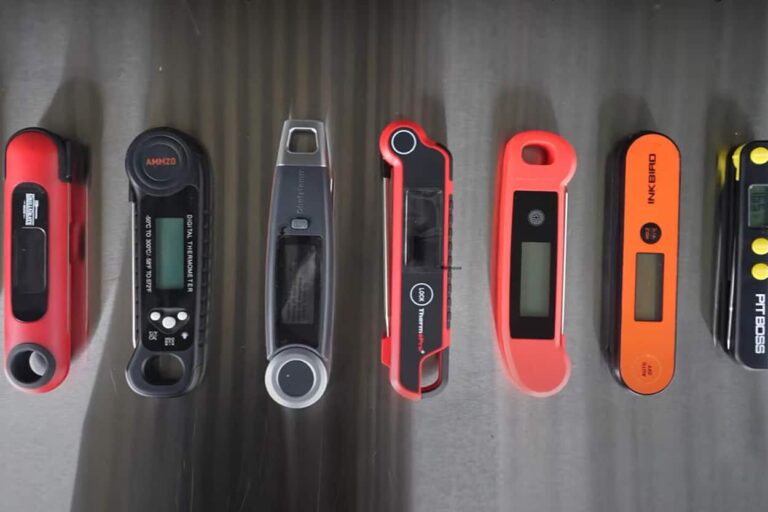
7 Best Instant Read Thermometers On the Market
Unless you are an experienced chef who’s been cooking meat for years, you can’t truly rely on pressing the mea...
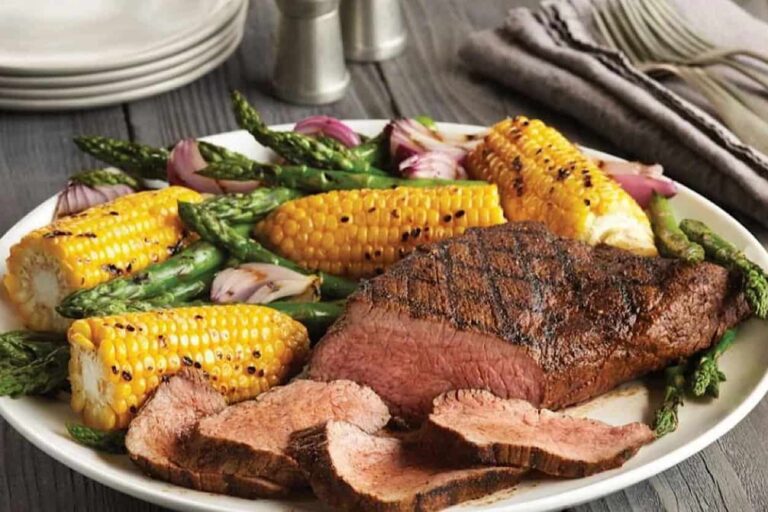
The Internal Temperature for Tri-Tip When Done
Tri-tip is a type of beef cut that can be prepared in a variety of ways, such as grilling, smoking, and oven-r...
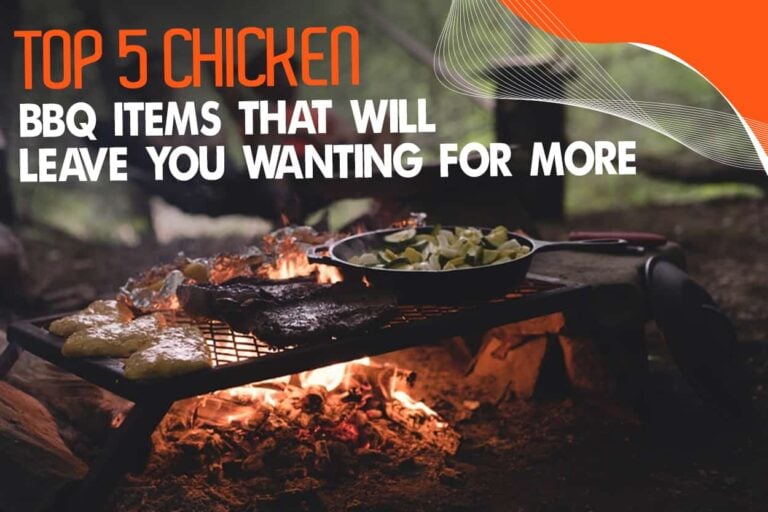
Top 5 Chicken BBQ Items That Will Leave You Wanting for More
Everyone is looking forward to the warm bright days after this year's harsh winter. A pleasant summer evening ...
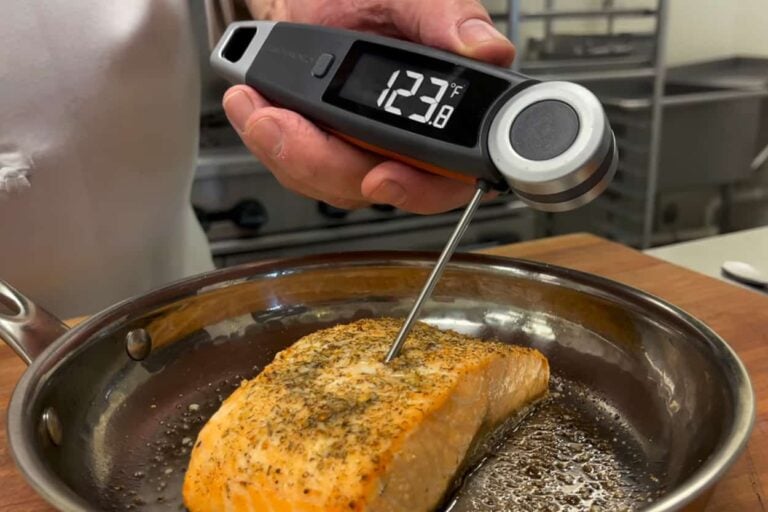
Use ChefsTemp Finaltouch X10 Instant Read Meat Thermometer to Measure Food Temperature
A reliable quick read kitchen thermometer is a must-have in every home and hotel, and not just because it can ...