Cooking is one of the most basic household chores. However, it can be easy to mess up your cooking, especially if you do not get the proper cooking temperature. If food is not cooked correctly, it can lead to various food-borne illnesses. With millions of people getting sick from food poisoning each year, following the correct cooking temperature is crucial to ensure you consume safe food.
This article discusses proper cooking temperatures and the potential consequences of cooking your food incorrectly.

 2. Check the Color and Texture of the Food
A food thermometer is the best and most accurate way of checking the temperature of food while it’s cooking. Another way to check whether the food is safe to eat is to look at its color and texture.
For example, raw red meat is usually pinkish or red. When the food is cooked, it becomes brown. The meat should also feel firm, not mushy.
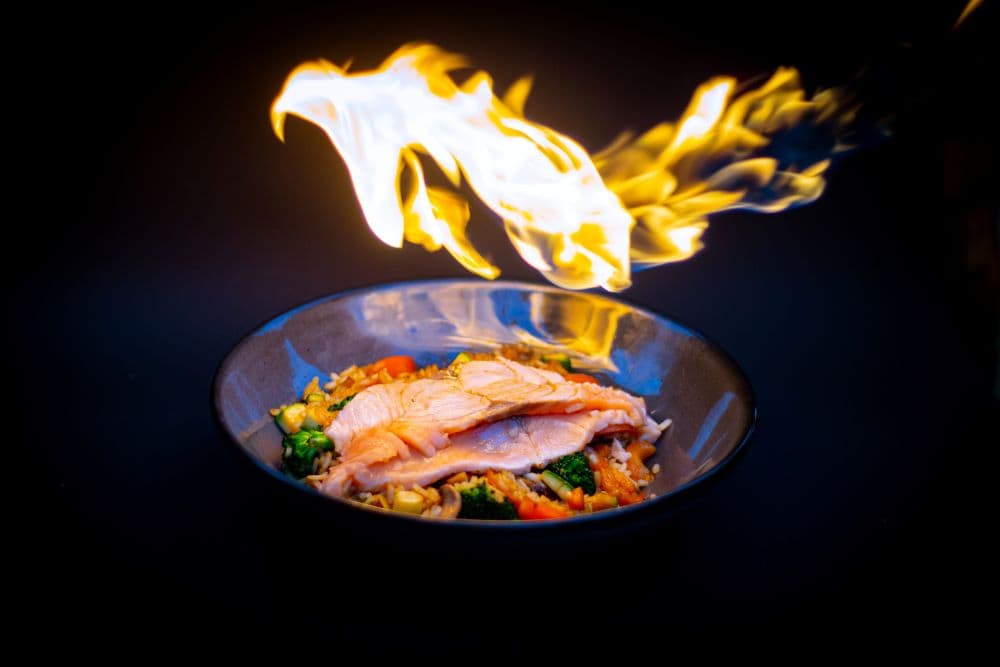
With fish, the raw meat is still shiny and translucent. But when fish is cooked, it becomes opaque and flakes easily.
3. Avoid Cross-Contamination
When cooking raw meat or seafood, one thing to be wary of is cross-contamination. Even when food is cooked to the right temperature, cross-contamination with raw meat can transfer harmful bacteria.
You must avoid cross-contamination during preparation. Ensure you have separate boards for raw meat and vegetables. Never place raw and cooked meat on the same plate.
4. Follow the Recommended Cooking Temperatures
The best way to ensure food is safe is to follow the recommended internal temperature guidelines. Here are some of the essential guidelines to remember:
2. Check the Color and Texture of the Food
A food thermometer is the best and most accurate way of checking the temperature of food while it’s cooking. Another way to check whether the food is safe to eat is to look at its color and texture.
For example, raw red meat is usually pinkish or red. When the food is cooked, it becomes brown. The meat should also feel firm, not mushy.
With fish, the raw meat is still shiny and translucent. But when fish is cooked, it becomes opaque and flakes easily.
3. Avoid Cross-Contamination
When cooking raw meat or seafood, one thing to be wary of is cross-contamination. Even when food is cooked to the right temperature, cross-contamination with raw meat can transfer harmful bacteria.
You must avoid cross-contamination during preparation. Ensure you have separate boards for raw meat and vegetables. Never place raw and cooked meat on the same plate.
4. Follow the Recommended Cooking Temperatures
The best way to ensure food is safe is to follow the recommended internal temperature guidelines. Here are some of the essential guidelines to remember:
Why Proper Cooking Temperatures Are Important
Cooking food at a specific temperature is essential to kill any bacteria in raw meat. Such bacteria can cause foodborne illnesses if they are present in food consumed by humans. The harmful microorganisms grow and multiply at 40 to 140 degrees Fahrenheit (4 to 60 degrees Celsius). This is called the “Temperature Danger Zone.” Furthermore, cooking food at the right temperature is crucial, as it can preserve its nutritional value. If you cook food at extremely high temperatures, you could destroy its essential nutrients. But when you cook it at the right temperature, it retains the food’s nutritional value and maximizes its flavor.The Consequences of Improper Cooking Temperatures
Failing to cook the food at the right temperature can have severe consequences. Consuming raw or undercooked meat, poultry, seafood, or eggs can cause foodborne illness. Common foodborne illnesses include E. coli, Listeria, and Salmonella. Various symptoms of foodborne diseases include abdominal pain, fever, nausea, and vomiting. However, severe foodborne illnesses can cause long-term health effects like kidney failure, brain damage, and chronic arthritis. Food poisoning can also be fatal. Because of this, you must cook food to the right temperature to kill harmful bacteria that can put people at risk of food poisoning. More about the importance of the right temperature can be found by clicking here.
How to Check the Temperature of Food
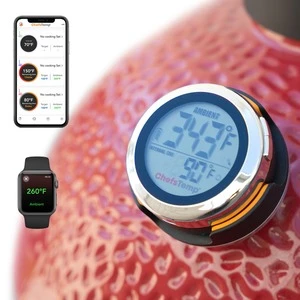
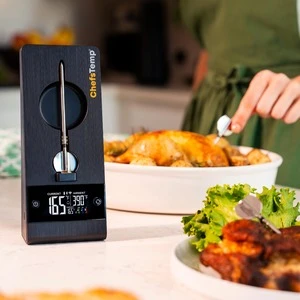
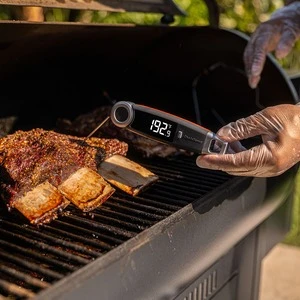
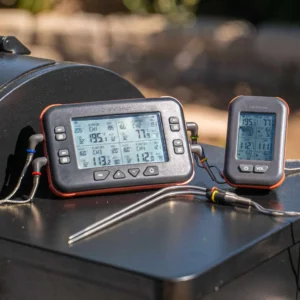
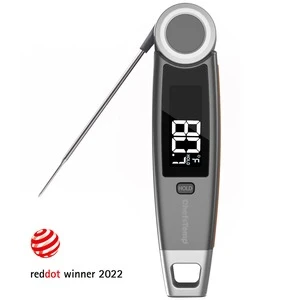
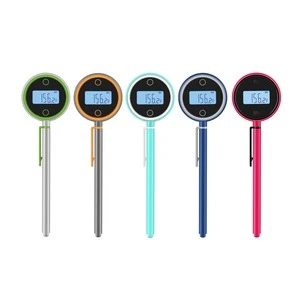
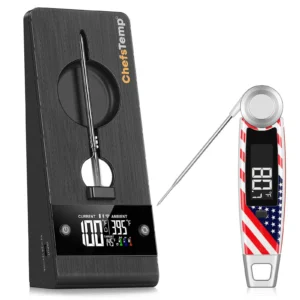
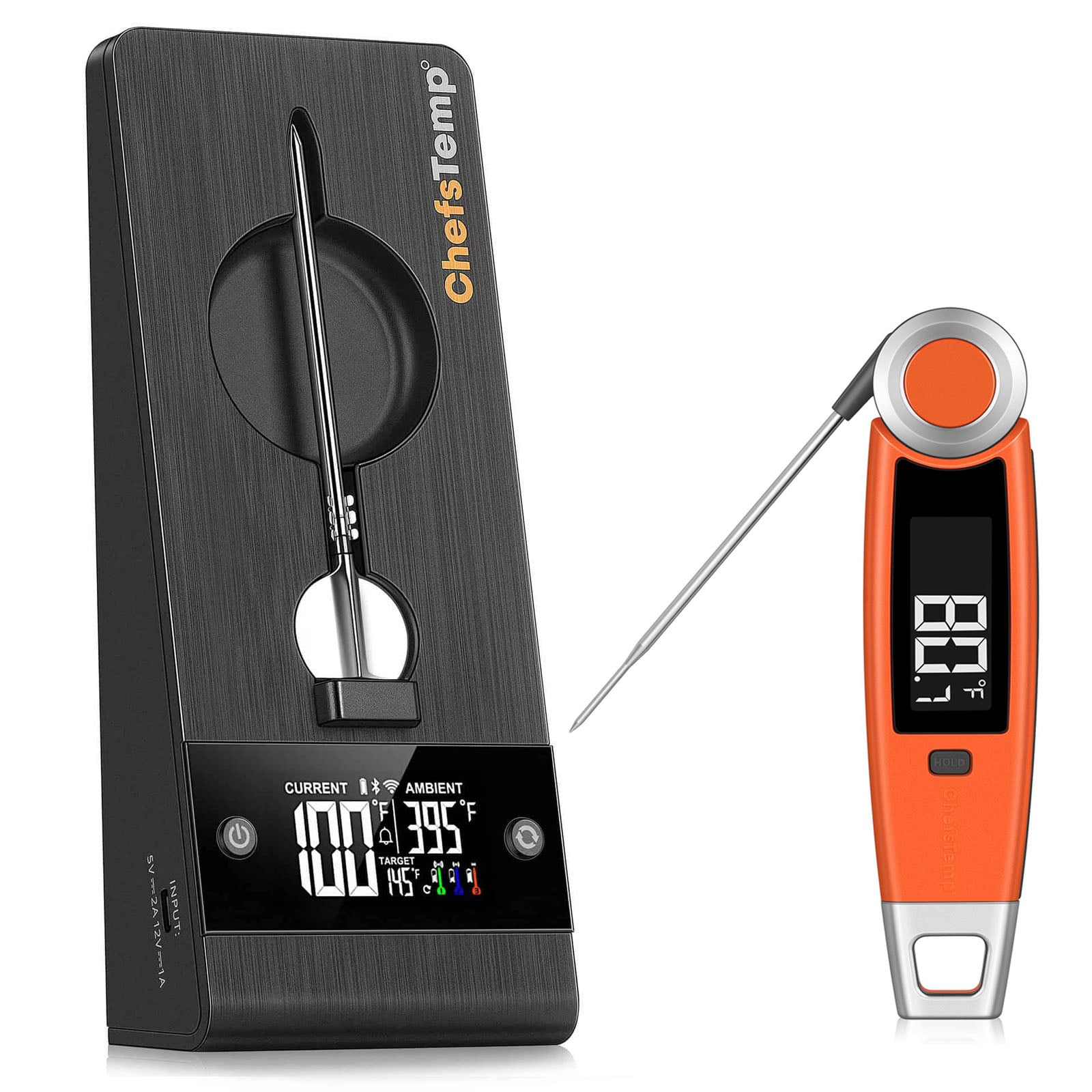
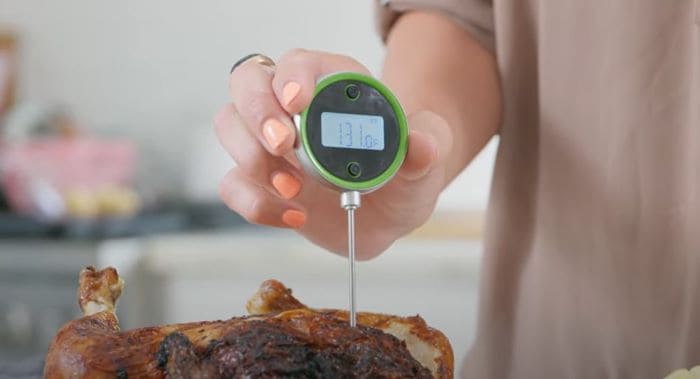
There are various methods for cooking food safely. Here are some tips to ensure food is cooked to the ideal temperature. 1. Use a Food Thermometer A food thermometer is the most accurate way to determine temperature. The device can check the internal temperature of your food, ensuring it reaches a safe level where any harmful bacteria are killed. Since different types of food require different cooking temperatures, it becomes difficult to determine when food is done without a thermometer. Therefore, it’s also ideal to refer to a food temperature chart when checking food temperatures to ensure it is cooked correctly. According to the USDA, the recommended internal temperature for meat, such as pork, beef, lamb, and veal, is 145 degrees F (62 degrees C). The recommended internal temperature for poultry is 165 degrees F (73 degrees C). On the other hand, you must cook fish to an internal temperature of 145 degrees F (62 degrees C).
2. Check the Color and Texture of the Food
A food thermometer is the best and most accurate way of checking the temperature of food while it’s cooking. Another way to check whether the food is safe to eat is to look at its color and texture.
For example, raw red meat is usually pinkish or red. When the food is cooked, it becomes brown. The meat should also feel firm, not mushy.
With fish, the raw meat is still shiny and translucent. But when fish is cooked, it becomes opaque and flakes easily.
3. Avoid Cross-Contamination
When cooking raw meat or seafood, one thing to be wary of is cross-contamination. Even when food is cooked to the right temperature, cross-contamination with raw meat can transfer harmful bacteria.
You must avoid cross-contamination during preparation. Ensure you have separate boards for raw meat and vegetables. Never place raw and cooked meat on the same plate.
4. Follow the Recommended Cooking Temperatures
The best way to ensure food is safe is to follow the recommended internal temperature guidelines. Here are some of the essential guidelines to remember:
- Meat – The ideal cooking temperature for pork, beef, and lamb is 145 degrees F (62 degrees C). If you’re cooking ground meat, the safe internal temperature is 160 degrees F (71 degrees C).
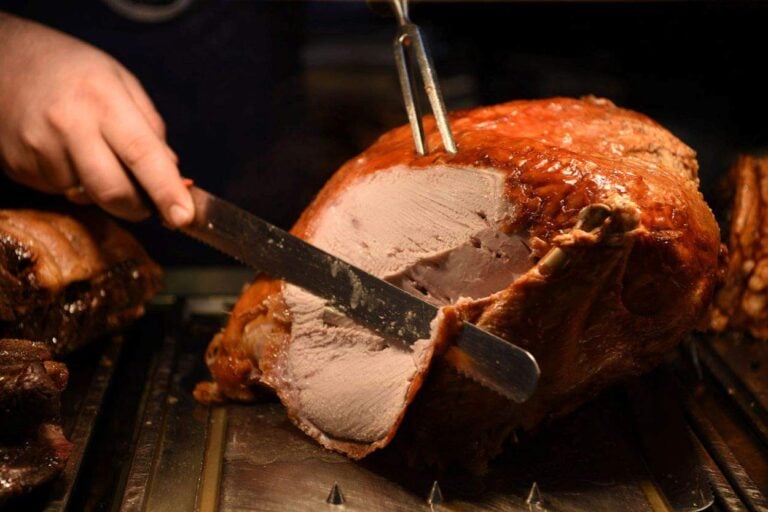
- Poultry – Poultry meat, such as chicken and turkey, must reach an internal temperature of 165 degrees F (73 degrees C) to be safely consumed. The recommended internal temperature applies to all parts, including the wings, breasts, and thighs.
- Seafood – You must cook seafood, such as fish and shellfish, to an internal temperature of 145 degrees F (62 degrees C). Visually, the flesh of the fish must be opaque and flaky in appearance.
- Eggs – Ensure you cook eggs until the white and yolk are firm. When the yolk is not runny, it’s safe to eat. Also, avoid eating foods containing raw eggs. You can reduce the risk of foodborne illnesses by using pasteurized eggs.
- Leftovers – Be extra careful when reheating. Ensure you reheat food to 165 degrees F (73 degrees C). Avoid leaving leftover food in the temperature danger zone for too long.
The Bottom Line
Proper cooking temperatures serve as a guideline to ensure the safety of the food you eat. Safety is more important than taste, which is why you should cook food at the right temperature. If you don’t cook food correctly, you could risk causing foodborne illnesses that could lead to hospitalization or even fatality. Aside from using a thermometer to check the food’s temperature during and after cooking, you must also follow food safety practices to prevent cross-contamination. Following these correct cooking practices will ensure you enjoy a safe and nutritious meal.Related Posts
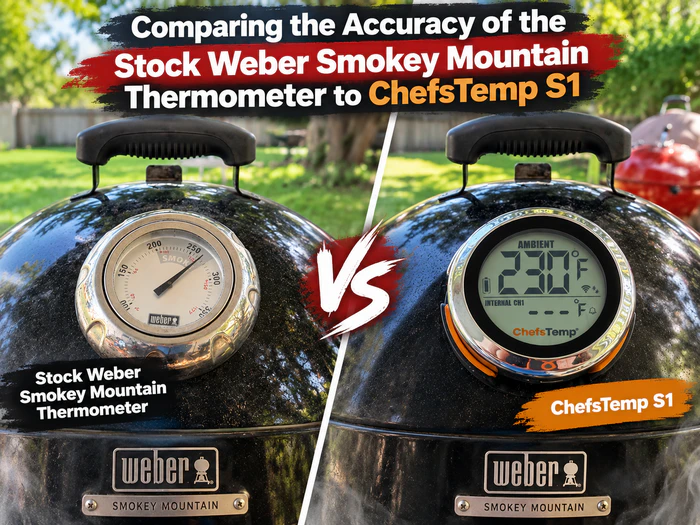
Comparing the Accuracy of the Stock Weber Smokey Mountain Thermometer to ChefsTemp S1
The Issue
The Weber Smokey Mountain is a popular and versatile cooker, but it has one major flaw - the stock ...
How to Have a Well-Cooked Meat
Meat is a popular part of many dieting plans, as its tasty and satisfying qualities make it an excellent sourc...
Perfect Temp Smoked Baby Back Ribs
Smoking ribs during a family cookout can be a great way to level up the fun and let your loved ones enjoy the ...
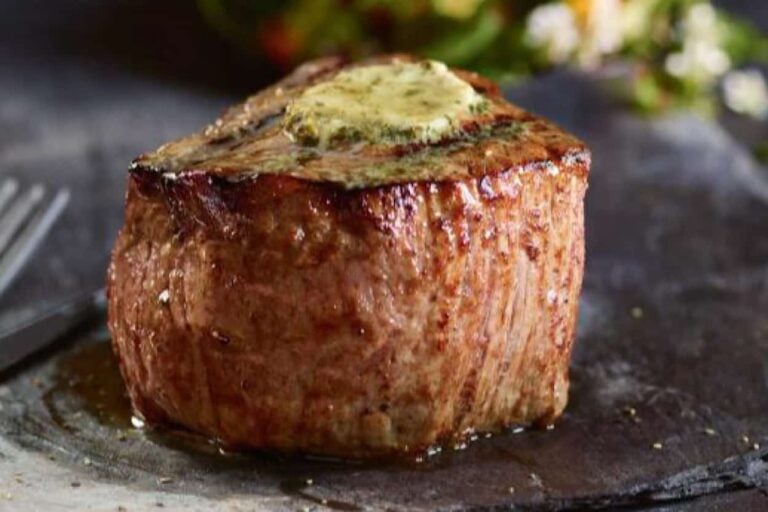
Perfectly Cooked Filet Mignon Prepared Two Ways
Whenever it comes to cooking steaks, most of us would die to have one of the best meat cuts out of the tenderl...
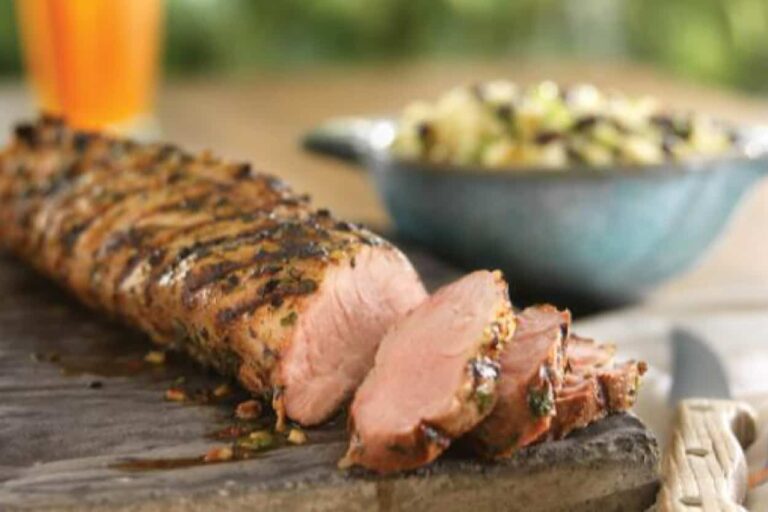
Pork Tenderloin: A Recipe for Perfect Doneness
Apart from many other parts and cuts out of the pig or hog’s body, what people enjoy the most is the tenderloi...
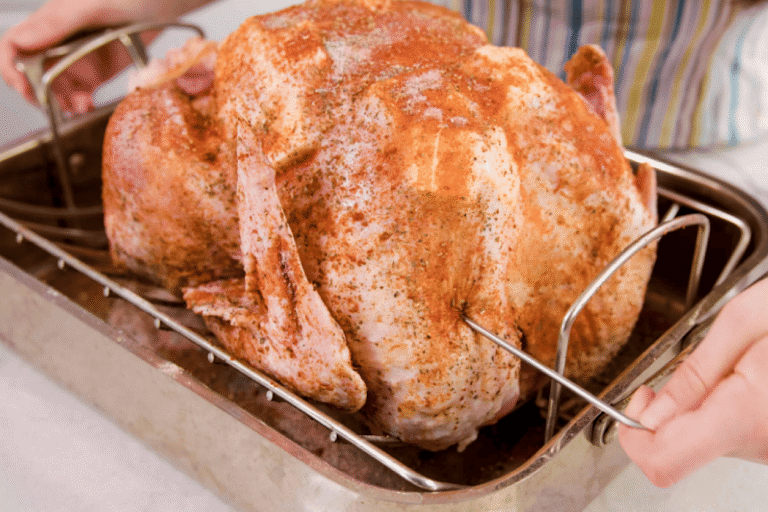
Proper Probe Placement in Your Turkey
On the auspicious occasion of Thanksgiving, every dinner table is decorated with several dishes, with Turkey a...
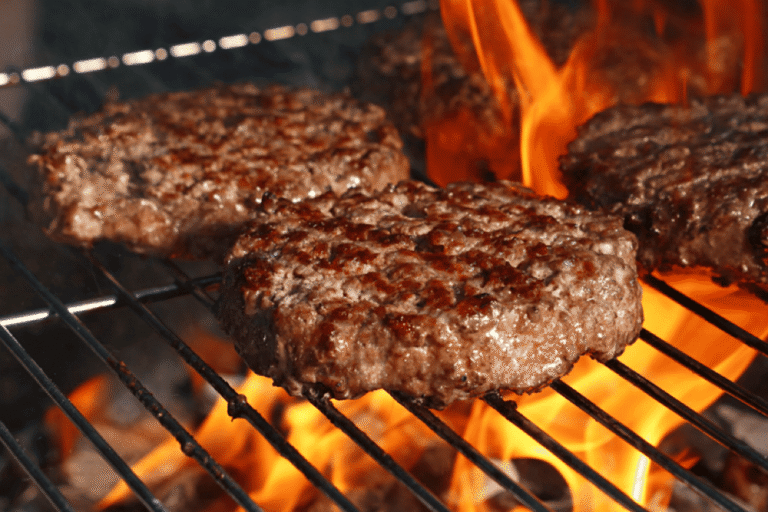
Grilling Hamburgers: A Temperature Guide
You drown in the sight of your kids hopping cheerily in your yard while you try to contain the excitement! Fin...
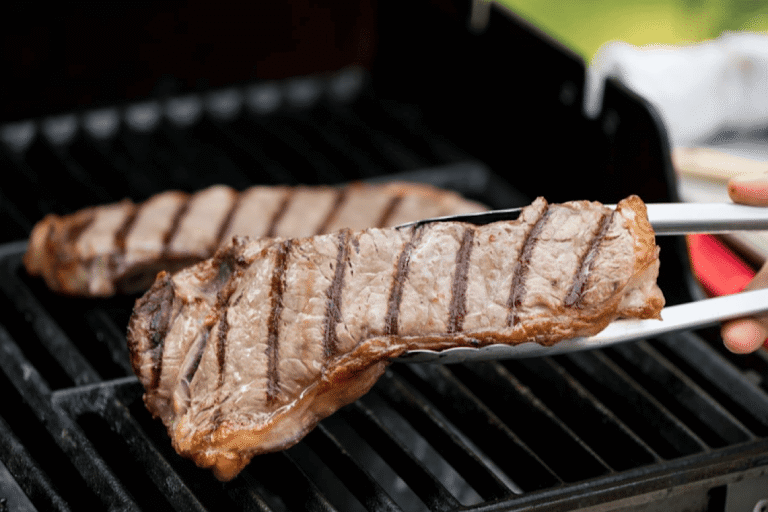
The Chefs Temp Guide to Everything You Need to Know About Steak: Temperatures, Ordering, and Buying
To know about the steak temperature chart, let’s first know what a steak is. A steak is a cut of beef from the...
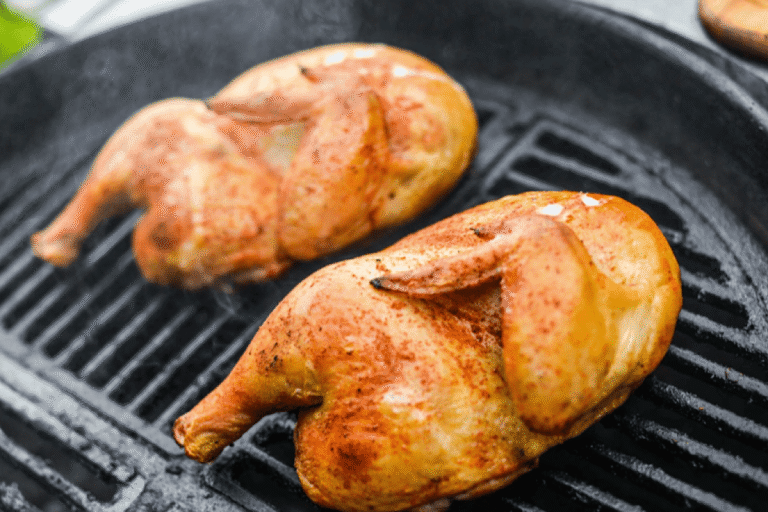
Juicy Goosey Barbecue with ChefsTemp Finaltouch X10
Barbecued goose makes the Christmas celebrations a happy occasion to cherish, but cooking a goose is a little ...
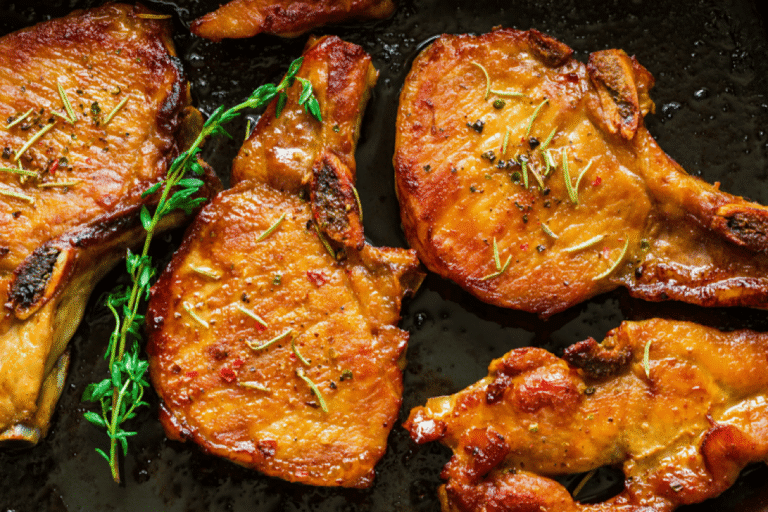
How to Marinated Bone-In Pork Chops and Oven Cooking Them Safely
Bone-in Pork Chops are one of the most flavorful cuts of pork we can cook. They are so flavorful because of th...
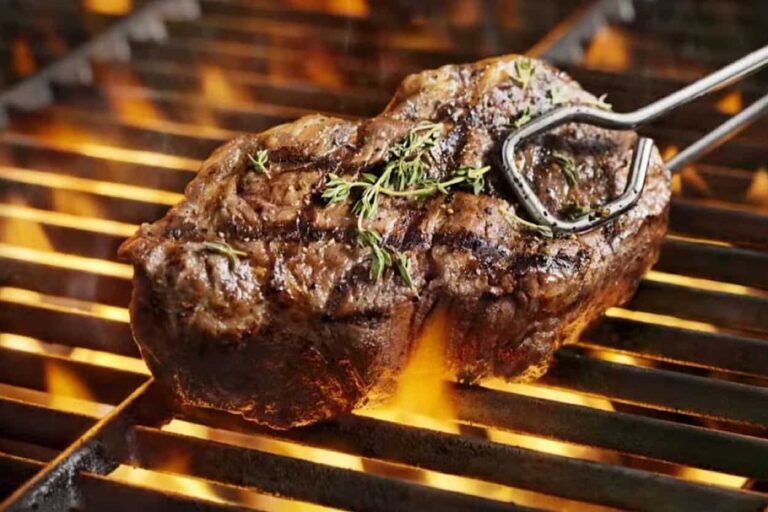
The Cooking Battle of Time vs Temperature
Cooking involves transferring energy from the heat source to the food. The energy transfer causes chemical and...
The Best Kitchen Thermometer to Smoke a Whole Turkey
A kitchen thermometer is a must-have for anyone who wants to cook. It allows you to monitor the cooking proces...