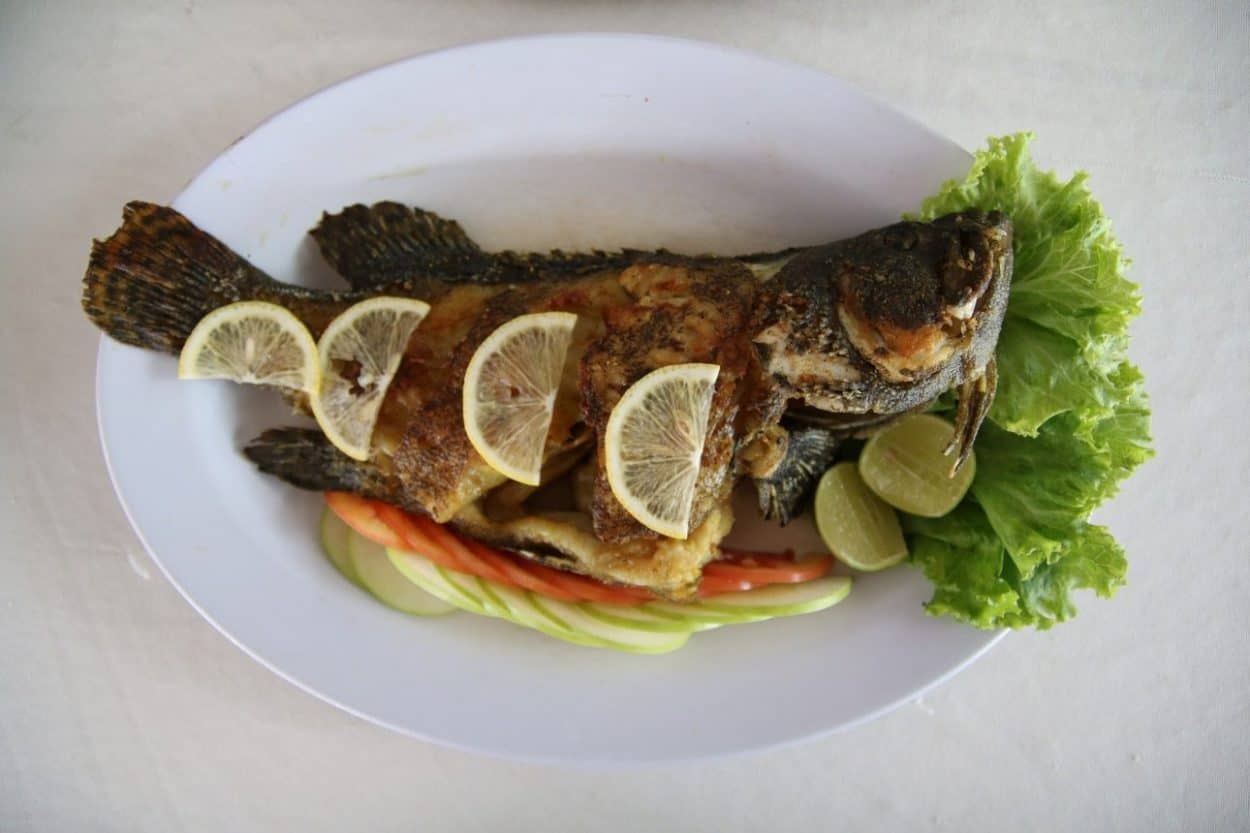
There are not many foods that are equally as healthy as they are delicious but we would certainly put seafood into this category. Apart from these obvious advantages, seafood is also very easy to grill and easy to prepare. Fish and other seafood is delicate and tends to dry out easily, making the task of grilling it seem intimidating but it is easy to prepare and the preparation time is minimal.Fish like tuna, cod, halibut or salmon (deep-sea fish), can come from the fishmongers already cut into steaks or fillets making them a great choice for the grill. Fillets are fleshy on one side and have skin on the other and have no bones (or very little). The side with the skin is super-handy as it keeps the fish firm and also provides a barrier between the fish and the cooking heat which seals in the moisture to make your grilled fish extra succulent. Fish steaks look excellent when displayed but contain bones that you will have to be careful with.Smaller fish like catfish and trout can be bought in one piece, as grilling a complete fish is the easiest to prepare. Putting a perfectly cooked whole tout as a centerpiece can really impress your diners. As mentioned earlier, watch out for the bones in whole fish or fish steaks.Shellfish, like lobster and prawns, can be grilled in their shells, with only a little preparation and then peeled and eaten later on.How to prepare fishAll fish (whole fish, fillets, steaks, and shellfish) should be washed with cold water and stroked dry with a paper towel before grilling. To prepare a fish fillet, run your finger down the spine of the side with flesh to test for protuberant bones. Extract any bones you find with tweezers (there shouldn’t be many). Steaks and whole fish don’t need any further preparation. Season or marinate them and they’re ready. With shrimp, either wash them and leave them in their shell or strip them, peel them (leaving the tails) and spit them onto a kebab. To prepare a lobster, use a sharp knife to pierce the shell behind its eyes and kill it by slicing it quickly through the head. After this, turn it onto its back and cut the lobster along the length of the shell, making two halves with its flesh exposed. Seafood tastes better brushed with a little butter or oil. Then you can dress it in lemon, and season it with salt, pepper, and fresh herbs. If you like, this can all be applied before grilling to keep the moisture. If you want to impress your diners, marinate the seafood before you grill it. Try to avoid sugary marinades or glazes on thick fillets or whole fish as the sugary substances will burn before the fish is fully cooked.When grilling thin fillets or a delicate fish, buy a stainless steel fish-grilling tray. Place the tray on the top of your grill grates and turn it up to the seafood temperature required, just like you would with your normal grill. Finally, use a wide, thin spatula for grilling fish and grilling tongs for clutching and overturning shellfish.What temperature shall I cook seafood at?High heat is important for retaining the juice and flavor of seafood. Once you have finished your preparation, allow the grill to heat up from 400 to 500F, (depending on what you are cooking). Now, grease the tray or the grill grates just before cooking with high-temperature tolerant oil, grapeseed, or olive oil.If you want perfect seafood (of course you do, who wants imperfect anything?), it’s of extreme importance that you check the cooking temperature of the seafood as it cooks.For fish fillets, you may feel obliged to cook them skin-side down. We recommend that you cook them flesh-side down, then flip them, this produces a delicious crust on the surface of the fish’s flesh while still preserving the fish skin so that the fillet holds together as it’s tossed.For lobsters and similar seafood, place it shell-side down on the grill. Now you can cook the meat at a high temperature while basting it with butter or a marinade during the procedure. Use a meat thermometer to test that you have the perfect temperature.The fish will hold together better if you don’t disturb it much, flipping only once (or not) during the grilling procedure. Grill the fish fillet, steak, or whole fish for a total of 10 minutes per inch of thickness. The fish is fully prepared when the flesh begins to flake and is opaque in the center.To cook shrimp, the grilling time is much shorter. Grill shrimp for 2 minutes on each side, contingent on the size of it. The shrimp will not flake like a fish, but if you see an opaque center you know that it’s done. Cook your lobster for 8 to 10 minutes until the meat is opaque and pulls away from the shell.
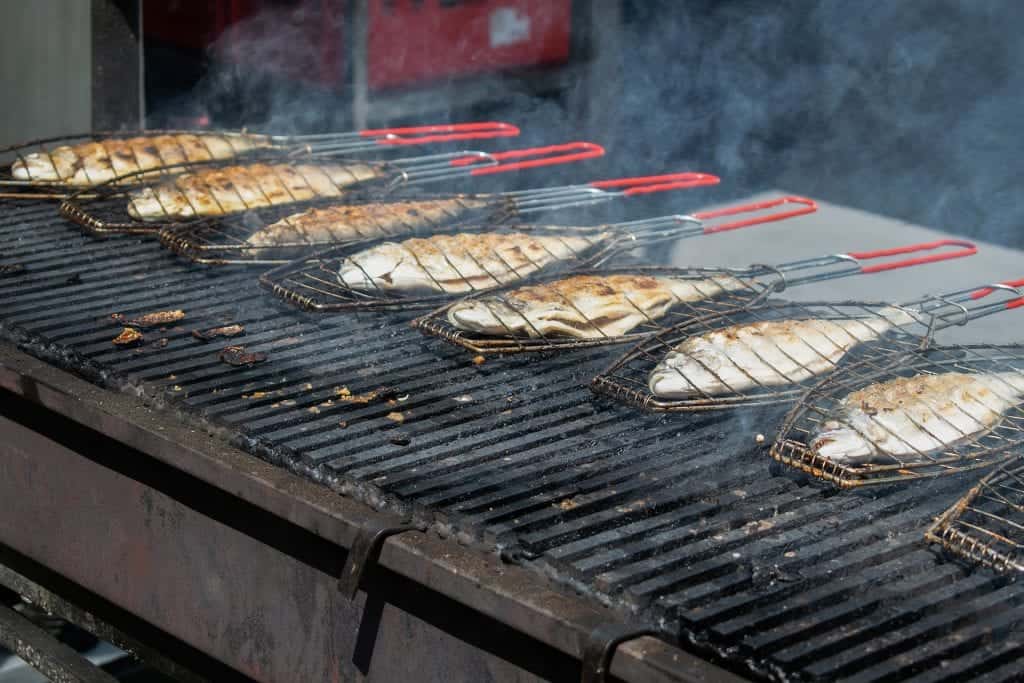 Seafood tastes better brushed with a little butter or oil. Then you can dress it in lemon, and season it with salt, pepper, and fresh herbs. If you like, this can all be applied before grilling to keep the moisture. If you want to impress your diners, marinate the seafood before you grill it. Try to avoid sugary marinades or glazes on thick fillets or whole fish as the sugary substances will burn before the fish is fully cooked.When grilling thin fillets or a delicate fish, buy a stainless steel fish-grilling tray. Place the tray on the top of your grill grates and turn it up to the seafood temperature required, just like you would with your normal grill. Finally, use a wide, thin spatula for grilling fish and grilling tongs for clutching and overturning shellfish.What temperature shall I cook seafood at?High heat is important for retaining the juice and flavor of seafood. Once you have finished your preparation, allow the grill to heat up from 400 to 500F, (depending on what you are cooking). Now, grease the tray or the grill grates just before cooking with high-temperature tolerant oil, grapeseed, or olive oil.If you want perfect seafood (of course you do, who wants imperfect anything?), it’s of extreme importance that you check the cooking temperature of the seafood as it cooks.For fish fillets, you may feel obliged to cook them skin-side down. We recommend that you cook them flesh-side down, then flip them, this produces a delicious crust on the surface of the fish’s flesh while still preserving the fish skin so that the fillet holds together as it’s tossed.For lobsters and similar seafood, place it shell-side down on the grill. Now you can cook the meat at a high temperature while basting it with butter or a marinade during the procedure. Use a meat thermometer to test that you have the perfect temperature.
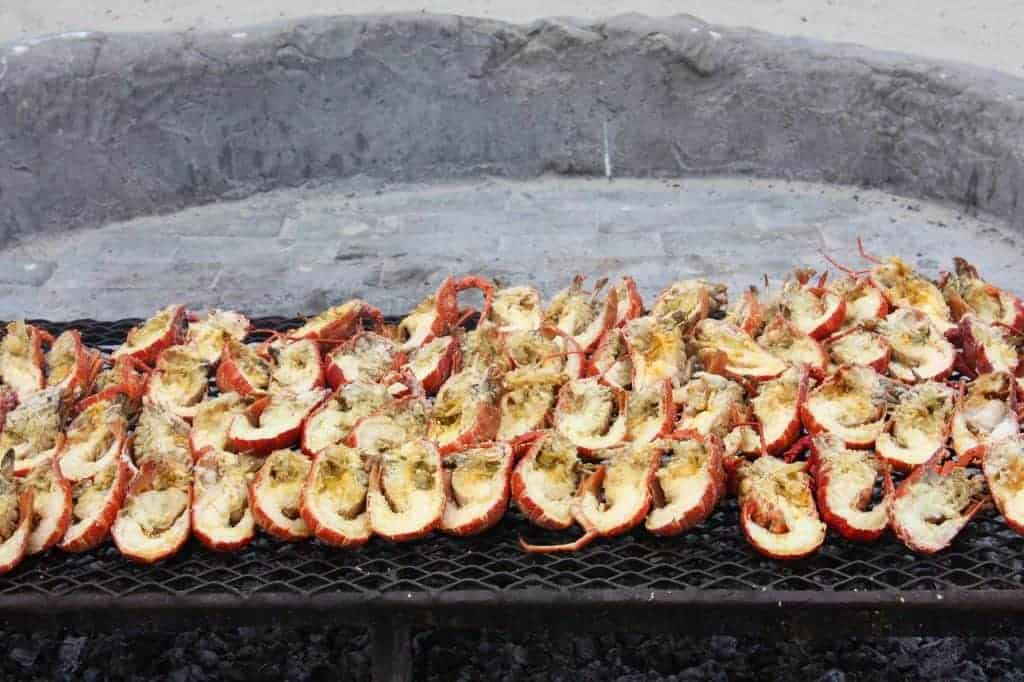 The fish will hold together better if you don’t disturb it much, flipping only once (or not) during the grilling procedure. Grill the fish fillet, steak, or whole fish for a total of 10 minutes per inch of thickness. The fish is fully prepared when the flesh begins to flake and is opaque in the center.To cook shrimp, the grilling time is much shorter. Grill shrimp for 2 minutes on each side, contingent on the size of it. The shrimp will not flake like a fish, but if you see an opaque center you know that it’s done. Cook your lobster for 8 to 10 minutes until the meat is opaque and pulls away from the shell.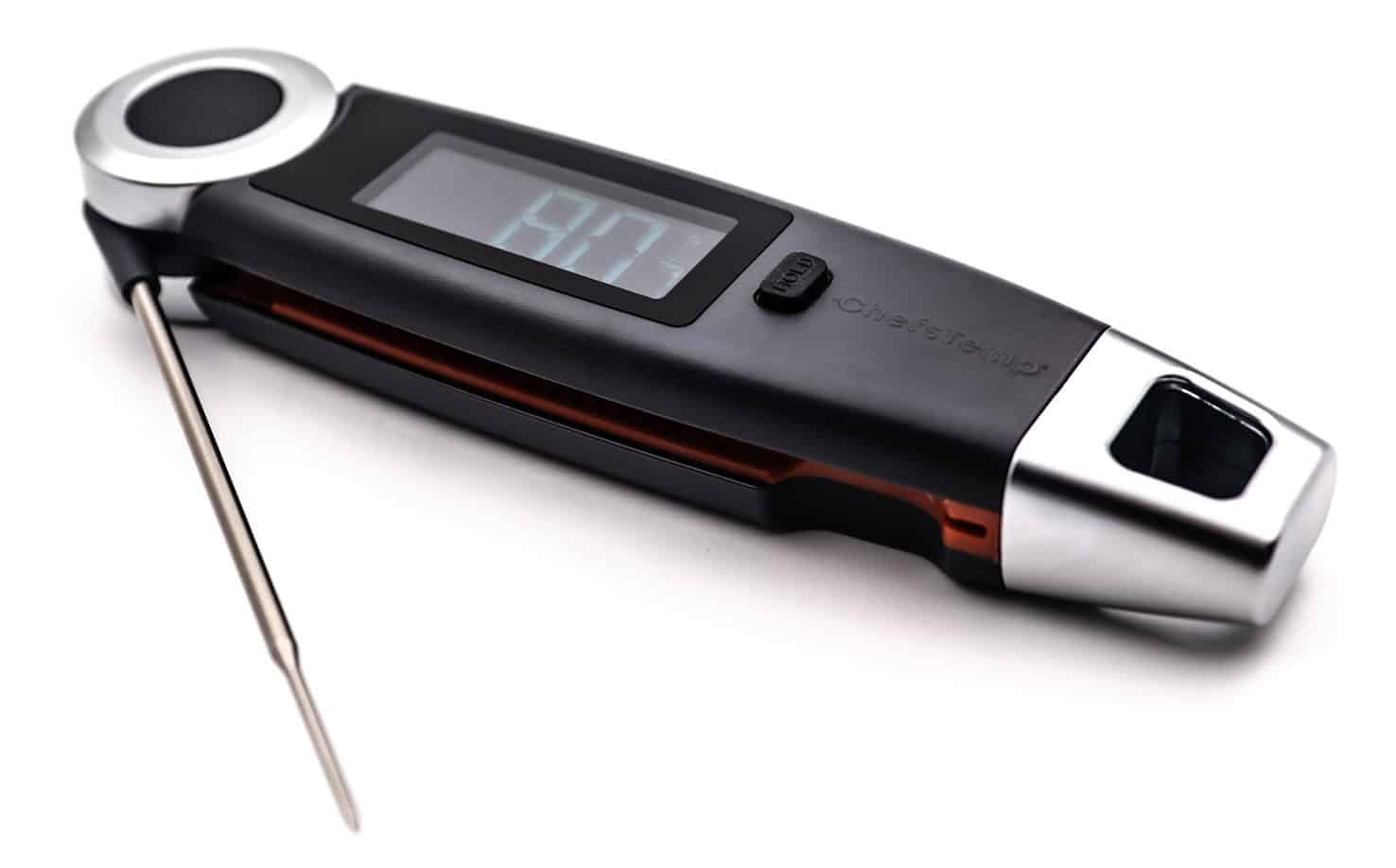
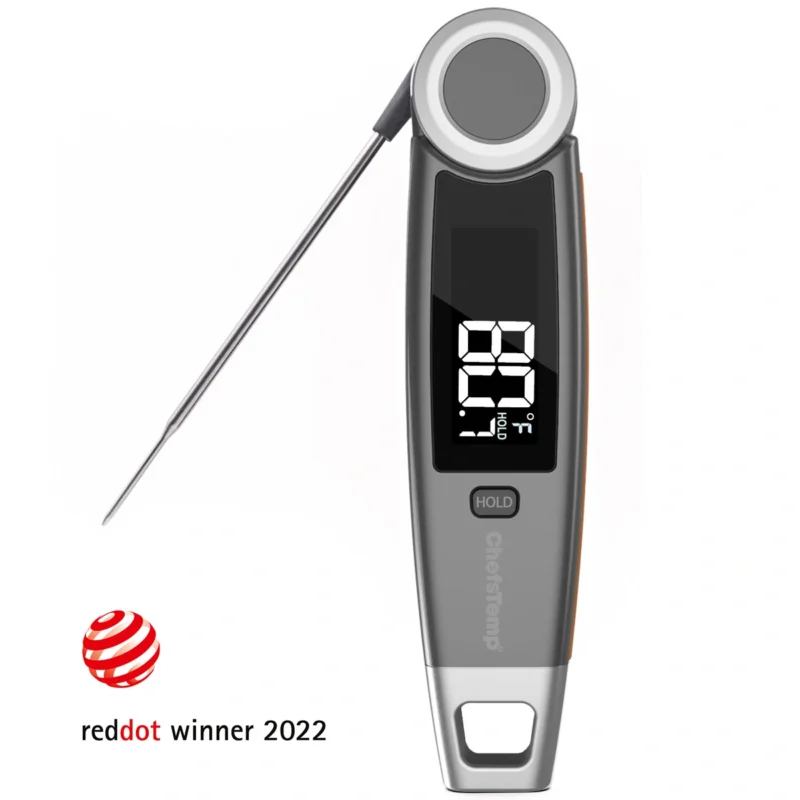
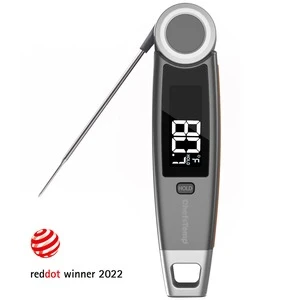
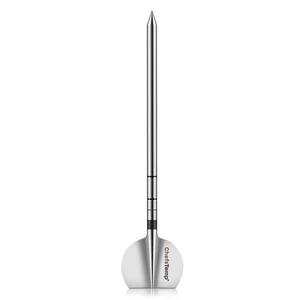
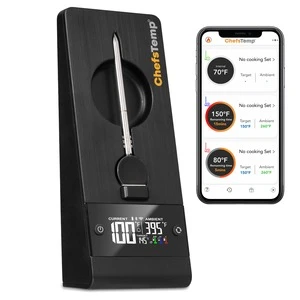
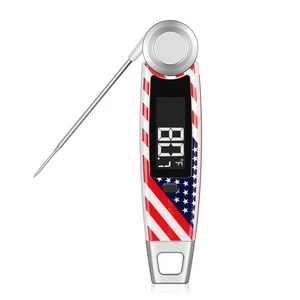
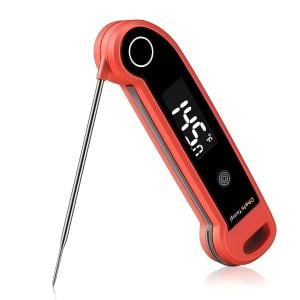
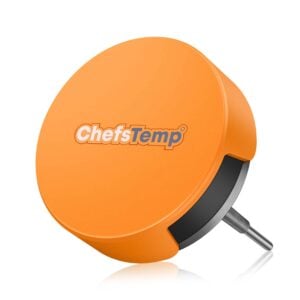
Finaltouch X10
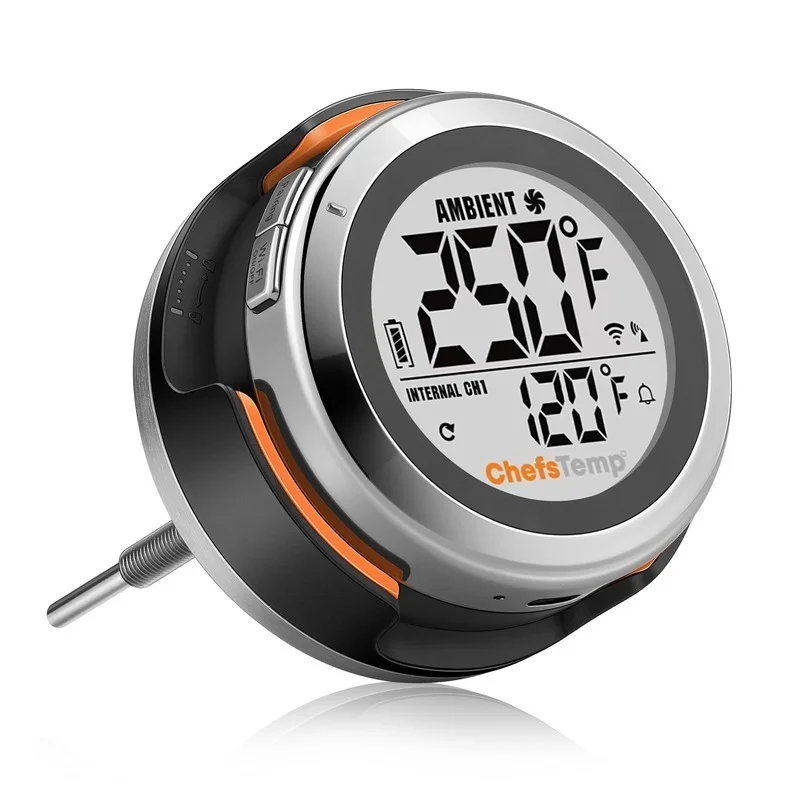
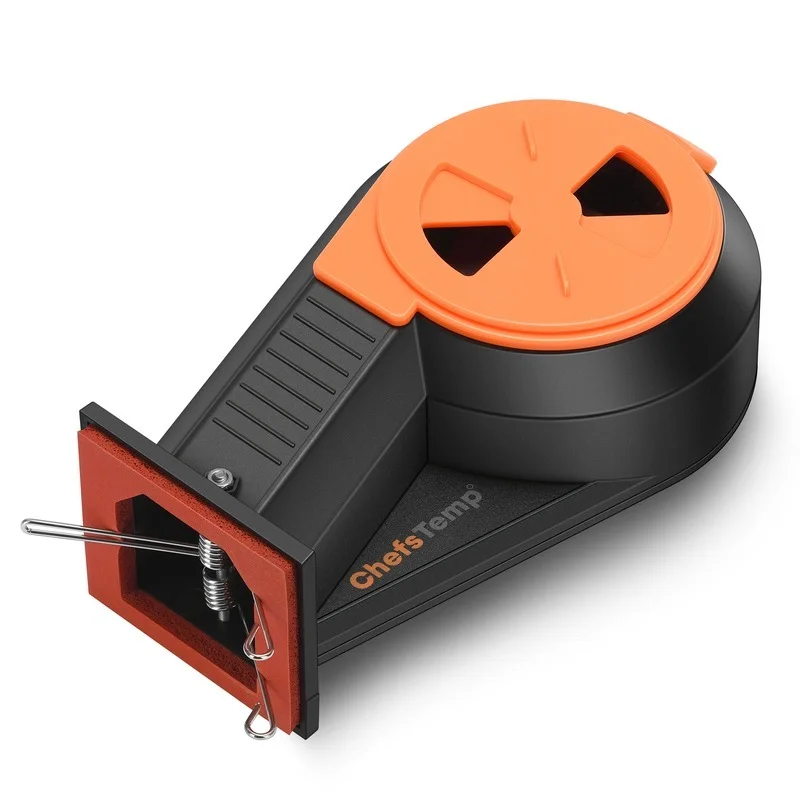
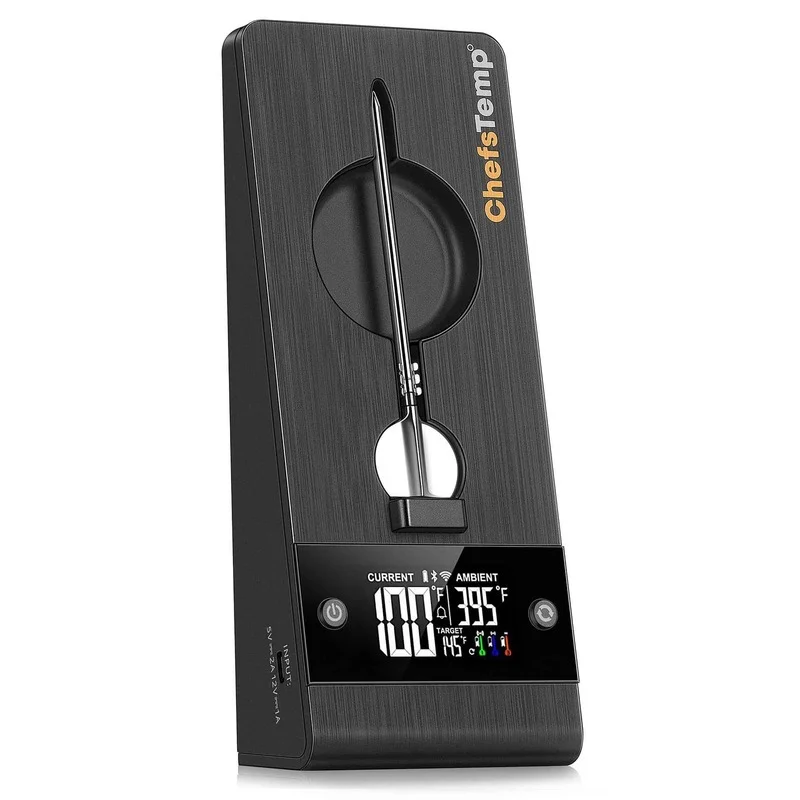
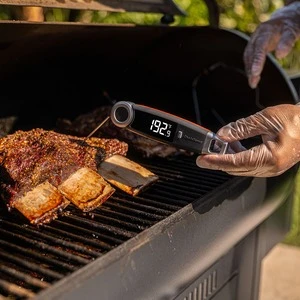
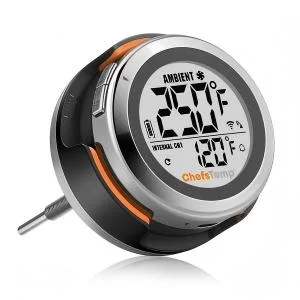
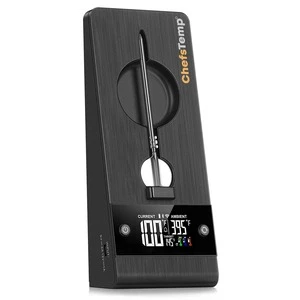
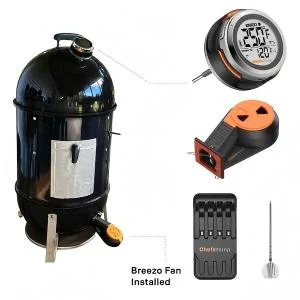
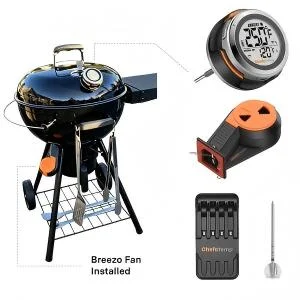
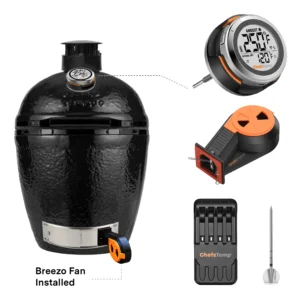
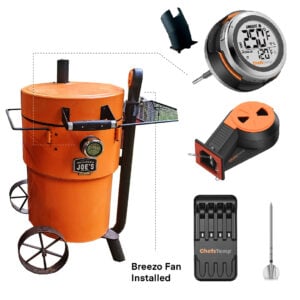
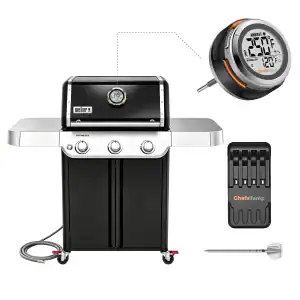
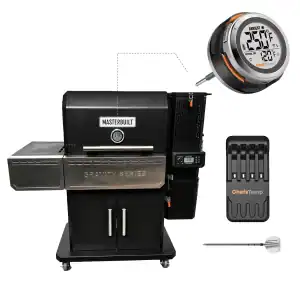
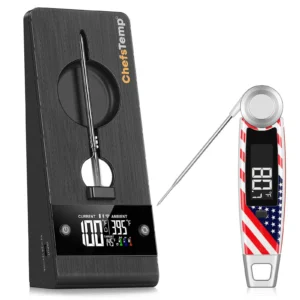
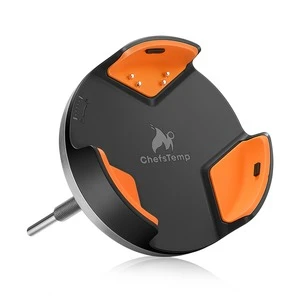
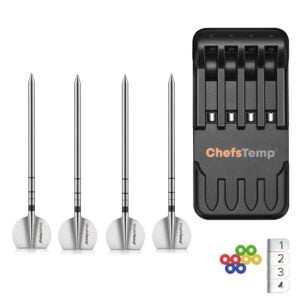
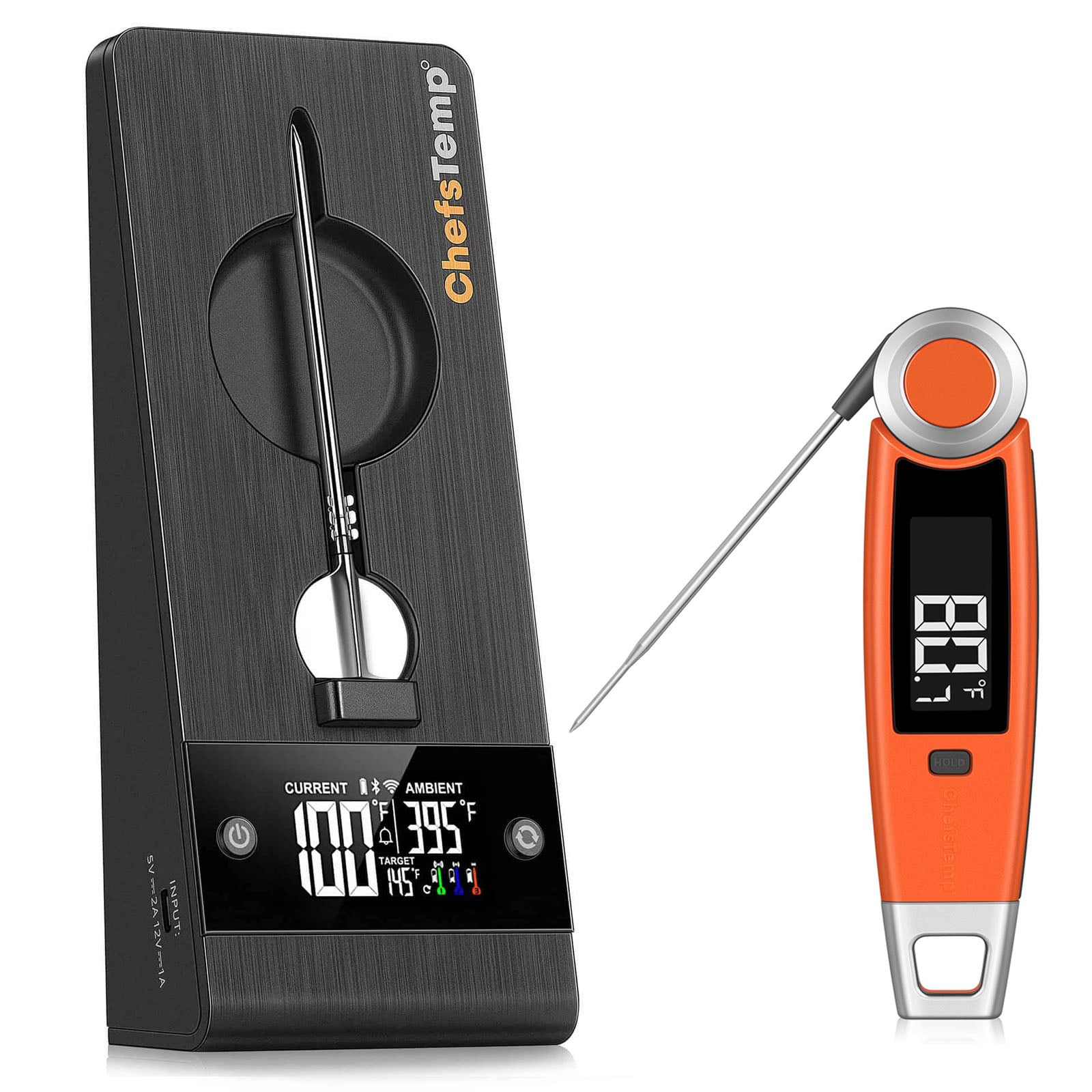
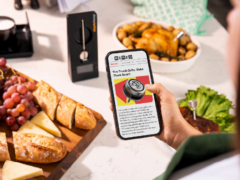
The Finaltouch X10 thermometer from ChefsTemp gives an accurate reading not only for the inside of food but for surface temperatures as well. The diversity of the thermometer’s usage is second to none compared to other thermometers. By getting a reading within 1 second, the Finaltouch X10 from ChefsTemp is prepared to take on any task it is given.Click Here To Get Your ChefsTemp Finaltouch X10 Now!
Related Posts
Can Salmon Be Undercooked? The Real Risks and How to Stay Safe
Can salmon be undercooked? Learn the exact temperature rule, spot the warning signs fast, and fix an undercooked fillet before it ruins dinner.
Best Thermapen Alternatives: 6 Instant-Read Thermometers Tested
Thermapen is fast, but is it worth? We tested 6 instant-read Thermapen alternatives for speed, accuracy, and value. Find your best match here.
Use Proper Cooking Temperatures to Ensure Safe Food
Cooking is one of the most basic household chores. However, it can be easy to mess up your cooking, especially...
The Perfect Temperature for Every Type of Fish: A Guide to Mastering Seafood with Chefstemp Thermometers
When cooking seafood, getting the right temperature is crucial. Overcooking or undercooking can result in dry,...
From Traditional to Digital Thermometers – What Is the Future of Meat Thermometers?
Is an electronic meat thermometer a reality? Yes, it is a reality. Meat thermometers ensure the safety of cook...
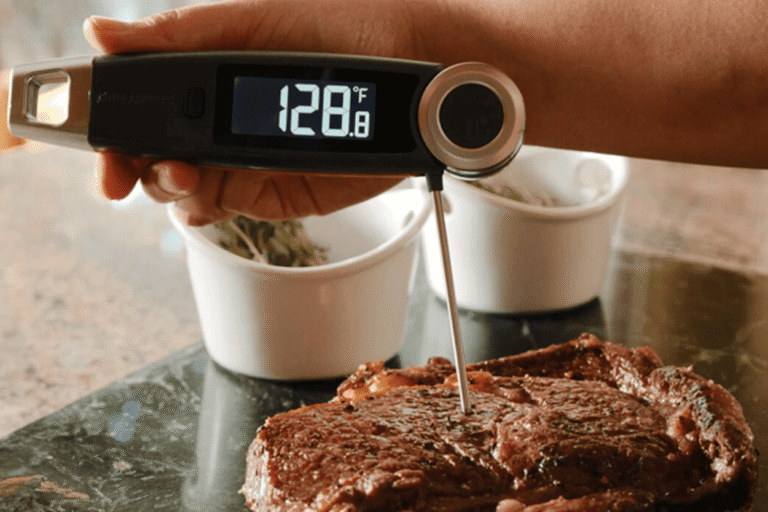
Reasons Why You Should Upgrade to the Best Instant Read Thermometer
A kitchen without an instant-read thermometer is incomplete. When it comes to creating a succulent pot roast o...
How Do You Know Your Ribs Are Done?
The summers are on the way, and we know many of you are planning to make this Memorial Day or Independence Day...
Is Your Steak Properly Done? Get it Right with a Remote Thermometer
Many passionate grillers began where you are now. Their first attempts were unsuccessful and disappointing. Th...
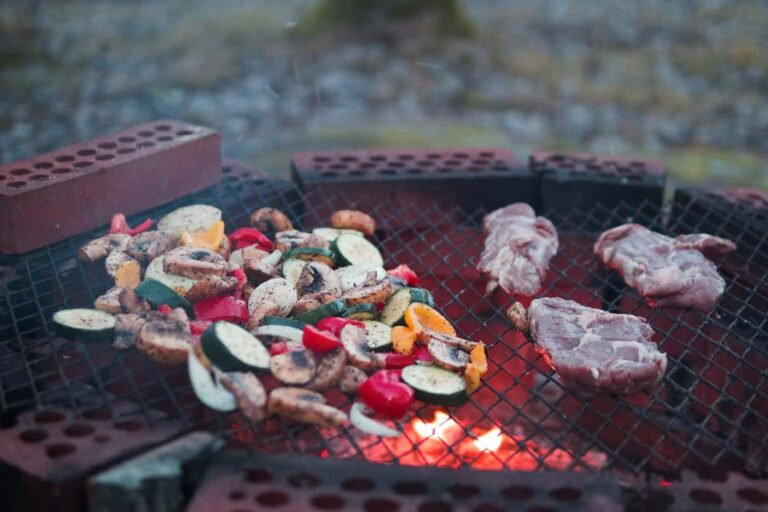
Things You Should Never Do with an Instant Read Meat Thermometer
An instant-read meat thermometer is needed to tell if your meat is cooked to the proper internal temperature. ...
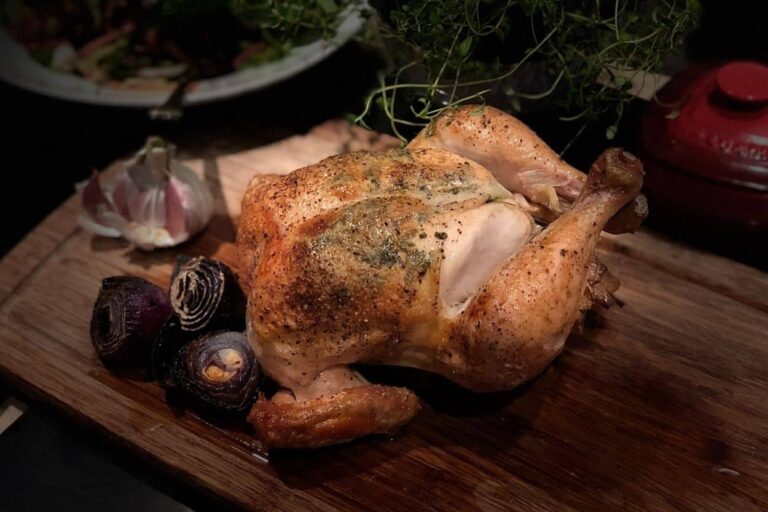
The Safest and Correct Chicken Internal Temp for a Juicy and Tasty Meat
Chicken meat is delicious and nutrient-dense, but only if it's cooked to a specific internal temperature. Go b...
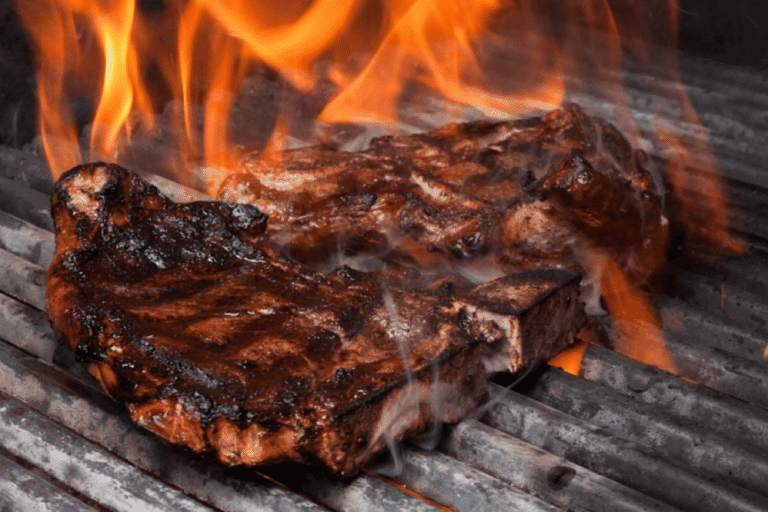
How to Have a Well-Cooked Meat
Meat is a popular part of many dieting plans, as its tasty and satisfying qualities make it an excellent sourc...
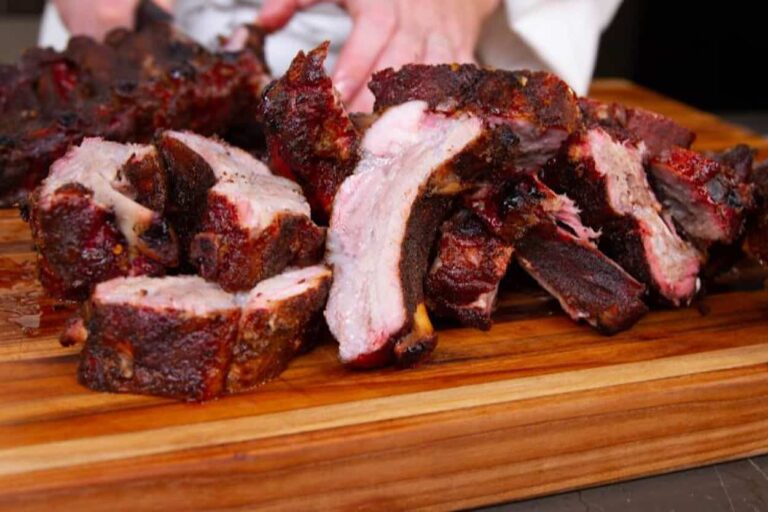
Perfect Temp Smoked Baby Back Ribs
Smoking ribs during a family cookout can be a great way to level up the fun and let your loved ones enjoy the ...