We’ve all done it. We’ve cut into a hunk of overcooked beef and chewed it ruthlessly, chasing it with a sip of water to encourage it down the throat. Who hasn’t cut into an undercooked steak and watched the blood ooze all over the plate? E. coli or Salmonella, anyone?
Worst of all is eating a flavorless steak.
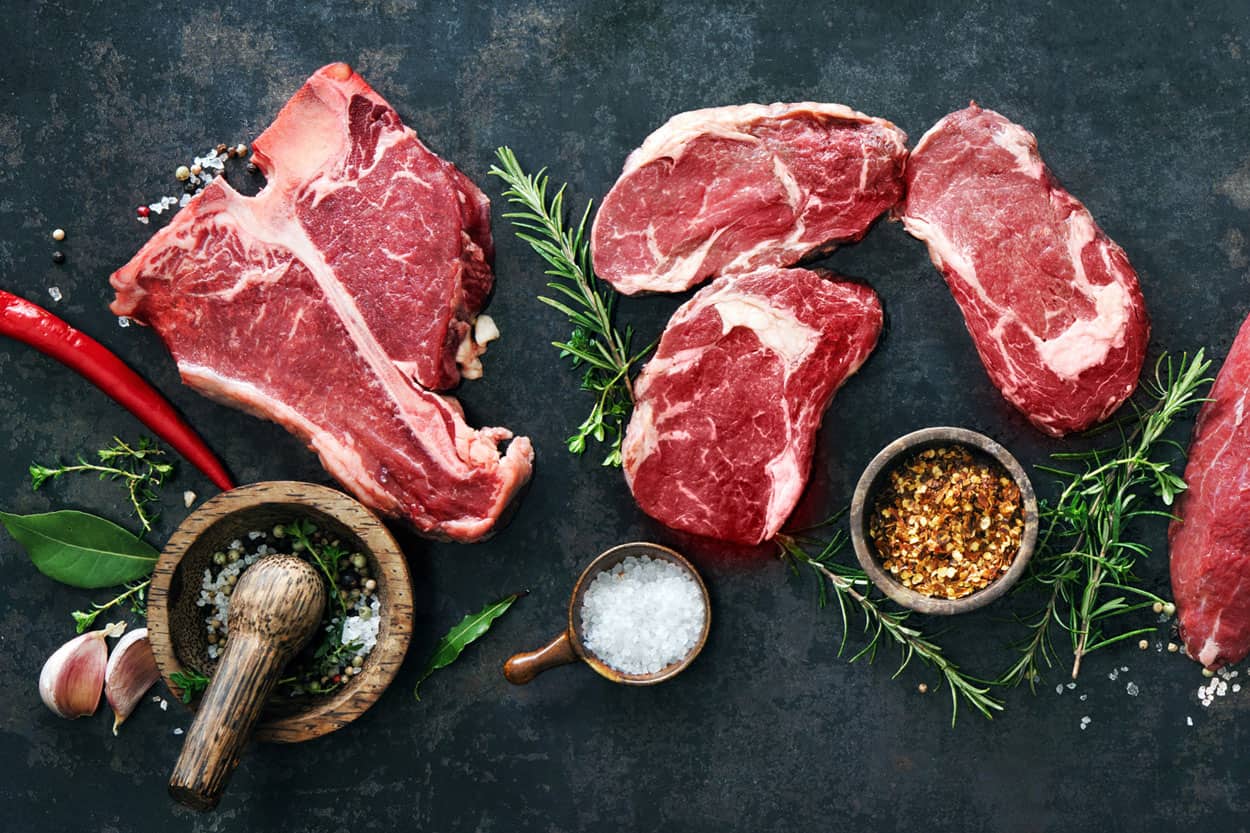
It doesn’t have to be this way. Cooking steak requires paying attention to a few basic elements, including choosing your kitchen essentials, preparing the meat, and using temperature readings to monitor and help cook the perfect steak that’s safe to eat and delicious.

 Marinades penetrate the meat deeply, so keep the beef in the liquid for 30 minutes per inch of thickness for optimal flavor. We wouldn’t recommend longer unless you want a strictly steamed piece of beef.
Sauces like gravies, horseradish, or Au Jus are superb additions to the meat after it’s been grilled, steamed, roasted, or fried on the stovetop.
Some of the best dried spices and herbs for steak (other than the base ones noted above) include:
Marinades penetrate the meat deeply, so keep the beef in the liquid for 30 minutes per inch of thickness for optimal flavor. We wouldn’t recommend longer unless you want a strictly steamed piece of beef.
Sauces like gravies, horseradish, or Au Jus are superb additions to the meat after it’s been grilled, steamed, roasted, or fried on the stovetop.
Some of the best dried spices and herbs for steak (other than the base ones noted above) include:
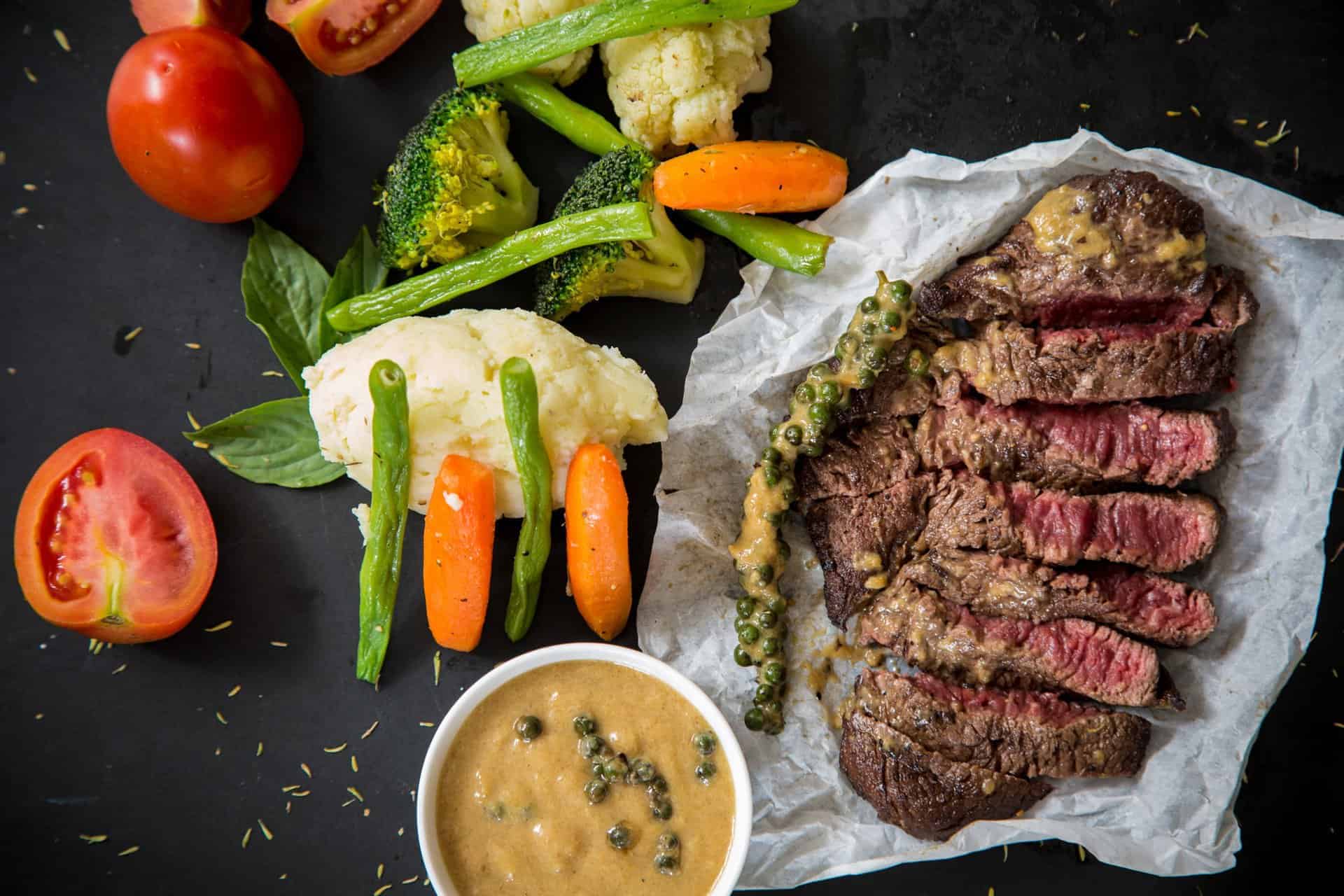
*Tip: Brown is better. A dark brown outer layer is best for steaks. That’s why most recipes call for you to sear the steak over high direct heat to get that initial crust. It adds a layer of incredible flavor and gives the steak a nice, crunchy texture.
Best Kitchen Essentials for Cooking Steak
The basics start with your choice of cooking utensils and kitchen tools. Two primary appliances are used for cooking the perfect steak, whether it’s prime or choice cut meat. For red meats, you’re most likely going to use either a grill or the stovetop. Some red meats are slow-cooked in a crockpot or roasted in the oven, but we’re going to tackle the two more popular ways of crafting the perfect steak.
Grilling – Charcoal or Wood vs. Gas
There are pros and cons to using either of these grills. It all depends on your preferences. Charcoal and wood are more traditional grilling methods. It offers a smokey flavor, while gas grills add a sort of bacon flavor to the meats. Steak drippings on a charcoal grill vaporize and infuse into the beef, producing intensely flavorful meats. You don’t get that on a gas grill because the drippings hit the slabs covering the fire, so it never goes back into the meat. Gas grills preheat much faster and allow you to cook steak over a direct, open flame. Chefs like gas grills because it’s easier to control the temperature than on a charcoal grill. With charcoal and wood, the temperature changes regularly, so you must monitor it constantly. The gas grill heat stays constant. Kitchen Essentials for Grilling No matter which kind of grill you choose to use, the kitchen cooking essentials for grilling steak include:- Long, sturdy tongs
- Metal skewers if you’re doing kabobs
- Cooling rack
- Chimney for charcoal/wood
- Grill brush
- Large carving board
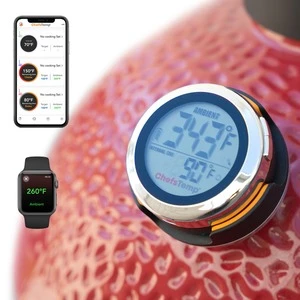
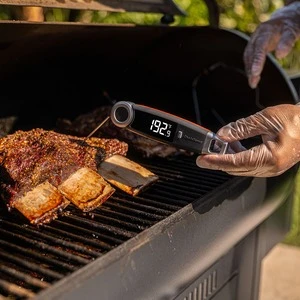
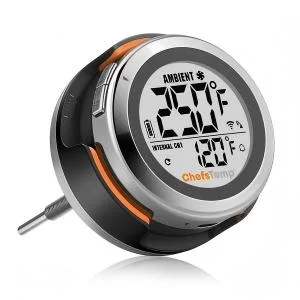
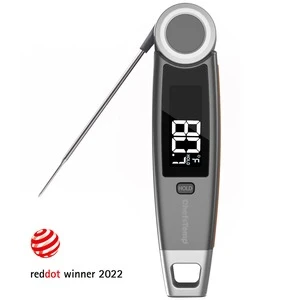
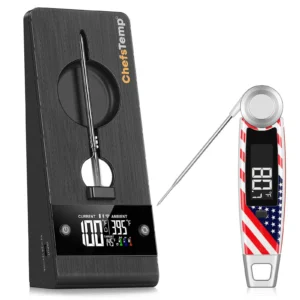
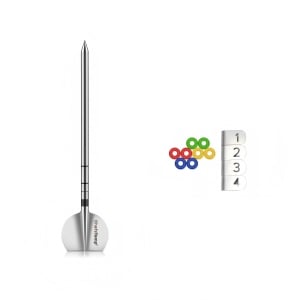
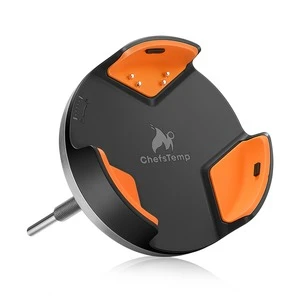
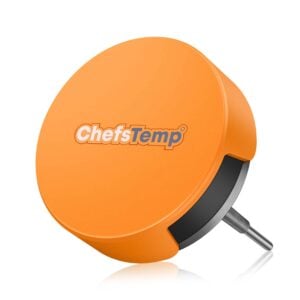
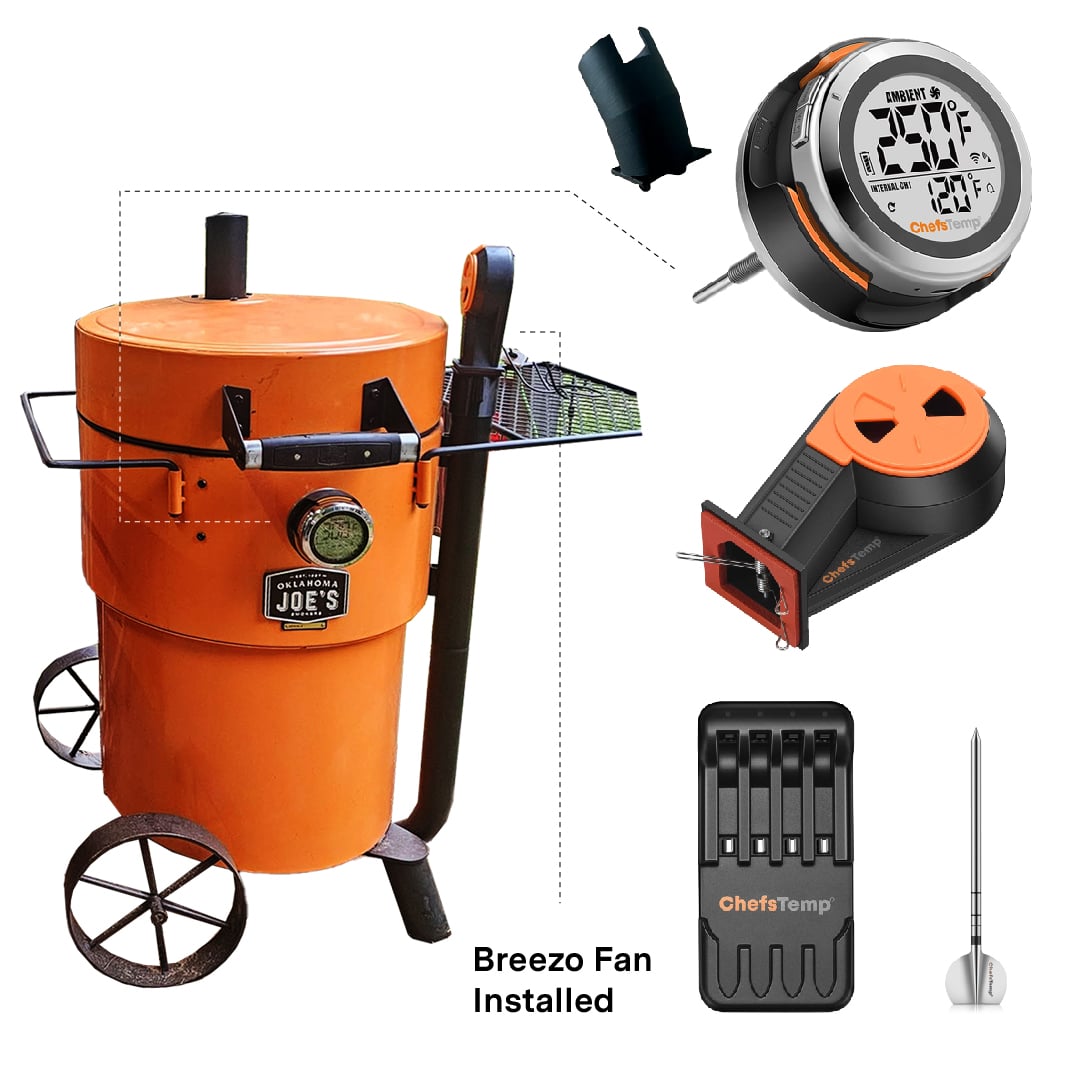
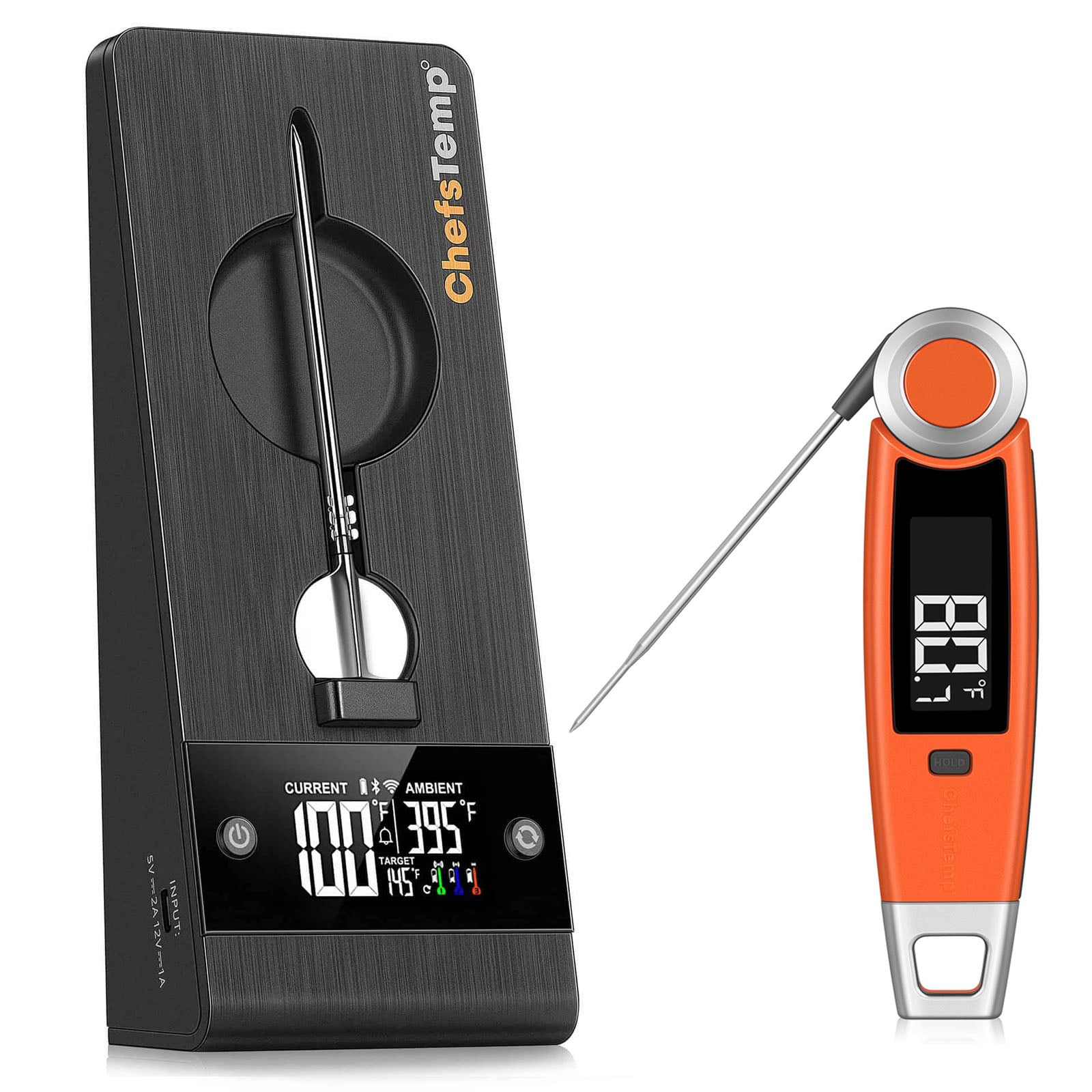
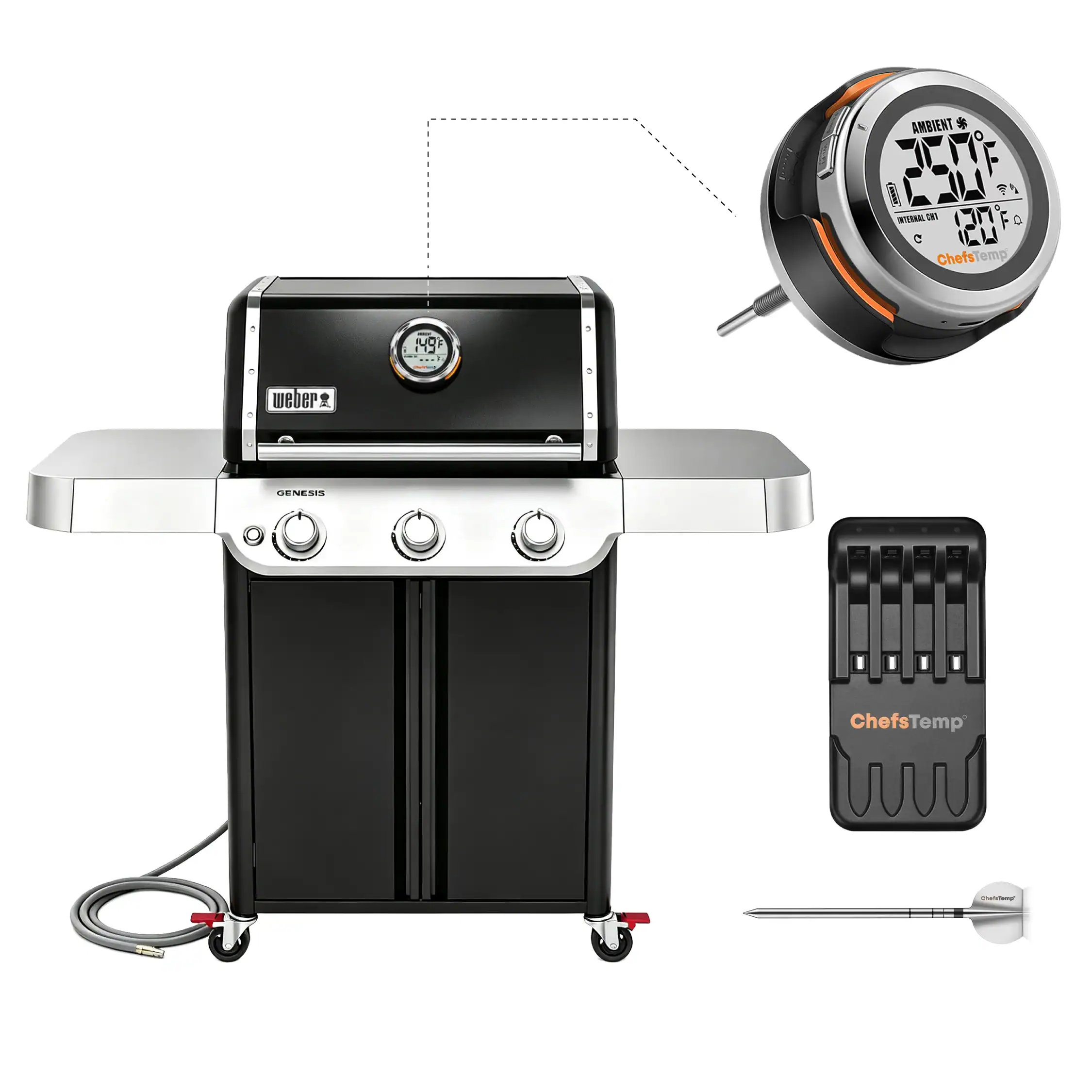
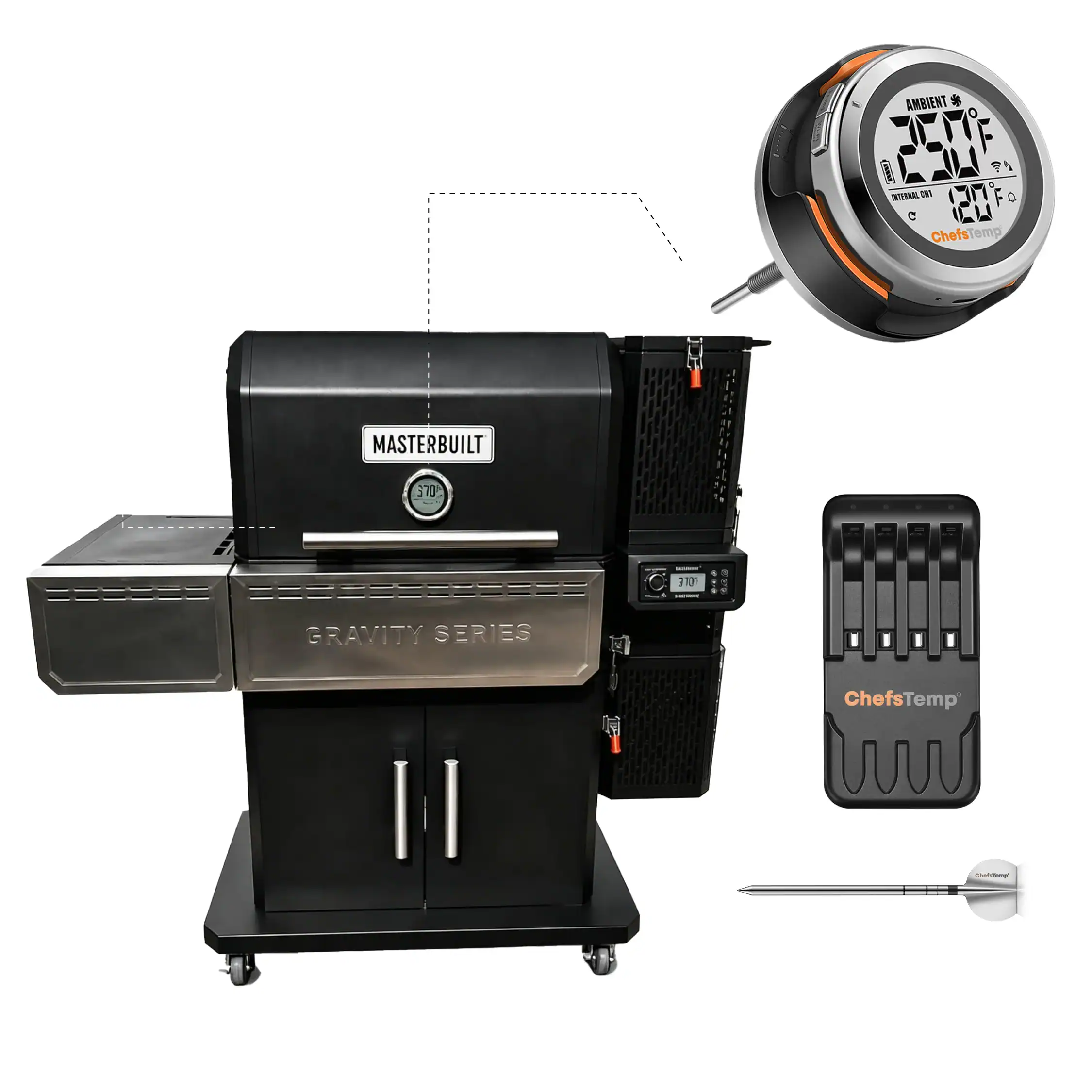
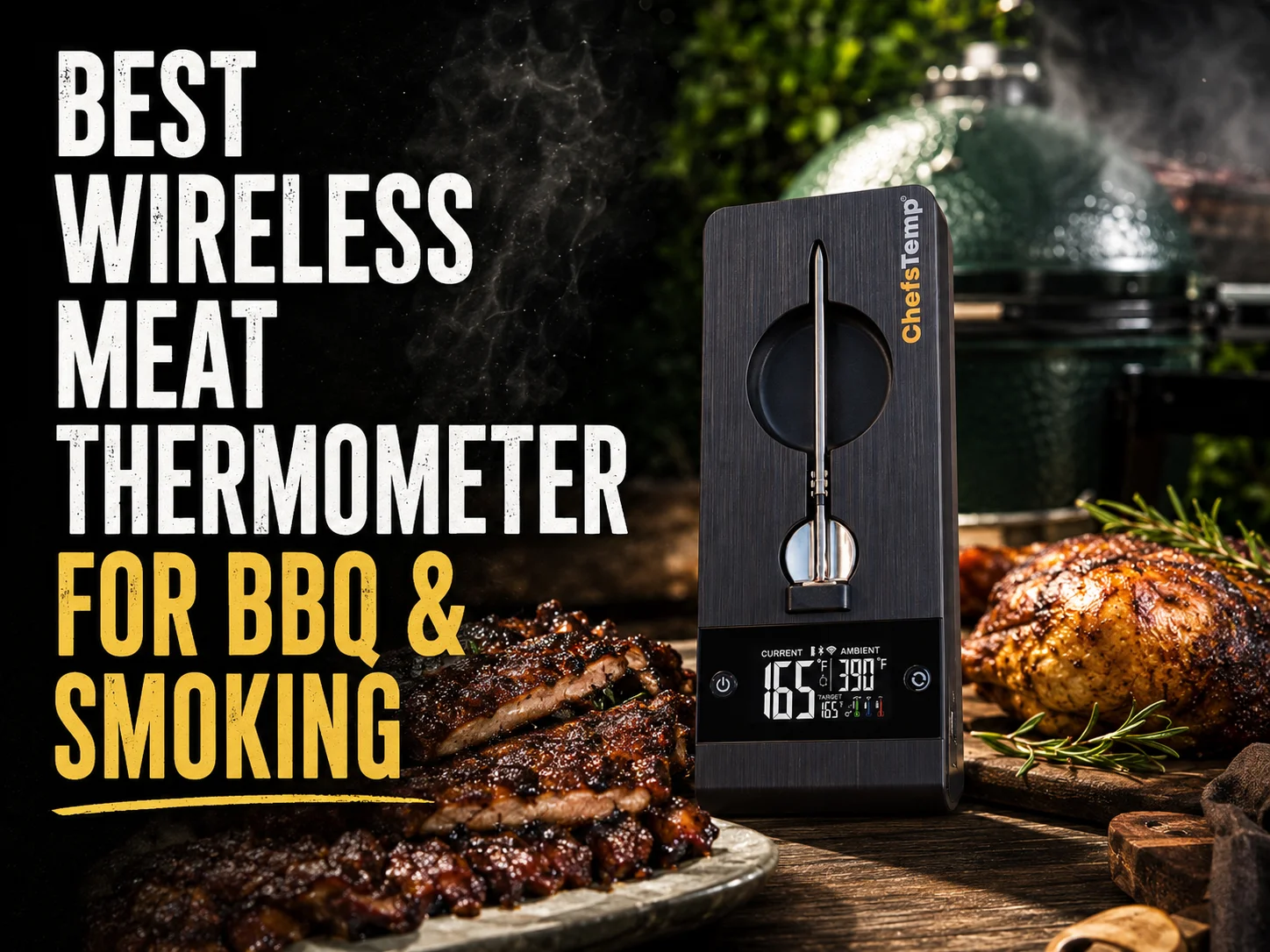
- ChefsTemp infrared meat thermometer
- Nonstick pan big enough to fit at least one steak. Don’t overcrowd the steaks! It’ll cause too much steam.
- Tongs or a spatula. Please don’t use a fork to flip, or it’ll let all the juices out.
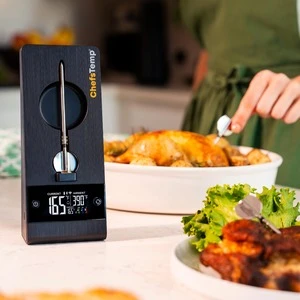
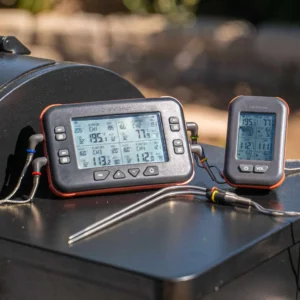
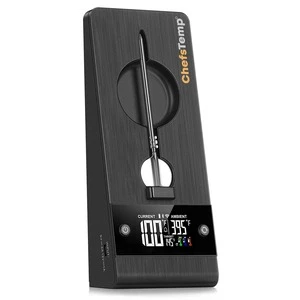
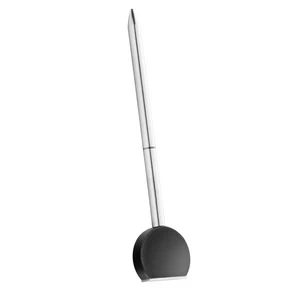
- A meat thermometer for proper food safety and to ensure you don’t overcook it, either.
- Carving board
- Cooling rack
Sauces, Marinades, and Rubs
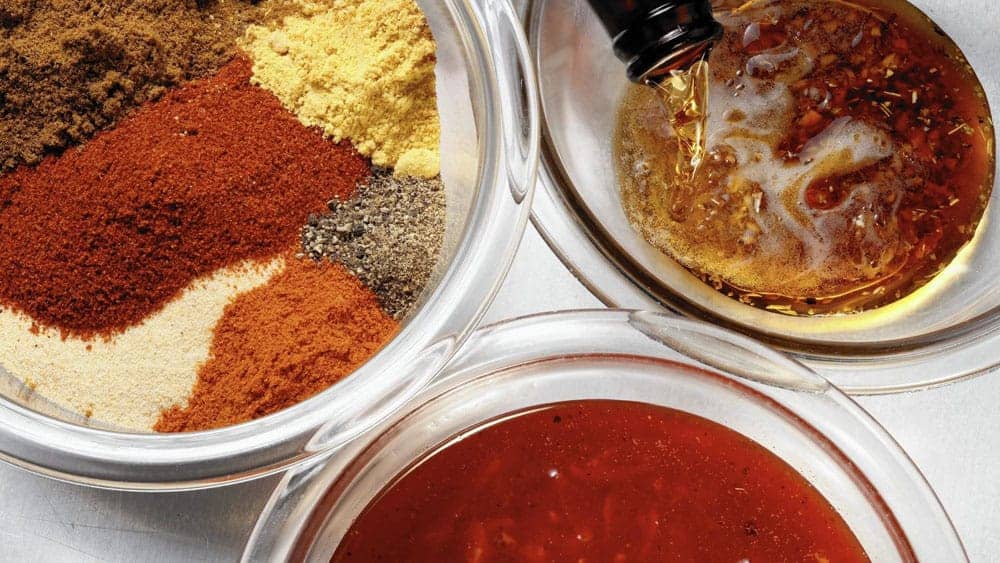
It’s tough to decide whether to use a sauce, marinade, or seasoning rub on your steak. Many opt for the base spices only—salt, pepper, and garlic powder. However, others like to use a combination of two or all three to make their beef more exciting and flavorful. The savory effects of these additions add to the taste and texture of your meat. Rubs, especially, give an extra crunchiness to the surface crust.
Marinades penetrate the meat deeply, so keep the beef in the liquid for 30 minutes per inch of thickness for optimal flavor. We wouldn’t recommend longer unless you want a strictly steamed piece of beef.
Sauces like gravies, horseradish, or Au Jus are superb additions to the meat after it’s been grilled, steamed, roasted, or fried on the stovetop.
Some of the best dried spices and herbs for steak (other than the base ones noted above) include:
- Basil
- Rosemary
- Sage
- Cayenne
- Cumin
- Curry
- Dry mustard
- Onion powder
Cooking Steak to the Correct Temperature
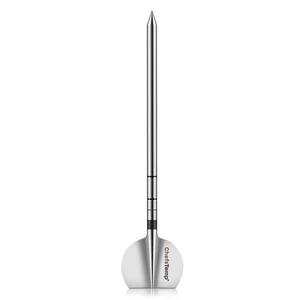
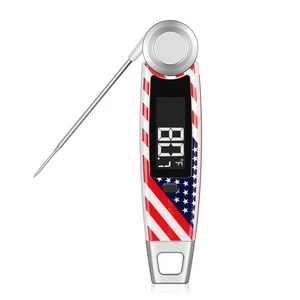
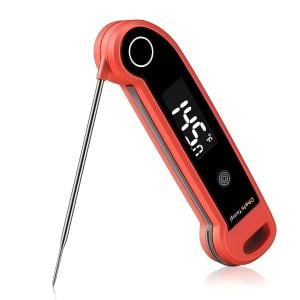
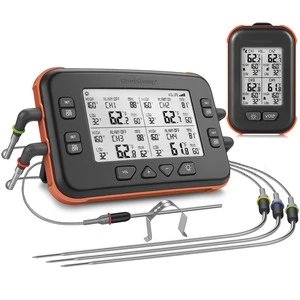
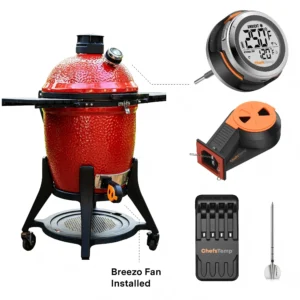
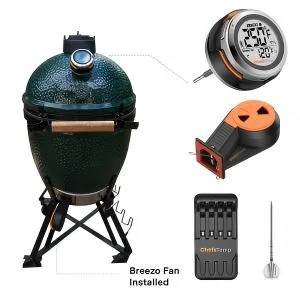
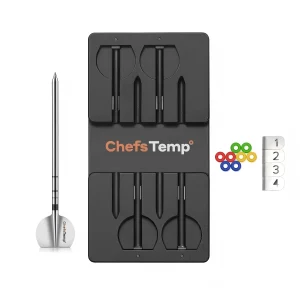
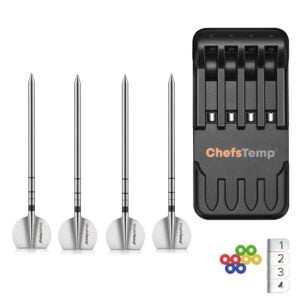
Monitoring the temperature is the most critical part of cooking the perfect steak. Measuring tools like ChefsTemp thermometer makes it easy to know when your meat is at a safe temperature so you can place it on indirect heat for finishing. Here’s a general guide for “doneness” based on chef standards, which are slightly different from USDA standards.
| DONENESS | CHEF STANDARD | USDA STANDARD |
|---|---|---|
| Rare | 120° – 125°F | Not provided |
| Medium Rare | 125° – 135°F | 145°F |
| Medium | 135° – 145°F | 160°F |
| Medium Well | 145° – 155°F | Not provided |
| Well Done | 155°F + | 170°F |
Related Posts
Carry Over Cooking: Why Meat Keeps Heating Up After You Pull It
Master your carryover cooking tonight. Use our carry-over cooking chart and resting tips to cook smarter. Find out how to ensure a perfect finish every time.
How to Use a Meat Thermometer on Steak
Everyone loves a good steak. But unfortunately, not everyone knows how to cook a steak properly. It can be dau...
How to Use an Instant Read Digital Meat Thermometer Correctly
The old saying “a tool is only as good as the hands that wield it” couldn’t be more applicable to meat thermom...
What Is the Best Instant Read Thermometer for Cooking Large Cuts of Meat?
Checking your meat doneness requires the best instant read thermometer. If you ever had issues serving underco...
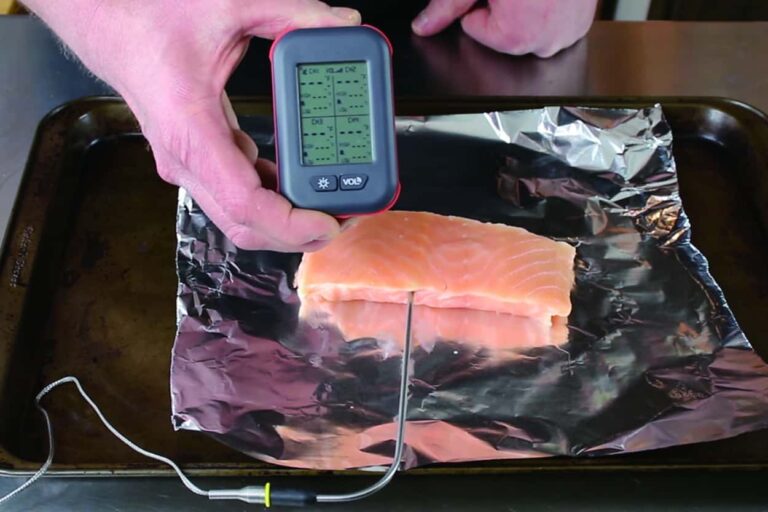
Understanding the Importance of Remote Thermometer in BBQ
Are you a BBQ enthusiast? Would you like to cook yummy and safe meat in each attempt? If yes, get the best rem...
Cooking Thermometers – How to Use a Meat Thermometer
Honey ham ribs is an American cuisine that can be cooked by smoking, grilling, or oven. However, the method of...
What Is the Correct Temperature of Cooked Cod?
A lot of people are intimidated when it comes to cooking fish. There are several factors to consider, such as ...
Top 5 Chicken BBQ Items That Will Leave You Wanting for More
Everyone is looking forward to the warm bright days after this year's harsh winter. A pleasant summer evening ...
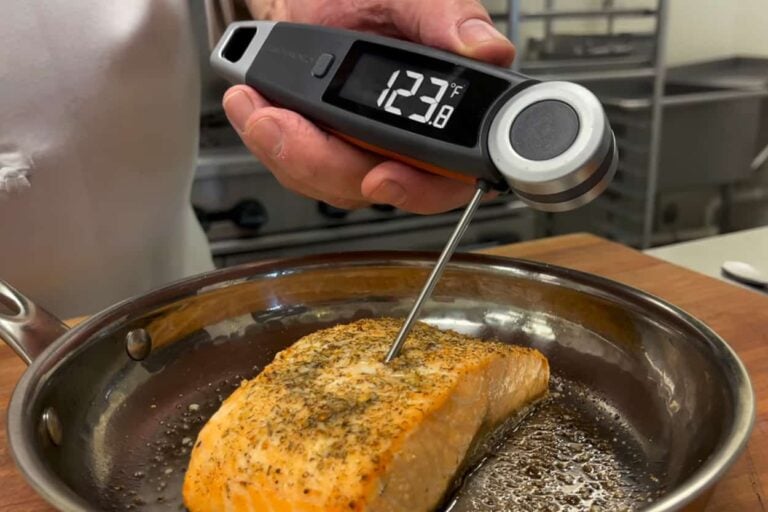
Use ChefsTemp Finaltouch X10 Instant Read Meat Thermometer to Measure Food Temperature
A reliable quick read kitchen thermometer is a must-have in every home and hotel, and not just because it can ...
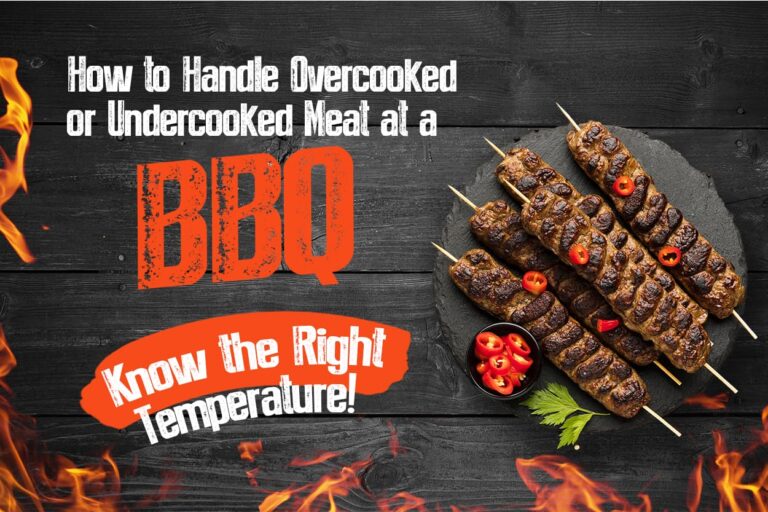
How to Handle Overcooked or Undercooked Meat at a BBQ? Know the Right Temperature!
Whether you are a grilling expert or a newbie standing behind the grill for the very first time, meat can be a...
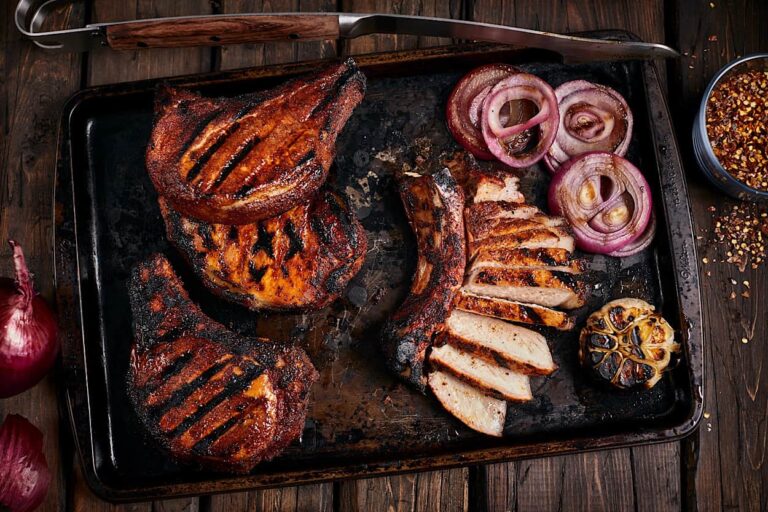
Juicy, Tender, Grilled Pork Chops
Center cut pork chops, bone-in or boneless, are not usually a choice for grilling on your BBQ. The reason is t...
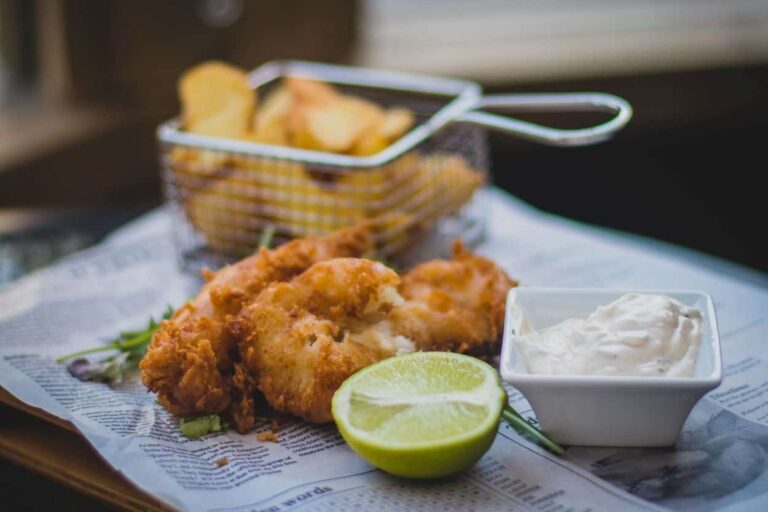
Chicken Internal Temp – Breast, Thigh, Fried, Roast Chicken
It is easier to cook other types of meat than chicken. Chicken has white meat and dark meat. Chicken breast is...