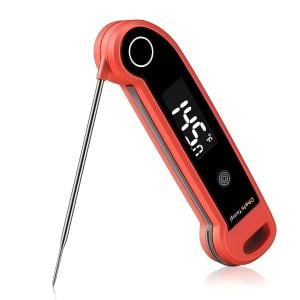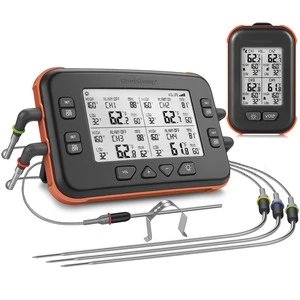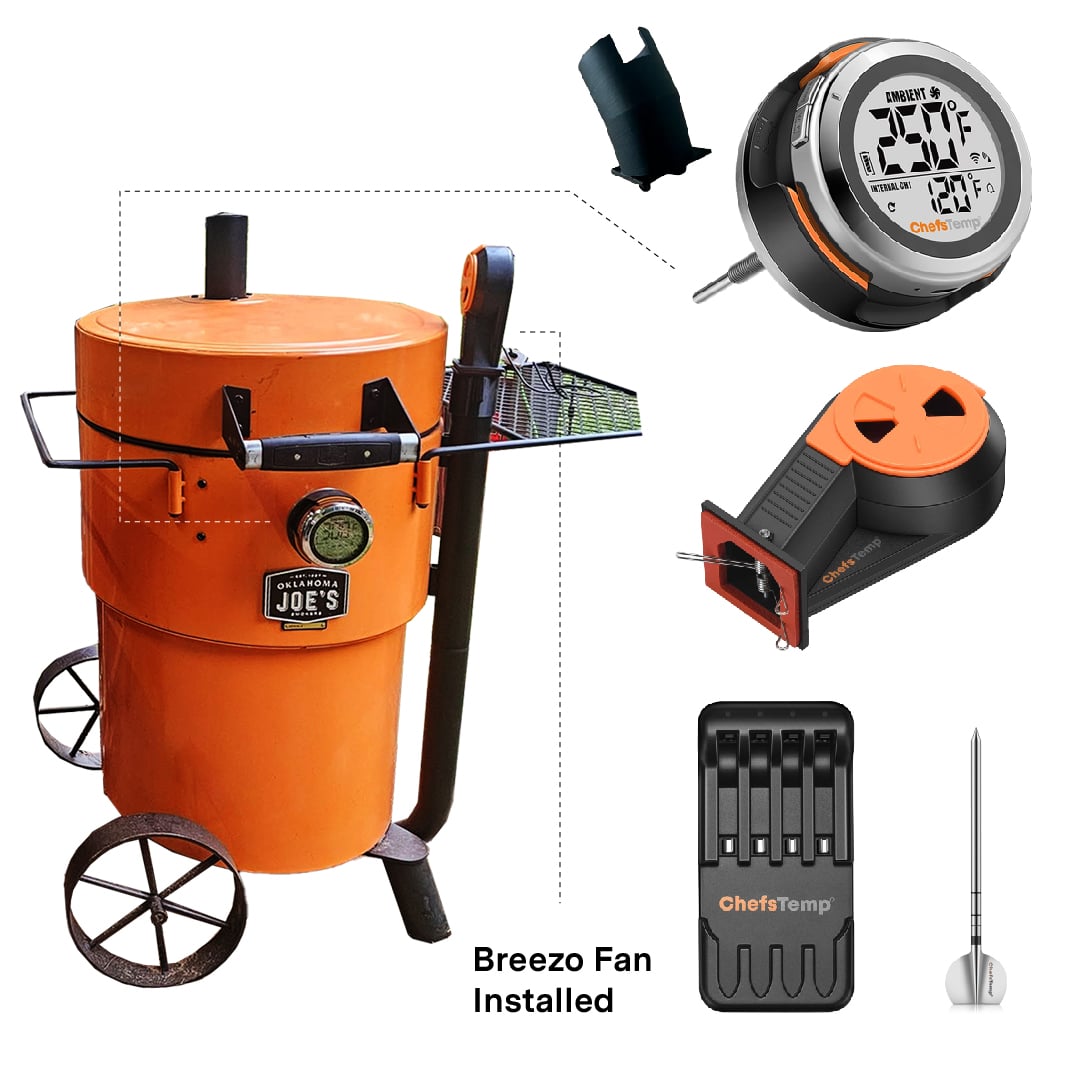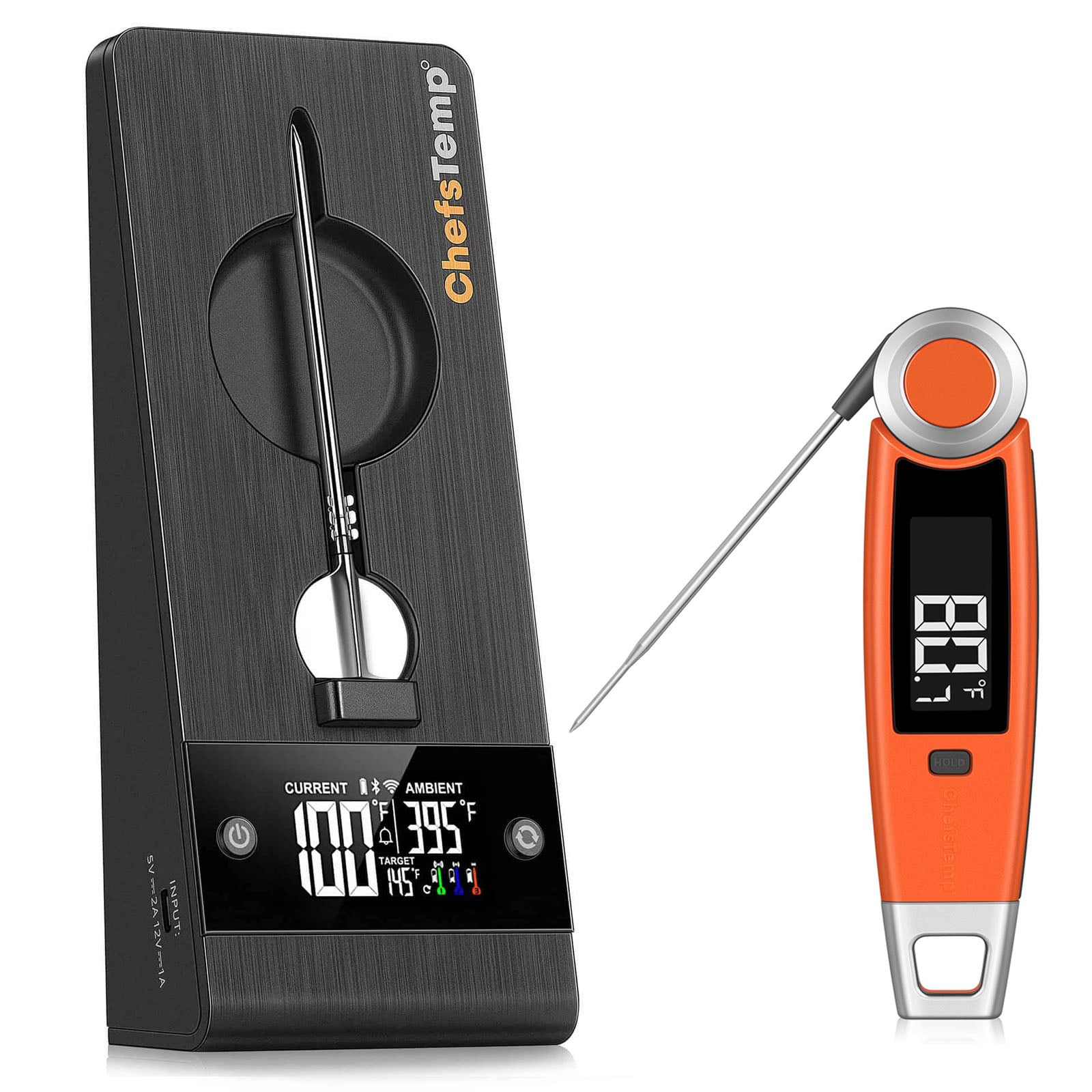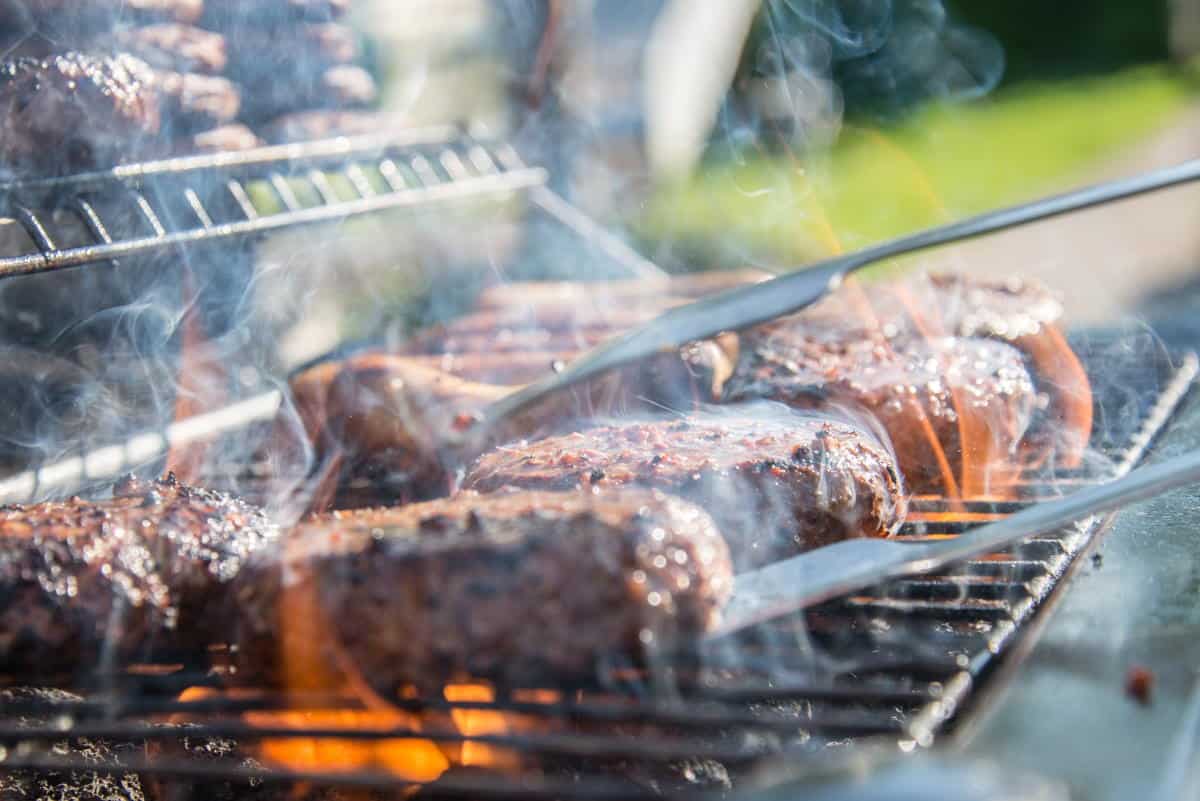
Meat products like chicken, pork, beef, and lamb are rich in nutrients your body needs. Some of these nutrients include protein, iron, iodine, zinc, and vitamin B12. Due to their nature and source, they also harbour bacteria such as E. coli, Salmonella, Campylobacter, and Listeria monocytogenes that can cause serious foodborne diseases. This is why it is important to cook meat to a minimum internal temperature. While food experts say meats are considered safe to eat when cooked at the right temperature for long enough (as it kills harmful bacteria), different types of meat, sizes, cuts, and cooking methods may require different minimum internal temperatures and cooking times. 
Why Must Meat be Cooked to Its Minimum Internal Temperature?
The World Health Organisation (WHO) says that most known germs can be killed at temperatures above 149°F (65°C).All types of bacteria have specific environments and optimal temperatures for thriving. Most pathogenic bacteria and viruses can be killed by heating to 165ºF (74°C) or higher for just minutes during cooking.This is because heat disrupts bacterial structure, rendering them unable to function or multiply. Cooking also kills most food-borne germs, such as Salmonella (bacteria commonly found in uncooked poultry products and eggs that can cause diarrhoea and vomiting).When cooking food, however, it must be heated properly all the way through – this is what ‘internal temperature’ is about, and you can only determine this through a food thermometer.Raw meat and poultry must be heated to at least 145°F (63°C) for whole cuts or steaks of pork, lamb, and veal. Ground meats, on the other hand, must be cooked to 160°F (71°C), and poultry to 165°F (74°C). Leftover or reheated food must be heated to at least 165°F (74°C) and properly stored in a container in the fridge within a couple of hours of cooking to prevent bacteria from thriving. Tip: Click here to get an instant-read, accurate thermometer for advanced meat internal temperature control.
How Do You Properly Cook Meat?
Here’s a quick guide to safely cooking different types and cuts of meat. 145°F (63°C): Beef (steak or roast), veal, lamb, chops, mutton, pork, ham, venison (steak or roast), bison (steak or roast), fish (salmon, tuna, bass, cod, etc.) and shellfish.160°F (71°C): Most fresh meats, ground beef, lamb, bison, and venison, fresh or raw ham165°F (74°C): Poultry, game birds, ground poultry, ham (precooked and reheated)If you are cooking fresh beef, pork, lamb, veal, elk, deer, or moose, here are the temperatures you need to remember for correct doneness: 160°F (71°C) for medium and 170°F (77°C) for well done. There are times (or types of protein) that you can’t use a thermometer to measure the internal temperature. Some examples are crabs, lobsters, shrimp, and scallops. In this case, you have to cook them until their flesh looks opaque or pearly white. For clams, mussels, and oysters, cook them until their shells open. You can stick a meat temperature chart magnet on the refrigerator or grill to check the temperature at any time.How Do You Take the Temperature of Meat?
Even the best chefs in the most highly decorated Michelin-star restaurants have meat thermometers in their kitchens. This is because, unless you have infrared vision, it is impossible to tell the meat’s internal temperature or whether it is thoroughly cooked just by looking, smelling, and tasting. To determine the internal temperature of the meat, use a meat thermometer. To use a meat thermometer, insert the probe into the thickest part of the meat near the end of cooking, before the meat is expected to be done. The tip of the probe should not touch the bone, fat, or gristle. For burger patties and chicken breasts, insert the probe through the side of the meat. If you are dealing with multiple pieces of meat, check the temperature of each slice to ensure it is thoroughly cooked. After cooking the meat, let it sit for at least three minutes before slicing or eating. This is called “rest time”, where the meat keeps (or continues to rise) its temperature to kill harmful germs. For cuts like steaks, resting allows the meat to redistribute its juices, creating juicier, more tender meat. Cutting the meat straight away after cooking will cause the juices to b ereleased, leaving the meat brown and overcooked. A 10-minute rest is a general rule. But for thicker slices of meat, you have to give it more time to rest, which should be 5 minutes for every inch of thickness.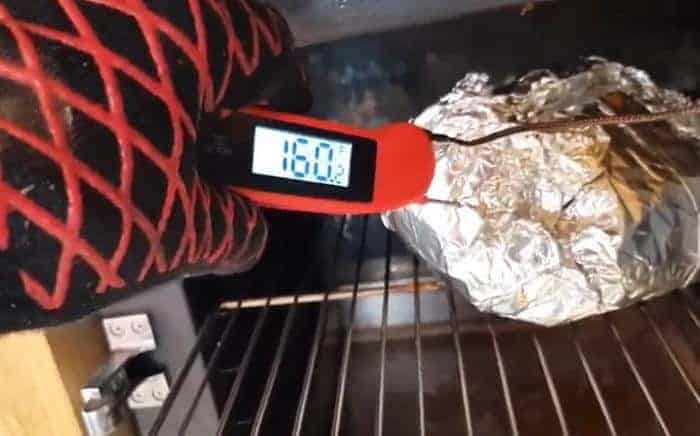
How to Get a Meat Thermometer?
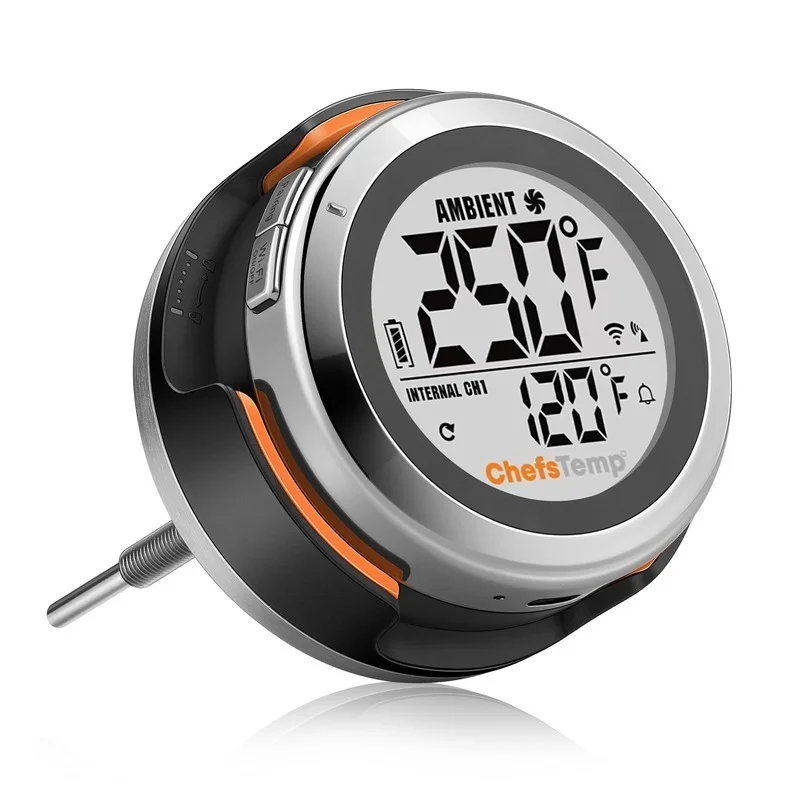
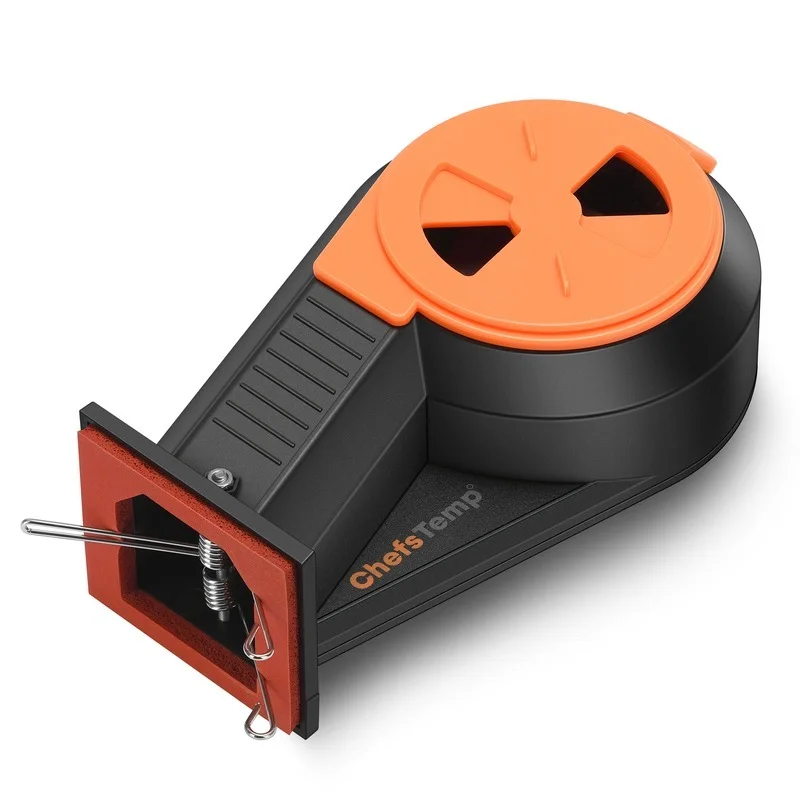
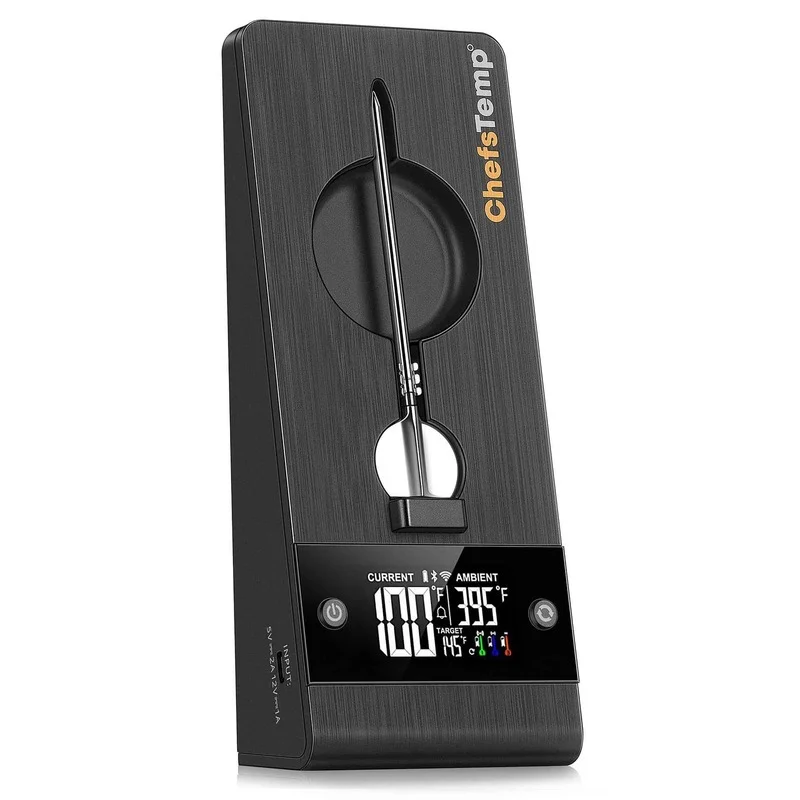
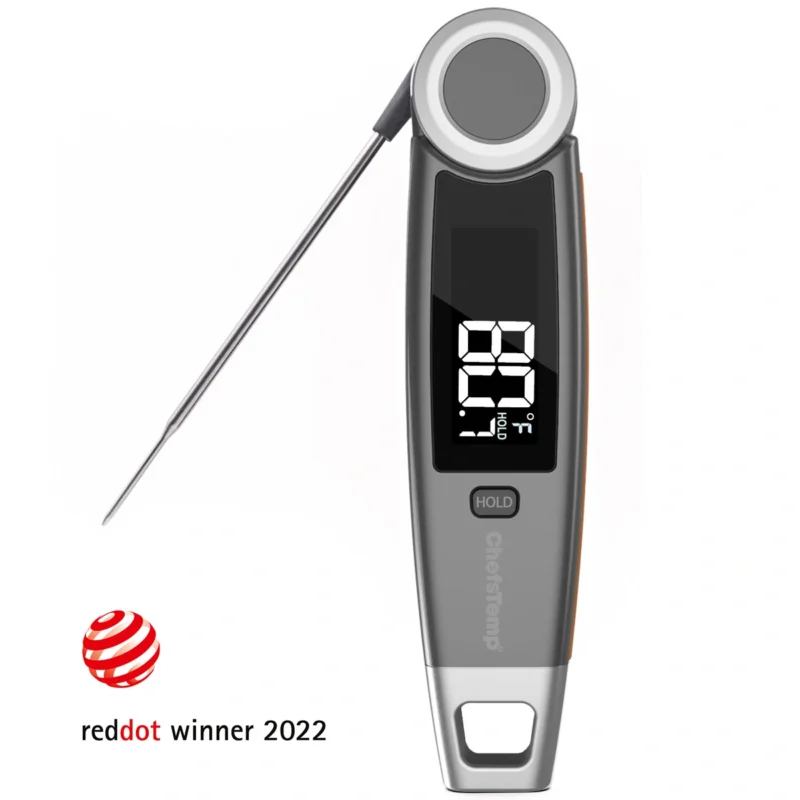
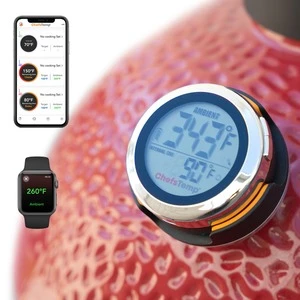
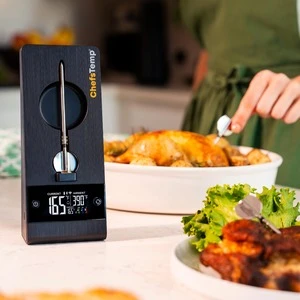
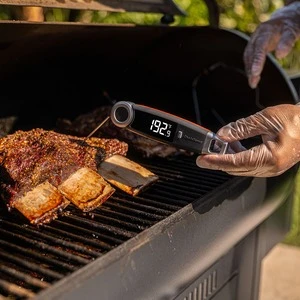
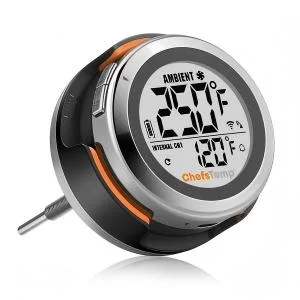
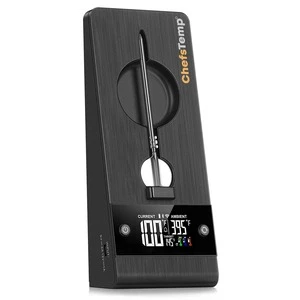
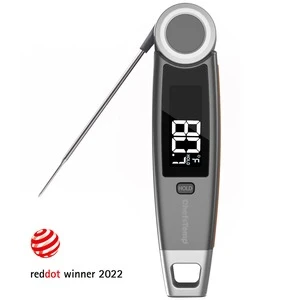
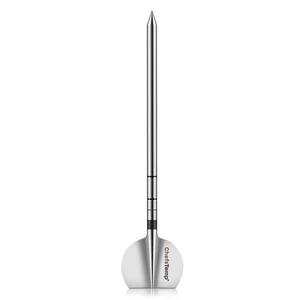
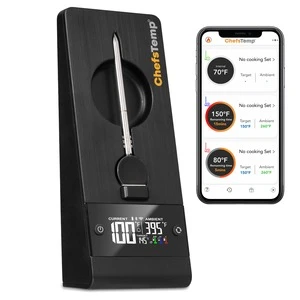
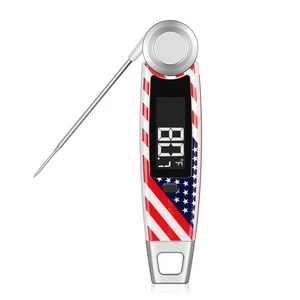
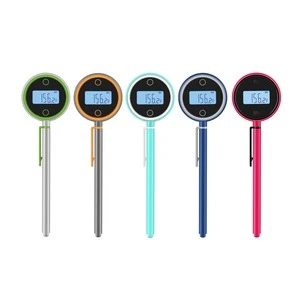
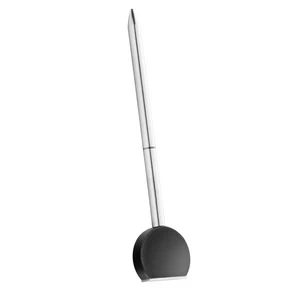
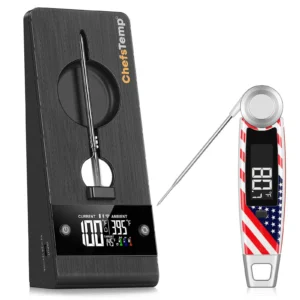
As with most cooking tools, meat thermometers are available at your local stores, hardware and home supply stores, and, of course, online. However, you should know that there are different types of food thermometers, each designed for specific cooking methods and foods. Here are the four most common types of food thermometers you can find: Digital instant-read thermometers – To use this type of thermometer, insert it about half an inch into the meat as it cooks. This thermometer can provide an accurate reading in as fast as 10 seconds.- Dial instant-read thermometers – To use this type of thermometer, insert the probe into the thickest part of the meat up to 2 to 2.5 inches deep. Unlike the previous one, this type cannot stay inserted into the food while it cooks. This thermometer can provide a temperature reading in as fast as 15 to 20 seconds.
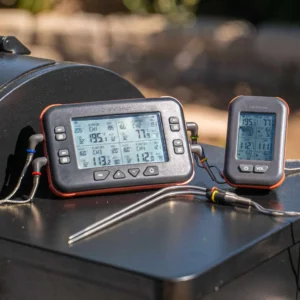
- Oven-safe thermometers – As their name suggests, these thermometers can stay in the oven while the meat is cooking. Insert the probe 2 to 2.5 inches deep into the thickest part of the meat. It will give an accurate reading in two minutes.
- Pop-up thermometers – This type of thermometer is commonly found in poultry and may even come packed with chicken or turkey. As its name suggests, it pops up when the meat reaches its safe and minimum internal temperature.
Related Posts
Can Salmon Be Undercooked? The Real Risks and How to Stay Safe
Can salmon be undercooked? Learn the exact temperature rule, spot the warning signs fast, and fix an undercooked fillet before it ruins dinner.
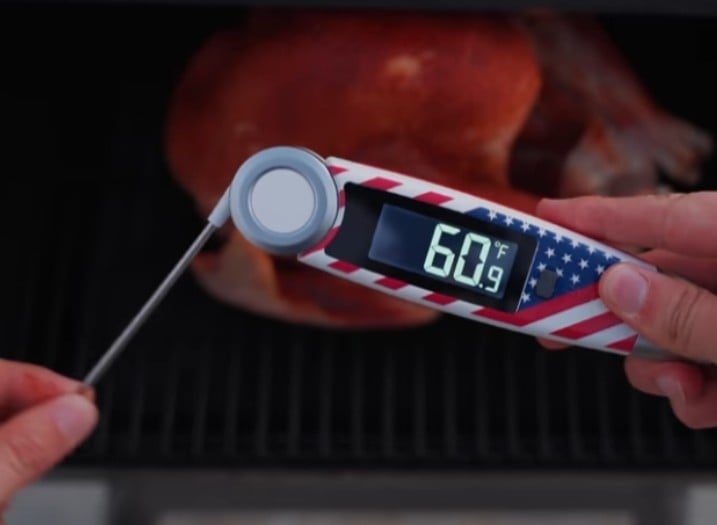
Best Thermapen Alternatives: 6 Instant-Read Thermometers Tested
Thermapen is fast, but is it worth? We tested 6 instant-read Thermapen alternatives for speed, accuracy, and value. Find your best match here.
From Traditional to Digital Thermometers – What Is the Future of Meat Thermometers?
Is an electronic meat thermometer a reality? Yes, it is a reality. Meat thermometers ensure the safety of cook...
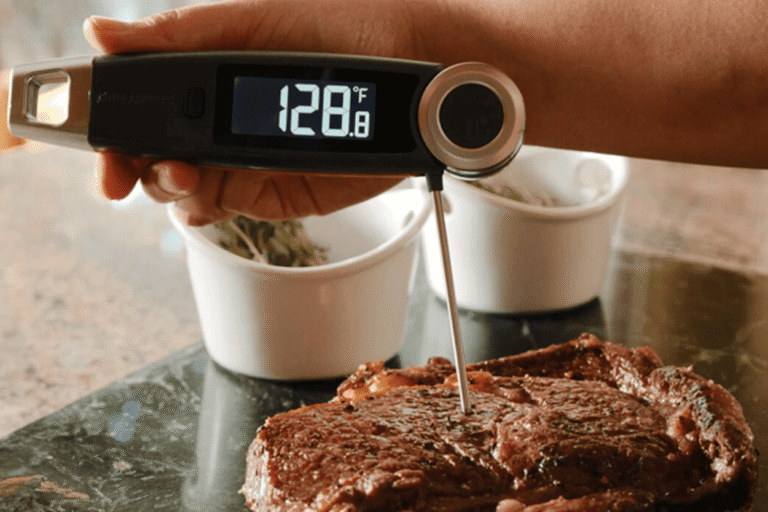
Reasons Why You Should Upgrade to the Best Instant Read Thermometer
A kitchen without an instant-read thermometer is incomplete. When it comes to creating a succulent pot roast o...
How Do You Know Your Ribs Are Done?
The summers are on the way, and we know many of you are planning to make this Memorial Day or Independence Day...
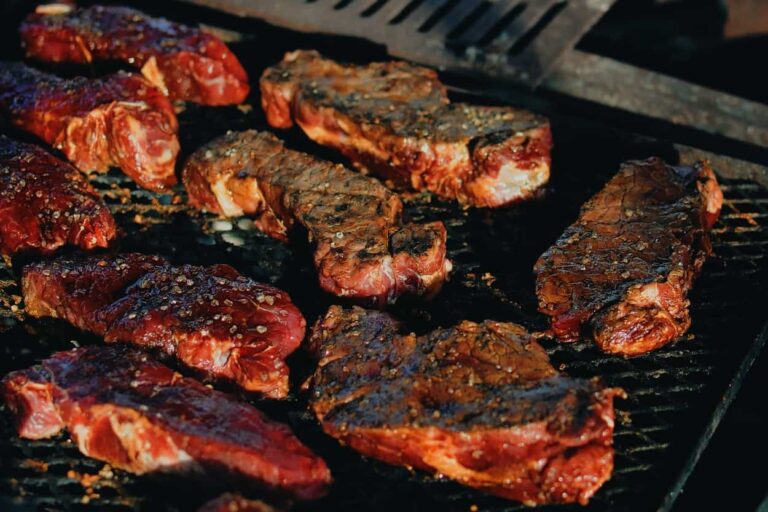
Is Your Steak Properly Done? Get it Right with a Remote Thermometer
Many passionate grillers began where you are now. Their first attempts were unsuccessful and disappointing. Th...
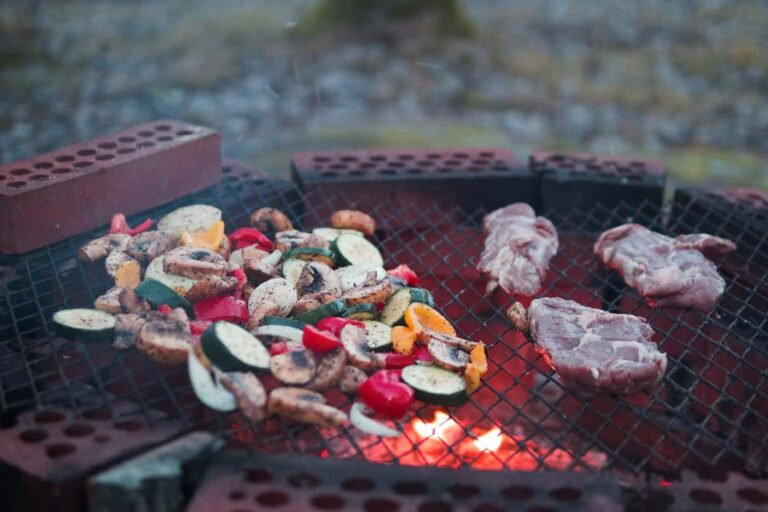
Things You Should Never Do with an Instant Read Meat Thermometer
An instant-read meat thermometer is needed to tell if your meat is cooked to the proper internal temperature. ...
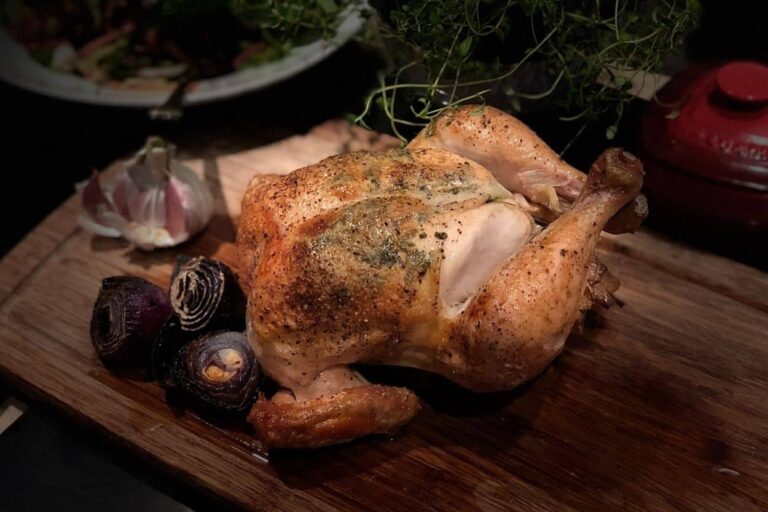
The Safest and Correct Chicken Internal Temp for a Juicy and Tasty Meat
Chicken meat is delicious and nutrient-dense, but only if it's cooked to a specific internal temperature. Go b...
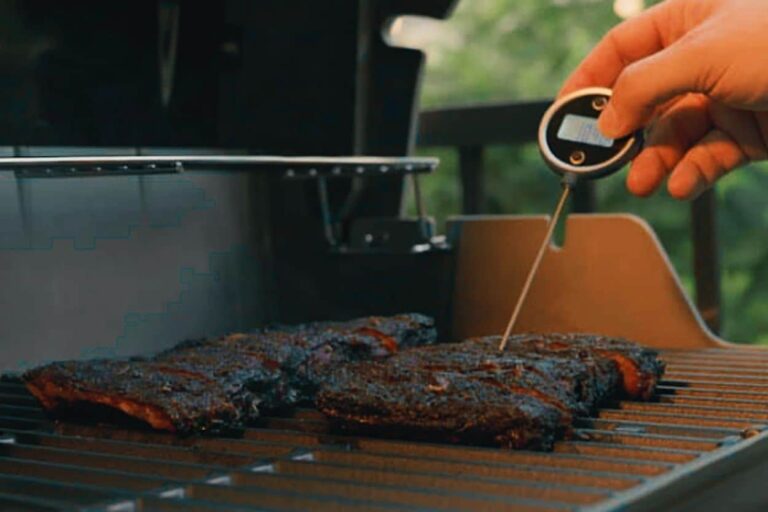
How to Properly Reheat BBQ Leftovers with the Best Meat Thermometer?
Reheating BBQ leftovers is something many people struggle with. This article covers the ins and outs of doing ...
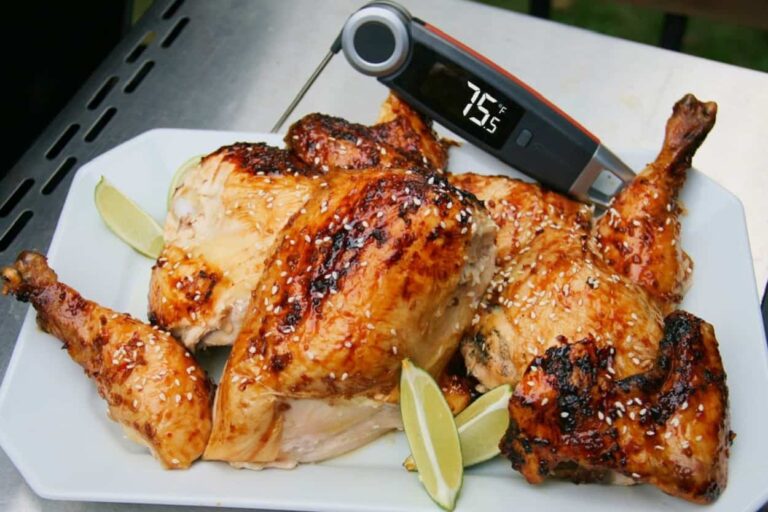
What Is the Best Meat Thermometer for Every Meat Cut?
Cooking food for our loved ones is always delightful. Cooking food, especially when it comes to cooking meat, ...
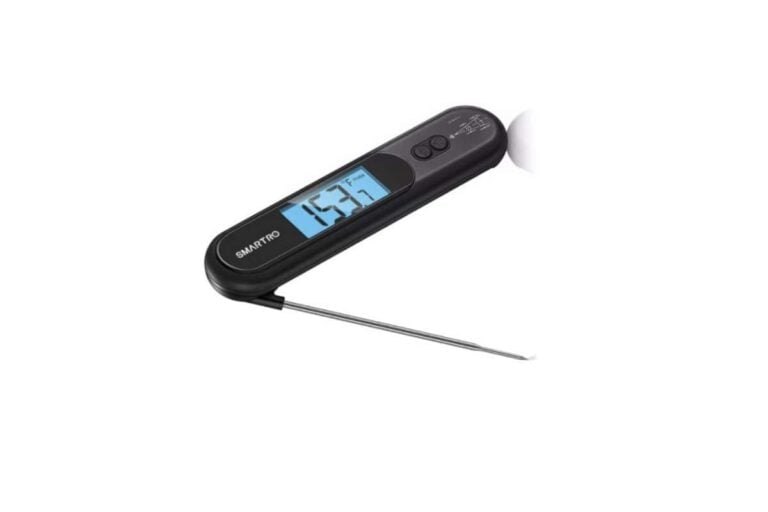
Best Infrared Cooking Thermometer
The best infrared cooking thermometer lets you check your food's temperature from a safe distance. It is a cru...
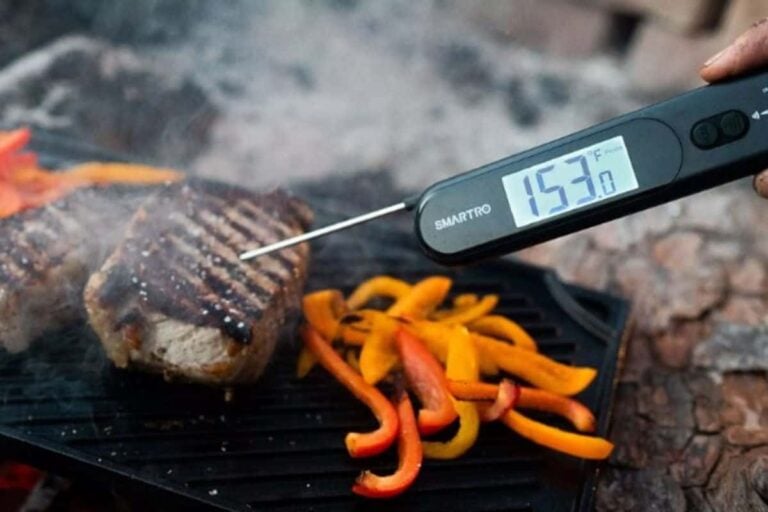
Infrared Thermometer for Grilling
Some cooking methods require accurate and precise temperature readings. A slight temperature difference can si...