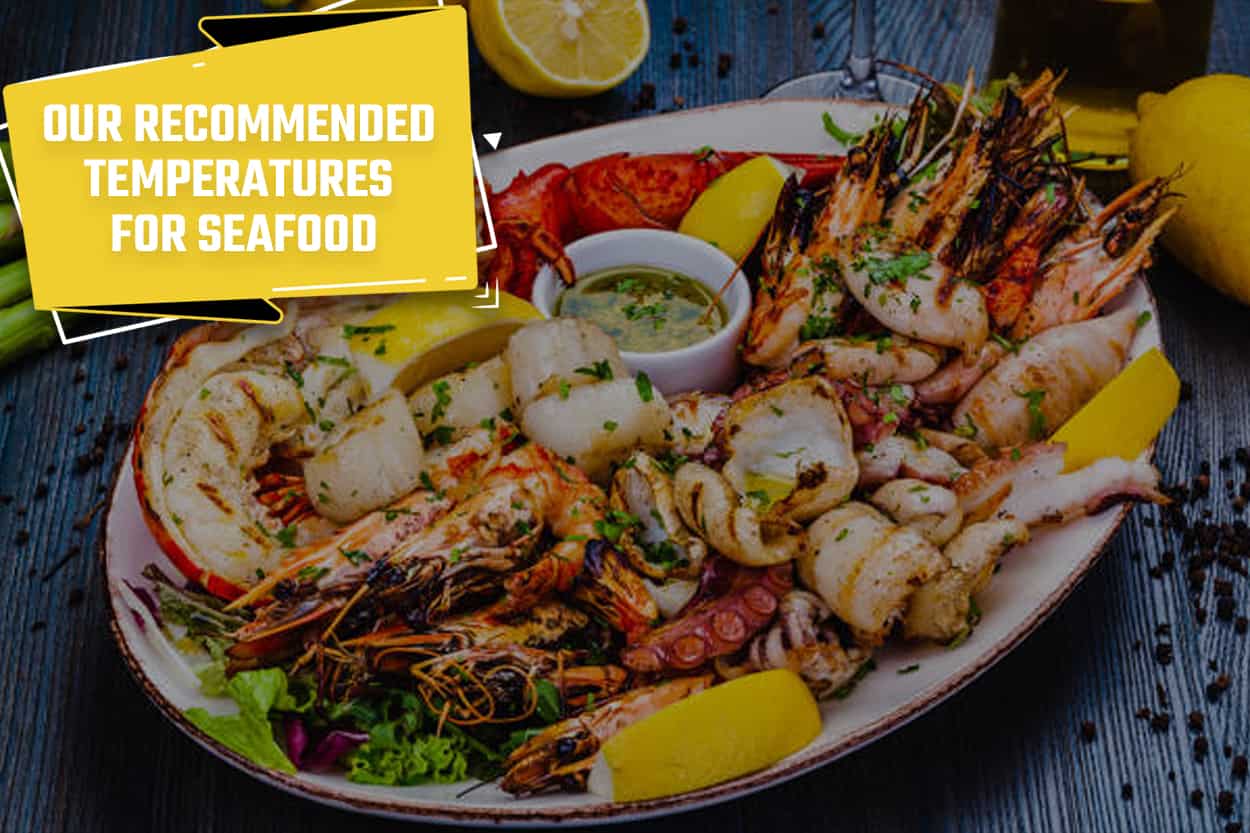
Have you ever wondered why fish muscles are drastically sensitive to heat and light exposure? Well, those are made up of relatively short bundles than the long muscle fibers in meat. In addition, compared to the meat of other animals, fish muscle has a relatively tiny amount of connective tissue, which is arranged in thin sheets perpendicular to the muscle bundles.
What does all of this imply? To put it another way, fish cannot bear the heat coming directly from the sun or any other artificial source, therefore, knowing their finished cook temperature is very important. For a handful of our favorite portions, we will find out what are the most suitable temperatures to cook the seafood and make it up to the mark.
Seafood and Its Internal Temperature
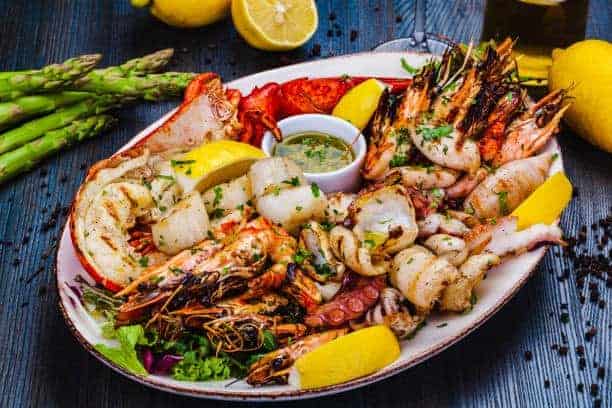
While cooking for the beloved ones, it should always remain the priority to serve them with the food that is cooked at the most appropriate temperatures without getting burnt or left undercooked. Keeping an eye on the temperature should be done thoroughly. There is a range of multiple temperatures that are considered for cooking a wide range of seafood including fish, shrimps, crabs, etc. Let’s figure out what are that specific seafood and the required temperatures to get them well done before serving them on your dinner table.
|
Items |
Temperature |
Description |
|---|---|---|
| 1.Fish with fins | 145°F (63°C) | Cook well until the meat is translucent and readily separated with a finger |
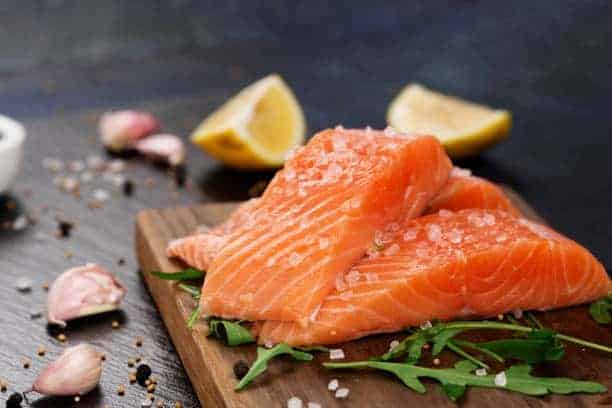
| 2.Salmon | 125°F (52°C) | Since salmon does not contain enough quantities of protein and therefore it is more likely to release water if not cooked on the desired temperature. The most suitable temperature is 125°F or 52°C for salmon which ensures the fish is cooked well both inside out. |
| 3.Lobster | 140°F (60°C) | Lobsters are a bit challenging to cook and it can go too wrong to handle due to the lack of greasy fats that make the meat more flavorful and juicy. Lobsters should be cooked to perfection since they are quite a luxurious cuisine and need chefs’ precious time to get cooked definitely. If you cook it too long, it will become stiff, dry, and unappealing, and if you cook it too short, it will have an unusual texture and underdeveloped taste. Lobsters should be cooked to an internal temperature of 140°F, regardless of how it is prepared. Keep an eye on the temperature while grilling lobster, boiling or steaming it. |
| 4.Shrimp | 120°F (49°C) | Shrimps are very swift and can be destroyed before landing on the plates if not cooked or fried at the appropriate temperatures. Take the thermometer probe and insert to check whether the temp is below or equal to 120°F. Identify if the color changes from pink to pale pink or slightly towards brown, it means your shrimps are almost ready. |
| 5.Scallops | 130°F (55°C) | Containing little quantities of protein, scallops are moist and are normally cooked on high heat. They are recommended to be cooked under or exactly at 130°F until the outer parts become roasted brown. This way the taste and the color both remain balanced. |
| 6.Halibut | 130°F (55°C) | Halibut is quite a sturdy fish that keeps its shape intact when cooked. It’s done when the internal temperature hits 130°F to 135°F. It’s ideal for grilling because of this. It is frequently overdone and dry, although the middle should only be beginning to get opaque. |
| 7.Tuna | 115°F (46°C) | The more flavorful cuisine Tune is, the more critical it is to handle while cooking. Generally, people have tuna in rare form as it loses all the flavors when overcooked. So 115°F or below will be the appropriate temperature for it. |
A Note On Thermometers in Seafood Cooking
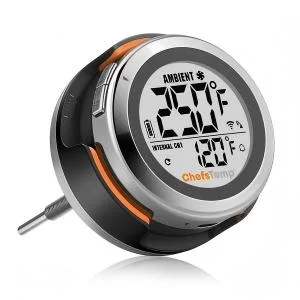
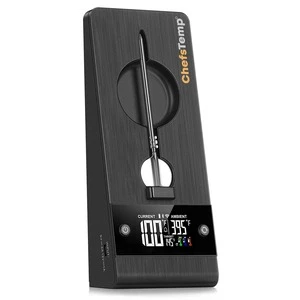
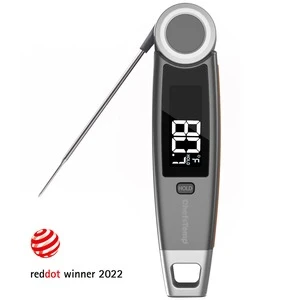
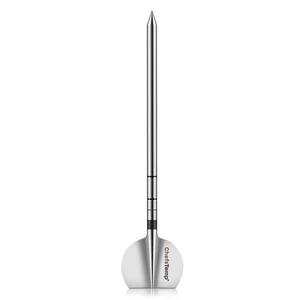
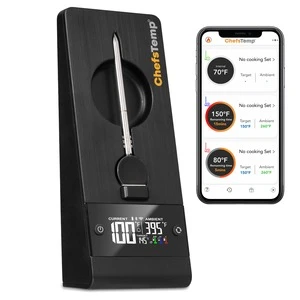
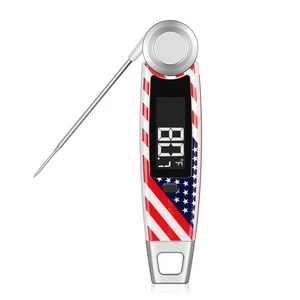
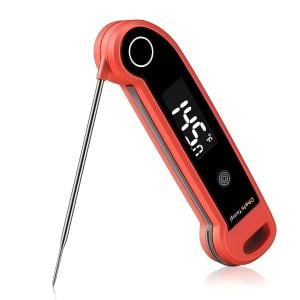
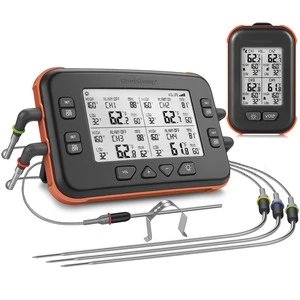
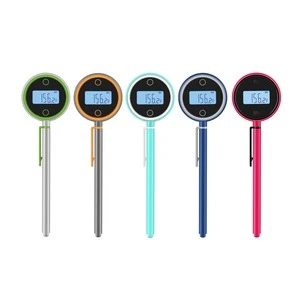
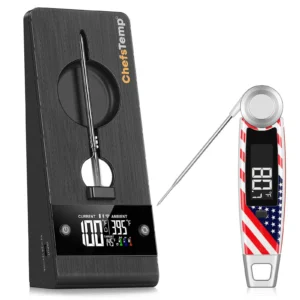
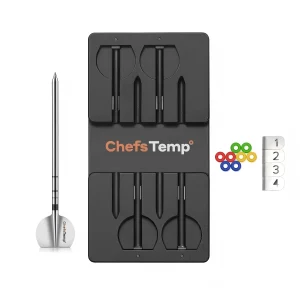
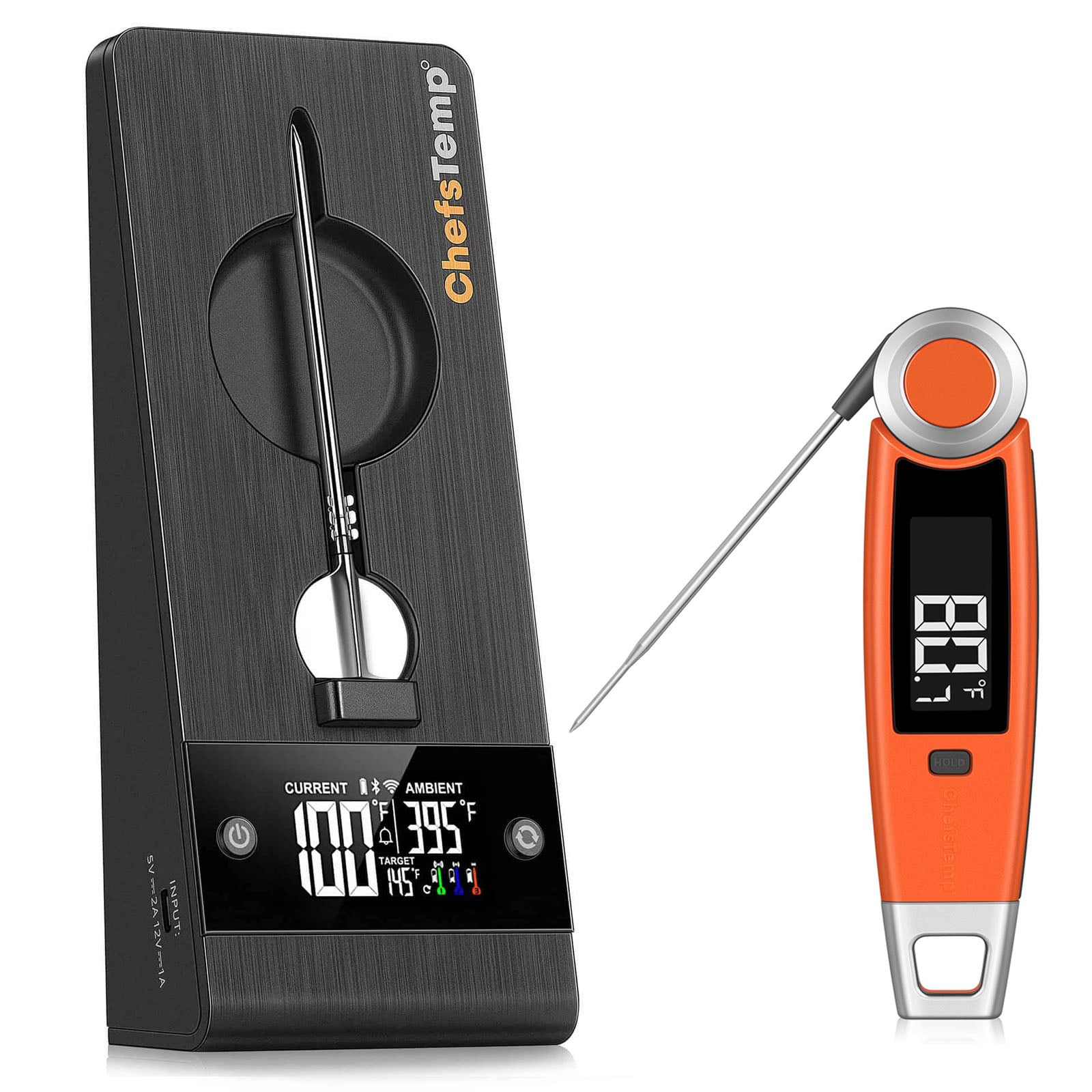
It is good to use thermometers that are specifically designed to check food temperatures. Also, it depends on the type of seafood you are cooking and which thermometer will meet your requirements most appropriately. There is a wide range of extremely advanced devices that should be used while your favorite seafood is on the stove or the cooking grill. Thermometer for instant reading – It’s quick and simple to use, and it gives you a precise reading. It can be used for daily cooking. Though it’s more sophisticated and stylish than other models but affordable as well. Using these will let you gauge accurate temperatures. This oven-safe dial thermometer – is especially excellent for bigger roasts. Insert the thermostat into the thickest portion of the meat; it’s oven safe and will stay there throughout the cooking process. While the meat is cooking, the huge dial is simple to see. Probing thermostats – These are great for keeping an eye on the temperature of bigger roasts while they’re cooking on the stove or the grilling. The meat probe is inserted. The thermometer is mounted on the counter and is connected to the other end of the wire. The finished temperature is set, and the device will notify you when it is attained.
Seafood Handling Before Landing into the Stoves
The length of time your seafood can last depends on its condition when you bought it and how well you care for it. Fresh fish should be kept in the refrigerator’s coldest section. Ensure your home refrigeration system is set to 40°F (4°C) or below using a thermometer. Higher storage temperatures cause fish to lose quality and decay quickly, so use ice whenever possible. Always buy seafood in the end while doing your groceries and take it home in a cooler. If you’ve grabbed your fish, don’t leave them on the deck till you’ve returned to the harbor.Conclusion
Fresh fish like sashimi and dishes produced with raw food are more susceptible to have parasites or germs than cooked fish, therefore fully cooking fish is vital. From the moment of buying or catching it yourself till the end of cooking, the entire process of handling is the most critical and determines the quality of taste of every kind of seafood. Besides, the use of thermometers adds to one’s cooking experience.Related Posts
Comparing the Accuracy of the Stock Weber Smokey Mountain Thermometer to ChefsTemp S1
The Issue
The Weber Smokey Mountain is a popular and versatile cooker, but it has one major flaw - the stock ...
Use Proper Cooking Temperatures to Ensure Safe Food
Cooking is one of the most basic household chores. However, it can be easy to mess up your cooking, especially...
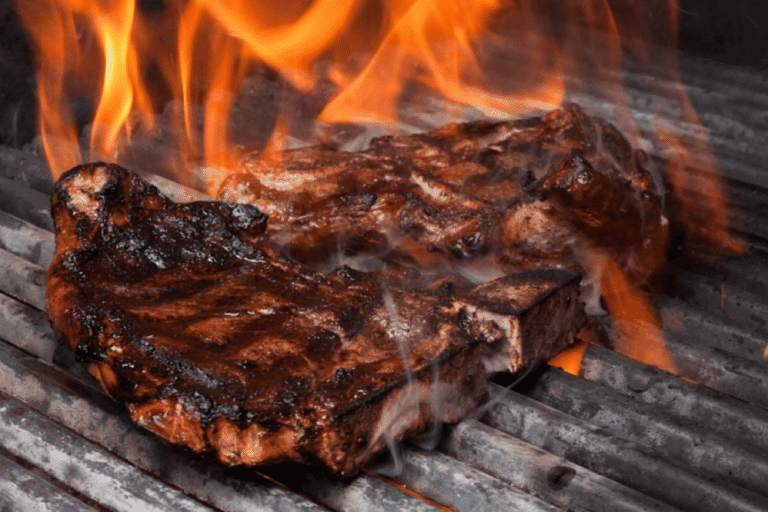
How to Have a Well-Cooked Meat
Meat is a popular part of many dieting plans, as its tasty and satisfying qualities make it an excellent sourc...
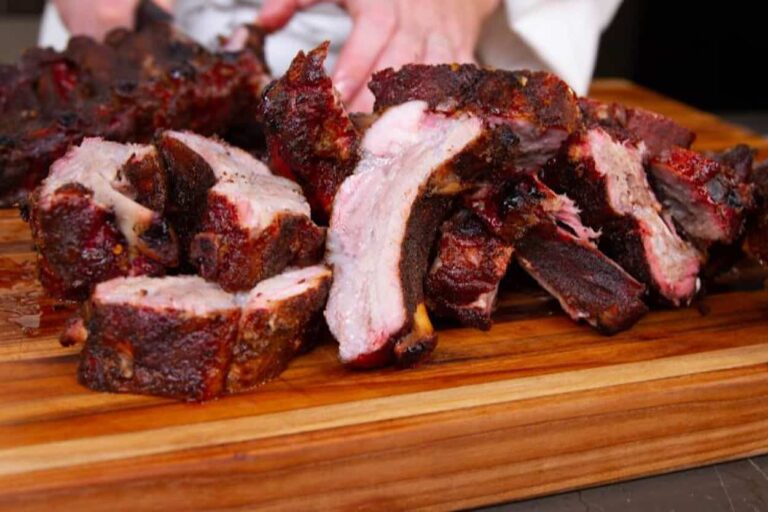
Perfect Temp Smoked Baby Back Ribs
Smoking ribs during a family cookout can be a great way to level up the fun and let your loved ones enjoy the ...
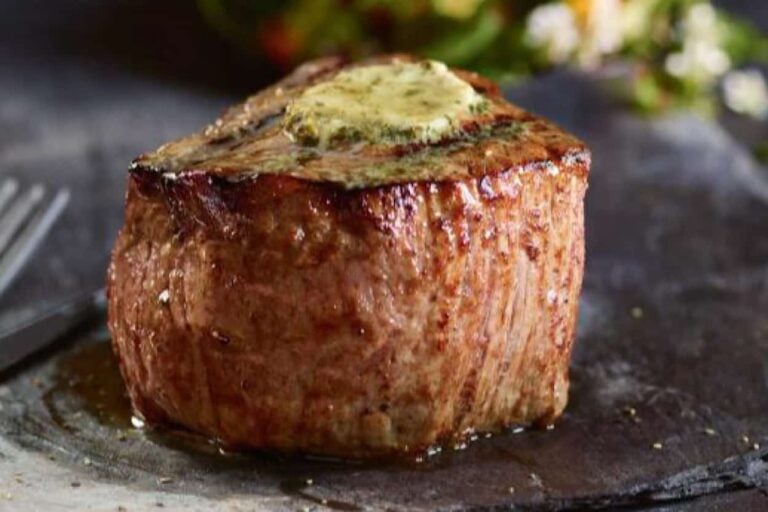
Perfectly Cooked Filet Mignon Prepared Two Ways
Whenever it comes to cooking steaks, most of us would die to have one of the best meat cuts out of the tenderl...
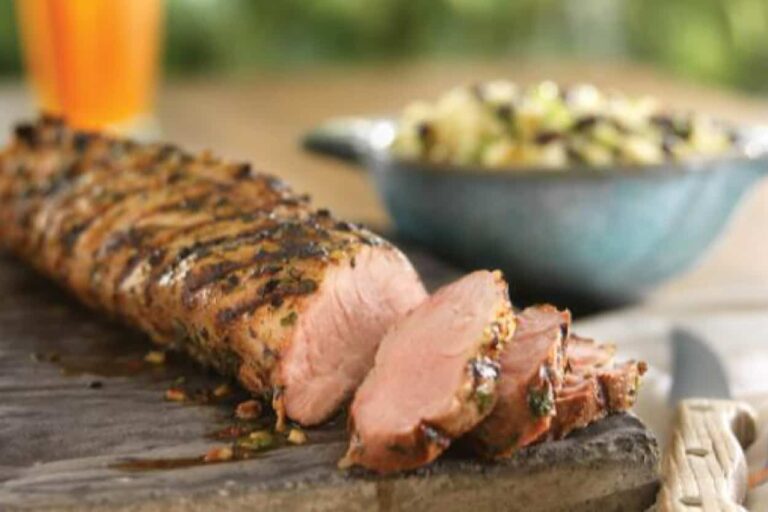
Pork Tenderloin: A Recipe for Perfect Doneness
Apart from many other parts and cuts out of the pig or hog’s body, what people enjoy the most is the tenderloi...
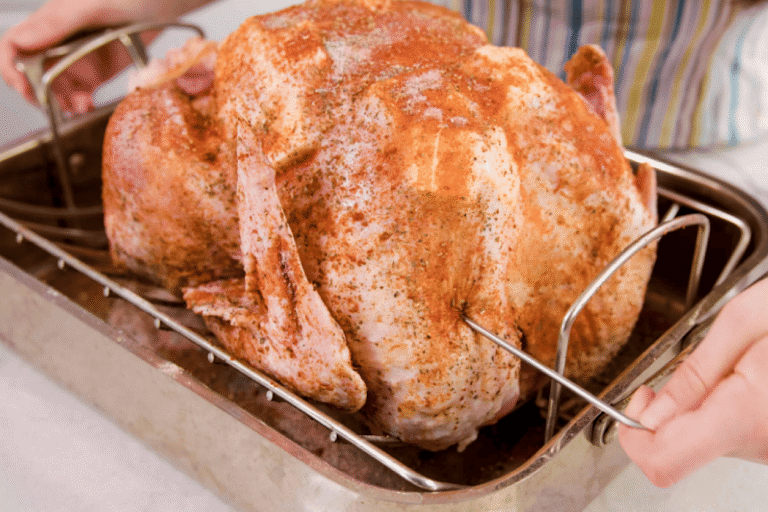
Proper Probe Placement in Your Turkey
On the auspicious occasion of Thanksgiving, every dinner table is decorated with several dishes, with Turkey a...
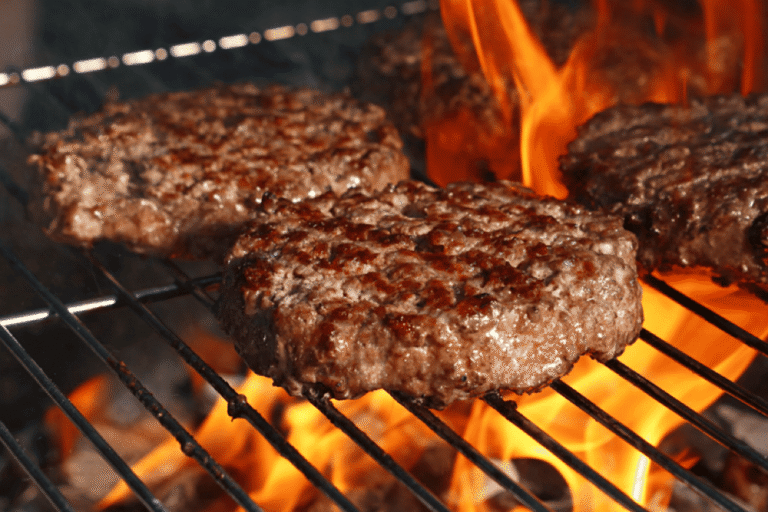
Grilling Hamburgers: A Temperature Guide
You drown in the sight of your kids hopping cheerily in your yard while you try to contain the excitement! Fin...
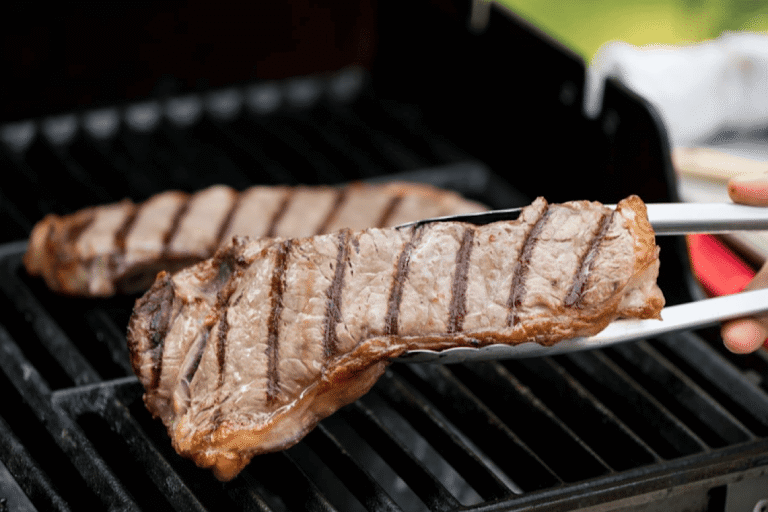
The Chefs Temp Guide to Everything You Need to Know About Steak: Temperatures, Ordering, and Buying
To know about the steak temperature chart, let’s first know what a steak is. A steak is a cut of beef from the...
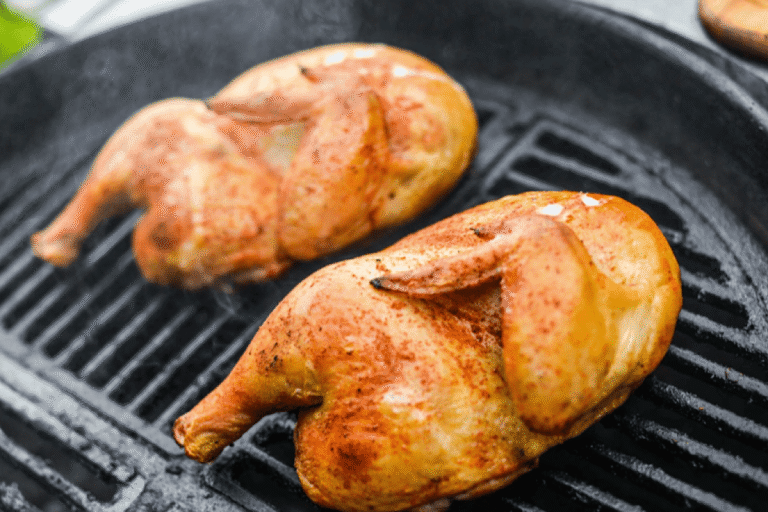
Juicy Goosey Barbecue with ChefsTemp Finaltouch X10
Barbecued goose makes the Christmas celebrations a happy occasion to cherish, but cooking a goose is a little ...
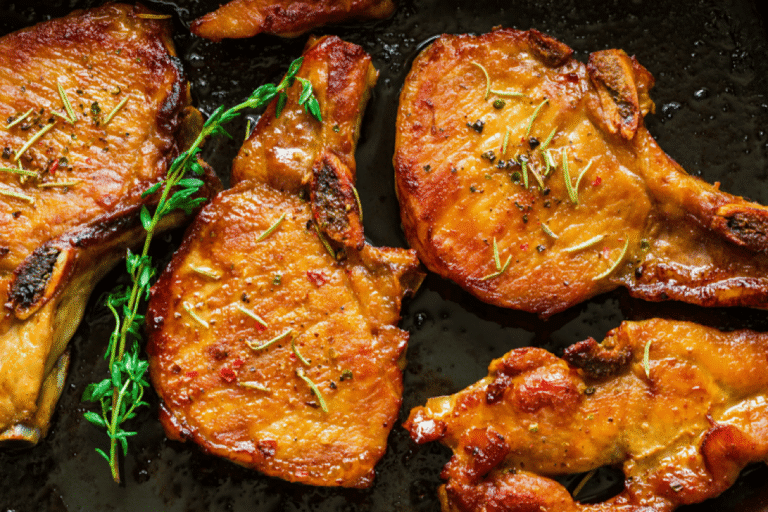
How to Marinated Bone-In Pork Chops and Oven Cooking Them Safely
Bone-in Pork Chops are one of the most flavorful cuts of pork we can cook. They are so flavorful because of th...
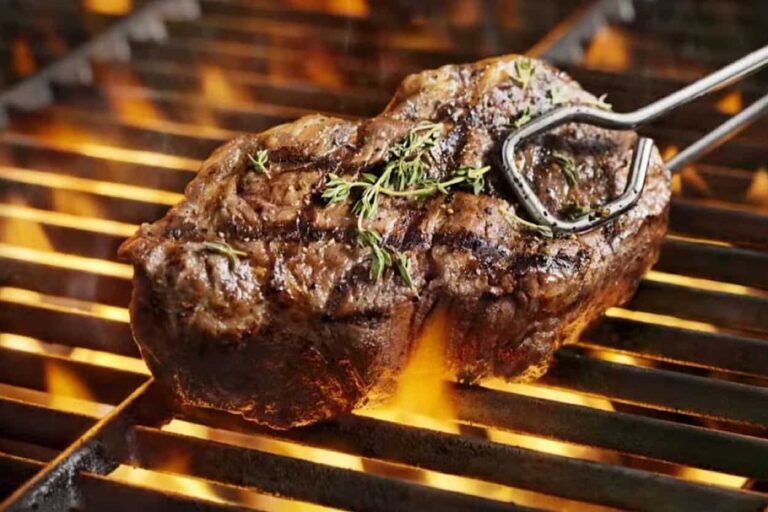
The Cooking Battle of Time vs Temperature
Cooking involves transferring energy from the heat source to the food. The energy transfer causes chemical and...