In modern society, food safety is an essential factor; it does not matter if you are cooking in your home or professional kitchen; all the food should be safe to eat. For better food safety, you should know about the temperature danger zone. But what is the temperature danger zone?
What Is the Temperature Danger Zone for Food?
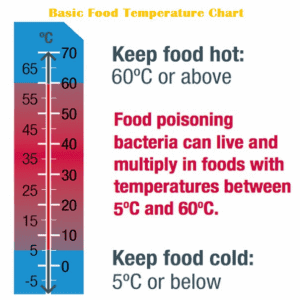
There is a temperature range for any food you cook that can develop bacteria; This temperature range is called the temperature danger zone. Food Standards Agency (FSA) recommends keeping this range between 46°F-140°F (8°C-60°C).
That means the food should be frozen or heated beyond 140°F (60°C). At 46°F (8°C), it shows slow bacteria growth. And at 140°F (60°C), bacteria can multiply very quickly. So, it is better if you can keep the temperature above 158°F (70°C).
Different Temperature Ranges
For the sake of the article, we will talk about different temperatures and how bacteria react to those temperatures. That way, you will get a better idea about the temperature danger zone.
- Below 41°F (5°C): This is the best option for chilled foods. Even though freezing doesn’t eliminate the bacteria, it will slow the growth of the bacteria to a great extent.
- Between 68°F (20°C) and 122°F (50°C): This is the perfect range for bacteria growth. In this range, bacteria will multiply quickly, and the optimum temperature for any bacteria growth is 99°F (37°C). So, it would help if you avoided this range.
- 158°F (70°C): This is England’s recommended cooking temperature, so try to keep your cooking temperature above 158°F (70°C).
- 176°F (80°C): This is the recommended temperature if you are cooking in Scotland.
We recommend following the above mentioned points if you use a kitchen thermometer.
How Can I Check the Food Temperature?
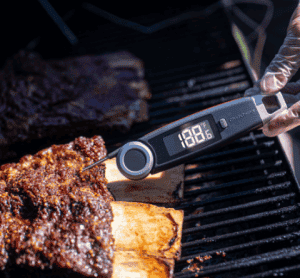
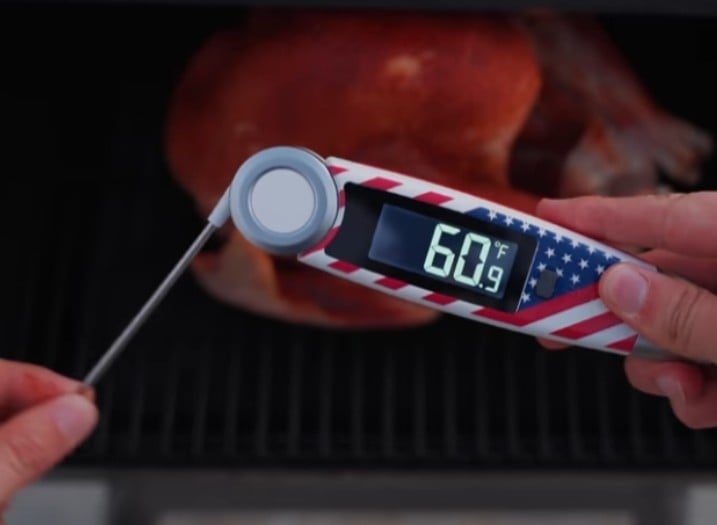
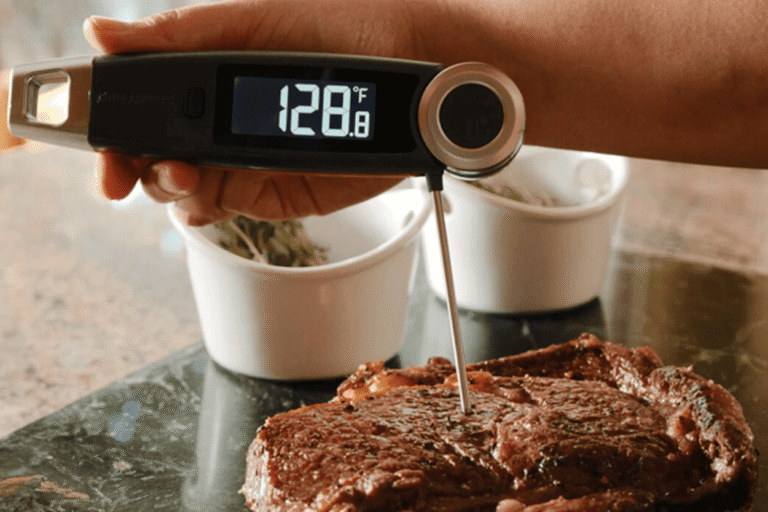
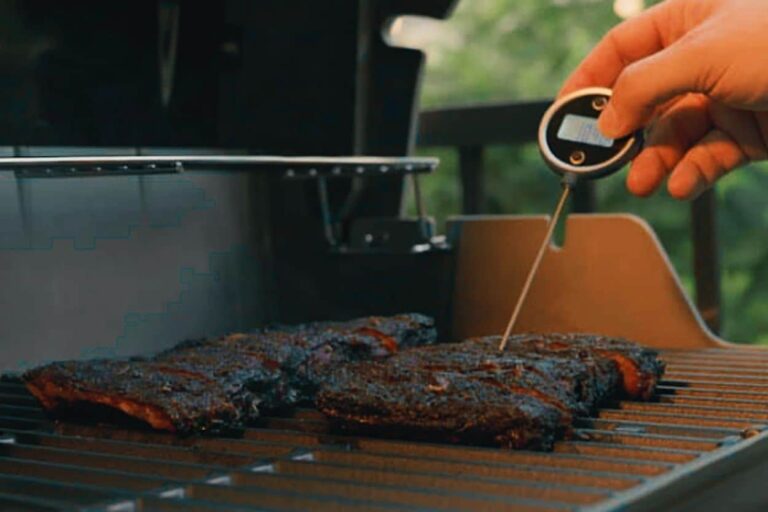
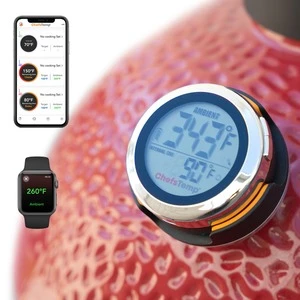
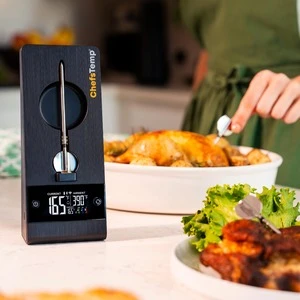
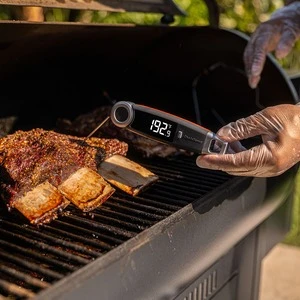
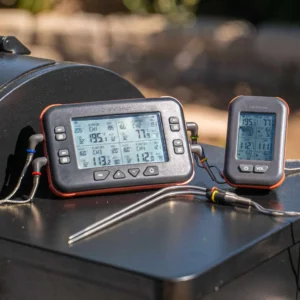
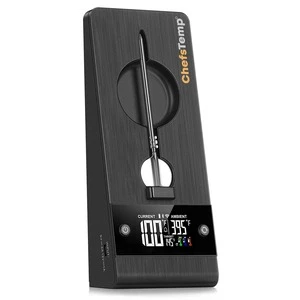
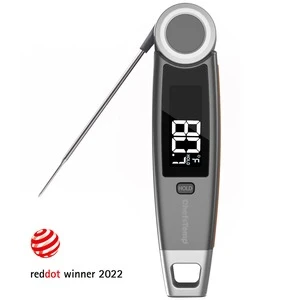
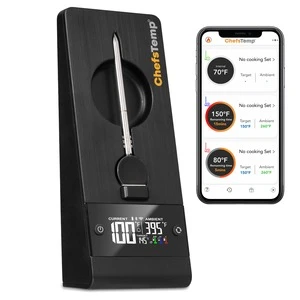
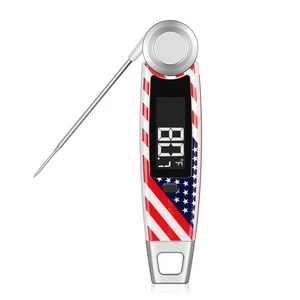
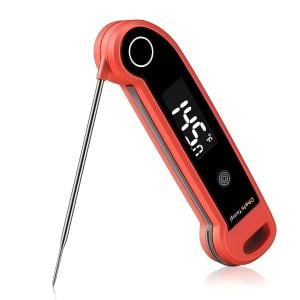
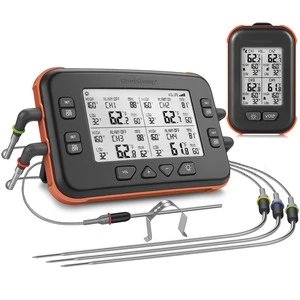
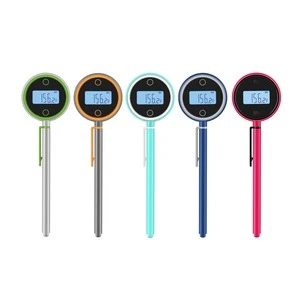
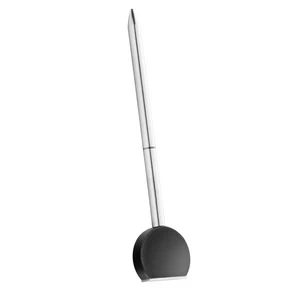
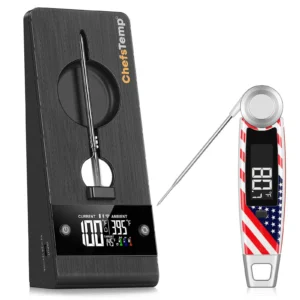
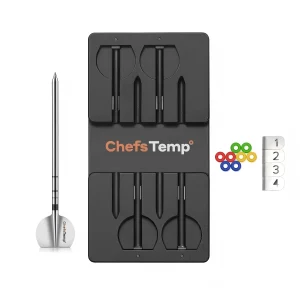
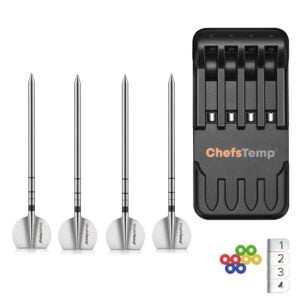
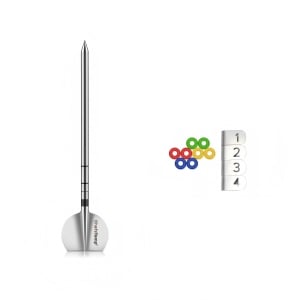
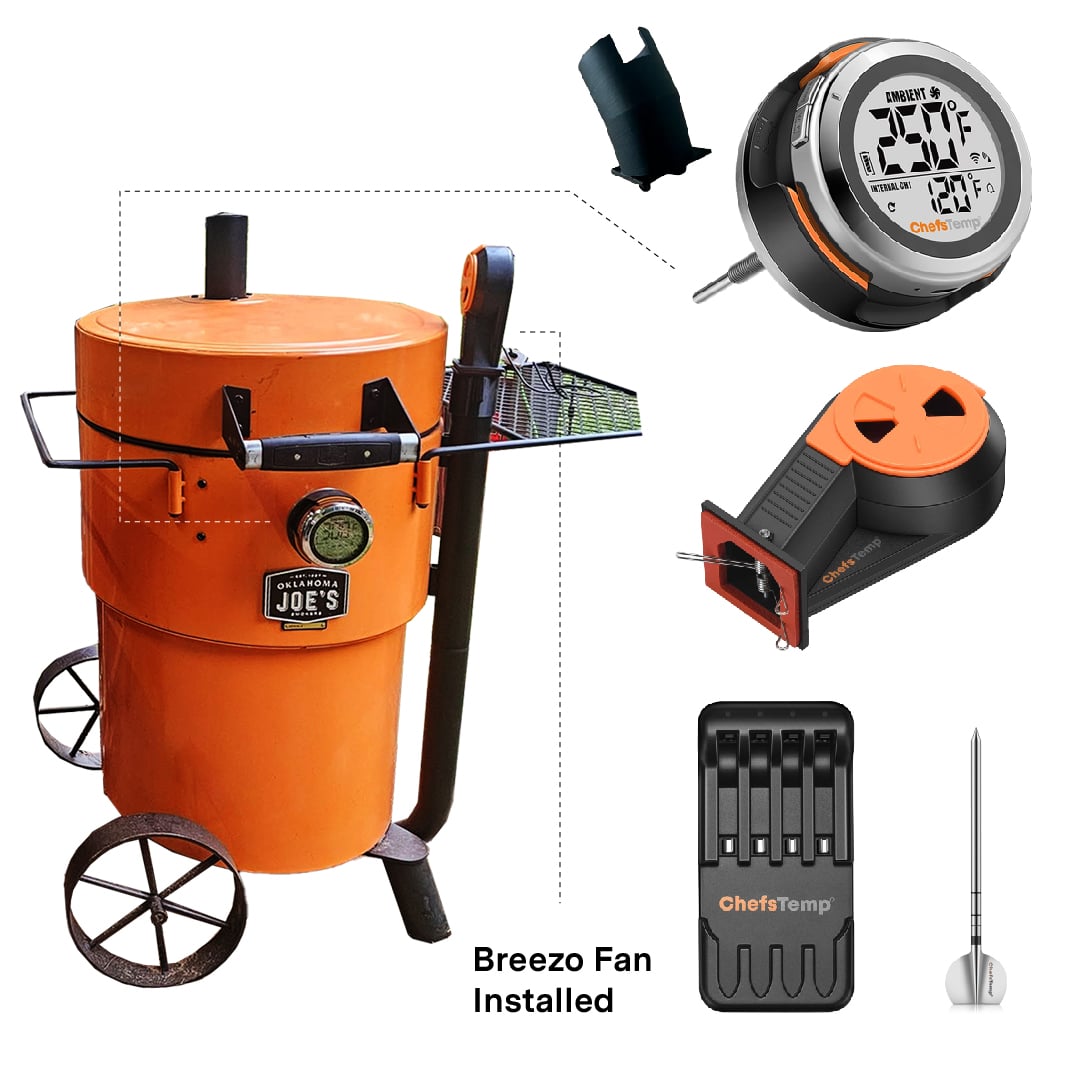
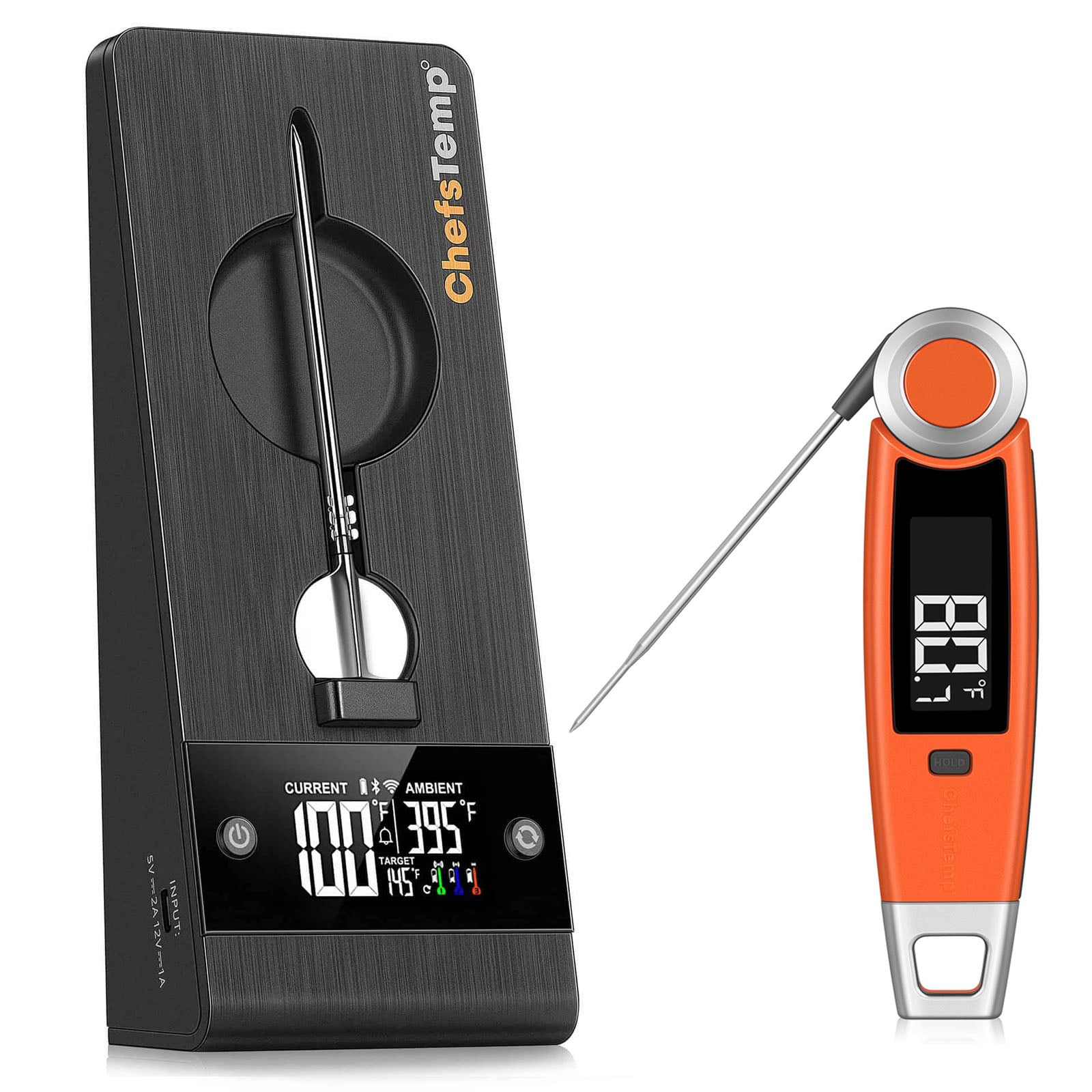
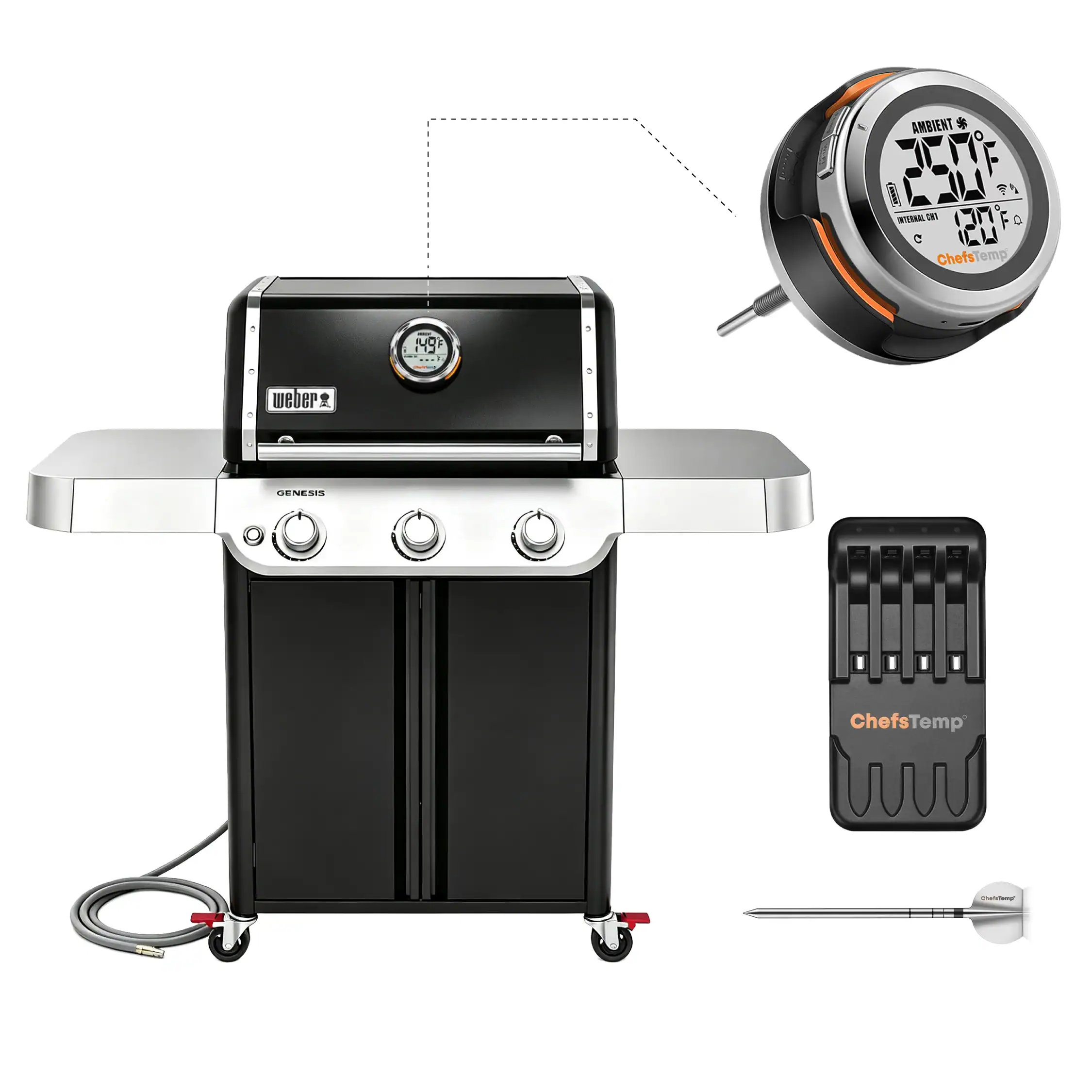
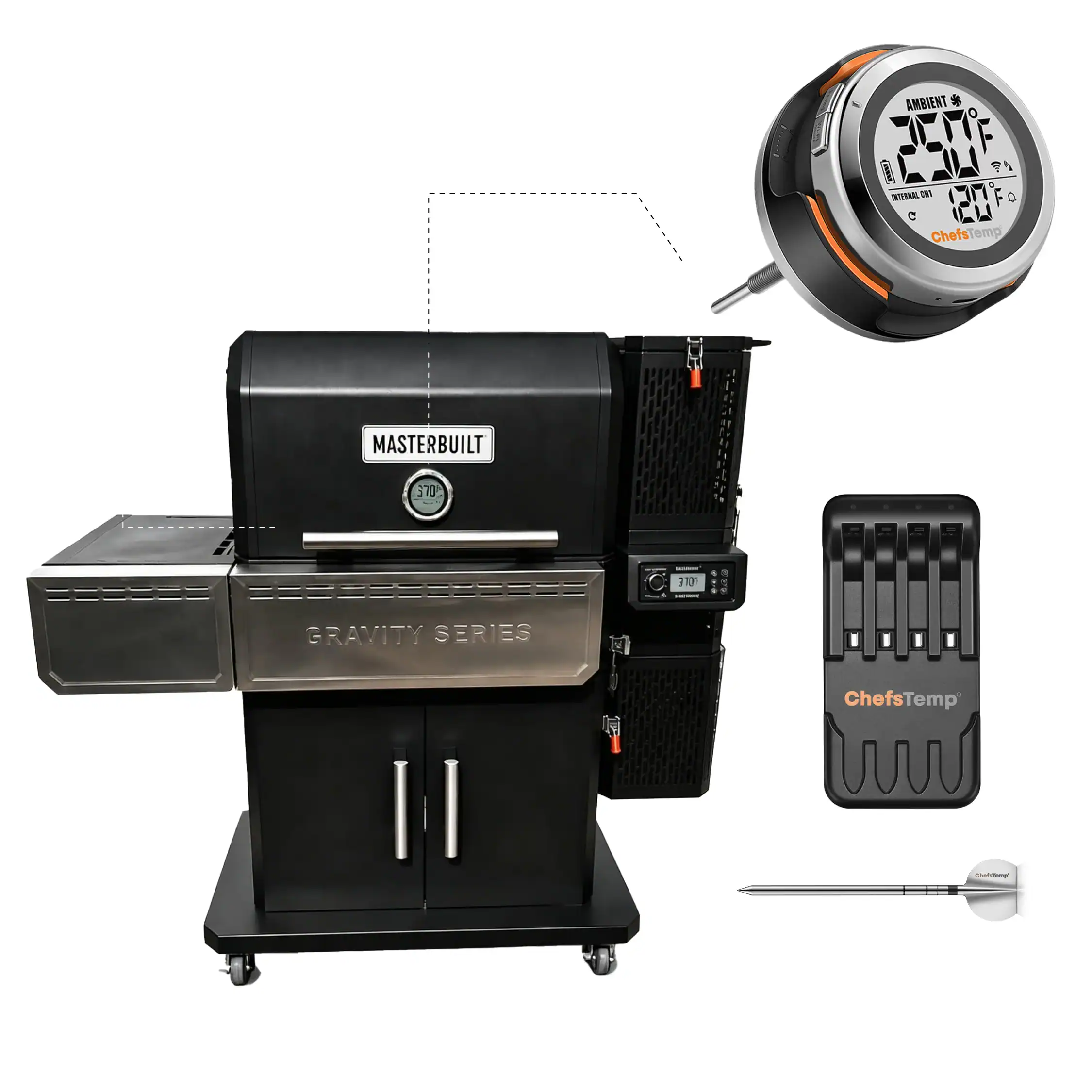
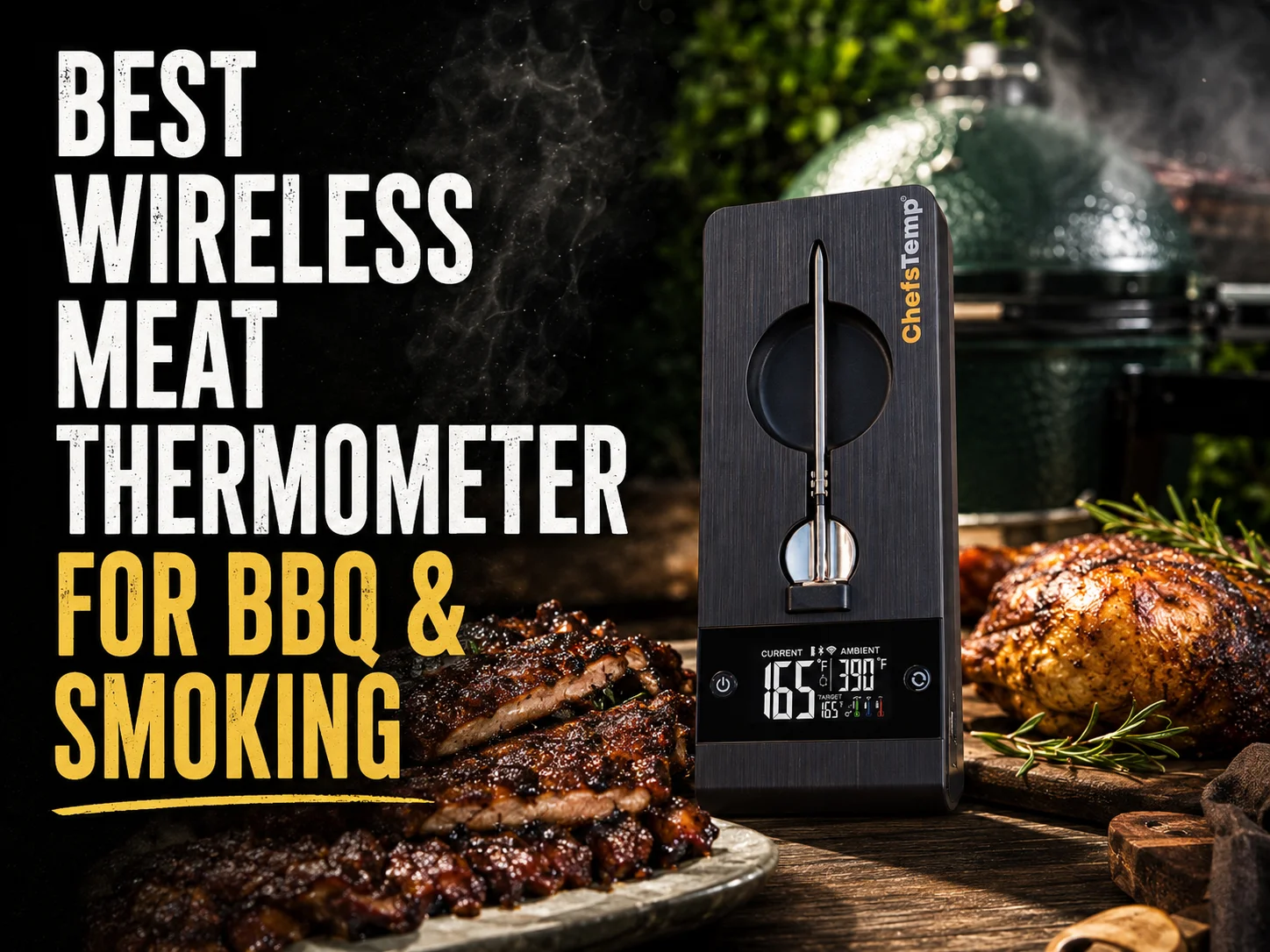
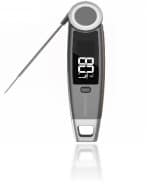
The best option to check the food temperature is using a kitchen thermometer. These thermometers come in many forms, such as instant-read thermometers, meat thermometers,
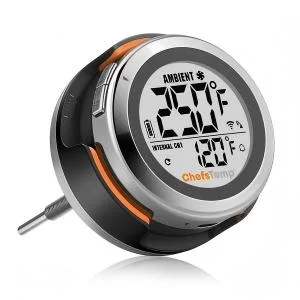
electronic meat thermometers, and many more. You can check the food temperature by inserting the probe into the food, and it will instantly give you the corresponding reading.
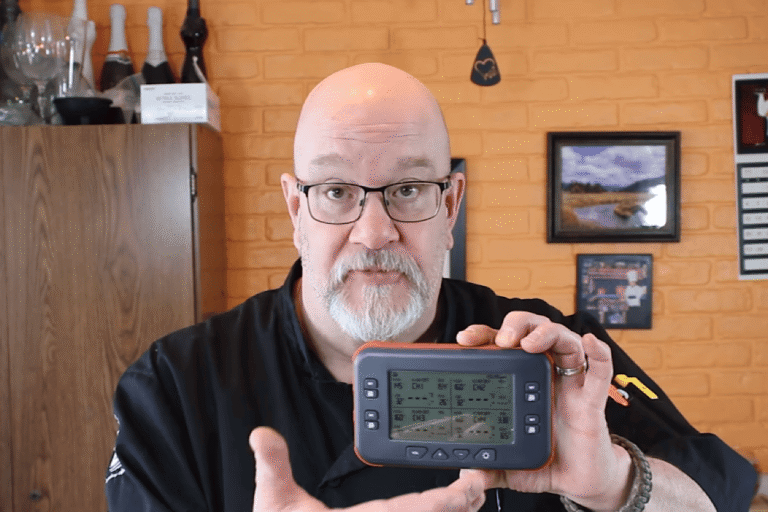
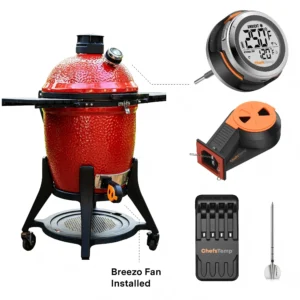
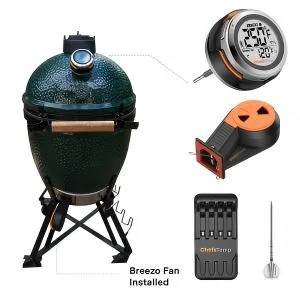
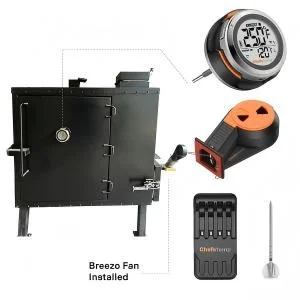
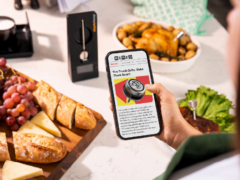
Modern electronic meat thermometers come with a large screen and 270-degree rotation probe. So checking food temperature is much easier.
Things You Should Remember While Using a Kitchen Thermometer
Here are some important facts you should remember while using a kitchen thermometer:
- Make sure to insert the probe into the thickest part of the food or meat.
- Do not let the probe touch the bottom of the pan; this might lead to incorrect readings.
- Always insert it into the center.
- Normally, the temperature of the probe will increase rapidly.
- After checking the food temperature, clean the probe, and disinfect it properly.
You should take the above points seriously while avoiding the food temperature danger zone.
Food Temperature Danger Zone for Various Types of Food
You need to realize that there is a different food temperature chart
for each food type
. So, you should be able to find that detail. Then prepare a food temperature chart. It is also known as the
temperature danger zone chart.
What Is Temperature Danger Zone Chart?
According to the USDA (U.S. Department of Agriculture), you should check the food temperature to ensure food safety; They develop food safety information charts for different types of foods; This chart is known as the
temperature danger zone chart.
Apart from the cooking temperature, these charts include details about reheating leftovers and storing them.
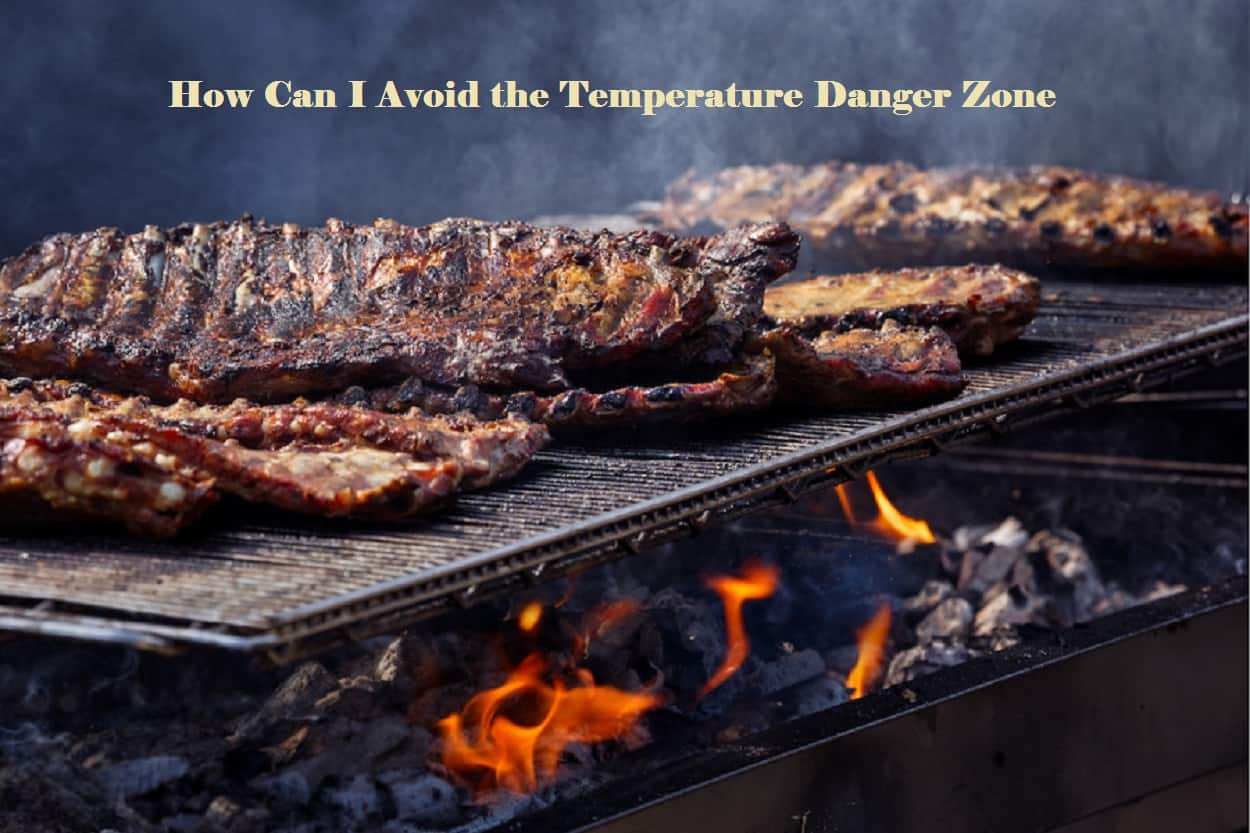
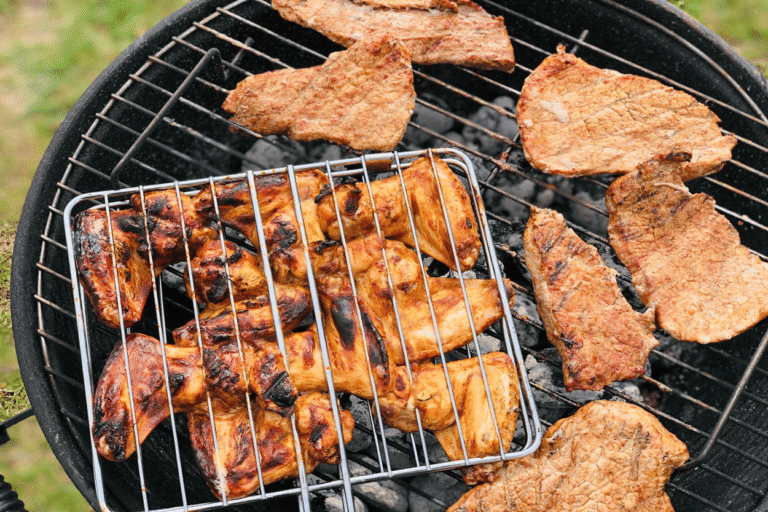
Danger Zone for Smoking and Grilling Meat
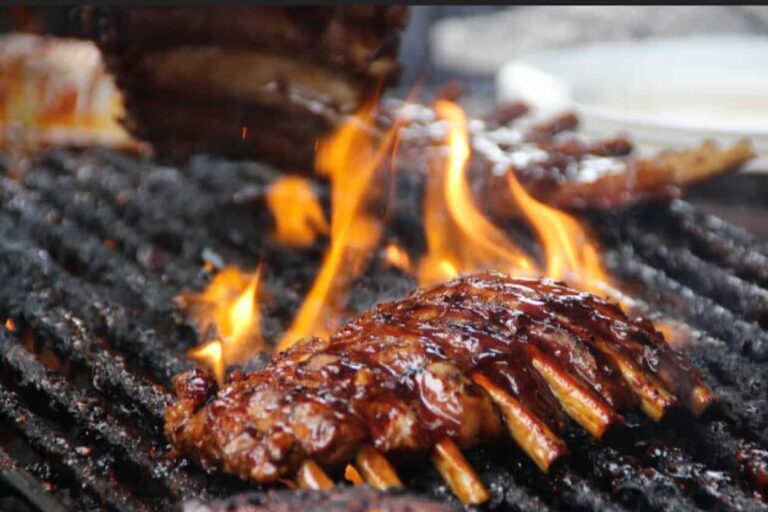
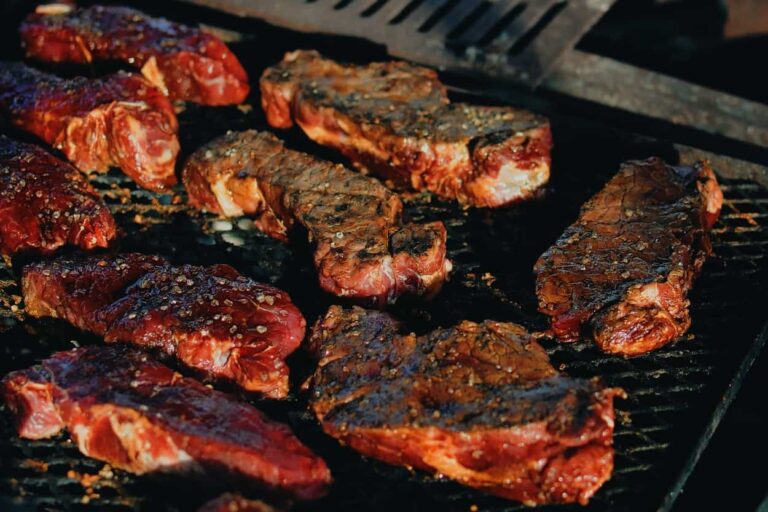
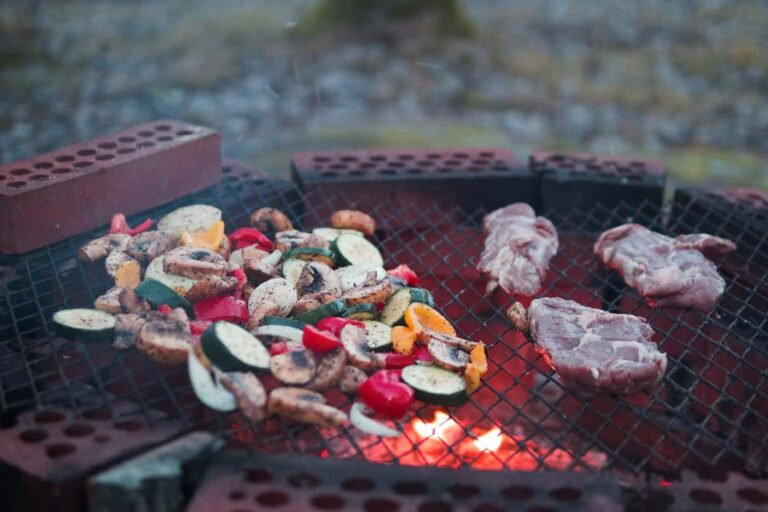
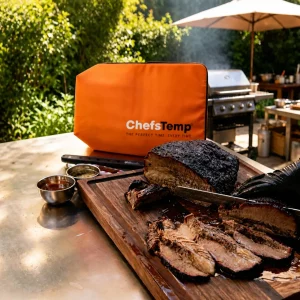
While smoking meat, you should pay special attention to the temperature danger zone
because
there is a higher chance of bacteria growth in the meat. Therefore, you need to find the optimum temperature for meat. As mentioned above, the temperature danger zone is 46°F -140°F (8°C-60°C). Hence, it is better to keep the hot smoking or grill above 158°F (70°C).
40-140-4 Rule for Meat
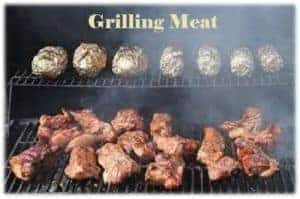
If you are planning to smoke or grill meat, you should know about the 40-140-4 rule; The idea behind this rule is that meat should increase the temperature from 40°F to 140°F within 4 hours. It will reduce the bacteria growth to a great extent.
Note: 40°F to 140°F means 4.44°C to 60°C.
How Does the Temperature Danger Zone Effect Smoking Meat?
Smoking meat should be done slowly and low. You might be thinking about how this slow process affects the temperature danger zone. But, you do not need to worry.
Usually, you will be able to pass the 40-140-4 rule. However, here are some factors that can affect the four-hour limit.
Intact Meat
Intact meat is meat whose interior is protected by pathogens. For instance, the whole pork shoulder can be considered intact meat. But, when we alter the pork shoulder, it will become non-intact meat.
If you smoke intact meat, you do not have to worry about the danger zone. Because the interior is protected, when you cook non-intact meat, you should act according to the 40-140-4 rule.
Puncturing the Meat
Most people like to inject the meat before starting the smock process, but it will open a pathway for bacteria. Hence, follow the 40-140-4 rule properly, and do not forget to check the temperature regularly using the smoker thermometer.
Size of the Meat
This is another factor that you should pay attention to; the size of the meat can decide the cooking time. For instance, if you smoke larger pieces, it will take a longer time, and when it is small, it will take less time. With a longer time, the meat will take time to get through the temperature danger zone. So, it will increase the bacteria level.
Wrap up
To sum up, when you are cooking, food safety is a crucial factor; So, you should avoid the temperature danger zone at any cost; Especially, when you are cooking meat, try to follow the 40-140-4 rule.